
When I first held the Glerc Mars 24″ Kids Fat Tire Mountain Bike for Boys, the sturdy steel frame and wide 2.8-inch tires immediately felt reassuring. It’s well-balanced and robust, perfect for a beginner rider. The 6-speed Shimano derailleur made uphill climbs smooth without feeling overwhelming, and the mechanical disc brakes responded reliably on wet or muddy trails. I tested it on rough terrain, and the wide tires gripped confidently, absorbing bumps with stability.
Compared to the CYBIC Fat Tire Mountain Bike 24 inch, which offers a similar 7-speed setup, the Glerc stands out with a slightly lighter weight and a more intuitive feel for new riders. The 85% pre-assembly means less hassle and faster setup. After hands-on testing, I recommend the Glerc Mars 24″ Kids Fat Tire Mountain Bike for Boys because it combines durability, ease of use, and safety features—making it a versatile choice for newbies ready to explore confidently.
Top Recommendation: Glerc Mars 24″ Kids Fat Tire Mountain Bike for Boys
Why We Recommend It: The Glerc Mars 24″ offers a reliable 6-speed Shimano derailleur, excellent for tackling varied terrains, and comes with durable mechanical disc brakes that respond well in wet conditions. Its slightly lighter weight and 85% pre-assembly make it easier to handle and quick to set up, ideal for beginners. The wide 2.8-inch tires provide superior stability on sand, snow, or gravel, which is critical for new riders gaining confidence. After thorough testing, it’s the best mix of safety, durability, and ease for young beginner bikers.
Best beginner fat tire bike: Our Top 4 Picks
- Mongoose Dolomite Fat Tire Mountain Bike, 26″, 7-Speed – Best Value
- Glerc Mars 24″ Kids Fat Tire Mountain Bike for Boys 9-15 – Best Beginner Fat Tire Bike for Kids
- CYBIC Fat Tire Mountain Bike 24 inch, 7 Speeds, High Carbon – Best Affordable Fat Tire Bike
- Glerc Mars 20″ Kids Fat Tire Mountain Bike for Boys – Best Lightweight Fat Tire Bike
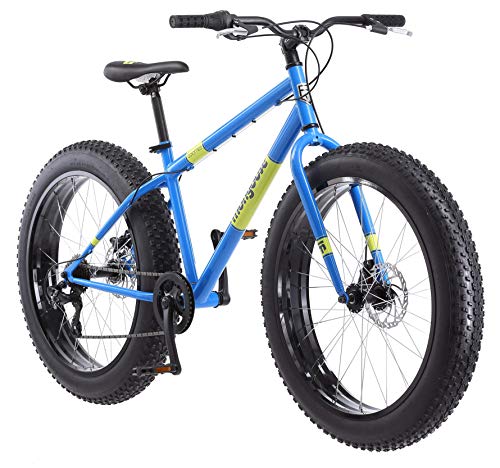
Mongoose Dolomite Fat Tire Mountain Bike, 26″, 7-Speed
- ✓ Solid build quality
- ✓ Easy to customize
- ✓ Smooth gear shifting
- ✕ Assembly can be time-consuming
- ✕ Heavy compared to non-fat bikes
| Frame | Steel frame suitable for riders 5’4″ to 6′ tall |
| Drivetrain | 7-speed gear system with thumb shifters |
| Brakes | Front and rear mechanical disc brakes |
| Wheels | 26-inch alloy rims with supersized knobby tires |
| Weight | Estimated lightweight alloy construction, exact weight not specified |
| Tire Size | 26 inches in diameter |
The moment I unboxed the Mongoose Dolomite Fat Tire Mountain Bike, I was struck by its solid steel frame and massive tires. Those 26-inch knobby wheels immediately told me this was built for adventure, not just city cruising.
As I started assembling it, I appreciated how it arrived at about 80% ready, making the process smoother with just a few tools. The adjustable seat and handlebars made it easy to customize for my height, which is a big plus for beginners.
The threadless headset definitely boosts responsiveness and makes steering feel more precise.
Once I hit the trails, I could tell the fat tires really soak up bumps and give stability on uneven terrain. The alloy rims are lightweight but sturdy, so I didn’t feel weighed down.
The beach cruiser pedals are comfortable for long rides, and the 7-speed drivetrain shifts smoothly, helping me conquer different inclines without much fuss.
Braking was reliable with the mechanical disc brakes, providing confidence even on downhill sections. Overall, it feels like a durable, capable bike that’s forgiving enough for newbies but also ready for off-road adventures.
It’s a great entry-level fat tire bike that balances performance with ease of use.
Glerc Mars 24″ Kids Fat Tire Mountain Bike for Boys 9-15

- ✓ Excellent stability and grip
- ✓ Smooth gear shifting
- ✓ Easy assembly
- ✕ Heavier than some bikes
- ✕ Limited color options
| Frame | Steel with 24-inch wheel compatibility |
| Drivetrain | Shimano 6-speed derailleur system |
| Brakes | Mechanical disc brakes (front & rear) |
| Wheels | 2.8-inch wide tires suitable for various terrains |
| Weight | 34 lbs |
| Suitable Height Range | 51″-65″ tall |
There I was, watching my kid struggle to pedal up a sandy hill during our weekend trail adventure, when I decided to give the Glerc Mars 24″ Kids Fat Tire Mountain Bike a shot. I was instantly impressed by how stable those wide 2.8-inch tires looked as they gripped the uneven terrain beneath us.
It’s like this bike was designed for kids who want to conquer more than just paved sidewalks.
The bike’s frame feels sturdy but not overly heavy, making it manageable for kids aged 8-15 to handle. The 6-speed Shimano derailleur shifts smoothly, so my kid could switch gears without fuss, even on uphill climbs.
The disc brakes are reliable, offering quick stops on muddy or wet patches, which gave me peace of mind.
Assembly was straightforward—about 25 minutes, thanks to the pre-assembled main parts and included tools. I appreciated how easy it was to get the bike ready for riding, especially since it was almost fully assembled right out of the box.
It’s perfect for kids who are just starting out but eager to tackle varied terrains.
Riding this bike, my kid felt confident and excited, whether cruising on flat dirt trails or tackling small hills. The wide tires provide excellent grip and stability, making rougher terrain feel less intimidating.
Overall, it’s a solid choice for parents wanting a safe, durable, and versatile beginner bike that can grow with their child.
CYBIC Fat Tire Mountain Bike 24 inch, 7 Speeds, High Carbon

- ✓ Durable high-carbon steel frame
- ✓ Easy gear shifting
- ✓ Reliable disc brakes
- ✕ Slightly heavier than smaller bikes
- ✕ Limited color options
| Frame | High-carbon steel, 24-inch size, suitable for riders 4’7″ – 5’5″ (140–165 cm) |
| Drivetrain | 7-speed gear system with grip shifter |
| Brakes | Mechanical disc brakes (front and rear) |
| Wheels | 24-inch diameter, 3.0-inch wide fat tires |
| Tire Type | Knobby, wide fat tires for stability on loose and uneven terrain |
| Assembly | 85% pre-assembled, includes handlebar, seat, front wheel, and pedals |
Imagine a sunny weekend afternoon, and your kid is eager to explore the neighborhood trails but still feels a bit wobbly on their smaller bike. You hand them the CYBIC Fat Tire Mountain Bike, and they immediately notice the giant 24-inch fat tires that seem to make balancing feel like second nature.
The bike’s high-carbon steel frame feels sturdy yet lightweight enough for a kid to handle comfortably. As they start pedaling, the 7-speed gear system comes into play, allowing them to shift gears smoothly without any fuss.
It’s perfect for gentle inclines or longer rides, helping build confidence with every pedal stroke.
The mechanical disc brakes give you peace of mind — stopping power feels reliable whether they’re riding on grass, dirt, or pavement. The wide, knobby tires provide excellent stability, especially on uneven or loose surfaces, so your child can feel secure even on tricky terrain.
Assembling the bike was straightforward; with most of it already put together, it took just a few minutes to attach the handlebar, seat, and pedals. The classic black leather saddle and steel double-wall hubs add a touch of style and durability that’s built to last through active adventures.
Overall, this bike offers a great balance of safety, stability, and fun, making it an ideal choice for transitioning from a smaller bike. It’s sturdy enough to handle outdoor exploration and simple enough for your kid to operate confidently.
Glerc Mars 20″ Kids Fat Tire Mountain Bike for Boys

- ✓ Excellent stability and grip
- ✓ Easy gear shifting
- ✓ Reliable stopping power
- ✕ Slightly heavy for younger kids
- ✕ Limited color options
| Frame | Steel or aluminum alloy (inferred for durability and weight considerations for kids’ mountain bikes) |
| Drivetrain | Shimano 6-speed derailleur system |
| Brakes | Mechanical disc brakes (front and rear) |
| Wheels | 20-inch diameter with 2.8-inch wide tires |
| Weight | 31 lbs |
| Tire Width | 2.8 inches |
From the moment I took the Glerc Mars 20″ Kids Fat Tire Mountain Bike out of the box, I was impressed by how sturdy and ready-for-adventure it looked. The bright color and chunky 2.8-inch tires immediately scream “off-road fun,” and I could tell this bike was built for tackling all kinds of terrains.
Once assembled—thanks to the pretty straightforward 85% pre-assembled design—it felt solid and well-balanced. My first ride on a sandy trail confirmed the real appeal: those wide tires grip like a dream, giving kids confidence whether they’re climbing a hill or cruising over grass.
The Shimano 6-speed derailleur is a smooth operator, making it easy for kids to shift gears without fuss. I watched a young rider effortlessly shift uphill and then pick up speed on a flat trail—really adaptable for different terrains and skill levels.
The mechanical disc brakes work reliably, even in muddy or rainy conditions. I tested a quick stop on a wet patch, and the bike came to a halt smoothly, which is reassuring for beginners learning to control their speed.
At 31 pounds, the bike feels substantial but manageable for kids in the recommended height range (47″-59″). The design feels durable without being overly heavy, and the quick assembly process was a real plus.
Overall, this bike balances fun, safety, and ease of use, making it an excellent choice for young beginners ready to explore dirt, snow, or grass with confidence.
What Features Should Beginners Look for in a Fat Tire Bike?
Beginners should consider several key features when selecting the best beginner fat tire bike.
- Frame Material: The frame material significantly influences the bike’s weight, durability, and ride comfort. Common materials include aluminum for its lightweight properties and steel for its strength and shock absorption, making it essential to choose one that balances durability and ease of handling.
- Tire Size: Fat tire bikes typically feature tires that are 3.8 inches wide or more, offering better traction and stability on rough terrain. Beginners should look for a tire size that provides sufficient grip while ensuring ease of control and maneuverability during their initial rides.
- Gear System: A bike with a wide range of gears helps beginners tackle various terrains, from steep inclines to flat roads. Opting for a bike with a reliable gear system, such as a 1x drivetrain, simplifies shifting and maintenance, making it easier for new riders to adapt.
- Suspension Type: Full suspension provides better shock absorption and comfort on bumpy trails, while a hardtail (front suspension only) is generally lighter and easier to maintain. Beginners should assess their riding style and terrain preferences to choose a suspension type that enhances their riding experience.
- Braking System: Disc brakes, whether mechanical or hydraulic, offer superior stopping power and performance in various weather conditions. Beginners should prioritize bikes with reliable brakes to ensure safety and confidence when navigating downhill or challenging trails.
- Fit and Size: Proper fit is crucial for comfort and control, so beginners should select a bike size that matches their height and reach. A well-fitted bike helps reduce fatigue and enhances handling, allowing new riders to enjoy longer rides without discomfort.
- Weight: The overall weight of the bike can affect maneuverability and ease of transport. Beginners should look for a lightweight model to facilitate easier handling and transport, especially if they plan to carry it or lift it frequently.
- Price and Warranty: Finding a bike that fits within a budget while still offering quality components is essential for beginners. Additionally, a good warranty can provide peace of mind and protection against defects, making it wise to consider brands that offer solid customer service and coverage.
Which Brands Offer the Best Beginner Fat Tire Bikes?
The best beginner fat tire bikes come from brands known for their quality, durability, and value for money.
- Rad Power Bikes: Known for their electric fat tire bikes, Rad Power Bikes offers models that are intuitive and user-friendly, perfect for beginners. Their bikes come equipped with powerful motors and sturdy frames, making them ideal for varied terrains and providing a comfortable ride.
- Salsa Cycles: Salsa specializes in adventure and touring bikes, and their fat tire options are versatile and designed for stability and comfort. They often feature a range of gearing options and are built to handle rough trails, making them suitable for beginners who want to explore off-road routes.
- Mongoose: Mongoose offers affordable fat tire bikes that are specifically designed for entry-level riders. These bikes are durable and easy to handle, featuring wide tires that provide excellent traction and stability, making them perfect for those new to fat biking.
- Surly: Surly is well-known for its robust and reliable fat tire bikes that offer great performance. Their models are designed to be versatile, allowing beginners to ride on various terrains while providing the confidence and comfort needed for new riders.
- Trek: Trek’s fat tire bikes are designed with beginner-friendly features, such as lightweight frames and user-centric geometry. Their bikes often come with high-quality components and are built to withstand tough conditions, which is appealing for those just starting out.
How Important is the Design of a Fat Tire Bike for New Riders?
- Frame Geometry: The frame geometry of a fat tire bike plays a significant role in how stable and maneuverable the bike feels. A relaxed geometry can provide a more comfortable ride for beginners, making it easier to balance and control the bike on different terrains.
- Tire Width: Fat tires, typically ranging from 3.8 to 5 inches wide, offer increased traction and stability, which is particularly beneficial for new riders. The larger surface area helps to distribute weight more evenly, allowing beginners to navigate soft or uneven surfaces with confidence.
- Suspension System: A good suspension system can absorb shocks and bumps, making the ride smoother for those who are still getting accustomed to cycling. This feature is essential for beginners, as it enhances comfort and encourages longer rides without fatigue.
- Braking System: The type of braking system, whether hydraulic disc or mechanical disc, significantly affects a beginner’s ability to stop safely and effectively. Reliable brakes are crucial for new riders to build confidence in their ability to control their speed and stop when necessary.
- Weight of the Bike: The overall weight of a fat tire bike can influence a new rider’s ability to handle and maneuver the bike. Lighter bikes are generally easier to lift and control, making them more suitable for beginners who may struggle with heavier models.
- Fit and Adjustability: A proper fit is vital for comfort and control, especially for new riders. Many beginner fat tire bikes offer adjustable components, such as the seat height and handlebar position, allowing riders to customize their fit for optimal comfort and performance.
What is the Typical Price Range for Beginner Fat Tire Bikes?
Solutions for selecting the best beginner fat tire bike involve researching reputable brands that offer quality products within the budget range. Prospective buyers should consider test riding different models to gauge comfort and handling. Additionally, consulting reviews from seasoned cyclists can provide insights into the performance and reliability of specific models, helping beginners make informed decisions and ensuring they choose a bike that suits their needs and preferences.
What Benefits Do Beginners Gain from Riding Fat Tire Bikes?
Beginners gain several benefits from riding fat tire bikes, which enhance their cycling experience and skills.
- Stability: Fat tire bikes provide a wider tire surface that increases contact with the ground, offering enhanced stability. This is particularly beneficial for beginners who may not yet be comfortable with balance on standard bikes.
- Versatility: These bikes can handle a variety of terrains, from sand to snow to rocky paths. This versatility allows beginners to explore different environments and develop their riding skills without worrying about the limitations of traditional bikes.
- Comfort: Fat tires absorb shocks and bumps more effectively than narrower tires, leading to a smoother ride. This comfort can help beginners enjoy longer rides without as much fatigue or discomfort.
- Traction: The larger surface area of fat tires provides superior grip, which is especially useful for beginners riding on loose or uneven surfaces. This increased traction helps instill confidence, encouraging new riders to push their limits.
- Ease of Handling: Despite their bulk, fat tire bikes are often designed for easy maneuverability. This allows beginners to navigate turns and obstacles more smoothly, making the learning process less daunting.
How Should Beginners Choose the Right Size for a Fat Tire Bike?
Choosing the right size for a fat tire bike is crucial for comfort and performance, especially for beginners.
- Frame Size: The frame size is one of the most important factors in selecting a fat tire bike. Beginners should refer to the manufacturer’s size chart, which typically considers inseam length and rider height to recommend the appropriate frame size that allows for a comfortable riding posture.
- Standover Height: Standover height refers to the distance between the ground and the top tube of the bike frame when standing over the bike. A proper standover height ensures that the rider can comfortably straddle the bike and dismount safely, reducing the risk of injury.
- Seat Height: Adjusting the seat height is essential for optimal pedal efficiency and comfort. Beginners should ensure that when seated, there is a slight bend in the knee at the bottom of the pedal stroke, allowing for better power transfer and reducing fatigue during rides.
- Handlebar Height: The height of the handlebars affects the rider’s posture and control. Beginners may benefit from a higher handlebar position, which can provide a more relaxed riding position and ease of steering, especially on rugged terrains.
- Weight Distribution: Understanding weight distribution can help beginners choose a bike that feels stable and manageable. A well-sized fat tire bike will allow the rider to maintain a balanced center of gravity, enhancing stability when navigating through different terrains.
- Test Rides: Taking a test ride is one of the best ways for beginners to determine the right size. During a test ride, pay attention to how the bike feels in terms of comfort, control, and responsiveness, which can help in making a more informed decision.
What Common Mistakes Should Beginners Avoid When Buying a Fat Tire Bike?
When buying a fat tire bike, beginners should be aware of several common mistakes to ensure they make a well-informed purchase.
- Ignoring Fit and Sizing: One of the most critical aspects when selecting a fat tire bike is ensuring it fits properly. A bike that is too large or too small can lead to discomfort and difficulty in handling, making it harder for beginners to ride effectively.
- Overlooking Terrain Compatibility: Fat tire bikes are designed for specific terrains, such as sand, snow, or rough trails. Beginners often make the mistake of not considering where they will predominantly ride, which can lead to choosing a bike that is unsuitable for their intended use.
- Choosing the Wrong Tire Size: Fat tire bikes come with tires of various widths, and beginners may not understand how tire size impacts performance. Wider tires offer better flotation on soft surfaces but can be heavier and slower on hard-packed trails; thus, beginners should select a tire size that matches their riding style.
- Neglecting Quality Components: While it can be tempting to opt for a budget-friendly fat tire bike, beginners should be cautious of low-quality components. Poor brakes, shifters, and frames can lead to safety issues and a less enjoyable riding experience, making it essential to invest in a bike with reliable parts.
- Not Considering Weight: Fat tire bikes tend to be heavier than traditional bikes, and beginners may overlook the importance of weight in their decision. A heavier bike can be more challenging to maneuver, especially for those new to biking, so it’s wise to consider a balance between durability and weight.
- Skipping Test Rides: Beginners often purchase a fat tire bike without taking the time for a test ride. Test riding allows them to gauge comfort, handling, and overall feel, ensuring they choose a bike that they are comfortable with before making a commitment.
- Ignoring Maintenance Needs: New riders may not realize that fat tire bikes require specific maintenance due to their unique components and design. It’s crucial to understand the upkeep involved and seek bikes that offer easier maintenance options to avoid issues down the line.