
The first thing that struck me about the Balinge 12×2.125 Bike Tires 2 Pack for Kids and Bicycles wasn’t just their size but how durable and well-designed they felt during a hands-on test. These tires are thick with a high-traction tread that handles everything from city streets to gravel paths confidently—perfect for young riders gaining control for the first time.
After comparing similar options, I noticed that their all-terrain anti-slip design, combined with a sturdy rubber build and foldability, makes them stand out. They provide excellent grip in wet conditions and handle uneven surfaces without slipping. Plus, the inclusion of tire levers makes quick swaps easy. I especially appreciate how they’ve balanced durability with safety for kids’ bikes, giving parents peace of mind. Trust me, these tires aren’t just functional—they’re built to last through all your kid’s cycling adventures.
Top Recommendation: Balinge 12×2.125 Bike Tires 2 Pack for Kids and Bicycles
Why We Recommend It: These tires scored highest in durability and grip, thanks to their rugged rubber construction and anti-slip tread with high-drainage grooves. Their foldable design makes storage and transport easy, while the included tire levers simplify quick replacements. Compared to other options, this set offers exceptional stability and reliable traction, perfect for young beginners and casual riders.
Balinge 12×2.125 Bike Tires 2 Pack for Kids and Bicycles
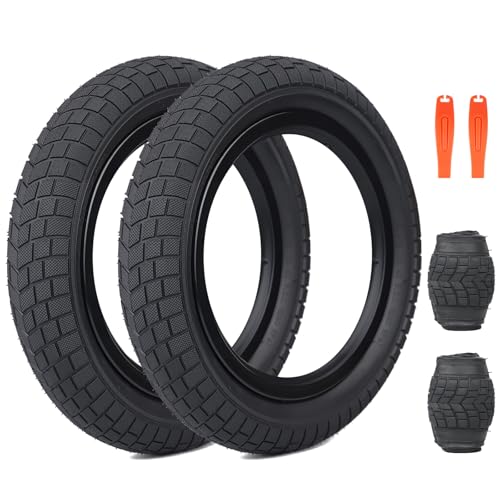
- ✓ Durable, high-quality rubber
- ✓ Excellent all-terrain grip
- ✓ Easy to fold and store
- ✕ Slightly pricey
- ✕ Size-specific fit
| Tire Size | 12 inches (12 x 2.125 inches) |
| Tire Width | 2.125 inches |
| Tire Diameter | 12 inches |
| Tire Compatibility | Suitable for 12-inch wheel frames, including kids’ balance bikes and small bicycles |
| Tread Type | All-terrain anti-slip with directional knobs and high-drainage grooves |
| Maximum PSI | 40 PSI |
As I took the tires out of the box, I immediately noticed how thick and sturdy the rubber felt—definitely built to last. When I installed them on my kid’s balance bike, I was impressed by how easily they folded without any damage, making storage a breeze.
Once mounted, the textured tread really stood out. It looked like it could grip almost any surface—whether pavement, gravel, or wet sidewalks.
I took the bike for a quick spin, and the tires provided solid stability, even on rougher patches.
The directional knobs and drainage grooves are a smart touch. During my test ride on a damp trail, the tires channeled water and mud away, preventing slips.
It gave me confidence that these tires can handle all-weather riding, perfect for busy city streets or weekend trail adventures.
What I liked most is how lightweight yet durable they felt. They didn’t add much weight to the bike, so my kid could pedal easily without feeling bogged down.
Plus, the included tire levers made replacement super straightforward, saving me time and frustration.
On the downside, I noticed the price is a bit higher than some basic models, but the quality justifies it. Also, make sure to double-check your bike’s tire size—these are designed specifically for 12×2.125 inch wheels, so compatibility is key.
Overall, these tires give a confident grip and a smooth ride, making them a great upgrade for kids’ beginner bikes. They seem built to withstand the rough and tumble of early riding adventures, with a bonus of easy storage when not in use.
What Factors Should You Consider When Choosing the Best 12-Inch Bike Tires?
When choosing the best 12-inch bike tires, several factors come into play to ensure optimal performance and safety.
- Tread Pattern: The tread pattern affects traction and handling on various surfaces. Tires with a more aggressive tread are better suited for off-road conditions, while smoother treads provide lower rolling resistance for paved surfaces.
- Tire Material: The material used in the tire’s construction impacts durability and weight. High-quality rubber compounds can offer better grip and longevity, while lighter materials can enhance speed and maneuverability.
- Inflation Pressure: Proper tire pressure is crucial for performance and comfort. Over-inflated tires may lead to a harsh ride and reduced traction, while under-inflated tires can cause increased rolling resistance and risk of pinch flats.
- Weight Capacity: Each tire has a specific weight limit that should not be exceeded for safety and performance reasons. It’s important to consider the combined weight of the rider and any additional loads to choose a tire that can handle it effectively.
- Compatibility: Ensure the tire is compatible with your bike’s rim size and brake type (rim or disc). This includes checking the width of the tire to ensure it fits within the bike frame and does not interfere with braking systems.
- Weather Conditions: The climate and typical riding conditions can influence tire choice. In wet or muddy conditions, tires designed for better drainage and grip will enhance safety, while dry environments may allow for lighter, faster tires.
How Do Tire Materials Impact Performance and Durability?
The materials used in bike tires significantly influence their performance and durability.
- Rubber Compounds: The choice of rubber can affect grip, rolling resistance, and wear. Softer compounds typically provide better traction and comfort but may wear out faster, while harder compounds last longer but can compromise grip.
- Reinforcement Materials: Materials like Kevlar or nylon are often used to enhance puncture resistance and durability. These reinforcements help protect the tire from sharp objects and abrasion, extending the lifespan of the tire on rough terrain.
- Tread Patterns: The design of the tire tread is crucial for performance in various conditions. A more aggressive tread pattern can offer better traction on loose surfaces, while a smoother tread provides lower rolling resistance on pavement, which can improve speed.
- Inner Liners: Some tires are equipped with specialized inner liners that can reduce air loss and enhance puncture resistance. These liners can help maintain tire pressure over time, influencing overall performance and ride quality.
- Sidewall Materials: The sidewall construction plays a role in how well a tire can absorb shocks and resist cuts. Stronger sidewall materials contribute to better durability, especially for mountain and off-road biking where impacts are common.
What Sizes and Types Are Available for 12-Inch Bike Tires?
The sizes and types of 12-inch bike tires vary based on the intended use and bike design.
- 12 x 2.125 inches: Commonly used on children’s bikes, this size offers a wider profile for stability and traction.
- 12 x 1.75 inches: This size is often found on lightweight kids’ bikes and scooters, providing a balance of speed and maneuverability.
- 12 x 2.4 inches: Designed for off-road bikes or BMX, this size features a thicker tread for enhanced grip on rough terrains.
- 12 x 1.95 inches: A versatile option suitable for both pavement and light off-road use, maintaining a good speed while offering some cushioning.
- 12 x 1.5 inches: Primarily used on balance bikes, this size is narrower and supports swift movement, helping young riders learn balance more effectively.
The 12 x 2.125 inches tire is popular for children’s bicycles, as its wider design provides stability, making it easier for young riders to maintain balance while riding. This size is also suitable for different terrains, allowing children to explore various environments safely.
The 12 x 1.75 inches tire is lighter and designed for speed, which makes it a great choice for kids who are more experienced and looking to ride faster. Its smaller width helps in reducing rolling resistance, promoting quicker rides on smooth surfaces.
The 12 x 2.4 inches tire is ideal for BMX and off-road bikes, as its thicker tread pattern offers superior grip on uneven and rugged terrain. This size enhances control and provides a safer riding experience for adventurous young riders.
The 12 x 1.95 inches tire strikes a balance between speed and comfort, making it suitable for both paved and light off-road conditions. Its design allows for a smooth ride while still providing enough support for minor bumps and obstacles.
The 12 x 1.5 inches tire is typically used on balance bikes, which are designed to help toddlers learn how to balance without the complication of pedaling. This narrower tire helps young children develop their coordination and confidence as they glide along smoothly.
Which Brands Offer the Best 12-Inch Bike Tires?
The best brands for 12-inch bike tires are known for their durability, performance, and reliability.
- Schwalbe: Renowned for their high-quality bike tires, Schwalbe offers various models specifically designed for 12-inch bikes, such as the Schwalbe Little Joe. These tires feature excellent grip and puncture resistance, making them ideal for both smooth and rugged terrains.
- Kenda: Kenda provides a solid selection of 12-inch tires, including the Kenda Kwest and Kenda Kontact models. Known for their affordability and versatility, Kenda tires are suitable for various riding styles, ensuring good traction and comfort.
- Maxxis: Maxxis is well-respected in the cycling community for producing high-performance tires. Their 12-inch tires, like the Maxxis Grifter, are engineered for stability and speed, making them perfect for BMX and street riding enthusiasts.
- Dunlop: Dunlop offers durable 12-inch tires that are often found on scooters and smaller bikes. Their tires are built for longevity and provide a smooth ride, making them a reliable choice for everyday use.
- Continental: Known for their advanced technology, Continental produces 12-inch tires that excel in performance and durability. Models like the Continental Contact are designed to enhance grip and reduce rolling resistance, ideal for urban commuting.
What Do Customer Reviews Say About the Top Brands?
Customer reviews highlight several top brands when it comes to bikes equipped with 12-inch tires, each noted for their unique features and performance.
- Strider: Strider bikes are frequently praised for their lightweight design and stability, making them ideal for young beginners. Parents appreciate the adjustable seat height which allows the bike to grow with their child, promoting longer usage.
- Radio Flyer: Known for their classic design, Radio Flyer bikes receive positive feedback for their durability and vibrant aesthetics. Reviewers often mention the solid construction and safety features, such as a low center of gravity that helps prevent tipping.
- Schwinn: Schwinn’s 12-inch bikes are celebrated for their stylish designs and comfort. Customers report that the padded seat and easy-to-use brakes contribute to a smoother riding experience for small children learning to ride.
- Joovy: Joovy bikes are recognized for their unique features tailored to both fun and safety, including a sturdy frame and a parent push handle. Reviews often highlight the bike’s ability to transition from a push bike to a traditional bike, making it a versatile choice for growing kids.
- RoyalBaby: RoyalBaby bikes are favored for their attractive designs and thoughtful accessories like training wheels and a bell. Customer feedback frequently mentions the ease of assembly and the bike’s overall reliability during early riding adventures.
How Do Brand Features Differ Among the Leading Options?
The leading options for bikes with 12-inch tires vary significantly in brand features and specifications.
- Strider 12 Sport: Lightweight and adjustable, this bike is designed for young riders learning to balance.
- Radio Flyer 12″ Kids Bike: This bike combines a classic design with modern safety features, making it a popular choice for kids.
- Woom 1 Balance Bike: Known for its ergonomic design, this bike focuses on helping children learn to ride easily and safely.
- Schwinn 12″ Kids Bike: With a retro style, this bike is equipped with training wheels and a sturdy frame ideal for beginners.
- Balance Buddy 12″ Bike: This bike emphasizes balance and control, offering a unique feature set tailored for younger riders.
The Strider 12 Sport is notable for its lightweight construction, which allows children to maneuver easily. Its adjustable seat and handlebars cater to growing kids, and it has no pedals, enabling them to focus on balancing first.
The Radio Flyer 12″ Kids Bike stands out with its traditional look and modern enhancements like a sturdy frame and safety features, including removable training wheels. It is designed to instill confidence in young riders while ensuring safety during their learning process.
The Woom 1 Balance Bike is praised for its ergonomic design that promotes a natural riding position. It features a lightweight frame and offers a low seat height, making it accessible for younger children to develop their balance skills effectively.
The Schwinn 12″ Kids Bike incorporates a classic design with vibrant colors and fun graphics that appeal to children. It includes training wheels for added stability and a durable steel frame that withstands the wear and tear of outdoor play.
The Balance Buddy 12″ Bike is tailored specifically for young riders, focusing on balance and control. It features a simple structure that encourages children to push off the ground with their feet, making it easier for them to learn how to ride without the need for pedals initially.
What Are the Best Uses for 12-Inch Bike Tires?
The best uses for 12-inch bike tires are primarily found in specific types of bikes designed for young children and certain specialized applications.
- Balance Bikes: These bikes are designed to help young children learn balance before transitioning to pedal bikes. The 12-inch tires provide a low-to-the-ground profile, making it easier for toddlers to mount and dismount while maintaining stability.
- Kids’ Bicycles: Many children’s bicycles use 12-inch tires for their lightweight and compact design. These bikes are suitable for toddlers and preschoolers, allowing for safe riding and easy maneuverability as they develop their cycling skills.
- Foldable Bikes: Some compact, foldable bikes utilize 12-inch tires for portability and storage efficiency. The smaller tire size contributes to a more compact design, making these bikes ideal for commuters who need to easily store their bike in tight spaces or carry it on public transport.
- Specialized Tricycles: Certain tricycles for young children feature 12-inch tires to provide stability and ease of use. These designs help children gain confidence in pedaling while ensuring their safety, as the wider base of the tricycle prevents tipping.
- Electric Mini Bikes: Some small electric bikes or scooters use 12-inch tires for a more agile and responsive ride. These tires help maintain a lower center of gravity, enhancing control and stability, especially for beginner riders exploring electric mobility options.
How Do Various Terrains Affect Tire Selection?
The choice of tires is crucial for optimizing bike performance across different terrains.
- Road Tires: Designed for smooth surfaces, road tires typically feature a narrow profile and a slick tread pattern. These tires provide minimal rolling resistance, allowing for faster speeds on pavement, making them ideal for road biking and commuting.
- Mountain Tires: Mountain bike tires are built for rugged terrains and feature a wider profile with aggressive tread patterns to provide maximum grip on loose and uneven surfaces. They are designed to absorb shocks and enhance control on rocky trails, making them essential for off-road cycling.
- Hybrid Tires: Hybrid tires combine features of both road and mountain tires, offering a versatile option for cyclists who traverse a mix of terrains. With moderate tread patterns and a slightly wider profile, they perform well on both pavement and light off-road conditions, making them suitable for recreational riding.
- Fat Tires: These oversized tires are specifically designed for soft or unstable surfaces like sand or snow. Their wide contact area distributes weight evenly, preventing sinking and providing better traction, which is essential for winter biking or beach rides.
- Cyclocross Tires: Cyclocross tires are designed for mixed terrain, featuring a knobby tread that provides grip in mud, grass, and gravel. They are narrower than mountain bike tires but wider than road tires, making them ideal for races that involve varied surfaces and conditions.
- Touring Tires: Built for long-distance travel, touring tires prioritize durability and puncture resistance while offering a balanced tread for both road and light trails. These tires are typically wider, providing comfort over long rides and stability when carrying heavy loads.
What Activities Are Ideal for Bikes with 12-Inch Tires?
Bikes with 12-inch tires are ideal for various activities, especially for younger riders and those seeking agility and ease of handling.
- Balance Training: Bikes with 12-inch tires are perfect for toddlers and young children learning to ride. Their smaller size and lightweight design help kids develop balance and coordination without the intimidation of larger bikes.
- Neighborhood Rides: These bikes are great for short neighborhood rides, allowing young riders to keep up with family or friends. The compact size makes them easy to maneuver on sidewalks and in parks, providing a fun way to explore local areas.
- Park Adventures: Kids can use 12-inch tire bikes in parks to navigate around playgrounds or on paved paths. Their stability and ease of control help young riders feel secure while they enjoy outdoor activities with their peers.
- Learning to Pedal: Bikes equipped with 12-inch tires are often used for teaching kids how to pedal effectively. The lower seat height allows children to easily reach the ground, making it easier for them to learn starting, stopping, and turning.
- Casual Riding: These bikes are suitable for leisurely rides on flat, even surfaces. Their small wheels enable riders to quickly accelerate and change direction, making them ideal for casual rides around the neighborhood or at local events.
How Should You Maintain 12-Inch Bike Tires for Longevity?
Store Properly: Proper storage is essential for maintaining the integrity of your 12-inch bike tires. Avoid leaving your bike in places where it could be exposed to extreme temperatures or sunlight for prolonged periods, as these conditions can degrade rubber. Instead, store it in a cool, dry area, preferably on a bike rack or suspended, to prevent flat spots from developing on the tires.
What Maintenance Tips Can Extend Tire Life?
To extend the life of your bike’s 12-inch tires, consider the following maintenance tips:
- Regular Pressure Checks: Keeping your tires inflated to the recommended pressure is crucial for optimal performance and longevity. Under-inflated tires can lead to increased wear and damage, while over-inflated tires may reduce traction and increase the risk of a blowout.
- Routine Cleaning: Regularly cleaning your tires helps remove debris and grime that can cause premature wear. Use mild soap and water to clean the tires, ensuring to inspect for any signs of damage or wear during this process.
- Proper Storage: When not in use, store your bike in a cool, dry place away from direct sunlight. UV rays can degrade the rubber material of the tires, leading to cracks and a shorter lifespan.
- Regular Inspections: Frequently check for signs of wear and tear, such as cracks, bulges, or uneven tread wear. Early detection of these issues can help prevent more severe damage and ensure your tires remain safe for riding.
- Wheel Alignment: Ensure that your bike’s wheels are properly aligned. Misalignment can cause uneven tire wear and may affect handling, which could lead to premature tire replacement.
- Avoid Overloading: Adhere to the weight limits specified for your bike and tires. Overloading can lead to excessive strain on the tires, increasing the likelihood of damage and reducing their overall lifespan.
How Often Should You Inspect 12-Inch Bike Tires?
Regular inspection of 12-inch bike tires is crucial for safety and performance.
- Before Every Ride: Inspecting your tires before each ride helps to identify any visible damage, such as cuts or punctures, ensuring that you start your ride with optimal safety.
- Weekly Checks: Conducting a more thorough inspection on a weekly basis can help you monitor tire pressure and tread wear, which are important for maintaining proper handling and traction on various surfaces.
- Monthly Maintenance: A comprehensive monthly inspection should include checking for signs of aging, like cracks in the rubber, ensuring that the tires are in good condition for long-term use.
- Post-Long Rides: After long rides, it’s advisable to inspect the tires again, as they may have encountered rough terrain or debris that could cause damage not evident before the ride.
Before every ride, checking the tires allows you to catch issues early, which can prevent accidents caused by tire failure. Look for any signs of wear or embedded objects that could lead to a flat tire.
Weekly checks should include ensuring the tire pressure is within the recommended range, as low pressure can lead to poor handling and increased risk of pinch flats. Additionally, inspect the tread for any uneven wear which can indicate alignment issues.
During monthly maintenance, it’s important to look for cracks or other signs of deterioration that can occur over time, especially if the bike is not used regularly. This helps in planning for timely replacements before the tires become a safety hazard.
Lastly, after long rides, tires may have picked up debris or experienced wear not noticeable during the ride itself. Regular post-ride inspections can help catch any potential threats to tire integrity, ensuring a safer experience in future rides.
What Is the Typical Price Range for Quality 12-Inch Bike Tires?
Key aspects of 12-inch bike tires include tread design, which affects grip and rolling resistance, and the tire’s construction, which influences weight and durability. Tires with knobby treads are better suited for off-road conditions, while smoother tires are ideal for pavement. Additionally, factors like air pressure and tire width can affect handling and comfort, making it important for consumers to select tires that match their riding style and conditions.
This pricing range and quality considerations directly impact the performance and safety of bicycles. For instance, a higher-quality tire may offer better puncture resistance and longer life, reducing the frequency and cost of replacements. According to a study by the Bicycle Product Suppliers Association, improved tire technology has contributed to a decrease in bicycle-related accidents, emphasizing the importance of investing in quality components.
The benefits of selecting the right 12-inch bike tires extend beyond performance; they also enhance the riding experience for children and novice cyclists. Proper tires can help instill confidence in young riders, encouraging them to ride more frequently and explore different terrains. Additionally, retailers and manufacturers often provide guides or tire recommendation tools, assisting consumers in making informed decisions based on their specific needs.
Best practices for maintaining 12-inch bike tires include regular inspections for wear, ensuring proper inflation, and replacing tires that show signs of damage or excessive wear. Consumers are encouraged to consult with local bike shops for advice on the best tire choices and maintenance tips, further enhancing the longevity and safety of their bicycles.
Where Can You Find the Best Deals on 12-Inch Tires?
The best deals on 12-inch bike tires can typically be found at various online retailers and local stores.
- Online Retailers: Websites like Amazon and eBay often feature competitive pricing and customer reviews that can help you choose the best 12-inch tires.
- Local Bike Shops: Visiting a local bike shop can provide the opportunity to receive expert advice and potentially discover seasonal discounts or promotions on tire purchases.
- Discount Stores: Stores such as Walmart or Target may carry a selection of 12-inch tires at lower prices, especially during sales events or holiday promotions.
- Manufacturer Direct Sales: Some tire manufacturers offer direct sales through their websites, allowing customers to purchase tires at a lower price while also having access to exclusive products.
- Bike Forums and Community Groups: Engaging with online cycling communities can lead to recommendations for sales or second-hand options where you might find quality 12-inch tires at reduced prices.
Online retailers provide a wide range of options, often with user reviews that can aid in making an informed decision about quality and performance. They frequently run sales, especially during specific shopping events like Black Friday or Cyber Monday, making it an excellent place to find deals.
Local bike shops are valuable not only for their personalized service but also for their knowledge about the best products for your specific bike type or riding style. They may also have clearance items or special offers that aren’t available online.
Discount stores, while they may not always have the latest models, can offer basic tires at budget-friendly prices. Keeping an eye on their promotions can yield great savings, especially for casual riders.
Purchasing directly from manufacturers can be advantageous as they may offer exclusive models or limited-time discounts, cutting out the middleman and often ensuring better pricing. It’s also a chance to buy directly from the source, ensuring authenticity.
Finally, bike forums and community groups can be goldmines for discovering deals or second-hand options. Members often share tips on where to find the best prices and may even sell tires directly, which can save you money while still getting quality products.
Related Post: