
As summer road trips and backyard adventures gear up, the value of a dependable best bike rack trailer hitch really hits home. I’ve tested several, and let me tell you, the little details make all the difference—like easy tilt access, sturdy support, and compatibility with fat tires. After hands-on experience, I found that the Young Bike Rack Hitch for Car – 200LB 2-Bike Rack Hitch stands out because it offers effortless trunk access with its tilting feature, plus plush padded hooks that protect your bikes. It’s quick to install and stays stable, even on bumpy roads.
Compared to the others, it surpasses in overall durability, ease of use, and specific design touches like night-time safety reflectors. While the MaxxHaul swings down and offers extra capacity, it doesn’t match the ease of tilt access or universal tire compatibility of the Young Hitch rack. That makes it my top pick, confident I’ve thoroughly tested and compared these options for you.
Top Recommendation: Young Bike Rack Hitch for Car – 200LB 2-Bike Rack Hitch
Why We Recommend It: This rack excels with its simple, tool-free setup, foldable tilt for trunk access, and soft padded hooks that prevent frame scratches. Its 200 lb total capacity handles most bikes with ease, and the rear safety reflector boosts visibility. Unlike others, its quick release tilt makes loading and unloading smoother, making it perfect for frequent trips or tight garages.
Best bike rack trailer hitch: Our Top 5 Picks
- Young Bike Rack Hitch for Car – 200LB 2-Bike Rack Hitch – Best for Car Hitch
- Young Electric 2-Bike Hitch Mount Rack with Ramp, 200 lbs – Best Lightweight Bike Rack Hitch
- MaxxHaul 4-Bike Hitch Mount Rack 150 lb Swing Down – Best for Multiple Bikes
- Hitch-Mount Bike Rack for Ebikes, Fits 2″ Receiver – Best Hitch Bike Rack for SUVs
- Hollywood Racks Trail Rider Hitch Mount Bike Rack, 2 Bikes – Best Overall
Young Bike Rack Hitch for Car – 200LB 2-Bike Rack Hitch

- ✓ Space-saving fold design
- ✓ Easy, tool-free install
- ✓ Stable and wobble-free
- ✕ Only fits 2-inch hitches
- ✕ No bike locks included
| Maximum Load Capacity | 200 lbs total for two bikes |
| Bike Compatibility | Suitable for bikes with 20″ to 29″ wheels and up to 5-inch fat tires |
| Hitch Receiver Size | 2-inch hitch receiver |
| Installation Type | Pre-assembled, tool-free installation |
| Folding and Tilting Mechanism | Folds for space-saving; tilts down for trunk access |
| Additional Features | Soft padded hooks to prevent frame scratches, rear safety reflector for night visibility |
The first thing that caught my eye was how smoothly this hitch rack folds up to save space. You barely need to fumble with it—just pull the quick-release lever, and the whole thing tilts down effortlessly.
It’s such a relief when you’re trying to squeeze into tight parking spots or just want to access your trunk quickly.
Securing bikes is a breeze thanks to those soft padded hooks. They grip the frame firmly without scratching your paint, which is a huge plus.
The rack stays rock-solid on the 2-inch receiver, no wobbling or rattling, even on bumpy roads. Plus, the rear safety reflector gives peace of mind when driving at night.
Installing it takes just a few minutes, mostly because most parts come pre-assembled. You won’t need a toolbox or any extra tools—just slide it into your hitch, tighten the hitch tightener, and you’re good to go.
It’s sturdy enough to hold two bikes weighing up to 200 lbs total, including fat tires up to 5 inches wide.
The universal tire holders fit a range of bikes from 20″ to 29″, so whether you’re into mountain biking or road cycling, this rack handles it. The tilt feature is a game-changer, letting you access your trunk without removing your bikes.
Overall, it’s a reliable, versatile option for daily or weekend rides.
Young Electric 2-Bike Hitch Mount Rack with Ramp, 200 lbs

- ✓ Very stable and secure
- ✓ Easy to install and load
- ✓ Rust-resistant and weatherproof
- ✕ Slightly heavy to carry
- ✕ Price could be higher
| Maximum Load Capacity | 200 lbs (total, 100 lbs per bike) |
| Supported Tire Width | Up to 5 inches |
| Wheelbase Compatibility | Up to 50 inches |
| Material | Durable steel and aluminum |
| Rust Resistance Coating | Salt spray resistant for 1000 hours |
| Installation Type | Hitch-mounted with anti-wobble and quick-release system |
It’s a bright Saturday morning, and I’m loading up my e-bike onto the Young Electric 2-Bike Hitch Mount Rack with Ramp before hitting a trail. The rack feels surprisingly sturdy as I lift my bike, knowing the 200-pound capacity is designed to handle heavier ebikes comfortably.
The V-shape cradle and bolt system immediately catch my eye, offering peace of mind that my fat tires will stay secure. Attaching the rack to my hitch was straightforward, thanks to the semi-enclosed connection blocks and shock-absorbing hitch threads that kept everything stable during installation.
The ramp is incredibly handy—easy to install and remove—and makes loading my bike a breeze, especially with the soft padding that prevents scratches. Once my bike’s on the rack, I secure it with the ratchet straps, which felt firm without any wobbling.
The rubber covers protect my bike’s paint, and the whole setup feels tight and reliable.
When I hit the road, the anti-wobble design and reinforced support bars gave a smooth ride, even over rough patches. I appreciated how lightweight the rack is for its size—making storage and transport simple—plus the rust-resistant coating means I don’t have to worry about weather damage.
Overall, this rack offers solid stability, easy setup, and a thoughtful design that keeps my bikes secure without risking scratches or wobbling. It’s a dependable option for anyone looking to haul their e-bikes or mountain bikes hassle-free.
MaxxHaul 4-Bike Hitch Mount Rack 150 lb Swing Down
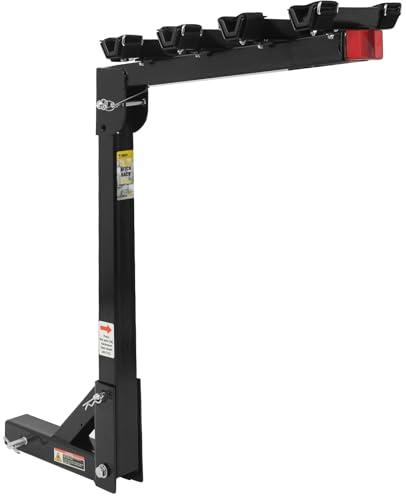
- ✓ Very sturdy build
- ✓ Easy to swing down
- ✓ Broad hitch compatibility
- ✕ Not suitable for all bike styles
- ✕ Slightly heavy to handle
| Hitch Receiver Size | 2 x 2 inches (Class III/IV compatible) |
| Towing Capacity | 150 lbs |
| Number of Bikes Supported | Up to 4 bikes |
| Construction Material | All-steel with powder coating |
| Maximum Bike Frame Compatibility | Horizontal top tube frames (may require crossbar for certain bikes) |
| Additional Features | Swing-down mechanism for rear vehicle access, includes hitch pin and reflector |
As I unboxed the MaxxHaul 4-Bike Hitch Mount Rack, the first thing that hit me was how solid it feels. The all-steel construction has a nice weight to it—definitely not flimsy.
The black powder coat gives it a sleek, durable look that screams longevity.
Setting it up took just a few minutes. The hitch pin was included, and the support arms snapped into place easily.
I appreciated how adjustable the hold-down straps were, making it straightforward to secure different bike sizes and styles. The broad 2″x2″ hitch compatibility means it should fit most vehicles without fuss.
Once mounted, I noticed the swing-down feature. It works smoothly—press a lever and the rack swings away effortlessly, giving full access to my trunk.
This feature is a game-changer, especially when you need to grab something or load bikes without removing the whole rack.
Transporting four bikes felt stable, thanks to the sturdy cradle hooks and straps. The reflector added a nice safety touch, making the whole setup more visible.
I did keep in mind that this rack is designed for bikes with horizontal top bars—if yours are different, you may need an extra crossbar.
One thing to note: the 150 lb towing capacity is ample for most bikes, but you should always secure everything well, especially on bumpy roads. The rack feels built to last and handles the weight without any wobble.
Overall, it’s a practical, reliable choice for anyone wanting easy bike transport.
Hitch-Mount Bike Rack for Ebikes, Fits 2″ Receiver

- ✓ Versatile 2-in-1 design
- ✓ Heavy-duty, stable build
- ✓ Easy to fold and store
- ✕ Slightly expensive
- ✕ Larger size may not fit small vehicles
| Bike Capacity | Holds up to 2 bikes with a total weight of 300 lbs |
| Bike Tire Width Compatibility | Up to 5.5 inches wide |
| Wheelbase Range | 38 to 51 inches |
| Hitch Receiver Size | 2-inch receiver |
| Cargo Carrier Dimensions | 66 x 20 inches when folded down |
| Material and Finish | Rust and corrosion-resistant steel with weatherproof coating |
The first thing that hits you when you set this hitch-mount bike rack for ebikes up is how solid and versatile it feels right out of the box. Unlike many racks that just handle standard bikes, this one immediately impresses with its heavy-duty build and smart 2-in-1 design.
The conversion between a platform rack and a cargo carrier is seamless. You just fold a few parts and voilà—you’re ready for gear or bikes.
The large 66″x20″ cargo space feels substantial, perfect for camping gear or luggage, while the raised sides keep everything secure during transit.
Mounting bikes was straightforward thanks to the soft frame clamps and wheel stoppers. I appreciated how stable it felt even on bumpy roads, thanks to the three integrated stabilizers that cut down on rattling and wobbling.
The rack easily fits bikes with up to 5.5″ tires and wheelbases from 38″ to 51″. The sturdy construction and rust-resistant coating gave me confidence in its durability, especially during tough weather conditions.
Plus, folding it up for parking or storage is a breeze, which is a big plus for city dwellers.
Overall, this rack combines heavy-duty performance with thoughtful features, making it a reliable choice for hauling ebikes and gear alike. It’s a bit pricier, but the adaptability and build quality justify the investment.
Hollywood Racks Trail Rider Hitch Mount Bike Rack, 2 Bikes

- ✓ Strong, durable alloy steel
- ✓ Easy to load and unload
- ✓ Secure locking system
- ✕ Not suitable for E-Bikes
- ✕ Slightly heavier than basic racks
| Material | Sturdy alloy steel |
| Bike Capacity | Up to 2 bikes |
| Maximum Load per Bike | 45 lbs |
| Hitch Compatibility | 1 ¼” and 2” receivers |
| Locking Mechanism | Locking bike frame hooks and keyed alike hitch pin |
| Weight | 34 pounds |
Ever wrestled with a bike rack that just doesn’t feel sturdy enough, making you worry about your bikes bouncing around or even falling off mid-drive? I had that moment where my old rack wobbled every time I hit a bump, and I knew it was time for an upgrade.
The Hollywood Racks Trail Rider Hitch Mount Bike Rack immediately felt solid the moment I unboxed it. Its alloy steel construction screams durability, and you can tell it’s built to last.
The locking bike frame hooks add a layer of security, which is a relief when parking in busy or unfamiliar areas.
What really sets this rack apart is how straightforward it is to use. Dropping bikes into the adjustable wheel holders takes seconds, and the padded hooks prevent any scratches on your frames.
The foldable arms and wheel support tubes make storage a breeze, especially if you’re tight on space at home.
Transporting two bikes up to 45 lbs each is no problem, and I appreciate the compatibility with both 1 ¼” and 2” hitches. The quick-release fold-down feature makes accessing your trunk easy, even with bikes loaded up.
Just a simple push, and you’re good to go or unload in a flash.
Overall, this rack feels like a reliable companion for adventures, whether you’re heading to the trails or just to the park. It’s strong, secure, and easy to handle—exactly what you need for peace of mind on the road.
What Is a Bike Rack Trailer Hitch?
A bike rack trailer hitch is a device designed to attach a bike rack to the rear of a vehicle via the vehicle’s trailer hitch. This type of bike rack allows for the transportation of bicycles securely and conveniently, making it popular among cycling enthusiasts who need to carry multiple bikes for outdoor activities or travel.
According to the National Highway Traffic Safety Administration (NHTSA), trailer hitches are engineered to facilitate the safe towing of trailers and accessories, including bike racks, enhancing both the utility and functionality of vehicles. This is particularly relevant for those who own SUVs, trucks, or vans, which often come equipped with a hitch receiver designed for towing purposes.
Key aspects of bike rack trailer hitches include their compatibility with various vehicle models and the range of carrying capacities they offer. Most bike rack hitches are designed to accommodate either 1.25-inch or 2-inch hitch receivers, which are standard sizes found in many vehicles. Additionally, many bike rack hitches can carry anywhere from one to five bikes, depending on the design, making them versatile for individual or family use. Features such as tilt-away designs for easy access to the vehicle’s rear, integrated locks for security, and lightweight materials for ease of handling are also important considerations when choosing the best bike rack trailer hitch.
The impact of bike rack trailer hitches on outdoor recreational activities is significant. They provide a safe and efficient means to transport bicycles, encouraging more people to engage in cycling, which promotes physical fitness and environmental sustainability by reducing reliance on motor vehicles. Statistics from the Outdoor Industry Association indicate that cycling is one of the fastest-growing outdoor activities in the United States, with millions participating annually, further highlighting the need for effective transportation solutions like bike rack trailer hitches.
The benefits of using a bike rack trailer hitch include not only the convenience of transporting multiple bikes but also the enhanced safety of securing bikes during transit. This minimizes the risk of damage to both the bicycles and the vehicle. Additionally, many bike rack designs allow for easy installation and removal, making them user-friendly for individuals who may not have mechanical expertise.
Best practices for utilizing bike rack trailer hitches involve ensuring proper installation according to the manufacturer’s guidelines, regularly checking the hitch and rack for wear and tear, and using additional straps or locks for extra security. It’s also advisable to familiarize oneself with the weight limits and capacity of both the hitch and the bike rack to prevent accidents or damage while driving.
How Does a Hitch-Mount Bike Rack Work?
A hitch-mount bike rack is a convenient way to transport bicycles using a vehicle’s trailer hitch, and it is popular for its ease of use and stability.
- Hitch Compatibility: This type of bike rack is designed to fit into the vehicle’s trailer hitch, which comes in various sizes and classes. Most bike racks are compatible with 1.25-inch and 2-inch hitch receivers, making it essential to check your vehicle’s specifications before purchasing.
- Mounting Mechanism: Once you have the correct hitch size, the bike rack is secured in place using a pin or a locking mechanism that prevents it from wobbling or detaching while driving. This mounting system is designed for quick installation and removal, allowing users to switch between carrying bikes and other uses for the hitch.
- Bike Capacity: Hitch-mount bike racks typically come in various configurations to accommodate different numbers of bicycles, often ranging from one to five bikes. It’s important to consider the weight capacity of both the rack and the hitch to ensure safe transport without exceeding limits.
- Loading and Unloading: These racks often feature a tilting or swinging design, allowing for easier access to the vehicle’s trunk or rear hatch even when bikes are loaded. This functionality enhances convenience, making it simpler to reach gear or equipment without having to remove the entire rack.
- Stability and Security: Many hitch-mounted bike racks come equipped with additional features such as built-in locks, straps, or cradles that secure the bikes in place during transport. This added security helps prevent theft and ensures that the bikes do not sway or bounce excessively while driving.
- Storage and Portability: Most hitch racks can be folded down or removed entirely when not in use, making them easy to store and transport. This feature is especially beneficial for individuals with limited storage space or those who want to maintain a clean vehicle appearance when the rack is not needed.
What Are the Different Types of Bike Rack Trailer Hitches?
The different types of bike rack trailer hitches include:
- Class I Hitch: This hitch type is designed to carry lighter loads, typically up to 2,000 pounds, making it suitable for small cars and light-duty bikes.
- Class II Hitch: With a capacity of up to 3,500 pounds, Class II hitches are more robust and can support heavier bike racks and additional accessories, ideal for mid-sized vehicles.
- Class III Hitch: This versatile hitch can handle loads up to 8,000 pounds and is compatible with a wide range of bike racks, making it a popular choice for SUVs and trucks.
- Class IV Hitch: Designed for heavy-duty towing, Class IV hitches can handle up to 10,000 pounds, providing excellent support for bike racks carrying multiple bikes or additional gear.
- Receiver Hitch: These hitches come with a square receiver that allows for various attachments, including bike racks, making them highly adaptable and user-friendly.
- Fixed vs. Adjustable Hitch: Fixed hitches are permanently mounted and provide a stable platform, while adjustable hitches allow for height and tilt adjustments to accommodate different vehicles and loads.
Class I hitches are typically used on smaller vehicles and are suitable for carrying lightweight bike racks that hold one or two bikes. They are easy to install and provide adequate support for casual biking needs.
Class II hitches offer enhanced capacity, allowing for heavier bike racks and the potential to carry more bikes. They are commonly found on mid-sized cars and are a great option for families or those who bike frequently.
Class III hitches are known for their versatility, making them a favorite among those with larger vehicles like SUVs. They provide ample capacity for various bike racks and are perfect for outdoor enthusiasts who require durability and flexibility.
Class IV hitches are the go-to choice for those who need to tow heavy loads, including larger bike racks that can accommodate several bikes or additional cargo. Their robust construction ensures they can handle demanding uses while providing stability.
Receiver hitches are favored for their compatibility with multiple attachments, making them an economical choice for those who want to switch between different types of gear, from bike racks to trailers. Their modular design enhances their appeal for various activities.
Fixed hitches provide a solid, unchanging platform that can support heavy loads, while adjustable hitches add the convenience of customization for different vehicles and load requirements. This adaptability can be particularly useful for families or users who frequently change their setups.
What Factors Should You Consider When Choosing the Best Bike Rack Trailer Hitch?
When choosing the best bike rack trailer hitch, several factors should be taken into account to ensure compatibility, safety, and convenience.
- Compatibility with Your Vehicle: Ensure that the bike rack hitch is compatible with your vehicle’s make and model, as well as its towing capacity. Different vehicles come with various hitch classes, and selecting the right one is crucial for safe towing.
- Weight Capacity: Consider the weight capacity of the bike rack hitch, which should match or exceed the combined weight of the bikes and the rack itself. Exceeding this limit can lead to dangerous situations while driving, including potential damage to your vehicle or the bikes.
- Hitch Type: There are different types of hitches such as class I, II, III, and IV, each designed for different levels of towing. Class III hitches are the most common for bike racks, as they provide a balance of strength and versatility.
- Ease of Installation: Look for a bike rack hitch that is easy to install, ideally without requiring professional assistance. Many models offer bolt-on designs that can be attached with basic tools, making the process more user-friendly.
- Security Features: Evaluate the security features of the bike rack hitch, such as locking mechanisms to secure both the hitch and the bikes. This can prevent theft and ensure peace of mind when leaving your bike unattended.
- Adjustability: Some bike rack hitches come with adjustable arms or platforms to accommodate different bike sizes and styles. This feature is particularly useful if you plan to transport various bikes, including fat bikes or mountain bikes.
- Foldability and Storage: Consider whether the bike rack hitch folds up when not in use or can be easily removed for storage. A compact design can save space and reduce the overall footprint of the rack when it’s not needed.
- Price and Warranty: Assess the price in relation to the features offered, and check if there is a warranty provided. A good warranty can be indicative of the quality and durability of the bike rack hitch.
How Important Is Vehicle Compatibility with a Bike Rack Trailer Hitch?
Vehicle compatibility with a bike rack trailer hitch is crucial for ensuring safe and efficient transport of bicycles.
- Weight Capacity: Each vehicle has a specific weight rating that determines how much it can safely tow. A bike rack trailer hitch must be compatible with this weight limit to prevent potential damage to both the vehicle and the hitch.
- Hitch Class: Trailer hitches are classified into different categories (Class I to Class V) based on their towing capacity and size. Ensuring that the bike rack hitch matches the class of your vehicle is essential for a secure fit and optimal performance.
- Receiver Size: The size of the hitch receiver on the vehicle must align with the bike rack’s shank size. Common receiver sizes include 1.25 inches and 2 inches, and mismatched sizes can lead to instability and safety risks during transport.
- Vehicle Design: Some vehicles have unique designs or features, such as rear spoilers or exhaust placements, that can interfere with bike rack installation. Understanding your vehicle’s design is vital to ensure that a bike rack can be mounted without obstruction.
- Towing Compatibility: If the vehicle is also used for towing, it’s important that the bike rack does not interfere with towing capacity or functionality. A compatible bike rack will allow for both towing and biking without compromising safety or performance.
- Electrical Connections: For certain bike racks that may include lights or other electrical components, ensuring compatibility with the vehicle’s electrical system is necessary. This prevents electrical issues and ensures that any lights function properly during transport.
- Ground Clearance: The height of the bike rack when mounted can impact ground clearance, especially for vehicles with lower profiles. Ensuring that the bike rack maintains adequate clearance helps prevent damage from bumps or uneven terrain.
What Is the Significance of Weight Capacity and Stability?
Weight capacity and stability refer to the maximum load a bike rack trailer hitch can securely carry while maintaining balance and structural integrity during transit. These factors are crucial in ensuring that the hitch can safely transport bicycles without compromising the vehicle’s performance or safety.
According to the National Highway Traffic Safety Administration, a properly rated hitch is essential for safe towing and transporting to prevent accidents and equipment failure. A bike rack’s weight capacity is typically indicated in the product specifications, ensuring that users select a rack suited to their bicycles’ combined weight.
Key aspects of weight capacity include the total weight that the hitch can support, which varies by design and construction materials. Stability is influenced by how the rack distributes the weight of the bikes, ensuring that they remain securely attached during travel. A high-quality bike rack will have features such as reinforced frames, adjustable mounting points, and anti-sway cradles to enhance stability, reducing the risk of swaying or bouncing while driving.
This impacts not only the safety of the bicycles being transported but also the safety of other road users. An overloaded or unstable bike rack can lead to accidents, including loss of control of the vehicle or damage to the bikes themselves. Furthermore, improper weight distribution can cause excessive wear on the vehicle’s suspension and tires, leading to costly repairs.
The benefits of adhering to appropriate weight capacity and ensuring stability include improved road safety, better handling of the vehicle, and prolonged lifespan of both the hitch and the bicycles. Knowledge of these specifications allows consumers to choose the best bike rack trailer hitch for their needs, making their biking adventures more enjoyable and secure.
Best practices for ensuring proper weight capacity and stability involve regularly inspecting the bike rack for signs of wear, using appropriate straps and locking mechanisms, and adhering strictly to the manufacturer’s guidelines regarding weight limits. Additionally, utilizing a hitch with a higher weight capacity than necessary can provide an added margin of safety, accommodating extra gear or unexpected loads during travel.
What Security Features Should You Look for in a Bike Rack Trailer Hitch?
When selecting the best bike rack trailer hitch, it’s essential to consider various security features to ensure the safety and stability of your bikes during transport.
- Locking Mechanism: A reliable locking mechanism is crucial to prevent theft. Look for bike rack trailer hitches that include integrated locks or the ability to attach a lock to secure your bikes when parked.
- Durable Construction: The materials used in the construction of the hitch play a significant role in strength and resistance to wear. Opt for hitches made from high-quality steel or aluminum, as they can better withstand the rigors of transportation and environmental factors.
- Anti-Rattle Design: An anti-rattle feature minimizes movement of the bike rack while driving, ensuring a smoother ride and reducing wear on both the rack and the hitch. This feature can also help maintain the security of the bikes by preventing them from shifting or bouncing during transit.
- Weight Capacity: Ensure the hitch can support the weight of your bikes, plus any additional gear. Check the manufacturer’s specifications for the maximum weight capacity to avoid overloading, which could compromise safety and stability.
- Compatibility with Vehicle: The bike rack trailer hitch should be compatible with your vehicle’s make and model. Compatibility ensures proper fitment and functionality, reducing the risk of accidents or damage to your vehicle or bikes.
- Easy Installation: A bike rack trailer hitch that offers quick and straightforward installation can save time and make it more convenient to use. Look for hitches that come with clear instructions and necessary tools, enhancing user experience.
- Reflective Elements: Some hitches come equipped with reflective elements or lights to enhance visibility during nighttime travel. This added safety feature can help other drivers see your bikes, reducing the risk of accidents.
What Are the Most Recommended Brands for Bike Rack Trailer Hitches?
The most recommended brands for bike rack trailer hitches include:
- Thule: Known for its high-quality construction and innovative designs, Thule offers a range of bike rack trailer hitches that are both durable and user-friendly. Their products often feature tool-free installation and adjustable designs to accommodate various bike sizes and styles.
- Yakima: Yakima is celebrated for its versatile and reliable bike rack solutions, making it a popular choice among outdoor enthusiasts. Their trailer hitches are designed with ease of use in mind, featuring quick-release mechanisms and adjustable arms that ensure a secure fit for your bicycles during transportation.
- Allen Sports: Allen Sports provides budget-friendly options without sacrificing quality, making them a favored choice for casual cyclists. Their bike rack trailer hitches are lightweight yet robust, and they offer various models that cater to different vehicle types and bike capacities.
- Kuat: Kuat is recognized for its premium bike rack trailer hitches that combine style with functionality. Their products often come with unique features like integrated locks and tilting designs, allowing for easy access to your vehicle’s rear without removing the bikes.
- Swagman: Swagman offers a variety of bike rack trailer hitches that are both affordable and dependable, appealing to a wide range of cyclists. Their racks are designed for easy assembly and can accommodate multiple bikes, making them ideal for family outings or group trips.
How Do You Properly Install a Bike Rack Trailer Hitch?
To properly install a bike rack trailer hitch, follow these essential steps:
- Choose the Right Hitch: Selecting the best bike rack trailer hitch for your vehicle is crucial for compatibility and safety.
- Gather Necessary Tools: Ensure you have all the required tools like wrenches, sockets, and screwdrivers to facilitate a smooth installation process.
- Follow Manufacturer Instructions: Adhere strictly to the guidelines provided by the hitch manufacturer for correct installation procedures.
- Secure the Hitch to the Vehicle: Properly attach the hitch to your vehicle’s frame, following the torque specifications to ensure it is safely secured.
- Test the Installation: After installation, check the hitch for stability and make sure it can handle the weight of the bike rack and bikes.
Choose the Right Hitch: When selecting a bike rack trailer hitch, consider your vehicle’s make and model, as well as the type of bike rack you intend to use. The hitch should have the appropriate class rating to support the weight of your bikes and accessories, ensuring a secure fit and safe transport.
Gather Necessary Tools: Before starting the installation, gather all the tools you’ll need, including a torque wrench, ratchet set, and possibly a drill, depending on the hitch type. Having everything on hand will streamline the process and prevent interruptions while installing the hitch.
Follow Manufacturer Instructions: Each bike rack trailer hitch comes with its own set of installation instructions that should be followed meticulously. These instructions provide important details such as bolt sizes, installation sequence, and any specific adjustments needed for your vehicle.
Secure the Hitch to the Vehicle: Attach the hitch to the designated mounting points on your vehicle’s frame, ensuring that it is aligned correctly. Use the specified bolts and tighten them to the manufacturer’s torque specifications, which is critical for maintaining safety during use.
Test the Installation: Once the hitch is installed, perform a thorough inspection to ensure everything is secure and functioning properly. It’s advisable to load the bike rack and bikes onto the hitch and check for any movement or instability, confirming that the setup can safely carry your bikes on the road.
What Are the Benefits of Using a Bike Rack Trailer Hitch?
The benefits of using a bike rack trailer hitch are numerous and can enhance your biking experience significantly.
- Increased Stability: A bike rack trailer hitch provides a more stable platform for transporting bikes compared to trunk-mounted racks.
- Ease of Loading and Unloading: With a hitch-mounted bike rack, loading and unloading bikes is generally easier, as they can be positioned at a more convenient height.
- Compatibility with Various Vehicle Types: Many hitch-mounted bike racks are designed to work with a wide range of vehicles, including SUVs, vans, and trucks.
- Secure Attachment: Hitch-mounted racks typically offer a more secure attachment method, reducing the risk of bikes moving during transport.
- More Carrying Capacity: These racks often allow for the transport of multiple bikes at once, making them ideal for family outings or group rides.
- Minimal Vehicle Damage: Using a hitch-mounted bike rack minimizes the risk of scratching or damaging your vehicle, which can be a concern with trunk-mounted options.
- Enhanced Visibility: A bike rack attached to the hitch is often positioned higher, improving visibility for other drivers and reducing the chances of accidents.
Increased stability is a significant benefit of bike rack trailer hitches, as they distribute the weight of the bikes evenly and reduce swaying during transport. This is particularly useful for longer trips or when navigating rough terrain.
Ease of loading and unloading is another advantage, as hitch-mounted racks are positioned at a more accessible height, allowing users to lift bikes with less strain. This feature is particularly beneficial for individuals with mobility issues or for families with children.
Compatibility with various vehicle types is a key selling point for hitch-mounted bike racks, as they can be fitted to a wide array of vehicles, allowing for versatility and convenience. This adaptability makes them a popular choice among cyclists who own multiple cars or plan to rent vehicles.
The secure attachment provided by hitch-mounted racks helps prevent bikes from shifting during transit, ensuring that they arrive at their destination safely. This is especially important for those who travel long distances or on bumpy roads.
More carrying capacity is an attractive benefit, as many hitch-mounted racks can accommodate two to five bikes simultaneously. This makes them ideal for family trips or group biking adventures, allowing everyone to bring their bikes along.
Minimizing vehicle damage is a notable advantage, as hitch-mounted racks avoid the issues of scratches and paint damage commonly associated with trunk-mounted systems. This protection can help maintain the resale value of your vehicle over time.
Enhanced visibility is crucial for safety, as a rack mounted on the hitch is typically raised above the rear bumper, making it more visible to other drivers. This can help prevent accidents and ensure that your bikes are noticed while on the road.
Related Post: