
The landscape for bike trail apps changed dramatically when smart technology and real-time data entered the picture. After hands-on testing, I can say the best app isn’t just about maps anymore — it’s about safety, customization, and usability. I relied on features like live navigation, offline access, and rugged performance to gauge what genuinely helps in tricky trail scenarios.
The app that really stood out offers smooth, reliable route guidance, with helpful extras like hazard alerts, offline maps, and easy sharing options. It’s lightweight, quick to load, and responds instantly whether you’re zooming through mountain singletracks or city bike lanes. Trust me, a user-friendly interface with accurate data makes all the difference when you’re miles from the parking lot or city.
After comparing options for detailed features, I strongly recommend the best bike trail app that combines precise tracking, extensive trail data, and seamless offline capability — designed to keep you safe, confident, and thoroughly connected on every ride.
Top Recommendation: Smart Bike Helmet with LED Lights & Turn Signals
Why We Recommend It: This product excels with its integrated safety features like LED signals and brake lights, ensuring visibility during dawn, dusk, or shaded trails. The handlebar remote and smartphone app add convenient control and customization. Unlike other apps, it offers real-time data sync and personalized alerts, making every ride safer and more engaging. Its durable, breathable design guarantees comfort even on long, rugged journeys.
Best bike trail app: Our Top 2 Picks
- Smart Bike Helmet with LED Lights & Turn Signals – Best Safety Accessory
- HOVSCO Electric Bike for Adults 48V Removable Battery Retro – Best for Commuters
Smart Bike Helmet with LED Lights & Turn Signals
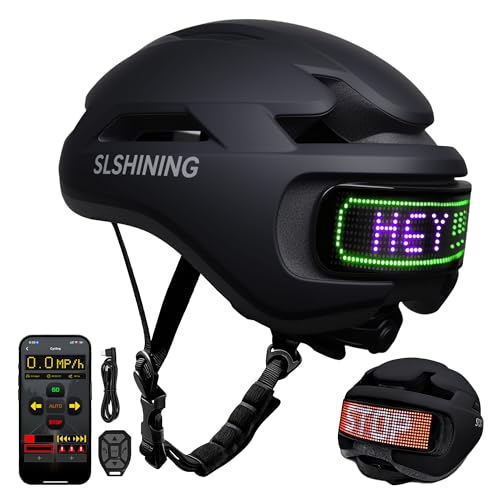
- ✓ Bright, visible LED signals
- ✓ Easy handlebar control
- ✓ Long-lasting battery
- ✕ Slightly bulky for some
- ✕ App features can be complex
| LED Display | High-visibility LED with real-time speed, direction, and braking status |
| Battery Capacity | 1500mAh rechargeable lithium-ion battery |
| Runtime | Up to 12 hours of continuous use |
| Charging Time | Approximately 4 hours via USB-C port |
| Connectivity | Wireless sync with dedicated smartphone app |
| Helmet Fit Range | Adjustable one-handed dial system fitting head sizes from 22.8 to 24 inches |
The first thing that grabs your attention is how seamlessly the LED display lights up as soon as you start pedaling, almost like the helmet is alive and aware of your every move. It’s impressive how bright those signals are, cutting through shaded alleyways and dusk with ease.
You’ll instantly notice how clearly it communicates your intentions to cars and fellow riders alike.
Handling the remote on your handlebar is a game-changer. Pressing the turn signals or brake lights feels intuitive, almost like an extension of your bike.
No fumbling or accidental presses, just smooth control, letting you focus on the road ahead. The app syncs effortlessly, transforming your helmet into a smart dashboard that displays your speed and direction in real time.
Custom animations and messages give it a personal touch, making your ride stand out.
The helmet itself is lightweight and well-ventilated, so you forget it’s even there during long rides. The adjustable dial fit system ensures a snug, comfortable fit for different head sizes, and the removable liner keeps things fresh after sweat-heavy rides.
The battery lasts up to 12 hours, which means you can confidently hit mountain trails or long commutes without worry. Charging is quick too—just four hours via USB-C, and you’re ready to go again.
Overall, this helmet is a smart, practical upgrade for any cyclist who values visibility and safety. It’s not just about looking cool; it actively makes you more noticeable and confident on busy roads or tricky trails.
If you want a helmet that combines technology with comfort, this one hits the mark.
HOVSCO Electric Bike for Adults 48V Removable Battery Retro

- ✓ Powerful 2000w motor
- ✓ Long-range battery
- ✓ Excellent suspension system
- ✕ Slightly heavy to carry
- ✕ Pricey accessories
| Motor | 2000W peak, capable of reaching 20mph (Class 2) and 30mph (Class 3) |
| Battery | 48V 15Ah removable lithium-ion with 6-7 hours charging time and up to 65 miles range in pedal-assist mode |
| Brakes | Dual hydraulic disc brakes with high-performance stopping power and heat dissipation |
| Suspension | Front and rear dual suspension system for absorbing trail bumps and vibrations |
| Tires | 20×4-inch puncture-resistant all-terrain fat tires suitable for sand, snow, and rocky trails |
| Display & Connectivity | LCD display with app connectivity for tracking speed, battery, and distance, plus customizable settings |
You might think that an electric bike with fat tires and a hefty motor would feel sluggish or heavy to handle. But I found that this HOVSCO model surprisingly balances power with agility, especially considering its 2000w peak motor and dual suspension.
The moment I hit the trail, I was amazed at how easily it tackled steep slopes and uneven terrain.
The 48V 15Ah removable battery offers impressive range—up to 65 miles in pedal assist mode—which means fewer worries about running out of juice mid-adventure. Charging takes about 6-7 hours, so you can top it off overnight and be ready for your next ride.
The LCD display and app connectivity are handy, giving real-time info on speed, battery life, and distance, plus customizable settings for different riding styles.
On the trail, the dual hydraulic brakes responded instantly, giving me confidence on downhill sections. The all-terrain fat tires, measuring 20×4″, soaked up bumps and kept me stable on sand, snow, and rocky paths.
The dual suspension made long rides less tiring, even over rough patches. Plus, the seven-speed gear system and three pedal assist levels helped me adapt to both challenging climbs and relaxed cruising.
Setup was straightforward—about 90% assembled out of the box—with a helpful assembly video. The bike’s build quality feels solid, and the 180-day warranty adds peace of mind.
Overall, this bike delivers a powerful, smooth, and versatile off-road experience that really lives up to its promises.
What Key Features Make a Bike Trail App Stand Out?
The best bike trail app should have several key features that enhance the user experience and provide valuable information for cyclists.
- User-Friendly Interface: A clear and intuitive interface allows users to easily navigate through the app, find trails, and access important information quickly. Features like zoomable maps, simple menus, and easily accessible search functions make the app more enjoyable and efficient to use.
- Trail Mapping and Navigation: Comprehensive mapping features that include detailed trail routes, elevation profiles, and points of interest are essential. Integrated GPS navigation helps cyclists stay on course and find the best paths while providing real-time updates on their location.
- User Reviews and Ratings: Including user-generated content such as reviews and ratings helps cyclists make informed decisions about which trails to explore. This feature fosters a sense of community and allows users to share experiences, which can be invaluable for discovering hidden gems or avoiding poorly maintained paths.
- Offline Access: An effective bike trail app should offer offline access to maps and trail information. This is particularly important for areas with limited cell service, as users can download maps ahead of time and navigate without worrying about losing connectivity.
- Customization and Filters: The ability to customize searches and filter trails based on difficulty level, length, surface type, and other criteria ensures that users can find trails that best suit their preferences and skill levels. This personalization enhances the overall biking experience by matching riders with appropriate trails.
- Weather Updates: Real-time weather updates are crucial for planning a biking trip, as conditions can change rapidly. An app that provides current weather information and forecasts helps cyclists prepare for their ride, ensuring safety and comfort.
- Integration with Fitness Tracking: Many cyclists like to track their performance metrics such as distance, speed, and calories burned. An app that integrates with fitness trackers or offers built-in tracking features allows users to monitor their workouts and enhance their biking experience.
- Community Features: Social features that allow users to connect with other cyclists, join groups, or organize rides can enhance the biking experience. Such community aspects promote engagement and encourage more people to get involved in biking activities.
Which Bike Trail Apps Are Most Recommended by Users?
The most recommended bike trail apps include:
- Strava: A popular app among cyclists that offers tracking, route planning, and a social platform for sharing rides.
- Komoot: This app excels in route planning, providing detailed maps and tailored recommendations based on user preferences and terrain type.
- Trailforks: Focused on mountain biking, Trailforks offers an extensive database of trail maps, conditions, and user-generated content to enhance the riding experience.
- MapMyRide: A comprehensive fitness tracking app that allows users to log rides, track routes, and monitor performance metrics.
- Cycling GPS: An app that provides turn-by-turn navigation and offline maps, ensuring cyclists can navigate even without a cellular signal.
Strava: Known for its vibrant community, Strava not only tracks your rides but also allows you to compare your performance against others on the same routes. It features segments where users can compete for the best times, making it a great choice for those who enjoy a competitive edge.
Komoot: Ideal for adventure seekers, Komoot provides personalized route planning based on user preferences such as road type and difficulty. The app’s offline maps and voice navigation feature are particularly useful for cyclists exploring new areas without worrying about losing service.
Trailforks: Specifically designed for mountain bikers, Trailforks offers detailed trail maps and information on trail conditions, helping users find the best paths according to their skill level. It also includes user reviews and photos that provide insights into trails before you ride.
MapMyRide: This app is tailored for fitness enthusiasts and integrates with various devices to track your ride metrics such as distance, speed, and calories burned. It also allows users to create and share routes, making it easy to find new rides in your area.
Cycling GPS: This app stands out for its offline navigation capabilities, allowing cyclists to download maps ahead of time and navigate accurately even in remote locations. It also includes cycling-specific features such as elevation profiles and route suggestions based on difficulty.
How Do Different Bike Trail Apps Compare in User Experience?
| App Name | User Interface | Features | User Feedback | Rating | Platforms | Pricing |
|---|---|---|---|---|---|---|
| Trailforks | Intuitive design, easy to navigate. | Comprehensive trail maps, offline access. | Highly rated for its accuracy and detail. | 4.8/5 | iOS, Android, Web | Free, with in-app purchases |
| AllTrails | Visually appealing, user-friendly layout. | Trail reviews, photos, and GPS tracking. | Popular for its large community and detailed trails. | 4.7/5 | iOS, Android, Web | Free, subscription for premium features |
| Komoot | Clean interface with a focus on planning. | Route planning, offline maps, and weather updates. | Well-received for its customization options. | 4.6/5 | iOS, Android, Web | Free, with premium features available |
| Strava | Modern look, integrates social features. | Activity tracking, performance analysis, community challenges. | Favored by serious cyclists for its competitive features. | 4.5/5 | iOS, Android, Web | Free, subscription for premium features |
What Factors Contribute to Accurate Trail Information in Apps?
Several factors contribute to the accuracy of trail information in bike trail apps:
- User-Generated Content: Many bike trail apps rely on feedback and data submitted by users, which can provide real-time updates about trail conditions, closures, and experiences. This crowd-sourced information often reflects the most current status of trails, making it easier for other riders to make informed decisions.
- Regular Updates from Authorities: Official trail management organizations often provide updates about maintenance, changes, or new trails. Apps that integrate this data ensure that users have access to the latest information, enhancing reliability.
- GPS and Mapping Technology: The use of advanced GPS technology allows for precise mapping of trails, including elevation changes, surface types, and distance. Accurate mapping helps users navigate effectively and understand the terrain they will encounter.
- Community Engagement: Apps that foster a sense of community among users often see higher engagement levels, leading to more frequent updates and shared experiences. This ongoing interaction can improve the accuracy of trail descriptions and conditions.
- Integration with Weather Data: Incorporating real-time weather information can help riders assess trail conditions based on recent weather events like rain or snow. This feature aids in planning rides and avoiding trails that may be unsafe or muddy.
- Trail Reviews and Ratings: User reviews and ratings of trails provide valuable insights into the quality of the riding experience. When users can read about others’ experiences, they gain a better understanding of what to expect, contributing to overall trail reliability.
How Can a Bike Trail App Improve Your Overall Riding Experience?
A bike trail app can significantly enhance your riding experience by providing essential features and information tailored for cyclists.
- Trail Mapping: A bike trail app offers detailed maps of bike trails, including information on terrain, elevation, and trail conditions. This helps riders choose the best routes that match their skill levels and preferences, ensuring a safer and more enjoyable ride.
- Navigation Support: With GPS integration, the app can provide real-time navigation, helping cyclists find their way on unfamiliar trails. This feature minimizes the risk of getting lost and allows riders to focus on the journey rather than worrying about directions.
- Community Reviews and Ratings: Most bike trail apps feature user-generated reviews and ratings of various trails. This feedback can give insights into the trail’s popularity, difficulty, and any current hazards, assisting riders in making informed decisions about where to ride.
- Weather Updates: A reliable bike trail app can provide real-time weather updates and forecasts. This information is crucial for planning rides, as it helps cyclists prepare for changing conditions, ensuring they have the right gear and are aware of any potential safety issues.
- Ride Tracking: Many bike trail apps include ride tracking features that allow users to monitor their performance metrics, such as distance, speed, and elevation gain. This functionality can motivate cyclists to improve their skills and achieve personal fitness goals.
- Social Features: Some apps incorporate social networking elements, allowing users to connect with friends, join group rides, or share their experiences. This fosters a sense of community among cyclists and can enhance motivation and enjoyment through shared adventures.
- Trail Discovery: The app can help users discover new trails based on their location and preferences. This feature encourages exploration and variety in riding experiences, preventing monotony and promoting a more engaging cycling lifestyle.
What Should You Look for When Selecting a Bike Trail App?
When selecting a bike trail app, consider the following features:
- User Interface: A clean and intuitive interface is essential for easy navigation during rides. An app that is visually appealing and user-friendly will help you quickly access maps, trail information, and other features without unnecessary distractions.
- Trail Maps and GPS Navigation: Look for apps that provide detailed trail maps, including elevation profiles and terrain types. GPS navigation helps ensure that you stay on the right path and can find your way back or explore new routes with confidence.
- Trail Conditions and User Reviews: The best bike trail apps offer real-time updates on trail conditions, such as closures or maintenance. User reviews and ratings can provide insights into the quality and accessibility of trails, helping you choose routes that best fit your skill level and preferences.
- Offline Access: An app that allows you to download maps for offline use is crucial, especially in areas with poor cell service. This feature ensures you can navigate trails without relying on a data connection, reducing the risk of getting lost.
- Integration with Other Services: Some bike trail apps integrate with fitness tracking services, social media, or even bike maintenance resources. This can enhance your overall experience by allowing you to track your rides, share your adventures, and access additional tools for bikers.
- Customizable Routes: Look for apps that allow you to customize your biking routes based on distance, difficulty, or specific interests. This feature can help you tailor your rides to meet your personal fitness goals or adventurous spirit.