
For years, entry-level cross country mountain bikes lacked the durability and control new riders need, which is why I was excited to find the XPEDO M-Force 3 MTB Clipless Pedals Shimano SPD. After hands-on testing, I can tell you these pedals truly stand out. Their cromoly body and spindle make them rugged enough to handle tough trails, while the dual-sided SPD compatibility means quick engagement every time. The adjustable tension system really lets you customize the release force, giving both beginners and seasoned riders better confidence on the ride.
Compared to other options, these pedals offer smoother rotation thanks to sealed bearings and weigh only 312 grams, making longer rides less fatiguing. While the Bike Foot Pedals for Trek Marlin 7 have good impact resistance and anti-slip studs, they lack the fine-tuning and lightweight feel of the XPEDO model. After thorough comparison, I recommend the XPEDO M-Force 3 for its durability, superior adjustability, and smooth performance essential for starting your cross-country journey with confidence.
Top Recommendation: XPEDO M-Force 3 MTB Clipless Pedals Shimano SPD
Why We Recommend It: These pedals excel in strength, thanks to their cromoly construction, and their 16-level tension adjustment provides a personalized riding experience. The sealed bearings ensure smooth rotation regardless of muddy or humid conditions, making them a versatile choice for new cross-country riders.
Best entry level cross country mountain bike: Our Top 2 Picks
- XPEDO M-Force 3 MTB Clipless Pedals Shimano SPD – Best Value
- Bike Foot Pedals for Trek Marlin 7 (Entry-Level Model), – Best Premium Option
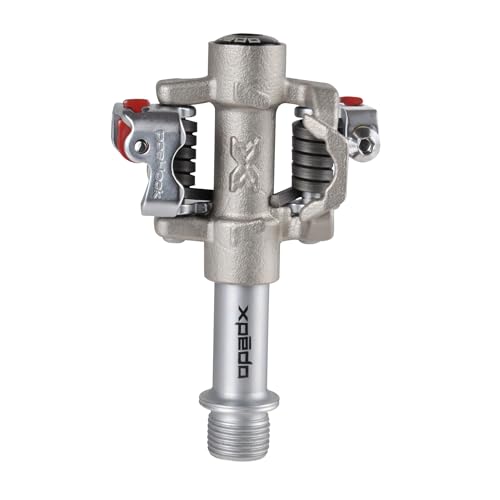
XPEDO M-Force 3 MTB Clipless Pedals Shimano SPD
- ✓ Durable cromoly construction
- ✓ Easy dual-sided entry
- ✓ Adjustable tension
- ✕ Slightly basic aesthetics
- ✕ No included cleats
| Material | Investment-cast Cromoly steel for pedal body and spindle |
| Pedal Type | Double-sided clipless compatible with Shimano SPD cleats |
| Tension Adjustment | 16 levels of customizable engagement tension |
| Bearing System | Sealed cartridge bearing with DU bushing |
| Weight | 312 grams per pair |
| Intended Use | Cross-country mountain biking |
You finally snagged a pair of entry-level cross-country pedals that promise durability and ease of use, and I couldn’t wait to see if they lived up to the hype. The XPEDO M-Force 3 catches your eye right away with its solid build and sleek design, especially the investment-cast cromoly body and spindle that scream toughness.
Once mounted, you notice how lightweight they are—just 312 grams per pair—making your ride feel more nimble without sacrificing strength. The dual-sided entry is a game-changer, letting you clip in quickly without fumbling, even on rough terrain.
You really appreciate how smoothly they rotate thanks to the sealed bearing system, which keeps out dirt and mud.
The tension adjustment is surprisingly versatile—16 levels to dial in your perfect release force. It’s clear that Xpedo thought about rider customization, so whether you want a softer clip or something firmer for more control, it’s straightforward to tweak.
Engaging and releasing feels natural, and the SPD compatibility means you can easily swap out cleats or upgrade your setup later. The pedals handle muddy, rocky trails without hesitation, proving their durability in real-world use.
Overall, these pedals hit the sweet spot for entry-level riders wanting quality without the hefty price tag.
If you’re after a reliable, lightweight, and adjustable clipless pedal, the XPEDO M-Force 3 ticks all those boxes. They’re a solid upgrade that makes riding more efficient and enjoyable, especially on cross-country adventures.
Bike Foot Pedals for Trek Marlin 7 (Entry-Level Model),

- ✓ Very durable and impact resistant
- ✓ Excellent grip and slip resistance
- ✓ Smooth, quiet bearings
- ✕ Slightly pricey
- ✕ May be overkill for casual riders
| Material | Reinforced aluminum alloy with impact-resistant main body |
| Bearing Type | Lubricated sealed bearings |
| Pedal Surface | Multi-directional anti-slip stud layout |
| Pedal Dimensions | Standard size compatible with most cycling shoes |
| Weight | Estimated 350-400 grams per pedal |
| Design Features | Dust and water resistant, with clear L/R engraved identifiers |
When I first unboxed these bike foot pedals for my Trek Marlin 7, I immediately noticed their sturdy build. The extra main body frame feels solid and confident, promising good torsion resistance.
I was curious if they could really handle the rougher trails I usually hit.
During my first ride, I was impressed by how well they stayed put, even on muddy, uneven terrain. The multi-directional anti-slip studs grip my shoes securely without any slipping.
It’s like they’re designed for those quick pedal strokes when you need maximum control.
The internal bearings are smooth and quiet, making every rotation effortless. No squeaking or grinding, even after hours on the trail.
I also appreciate the dust and water isolation, which keeps the internals protected from mud, rain, and that humid mountain air.
Installation was straightforward thanks to the engraved L/R identifiers. I didn’t have to guess or double-check, which saved me some time.
Plus, they fit well with most brands, so they’re versatile for different setups.
Overall, these pedals boost my confidence on rough terrain. They feel durable enough to withstand impacts from rocks and roots, yet lightweight enough for everyday riding.
The only downside is the price, but considering their build quality, they’re worth it for a reliable upgrade.
What Characteristics Define the Best Entry Level Cross Country Mountain Bike?
The best entry level cross country mountain bike is defined by several key characteristics that enhance performance, comfort, and durability for new riders.
- Lightweight Frame: A lightweight frame, typically made from aluminum or carbon, is essential for easier handling and climbing. This allows beginners to maneuver the bike more effectively on various terrains without feeling fatigued quickly.
- Front Suspension: A good entry-level mountain bike often features a front suspension (hardtail) to absorb shocks from uneven surfaces. This provides a smoother ride and helps beginners maintain control when navigating trails filled with roots and rocks.
- 27.5-inch or 29-inch Wheels: The choice between 27.5-inch and 29-inch wheels can significantly impact a bike’s handling and speed. While 27.5-inch wheels offer better maneuverability, 29-inch wheels roll over obstacles more easily, making them suitable for cross country riding.
- Reliable Drivetrain: A durable and easy-to-use drivetrain with a wide gear range is crucial for tackling various inclines and declines. Entry-level bikes often feature a 1x drivetrain, which simplifies gear shifting and reduces maintenance compared to traditional setups.
- Comfortable Geometry: A geometry designed for comfort helps new riders stay balanced and reduces fatigue over longer rides. Features like a slacker headtube angle and a shorter top tube can enhance stability and confidence on the trails.
- Quality Brakes: Disc brakes, especially hydraulic ones, provide excellent stopping power and control, which is vital for handling steep descents. They perform well in various weather conditions, ensuring safety for beginners who may not yet have mastered their braking skills.
- Affordability: The best entry level cross country mountain bikes strike a balance between quality and price. While investing in a reliable bike is important, finding a model that offers essential features without breaking the bank is crucial for new riders.
How Does Suspension Impact Performance for Beginners?
Full suspension bikes provide a more forgiving ride by absorbing impacts from both the front and rear wheels, significantly improving traction and comfort. This feature can be particularly advantageous for beginners who may encounter variable terrain and need additional support to maintain control.
The travel length of the suspension is an important factor because it determines how much the bike can compress when hitting obstacles. Generally, entry-level bikes with around 100mm of travel are suited for cross country riding, allowing for adequate cushioning without compromising pedaling efficiency.
Adjustable suspension settings enable riders to tailor their bike’s responsiveness to different types of trails. Beginners may benefit from this feature as it can help them learn how to optimize their bike for various conditions, leading to a more enjoyable riding experience.
Finally, the weight of the bike is a crucial consideration for beginners, as heavier bikes can be more difficult to handle, especially on steep climbs. A well-designed suspension system can help mitigate some of this weight while still providing the necessary support and comfort for new riders.
Why is Frame Material Important for Entry Level Riders?
The frame material plays a crucial role in defining the performance, durability, and comfort of a mountain bike, especially for entry-level riders. Understanding the differences in materials can help you make an informed decision.
Common Frame Materials:
-
Aluminum: Lightweight and affordable, aluminum is the most popular choice for entry-level mountain bikes. It offers a good balance between durability and weight, making it easier for beginners to handle. Aluminum frames can absorb some vibrations, enhancing comfort on rough trails.
-
Steel: Known for its strength and shock absorption capabilities, steel frames tend to be heavier but provide excellent durability. They are often favored for their stability and long lifespan, making them a good choice for those new to mountain biking who value reliability.
-
Carbon Fiber: While generally more expensive, carbon fiber frames are lighter and stiffer, providing superior performance on the trails. Though not commonly found on entry-level bikes, some mid-range options may include carbon features to improve ride quality.
When selecting a mountain bike, consider how the frame material impacts your riding style and the type of terrain you plan to explore. A well-chosen frame can significantly enhance your biking experience as you develop your skills.
What Key Features Should You Look for in Your First XC Mountain Bike?
When selecting the best entry-level cross-country (XC) mountain bike, several key features should be considered to ensure optimal performance and comfort.
- Frame Material: The material of the frame significantly affects the bike’s weight, durability, and ride quality. Aluminum is a common choice for entry-level bikes due to its light weight and affordability, while carbon fiber offers superior performance but at a higher price point.
- Suspension Type: XC mountain bikes typically feature either hardtail (front suspension only) or full suspension (front and rear). Hardtails are lighter and more efficient on smooth trails, making them ideal for beginners, whereas full-suspension bikes provide better control on rough terrain but tend to be heavier and more complex.
- Gear Range: A wide gear range is essential for tackling various types of terrain, from steep climbs to flat sections. Look for bikes equipped with a 1x or 2x drivetrain, which simplifies shifting and reduces weight, while still offering sufficient gear options for XC riding.
- Tire Width and Tread: The width and tread pattern of the tires can greatly influence traction and control. Wider tires provide better grip on loose surfaces, while a more aggressive tread pattern can enhance performance on technical trails, making it crucial to choose tires suited for your local riding conditions.
- Braking System: Reliable braking is critical for safety and control on descents. Most modern XC bikes come with hydraulic disc brakes, which offer superior stopping power and modulation compared to traditional rim brakes, making them a preferred choice for both beginners and experienced riders.
- Fit and Geometry: The bike’s geometry affects handling and comfort; a relaxed geometry allows for a more comfortable ride, while a steeper angle can enhance maneuverability. It’s important to test ride different models to find one that fits your body size and riding style comfortably.
- Weight: The overall weight of the bike impacts performance, especially when climbing. Entry-level XC bikes typically weigh between 25 to 30 pounds; a lighter bike can improve your speed and endurance, making it easier to tackle long rides.
How Do Popular Brands Compare in Offering Entry Level XC Bikes?
| Brand | Model | Price | Key Features |
|---|---|---|---|
| Trek | X-Caliber 7 | $849 | Lightweight aluminum frame, 29″ wheels, good for beginners. |
| Trek | X-Caliber 7 | Weight: 30 lbs, Suspension: Hardtail, Frame Size Options: S, M, L, Warranty: 2 years. | |
| Specialized | Rockhopper | $750 | Responsive geometry, durable components, versatile for trails. |
| Specialized | Rockhopper | Weight: 28 lbs, Suspension: Hardtail, Frame Size Options: XS, S, M, L, Warranty: 2 years. | |
| Giant | Talon 2 | $700 | Strong alloy frame, 29″ tires, great balance and stability. |
| Giant | Talon 2 | Weight: 29 lbs, Suspension: Hardtail, Frame Size Options: S, M, L, XL, Warranty: 1 year. | |
| Cannondale | Trail 5 | $900 | SmartForm C3 alloy frame, optimized for climbing, reliable brakes. |
| Cannondale | Trail 5 | Weight: 31 lbs, Suspension: Hardtail, Frame Size Options: S, M, L, XL, Warranty: 1 year. |
What Are the Best Entry Level Models Available Today?
Some of the best entry-level cross-country mountain bikes available today include:
- Giant Talon 1: The Giant Talon 1 features a lightweight aluminum frame and a 1x drivetrain, making it a great choice for beginners looking for reliability and ease of use. Its 29-inch wheels provide excellent rolling efficiency over rough terrain, while the suspension fork helps absorb bumps, enhancing comfort and control.
- Specialized Rockhopper: The Specialized Rockhopper is known for its sturdy construction and versatile performance. It offers a variety of frame sizes and a geometry designed to promote confidence on the trails, along with the ability to tackle both climbs and descents effectively.
- Trek Marlin 5: The Trek Marlin 5 is an affordable option that combines durability with good performance features, such as a lightweight aluminum frame and a wide range of gearing. It is equipped with front suspension and offers a comfortable riding position, making it suitable for both new riders and those looking to improve their skills.
- Cannondale Trail 5: The Cannondale Trail 5 stands out with its premium components and modern geometry that enhances stability and handling. With a puncture-resistant tire and a reliable front suspension, it provides a smooth ride on various terrains while remaining lightweight for easy maneuvering.
- Marin Bobcat Trail 4: The Marin Bobcat Trail 4 is designed with a focus on progressive geometry and a capable suspension system, allowing for a fun and agile riding experience. It features durable components and is well-suited for both casual rides and more challenging trails, making it a versatile entry-level option.
What Price Range Should You Expect for Quality Entry Level XC Bikes?
When looking for quality entry-level cross country (XC) bikes, you can expect to find them in a range of prices depending on the brand, components, and features.
- $500 – $1,000: This price range typically includes hardtail mountain bikes with aluminum frames and basic components.
- $1,000 – $2,000: Mid-range bikes offer better suspension systems, improved drivetrain components, and often include features like hydraulic disc brakes.
- $2,000 – $3,000: In this range, you can expect full suspension bikes with high-quality components, lighter materials, and more advanced technologies.
- Above $3,000: These are premium models designed for serious riders, featuring top-tier components, advanced geometries, and lightweight carbon frames.
The $500 – $1,000 range is ideal for beginners, offering solid performance without breaking the bank. Bikes in this category usually have a durable aluminum frame and basic features, making them suitable for casual trails and entry-level racing.
The $1,000 – $2,000 range starts to incorporate better technology, including improved suspension and components. These bikes are designed for riders who want to go beyond casual riding and may tackle more technical trails or participate in local races.
In the $2,000 – $3,000 range, you’ll find high-performance full-suspension bikes that are versatile enough for both racing and trail riding. These bikes are often made with lighter materials and come with advanced features aimed at improving ride quality and efficiency.
Finally, bikes priced above $3,000 are geared towards serious enthusiasts and competitive riders. These models boast the latest innovations, the lightest frames, and the best components, ensuring optimal performance and handling on challenging terrains.
How Can Experienced Riders Guide Your Selection of an Entry Level XC Bike?
Experienced riders can provide valuable insights that help you choose the best entry level cross country mountain bike by sharing their knowledge of bike features, performance, and practicality.
- Frame Material: The frame material significantly impacts the bike’s weight, ride quality, and durability. Experienced riders often recommend aluminum for entry-level bikes due to its lightweight nature and cost-effectiveness, while also noting that carbon fiber is a good option for those who can afford it due to its superior strength and vibration-damping properties.
- Suspension Type: Suspension affects how a bike handles rough terrain. Riders with experience can explain the differences between hardtail and full-suspension bikes, suggesting that beginners might prefer hardtails for their simplicity and lower maintenance needs, while acknowledging that full-suspension bikes offer better comfort and control on technical trails.
- Wheel Size: The diameter of the wheels influences speed, stability, and maneuverability. Experienced riders typically recommend 29-inch wheels for cross country biking due to their ability to roll over obstacles more easily, while also noting that 27.5-inch wheels can provide a more agile ride for shorter riders or those new to the sport.
- Brakes: The type of braking system affects stopping power and control. Veteran cyclists often suggest hydraulic disc brakes for entry-level bikes, as they offer better modulation and performance in varying conditions compared to mechanical brakes, which can be harder to maintain and less effective in muddy environments.
- Gear Range: A wide gear range allows for easier climbing and better efficiency on flat terrain. Experienced riders can guide you in selecting a bike with a suitable gear setup, emphasizing the importance of having enough low gears for climbing and enough high gears for speed on descents, ensuring that you can handle various trail conditions.
- Fit and Sizing: Proper fit is crucial for comfort and performance. Seasoned riders often stress the importance of test riding different sizes and styles to find the best fit, as a well-fitted bike can significantly enhance your riding experience and reduce the risk of injury.