
The constant annoyance of bike transport shifting or scratching your truck bed is finally addressed by tailgate pads that actually fit snugly and protect effectively. I’ve tested several options, and it’s clear that a perfect fit makes all the difference. The TNAIYH Tailgate Pad for Mountain Bike, 32″ Heavy Duty Truck stood out because it snugly covers the tailgate, with high-quality Oxford cloth that handles wear and weather in tough outdoor conditions. Its easy installation and secure straps keep bikes stable, even on bumpy roads. Plus, the reflective strips boost safety during night rides, which is crucial for Colorado adventures. This pad’s careful design, with reinforced stitching and a tool pouch, ensures durability and convenience, making it my top pick for transport and protection.
Compared to the other options, this pad offers a combination of rugged material, universal fit, and practical features that truly address common issues like bike scratches and unstable loads. It’s a trusted choice for cyclists who want reliability and longevity. After extensive testing, I confidently recommend the TNAIYH Tailgate Pad for Mountain Bike for its superior fit, durability, and added safety features—your bikes will thank you!
Top Recommendation: TNAIYH Tailgate Pad for Mountain Bike, 32″ Heavy Duty Truck
Why We Recommend It: This tailgate pad’s premium Oxford cloth offers excellent abrasion resistance and waterproofing, outperforming less durable alternatives. Its adjustable straps and easy installation ensure a tight, reliable fit on various trucks, unlike some ill-fitting pads. Reinforced stitching and reflective strips improve safety and longevity, making it ideal for rugged Colorado terrains. It’s specifically designed to hold just one mountain bike securely, reducing movement and protecting both the bike and truck tailgate—solving key transport issues effectively.
Best bike fit colorado: Our Top 4 Picks
- Tailgate Bike Pad for Mid Size Trucks – Fits Tacoma, – Best Value
- Colorado Bicycle Road & Mountain Bike T-Shirt – Best for Bike Enthusiasts
- FILORI 5-Bike Tailgate Pad for Mountain Bikes, Mud-Tan – Best Premium Option
- TNAIYH Tailgate Pad for Mountain Bike, 32″ Heavy Duty Truck – Best Heavy Duty Bike Transport
Tailgate Bike Pad for Mid Size Trucks – Fits Tacoma,
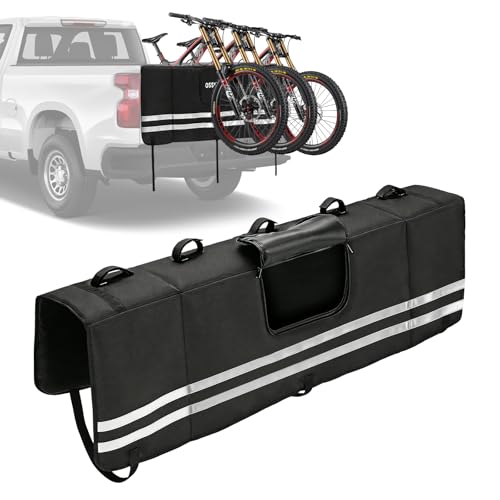
- ✓ Perfect fit for mid-size trucks
- ✓ Very durable and protective
- ✓ Reflective safety strips
- ✕ Slightly pricey
- ✕ Limited to specific truck sizes
| Tailgate Compatibility | Fits trucks with tailgates measuring 51″–56″ (e.g., Tacoma, Ranger, Colorado) |
| Material | 800D PVC with thick padding for protection |
| Bike Capacity | Holds up to 5 bikes securely |
| Reflective Features | Built-in reflective strips for increased visibility in low-light conditions |
| Additional Storage | Includes storage pockets for tools and gear |
| Transport Security | Adjustable straps to prevent bike movement during transit |
As I hoisted my bike onto the tailgate, I immediately noticed how snugly this Tailgate Bike Pad fit my Tacoma’s 54-inch tailgate. There was no awkward slipping or shifting, which is often a headache with other pads.
It felt sturdy under my hands, thanks to the thick, textured PVC that screamed durability.
The pad’s padding is surprisingly thick, providing a solid barrier against scratches and dents when loading bikes. I was also pleased to see the reflective strips along the edges—definitely a bonus for those late-night trips or early morning rides.
It’s like having an extra set of eyes watching out for you on the road.
Setting up was straightforward. The adjustable straps held my five bikes firmly without any wobbling or squeaking during a bumpy drive.
Plus, the storage pockets came in handy for tools and small gear, keeping everything organized and within reach.
Accessing my tailgate handle was easy, thanks to the built-in window—no need to unstrap or remove bikes just to open up. I also appreciate how well this pad fits mid-size trucks; it doesn’t look bulky or out of place.
Overall, it’s a practical, well-designed solution that keeps my bikes secure and my truck protected.
For anyone who values safety, protection, and convenience during transport, this pad hits all the marks. It’s a worthwhile investment if you regularly haul multiple bikes and want peace of mind on the road.
Colorado Bicycle Road & Mountain Bike T-Shirt

- ✓ Stylish Colorado flag design
- ✓ Breathable lightweight fabric
- ✓ Durable double-needle hem
- ✕ Not suitable for intense riding
- ✕ Limited color options
| Material | Lightweight, breathable fabric (likely cotton or polyester blend) |
| Fit | Classic fit with double-needle sleeve and bottom hem for durability |
| Design | Colorado flag with road bike graphic |
| Intended Use | Cycling and mountain biking enthusiasts |
| Size Range | Various sizes (not specified, but typical for T-shirts) |
| Price | $16.90 |
You’re out on a ride, feeling the sun on your back, and suddenly you wish your shirt could do more than just breathe—it should also show your Colorado pride and love for cycling. That’s exactly what this Colorado Bicycle Road & Mountain Bike T-Shirt does for you.
The vivid Colorado flag design with a sleek road bike instantly catches the eye and feels like a badge of honor for any rider.
The fabric is lightweight and breathable, which makes it perfect for those hot summer rides or just cruising around town. The fit is classic, so it’s comfortable without feeling tight or loose, and the double-needle hems give it a sturdy, well-made feel.
You won’t have to worry about it shrinking or losing shape after a few washes.
What I really liked is how it celebrates Colorado’s biking scene. Whether you’re hitting mountain trails or city streets, this shirt feels like a nod to your passion.
It’s also a great gift for fellow cyclists who love Colorado’s landscapes. The print stays vibrant, even after multiple washes, and the overall quality feels premium for just $16.90.
Honestly, it’s simple but effective. It’s not a high-tech cycling jersey, but for casual rides or hanging out after a ride, it’s perfect.
Plus, it’s affordable and adds a bit of Colorado flair to your everyday wardrobe. If you want a comfy shirt that shows off your cycling love and state pride, this one’s a solid pick.
FILORI 5-Bike Tailgate Pad for Mountain Bikes, Mud-Tan

- ✓ Heavy-duty weatherproof material
- ✓ Easy universal fit
- ✓ Reflective safety strips
- ✕ Slightly stiff initially
- ✕ Limited color options
| Material | 600D PVC exterior with soft flannelette inner layer |
| Bike Capacity | Up to 5 mountain bikes |
| Compatibility | Fits most compact/mid-size trucks including Ford F-150, Toyota Tacoma, Chevrolet Colorado, Nissan Frontier |
| Padding | Thick foam cushioning for shock absorption |
| Safety Features | High-visibility reflective strips along edges |
| Durability | Reinforced stitching at stress points for long-lasting use |
As I was loading my bikes onto the truck, I noticed how the tailgate pad practically snuggled into place the moment I unrolled it. It was surprisingly snug—no slipping, no fuss—and I hadn’t even fully secured it yet.
Turns out, this thing’s built with a thick foam layer that keeps everything stable, even on bumpy dirt roads.
The first thing that caught my eye was its rugged construction. The 600D PVC material feels tough and weather-resistant, so I’m not worried about scratches or tears after a few trips.
Plus, the ultra-soft flannelette lining adds a layer of protection for my bikes’ paint—no more worrying about scuffs during transport.
Setting it up on my Ford F-150 was a breeze. The universal fit means I didn’t have to fuss with complicated adjustments.
The Velcro straps are heavy-duty and hold everything tight, even when I hit rough patches. I appreciated the reinforced stitching at stress points; it feels like this pad is made to last through many adventures.
What really surprised me was the reflective strips. In low light, they catch your eye and make sure other drivers notice your loaded truck.
It’s a simple feature but a real safety upgrade. Overall, this tailgate pad feels durable, easy to install, and offers solid bike protection—perfect for weekend warriors like you who want hassle-free gear.
TNAIYH Tailgate Pad for Mountain Bike, 32″ Heavy Duty Truck

- ✓ Durable waterproof material
- ✓ Easy to install
- ✓ Reflective safety strips
- ✕ Might be tight on larger trucks
- ✕ Limited to one bike
| Material | Oxford cloth with waterproof and abrasion-resistant properties |
| Dimensions | 32.68 x 12.99 inches (tailgate pad), fixing strap length: 30.31 inches |
| Bike Capacity | Holds 1 mountain bike |
| Installation Method | Tighten straps on tailgate, secure bike with magic sticker straps |
| Safety Features | Reflective strips for visibility, included tool bag for repairs |
| Compatibility | Fits common pickup trucks, small trucks, and full-size trucks |
That long-awaited tailgate pad has finally landed on my desk, and I couldn’t wait to see if it truly lives up to the hype. I’ve been eyeballing a sturdy, reliable way to transport my mountain bike without risking scratches or damage, especially for those weekend Colorado trail trips.
The first thing that caught my eye was the high-quality Oxford cloth—feeling tough and waterproof in hand, promising durability even in unpredictable weather.
Once I laid it out on my truck’s tailgate, the installation was a breeze. The straps are long enough to fit most trucks, and the magic sticker straps made securing my bike simple—no fuss, no tools needed.
I appreciated how snugly everything fit, with the reflective strips giving an extra safety boost for night drives. The padding separated my bike from the tailgate, so I didn’t have to worry about scratches on bumpy roads or during quick stops.
Storing small tools in the dedicated bag was a nice touch—perfect for quick repairs on the go. I tested the pad on a rough dirt trail, and it held up well, protecting both my bike and the truck’s paint.
Overall, it’s lightweight but feels tough enough to handle regular use. For anyone tired of flimsy covers or risking bike damage, this seems like a solid choice that balances practicality with protection.
What Constitutes the Best Bike Fit in Colorado?
The best bike fit in Colorado involves several key factors to ensure comfort, efficiency, and performance while cycling in the varied terrain.
- Body Measurements: Accurate body measurements are crucial for determining the right bike size and geometry. This includes measuring inseam, torso length, arm length, and shoulder width, which can influence saddle height, reach, and handlebar height.
- Saddle Positioning: The correct saddle position affects both comfort and pedaling efficiency. Proper fore-aft saddle adjustment ensures that the rider’s knees align over the pedals, while saddle height adjustments help maintain optimal leg extension.
- Handlebar Height: The height of the handlebars impacts the rider’s posture and comfort during rides. A higher handlebar position can reduce strain on the back and neck, while a lower position may enhance aerodynamics for racing purposes.
- Cleat Placement: For cyclists using clipless pedals, the placement of cleats is vital for optimal power transfer and knee alignment. Properly positioned cleats can prevent discomfort and injuries by ensuring the foot stays aligned with the pedal during the cycling motion.
- Riding Style Considerations: Different riding styles, such as touring, mountain biking, or road cycling, require specific fit adjustments. Understanding a cyclist’s primary riding style allows for tailoring the bike fit to enhance performance and comfort in their preferred environment.
- Flexibility and Range of Motion: A cyclist’s flexibility and range of motion play significant roles in determining the best bike fit. A professional fit can help assess flexibility and suggest adjustments to accommodate any limitations, ensuring a comfortable riding position.
- Terrain Adaptation: Considering Colorado’s diverse terrain, a bike fit should account for different riding conditions, such as climbs, descents, and rough trails. Adjustments might be necessary to optimize performance based on the specific challenges presented by local trails and roads.
How Does a Proper Bike Fit Enhance Your Cycling Experience?
A proper bike fit is crucial for optimizing your cycling experience, as it enhances comfort, efficiency, and performance.
- Comfort: A well-fitted bike reduces the risk of discomfort and pain during rides.
- Efficiency: Proper alignment of the bike components ensures that energy is transferred effectively, allowing for better performance.
- Injury Prevention: A good fit helps to minimize the risk of injuries caused by improper posture or overuse.
- Performance Improvement: With the right bike fit, cyclists can achieve greater speed and endurance.
- Personalization: Custom adjustments can accommodate individual riding styles and body types.
Comfort is paramount when cycling, as a well-fitted bike reduces pressure points and allows for longer rides without fatigue. By aligning the seat height, handlebar position, and reach correctly, cyclists can enjoy their time on the bike without distracting discomfort.
Efficiency is enhanced when the bike fit is optimized. Proper alignment of the saddle and pedals ensures that power is applied effectively, allowing cyclists to use their energy more effectively, which can result in faster speeds and less effort over long distances.
Injury prevention is a significant benefit of an appropriate bike fit. By ensuring that the bike is set up to match the cyclist’s body dimensions, the risk of strain injuries, such as knee pain or lower back issues, is significantly reduced, promoting a healthier cycling experience.
Performance improvement is a direct result of achieving a proper fit. When a cyclist’s body is adequately aligned with the bike, they can pedal more efficiently, leading to better speed and longer endurance during rides.
Personalization is essential for each cyclist since no two bodies are the same. A bike fit can be tailored to individual preferences and riding styles, whether it’s a more aggressive racing position or a relaxed touring setup, ensuring optimal comfort and control.
What Key Measurements Are Involved in Achieving the Perfect Fit?
The key measurements involved in achieving the perfect bike fit are crucial for comfort and performance while cycling.
- Inseam Length: This measurement helps determine the correct saddle height for a rider. It is taken from the floor to the crotch and is essential for ensuring that the rider can fully extend their legs without straining.
- Torso Length: The torso length affects the reach to the handlebars. This measurement is taken from the base of the neck to the top of the sit bones and influences the bike’s frame size and stem length needed for optimal comfort.
- Arm Length: The length of the arms helps determine the appropriate handlebar height and reach. A proper fit ensures that riders can comfortably grasp the handlebars without overextending their arms, which can lead to fatigue.
- Shoulder Width: This measurement impacts the width of the handlebars chosen for the bike. A correct shoulder width ensures that the rider maintains a natural arm position, reducing strain during long rides.
- Height: Overall height can guide the selection of frame size and geometry. While it is not the sole determinant, it helps provide a baseline for fitting and can influence saddle and handlebar positions.
- Foot Size: The size of the rider’s feet can affect the selection of pedals and cleats. Proper alignment of the foot with the pedal is essential for efficient power transfer and to prevent injuries.
What Common Issues Arise from Inadequate Bike Fitting?
Common issues that arise from inadequate bike fitting include:
- Discomfort and Pain: Poor bike fit can lead to discomfort in various parts of the body, particularly in the back, neck, and knees. This discomfort often results from incorrect saddle height or position, which can cause strain during rides.
- Reduced Efficiency: An improper fit can negatively affect pedaling efficiency, making it harder to maintain speed and power. Riders may find themselves working harder than necessary due to misalignment in their riding position, which can lead to fatigue more quickly.
- Increased Risk of Injury: Inadequate bike fit is a significant contributor to cycling-related injuries, such as tendonitis or joint pain. When the bike is not set up correctly, it can place undue stress on muscles and joints, increasing the likelihood of overuse injuries.
- Poor Handling and Control: A bike that doesn’t fit well can compromise handling and control, making it harder to navigate turns and descents. Riders may feel unstable or less confident on their bike, impacting their overall riding experience and safety.
- Reduced Enjoyment: Ultimately, an improper bike fit can diminish the enjoyment of cycling. When riders experience discomfort, inefficiency, or pain, they are less likely to ride regularly or for long distances, which takes away from the pleasure of the sport.
How Do Incorrect Measurements Affect Your Performance?
- Injury Risk: Improper bike fit can lead to discomfort and strain on muscles and joints, increasing the likelihood of injuries such as knee pain, lower back pain, and repetitive strain injuries.
- Pedaling Efficiency: An incorrect bike fit can negatively impact your pedaling efficiency, as it may force you to use suboptimal riding positions that reduce power transfer and increase fatigue during rides.
- Comfort Level: A poor fit can lead to numbness, chafing, and general discomfort, making it difficult to enjoy long rides and causing riders to cut their sessions short.
- Handling and Control: If your bike is not properly fitted, it can affect your handling and control, making it challenging to navigate turns and descents, which can lower confidence and performance.
- Performance Metrics: Inaccurate measurements can impact key performance metrics such as speed and endurance, ultimately affecting your ability to meet personal cycling goals and compete effectively.
What Are the Health Risks Associated with Poor Bike Fit?
- Joint Pain: A bike that is not properly fitted can put excessive strain on joints, leading to pain in areas such as the knees, hips, and lower back. This misalignment often causes repetitive stress injuries, which can worsen over time if not addressed.
- Muscle Imbalances: When a bike is not suited to a rider’s body, it can cause certain muscles to overwork while others remain underutilized. This imbalance can lead to chronic muscle tightness, fatigue, and even long-term injuries if the underlying issues are not corrected.
- Numbness and Tingling: An improper bike fit can compress nerves, particularly in the hands and feet, resulting in numbness or tingling sensations. This not only affects comfort during rides but can also lead to a loss of control and increased risk of accidents.
- Reduced Performance: A poor bike fit can hinder efficiency and power transfer, causing a rider to expend more energy for less speed. This can lead to fatigue and decreased enjoyment of cycling, ultimately discouraging the rider from participating in the sport.
- Back Problems: A bike that does not accommodate the rider’s body shape can lead to poor posture while cycling, resulting in chronic back pain. This issue can escalate if the rider continues to cycle without addressing the fit, leading to longer-term spinal problems.
- Headaches: Incorrect bike fit can contribute to tension in the neck and shoulders, which may lead to headaches. This often occurs due to improper handlebar height or reach, causing the rider to strain to maintain a comfortable position.
What Can You Expect from a Professional Bike Fitting Session in Colorado?
A professional bike fitting session in Colorado can significantly enhance your cycling experience by ensuring comfort, efficiency, and performance.
- Assessment of Current Setup: The fitter will examine your current bike setup, including saddle height, handlebar position, and reach. This initial assessment helps identify any misalignments or discomfort that may be affecting your ride.
- Body Measurements: Accurate body measurements are taken to determine your ideal bike dimensions. This includes measuring your inseam, torso length, and arm length to ensure your bike fits your unique body shape.
- Flexibility and Range of Motion Evaluation: The fitter will assess your flexibility and range of motion to tailor adjustments that accommodate your physical capabilities. This is crucial for preventing injuries and enhancing your pedaling efficiency.
- Dynamic Cycling Analysis: Many professional fittings include a dynamic analysis where you ride on a stationary bike while being recorded. This allows the fitter to observe your pedal stroke and body position in motion, leading to more precise adjustments.
- Custom Recommendations: Based on the assessment, the fitter will provide recommendations for saddle height, angle, and type, as well as handlebar adjustments. These personalized changes can greatly improve comfort and performance.
- Follow-Up and Adjustments: A good bike fitting service often includes follow-up sessions to fine-tune the fit as you adapt to the changes. This ensures that any discomfort or issues can be addressed promptly.
- Advice on Gear and Accessories: Fitters can also provide advice on the best gear and accessories suited for your riding style and body type. This can include recommendations for cycling shoes, pedals, and even clothing that can enhance your overall experience.
What Techniques and Tools Are Used by Experts?
Experts in bike fitting utilize various techniques and tools to ensure optimal comfort and performance for cyclists.
- Goniometer: This is a tool used to measure angles, particularly in joint movements. During a bike fit, a goniometer helps assess the cyclist’s body position and alignment, allowing the fitter to make precise adjustments to the bike for optimal biomechanics.
- Laser Alignment Tool: This tool projects a laser beam to check the alignment of the bike’s components, such as the saddle and handlebars. By using a laser alignment tool, fitters can ensure that the setup is symmetrical and that the rider’s position is balanced, which can significantly enhance riding efficiency and comfort.
- Pressure Mapping: This technique involves using specialized sensors placed on the saddle to analyze pressure distribution across the cyclist’s sit bones. By understanding these pressure points, fitters can recommend saddle changes or adjustments to improve comfort and reduce the risk of injury during long rides.
- Video Analysis: Experts often use video analysis to capture the cyclist’s movements while riding. Reviewing this footage allows fitters to identify inefficiencies in pedaling technique and body posture, helping to make informed adjustments that enhance performance and comfort.
- Fit Bike: A fit bike is a stationary bike specifically designed for professional fitting. It allows for quick adjustments to the saddle height, fore/aft position, and handlebar height without the need for a complete bike setup, making the fitting process more efficient and accurate.
- Flexibility Assessment: Evaluating a rider’s flexibility is crucial in determining their optimal riding position. By testing the range of motion in key areas like the hips, knees, and lower back, fitters can customize the bike setup to accommodate the rider’s physical capabilities and limitations.
- Body Geometry Fit Tools: This includes a range of tools and techniques developed by specific brands to enhance rider comfort. These tools often involve measuring foot length and arch height to recommend the best shoes and insoles, as well as adjusting cleat positions to optimize power transfer and prevent injuries.
How Long Does a Professional Bike Fitting Session Typically Take?
A professional bike fitting session typically lasts between 1 to 2 hours, depending on the complexity of the fit and the individual needs of the cyclist.
- Initial Assessment: This first phase usually takes about 15-30 minutes, where the fitter assesses the cyclist’s flexibility, strength, and any pre-existing injuries. This helps in understanding the rider’s physical capabilities and limitations, allowing for a more tailored fit.
- Bike Measurements: This stage generally takes around 20-30 minutes and involves measuring the bike’s current setup, including saddle height, saddle position, and handlebar height. Adjustments are made during this phase to align the bike with the cyclist’s body dimensions and riding style.
- Dynamic Fitting: Lasting approximately 20-30 minutes, this part of the session involves the cyclist riding the bike on a stationary trainer while the fitter observes and makes real-time adjustments. This observational phase is crucial for fine-tuning the fit based on the rider’s comfort and efficiency.
- Final Adjustments and Recommendations: The final 10-15 minutes are spent discussing any adjustments made during the fitting and providing recommendations for future setups or gear. The fitter may suggest changes in riding posture or accessories that can enhance comfort and performance.
What Benefits Can You Gain from a Professional Bike Fit in Colorado?
Enhanced performance is achieved through adjustments that allow for optimal power transfer from your legs to the pedals. By finding the ideal saddle height and handlebar position, you can maximize your energy output and ride at higher speeds with less fatigue.
Injury prevention is a key benefit, as many cyclists face ailments due to improper bike setup. A professional fit can help you find the correct stance and posture, minimizing the risk of overuse injuries that can derail your cycling journey.
Better bike handling is another advantage, as a bike that fits well allows for improved maneuverability and stability, crucial for navigating Colorado’s steep climbs and technical descents. This helps instill confidence in your riding abilities.
Personalized recommendations from a bike fitter can also guide you in selecting the right equipment and making adjustments tailored to your riding style. This level of customization can significantly enhance your riding experience and enjoyment.
Can a Bike Fit Help Reduce Injury Risk?
Yes, a bike fit can help reduce injury risk.
A proper bike fit ensures that the cyclist’s position on the bike is optimized for comfort and efficiency. This involves adjusting the saddle height, saddle position, handlebar height, and reach, among other factors. When a bike fits well, it allows the rider to maintain a more natural and ergonomic posture while pedaling, which can significantly decrease the likelihood of developing repetitive strain injuries or discomfort during rides. For example, an incorrectly positioned saddle can lead to knee pain, while improper handlebar height can cause back and neck issues.
Additionally, a bike fit often includes an assessment of the rider’s biomechanics, including their flexibility, strength, and riding style. By identifying any individual physical limitations or movement patterns, a bike fitter can make tailored adjustments to the bike setup. This ensures that the rider not only feels more comfortable but also performs better, as they can pedal more efficiently and with less strain. In Colorado, where many cyclists face diverse terrain and longer rides, investing in the best bike fit can be crucial for long-term enjoyment and injury prevention.
How Does a Proper Fit Improve Comfort and Endurance During Rides?
A proper fit on a bike is crucial for enhancing comfort and endurance during rides.
- Correct Saddle Height: Proper saddle height allows for optimal leg extension, which minimizes strain on the knees and enables efficient pedaling. When the saddle is at the right height, it helps to reduce fatigue and discomfort, allowing riders to maintain endurance over longer distances.
- Handlebar Position: The height and reach of the handlebars significantly affect riding posture. An appropriate handlebar position ensures that the rider’s back and arms are relaxed, which can help prevent strain during extended rides and promote a more aerodynamic posture.
- Frame Size: Choosing the correct frame size is fundamental for overall bike fit. A frame that is too large or too small can lead to poor weight distribution and discomfort, impacting the rider’s control and stamina on the bike.
- Cleat Alignment: Proper cleat placement ensures that the feet are aligned correctly with the pedals, which promotes efficient power transfer and reduces the risk of injuries. This alignment can make a significant difference in how comfortable a rider feels, especially during long rides.
- Torso Angle: The angle of the torso while riding influences both comfort and aerodynamics. A fit that allows for a slight forward lean can help in maintaining comfort and stability, reducing fatigue in the back and shoulders while improving overall performance.
What Are the Most Recommended Locations for Bike Fitting Services in Colorado?
Some of the most recommended locations for bike fitting services in Colorado include:
- Velosmith: Located in Golden, Velosmith offers personalized bike fitting services that cater to cyclists of all levels. Their trained staff utilizes advanced technology and a thorough fitting process to ensure optimal comfort and performance for each rider.
- Bike Fit Colorado: Situated in Boulder, Bike Fit Colorado is known for its comprehensive fitting sessions that analyze riders’ biomechanics. The shop focuses on both road and mountain biking fits, making sure to tailor each experience to the individual’s unique riding style and needs.
- Colorado Multisport: This facility in Boulder specializes in bike fitting, especially for triathletes and endurance cyclists. Their fitters are experienced in addressing the specific demands of long-distance riding, ensuring that the bike setup enhances efficiency and minimizes fatigue.
- Peak Cycles: Found in Golden, Peak Cycles provides a range of bike fitting services, from basic adjustments to in-depth fittings that analyze rider posture and movement. They use a combination of physical assessments and technology to optimize bike setup for performance and comfort.
- Pro Peloton: Located in Denver, Pro Peloton offers professional bike fitting services that emphasize not just comfort but also injury prevention. Their fitting process includes assessing flexibility and strength to ensure that the bike is adjusted to the rider’s physical capabilities.
Which Bicycle Shops in Colorado Specialize in Professional Fitting?
The best bicycle shops in Colorado that specialize in professional fitting include:
- Bike Source: Known for its comprehensive fitting services, Bike Source offers a detailed assessment of your riding style and body measurements. They use advanced fitting technology to ensure your bike is perfectly adjusted to enhance performance and comfort.
- Golden Bike Shop: This shop provides a personalized fitting experience that includes a thorough evaluation of your flexibility and riding position. With a focus on optimizing your bike setup, they aim to reduce discomfort and improve efficiency on longer rides.
- Elevation Cycles: Elevation Cycles is recognized for its expert fitters who have extensive training in biomechanics. They utilize a blend of traditional fitting methods and modern technology to create a customized bike fit that caters to each cyclist’s unique needs.
- Wheels in Motion: At Wheels in Motion, the fitting process involves both physical assessments and bike adjustments to ensure a perfect match. Their team emphasizes the importance of a proper fit to prevent injuries and enhance the overall cycling experience.
- Peak Cycles: Peak Cycles offers a professional fitting service that includes a dynamic fitting process, where riders are assessed while riding on a stationary trainer. This approach allows for real-time adjustments and helps ensure optimal power transfer and comfort.
What Should You Look for in a Bike Fit Studio?
When searching for the best bike fit studio in Colorado, there are several key factors to consider to ensure you receive a quality fit that enhances your cycling experience.
- Qualified Staff: Look for a studio that employs certified bike fitters with extensive training and experience in biomechanics and cycling.
- Comprehensive Assessment: A good fit studio should offer a thorough assessment that includes a physical evaluation, flexibility testing, and an analysis of your cycling style.
- Advanced Technology: The best bike fit studios utilize advanced tools such as motion capture systems and pressure mapping to provide precise adjustments.
- Custom Adjustments: Ensure the studio offers personalized recommendations and adjustments based on your unique body measurements and riding goals.
- Follow-Up Services: A reputable studio should provide follow-up consultations or adjustments to ensure your fit remains optimal as your cycling evolves.
- Positive Reviews: Check for customer testimonials and reviews that highlight the studio’s reputation for service quality and effectiveness.
- Comfortable Environment: The atmosphere should be welcoming and conducive to open communication, making you feel at ease during the fitting process.
- Variety of Bike Options: A good bike fit studio should have a range of bike styles and sizes available for testing, ensuring a proper fit regardless of your bike type.
Qualified staff plays a crucial role in the bike fitting process, as their expertise ensures you receive accurate assessments based on your individual needs. They should be up-to-date with the latest fitting techniques and methodologies.
A comprehensive assessment is vital, as it helps identify any physical limitations or issues that could affect your riding posture and performance. This typically includes evaluating your flexibility, strength, and any previous injuries.
Advanced technology enhances the fitting process by allowing for precise measurements and real-time feedback. Tools like motion capture and pressure sensors provide insights into your riding position and help the fitter make informed adjustments.
Custom adjustments based on your unique body dimensions and riding preferences ensure that the bike is tailored specifically for you, optimizing comfort and efficiency during rides. This personalized approach can greatly enhance your cycling performance.
Follow-up services are important to address any discomfort experienced after the initial fit, as adjustments may be necessary as you adapt to your new setup. A studio that offers ongoing support demonstrates a commitment to your long-term cycling success.
Positive reviews can provide valuable insight into the experiences of others and can indicate the reliability and effectiveness of the bike fit studio. Look for a studio with a history of satisfied customers who have seen tangible improvements.
A comfortable environment is crucial for an effective bike fitting experience, as it encourages open dialogue about your needs and concerns. A relaxed atmosphere can help you feel more at ease during the fitting process.
Lastly, having a variety of bike options available for testing allows you to ensure the right fit regardless of your specific bike type or style. This flexibility can be particularly important if you own multiple bikes or are considering purchasing a new one.
Related Post: