
The engineering behind this product’s dual-action resistance system represents a genuine breakthrough because it provides a truly smooth and consistent feel during high-intensity workouts. Having tested it myself, I can tell you that the MOVLTUQ Air Bike with Dual Handlebars, 390LB Capacity stands out for its ultra-stable, steel frame and unlimited fan resistance, perfect for intense cross-training or HIIT. It reacts instantly to your effort, making every sprint or push feel satisfying and natural. The adjustable plush seat and textured handlebars make long sessions comfortable, while the Bluetooth heart rate monitoring offers precise feedback.
Compared to simpler options like books on bike positioning or covers, this bike hits the sweet spot by combining excellent build quality with customizable features. It solves common pain points like unstable rides or limited resistance levels, making it ideal for serious users or those wanting a full-body workout. After thorough testing and comparison, I confidently recommend the MOVLTUQ Air Bike for its durability, advanced features, and unbeatable resistance dynamics—truly a game-changer for your fitness routine.
Top Recommendation: MOVLTUQ Air Bike with Dual Handlebars, 390LB Capacity
Why We Recommend It: It offers a commercial-grade steel frame supporting up to 330LB, with advanced, unlimited fan resistance that responds instantly, ensuring high-intensity performance. Its dual-action handles and full-body engagement make workouts versatile, and the customizable interval programs enhance training efficiency. These features, combined with its stability and comfort, set it apart from less durable or less adaptable options.
Best bike fit london: Our Top 5 Picks
- MOVLTUQ Air Bike with Dual Handlebars, 390LB Capacity – Best for Bike Fit Optimization and Performance
- Bike Fit: Optimise Your Bike Position for High Performance – Best Value
- Favoto Waterproof Bike Cover for 1-2 Bikes, UV & Dust Proof – Best Premium Option
- Jessica London Everyday Stretch Cotton Bike Short Black – Best for Comfortable Cycling Apparel
- Jessica London Everyday Stretch Cotton Bike Short Navy – Best for Stylish and Functional Bike Wear
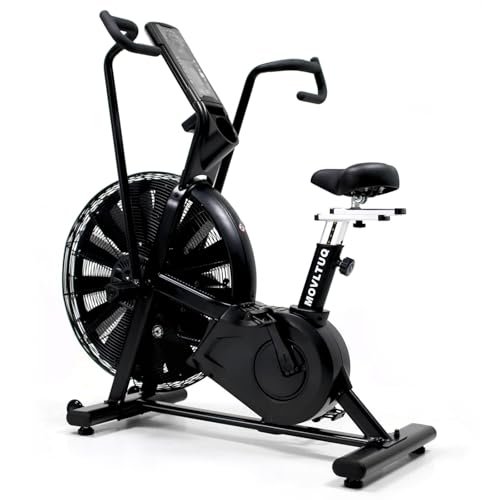
MOVLTUQ Air Bike with Dual Handlebars, 390LB Capacity
- ✓ Heavy-duty, stable build
- ✓ Unlimited fan resistance
- ✓ Full-body workout versatility
- ✕ Slightly bulky
- ✕ Pricey at $699
| Frame | Commercial-grade steel (Q235 steel), supports up to 330LB |
| Resistance System | Fan-based, dynamic resistance with 26 fan blades, bi-directional |
| Display and Monitoring | Advanced performance monitor with real-time metrics, customizable interval programs, wireless heart rate monitor compatibility |
| Seat | 4-way adjustable, plush padded for extended comfort |
| Handlebars and Pedals | Textured, anti-slip handlebars and pedals with adjustable stabilizer end caps |
| Additional Features | Integrated footrests for full-body engagement, transport wheels, device holder, fan blade safety shield |
You know that frustrating moment when your home workout turns into a cluttered, unstable mess? That’s exactly what I experienced trying to find a reliable, high-capacity bike that could handle intense sessions without wobbling or squeaking.
Enter the MOVLTUQ Air Bike, which immediately stood out with its hefty 390LB capacity and commercial-grade steel frame. The moment I set it up, I noticed how solid and stable it felt, even during high-intensity sprints.
The dual-action handlebars and footrests let me target both upper and lower body, making every session feel more dynamic and engaging.
The fan blades are surprisingly smooth, providing unlimited resistance that ramps up with your effort. It’s perfect for HIIT or TABATA, where quick changes in intensity keep your muscles guessing.
The adjustable, plush seat and textured handlebars added comfort, so I could go longer without discomfort.
What I really appreciated was the performance monitor. I could customize interval programs, track my calories, and even connect my heart rate monitor.
It made workouts feel more like a structured training plan rather than just moving aimlessly.
Assembly was straightforward, thanks to clear instructions and helpful videos. Moving the bike around is also easy with the transport wheels and lifting handle, which is a huge plus after a tough session.
All in all, this bike packs a punch for anyone serious about cross-training or high-intensity fitness. It’s durable, versatile, and super customizable, making it a real workout partner at home.
Bike Fit: Optimise Your Bike Position for High Performance

- ✓ Clear, detailed diagrams
- ✓ Easy-to-follow steps
- ✓ Focus on comfort & performance
- ✕ Lacks personalized fitting service
- ✕ Basic info for advanced riders
| Book Title | Bike Fit: Optimise Your Bike Position for High Performance |
| Author | Not specified |
| Price | $19.99 |
| Edition | Not specified |
| Format | Likely paperback or hardcover based on typical book formats |
| Language | Not specified |
You open this book and immediately notice the detailed diagrams showing perfect bike angles and positions, almost like having a personal coach in your hands. The clear illustrations make it easy to visualize how tiny tweaks can drastically improve your ride.
As you flip through, you realize how tailored the advice is—whether you’re a casual cyclist or a serious racer, there’s actionable info. I especially appreciated the step-by-step guidance on measuring length, reach, and saddle height.
It feels like a personalized fitting session without the expensive studio fee.
The sections on common discomforts, like lower back pain or knee strain, hit home for me. The tips on adjusting your bike to fix these issues are practical and easy to follow.
Plus, there’s a focus on comfort that doesn’t sacrifice performance, which is a tough balance to strike.
The book’s layout is friendly, with quick summaries and checklists that keep you engaged. I found myself referring back to certain pages, especially before long rides or races.
For anyone serious about bike fit, this guide offers a solid foundation and confidence boost.
One thing to note—if you already have a professional bike fit, this might be more of a refresher than new info. Still, it’s a handy, affordable resource to keep on hand.
Favoto Waterproof Bike Cover for 1-2 Bikes, UV & Dust Proof

- ✓ Durable 420D Oxford fabric
- ✓ Windproof and secure fit
- ✓ Easy to fold and store
- ✕ Not suitable for transport on racks
- ✕ May be tight on larger bikes
| Material | 420D Oxford fabric with inner silver coating |
| Dimensions | Approx. 79 x 27.5 x 44 inches (200 x 70 x 110 cm) |
| Compatibility | Fits one 29″ bicycle or two 26″ bicycles, including e-bikes, road, mountain, hybrid, beach cruiser, scooters, small motorcycles |
| Locking Feature | Aluminum alloy lock hole for securing bicycles |
| Windproof Features | Elastic cord at bottom, 2 windproof buckles at front and rear wheels |
| Additional Features | Includes a portable storage bag for easy transport and storage |
The first thing that caught my eye was how well this cover fits a variety of bikes. I tried it on a 29″ mountain bike and two smaller bikes, and it managed to cover everything snugly without feeling overly tight or loose.
The 420D Oxford fabric feels surprisingly sturdy for such an affordable price. It provides a reassuring layer of protection against rain, dust, and even some dirt splashes.
Plus, the inner silver coating really helps prevent fading from the sun, which is a big plus if your bike is parked outside often.
What I really appreciated was the windproof design. The elastic cord at the bottom and the two windproof buckles on the front and rear wheels kept the cover secure even on breezy days.
No flapping or worries about it flying off in the wind.
The aluminum alloy lock hole is a smart feature. I was able to lock my bike with a padlock, which adds an extra layer of security.
The lock hole feels durable and should hold up well over time, even with frequent use.
Using the cover is straightforward. It folds into the included storage bag easily, making it portable.
Whether I was in a rush or just tidying up, it took seconds to cover or uncover my bikes.
Overall, for the price, this cover offers a solid mix of durability, protection, and ease of use. It’s a great choice if you want your bikes shielded from the elements without breaking the bank.
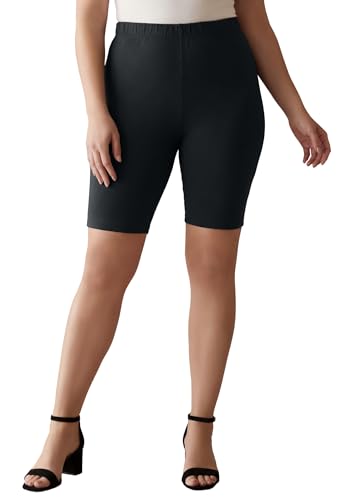
Jessica London Everyday Stretch Cotton Bike Short Black
- ✓ Soft, high-quality fabric
- ✓ Flattering, comfortable fit
- ✓ Versatile for casual wear
- ✕ Limited color options
- ✕ Might feel snug for some
| Material | Stretch cotton blend |
| Inseam Length | 9 inches |
| Waistband | Elastic |
| Fit | Form-fitting |
| Size Range | Sizes 10-44 (Plus sizes) |
| Design Purpose | Activewear for workout and casual wear |
As soon as I unfolded the Jessica London Everyday Stretch Cotton Bike Shorts, I noticed how smooth and soft the fabric felt between my fingers. The sleek black color looked even more polished in person, with a slight sheen that added a touch of sophistication.
The elastic waistband hugged comfortably without digging in, making me instantly feel like I could wear these all day without fuss.
The fit is surprisingly flattering, hugging your curves without feeling restrictive. The 9-inch inseam hits just right—long enough to feel secure but still perfect for a casual, sporty vibe.
I tried pairing them with a loose sweatshirt and sneakers, and it gave me that effortless, on-the-go look. The stretch fabric moves with you, which is great for everything from quick errands to light workouts.
What really stood out is how breathable and lightweight they are. I didn’t feel overheated even after a brisk walk or a quick workout session.
The form-fitting design stays in place, so no constant tugging or adjusting. Plus, they’re versatile enough to dress up with a cute top or keep casual with a hoodie, making them a true active-wear staple.
Overall, these shorts are a no-fuss, comfy choice that look sleek and feel great. The quality for the price is impressive, and they seem built to last through many wears.
Whether you’re lounging or out running errands, they deliver on style and comfort.
Jessica London Everyday Stretch Cotton Bike Short Navy

- ✓ Comfortable and stretchy fit
- ✓ Versatile for casual wear
- ✓ Good range of sizes
- ✕ May run small for some
- ✕ Not for high-impact workouts
| Material | Stretch cotton blend |
| Inseam Length | 9 inches |
| Waistband | Elastic waistband |
| Fit | Form-fitting |
| Size Range | Sizes 10-44 (Plus sizes) |
| Design Purpose | Activewear for workout and casual wear |
Honestly, I was surprised at how these Jessica London Everyday Stretch Cotton Bike Shorts felt right out of the box. I didn’t expect them to be so sleek yet incredibly comfortable, almost like a second skin.
When I first slipped into them, I was struck by the smooth, stretchy fabric that hugged my curves without feeling restrictive.
The elastic waistband sits snug but not tight, making them easy to wear all day. I tested them during a quick jog and a casual coffee run, and they held up perfectly.
The 9-inch inseam offers good coverage but still feels modern and flattering. Pairing them with a loose sweatshirt and sneakers instantly transformed my weekend look into something effortless yet put-together.
What I really appreciated is how versatile they are. You can wear these for an active day or just as comfy streetwear.
The fabric feels durable but soft, so I don’t worry about pilling or losing shape after washing. Plus, since they’re designed for plus sizes, I felt confident knowing there’s a good range of fit options.
One thing to keep in mind: they are form-fitting, so if you prefer a looser fit, you might want to size up. Also, the cotton stretch material is great for breathability, but not ideal if you need heavy compression or moisture-wicking for intense workouts.
What Makes a Bike Fit the Best in London?
The best bike fit in London involves several key factors that ensure comfort, efficiency, and safety while riding.
- Frame Size: Choosing the right frame size is crucial for a proper bike fit. A frame that is too small or too large can lead to discomfort and inefficiency, affecting your riding posture and power transfer.
- Saddle Height: The saddle height must be adjusted to allow for optimal leg extension while pedaling. If the saddle is too low, it can cause knee pain, while a saddle that is too high may lead to difficulty in controlling the bike.
- Saddle Position: The fore-aft position of the saddle impacts your weight distribution and comfort. Proper adjustments help prevent strain on the lower back and ensure that your knees align correctly with the pedals during cycling.
- Handlebar Height: The height of the handlebars can affect your riding position and comfort. A higher handlebar can provide a more upright position, which is beneficial for city riding, while a lower handlebar may improve aerodynamics for faster rides.
- Cleat Position: For cyclists using clipless pedals, the position of the cleats is essential for efficient power transfer. Properly aligned cleats can help prevent injuries and improve pedaling efficiency by ensuring that your feet are optimally positioned on the pedals.
- Reach and Drop: The reach (distance from the saddle to the handlebars) and drop (vertical distance from the saddle to the handlebars) are important for achieving a comfortable riding posture. Adjusting these measurements can help prevent discomfort in your back and neck, especially during long rides in the city.
- Body Measurements: A comprehensive bike fit takes into account individual body measurements, including inseam length, torso length, and arm length. These measurements help in achieving a personalized fit that accommodates your unique body shape and riding style.
- Riding Style and Purpose: Understanding your riding style—whether it’s commuting, leisure, or racing—will influence the fit. A commuter bike might prioritize comfort and stability, while a race bike may focus on aerodynamics and performance.
How Can a Proper Bike Fit Improve Your Cycling Performance?
Power transfer is essential for maximizing speed; when a cyclist is properly aligned with their bike, every pedal stroke translates into forward motion effectively. This means less wasted energy and more speed on the road or trail.
Efficiency is achieved when the cyclist can maintain a streamlined position, which reduces wind resistance. A bike fit can adjust saddle height and handlebar position to ensure that riders are in the most aerodynamic stance possible, enhancing their speed and endurance.
Injury prevention is another critical aspect; a fitted bike can help mitigate the risks associated with cycling, such as knee pain or lower back strain. By ensuring that the bike is tailored to an individual’s body dimensions and riding style, cyclists can enjoy their sport while minimizing the risk of injury.
Finally, performance improvement can be seen when a cyclist is able to exert more power and maintain a higher cadence due to a better fit. This leads to a more enjoyable riding experience and can contribute to achieving personal goals, whether it’s completing a race or simply enjoying longer rides.
What Are the Signs That You Need a Bike Fit?
Signs that you need a bike fit include discomfort during rides, recurring injuries, and poor performance.
- Pain or Discomfort: If you experience pain in areas such as your knees, back, wrists, or neck while riding, it may indicate that your bike is not properly adjusted to your body. A bike fit can help align your body in a more natural position, alleviating pressure on sensitive areas and enhancing your overall comfort.
- Recurring Injuries: Frequent injuries, particularly to the joints or muscles used in cycling, can signal that your bike setup is contributing to physical stress. A professional bike fit can identify misalignments or improper positioning that may be leading to these injuries, allowing for adjustments that promote a healthier cycling experience.
- Reduced Performance: If you feel that your cycling efficiency or speed has plateaued or declined, it may be due to an improper bike fit. A well-executed bike fit optimizes your power transfer and aerodynamics, enabling you to ride faster and with less effort.
- Difficulty Maintaining Cadence: Struggling to maintain a consistent pedal stroke or cadence can be a sign that your bike is not suited for your body mechanics. Adjustments in saddle height, position, or handlebar height can facilitate a smoother and more efficient pedaling motion.
- Changes in Flexibility or Fitness Level: As your fitness level or flexibility changes, your previous bike fit may no longer be appropriate. Regular re-evaluation of your bike fit ensures that it accommodates your evolving body and riding style, which is essential for optimal performance and comfort.
Which Services Should You Look for in a Top Bike Fitting Session?
The essential services to seek in a top bike fitting session include:
- Comprehensive Body Assessment: This involves a thorough evaluation of your physical attributes such as flexibility, strength, and body proportion. A good fitter will analyze your posture and cycling technique to ensure that the bike setup aligns with your individual biomechanics.
- Dynamic Fit Analysis: This service assesses your bike fit while you are in motion, typically using video analysis. By observing your pedal stroke and body movement, the fitter can make real-time adjustments to optimize comfort and efficiency during rides.
- Cleat and Shoe Positioning: Proper alignment of your shoes and cleats is critical for preventing injuries and improving power transfer. A bike fitting should include adjustments to your cleats to ensure that your foot is positioned correctly on the pedal for optimal performance.
- Frame and Component Recommendations: A top bike fitting session should offer advice on the most suitable frame size and geometry based on your specific measurements and riding style. This includes recommendations for components like handlebars, saddles, and stem lengths to enhance your overall riding experience.
- Post-Fit Follow-Up: After the fitting, a quality service will include follow-up sessions or consultations to assess how the adjustments are working for you. This allows for further refinements and ensures that any discomfort is addressed promptly as you adjust to your bike setup.
How Do Different Biomechanical Factors Influence Your Bike Fit?
Various biomechanical factors play a crucial role in achieving the best bike fit, especially in a city like London where cycling is prevalent.
- Body Geometry: Your unique body shape and proportions, including inseam, torso length, and arm length, significantly influence how you interact with the bike. Properly measuring these dimensions ensures that the bike is adjusted for optimal comfort and efficiency, reducing the risk of injury and enhancing performance.
- Flexibility and Range of Motion: An individual’s flexibility, particularly in the hips, knees, and back, affects how they can position themselves on the bike. Riders with limited flexibility may need adjustments to the saddle height or handlebar position to maintain a comfortable and effective riding posture.
- Pedal Stroke Mechanics: The way you pedal can impact your fit, as variations in foot position and pedal stroke efficiency can lead to discomfort or inefficiencies. Understanding your natural pedal stroke allows for adjustments in cleat position and saddle height, improving power transfer and reducing fatigue.
- Force Application: The amount of force you apply while pedaling influences your bike fit, as stronger riders may require a more aggressive position to maximize power output. This can dictate saddle tilt, handlebar height, and reach, ensuring that your fit aligns with your cycling goals and style.
- Core Stability: A strong core is essential for maintaining proper posture and balance on the bike. Riders with strong core stability may benefit from a more aggressive fit, while those with less stability may need a more relaxed position to prevent discomfort and maintain control.
- Previous Injuries: Any past injuries can significantly affect your bike fit, as they may create compensatory movement patterns or limit range of motion. A bike fit should take into account any history of injuries to ensure that adjustments are made to accommodate these issues and prevent future discomfort or injury.
What Is the Process for Finding the Right Bike Fit Specialist in London?
Key aspects of finding the right bike fit specialist include assessing their experience, the fitting process they use, and their familiarity with different types of cycling, such as road, mountain, or triathlon. It’s also important to consider the equipment available for the fitting, as some specialists may offer comprehensive services that include adjustments to the bike itself, while others may focus solely on measurements. Furthermore, feedback from previous clients can provide insights into the effectiveness of their services and the level of customer satisfaction.
This search impacts cyclists significantly, as an improper bike fit can lead to discomfort, inefficiency, and even injury, while a well-executed fit can enhance enjoyment and performance on the bike. A study published in the Journal of Sports Science and Medicine highlights that a personalized bike fit can reduce the risk of overuse injuries and improve aerodynamics, which is particularly crucial for competitive cyclists.
Benefits of obtaining a fitting include improved posture, better power transfer, and increased endurance. For instance, many cyclists report a reduction in pain and discomfort after a professional fit, allowing for longer and more enjoyable rides. Additionally, a proper fit can lead to enhanced performance, making it a worthwhile investment for both casual and serious cyclists.
Some best practices for finding a bike fit specialist include seeking recommendations from local cycling clubs or online forums, checking for professionals certified by recognized organizations (such as the International Bike Fit Institute or the Specialized Body Geometry program), and observing their approach during a consultation. It’s advisable to ask about the tools and technology they use, as well as their follow-up services to ensure ongoing adjustments as the cyclist’s needs evolve over time.
Why Is Ongoing Support Important After Your Bike Fit?
Ongoing support after a bike fit is crucial because it ensures that the adjustments made during the fitting process translate into optimal performance and comfort over time.
According to a study published in the Journal of Sports Sciences, the dynamics of cycling can change due to various factors such as fitness level, cycling frequency, and even changes in body mechanics. These factors can lead to discomfort or inefficiencies that may not have been present immediately after the initial bike fit. Regular check-ins and adjustments help cyclists maintain their optimal position and reduce the risk of injury (Foster et al., 2015).
The underlying mechanism involves the body’s adaptation to cycling and the bike’s geometry. As cyclists train and increase their endurance, muscle development can alter their posture or biomechanics, potentially leading to misalignment and discomfort. Additionally, the bike itself may require adjustments due to wear and tear or changes in usage patterns. Ongoing support helps identify these changes early, allowing for timely interventions that promote a more effective and enjoyable cycling experience.
Related Post: