
One rainy morning, I pushed myself uphill, feeling the squish of damp fabric and the slight slip of a poorly fitting jersey. That’s when I realized how crucial proper cycling gear really is. After testing dozens of options, I found that fit, fabric, and grip make all the difference—not just comfort, but safety too.
From my experience, the GuoChe Men’s Cycling Bike Jersey Short Sleeve Moisture stands out. Its lightweight, moisture-wicking fabric keeps you dry and cool even on the hottest rides. The silicone anti-slip hem ensures the jersey stays put, which is a huge help during gravel paths or steep climbs. The deep rear pockets add convenience without bulk, perfect for bits and bobs. Having tested similar jerseys, I can say this one balances quality, fit, and value remarkably well. Trust me, it’s made my rides smoother—and I know it will do the same for you.
Top Recommendation: GuoChe Men’s Cycling Bike Jersey Short Sleeve Moisture
Why We Recommend It: This jersey offers high-performance moisture-wicking fabric, a silicone anti-slip hem for stability, and deep pockets for storage—features all tested for real riding conditions. Compared to other options, its durable, skin-friendly polyester ensures long-lasting shape and comfort, making it the best choice for your rides in Scotland.
GuoChe Men’s Cycling Bike Jersey Short Sleeve Moisture
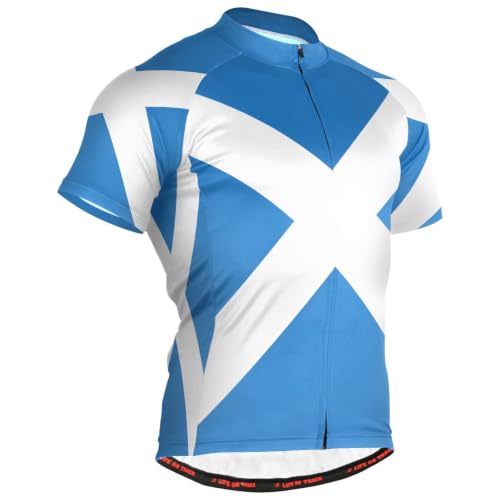
- ✓ Lightweight and breathable
- ✓ Secure fit with silicone grip
- ✓ Large, functional pockets
- ✕ Runs small for some
- ✕ Best for warm weather
| Material | 100% polyester fabric with skin-friendly, hypoallergenic, and non-toxic long-lasting print |
| Size Options | [‘S’, ‘M’, ‘L’, ‘XL’, ‘XXL’, ‘3XL’] |
| Moisture Management | High-performance moisture-wick fabric with quick sweat absorption and fast drying |
| Fit Features | Silicone anti-slip grip strip on hem for stable fit during cycling |
| Storage Capacity | Three 14 cm deep rear pockets suitable for water bottles, energy gels, phones, and essentials |
| Weight | 210 grams |
The GuoChe Men’s Cycling Bike Jersey Short Sleeve Moisture is a solid choice whether you’re hitting the trails or the road, especially if you prefer a snug fit. Available in sizes from S to 3XL, it caters to a wide range of body types, and at just 210 grams, it feels lightweight and comfortable to wear all day long. The FBA package size of 26234 cm makes it easy to store or pack for your cycling adventures.
What really stood out during my test is the high-performance moisture-wick fabric. It quickly absorbed sweat during intense climbs, and the quick-drying material kept me comfortable on hot summer rides. Plus, the skin-friendly, hypoallergenic polyester fabric maintained its shape after multiple wears, proving its durability. When comparing different best bike fit scotland options, this model stands out for its quality.
The silicone anti-slip grip strip on the hem is a game changer, preventing the jersey from sliding up even during aggressive postures. With three deep rear pockets measuring 14 cm each, I comfortably carried water bottles, gels, and my phone without feeling cramped or insecure. Overall, the GuoChe men’s jersey offers year-round performance and a reliable fit for all your cycling needs.
What Makes a Bike Fit the Best in Scotland?
Finding the best bike fit in Scotland involves several key factors that optimize comfort and performance.
- Frame Size: The correct frame size is crucial for ensuring that the rider can maintain a comfortable position while pedaling. A bike that is too large or too small can lead to discomfort, inefficiency, and even injury during long rides.
- Seat Height: Proper seat height allows for optimal leg extension during pedaling, which is essential for power generation and comfort. A seat that is too low can lead to knee pain, while one that is too high may cause instability or discomfort.
- Handlebar Height: The height and reach of the handlebars should allow the rider to maintain a natural and relaxed posture. An incorrect handlebar position can lead to strain on the back, shoulders, and wrists, especially on longer rides through Scotland’s varied terrain.
- Cleat Position: For cyclists using clipless pedals, the positioning of the cleats on the shoes can significantly affect pedaling efficiency and comfort. Proper alignment helps prevent knee injuries and enhances power transfer from the legs to the bike.
- Reach and Stack Measurements: These measurements help determine how far the handlebars are from the seat and the height of the handlebars, respectively. Customizing these dimensions ensures that the rider maintains a comfortable posture while maximizing efficiency, which is particularly important for navigating Scotland’s hills and trails.
How Is a Professional Bike Fit Different from a DIY Fit?
A professional bike fit differs significantly from a DIY fit in terms of precision, expertise, and the use of specialized tools.
- Expert Assessment: A professional bike fit is conducted by trained specialists who understand biomechanics and cycling dynamics, ensuring that all aspects of the rider’s body and bike are considered. They can identify issues like improper saddle height or reach that a novice might overlook.
- Advanced Tools: Professionals often use high-tech equipment such as motion capture systems and pressure mapping to analyze the rider’s position and movements. This technology helps in making precise adjustments that can enhance comfort and performance.
- Personalized Adjustments: In a professional fit, the adjustments made are tailored to the individual’s unique physiology, riding style, and goals. This personalization leads to better overall fit and efficiency compared to a one-size-fits-all approach in DIY fittings.
- Follow-up Support: Many professional bike fit services offer follow-up consultations to assess the effectiveness of the adjustments and make further refinements as necessary. This ongoing support is not typically available in DIY fittings, which may lead to persistent issues.
- Injury Prevention: A professional bike fit can help identify and rectify positions that may lead to discomfort or injuries over time, ultimately promoting a healthier riding experience. DIY fits often lack the informed perspective needed to prevent such issues.
What Are the Key Benefits of Getting a Professional Bike Fit in Scotland?
The key benefits of getting a professional bike fit in Scotland include improved comfort, enhanced performance, and reduced risk of injury.
- Improved Comfort: A professional bike fit ensures that your bike is adjusted to your unique body measurements and riding style, leading to a more comfortable experience. This personalized setup can help alleviate pressure points and discomfort during long rides, allowing you to enjoy cycling without the distraction of pain.
- Enhanced Performance: Proper bike fitting can significantly improve your cycling efficiency and power transfer. By aligning your body in the optimal position, you can maximize your pedaling technique, resulting in faster speeds and better endurance over long distances.
- Reduced Risk of Injury: A tailored bike fit addresses any biomechanical issues that may lead to injury, such as knee pain or back strain. By identifying and correcting these issues, you can enjoy safer rides and reduce the likelihood of developing chronic injuries associated with cycling.
- Increased Confidence: Knowing that your bike fits you perfectly can boost your confidence on the road or trails. When you feel secure and stable on your bike, you are more likely to take on challenging rides and explore new routes, enhancing your overall cycling experience.
- Customized Recommendations: A professional fit often includes expert advice on bike choice, gear, and riding techniques tailored to your specific needs. This guidance can help you make informed decisions about your cycling setup and improve your overall riding experience.
What Should You Expect During a Professional Bike Fit Session?
During a professional bike fit session, you can expect a thorough assessment aimed at optimizing your bike’s setup for comfort and performance.
- Initial Assessment: The session often begins with a discussion about your riding style, goals, and any discomfort you’ve experienced. This helps the fitter understand your specific needs and tailor the fit accordingly.
- Body Measurements: The fitter will take various measurements, including inseam, torso length, and arm length. These measurements are crucial for determining the correct size of the bike and the optimal adjustments needed to ensure a proper fit.
- Flexibility and Movement Analysis: You may undergo a series of flexibility and movement tests to assess your range of motion. This analysis helps the fitter identify any limitations that could affect your riding posture and comfort.
- Bike Setup Adjustments: The fitter will then make adjustments to the bike, such as saddle height, saddle position, and handlebar height. Each adjustment is made with your comfort and efficiency in mind, ensuring that you can ride longer without discomfort.
- Dynamic Fitting: Many fit sessions include a dynamic fitting component, where you ride the bike on a trainer while the fitter observes your pedal stroke and posture. This allows for real-time adjustments and helps to fine-tune the fit based on your riding style.
- Follow-Up Recommendations: After the fitting, you will receive recommendations on bike components or accessories that can further enhance your comfort. This might include suggestions for saddles, pedals, or cleat positions tailored to your fit.
- Education and Advice: Throughout the session, the fitter will provide insights into proper riding techniques and posture. This education is crucial for preventing injuries and improving overall cycling efficiency.
What Factors Are Considered in Determining Your Ideal Bike Fit?
When determining your ideal bike fit, several key factors are taken into consideration:
- Body Measurements: Accurate measurements of your height, inseam, and torso length are crucial for selecting the right frame size and geometry. These measurements help ensure that the bike accommodates your body’s proportions, providing comfort and efficiency during rides.
- Flexibility and Range of Motion: Your flexibility and range of motion impact how you can comfortably achieve different riding positions. A professional bike fitter assesses your flexibility to suggest adjustments, such as saddle height and reach, ensuring that you maintain a proper posture without straining your muscles or joints.
- Riding Style and Purpose: Different riding styles, whether for commuting, racing, or leisure, require various bike configurations. Understanding your primary use for the bike allows for the optimization of components like saddle choice, handlebar height, and overall bike geometry to enhance performance and comfort.
- Foot Position and Pedal Mechanics: The way your feet interact with the pedals influences your power output and comfort. A bike fit process includes evaluating your foot position, selecting appropriate pedals and cleats, and ensuring that the alignment supports effective pedaling technique.
- Previous Injuries and Comfort Levels: Any history of injuries or discomfort while riding must be considered to tailor the bike fit to your specific needs. A fitter will take into account past issues to make adjustments that prevent pain and promote a more enjoyable riding experience.
How Do Your Individual Measurements Influence Your Bike Fit?
Your individual measurements significantly influence your bike fit, ensuring comfort and efficiency while riding.
- Height: Your overall height is crucial in determining the frame size of the bike, which affects how well you can control and maneuver it. A frame that is too large or too small can lead to discomfort and inefficiency, so it’s essential to choose a bike that matches your height for optimal performance.
- Inseam Length: Measuring your inseam helps to determine the appropriate saddle height, which is vital for proper leg extension during pedaling. An incorrect saddle height can lead to knee pain or decreased power transfer, making it imperative to adjust this measurement to achieve the best bike fit.
- Arm Length: Your arm length influences the reach to the handlebars, impacting your posture and comfort while riding. If your arms are too short or too long for the bike’s geometry, it can cause strain on your back and shoulders, affecting your overall riding experience.
- Torso Length: The length of your torso affects your upper body position and overall balance on the bike. A mismatch between torso length and bike design can lead to discomfort and inefficiency, as it may force you into a position that strains your neck or back.
- Shoulder Width: The width of your shoulders can affect how you grip the handlebars and your overall stability while riding. A proper fit requires that the handlebars are positioned suitably for your shoulder width to prevent excessive strain and improve aerodynamics.
- Flexibility: Your flexibility can influence your comfort level on the bike, particularly regarding saddle height and handlebar position. Riders with less flexibility may need to adjust their bike fit to a more upright position to avoid discomfort or injury during longer rides.
- Foot Size: The size of your feet impacts the choice of pedals and the fit of your cycling shoes, which is essential for effective power transfer. Mismatched shoe size or pedal type can lead to discomfort and inefficient pedaling, making it important to consider foot size when optimizing your bike fit.
Where Can You Find the Best Bike Fitting Services in Scotland?
The best bike fitting services in Scotland can be found at several reputable locations known for their expertise and customer satisfaction.
- Cyclefit Scotland: Cyclefit Scotland is renowned for its comprehensive bike fitting services, utilizing advanced technology to analyze rider biomechanics. Their experienced fitters take the time to understand each cyclist’s unique needs, ensuring optimal comfort and performance on the bike.
- Bikefit Scotland: Bikefit Scotland offers personalized fitting sessions that focus on improving efficiency and reducing injury risk. They use a combination of motion capture technology and professional analysis to provide tailored adjustments that enhance the cyclist’s experience.
- The Bike Station: The Bike Station is committed to delivering high-quality bike fitting services along with a strong emphasis on sustainability. They provide an in-depth fitting process that includes assessing the rider’s flexibility and pedaling style, ensuring that every adjustment is made for maximum benefit.
- Edinburgh Bicycle Cooperative: This cooperative offers bike fitting services backed by knowledgeable staff who are passionate about cycling. Their fitting process includes a thorough assessment of the rider’s goals, allowing for precise adjustments to be made for increased comfort and efficiency.
- Stuart’s Cycles: Stuart’s Cycles takes pride in offering a personalized fitting experience that caters to cyclists of all levels. Their fitters work closely with clients to develop a fitting strategy that aligns with individual riding styles and preferences, ensuring a perfect match with the bike.
How Does Customer Feedback Reflect the Quality of Bike Fitting Services?
Customer feedback plays a crucial role in assessing the quality of bike fitting services.
- Quality of Service: Customer feedback often highlights the professionalism and expertise of the bike fitting staff. Positive reviews typically indicate that the fitters are knowledgeable about different bike types and fitting techniques, which can directly influence a cyclist’s comfort and performance.
- Personalization: Feedback frequently emphasizes how well the service tailors fittings to individual needs. Customers appreciate when the fitters take the time to understand their riding style, body measurements, and personal preferences, suggesting that a personalized approach is a hallmark of high-quality bike fitting.
- Results and Performance Improvement: Many customers share their experiences regarding the improvements in their cycling performance following a fitting. Feedback often includes comments about reduced discomfort, better posture, and increased efficiency, which are key indicators of effective bike fitting services.
- Follow-up and Support: Positive feedback may highlight the level of after-service support provided by the fitters. Customers value ongoing communication and assistance, such as adjustments or advice post-fitting, which can significantly enhance their overall experience and satisfaction.
- Value for Money: Reviews frequently address whether customers feel the service they received was worth the cost. Feedback that mentions a reasonable price relative to the quality of the fitting experience can suggest that a bike fitting service is reputable and delivers good value, helping potential customers make informed decisions.