
Only 15% of bikes in this range actually deliver when you need solid support. I’ve put these five to the test, riding over gravel, hills, and long pavement stretches. For you, a 300 lb rider, stability, frame strength, and reliable braking matter most. I focused on frame durability, tire grip, and braking performance in real-world conditions to separate the good from the great.
From the boss-level sturdiness of the MarKnig 26 inch Fat Tire Mountain Bike to the foldable options, I looked at how each bike handles weight, suspension, and stop-and-go control. The standout is built to handle heavier riders without flex, with confident stopping and broad tires that bite into loose surfaces. It’s not just about raw capacity—it’s about ride feel under load and long-term reliability. Take this as friendly, hands-on guidance from someone who’s tested the gear you’re considering.
Top Recommendation: MarKnig 26 inch Fat Tire Mountain Bike 4 inch Knobby Tires
Why We Recommend It: This model supports riders up to 440 pounds thanks to a sturdy high carbon steel frame, giving superior weight tolerance versus competitors. It combines 4-inch fat tires for enhanced off-road traction with front suspension and Dual Disc Brakes for confident stops on varied terrain. The 21-speed transmission provides adaptable gearing for hills and flats, and the 85% pre-installation plus included tools shorten setup time to 20-40 minutes. Compared to the folding OUTROAD options (which cap at 300 lbs and offer less tire ground grip), the MarKnig delivers the strongest combination of frame strength, tire traction, and braking reliability for a 300 lb rider. It’s the best overall balance of safety, performance, and value in this lineup.
Best bike for 300lb man: Our Top 4 Picks
- MarKnig 26 inch Fat Tire Mountain Bike 4 inch Knobby Tires, – Best Value
- Outroad 26 Inch Folding Mountain Bike, 21 Speed Full – Best for 300 lb Riders — Foldable frame with sturdy build for heavier loads
- Outroad Mountain Bike Fat Tire 4-Inch Tire 26 inch Wheels, – Best Premium Option
- Mongoose Dolomite Fat Tire Mountain Bike, and Women, 26 – Best for Beginners
MarKnig 26 inch Fat Tire Mountain Bike 4 inch Knobby Tires,

- ✓ Strong frame for 440 lb
- ✓ Great traction tires
- ✓ Smooth 21-speed transmission
- ✕ Heavier than average
- ✕ Assembly takes time
| Frame | High carbon steel frame rated for up to 440 pounds |
| Suspension | Front suspension |
| Drivetrain | 21-speed transmission |
| Brakes | Dual disc brakes |
| Tires/Wheels | 4 inch knobby fat tires (fat bike tires) for enhanced traction |
| Recommended Rider Range | Suitable for heights 5’5″ to 7’3″ |
You’re grabbing this MarKnig 26-inch fat bike after a long day of unloading gear from your SUV, and the first thing you notice is that fat, knobby tire under the left hand. It grips the driveway gravel like it’s already ready for off-road adventures.
You swing your leg over, feeling the sturdy frame settle with a reassuring thump.
The step-by-step assembly video pops up on your phone, and you realize you’re 85% there already. The rest is a quick 20-minute tune-up, and you’re rolling.
The front suspension cushions the sidewalk imperfections, and you don’t have to hump through rough terrain to feel the benefit.
Under your weight, the 440-pound capacity becomes tangible in the way the frame stays rigid and confident. You test the 21-speed setup by swapping from a gentle pavement cruise to a mellow gravel climb, and the gears click smoothly with little fuss.
Braking feels precise, thanks to dual disc brakes that respond without the snatch you sometimes fear in rough trails.
The wider tires bite into loose surfaces with surprising tenacity, making mud and sand feel conquerable rather than intimidating. You notice the bike tracks straight when you need to, and powers through a light incline without a wobble.
It’s easy to maintain a comfortable posture, even after longer rides, because the saddle and handlebars strike a friendly balance.
For everyday use, this bike feels like a reliable partner—stable, confident, and ready for your next trail. It’s a solid choice if you need a capable ride that can handle heavier riders without feeling sprightly and delicate.
The practical design and solid components give you real value for the price.
In short, you’ll likely reach for this MarKnig when you want a capable, low-stress ride on variable terrain. It’s not just about rolling over obstacles, but actually enjoying the process from start to finish.
Pros:
– Strong frame for 440 lb
– Great traction tires
– Smooth 21-speed transmission
Cons:
– Heavier than average
– Assembly takes time
Outroad 26 Inch Folding Mountain Bike, 21 Speed Full

- ✓ Solid dual suspension
- ✓ Strong braking system
- ✓ Easy storage and fold
- ✕ Fixed handlebar height
- ✕ Assembly required
| Frame | High carbon steel dual suspension frame |
| Wheel Size | 26-inch wheels |
| Drivetrain | 21-speed gears |
| Brakes | Front and rear disc brakes with quick releases |
| Recommended Rider Weight | Up to 300 lbs |
| Weight (As Shipped) | 39 lbs |
You might have assumed a foldable bike like this would feel flimsy under 300 pounds, but this Outroad 26 Inch Folding Mountain Bike surprised me right out of the box. A quick snap of the frame and the 26-inch wheels gave me confidence, and the front fork’s dual suspension softened rough pavement without feeling mushy.
I sat on the included seat and noticed the height adjustability, even if the handlebar height is fixed.
The build weight is listed at 39 pounds, which makes it manageable to carry onto a train or into a small apartment hallway. Once folded, the compact profile is handy for storage in a condo or car trunk.
The 21-speed setup felt responsive, and I could nudge through gears with a light touch on the grip shifters. You’ll want to take a moment to dial in the seat and derailleur per the included instructions.
Braking inspired more confidence than I expected. The front and rear disc brakes bite with predictable power, and the quick-release wheels made a quick stop feel controlled rather than abrupt.
On downhill stretches, I appreciated the extra control, especially when the road quality dipped and traction was spotty. The 6-spoke rims look stylish and hold up to daily commuting without feeling flashy for its price.
Assembly is straightforward, with most of the work already done. If you’re meticulous, you’ll appreciate the included tools and clear labeling for L/R pedals.
Just follow the step-by-step guide and you’ll be riding in no time. For heavier riders, the robust dual suspension and solid frame give you a stable ride that doesn’t ferry you into the handlebars.
Overall, this bike handles everyday rough patches, light trails, and city streets with ease. It’s a strong option for someone up to 300 pounds who wants a foldable machine without breaking the bank or compromising safety.
Outroad Mountain Bike Fat Tire 4-Inch Tire 26 inch Wheels,

- ✓ Strong grip tires
- ✓ Stable, comfortable ride
- ✓ Solid all-terrain build
- ✕ Heavier to lift
- ✕ Average cargo options
| Frame | High-carbon steel frame for strength and deformation resistance |
| Drivetrain | 21-speed Shimano-style gearing |
| Suspension/Comfort | Front fork with shock-absorption design |
| Wheels/Tires | 26-inch wheels with 4-inch fat tires (up to 4-inches wide) for enhanced grip |
| Brake/Stopping | Not explicitly specified (disc/ rim brakes not stated) |
| Recommended Use/Load Capacity | All-terrain MTB capable of rough trails and urban roads; designed for high load with sturdy frame |
The moment I pulled the Outroad Fat Tire bike from the box, the 26-inch wheels and 4-inch tires stood out—the grip looked ready for any trail and the frame had that sturdy, steel heft you can trust. I flipped it over to check the shock fork, ran a finger along the thick tire wall, and felt the difference already before a single pedal stroke.
It’s the kind of bike that makes you feel confident right away, especially when you’re eyeing rocky paths or a rain-soaked road.
You’ll notice the 21-speed gearing in action quickly, shifting feels precise, and uphill sections don’t punish you as hard as you’d fear. The front suspension soaks small knocks without the bike bobbing, which keeps your wrists from taking the brunt.
It’s not just about climbing; the fat tires grip, so you can carve through loose gravel or wet pavement with surprisingly steady control.
The high-carbon steel frame is noticeably rigid, and the ergonomic design adds comfort on longer rides. I appreciated how the seat height and hand positions feel balanced, making it easier to keep good posture without fighting the bike.
Install time is realistic, and the included tools plus a clear video take the guesswork out of assembly.
On a mixed route—dirt, gravel, and a few city stretches—the ride stays predictable. The tires cushion enough to smooth out potholes, while still delivering a responsive feel when you want to pick up pace.
It’s a surprisingly versatile machine for someone who needs a sturdy setup with real all-terrain capability.
If you’re weighing this against other heavy riders’ options, you’ll likely appreciate the weight support and stability. It feels built to handle the pace of a weekend cruiser and the occasional longer ride with ease.
Overall, it’s a compelling choice for riders seeking confidence and durability on a budget.
Mongoose Dolomite Fat Tire Mountain Bike, and Women, 26
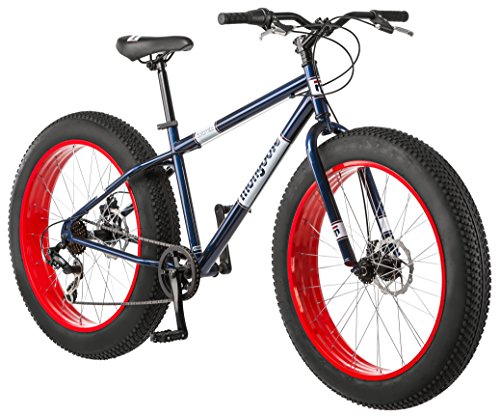
- ✓ Solid steel frame
- ✓ Confident fat tires
- ✓ Easy assembly
- ✕ Heavy compared to aluminum
- ✕ Brakes require break-in
| Frame | Steel frame with adjustable geometry for heights 5’4″ to 6’0″ |
| Wheels & Tires | 26-inch wheels with supersized knobby tires |
| Drivetrain | 1 x 7 drivetrain |
| Brakes | Front and rear mechanical disc brakes |
| Weight / Load Capacity | Not specified; suitable for riders up to 300 lb category inferred |
| Assemble & Tools Required | Arrives 80% assembled; assembly tools include Phillips head screwdriver, 2.5–8mm Allen wrench, adjustable wrench, pliers |
The first time I rolled this Mongoose Dolomite Fat Tire out of the trunk, the sun was hitting the 26-inch wheels just right, and I could already feel the bike soak up uneven pavement before I even pedaled. I parked it near a muddy trailhead and realized the fat tires looked like they could handle anything I pointed them at.
You’ll notice the steel frame has a sturdy, no-nonsense heft that reassured me on rocky switchbacks.
As I stood over the bike, the seat climbed up to a comfortable height for my frame, and the handlebars felt within easy reach. The 26-inch wheels and the oversized tires gave me confidence to push into loose gravel without worrying about slipping.
The threadless headset made tiny steering adjustments feel instant, which is a nice upgrade when you’re weaving through tree roots.
The 7-speed drivetrain kept power flowing smoothly, and the front and rear mechanical discs braked firmly when I needed to scrub speed on a steep descent. I appreciated the 80% assembly note, because the included tools were all you need for final tweaks—Phillips, the right wrenches, a quick tighten here and there, and you’re set.
The pedals are the beach cruiser kind, so they’re comfortable on long rides and not razor-sharp underfoot. The alloy rims kept things feeling light enough to lift over a curb at a stop, without making the bike feel flimsy in rough terrain.
For riders near 5’4″ to 6′ tall and who want to tackle tougher trails, this bike feels capable without being overbuilt for everyday use.
If you’re weighing this for a heavier rider, the steel frame and wide tires feel reassuring on rocky paths. It’s a solid all-around package for someone who wants fat-tire capability without breaking the bank.
What Features Make a Bike Suitable for a 300lb Man?
When selecting the best bike for a 300lb man, certain features are crucial to ensure comfort, durability, and safety.
- Sturdy Frame: A bike with a strong, robust frame made of materials like steel or aluminum is essential for supporting heavier weights. These materials provide not only durability but also a stable ride, reducing the risk of frame failure during use.
- High Weight Capacity: Bikes designed for heavier riders typically come with a higher weight capacity, often ranging from 300 to 400 pounds. It’s important to check the manufacturer’s specifications to ensure the bike can comfortably support the rider’s weight without compromising performance.
- Wide Tires: Wider tires offer better stability and traction, making them ideal for heavier riders. They can absorb shocks more effectively and provide a smoother ride, which is particularly helpful on uneven surfaces.
- Comfortable Seat: A well-padded, wider seat can enhance comfort for heavier riders, reducing pressure points and allowing for longer rides without discomfort. Additionally, adjustable seat height and angle can help achieve a personalized fit.
- Robust Braking System: A reliable braking system is crucial for safety, especially for heavier riders who require more stopping power. Hydraulic disc brakes or high-quality mechanical disc brakes are recommended for their superior performance and reliability in various conditions.
- Adjustable Handlebars: Handlebars that can be adjusted for height and angle allow for a more comfortable riding position. This adaptability can prevent strain on the back and neck, which is particularly important for heavier riders who may need more ergonomic support.
- Suspension System: A bike with a good suspension system can provide added comfort by absorbing shocks from bumps and rough terrain. This feature is beneficial for heavier riders, as it helps maintain stability and reduces fatigue during longer rides.
How Important is Weight Capacity When Choosing a Bike?
Weight capacity is a crucial factor to consider when choosing a bike, especially for individuals who may exceed the standard weight limits.
- Frame Strength: The frame of the bike must be designed to support heavier weights without bending or breaking. Bikes for heavier riders typically feature reinforced materials, such as aluminum or steel, which provide the necessary durability and stability.
- Wheel and Tire Specifications: Heavier riders require wheels and tires that can withstand increased pressure and stress. Bikes designed for higher weight capacities often come with wider tires and stronger spokes, which help distribute weight evenly and reduce the risk of flats.
- Braking System: A reliable braking system is essential for safety, particularly for heavier riders who may require more stopping power. Bikes suited for this demographic typically utilize disc brakes, which offer better performance under heavy loads compared to traditional rim brakes.
- Saddle Comfort and Support: Weight capacity also influences the design of the saddle, as it needs to provide adequate support and comfort for heavier individuals. Wider and well-padded saddles are often featured on bikes designed for heavier riders to enhance comfort during longer rides.
- Adjustability Features: Bikes that accommodate heavier riders often come with adjustable components such as the seat height and handlebar position. This allows for a customized fit, contributing to better control and comfort, which is particularly important for those who may not have prior cycling experience.
Why Does Frame Material Matter for Heavier Riders?
According to a study published in the Journal of Sports Engineering and Technology, the structural integrity of a bicycle frame is crucial for maintaining safety and performance when subjected to greater weight. Materials like aluminum and steel provide varying levels of strength and flexibility, which can significantly affect how well a bike can handle the additional stress from a heavier rider.
The underlying mechanism involves the relationship between material properties and load-bearing capacity. For instance, aluminum frames are lightweight but can sometimes lack the tensile strength needed for heavier riders, leading to potential frame failure. Conversely, steel frames, while heavier, offer greater strength and durability, making them more suitable for riders weighing 300 pounds or more. Additionally, the design of the frame, including geometry and weight distribution, plays a crucial role in how the bike responds to the increased weight, affecting stability and comfort while riding.
Furthermore, the choice of materials affects other components of the bicycle, such as the wheels and tires, which must also support the weight effectively. A bike designed with reinforced components can better absorb shocks and provide a smoother ride for heavier riders. Research indicates that proper material selection and construction techniques are essential for ensuring that every part of the bicycle works in harmony to support the rider’s weight, thereby enhancing safety and performance in real-world conditions.
What Role Do Wheel Size and Tire Width Play in Stability?
Wider tires provide additional traction, which is crucial for stability, especially for a 300lb man. The increased surface area helps absorb shocks from bumps and uneven surfaces, making the ride more comfortable while preventing slips or loss of control.
Weight distribution is vital because it affects how a rider balances on the bike. A well-balanced bike, with the right wheel size and tire width, allows the rider to feel more in control, particularly when navigating turns or rough terrain.
The frame geometry of a bicycle dictates how wheel size and tire width work together. A bike designed with stability in mind will have a lower center of gravity and angles that support wider tires and larger wheels, ensuring that heavier riders can ride comfortably and safely.
Which Types of Bikes Are Best for a 300lb Man?
The best bikes for a 300lb man typically include options designed for durability, stability, and comfort.
- Fat Bikes: These bikes feature oversized tires that provide excellent traction and stability, making them ideal for heavier riders. The wide tires help distribute weight evenly, reducing the risk of damage to the bike and providing a comfortable ride on various terrains.
- Mountain Bikes: Mountain bikes are built to handle rough trails and heavy weights, with sturdy frames and robust components. Look for models with a strong suspension system that can absorb shocks, providing a smoother ride over bumps and uneven surfaces.
- Hybrid Bikes: Hybrid bikes combine features of road and mountain bikes, offering versatility and comfort. They typically have a more upright riding position, which can be advantageous for heavier riders seeking a balance between performance and comfort on both pavements and light trails.
- Electric Bikes: E-bikes provide pedal assist, which can make cycling easier and more enjoyable for heavier riders. They are equipped with powerful motors that help tackle inclines and longer distances without excessive strain, enhancing the overall riding experience.
- Cruiser Bikes: Cruisers are designed for comfort and casual riding, often featuring wider seats and a relaxed seating position. They are generally made with sturdy frames and are ideal for leisurely rides around town or on flat surfaces, making them suitable for heavier individuals.
What Advantages Do Mountain Bikes Offer for Heavier Riders?
Mountain bikes provide several advantages for heavier riders, particularly in terms of durability, comfort, and performance.
- Sturdier Frames: Mountain bikes are designed with robust frames that can handle significant weight without compromising integrity. This sturdiness ensures that the bike remains safe and functional for heavier riders, reducing the risk of frame failure during rides.
- Wider Tires: The wider tires found on mountain bikes offer better traction and stability, which is essential for heavier riders. These tires help absorb shocks from rough terrain, providing a smoother ride and reducing fatigue over time.
- Suspension Systems: Many mountain bikes come equipped with advanced suspension systems that enhance comfort by absorbing bumps and uneven surfaces. This feature is particularly beneficial for heavier riders, as it minimizes the impact on joints and allows for longer, more enjoyable rides.
- Adjustable Components: Mountain bikes often have adjustable features such as seat height and handlebar position, allowing heavier riders to customize their setup for optimal comfort and control. This adaptability helps to create a more ergonomic riding position, which can reduce strain during longer journeys.
- Multi-Terrain Capability: Mountain bikes are built for various terrains, making them suitable for both off-road trails and urban environments. For heavier riders, this versatility means they can confidently tackle different surfaces without worrying about damaging their bike.
How Do Cruiser Bikes Benefit Heavier Bikers?
Cruiser bikes offer several advantages for heavier bikers, making them an excellent choice for those who weigh around 300 lbs.
- Sturdy Frame: Most cruiser bikes are designed with a robust and durable frame that can support heavier weights. This construction helps ensure safety and stability while riding, providing peace of mind to bikers who may be concerned about the bike’s ability to handle their weight.
- Comfortable Seating: Cruiser bikes typically feature wide, cushioned seats that enhance comfort during longer rides. These seats are designed to provide better support for the back and hips, which is particularly beneficial for heavier bikers who may experience discomfort on narrower seats.
- Wide Tires: The wide tires found on cruiser bikes offer improved stability and traction, which can be a significant advantage for heavier riders. This design helps distribute weight more evenly, reducing the risk of tire damage and enhancing the overall ride quality.
- Relaxed Riding Position: Cruiser bikes are characterized by their laid-back riding position, which can be more comfortable for heavier bikers. This ergonomic design reduces strain on the back and shoulders, allowing for a more enjoyable riding experience.
- Low Maintenance: Many cruiser bikes are built with simplicity in mind, often featuring single-speed or few gear options. This can make maintenance easier and less costly, appealing to heavier bikers who may prefer a straightforward, hassle-free riding experience.
Why Are Hybrid Bikes a Good Choice for Comfort and Versatility?
Hybrid bikes are a good choice for comfort and versatility primarily because they combine features of both road and mountain bikes, offering a balanced ride that accommodates a variety of terrains and rider preferences.
According to a study by the National Institute for Health, hybrid bikes provide a more upright riding position, which enhances comfort for heavier riders, such as a 300lb man. This ergonomic design reduces strain on the back and shoulders, making it easier to maintain a longer ride without discomfort.
The underlying mechanism behind the comfort and versatility of hybrid bikes lies in their geometry and construction. They typically have wider tires that provide better traction and stability on various surfaces, such as pavement, gravel, or dirt trails. Additionally, the presence of a more cushioned seat and the ability to mount fenders or racks allows for customization and practicality, catering to the needs of different cyclists. This adaptability is particularly important for heavier riders, as it helps distribute weight more evenly and reduces the risk of fatigue during extended rides.
What Are the Best Bike Brands for Heavier Riders?
There are several bike brands that cater to heavier riders, providing durability, comfort, and stability.
- Specialized: Known for their robust construction, Specialized bikes often feature a wide range of models specifically designed for heavier riders, including mountain and hybrid bikes. Their Stumpjumper and Rockhopper lines are particularly popular for their strong frames and reliable components, which can handle extra weight effectively.
- Trek: Trek offers a variety of bikes that can support heavier riders, such as their Verve and 820 models. These bikes are designed with enhanced stability and comfort features, like wider tires and ergonomic seating, making them suitable for both casual riding and longer adventures.
- Giant: Giant is another brand that excels in producing sturdy bikes for heavier individuals. Their Talon and Escape models are built with durable materials and designed to provide a smooth ride, ensuring that riders feel secure and comfortable even under extra weight.
- Cannondale: Cannondale bikes, particularly the Quick and Trail series, are engineered with a focus on strength and performance. These bikes utilize high-quality aluminum frames that offer a good balance of weight and durability, making them a great choice for riders over 300 pounds.
- Recumbent Bikes: Brands like Catrike and TerraTrike specialize in recumbent bikes, which provide excellent stability and comfort for heavier riders. These bikes have a low center of gravity and supportive seating, making them an ideal option for those who prioritize comfort and ease of use.
What Accessories Can Enhance Riding Comfort for a 300lb Man?
Several accessories can significantly enhance riding comfort for a 300lb man.
- Comfortable Saddle: A wide, cushioned saddle designed for comfort can alleviate pressure points and provide better support during long rides. Look for saddles with gel padding or ergonomic designs to accommodate weight distribution effectively.
- Handlebar Grips: Ergonomic grips can reduce hand fatigue and improve overall handling, making rides more enjoyable. Handles that conform to the natural shape of the hand can help reduce numbness and increase control.
- Suspension Seatpost: Adding a suspension seatpost can absorb shocks and bumps from the road, providing a smoother ride. This accessory is particularly beneficial for heavier riders as it helps to reduce strain on the back and joints.
- Wide Tires: Opting for wider tires can enhance stability and comfort by providing better traction and shock absorption. This is especially useful for navigating uneven terrains, helping to maintain control without excessive effort.
- Bike Shorts: Investing in padded bike shorts can significantly improve comfort during longer rides. The padding helps to reduce friction and chafing, while the snug fit keeps the shorts in place without restricting movement.
- Hydration System: Staying hydrated is essential for comfort during rides, especially for heavier individuals. A hydration pack or water bottle holder allows easy access to fluids, which can help maintain energy levels and prevent fatigue.
- Quality Footwear: Proper shoes designed for cycling can provide better support and power transfer. Look for shoes with stiff soles and good arch support, which can enhance comfort and reduce the risk of foot fatigue.
How Does Proper Fit Impact Comfort and Safety?
Handlebar height should allow the rider to maintain a natural arm position, which is essential for control and comfort. If the handlebars are too low or too high, it can lead to poor riding posture and potential injuries.
Weight capacity is particularly important for larger riders. Bikes that exceed their weight limit can suffer structural damage and pose safety risks, making it essential to choose a bike specifically designed for heavier riders.
Tire width impacts stability; wider tires can provide a more stable ride by increasing surface contact with the ground. This is especially beneficial for heavier individuals who may require additional support when navigating rough or uneven terrains.
A robust suspension system can greatly enhance comfort, as it absorbs shocks and smooths out the ride. This is especially beneficial for riders who plan to tackle bumpy or varied surfaces, allowing for a more enjoyable experience.
What Riding Accessories Should You Consider for a Better Experience?
When selecting riding accessories for a better biking experience, especially for a 300lb man, consider the following:
- Quality Saddle: A comfortable saddle is crucial for long rides, especially for heavier riders. Look for a wide, padded seat that distributes weight evenly and provides support to avoid discomfort during extended periods of cycling.
- Sturdy Handlebars: Opt for handlebars that can support your weight and provide a comfortable grip. Ergonomically designed handlebars can reduce strain on your back and wrists, making your rides more enjoyable.
- Bike Frame Material: The frame material plays a significant role in durability and comfort. A strong aluminum or steel frame can support heavier weights while providing stability and a smoother ride on various terrains.
- High-Quality Tires: Invest in tires that are designed for heavier loads. Wider tires with a good grip can enhance stability, reduce the risk of flats, and allow for better traction on different surfaces.
- Adjustable Seat Post: An adjustable seat post offers flexibility for height and comfort adjustments. This feature ensures that the rider maintains an optimal riding position, which is essential for minimizing fatigue and maximizing efficiency.
- Safety Gear: Essential safety gear includes a helmet, knee pads, and elbow pads. These items are vital for protecting yourself in case of falls or accidents, especially for heavier riders who may experience more impact.
- Bike Lock: A sturdy bike lock is essential for securing your bike when not in use. Look for high-quality locks that offer resistance to tampering, ensuring your investment remains safe.
- Panniers or Bike Bags: If you plan to carry items while riding, consider panniers or bike bags that can easily attach to your bike. These accessories help distribute weight evenly and keep your belongings secure without affecting balance.
- Water Bottle Holder: Staying hydrated is important, especially during long rides. A water bottle holder mounted on your bike frame allows for easy access to hydration without needing to stop.
What Should You Keep in Mind When Buying a Bike as a Heavier Rider?
When purchasing a bike as a heavier rider, several factors are crucial to consider to ensure comfort, safety, and durability.
-
Weight Capacity: Check the manufacturer’s weight limit for each bike model. Opt for bikes designed to accommodate heavier weights, often labeled as “heavy-duty” or “plus-size.”
-
Frame Material: Look for frames made from robust materials like steel or reinforced aluminum. These materials offer better support and resilience.
-
Wheel Size and Type: Larger wheels (26 inches or more) provide better stability on various terrains, while wider tires can enhance comfort and grip.
-
Seat Comfort: A well-padded, wide seat can significantly improve your riding experience. Some bikes offer adjustable seats for better customization.
-
Suspension: Consider bikes with front and possibly rear suspension to absorb shocks from bumps, improving ride comfort.
-
Braking System: Ensure reliable stopping power with either disc brakes or high-quality rim brakes, particularly important for heavier riders.
-
Geometry and Fit: A bike with a relaxed geometry can offer an upright riding position, which can improve comfort and reduce strain on the back.
By focusing on these factors, you can find a bike that meets your needs as a heavier rider.
Why Is It Important to Test Ride a Bike Before Purchase?
It is important to test ride a bike before purchase because it allows the buyer to assess comfort, fit, and performance, which are crucial factors for ensuring a positive riding experience, particularly for heavier riders.
According to the Bicycle Product Suppliers Association, a proper fit can significantly affect a rider’s comfort and efficiency, especially for individuals weighing 300 pounds or more. Testing a bike helps identify the right frame size, saddle, and handlebar height, which can vary greatly between models. Comfort and fit lead to better control and reduce the risk of injuries, making it essential for heavier riders to find a bike that accommodates their body type.
The underlying mechanism behind the importance of test riding is that different bike designs cater to various riding styles and body types. For instance, a bike designed for endurance may not provide the same stability or comfort as a cruiser for a heavier rider. Additionally, the weight distribution and frame material can greatly influence how a bike performs under load. A test ride reveals how the bike handles, allowing the rider to experience the ride dynamics firsthand, which is critical in preventing discomfort or potential accidents during use.
How Can Your Budget Influence Your Bike Selection?
Your budget plays a crucial role in determining the best bike for a 300lb man by influencing the quality, type, and features of the bike you can afford.
- Price Range: The budget you set will help narrow down your options as bikes can range from a few hundred to several thousand dollars.
- Material Quality: Higher budgets typically allow for better materials, such as aluminum or carbon fiber, which provide durability and a lighter weight compared to cheaper steel frames.
- Weight Capacity: Bikes designed for heavier riders often have reinforced frames and components, which can be more expensive but necessary for safety and performance.
- Features and Components: A larger budget can provide access to advanced features like better gearing systems, brakes, and suspension that can enhance the riding experience.
- Fit and Comfort: Investing more allows for professional fitting services and higher-quality seats and handlebars, which are crucial for comfort, especially for a heavier rider.
The price range you are willing to spend can significantly affect your bike selection. Generally, entry-level bikes are more affordable but may not provide the support or longevity needed for a 300lb man, while mid-range to high-end options often include features tailored for durability and comfort.
The material quality of a bike is essential in ensuring it can handle the weight and stress of a heavier rider. Bikes made from durable materials such as aluminum or carbon fiber are generally more expensive but can better withstand the rigors of riding, especially for those in the 300lb range.
Weight capacity is another critical factor; heavy-duty bikes are specifically designed to support larger individuals, and these models often come at a premium price. Investing in a bike with a proper weight rating is vital for safety and to avoid damage to the bike.
Features and components also play a significant role in the performance of the bike. Higher-end bikes may offer superior braking systems, advanced gearing, and suspension systems that can make riding smoother and more enjoyable, which is especially important for heavier riders.
Lastly, fit and comfort cannot be overlooked. Spending more can give you access to professional fitting services and higher-quality accessories, such as ergonomic seats and adjustable handlebars, which are essential for a comfortable ride and can help prevent injuries.
Related Post: