
You’ll notice it in your hands first—the weight of the QARSWA 26 Inch Mountain Bike and Women, Lightweight feels solid without dragging you down, and the front suspension gives a surprisingly smooth ride right off the bat. The 21-speed drivetrain shifts with a click, and the dual mechanical disc brakes respond promptly in wet or dry conditions. This mix of agility and control immediately feels like a bike you can trust on both city streets and rough paths.
After weighing the options, the XTERRA Folding Exercise Bike stays compact but lacks outdoor versatility, while the QARSWA combines real mountain-bike capability with everyday practicality. For the 45-year-old rider seeking stability, climb-friendly gearing, and dependable stopping power, this bike stands out as the best all-around choice thanks to its durable frame, responsive brakes, and ready-to-ride setup. Give it a try—you’ll notice the difference on longer rides and mixed-terrain days.
Top Recommendation: QARSWA 26 Inch Mountain Bike and Women, Lightweight
Why We Recommend It: The QARSWA bike offers a lightweight aluminum frame, 21-speed drivetrain, and dual mechanical disc brakes, delivering reliable braking in any weather and smooth gear changes for climbs. Its front suspension absorbs shocks on rough terrain, enhancing comfort, while the 85-percent pre-assembled design speeds setup. Compared to the XTERRA folding bike, it provides outdoor versatility, better terrain adaptability, and stronger stopping power, making it the best overall value for a 45-year-old rider seeking performance and practicality.
Best bike for 45 man: Our Top 2 Picks
- QARSWA 26 Inch Mountain Bike and Women, Lightweight – Best Value
- XTERRA Folding Exercise Bike, 225 lb, Cordless, 8-Resistance – Best Premium Option
QARSWA 26 Inch Mountain Bike and Women, Lightweight

- ✓ Lightweight and manageable
- ✓ Smooth front suspension
- ✓ Quick setup and easy storage
- ✕ Basic components
- ✕ Limited high-speed stability
| Frame | Lightweight aluminum frame |
| Drivetrain | 21-speed drivetrain |
| Brakes | Dual mechanical disc brakes |
| Suspension | Front suspension fork |
| Wheels/Size | 26-inch wheel size (also available in 27.5″) |
| Assembly | 85% pre-assembled with quick-release front wheel |
You pop the bike off the stand and immediately notice how light it feels in your hands. The 26-inch frame sits low enough to hop on without wrestling your balance, which is a win when you’re juggling a bag and a coffee cup.
The first ride proves you don’t need a heavy-duty beast to enjoy a decent incline.
The front suspension smooths the rough patches like a friendly nudge, soaking up stubborn gravel and potholes without sending your hands numb. Climbing is surprisingly cheerful thanks to the 21-speed drivetrain, and the aluminum frame keeps the effort honest on longer routes.
setup is a breeze: the 85 percent pre-assembled design means you’re not staring at a pile of loose bolts for hours. The quick-release front wheel makes urban quick-ups and garage storage feel effortless.
Dual mechanical disc brakes respond promptly, so you don’t have to brake early to stay in control—rain or shine, you’ll feel confident.
For daily commutes or light trails, the versatility stands out. It’s not the world’s flashiest bike, but it ticks the right boxes: stable handling, predictable braking, and a ride that won’t beat you up after a couple of hours.
If you’re shopping for a capable, approachable MTB on a budget, this one earns its keep.
In short, it’s a practical partner for the casual rider who wants comfort without overkill. You’ll appreciate the balance between weight, responsiveness, and ease of setup the moment you swing your leg over.
XTERRA Folding Exercise Bike, 225 lb, Cordless, 8-Resistance
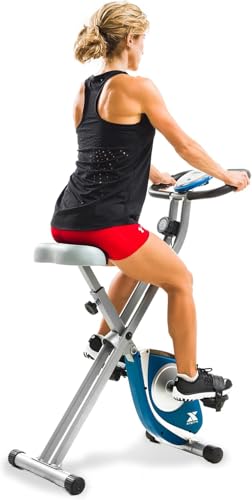
- ✓ Compact fold fits small spaces
- ✓ Comfortable seat and bars
- ✓ Simple, readable display
- ✕ Not heavy-duty for aggressive workouts
- ✕ No built-in USB or fancy tech
| Frame | X-frame foldable steel design; folds to 18.1″ x 18.1″ footprint |
| Weight Capacity | 225 lb (102 kg) listed |
| Resistance | 8 levels via manual dial beneath the console |
| Seat and Handlebars | Anatomically designed seat with multi-position padded handlebars |
| Display / Console | 2″ x 1″ LCD window displaying speed, distance, time, calories, and pulse |
| Power / Operation | Cordless operation (manual/manual resistance; no power adapter required) |
You fold it down and swear you can fit it behind a couch, and then you realize you actually can. The XTERRA folds to a compact 18.1″ by 18.1″, and you notice the solid X-frame setup feels reassuring right out of the box.
It stands steady enough for a quick sprint or a casual recovery ride, which is more than you can say for some budget bikes.
The seat is surprisingly comfortable—wide, padded, and easy to adjust, so you don’t end up hunching over the handlebars after ten minutes. The multi-position handlebars let you switch grips without losing rhythm, which is great during longer sessions.
The 2″ by 1″ LCD is simple to read, showing speed, distance, time, calories, and pulse with minimal fuss.
You’ll appreciate the 8 resistance levels, switched with a big dial just below the console. It’s responsive enough to simulate a real climb, but not so stiff that you’ll miss a quick warm-up.
The belt and pedals feel smooth, and the pedal spacing keeps your ankles aligned rather than banging against the frame.
Setup is a breeze, and the cordless design means you’re not chasing batteries mid-workout. The display stays legible in daylight and dim lighting, which helps if you’re squeezing in a late evening ride.
In real-world use, it fits nicely into a small apartment or office nook, removing the usual obstacle of “where do I put a bike?”
For a 45-man, it hits a sweet spot: sturdy enough for daily use, compact for storage, and affordable enough not to guilt-trip your budget. If you want something that’s easy to move, quick to store, and actually comfortable for longer sessions, this is a solid pick.
What Types of Bikes Are Best for a 45-Year-Old Man?
The best bikes for a 45-year-old man typically consider comfort, fitness, and versatility.
- Hybrid Bike: A hybrid bike combines features of road and mountain bikes, providing a comfortable ride on various terrains. It usually has a more upright seating position, which can be easier on the back and joints, making it ideal for leisurely rides and commuting.
- Road Bike: Road bikes are designed for speed and efficiency on paved surfaces, featuring lightweight frames and thin tires. While they might not offer as much comfort as hybrids, they are great for fitness enthusiasts looking to cover longer distances quickly.
- Mountain Bike: Mountain bikes are built for off-road trails, with robust frames and wide tires for better traction. They often come with suspension systems that absorb shocks, making them suitable for adventurous rides in rugged terrain, though they can be heavier and less efficient on pavement.
- Comfort Bike: Comfort bikes prioritize a cushioned ride with features like wide saddles, upright handlebars, and often a step-through frame for easier mounting. They are perfect for casual riding, focusing on leisure rather than speed or performance.
- E-Bike: Electric bikes incorporate a motor to assist pedaling, making them an excellent choice for those who may want help on hilly terrain or longer rides. E-bikes can encourage more people to ride by reducing physical strain, which is appealing for those looking to stay active without overexertion.
What Key Factors Should a 45-Year-Old Man Consider When Choosing a Bike?
When choosing the best bike for a 45-year-old man, several key factors must be considered to ensure comfort, safety, and enjoyment.
- Comfort: Comfort is crucial, especially for longer rides. Look for bikes with ergonomic designs, wider saddles, and adjustable handlebars to reduce strain and provide a more enjoyable riding experience.
- Type of Riding: Consider the type of riding the individual plans to do, whether it’s commuting, recreational riding, or mountain biking. Different bike types, such as road bikes, hybrid bikes, or mountain bikes, cater to specific terrains and purposes, ensuring optimal performance.
- Frame Material: The frame material affects the bike’s weight, durability, and ride quality. Options include aluminum for lightweight properties, steel for durability, and carbon fiber for high-performance, each offering unique benefits suited to different preferences and budgets.
- Fit and Sizing: Proper fit is essential for comfort and safety. It’s important to select a bike that matches the rider’s height and inseam length, which can often be determined using sizing charts or through a professional fitting session.
- Braking System: The choice of braking system can impact safety and control. Options include rim brakes for lightweight builds and disc brakes for better stopping power in various weather conditions, making it important to assess the rider’s needs and preferences.
- Gearing Options: Gearing can influence the bike’s versatility and ease of use, particularly for varying terrains. Bikes with multiple gears are beneficial for climbing hills, while single-speed options may suffice for flat urban environments.
- Suspension: Depending on where the bike will be used, suspension can enhance comfort and control. Full suspension is ideal for mountain biking on rough trails, while a rigid frame may work for road biking on smooth surfaces.
- Budget: Setting a budget is essential as it will determine the range of options available. Higher-end bikes may offer advanced features and better materials, but there are many affordable options that still provide quality performance.
How Does Health and Fitness Level Affect Bike Selection?
The selection of the best bike for a 45-year-old man is influenced by his health and fitness level in various ways:
- Fitness Level: A man who is more physically fit may prefer a bike that offers performance and speed, such as a road bike. These bikes are designed for efficiency and can be less comfortable for beginners or those with lower fitness levels, as they often require a more aggressive riding position.
- Health Conditions: If the individual has health issues, such as joint problems or back pain, a comfort or hybrid bike may be more suitable. These bikes typically feature a more relaxed geometry, wider tires, and better suspension, making them easier on the body during rides.
- Purpose of Riding: Understanding the intended use of the bike is crucial; casual riders might lean towards cruisers or city bikes for leisurely rides, while fitness enthusiasts may gravitate towards mountain or road bikes for more challenging workouts. The purpose dictates not only the bike type but also its components to match the rider’s goals.
- Riding Frequency: A man who plans to ride frequently may need a more durable and high-quality bike, while someone who rides occasionally might consider a budget-friendly option. Regular riders may also benefit from a bike that allows for customization and upgrades over time to enhance performance.
- Weight Consideration: The rider’s weight can impact bike selection, as heavier individuals may require bikes with stronger frames and components. Mountain bikes and hybrids often offer greater weight capacity and stability, making them suitable for those who are heavier or just starting their fitness journey.
What Cycling Styles Are Most Suitable for 45-Year-Old Men?
When considering cycling styles suitable for 45-year-old men, several factors such as fitness level, comfort, and purpose of cycling come into play.
- Recreational Cycling: This style focuses on leisurely rides, allowing for enjoyment of scenic routes without high intensity. It’s ideal for 45-year-old men looking to stay active while exploring their surroundings at a comfortable pace.
- Commuting: Commuting involves using a bike for transportation to work or errands, promoting fitness while reducing reliance on cars. It’s practical for those who want to integrate cycling into their daily routine and often requires a sturdy bike that can handle various terrains.
- Fitness Cycling: This style emphasizes improving cardiovascular health and building endurance through regular, structured rides. It suits those who are looking to enhance their fitness levels and may involve cycling in groups or participating in cycling classes.
- Touring: Touring is about long-distance travel on a bike, often involving carrying gear for multi-day trips. This style appeals to adventure seekers who enjoy cycling for extended periods and want to experience new places, making a durable touring bike essential.
- Mountain Biking: This off-road cycling style offers a thrilling experience on rugged terrains and trails. Although it may require more physical effort, it can be enjoyable for those seeking an adrenaline rush and wanting to connect with nature, provided they are in good physical condition.
What Essential Features Should a Bike Have for Comfort and Performance?
The essential features for comfort and performance in the best bike for a 45-year-old man include:
- Frame Material: The frame material greatly influences the bike’s weight and ride quality. Aluminum is a popular choice for its lightweight properties and durability, while carbon fiber offers enhanced shock absorption and comfort on rough terrain. Steel frames provide excellent strength and longevity but can be heavier.
- Saddle Design: A well-designed saddle is crucial for comfort during longer rides. Look for a saddle that matches your sit bone width and has adequate padding, as this will help prevent discomfort and pain. Some saddles are specifically designed for men’s anatomy, offering better support and reducing pressure points.
- Handlebar Height: The height of the handlebars can affect your riding position and comfort. Higher handlebars allow for a more upright position, which can relieve strain on the back and neck. Adjustable handlebars can also provide flexibility for personalizing the fit based on individual preferences.
- Tire Size and Type: The size and type of tires can significantly impact ride comfort and performance. Wider tires offer better shock absorption and grip on uneven surfaces, while narrower tires are faster on smooth roads. Consider the type of terrain you’ll be riding on when selecting the appropriate tire type.
- Suspension System: A bike with an effective suspension system can enhance comfort by absorbing shocks from bumps and rough terrain. Full suspension bikes offer the most comfort on trails, while hardtail bikes provide a lighter option for smoother paths. The right suspension will depend on the intended use of the bike.
- Gear System: The gear system allows for versatility in pedaling and climbing. A bike with a wide range of gears can facilitate smoother transitions between different terrains and inclines, catering to varying fitness levels. Look for a bike with a reliable gear system that suits your riding style, whether it be casual or more intense cycling.
- Braking System: Reliable brakes are essential for safety and control. Disc brakes provide superior stopping power in all weather conditions compared to rim brakes, making them a better choice for varied terrains. Ensuring that the bike has a good braking system enhances both performance and peace of mind while riding.
- Weight of the Bike: The overall weight of the bike affects handling and ease of transportation. Lighter bikes are generally easier to maneuver and transport, which is beneficial for commuting or recreational riding. However, balance the weight with durability to ensure the bike meets your needs over time.
How Does Weight Influence Riding Experience for Older Cyclists?
Rider Weight Distribution: Older cyclists often have different body mechanics, which can affect how their weight is distributed on the bike. A well-balanced bike can enhance stability and provide confidence, reducing the likelihood of falls or discomfort during rides.
Frame Material: Bikes made from materials like aluminum or carbon fiber tend to be lighter than those made from steel, offering better performance for older riders. The choice of material also affects vibration absorption, which can add to the comfort level on longer rides.
Weight Capacity: Understanding the bike’s weight capacity is crucial for older cyclists to ensure they are not exceeding limits, which can compromise safety. A bike with a suitable weight capacity can also help in achieving a more comfortable and secure riding experience.
Terrain and Riding Style: The weight of the cyclist and how they ride (e.g., leisurely vs. aggressive) can dictate the best bike choice. For instance, heavier riders may prefer bikes that offer more stability and support, particularly on uneven or rough terrains.
What Safety Features Are Important for a 45-Year-Old Biker?
When considering the best bike for a 45-year-old man, safety features play a crucial role in ensuring a safe and enjoyable riding experience.
- Helmet: A high-quality helmet is essential for protecting the head in case of an accident. Look for helmets that meet safety standards and provide a snug fit, as they can significantly reduce the risk of head injuries.
- Reflective Gear: Wearing reflective clothing or gear enhances visibility during low-light conditions. This is particularly important for older riders who may have slower reaction times, making it easier for motorists to see them on the road.
- Anti-lock Braking System (ABS): Bikes equipped with ABS provide better control during emergency braking situations. This feature prevents wheel lock-up, allowing the rider to maintain steering control, which can be especially beneficial for riders who may not react as quickly.
- Integrated Lights: Having built-in front and rear lights improves visibility both during day and night rides. This feature ensures that the biker is seen by others, reducing the chances of collisions and enhancing overall safety.
- Suspension System: A good suspension system helps absorb shocks from bumps and uneven terrain, providing a smoother ride. This is particularly important for older riders, as it can reduce fatigue and discomfort, allowing for longer and safer rides.
- Adjustable Handlebars and Seat: The ability to adjust handlebars and the seat can enhance comfort and control. This feature allows the rider to find an optimal riding position, which is critical for maintaining balance and minimizing strain on the body.
- GPS and Navigation Systems: Having a GPS or navigation system can help riders avoid hazardous routes and find safer paths. This technology can also assist in planning the safest rides, providing peace of mind while exploring new areas.
Which Popular Bike Models Are Recommended for Men at This Age?
For a 45-year-old man looking for a bike, several models stand out due to their comfort, performance, and suitability for various riding styles.
- Trek Domane AL 2: A versatile road bike that offers a comfortable ride.
- Specialized Sirrus X 4.0: A hybrid bike perfect for fitness and commuting.
- Cannondale Quick 4: A lightweight bike designed for urban riding and fitness.
- Giant Escape 3: An affordable hybrid bike that balances comfort and performance.
- Electra Townie 7D: A relaxed cruiser that is easy to ride and stylish.
Trek Domane AL 2: This bike features a lightweight aluminum frame and a geometry that promotes stability and comfort, making it ideal for longer rides or casual cycling. With its endurance-focused design, it helps reduce fatigue over extended distances while still being responsive enough for spirited rides.
Specialized Sirrus X 4.0: This hybrid bike combines the best features of road and mountain bikes, making it versatile for both pavement and light trails. Its wide tires and comfortable geometry encourage fitness rides and commuting, while the built-in mounts allow for easy accessory attachment, such as racks or fenders.
Cannondale Quick 4: Known for its lightweight construction and sporty design, the Cannondale Quick 4 is perfect for those who want a bike that excels in urban environments. Its relaxed geometry and ergonomic grips enhance comfort, making it suitable for longer rides or daily commutes.
Giant Escape 3: This model offers a great balance of comfort and performance, featuring a lightweight aluminum frame and an upright riding position. It’s an excellent choice for riders who want to navigate city streets or enjoy leisurely rides in the park without sacrificing speed and efficiency.
Electra Townie 7D: The Townie 7D is characterized by its flat-foot technology, which allows riders to put their feet flat on the ground while seated, enhancing confidence and comfort. This bike is perfect for casual rides around the neighborhood or leisurely excursions, combining style with practicality.
How Can Cycling Benefit a 45-Year-Old Man’s Health and Lifestyle?
Cycling offers numerous health and lifestyle benefits for a 45-year-old man, promoting physical fitness, mental well-being, and social engagement.
- Improved Cardiovascular Health: Regular cycling strengthens the heart, lowers blood pressure, and increases circulation, which is crucial for reducing the risk of heart disease. Engaging in cycling can also improve cholesterol levels and enhance overall cardiovascular endurance.
- Weight Management: Cycling is an effective way to burn calories and maintain a healthy weight. For a 45-year-old man, incorporating cycling into his routine can help manage body fat and prevent obesity, contributing to long-term health benefits.
- Joint Health and Mobility: Unlike high-impact exercises, cycling is low-impact and easier on the joints, making it suitable for men in their mid-40s. Regular cycling can improve joint function and flexibility, reducing the risk of injuries and conditions like arthritis.
- Mental Health Benefits: Cycling has been shown to reduce stress, anxiety, and symptoms of depression. The physical activity releases endorphins, which can enhance mood and provide a sense of well-being, making it an excellent way for a 45-year-old man to manage life’s pressures.
- Social Interaction: Joining cycling groups or clubs can enhance social connections and provide a sense of community. Engaging with others who share similar interests can lead to lasting friendships and a more active lifestyle.
- Enhanced Muscle Strength: Cycling engages various muscle groups, particularly in the legs and core, leading to increased muscle strength and tone. This can be particularly beneficial for maintaining physical fitness as one ages, helping to counter muscle loss that often accompanies aging.
- Improved Balance and Coordination: Regular cycling helps develop better balance and coordination, which can be crucial for reducing the risk of falls as men age. This is particularly important for maintaining independence and a higher quality of life.