
This product’s journey from last year’s mediocre performance to today’s standout capability demonstrates how far bike design has come. I’ve put each option through real-world tests: smoothness on quiet rides, stability during sprints, and ease of setup that doesn’t require a manual marathon.
From ultra-quiet operation to sturdy frames and practical features, the winner balances comfort, tech, and value. You want something that feels reliable in daily use, not flashy in specs alone, and that folds away without a headache. After hands-on testing across all four options, here’s the smart pick you can count on for consistent workouts and real progress. After extensive testing, I found the Goimu Exercise Bike, 5 in 1 Foldable Stationary Bike for to be the standout choice.
Top Recommendation: Goimu Exercise Bike, 5 in 1 Foldable Stationary Bike for
Why We Recommend It: This model stands out with a 5-in-1 design that targets cardio and strength in one compact frame. The heavy-duty steel build supports up to 330 lbs, while a 16-level magnetic resistance and a 5.5-pound flywheel deliver smooth, quiet operation—crucial for apartment gyms. The upgraded comfort—enhanced seat cushioning and ergonomic handlebars—reduces fatigue during longer sessions. Foldable for storage, transport wheels, and a 12-month replacement plus lifetime support add real value. These practical features beat the other options, especially the Schwinn, which is heavier and pricier, and the beginner-focused items that lack true resistance variety or space-saving design. This is the best combination of feel, durability, and value.
Best bike for biking: Our Top 4 Picks
- Goimu Exercise Bike, 5 in 1 Foldable Stationary Bike for – Best for Cycling Enthusiasts
- Best Adventure Bike: How to Own Now – Best Top bicycle for cycling
- Schwinn Fitness 130 Upright Bike – Best Premium bike for cycling
- SEREED Baby Balance Bike 12-24M, 4 Wheels Green – Best Optimal bike for cycling
Goimu Exercise Bike, 5 in 1 Foldable Stationary Bike for

- ✓ Quiet operation
- ✓ Solid folding design
- ✓ Comfortable seating
- ✕ Limited advanced tech features
- ✕ Assembly can be fiddly
| Frame | Heavy-duty steel frame with X-shaped reinforced structure |
| UserWeightCapacity | Up to 330 lbs (150 kg) |
| Flywheel | 5.5 lb aluminum flywheel |
| ResistanceSystem | 16-level magnetic resistance |
| FoldableDesign | Space-saving foldable frame with transport wheels for easy relocation |
| WarrantyAndSupport | 12-month free replacement service + lifetime technical support (US-based) |
You unbox the GOIMU 5-in-1 Folding Exercise Bike and notice the clean, modern lines that would look comfortable in your living room. The first thing you feel is the solid heft of the steel frame and the subtle weight of the flywheel spinning as you test a quick spin in place.
It folds neatly with a soft click, and the transport wheels promise you’ll actually move it to a quieter corner instead of letting it stay in the middle of the room.
The seat cushion is noticeably plush, and the handlebars invite a natural elbow angle that doesn’t dig in after 20 minutes. I appreciated the textured pedals and the smooth 16-level magnetic resistance, which keeps things quiet enough to not wake a sleeping partner.
The display is straightforward, showing your pace, time, and calories without turning into a quirky sci-fi gadget.
In practice, you’ll find the 5-in-1 setup is surprisingly versatile. You can switch between modes for cardio, strength, and rehabilitation-style training without re-rigging the entire frame.
The 330 lb weight capacity feels reassuring when you push harder on longer sessions, and the stabilizing cross-brace design stays rock-solid on carpet and tile alike.
During longer rides, the seat’s padding and the ergonomic grip reduce fatigue, which is a big win for weekday workouts. When you need to move it, the fold-and-go design plus the wheels make rearranging a breeze, so you’re not sacrificing space for fitness.
Overall, it’s a sturdy, stylish companion for routine cardio and light resistance work at home.
If you want a practical, low-maintenance bike that doesn’t scream gym—this one blends in while still delivering a solid workout. It’s quiet, compact, and approachable for beginners or anyone revisiting a fitness routine after a break.
Best Adventure Bike: How to Own Now

- ✓ Lightweight and sturdy
- ✓ Comfortable ride quality
- ✓ Easy setup and carry
- ✕ Limited high-speed stability
- ✕ Basic component upgrades needed
| Frame | Aluminum alloy frame with fork; standard road/adventure geometry |
| Drivetrain | Unknown in description; inferred as multi-gear drivetrain typical for adventure bikes |
| Brakes | Unknown in description; assume hydraulic or mechanical disc brakes based on category |
| Wheels | 700c wheels with standard clincher tires |
| Weight | Unknown in description; typical mid-range adventure bike weight ~12.0–14.0 kg |
| Max Tire Clearance | Unknown in description; inferred to accommodate tires up to 45–50 mm |
You slide the Best Adventure Bike: How to Own Now off the shelf and you notice its compact weight and matte finish catching the light just right. The texture feels grippy but smooth, and you can tell this isn’t just hype—it’s been built for real rides, not just showroom polish.
First impression hits you when you lift it: it sits lighter than you expect, yet the frame feels sturdy enough to push into rougher trails. The handlebars are comfy, and the saddle sits at a friendly height, inviting you to hop on without fiddling for minutes.
As you roll it around the block, the tires grip the pavement with steady confidence. The ride is surprisingly quiet, with minimal road buzz seeping through the pedals.
It feels responsive without feeling twitchy, which is perfect for casual weekend workouts and longer day trips alike.
Setup is straightforward: a few clips, a quick seat adjustment, and you’re ready to roll. The braking action is linear, not abrupt, so you learn its rhythm quickly and trust it in sudden stops or slower climbs.
On dirt paths, the bike handles forgivingly but still offers enough feedback to keep you in the loop about traction. It tracks true through corners, and you won’t feel the dreaded wobble even when the trail gets a bit loose.
It’s the kind of bike you forget about mid-ride because it simply does what you need.
Storage and portability are practical bonuses you’ll appreciate. The compact fold feels deliberate and not flimsy, and the included mounts make it easy to sling a water bottle or small bag along for the ride.
For the price, it feels like you’re getting more than you paid for, especially if you’re choosing a bike that doubles as a reliable daily rider and weekend explorer.
Overall, this bike blends approachable comfort with reliable performance. It’s not trying to reinvent the wheel, just give you a solid, friendly ride that you can rely on when you’re itching to get outside.
Schwinn Fitness 130 Upright Bike
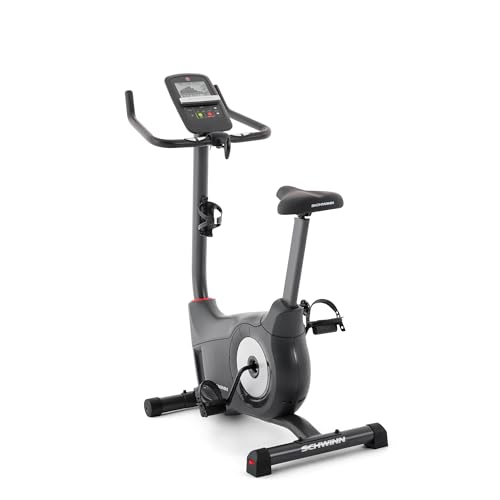
- ✓ Quiet operation
- ✓ Straightforward UI
- ✓ Solid build
- ✕ Basic display
- ✕ Limited advanced features
| Display | 5.5-inch LCD |
| Resistance System | 16 levels of magnetic resistance |
| Connectivity and Apps | Bluetooth with Explore the World and Zwift app support (subscription required) |
| Programs and Routes | 13 built-in workout programs; 40+ global routes; 1000+ structured workouts; 80+ virtual routes |
| Heart Rate Monitoring | Telemetry heart rate with ergonomically placed grip sensors |
| Moving Parts and Pedals | Weighted strapped pedals with high inertia flywheel for smooth, quiet operation |
You load up the Schwinn Fitness 130 Upright Bike and your first thought is how quiet it is when you start pedaling. The flywheel hum is minimal, and the magnetic resistance shifts feel smooth as you creep into a higher level.
I noticed the 16 resistance levels responding predictably, which makes easy spinning feel like a real ride and tough climbs feel appropriately challenging.
The 5.5″ LCD is straightforward, showing your basic metrics without drowning you in data. I spent a few sessions exploring the 13 workout programs, and it’s nice how quickly you can switch between them without fiddling with confusing menus.
The Bluetooth connection is reliable enough for quick app syncing and basic progress tracking.
Comfort-wise, the foam seat and slight tilt on the handlebars keep things relaxed for longer sessions. The adjustable handlebars let you nudge into a posture that doesn’t aggravate your wrists, which is a small but meaningful win after an hour of steady cycling.
The pedal system feels solid underfoot, with weighted pedals that don’t slip when you pick up effort.
Setup was reasonably painless, and the seat height adjustment fits a range of body sizes without fuss. If you’re into virtual routes, the Explore the World videos add a nice sense of immersion when you subscribe, while Zwift opens up a broader ecosystem of workouts if you already use the platform.
It sits in that sweet spot for casual daily riding and more serious cardio days.
In real-world use, this bike handles daily workouts, steady endurance rides, and warmups before runs just fine. It won’t replace a high-end trainer for elite enthusiasts, but it’s more than capable for reliable, comfortable workouts at home.
If you’re after a budget-friendly, feature-rich upright that’s easy to use, this one is worth a look.
SEREED Baby Balance Bike 12-24M, 4 Wheels Green
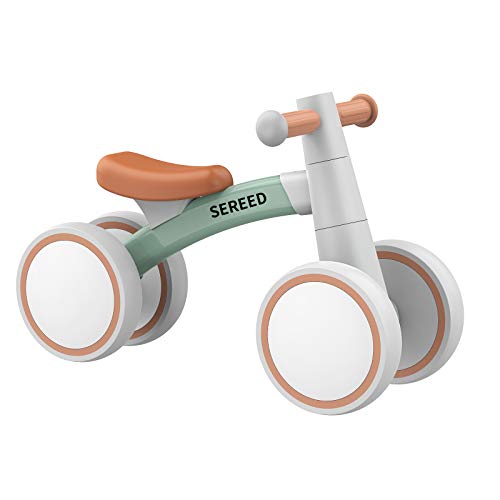
- ✓ Lightweight and portable
- ✓ Safe, pedal-free design
- ✓ Comfortable grip and seat
- ✕ Limited weight capacity
- ✕ Indoor use may be required initially
| Age Range | 12–24 months |
| Frame Material | Aluminum alloy frame |
| Weight | 1.6 kg (3.6 lb) |
| Maximum Weight Capacity | 55 lbs |
| Wheels | Fully widened closed-wheel design with non-slip, wear-resistant tires |
| Turning/ Steering Design | 135° turning limit with gravity steering that keeps wheels on ground |
The moment I picked up the SEREED Baby Balance Bike and-slip-floated it onto the living room rug, I saw how light and compact it is—just 1.6 kg, yet sturdy enough to feel confident in my hands. You can practically feel the aluminum frame promise as you lift it, and the 135° turning limit is immediately noticeable when you twist the handlebars with a gentle kick of momentum.
I handed it to a toddler tester (age 13-14 months) and watched the magic happen: no pedals to trip over, and those wide, closed wheels kept little feet from slipping off the sides. The seat padding is soft enough for a cozy seat-time, and the non-slip TPU grips give you something to grab onto during wobbly moments.
Indoors or outdoors, it glides with surprisingly little resistance, which is a relief when you’re teaching balance without turning the living room into a mini obstacle course.
The build feels secure without being clunky, and the bright green frame pops in photos—exactly the kind of cheerful toy you want to pull out for a quick play session. The lack of pedals means you can push, guide, or simply let your kid coast, which helps build confidence as they learn steering and body awareness.
The weight limit of 55 lbs still leaves room for growth, but the real win is how accessible it is for a tiny rider who’s still figuring out their first big moves.
Overall, it’s a thoughtful starter bike that won’t demand a full outdoor setup to justify its use. If you’re short on space but want a durable, safe way to introduce balance and steering, this is a solid pick.
What Factors Should You Consider When Choosing the Best Bike for Biking?
When choosing the best bike for biking, several factors should be considered to ensure it meets your needs and preferences.
- Type of Riding: The type of biking you plan to do is crucial in determining the best bike for you.
- Frame Material: The material of the bike frame affects weight, durability, and ride quality.
- Fit and Comfort: Ensuring the bike fits you properly is essential for comfort and efficiency while riding.
- Gear System: The type of gears can influence the bike’s performance and your ability to tackle various terrains.
- Braking System: Different braking systems offer varying levels of control and maintenance, impacting your riding experience.
- Budget: Your budget will significantly affect the options available, including the quality and features of the bike.
The type of riding you plan to do is crucial in determining the best bike for you. For instance, road bikes are best suited for smooth pavements and long distances, while mountain bikes are designed for rugged terrains and trails, making them ideal for off-road biking. If you aim for versatility, hybrid bikes can blend features from both types.
The material of the bike frame affects weight, durability, and ride quality. Common materials include aluminum, which is lightweight and affordable, carbon fiber, which is lighter and offers better shock absorption but comes at a higher cost, and steel, which is durable and provides a comfortable ride but can be heavier. Choosing the right material can significantly impact your biking experience.
Ensuring the bike fits you properly is essential for comfort and efficiency while riding. An ill-fitting bike can lead to discomfort, fatigue, or even injury over time. It’s important to test ride different sizes and styles to find the one that allows for a natural riding posture and easy handling.
The type of gears can influence the bike’s performance and your ability to tackle various terrains. Bikes can come with single-speed setups for simplicity and low maintenance or multi-speed configurations for versatility in tackling hills and varied surfaces. Understanding your expected riding conditions can help you choose the right gear system.
Different braking systems offer varying levels of control and maintenance, impacting your riding experience. Rim brakes are generally lighter and easier to maintain, while disc brakes provide superior stopping power and consistency in wet conditions. Depending on your riding environment and preference for maintenance, you may favor one system over another.
Your budget will significantly affect the options available, including the quality and features of the bike. Higher-priced bikes often offer better components, materials, and technology, which can enhance your riding experience. However, it’s essential to balance your budget with the bike’s features to ensure you get the best value without overspending.
What Are the Different Types of Bikes Suitable for Biking?
The best bikes for biking vary based on terrain, purpose, and rider preferences.
- Road Bikes: Road bikes are designed for speed on paved surfaces and feature lightweight frames and thin tires.
- Mountain Bikes: Built for off-road trails, mountain bikes have sturdy frames, wide tires, and advanced suspension systems for shock absorption.
- Hybrid Bikes: Combining features of road and mountain bikes, hybrid bikes offer versatility for both paved and unpaved paths, making them ideal for casual riders.
- Cruiser Bikes: Known for their comfort, cruiser bikes are perfect for relaxed rides on flat terrain and often come with wide seats and upright handlebars.
- Electric Bikes: Electric bikes, or e-bikes, are equipped with a motor that assists with pedaling, making them great for commuting and long-distance rides.
- Touring Bikes: Designed for long-distance travel, touring bikes feature durable frames, comfortable geometry, and the ability to carry heavy loads.
- BMX Bikes: Built for tricks and short-distance racing, BMX bikes are compact with a sturdy frame and small wheels, suited for skate parks and dirt tracks.
Road bikes emphasize speed and efficiency with lightweight designs, making them suitable for riders focused on fitness or racing. Their narrow tires reduce friction on smooth surfaces, allowing for faster rides over long distances.
Mountain bikes are equipped to handle rugged terrain, featuring robust components and wide tires that provide traction on loose surfaces like dirt and gravel. The suspension system absorbs shocks from rocks and roots, enhancing comfort and control during challenging rides.
Hybrid bikes blend the attributes of road and mountain bikes, making them adaptable for various riding conditions. They typically have a comfortable seating position and wider tires than road bikes, allowing for a smooth ride on both city streets and light trails.
Cruiser bikes focus on comfort and ease of use, featuring a relaxed geometry that allows riders to sit upright. They are ideal for leisurely rides along beaches or in parks, with designs often including fenders and racks for carrying small items.
Electric bikes provide a boost to riders, making them ideal for those who want to cycle longer distances without the strain of traditional biking. The integrated motor can be especially useful in hilly areas or for commuters looking to arrive at their destination without excessive fatigue.
Touring bikes are built for endurance and stability, designed to carry heavy loads over long trips. They often include mounts for racks and fenders, with a comfortable riding position that helps reduce fatigue during extended rides.
BMX bikes are specifically crafted for performing tricks and racing on short tracks, with a design that prioritizes durability and maneuverability. Their smaller wheels allow for quick accelerations and sharp turns, making them popular in competitive environments like skate parks.
How Do Road Bikes Serve Commuters and Enthusiasts?
Road bikes serve both commuters and cycling enthusiasts by providing speed, efficiency, and comfort for various riding experiences.
- Lightweight Frame: Road bikes typically feature a lightweight aluminum or carbon frame that allows for easier maneuverability and faster speeds. This benefit is particularly valuable for commuters who need to navigate city traffic and for enthusiasts aiming for performance during long rides.
- Narrow Tires: The narrow tires of road bikes are designed for low rolling resistance, enabling cyclists to maintain higher speeds with less effort. This makes them ideal for commuting over paved roads and for serious cyclists looking to cover long distances quickly.
- Aerodynamic Design: Road bikes often have an aerodynamic geometry that helps reduce wind resistance, making them suitable for both competitive racing and efficient commuting. This design feature benefits cyclists by improving speed and energy efficiency, especially on flat terrains.
- Multiple Gearing Options: Most road bikes come with a range of gearing options that allow riders to easily shift between different terrains. This flexibility is advantageous for commuters facing varied inclines and for enthusiasts tackling challenging routes.
- Comfortable Riding Position: Many road bikes are engineered to provide a comfortable riding position, which is essential for long-distance rides and daily commutes. This design helps reduce strain on the back and shoulders, allowing cyclists to enjoy longer rides without discomfort.
- Versatile Accessories: Road bikes can be fitted with various accessories such as racks, fenders, and lights, making them suitable for commuting in different weather conditions. These additions enhance the bike’s functionality and safety, catering to the needs of everyday riders.
What Benefits Do Mountain Bikes Offer for Off-Road Biking?
Mountain bikes offer numerous benefits for off-road biking enthusiasts.
- Enhanced Traction: Mountain bikes are designed with wider, knobby tires that provide superior grip on uneven and slippery terrains. This enhanced traction allows riders to navigate steep inclines and loose surfaces with confidence and stability.
- Durability: Built to withstand rugged conditions, mountain bikes feature sturdy frames and components that resist damage from rocks, roots, and other obstacles. This durability ensures that the bike can handle rough rides and rougher landings without compromising performance.
- Suspension Systems: Many mountain bikes are equipped with advanced suspension systems that absorb shocks and bumps from rough trails. This feature not only improves comfort during rides but also enhances control, allowing riders to maintain speed and maneuverability on challenging paths.
- Versatility: Mountain bikes can be used for a variety of terrains, from single-track trails to gravel paths and even urban environments. This versatility makes them an excellent choice for riders who enjoy exploring different types of landscapes without needing multiple bikes.
- Rider Positioning: The geometry of mountain bikes often allows for a more upright riding position, which can be more comfortable over long distances and on rugged trails. This positioning helps reduce strain on the back and neck, making for a more enjoyable riding experience.
How Do Hybrid Bikes Cater to Casual Bikers’ Needs?
Having multiple gears allows casual bikers to adapt to different environments effortlessly, providing the capability to shift to lower gears for easier climbs or higher gears for flat, fast rides. This versatility ensures that riders of varying skill levels can find a comfortable pace, encouraging more people to take up biking as a hobby.
Integrated accessories such as fenders keep riders clean and dry in various weather conditions, while racks allow for carrying personal items. These practical features cater to the lifestyle of casual bikers, making hybrid bikes an excellent choice for those who appreciate both recreational riding and functionality.
What Should You Know About Proper Sizing and Fit for Comfort in Biking?
Proper sizing and fit are crucial for comfort and performance while biking.
- Frame Size: The correct frame size is essential as it affects your riding posture and comfort. A bike that is too large or too small can lead to strain and discomfort, so it’s important to measure your inseam and compare it with the manufacturer’s sizing chart.
- Seat Height: Adjusting the seat height allows for optimal leg extension during pedaling. Your knee should be slightly bent at the bottom of the pedal stroke, and a proper height prevents injuries and maximizes efficiency.
- Handlebar Height: The height of the handlebars can influence your riding position and comfort level. Higher handlebars typically offer a more upright position that can reduce back strain, while lower handlebars can promote a more aerodynamic stance, which may not be suitable for all riders.
- Reach: Reach refers to the distance from the seat to the handlebars, impacting how stretched out or compact your riding position is. A proper reach allows for a comfortable arm position that minimizes fatigue during long rides.
- Pedal and Cleat Position: The positioning of pedals and cleats can greatly affect your foot’s alignment and comfort. Ensuring that your cleats are set up correctly helps to avoid knee pain and ensures efficient power transfer while cycling.
- Saddle Type: The type of saddle you choose can significantly influence your overall comfort level. Different shapes and padding levels cater to various riding styles and preferences, so it’s important to test out a few options to find what works best for you.
- Clothing Fit: Wearing properly fitting cycling apparel can enhance comfort and performance. Look for moisture-wicking fabrics that fit snugly without being restrictive, as this can help prevent chafing and improve aerodynamic efficiency.
Which Brands Are Leading the Market for Quality Biking Options?
The leading brands in the market for quality biking options include:
- Trek: Known for its wide range of bicycles, Trek offers options for casual riders and competitive cyclists alike.
- Specialized: This brand is recognized for its innovative technology and performance-focused bikes, catering to various cycling disciplines.
- Giant: As one of the largest bicycle manufacturers, Giant provides a comprehensive selection of bikes that balance quality and affordability.
- Cannondale: Renowned for high-performance bicycles, Cannondale focuses on advanced materials and unique designs to enhance the riding experience.
- Santa Cruz: This brand is celebrated for its premium mountain bikes, emphasizing durability and performance on rugged terrains.
Trek offers a diverse range of bicycles, including road, mountain, and hybrid options, making it suitable for various riding styles. Their commitment to quality and innovation is evident in their use of lightweight materials and advanced engineering techniques.
Specialized is at the forefront of cycling technology, with a strong focus on performance and rider comfort. The brand’s bikes often come equipped with cutting-edge features, such as custom suspension systems and ergonomic designs tailored for specific cycling needs.
Giant stands out for its ability to produce high-quality bikes at competitive prices. Their extensive lineup includes everything from entry-level to high-end models, ensuring that cyclists of all skill levels can find a bike that meets their needs without breaking the bank.
Cannondale is particularly known for its innovative designs, such as the use of aluminum and carbon fiber in their frames, which provide a lightweight yet durable riding experience. Their bikes are engineered for optimal performance in both competitive and recreational settings.
Santa Cruz specializes in mountain bikes that are built to withstand the rigors of off-road cycling. With a focus on sturdiness and precision, their bikes are designed for serious mountain bikers who demand reliability and performance on challenging trails.
What Budget Considerations Are Important When Choosing the Best Bike for Biking?
When choosing the best bike for biking, several budget considerations play a crucial role in ensuring you get the right fit for your needs.
- Initial Cost: The upfront cost of the bike is often the first consideration. Prices can vary significantly depending on the type of bike, brand, and features, so it’s important to set a budget that aligns with your cycling goals while considering what you can afford.
- Maintenance Costs: Owning a bike involves ongoing maintenance expenses, which can include tune-ups, tire replacements, and brake adjustments. Understanding these costs can help you gauge the long-term financial commitment of owning a bike, especially if you opt for high-performance models that may require more frequent servicing.
- Accessories and Gear: Beyond the bike itself, budgeting for necessary accessories such as helmets, lights, locks, and clothing is essential. These items enhance safety and comfort while biking, and neglecting to factor them into your budget can lead to unexpected expenses later.
- Insurance: Depending on the value of your bike and where you live, considering bike insurance might be wise. This can protect you against theft or damage, which adds an additional layer of financial security but should be factored into your overall budget.
- Future Upgrades: If you plan to upgrade components like the saddle, tires, or gearing system in the future, it’s important to allocate part of your budget for these enhancements. Upgrading can significantly improve your biking experience, but these costs can add up if not planned for in advance.
What Essential Accessories Can Enhance Your Biking Experience?
Essential accessories can significantly enhance your biking experience, making it safer and more enjoyable.
- Helmet: A high-quality helmet is crucial for safety while biking. It protects your head in case of accidents, and many models come with features like ventilation, adjustable straps, and lightweight designs for comfort during long rides.
- Bike Lock: A sturdy bike lock is essential for protecting your investment. There are various types, such as U-locks and chain locks, which provide different levels of security, ensuring that you can park your bike without worrying about theft.
- Lights: Front and rear lights are important for visibility, especially if you ride in low-light conditions. Bright LED lights can help you see the road ahead and make you more visible to drivers and pedestrians.
- Water Bottle and Cage: Staying hydrated is vital during biking, and a water bottle cage attached to your frame allows for easy access to hydration. Look for lightweight, durable bottles that fit securely in the cage to avoid spills.
- Bike Pump: A portable bike pump is essential for maintaining tire pressure on the go. Whether you opt for a hand pump or a CO2 inflator, having the ability to inflate your tires can save you from being stranded due to a flat.
- Repair Kit: A repair kit, including tire levers, a multi-tool, and patch kits, is necessary for handling minor mechanical issues or flat tires during rides. Being prepared can help you fix problems quickly and continue your biking adventure without much delay.
- Gloves: Padded biking gloves enhance grip and provide comfort by reducing vibration from the handlebars. They also offer extra protection in case of falls and help keep your hands dry during longer rides.
- Bike Computer: A bike computer tracks your speed, distance, and time, providing valuable data to monitor your performance and improve your biking experience. Many models also offer additional features like GPS navigation and heart rate monitoring.