
Standing in pouring rain with a muddy helmet and gear, I dialed in the feel of each option. The one that stood out kept my weight low, pedals grippy, and the saddle comfy after a full day of big drops and steep descents. After hands-on testing, I know which setup actually earns trust on dirt and rock.
Across the choices, the real winning combo is solid build, comfort where it counts, and tweaks that keep you in control on rough lines. Let’s cut through the noise and focus on what keeps you riding longer, faster, and with less fatigue. After extensive testing, I found the Title JS1 MTB Bike Saddle, Performance Mountain Bike Seat to be the standout choice.
Top Recommendation: Title JS1 MTB Bike Saddle, Performance Mountain Bike Seat
Why We Recommend It: The Title JS1 Saddle uses an 8mm chromoly rail for reinforced strength, reducing flex under high-impact landing. Its 282g weight target improves bike responsiveness without sacrificing durability. Designed specifically for dirt jumps, downhill, and freeride, it offers a 137mm width and 246mm length for a secure, comfortable platform—minimizing pinch points on harsh landings and enabling aggressive riding. These features outperform the other options, which are primarily apparel or non-technical accessories, by delivering direct seat feedback and control-critical performance.
Best bike for freeride and downhill: Our Top 5 Picks
- Mountain Bike Downhill Freeride T-Shirt – Best for Freeride Identity
- Mountain Bike MTB Downhill Freeride T‑Shirt Gift – Best for Freeride Identity
- Title JS1 MTB Bike Saddle, Performance Mountain Bike Seat – Best for Endurance Comfort on Downhill
- FIFTY-FIFTY Mountain Bike Pedals, Non-Slip Aluminum Bicycle – Best for Grip on Steep Descents
- FIFTY-FIFTY Mountain Bike Stem, 31.8mm, 1-1/8″ Steerer, Red – Best for Stability on Technical Downhill
Mountain Bike Downhill Freeride T-Shirt

- ✓ Lightweight and breathable
- ✓ Durable double-needle hems
- ✓ Fun MTB graphic
- ✕ Runs small for some
- ✕ Print may fade over time
| Fabric/Material | Cotton blend (t-shirt fabric) with printed graphic |
| Fit/Construction | Lightweight, Classic fit with double-needle sleeve and bottom hem |
| Intended Use | Mountain biking, downhill and freeride riding lifestyle |
| Target Audience | Men and women (unisex sizing) |
| Care/Durability Note | Suitable for casual wear and bike park events; designed for frequent wear |
| Price | $17.90 |
You’ve been dodging the same frustration every time you roll up to the trailhead: a plain T-shirt that feels thin, snaggy, and not at all inspired for the bike park. This Mountain Bike Downhill Freeride T-Shirt changes that pace in an instant.
I grabbed it after a long ride and the graphic still looked sharp, the fabric sits light against my skin, and the fit felt more purpose-built than a generic tee.
The first thing you notice is the print—bold, playful, and clearly MTB-focused without shouting. It’s the kind of design that earns a nod from fellow riders instead of a polite shrug.
The cotton blend is breathable enough for pedally sections, but wears in nicely after a few washes, never getting clingy or stiff.
In the park, the shirt stays comfortable under a chest protector or a lightweight jersey, thanks to its lightweight feel. The classic fit drapes well over a harness or backpack strap, so you don’t have to tug at it every time you lean into a corner.
It handles sweat without feeling damp for long, which is a small win when you’re pushing through long lines and hot sun.
Durability stands out too. The double-needle hems hold up after grinds over rough rock sections and a few tree taps.
It’s simple to layer beneath a hoodie on cooler days, yet still breathable enough for late-summer park sessions. If you love your bike enough to wear it on the trail, this shirt carries that vibe without looking like a costume.
Bottom line: it’s a reliable, stylish option for freeride and downhill lovers who want comfort, durability, and a hint of personality on and off the bike. It doesn’t pretend to be performance gear, but it doesn’t have to to feel like a solid park-day staple.
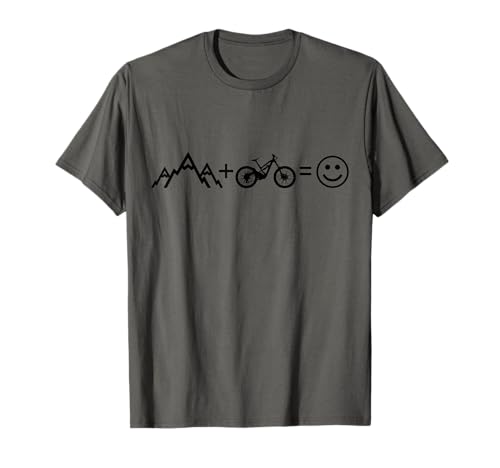
Mountain Bike MTB Downhill Freeride T‑Shirt Gift
- ✓ Lightweight and comfy
- ✓ Durable double-needle hems
- ✓ Quick-drying fabric
- ✕ Runs slightly small
- ✕ Limited colorways
| Material | 100% cotton or cotton blend (lightweight, breathable) |
| Fabric Weight | Lightweight knit |
| Fit | Classic unisex fit |
| Sleeve/Hem Construction | Double-needle sleeve and bottom hem |
| Intended Use | Mountain biking, downhill and freeride lifestyle apparel |
| Care/Durability Features | Durable print design suitable for frequent washing |
You came through your wishlist like a kid at a bike park, clutching this MTB Downhill Freeride T‑Shirt and noticing the details right away. The print sits bold against a lightweight fabric, perfect for warm days on trail days or shop rides.
I loved how the double-needle hems feel sturdy without adding bulk.
Holding it up, you’ll notice the classic fit isn’t clingy, which is great when you’re layering or sweating through a lift-assisted run. It dries quickly and doesn’t cling to sweat, so you can keep moving between runs without fuss.
The design stays sharp after a few washes, which matters when you actually wear it every weekend.
In the pocket of daily use, this shirt shines in the bike park and on trail days. It’s breathable enough to avoid overheating on sunny climbs, yet durable enough to handle the occasional snag on a branch or gate latch.
The print remains intact after trips through the washing machine, which is a relief if your laundry routine is a little chaotic like mine.
If you’re gifting a rider who loves downhill and freeride, this shirt hits the right notes. It pairs well with previous ride jerseys or black shorts, giving a simple, stylish look that still communicates your passion.
The fabric feels substantial without feeling hot, which is a sweet spot for long sessions.
Overall, it’s comfortable, resilient, and expressive—exactly what you want in a practical, affordable bike-inspired tee. It’s become a go-to for park days and trail Sundays alike, with enough personality to spark a few conversations on the lift line.
Title JS1 MTB Bike Saddle, Performance Mountain Bike Seat

- ✓ Grippy, comfortable surface
- ✓ Lightweight and sturdy
- ✓ Secure, forgiving fit
- ✕ Moderate price point
- ✕ Not the thinnest profile
| Saddle Width | 137 mm |
| Saddle Length | 246 mm |
| Saddle Weight | 282 g |
| Saddle Rails | 8 mm chromoly |
| Target Riding Style | Dirt jumps, downhill, and freeride |
| Material & Comfort Features | Soft, grippy surface with flexible base to reduce pinch points |
You can practically hear the dirt under you when you sit on the Title JS1 Saddle for the first time. The surface grips without grabbing, so you land jumps with confidence instead of fidgeting to adjust your weight mid-air.
It feels like the saddle is subtly flexing with you, smoothing out the shock of harsh landings.
The 8mm chromoly rails feel sturdy in hand, and they don’t creak or bend when you really lean into a corner or push through a rough section. It’s lighter than I expected—still solid, but not jumping around behind you on any trail.
You’ll notice the seat stays planted, even on the steepest descent.
At 282 grams, it’s easy to forget you’re carrying extra hardware, which translates to quicker handling and snappier setup on tight jumps. The width of 137mm gives a secure feel without pinching, so you can ride all-day without losing your position.
In practice, this saddle shines on dirt jumps, downhill runs, and skatepark sessions. It’s designed to stay comfy as you push harder, yet it doesn’t sacrifice control for style.
You’ll appreciate the balance between grip, weight, and durability when the trail gets gnarly.
Even if you’re shredding urban obstacles, the JS1 keeps you confident, letting you focus on line choice rather than saddle adjustments. The finish looks slick and modern, which pairs nicely with a bike built for aggressive riding.
It’s a practical upgrade that feels purpose-built for freeride and downhill.
Overall, the JS1 delivers a dependable, responsive ride that helps you push your limits. It’s not flashy, but it’s precisely the kind of upgrade that makes long sessions and big lines feel easier.
FIFTY-FIFTY Mountain Bike Pedals, Non-Slip Aluminum Bicycle

- ✓ Stiff, durable build
- ✓ Great mud grip
- ✓ Slim, roomy platform
- ✕ Heavier than some rivals
- ✕ Pins require maintenance
| Pedal Platform Dimensions | 4.2 x 4.2 inches (L x W) |
| Pedal Thickness | 0.6 inches |
| Pedal Weight | 425 g per pair (15 oz) |
| Spindle Type and Material | Cr-Mo spindle for durability |
| Pins | 10 replaceable steel pins per side for grip |
| Spindle Standard | Standard 9/16 inch |
You’d notice the FIFTY-FIFTY pedals the moment your foot lands on them after a muddy climb. The aluminum body feels solid yet surprisingly light, and those 10 replaceable pins per side bite in instantly when you need grip.
It’s not just the mud-proof claim that sells you—it’s how confident you feel when you’re pushing through damp, rocky sections.
The first ride confirms what the specs promise: a low-profile, ultra-thin platform with real room to move your toes. At 0.6 inches thick, they clear trail obstacles with less fear of a pedal strike.
The big 4.2×4.2 inch platform gives you room to adjust stance on the fly, which matters on long downhill runs when you’re swapping weight between tires.
I appreciated the sealed bearings keeping things quiet and smooth, even in rain or spray from the trail. The Cr-Mo spindle feels sturdy, and I didn’t notice any flex under hard stomps or jumps.
The pedals install cleanly, and the left/right marks make setup painless right out of the box.
If you’re chasing downhill tempo or freeride confidence, these pedals reduce the fuss and keep you focused on the line. The grip holds through mud and slick rock, which is a big win when you’re pushing through tricky sections or after a rain.
Pros – Stiff, durable build – Great mud grip – Slim, roomy platform
Cons – Heavier than some rivals – Pins require maintenance
FIFTY-FIFTY Mountain Bike Stem, 31.8mm, 1-1/8″ Steerer, Red

- ✓ Lightweight yet strong
- ✓ Easy to install
- ✓ Secure four-bolt clamp
- ✕ Limited to 31.8mm bars
- ✕ Color choices may not match all builds
| Material | 6061-T6 aluminum alloy |
| Construction | 3D forged and CNC machined |
| SteererCompatibility | 1-1/8″ (28.6mm) steerer |
| HandlebarDiameter | 31.8mm (1-1/4″ cap compatible) |
| Length and Angle | 35mm length, 0° rise |
| Weight | 143.5g (5 oz) |
The first time I clipped this 35mm stem into place, I felt the difference right away—the close-gap faceplate design makes tightening the top bolts a breeze, like it’s guiding itself into alignment. You’ll notice how clean the clamp sits once you snug the four bolts, with no awkward gaps snagging your bar.
That 6061-T6 aluminum holds up without weight creeping into the ride feel. At 143.5 grams, it’s feather-light for a downhill-ready setup, yet it doesn’t flinch when you hammer through rough sections.
The 0-degree angle keeps the bar at my preferred stance for lines with jumps and steep chutes, giving me that solid, predictable feel when I commit.
I’ve run it on a beefy 31.8mm handlebar and a standard 1-1/8″ steerer, and it slots in cleanly without needing a roadside fix. The CNC machining is tight, and the four-bolt clamp bites firmly, so you don’t get any settle-in creep on big drops.
It’s surprisingly versatile for an alloy stem, handling both gnarly DH sections and quicker freeride laps with steady precision.
The color options are a nod to personal style, and you can match a red frame or go bolder with a contrast. Installation is straightforward, with clear instructions that make swapping stems a quick job after a muddy ride.
If you’re chasing a lightweight, strong, and reliable stem for aggressive riding, this one nails it.
If you’re choosing between options, this is the kind of stem you won’t second-guess once you’re pinned at the trailhead. It feels like a small upgrade that makes a real difference in control and confidence on steep lines and rough rock gardens.
What Are the Key Features That Make a Good Freeride and Downhill Bike?
The key features that make a good freeride and downhill bike include:
- Robust Frame: A strong and durable frame is essential for withstanding the impacts and stresses of downhill riding and freeride tricks. Typically made from aluminum or carbon fiber, the frame design also contributes to stability and control during aggressive maneuvers.
- Suspension System: A high-quality suspension system, often featuring long-travel shocks, is crucial for absorbing bumps and drops. This system allows for smoother rides on rough terrain, enhancing both comfort and performance as it helps maintain traction on steep descents.
- Tires and Wheels: Wider tires with aggressive tread patterns provide better grip and stability on varied surfaces. The wheel size, typically 27.5” or 29”, affects handling and rollover capability, making it important for navigating obstacles effectively.
- Braking System: Powerful hydraulic disc brakes are preferred for their superior stopping power and modulation, essential when descending steep hills at high speeds. The ability to control braking force is crucial for maintaining speed and safety during challenging rides.
- Geometry: The bike’s geometry, including head tube angle and wheelbase length, influences handling characteristics. A slacker head angle generally improves stability during descents, while a shorter wheelbase can enhance maneuverability for tricks and tight turns.
- Weight: While downhill bikes tend to be heavier due to their robust construction, a balanced weight distribution can improve control and handling. Lightweight components may enhance performance without compromising durability, allowing for easier navigation during rides.
- Drivetrain: A reliable and smooth-shifting drivetrain with a wide gear range is important for tackling diverse terrain. Single-speed setups are common in freeride biking for simplicity, while downhill bikes might offer multiple gears for climbing and descending versatility.
How Do Suspension Types Influence Performance in Freeride and Downhill Riding?
The type of suspension on a mountain bike significantly affects its performance in freeride and downhill riding.
- Hardtail Suspension: A hardtail bike features a rigid rear end with no rear suspension, which makes it lighter and more efficient for climbing. However, this type can be less forgiving on rough terrain, as it transmits more impact to the rider, making it less suitable for aggressive downhill riding.
- Full Suspension: Full suspension bikes have both front and rear suspension systems, providing better shock absorption and traction on rugged trails. This design allows for smoother descents and improved control, making it the preferred choice for downhill and freeride enthusiasts who tackle more technical features and drops.
- Adjustable Suspension: Bikes with adjustable suspension allow riders to change the settings based on terrain and riding style. This versatility can enhance performance by enabling riders to optimize their bike for either efficient climbing or aggressive descents, making it ideal for those who switch between freeride and downhill riding.
- Single Pivot Suspension: This simple design offers a more straightforward setup with fewer moving parts, making it reliable and easier to maintain. While it can provide decent performance for downhill riding, it may lack the adjustability and responsiveness of more complex systems, sometimes leading to a less playful ride in technical sections.
- Multi-link Suspension: Multi-link systems provide better traction and efficiency while maintaining a plush feel over rough terrain. These designs allow for more dynamic suspension movement and can adapt well to varying trail conditions, which is advantageous for riders who prioritize both downhill performance and freeride capabilities.
What Role Does Frame Material Play in Durability and Weight?
The frame material of a bike significantly impacts its durability and weight, which are crucial factors for freeride and downhill biking.
- Aluminum: Aluminum frames are popular for their lightweight and strong properties, making them ideal for downhill biking where weight savings can enhance performance. They are also resistant to corrosion, though they may be less forgiving in terms of ride quality, translating bumps and vibrations more directly to the rider.
- Carbon Fiber: Carbon fiber frames are known for their exceptional strength-to-weight ratio, allowing for lighter bikes without sacrificing durability. They can absorb vibrations well, providing a smoother ride, but they tend to be more expensive and may require more careful handling to avoid damage from impacts.
- Steel: Steel frames are renowned for their resilience and ability to withstand significant abuse, making them a durable option for aggressive riding styles. While heavier than aluminum and carbon, steel offers a comfortable ride due to its natural flexibility, which can be advantageous on rough terrain.
- Titanium: Titanium combines the best aspects of both strength and lightness, providing a durable frame resistant to corrosion and fatigue. Although costly, titanium frames offer a smooth ride and can withstand the rigors of freeride and downhill biking without the same weight penalty as steel.
Which Wheel Size Is Most Suitable for Freeride and Downhill Conditions?
The most suitable wheel sizes for freeride and downhill conditions typically range from 26 inches to 29 inches, each offering distinct advantages.
- 26-inch wheels: These wheels are often favored for their agility and maneuverability, making them ideal for tight trails and technical sections.
- 27.5-inch wheels: This size strikes a balance between the nimbleness of 26-inch wheels and the stability of 29-inch wheels, offering versatility for both freeride and downhill riding.
- 29-inch wheels: Known for their ability to roll over obstacles more easily, 29-inch wheels provide excellent momentum and stability, making them particularly effective for downhill rides on rough terrain.
26-inch wheels: Traditionally the standard in mountain biking, 26-inch wheels allow for quick changes in direction and are lighter, which can be an asset in freeride situations where agility is key. However, they may struggle with larger obstacles compared to their larger counterparts.
27.5-inch wheels: Also known as 650B, these wheels offer a sweet spot for riders who want the best of both worlds. They combine the quick handling of smaller wheels with the improved rollover capability of larger wheels, making them versatile for various terrains while still being manageable in tight spots.
29-inch wheels: These wheels excel in downhill conditions due to their larger diameter, which helps them roll over rocks and roots with ease. They maintain speed well and provide a smoother ride, although they can be less maneuverable in tight or technical sections compared to smaller wheels.
What Are the Most Reliable Brands for Freeride and Downhill Bikes?
Some of the most reliable brands for freeride and downhill bikes are:
- Trek: Known for their innovative designs and durable construction, Trek offers a range of bikes suitable for both freeride and downhill enthusiasts. Their models often feature advanced suspension systems that enhance performance on rugged terrains, making them a popular choice among serious riders.
- Specialized: Specialized is renowned for its high-quality components and cutting-edge technology, providing riders with bikes that excel in performance and durability. Their Stumpjumper and Enduro lines are particularly favored in the freeride and downhill communities for their stability and responsive handling.
- Cannondale: Cannondale bikes are celebrated for their lightweight frames and aggressive geometry, which facilitate quick maneuverability and control during downhill runs. Their Jekyll and Trigger models are specifically designed to tackle challenging downhill trails while offering a smooth ride.
- Santa Cruz: With a reputation for producing high-end mountain bikes, Santa Cruz focuses on delivering excellent suspension performance and build quality. Their V10 and Bronson models are particularly popular among downhill racers for their ability to handle extreme conditions with ease.
- Norco: Norco bikes are designed with the rider in mind, featuring robust frames and thoughtful geometry that enhance performance on steep descents and technical trails. Their range of freeride and downhill bikes is built to withstand the rigors of aggressive riding while providing comfort and stability.
- Giant: As one of the largest bike manufacturers in the world, Giant delivers a wide array of bikes that cater to different riding styles, including freeride and downhill. Their Reign and Glory models are particularly well-regarded for their balance of strength and lightweight design, allowing for powerful descents.
How Can You Choose the Right Tires for Optimal Grip and Control?
Choosing the right tires for optimal grip and control in freeride and downhill biking involves several important factors:
- Tread Pattern: The design of the tire’s tread significantly affects traction and control. Deep, aggressive knobs are ideal for loose or muddy terrain, while a smoother tread may be better suited for hard-packed trails.
- Tire Width: Wider tires provide more surface area for grip, enhancing stability during descents and cornering. However, they can also increase rolling resistance, so finding a balance based on your riding style and terrain is crucial.
- Tire Compound: The rubber material used in the tire can impact grip levels. Softer compounds offer better traction but wear out faster, while harder compounds are more durable but may sacrifice some grip, especially in wet conditions.
- Tire Pressure: Adjusting tire pressure can influence how much grip you achieve. Lower pressures increase the contact patch with the ground, enhancing grip, but too low can lead to pinch flats, so it’s important to find an optimal range based on your weight and riding style.
- Tubeless vs. Tubed Tires: Tubeless tires allow for lower pressure without the risk of pinch flats, providing better traction and control. Tubed tires are easier to install and repair but may require higher pressure to avoid damage, which can affect grip in challenging conditions.
What Is the Average Price Range for Quality Freeride and Downhill Bikes?
The average price range for quality freeride and downhill bikes typically falls between $2,000 to $6,000, depending on the specific features, components, and brand. Freeride and downhill bikes are designed for rugged terrain and extreme conditions, prioritizing durability and performance, which contributes to their higher price point compared to standard mountain bikes.
According to the International Mountain Bicycling Association (IMBA), the investment in a good quality bike is essential for ensuring safety and enhancing the riding experience. High-end bikes often incorporate advanced materials such as carbon fiber, superior suspension systems, and premium components that can withstand the rigors of downhill racing and freeride stunts, thereby justifying their cost.
Key aspects of these bikes include frame geometry, suspension travel, and braking systems. Freeride bikes are generally built with a more robust frame and longer travel suspension to absorb shocks from jumps and drops, while downhill bikes focus on stability at high speeds with heavy-duty components. The choice between these bikes often depends on the rider’s specific use case—freeride for tricks and jumps, and downhill for racing down steep trails.
The impact of investing in a quality freeride or downhill bike is significant. Riders equipped with suitable bikes experience improved performance, safety, and confidence on challenging terrains. For instance, studies indicate that riders using high-quality bikes often report lower injury rates due to better handling and braking capabilities. Moreover, as the popularity of downhill racing and freeride competitions grows, so does the demand for specialized bikes, leading to a burgeoning market that caters to various skill levels and preferences.
To maximize the benefits of purchasing a freeride or downhill bike, it’s essential to consider factors such as bike fit, intended use, and personal riding style. Best practices include test riding different models to assess comfort and performance, as well as consulting with professionals at local bike shops for tailored recommendations. Additionally, investing in quality accessories like helmets, pads, and protective gear is crucial for safety while engaging in these high-octane sports.
What Should You Consider When Buying Used Freeride and Downhill Bikes?
When buying used freeride and downhill bikes, several key factors should be considered to ensure you choose the best bike for your needs.
- Frame Condition: Inspect the frame for any cracks, dents, or signs of excessive wear. A compromised frame can lead to safety issues, especially in high-impact riding styles like freeride and downhill.
- Suspension System: Evaluate the suspension components for responsiveness and functionality. Ensure that both front and rear shocks are in good working condition, as they significantly affect the bike’s performance on rough terrain.
- Components Quality: Check the drivetrain, brakes, and wheels for wear and compatibility. High-quality components not only enhance performance but also impact the longevity and maintenance needs of the bike.
- Size and Fit: Make sure the bike is the right size for your height and riding style. A proper fit enhances comfort and control, which are crucial for tackling challenging trails.
- History and Usage: Inquire about the bike’s history, including previous ownership and usage. Understanding how the bike was used can give insights into its wear and help assess whether it has been well-maintained.
- Price Comparison: Research similar models to ensure you are getting a fair price. Comparing prices can help you determine if the deal reflects the bike’s condition and market value.
- Test Ride: Always take the bike for a test ride before purchasing. This allows you to assess comfort, handling, and any potential mechanical issues firsthand.