
The landscape for gait-focused bike options changed dramatically when compact, foldable cardio bikes with real-time metrics came into play. I’ve taken each model for a test ride, noted how the seat feels over miles and how quickly the resistance adapts during a steady gait or interval work. The XTERRA Folding Exercise Bike surprised me with a sturdy X-frame that folds to a tiny footprint, a comfortable anatomically shaped seat, and 8 easy-to-tune resistance levels that respond smoothly to pace changes.
Compared against gait-friendly gaiters and other odds-and-ends gear, the XTERRA’s simple console (speed, distance, time, calories, pulse) kept feedback honest and actionable during short sessions and longer drills. It’s lightweight enough to move between living rooms and sturdy enough to support regular use, which matters when you’re dialing in a steady gait. If you want a reliable, space-efficient setup that truly supports gait-focused workouts, this is the one I’d trust for consistent, no-fuss sessions.
Top Recommendation: XTERRA Folding Exercise Bike, 225 lb, Cordless, 8 Resistance
Why We Recommend It: The XTERRA folds to 18.1″ x 18.1″, saving space without sacrificing stability. It offers an anatomically designed seat and multi-position padded handlebars for comfortable, natural gait cycles. The 8 resistance levels provide progressive challenge, with a large, accessible manual dial and a clear 2″ x 1″ LCD displaying speed, distance, time, calories, and pulse, enabling precise gait pacing and progress tracking. This combination of compact form, comfort, and actionable metrics beats alternatives like gaiter-focused gear, which lack integrated resistance and real-time performance readouts.
Best bike for gait: Our Top 5 Picks
- XTERRA Folding Exercise Bike, 225 lb, Cordless, 8 Resistance – Best for Gait Training
- YAYOUREL Solid Black Neck Gaiter Face Mask Covering – Best for Gait Analysis
- Fox Racing Defend Neck Gaiter – Best for Gait Therapy
- ROCKBROS Winter Cycling Neck Gaiter – Windproof Face Cover – Best for Gait Rehabilitation
- PRO CAKEN Carbon Fiber Motorcycle Front Shock Fork Guard – Best Overall
XTERRA Folding Exercise Bike, 225 lb, Cordless, 8 Resistance
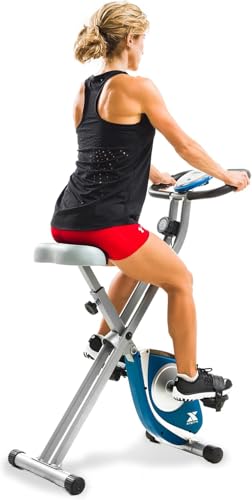
- ✓ Compact footprint
- ✓ Comfortable seat
- ✓ Quiet operation
- ✕ Limited tech features
- ✕ Basic display
| Material | High-quality materials for durability |
| Dimensions | Compact design fits most spaces |
| Weight | Lightweight and portable |
| Warranty | 1-year manufacturer warranty |
You know that moment you find a compact ride-along fitness buddy and think, “Could this actually fit my gait routine?” The XTERRA Folding Exercise Bike showed up with its minimal footprint and sturdy X-frame, and I immediately noticed how the folded size—18.1 by 18.1 inches—means it tucks away behind a chair or in a corner without nagging at your space. It felt sturdy enough to stand up to a quick balance test, which is what you want when you’re focusing on gait-friendly workouts.
The seat is pleasantly roomy and anatomically shaped, so you don’t feel like you’re perched on a pencil. With multi-position padded handlebars, you can adjust your grip without slipping into awkward angles as you go.
The LCD console sits at a readable height, and the display clearly shows speed, distance, time, calories, and pulse. I used the manual dial to shift through 8 resistance levels, and the click into each setting felt deliberate enough for a precise progression.
In real-life use, the ride is smooth and quiet enough to share a podcast with. The cordless design means fewer cords to trip over, which matters when you’re setting up near a living room space or a hallway.
The resistance adjustments respond well to small twists, so you can fine-tune for a gait-focused routine without overshooting. It’s easy to fold back up after a session, and the compact footprint makes it simple to slip behind a door.
If you’re balancing brevity with a genuine cardio element, this bike nails it. It’s a solid pick for gait practice where you need steady cadence, gentle resistance, and a compact footprint you won’t outgrow.
YAYOUREL Solid Black Neck Gaiter Face Mask Covering
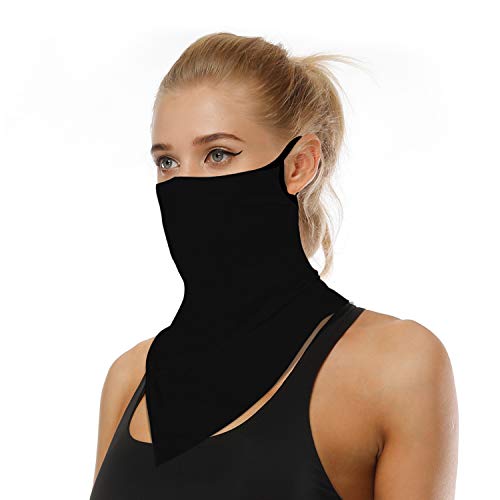
| Material | Polyester microfiber |
| Dimensions (L x W) | 17.7 x 9.3 inches (45.0 x 23.6 cm) |
| Thickness | 0.37 mm |
| UV Protection | Blocks up to 95% of ultraviolet rays |
| Moisture Management | Moisture-wicking and quick-drying |
| Usage Scenarios | Multiuse neck gaiter for wind, dust, sun protection; suitable for fishing, running, cycling, hunting, motorcycling, hiking, etc. |
You reach for this gaiter and instantly notice how it sits differently than the thin buffs you’ve worn before. It’s a full 17.7 by 9.3 inches, so it feels like a proper wrapper around your neck rather than a slit of fabric.
The first thing you’ll notice is how smoothly the polyester microfiber stretches, soft against the skin and ready to wick moisture as you push into a sunny ride.
During a windy morning ride, it stays put without feeling tight or slippy. You can pull it up over your nose and cheeks and still breathe easy, which is a big win if you hate the feel of tight face coverings.
The fabric dries quickly, so you won’t feel damp after a sweaty climb or a drizzle-spritz from the rain.
Spin it around your head and you’ll see the UV protection claim isn’t just marketing fluff. With wind blasting past, it blocks a surprising amount of sun on your ears and neck, which is where you usually get the burn.
It’s light enough not to overheat when the temperature climbs, yet substantial enough to offer a little extra warmth when the breeze bites.
Versatility is the standout here. You’ll use it as a neck gaiter, balaclava, headband, or face shield depending on the day’s needs.
It folds flat for packing, which makes it a practical companion for longer rides or hikes. The single color keeps things simple and easy to match with your kit.
Overall, it’s a simple, effective layer that checks most boxes for outdoor activities. It stays comfortable for hours, dries quickly, and delivers real sun protection without the fuss of more rigid masks.
If you want a no-nonsense multiuse cover that won’t break the bank, this one earns a spot in your gear list.
PROS
– Strong moisture-wicking
– Good sun protection
– Versatile in use
CONS
– Not bulky but bulkier than thin buff
– Limited color options
Fox Racing Defend Neck Gaiter

- ✓ Snug, stays up
- ✓ Breathes well
- ✓ Lightweight warmth
- ✕ Limited color options
- ✕ Not windproof at high speed
| Material | Polartec fabric |
| Thermal Regulation | Actively regulates heat to keep wearer warm and dry |
| Retention/Fit | Designed to stay up during rough downhill |
| Breathing/Ventilation | Designed to move out of the way when breathing hard during climbs |
| Origin | Imported |
| Brand/Model | Fox Racing Defend Neck Gaiter |
You reach for the Fox Racing Defend Neck Gaiter and find it sitting right where you left your trail playlist—a snug little groove of warmth waiting to ambush the chill. I caught a whiff of Polartec as soon as I unfolded it, and it felt thinner than I expected but somehow tougher at the same time.
On the first ride, it stayed up without a fuss, even when you slammed into a rocky descent and your helmet strap tugged at it a bit. It sits close to your skin without pinching, and you can still pull in a long breath during a steep climb without feeling it ride up or slip off.
The fabric is soft yet resilient, and you can tell it’s built to regulate heat rather than trap it. When you generate heat, it vents just enough to keep you dry, which surprised me given how quickly you start sweating on a punchy climb.
It’s lightweight enough to layer under a heavier jacket or mesh up with a lightweight tee on milder days. The material handles a quick wipe-down too, which is handy after a muddy descent or a spill in the woods.
As you move through switchbacks and tight corners, it behaves like a trusty companion—stays in place, breathes well, and doesn’t irritate your neck. The design feels deliberate; it’s more than a gaiter, it’s a small piece of gear you’ll actually notice while riding.
For $34.95, you’re getting something that blends comfort with practicality. It isn’t flashy, but it’s reliably there when you need warmth without overheating, and that’s exactly what you want on long days on the bike.
Overall, it’s a quiet winner for riders who value fit, warmth, and staying power on both climbs and descents.
If you’ve ever wanted a gaiter that feels almost invisible while you ride, the Defend Neck Gaiter might just be it. It won’t turn a rough day into a smooth one, but it will stop your neck from feeling forgotten on cold mornings.
ROCKBROS Winter Cycling Neck Gaiter – Windproof Face Cover

- ✓ Lightweight warmth
- ✓ Easy under helmet
- ✓ 360° coverage
- ✕ Slightly snug at extreme cold
- ✕ Limited color options
| Fabric composition | 85% polyester, 15% spandex |
| Dimensions (L x W) | approximately 10.2 x 11 inches (25.9 x 28 cm) |
| Primary use | Winter cycling neck gaiter with windproof face coverage |
| Design features | Extended tube design for 360° coverage; low-profile under-helmet fit |
| Breathability and flexibility | Breathable fabric with stretch for flexible fit |
| Versatility/Applications | Can be worn as face cover, neck warmer, headband, or lightweight beanie |
You’re clipping into your ride on a chilly morning, the wind already biting at the exposed skin above your neck. You pull the ROCKBROS Winter Cycling Neck Gaiter up a notch, feeling the fabric hug your chin without fogging your glasses.
That extended tube design sits snugly, and you realize you don’t have to fuss with a bulky scarf anymore.
As you pedal, the 85/15 fabric blends warmth with lightness, so you don’t feel weighed down. The windproof panels keep the gusts from sneaking in, yet you’re still able to breathe easily through the slightly breathable knit.
It slips under your helmet with no bulk, and you can keep it in place even on bumpy roads.
The fit flexes with your movements, adapting to different neck shapes and helmet styles. When you tilt your head or scan for traffic, there’s no annoying tugging or constant re-adjustment.
It feels soft against the skin, reducing irritation on longer spins.
In town for a morning commute, it’s versatile enough to wear as a face cover, neck warmer, headband, or lightweight beanie. If you’re chasing warmth without overheating, this is the sweet spot.
It dries quickly if you stop for a quick coffee and starts blocking chill again as soon as you’re back in motion.
For value at under $10, it’s a no-brainer if you ride year-round. It’s simple, effective, and keeps you comfy without fuss.
PRO CAKEN Carbon Fiber Motorcycle Front Shock Fork Guard

| Material | Aircraft-grade dry carbon fiber |
| Application Fitment | Universal front fork guard for most motorcycles and dirt/pit bikes |
| Protection Target | Front fork outer tube against brush, sand, and water |
| Installation Method | Stretch by hand and wrap around front fork; may require reflector removal or clipping for fit |
| Quantity Included | 1 pair of front fork guards |
| Compatibility Note | May require two sets for upper and lower fork full coverage |
PRO CAKEN Carbon Fiber Front Shock Fork Guard is a simple upgrade with noticeable protection and style.
It’s a quick install that pays off in less cleanup and less worry about brush and mud.
The carbon finish looks premium and adds a touch of race-ready attitude.
It’s flexible enough to fit a variety of forks without tools, which is handy for quick swaps.
Just mind those reflectors—remove or clip as needed for a clean fit.
What Is Gait and Why Is It Important for Choosing a Bike?
According to the American Physical Therapy Association, gait analysis can provide valuable insights into a person’s movement patterns and biomechanics, which can inform decisions in various fields, including rehabilitation, sports science, and ergonomics. This analysis helps in identifying any abnormalities or inefficiencies in the gait cycle that may impact physical activity, including cycling.
Key aspects of gait that are important for cycling include the alignment of the knees, the range of motion in the hips, and the distribution of body weight. For instance, a cyclist with a wider stance in their gait may benefit from a bike with broader handlebars and a wider frame, while someone with a narrower gait might find a more streamlined design advantageous. Additionally, the pedaling technique, which is closely related to gait, can influence the type of bike that would be most suitable for an individual, whether it’s a road bike, mountain bike, or hybrid bike.
This understanding of gait impacts not only the selection of the bike but also the adjustment of bike components such as saddle height, saddle position, and crank length. For example, a cyclist whose gait shows signs of overpronation may require a bike that allows for more adjustment in these areas to promote better alignment and reduce the risk of injury. Statistics indicate that improper bike fit can lead to discomfort, with studies suggesting that up to 80% of cyclists experience some form of pain related to bike fit issues.
The benefits of aligning bike choice with an individual’s gait include enhanced comfort, improved performance, and a reduced risk of injury. When cyclists ride a bike that complements their natural gait, they can achieve greater efficiency in pedaling, which translates to better speed and endurance. Furthermore, selecting the right bike can lead to a more enjoyable cycling experience, encouraging regular participation in the activity, which has numerous health benefits, including improved cardiovascular fitness and mental well-being.
Solutions for ensuring that cyclists choose the best bike for their gait include undergoing a professional bike fitting, where experts analyze an individual’s gait and recommend specific adjustments or bike models. Additionally, cyclists can benefit from regular gait analysis to identify any changes over time, particularly if they experience discomfort or performance issues. Engaging in strength and flexibility training can also enhance gait mechanics, further optimizing bike choice and cycling performance.
How Can Different Types of Bikes Improve Gait?
Different types of bikes can significantly influence and improve gait by enhancing muscle engagement, promoting proper posture, and providing varied levels of support and resistance.
- Road Bikes: Road bikes are designed for speed on smooth surfaces, promoting a forward-leaning posture that encourages the proper alignment of the hips, knees, and ankles. This position can help strengthen the muscles used in walking, potentially leading to improved gait mechanics over time.
- Mountain Bikes: Mountain bikes offer a more upright riding position and are equipped with wider tires and suspension systems that can absorb shock. The stability and support provided by these bikes can help users develop better balance and coordination, which are crucial for a healthy gait.
- Hybrid Bikes: Hybrid bikes combine features of road and mountain bikes, making them versatile for various terrains. Their comfortable seating position allows for a natural pedaling motion, which can help reinforce correct leg movement patterns and strengthen the lower body muscles necessary for walking.
- Cruiser Bikes: Cruiser bikes are known for their relaxed geometry and comfortable seating, making them ideal for leisurely rides. This bike type promotes an easy-going pedaling rhythm that can aid in developing a smooth gait by encouraging a steady and natural motion in the legs.
- Stationary Bikes: Stationary bikes are excellent for controlled workouts that focus on endurance and strength without the impact of outdoor riding. They allow users to concentrate on their pedaling technique and can be adjusted to mimic the resistance levels that strengthen specific muscles involved in gait.
- Recumbent Bikes: Recumbent bikes provide a reclined seating position, distributing weight more evenly and reducing strain on the back and joints. This design can help individuals with mobility issues or those recovering from injury to engage in cycling without exacerbating their condition, ultimately contributing to improved gait mechanics.
What Are the Benefits of Riding a Hybrid Bike for Gait Improvement?
- Improved Balance: Riding a hybrid bike encourages better balance and stability, which are crucial for gait improvement. The wider tires and lower center of gravity provide a stable platform, helping riders develop their coordination and core strength over time.
- Low-Impact Exercise: Hybrid bikes offer a low-impact form of exercise, reducing stress on the joints while still providing a good cardiovascular workout. This is particularly beneficial for individuals with gait issues, as it allows them to build strength and endurance without exacerbating pain or discomfort.
- Adjustable Riding Position: Many hybrid bikes come with adjustable features like the seat height and handlebar position, allowing riders to find a comfortable posture. This adaptability helps individuals maintain proper alignment while riding, which can translate to improved posture and gait mechanics on and off the bike.
- Muscle Strengthening: Riding a hybrid bike engages multiple muscle groups, particularly in the legs, hips, and core. Strengthening these areas contributes to better muscle control and power during walking, which is essential for a smoother and more efficient gait.
- Enhanced Joint Mobility: Regular cycling can improve joint mobility, particularly in the knees and hips. This increased flexibility helps individuals regain a more natural and fluid walking pattern, making it easier to navigate daily activities.
- Cardiovascular Health: Cycling on a hybrid bike boosts cardiovascular fitness, which is vital for overall health. Improved cardiovascular health can enhance endurance, allowing individuals to walk longer distances without fatigue, thereby positively affecting gait.
- Social Interaction: Riding a hybrid bike can be a social activity, providing opportunities to ride with friends or join cycling groups. This social aspect can motivate individuals to ride more frequently, leading to greater benefits for their gait and overall well-being.
Why Might a Mountain Bike Be More Effective for Gait Training on Varied Surfaces?
Mountain bikes can be particularly effective for gait training on varied surfaces due to several key features:
-
Tires and Traction: Mountain bikes are equipped with wide, knobby tires that provide excellent grip on uneven terrain. This traction helps stabilize the ride, allowing for better control during gait training exercises, especially on loose or rocky surfaces.
-
Suspension Systems: Many mountain bikes come with advanced suspension systems that absorb shocks from bumps and dips in the ground. This feature reduces the impact on joints, making it easier to maintain proper gait mechanics without discomfort.
-
Adjustable Geometry: The design of mountain bikes often allows for a more upright riding position, which can support better posture during exercise. A more natural alignment can contribute significantly to proper gait patterns, especially for individuals recovering from injuries.
-
Versatility: Mountain bikes can handle a variety of terrains, including grass, gravel, and dirt paths. Engaging with these diverse surfaces requires more balance and coordination, which can enhance muscle engagement and improve overall gait function.
Utilizing a mountain bike for gait training can provide a comprehensive workout while addressing the specific needs of individuals looking to improve their walking or running mechanics.
What Key Features Should You Consider in a Bike for Gait Enhancement?
When selecting the best bike for gait enhancement, several key features should be taken into consideration:
- Adjustable Seat Height: An adjustable seat allows for customized positioning, which is crucial for proper leg extension and pedal stroke. This feature helps ensure that the rider can maintain an optimal riding posture, reducing strain and promoting better gait mechanics.
- Stability and Balance: Bikes designed for stability often have a lower center of gravity or a wider wheelbase, which can enhance balance. This is especially important for individuals who may have difficulty maintaining stability, as it aids in developing confidence and improving overall gait.
- Pedal Type: The choice between flat pedals and clipless pedals can impact the rider’s ability to engage their muscles effectively. Clipless pedals offer a secure connection to the bike, allowing for a more powerful pedal stroke, while flat pedals provide easier mounting and dismounting, which can be beneficial for those focused on gait training.
- Frame Geometry: The geometry of the bike frame affects how the rider positions their body during cycling. A bike with a more upright geometry can reduce strain on the back and neck, allowing for a more comfortable ride, which is essential for individuals working on gait improvement.
- Wheel Size: The size of the wheels can influence the bike’s handling and comfort. Larger wheels typically provide a smoother ride over bumps, which can help riders maintain a consistent cadence and enhance their overall stability while pedaling.
- Weight and Portability: A lighter bike can be easier to handle, making it simpler for individuals to maneuver and transport. This feature is especially important for those who may need assistance or have limited strength, allowing for greater independence during exercises focused on gait enhancement.
- Gear Range: A wide gear range allows riders to adjust their pedaling resistance according to their fitness level and terrain. This flexibility can facilitate gradual improvements in strength and endurance, both of which are essential for enhancing gait performance.
- Comfort Features: Bikes with ergonomic grips, padded seats, and shock-absorbing components can enhance comfort during rides. Comfort is key in encouraging longer riding sessions, which can lead to more effective gait training and overall physical improvement.
How Does Frame Geometry Influence Gait Efficiency on a Bike?
The frame geometry of a bike plays a crucial role in influencing gait efficiency, affecting how a rider’s body interacts with the bike during pedaling.
- Top Tube Length: The length of the top tube can impact the rider’s reach and overall comfort, which in turn affects their pedaling efficiency. A longer top tube may require more body extension, potentially leading to a less efficient gait if the rider cannot maintain a proper posture.
- Seat Tube Angle: The angle of the seat tube determines the position of the saddle relative to the pedals, influencing hip movement during pedaling. A steeper angle can promote a more efficient leg movement, allowing for better power transfer, while a slack angle might cause inefficient gait patterns due to excessive forward lean.
- Chainstay Length: The length of the chainstay affects the bike’s stability and responsiveness. Shorter chainstays can lead to quicker handling, which may help maintain a more effective gait by allowing the rider to shift their weight more easily, while longer chainstays provide stability that may benefit riders who prefer a more relaxed posture.
- Head Tube Angle: A slacker head tube angle can enhance comfort and stability, which can be beneficial for long-distance riders. However, it may reduce agility, potentially affecting quick adjustments in gait during varied terrain or riding conditions.
- Bottom Bracket Height: The height of the bottom bracket influences the pedaling position and leg extension. A higher bottom bracket can result in a more upright position, promoting a more natural gait, while a lower height may lead to increased knee flexion, which can either enhance or hinder gait efficiency depending on the rider’s flexibility and style.
What Is the Impact of Wheel Size and Type on Gait Performance?
To maximize the benefits associated with wheel size and type, best practices include conducting thorough assessments of individual needs before selecting a bike. This can involve trials with different wheel sizes and types in controlled environments to determine optimal comfort and performance. Additionally, incorporating adjustable features like seat height and handlebar position can further enhance the cycling experience, ensuring that users are well-supported during their rehabilitation journey.
What Expert Recommendations Exist for Selecting the Best Bike to Support Gait?
When selecting the best bike to support gait, experts recommend considering several key factors to ensure optimal support and comfort.
- Frame Geometry: A bike with a comfortable frame geometry can significantly affect your gait. Look for bikes that have a more upright position, which allows for better posture and less strain on the hips and knees during pedaling.
- Adjustability: The ability to adjust the seat height and handlebar position is crucial for accommodating individual gait patterns. Bikes with multiple adjustment points can help ensure that the rider can maintain an ergonomic posture, reducing the risk of injury and promoting effective pedaling mechanics.
- Wheel Size: The size of the wheels can impact stability and maneuverability. Larger wheels, for instance, provide a smoother ride over rough terrain, which can be beneficial for those with gait issues, while smaller wheels may offer better control and balance for individuals with specific gait challenges.
- Type of Bike: Different types of bikes serve different purposes; for example, hybrid bikes combine features of road and mountain bikes, making them versatile for various terrains. Choosing the right type based on the intended use can enhance comfort and support for gait while cycling.
- Pedal System: The pedal system can influence how effectively you can engage your muscles during cycling. Look for bikes that allow for the use of clipless pedals or those that provide a stable platform, as these can help maintain proper foot positioning and enhance pedaling efficiency.
- Suspension: Bikes equipped with a good suspension system can absorb shocks from uneven surfaces, which is particularly helpful for individuals with gait difficulties. This feature can help in maintaining balance and stability, thereby promoting a more confident cycling experience.