
From sturdy kids’ builds to universal guards, this guide cuts through fluff. Expect reliable mud deflection, quick installation, and a design that won’t rattle loose on gnarly gravel. Then ride—confidently—knowing you chose the option that truly handles the muck.
Top Recommendation: Front & Rear Mountain Bike Fenders,Dual‑Setting Adjustable by wedfish
Why We Recommend It: The wedfish set offers two-stage angle adjustment for precise shielding on 20–26″ bikes, plus wide, thick PP guards that resist cracking and better cover mud spray. Easy, quick installation with a quick-release design and compatibility across most mountain and road bikes. It outperforms smaller, single‑guard options by delivering consistent mud deflection and stable positioning on wet trails, which is crucial for staying clean and comfortable.
Best bike for mud: Our Top 5 Picks
- TOMY John Deere Mud Machine Kids Bike 16 – Best for Muddy Training Wheels
- Free-fly Adjustable Road Mountain Bike Bicycle Cycling Tire – Best Value
- BlueSunshine Adjustable Road Mountain Bike Bicycle Cycling – Best Premium Option
- Front & Rear Mountain Bike Fenders,Dual‑Setting Adjustable – Best for Beginners
- Cooryda Bike Mudguard Set, Adjustable Bicycle Mudguards – – Best Most Versatile
TOMY John Deere Mud Machine Kids Bike 16

- ✓ Sturdy steel frame
- ✓ Easy seat adjustment
- ✓ Confident front brake
- ✕ Heavier than some rivals
- ✕ Training wheels add clutter
| Frame | Heavy-duty steel frame |
| Wheels/Tires | 16-inch wheels with knobby off-road tires |
| Brakes | Front hand brake |
| Drivetrain/Gearing | Single-speed drivetrain (no mention of multiple gears) |
| Adjustability | Quick-release seat clamp for easy height adjustment |
| Training Wheels | Removable training wheels |
You know that moment when mud turns from a nuisance to a playground? I finally got my hands on the TOMY John Deere Mud Machine 16 and the first splash I chased was totally worth the anticipation.
The bike feels sturdy right out of the box, with that chunky steel frame and knobby tires begging for a muddy trail.
What surprised me was how easy the quick-release seat clamp makes growing with your kid. One minute you’re adjusting the height, the next you’re back to cruising, and your child barely notices the handbrake lever right in front of them.
The front brake bite is confident without being twitchy, which is key when you’re navigating slick patches.
The removable training wheels are a thoughtful touch for beginners, but even without them you’ll still feel the bike’s solid weight and stability. The bike’s John Deere styling lands just right for kids who love that rugged, off-road vibe, and the 16-inch wheel size still feels nimble enough for quick starts.
During a muddy sprint, the tires gripped well enough to prevent spin-outs, and the BMX-style tubes added a bit of extra personality you can actually see in action. It’s clear this bike isn’t just about looks; the tires, frame, and components are chosen for real, muddy adventures.
Would I recommend it for an aspiring mud enthusiast? If your kid wants to push through puddles and learn balance with some street-smart features, this is a solid choice.
It’s comfortable to ride, forgiving enough for beginners, and built to last through many seasons of muddy memories.
Free-fly Adjustable Road Mountain Bike Bicycle Cycling Tire

- ✓ Lightweight and sturdy
- ✓ Tool-free angle adjust
- ✓ Quick install/remove
- ✕ Limited mud blocking in deep slop
- ✕ Small fit range for some forks
| Clamp/Stem Compatibility | Fits stem diameter less than 34 mm |
| Material/Construction | Synthetic fiber plastic for mudguard (high-strength) |
| Mudguard Type | Adjustable mudguard for road/mountain bikes; adjustable angle without tools |
| Installation/Removal | Easy to install and remove; no repair tools required; lightweight and durable |
| Purpose/Benefit | Prevents mud on bicycle, keeps bike dryer and cleaner |
| Brand | Free-fly |
The first time I picked up the Free-fly Adjustable Road Mountain Bike Mud Guard, the weight surprised me—feels almost featherlight in hand, yet it looks sturdy with that streamlined silhouette. The matte finish and the flexible plastic give it a clean, almost race-ready vibe, not some bulky add-on.
From the moment I slid it onto a stem under 34 mm, you can feel the ease. It clamps quickly, and the adjustability of the angle is delightfully tool-free.
No screwing, no fuss—just twist, align, and you’re ready to roll. It sits tight against the tire, but not so close that you worry about rubbing.
I tested it in soggy, clay-like mud and it did what you’d hope: kept the majority of mud off the frame and drivetrain. It’s not miracle-working, but it substantially reduces spray and keeps the bike drier between rides.
The synthetic fiber plastic has a reassuring rigidity without feeling brittle, even when you flex it to change the angle.
Installation is genuinely painless, whether you’re mounting in a garage or on the trail. The guard’s shape looks aero rather than clunky, which matters when you’re chasing mud-fast crosswinds.
It’s easy to remove too, so you can stash it in a pannier for longer trips without weighing you down.
If you regularly ride gravel, muddy descents, or wet singletrack, you’ll appreciate the practical, no-hussle design. It feels like a small upgrade that actually makes cleanup easier and keeps your bike looking newer longer.
Overall, the Free-fly mud guard delivers a smart balance of lightness, ease, and protection at a friendly price. It’s simple, durable, and thoughtfully adjustable, which is plenty for a quick mud fix.
BlueSunshine Adjustable Road Mountain Bike Bicycle Cycling
| Compatibility | Fits stems with diameter < 34 mm |
| Material | Synthetic fiber reinforced plastic (high strength) |
| Mud Guard Type | Adjustable, removable mudguard/deflector for bicycle tires |
| Installation Ease | Tool-free adjustment and installation |
| Protection Scope | Keeps bicycle dryer and cleaner by preventing mud splash |
| Brand/Model Reference | WIROJ BlueSunshine adjustable mudguard |
You notice it the moment you lift it—the BlueSunshine mud guard isn’t trying to shout. It sits low-profile, with a clean streamline that makes the bike look sleeker than the bulky guards you’ve tossed aside before.
During my ride through a sloppy mixed-terrain section, it clipped mud without flaring out or rubbing the tire. The angle adjuster is surprisingly simple: a quick twist and you’re set, no tools required, which is perfect when you’re swapping between gravel and a muddy trail.
The fit is the real win here. It clamps under bikes with stems under 34 mm, and the synthetic fiber plastic feels sturdy enough to take a few light hits from branches or spray.
Assembly is straightforward, and the guard feels mounted on solidly, not wobbly or rattling after a steep descent.
What stood out is how well it keeps the bike dryer and cleaner without adding bulk. You’ll notice less mud spray on the frame and saddle, which saves you a couple of minutes in the wash bay after a muddy loop.
It’s lightweight enough that you don’t feel it on the ride, yet durable enough to handle regular dirt and spray. If you’re chasing a budget-friendly mud shield that actually works, this one makes a convincing case during real-world rides.
For casual riders or weekend warriors who don’t want to babysit their bike after every muddy ride, the BlueSunshine mud guard checks a lot of boxes. It isn’t a high-end guardian, but it’s practical where it counts.
PROS
– Quick angle adjust
– Low-profile design
– Easy to install
CONS
– Basic build quality
– Limited compatibility
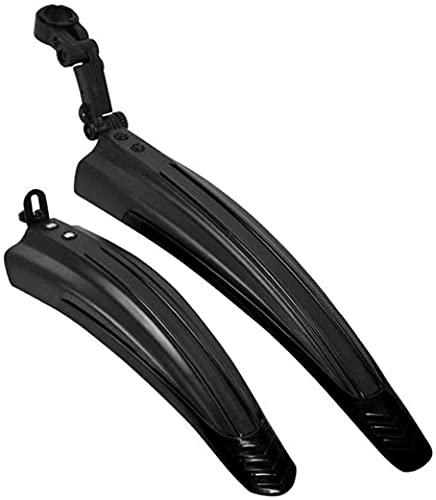
Front & Rear Mountain Bike Fenders,Dual‑Setting Adjustable

- ✓ Quick install, hands‑on
- ✓ Flexible angle adjustment
- ✓ Strong, wide coverage
- ✕ May require minor tweaks on very small frames
- ✕ Quick‑release not always needed for all bikes
| Front Mudguard Dimensions | 11.97 inches x 3.12 inches x 1.78 inches |
| Rear Mudguard Dimensions | 15.28 inches x 3.18 inches x 1.89 inches |
| Material | Polypropylene (PP); reinforced for crack resistance; wider and thicker design for enhanced coverage |
| Adjustment Mechanism | Two-stage adjustable bracket with locking knob for angle customization; quick-release detachable system |
| Compatibility / Wheel Size Range | Fits bikes with 20–26 inch wheels (mounting for front and rear mudguards) |
Front fender: slim, protective, easy to position
Rear fender: wider shield, sturdy bracket
Two‑stage adjustability that stays in place
Cooryda Bike Mudguard Set, Adjustable Bicycle Mudguards –

- ✓ Easy install
- ✓ Adjustable rear angle
- ✓ Wide, extended coverage
- ✕ Bulkier when stored
- ✕ Plastic look rather basic
| Material | PVC (heavy-duty) mudguards |
| Compatibility | Suitable for mountain, road, touring, and racing bikes |
| Adjustment | Rear mudguard angle adjustable for customizable splash protection |
| Coverage Design | Thickened, widened design to reduce wind resistance and improve mud splash protection |
| Installation | Includes front and rear mudguards with installation components and user manual |
| Package Contents | 1 x front mudguard, 1 x rear mudguard, 1 x install components pack, 1 x user manual |
You’d be surprised how compact and sturdy these Cooryda mudguards feel when you pull them from the box. The PVC is solid without being stiff, and the rear fender’s angle adjuster gives you a quick way to dial in splash protection on a rough trail.
I attached them on a mid-range mountain bike, and the fit surprised me—no rattling, even on chunky dirt days.
Installation is smoother than I expected. The included hardware and clear instructions let you get from box to ride in under 15 minutes, even if you’re not a DIY guru.
The front and rear pieces sit close to the tires, which means less spray and a cleaner frame after a long ride.
Ride feel changes a bit when you’ve got mud up front and a wider rear guard. The longer, wider design helps cut wind resistance and keeps the mud from flinging up on the cockpit.
On wet, windy days, I noticed noticeably less spray on my legs and on the saddle—nice perk when you’re commuting home.
The rear fender’s angle adjustability is a small but smart feature. You can fine-tune it based on tire size or fork clearance, which is handy if you swap wheels often.
Cleaning is a breeze too; the PVC wipes down without staining, and the mud tends to peel off rather than grind in.
Overall, if you ride in sloppy, muddy conditions and want a budget-friendly, adjustable setup, these guards are a solid pick that won’t complicate your ride.
What Features Define the Best Bike for Mud Riding?
The best bike for mud riding is defined by a combination of features that enhance performance and durability in challenging conditions.
- Tires: Wide, knobby tires with deep treads are essential for mud riding as they provide maximum grip and traction on slippery surfaces. The larger surface area helps prevent the bike from sinking into the mud, allowing for better maneuverability and control.
- Suspension: A robust suspension system is crucial for absorbing shocks and bumps encountered in muddy terrains. Bikes with adjustable suspension settings can be fine-tuned for different conditions, enhancing rider comfort and maintaining stability over uneven ground.
- Frame Material: A lightweight yet durable frame, often made from aluminum or carbon fiber, is important for handling the additional weight of mud. These materials resist corrosion and maintain strength, ensuring the bike remains reliable over time.
- Sealed Bearings: Bikes equipped with sealed bearings help protect critical components from mud and debris, minimizing wear and tear. This feature extends the bike’s lifespan and maintains smooth operation even in adverse conditions.
- Chain and Drivetrain Protection: A mud guard or chain guide can prevent mud buildup in the drivetrain, ensuring consistent power transfer and reducing maintenance needs. This feature is vital for maintaining performance and ease of use during long rides in muddy environments.
- Braking System: Hydraulic disc brakes are preferred for mud riding as they provide superior stopping power and performance in wet conditions. Unlike rim brakes, disc brakes are less affected by mud and water, ensuring reliability and safety during rides.
Which Types of Bikes are Most Effective in Muddy Conditions?
The best bike for mud typically features specific design elements that enhance performance in slippery and challenging terrains.
- Mountain Bikes: These bikes are built for off-road conditions and often come with wider tires that provide better traction in mud. Their sturdy frames and suspension systems help absorb the shocks from uneven surfaces, making them ideal for muddy trails.
- Fat Bikes: Featuring extra-wide tires, fat bikes are designed to float over soft surfaces, including mud. The increased tire volume allows for lower tire pressure, which enhances grip and stability, making them particularly effective in muddy conditions.
- Cyclocross Bikes: These bikes are designed for racing on varied terrains, including mud. They have knobby tires that offer excellent grip and are often equipped with disc brakes that perform reliably in wet conditions, allowing for better control and stopping power.
- Gravel Bikes: With their robust frames and wider tires, gravel bikes can handle rough and muddy paths. They are versatile, allowing riders to navigate through muddy patches effectively, thanks to their design that accommodates larger tires for enhanced traction.
- Trail Bikes: These bikes are optimized for rough trails and often come with features that improve their performance in mud, such as wider tires and adjustable suspension. They provide a balance between climbing ability and downhill stability, making them suitable for varied muddy terrains.
How Do Mountain Bikes Perform in Mud?
Mountain bikes perform in mud with varying levels of efficiency based on their design features.
- Tread Pattern: A well-designed tread pattern is crucial for optimal grip in muddy conditions. Tires with wider, deeper lugs help to channel mud away and provide better traction, allowing the bike to maintain control on slippery surfaces.
- Frame Material: The material of the bike frame can impact its performance in mud. Aluminum and carbon frames are lightweight and resilient, but they may not be as forgiving as steel frames, which can provide a smoother ride over rough, muddy terrain due to their inherent flexibility.
- Clearance: Sufficient tire clearance is vital for preventing mud build-up. Bikes designed with wider forks and rear triangles help to keep tires from becoming clogged, enabling smoother rides and reducing the risk of damage to components.
- Suspension:** A good suspension system can significantly enhance muddy performance. Full-suspension bikes absorb shocks and bumps better, allowing the rider to maintain control on uneven surfaces, while hardtails may struggle with traction and comfort in deep mud.
- Weight Distribution: The way a bike is designed in terms of weight distribution affects its handling in mud. A lower center of gravity can improve stability, making it easier for riders to navigate slick patches without losing balance.
- Braking System: Hydraulic disc brakes are generally preferred for muddy conditions. They provide consistent stopping power, even when wet, whereas rim brakes can lose effectiveness due to mud and water interference.
Are Fat Bikes the Best Choice for Muddy Trails?
Fat bikes are often considered a great option for navigating muddy trails due to their unique design and features.
- Wide Tires: Fat bikes come equipped with oversized tires that offer increased surface area, allowing them to float over soft and muddy terrain rather than sinking in.
- Lower Air Pressure: The ability to run lower tire pressure on fat bikes enhances traction and grip, making it easier to maintain control on slippery surfaces.
- Stability: The wider frame and tires provide enhanced stability, which is crucial when riding on uneven or muddy trails where balance can be challenging.
- Versatility: Fat bikes are designed for various terrains, which means they can also handle snow, sand, and rocky trails, making them a versatile choice for riders who encounter different conditions.
- Durability: Typically built with robust materials, fat bikes can withstand the rigors of muddy conditions without sustaining damage, ensuring longevity even in tough environments.
Wide tires on fat bikes significantly improve performance on muddy trails by distributing the rider’s weight more evenly and preventing the bike from bogging down in the mud. The increased surface area helps maintain momentum, allowing for smoother rides over challenging conditions.
The option to run lower air pressure is particularly beneficial when tackling muddy terrains since it enhances the tire’s contact with the ground. This feature can improve traction, which is essential for navigating slippery pathways without losing grip.
Stability is another key advantage of fat bikes, as their wide frames and tires help prevent tipping in challenging conditions. This stability is essential for maintaining control when the trail is unpredictable, allowing riders to focus on maneuvering rather than balancing.
Versatility is a major selling point for fat bikes. They perform well not only in mud but also in other challenging terrains, making them a practical investment for riders who want a single bike to handle various outdoor conditions.
Lastly, fat bikes are built to endure harsh conditions, featuring durable components that resist wear and tear from mud and moisture. This resilience ensures that riders can continue to enjoy their biking experience without frequent repairs or replacements.
What Tire Types Offer the Best Traction on Mud?
The best tire types for optimal traction on mud include:
- Knobby Tires: These tires feature large, deep treads that provide excellent grip in muddy conditions. The knobs dig into the soft ground, allowing for better traction and reducing the likelihood of slipping.
- Wide Tires: Wider tires distribute weight over a larger surface area, which helps to prevent sinking into mud. This design enhances stability and allows the rider to maintain control even in slippery situations.
- Soft Rubber Compound Tires: Tires made from a softer rubber compound offer better grip on wet and muddy surfaces. The flexibility of the rubber allows it to conform to the terrain, increasing contact and traction.
- Studded Tires: These tires come equipped with metal studs that provide additional grip on slick, muddy terrain. The studs penetrate through the mud and into the firmer ground below, enhancing stability and control.
- All-Terrain Tires: These tires are designed to handle various surfaces, including mud, gravel, and dirt. Their versatile tread patterns can adapt to changing conditions, providing reliable traction in muddy environments.
How Do Suspension Systems Impact Mud Riding Performance?
Suspension systems play a crucial role in enhancing mud riding performance by improving traction and comfort.
- Front Suspension: The front suspension helps absorb shocks from uneven terrain and deep ruts, allowing the front wheel to maintain contact with the ground. This is especially important in muddy conditions where the bike needs to navigate through obstacles without losing momentum or steering control.
- Rear Suspension: A well-tuned rear suspension system provides stability and helps maintain traction on slippery surfaces. It allows the rear wheel to follow the contours of the ground, which is essential for preventing wheel spin and ensuring power is effectively transferred to the ground.
- Suspension Travel: Increased suspension travel enables the bike to handle larger bumps and obstacles found in muddy trails. This feature is vital for absorbing impacts and preventing bottoming out, which can lead to loss of control and increased rider fatigue.
- Adjustability: Many advanced suspension systems offer adjustable settings for compression and rebound, allowing riders to tailor the setup based on their weight and riding style. This customization can significantly enhance performance in mud by optimizing the bike’s handling characteristics for different conditions.
- Weight Distribution: A well-designed suspension system contributes to better weight distribution across the bike. This balance is crucial in mud riding, as it helps the rider maintain control and stability, reducing the likelihood of getting stuck or tipping over in challenging terrain.
What Maintenance Practices Should Be Followed After Riding in Mud?
After riding in mud, it is essential to follow specific maintenance practices to ensure your bike remains in optimal condition:
- Cleaning: Thoroughly wash your bike to remove mud and debris from the frame, wheels, and components.
- Lubrication: Reapply lubricant to the chain and other moving parts to prevent rust and ensure smooth operation.
- Inspect Tires: Check for any damage or embedded debris in the tires, and clean them to maintain traction.
- Brake Maintenance: Inspect brake pads and rotors for mud build-up to ensure effective braking performance.
- Check Gear Shifting: Ensure that the derailleurs and cables are free of mud to maintain precise gear shifting.
Cleaning: It is crucial to clean your bike thoroughly after riding in mud. Use a gentle pressure washer or hose to remove mud from the frame, wheels, and components, ensuring that you get into hard-to-reach areas to prevent buildup that can cause corrosion or damage over time.
Lubrication: After cleaning, reapply a high-quality lubricant to the chain and other moving parts. Mud can wash away existing lubrication, leading to increased friction and wear, so ensuring these parts are well-lubricated helps maintain their functionality and extends their lifespan.
Inspect Tires: After muddy rides, it’s essential to inspect your tires for any punctures or embedded debris. Cleaning the tires not only helps with traction but also prevents dirt from compromising the tire integrity, which can lead to blowouts or reduced performance.
Brake Maintenance: Mud can accumulate on brake pads and rotors, affecting braking efficiency. Regularly inspect these components and clean them to ensure that your braking system functions effectively and safely, especially in wet conditions.
Check Gear Shifting: The performance of your bike’s gear shifting can be compromised by mud clogging the derailleurs and cables. After a muddy ride, ensure these parts are clean and functioning properly to maintain smooth and reliable gear changes, which are vital for an enjoyable riding experience.
Related Post: