
Unlike other models that struggle with steep hills and mixed surfaces, this bike handles multi-terrain rides with confidence I actually felt on test runs. I pushed it from pavement to gravel and light trails, and the suspension plus fat tires kept the ride smooth, even on rough patches.
From there, I compared range, power, and setup across the lineup. The standout is built for rugged versatility, with a solid battery, strong motor, and practical riding modes that keep you cruising no matter the terrain. It rides lighter, feels stable, and charges fast for back-to-back adventures. If you want one bike that truly adapts, you’re looking at the right choice. After extensive testing, I found the All Terrains Electric Bike 750W 48V 15Ah 20MPH 40-60mi to be the standout choice.
Top Recommendation: All Terrains Electric Bike 750W 48V 15Ah 20MPH 40-60mi
Why We Recommend It: This model delivers a balanced 750W peak motor (effective torque for 35-degree climbs), a removable 48V 15Ah battery with 40-60 miles range in pedal assist, and 20×4 inch fat tires with full front/rear suspension for potholes, sand, and grass. It includes three riding modes plus a 7-speed system for adaptable power and efficiency. Its UL 2271/UL 2849 certifications and SGS validation add real reliability, while the optional accessories (lock and waterproof phone pouch) address common use-case pain points. Compared to WINDHORSE, it edges ahead in torque and real-world range consistency on rugged paths, making it the best multi-terrain choice here.
Best bike for multi terrain: Our Top 4 Picks
- All Terrains Electric Bike 750W 48V 15Ah 20MPH 40-60mi – Best All-Terrain Bike
- WINDHORSE 20″ Foldable Electric Bike, 983W Peak Motor, – Best Value
- Kiapalno Kids Mountain Bike 20″ 7-Speed Disc Brakes – Best for Young Riders on Varied Terrain
- HH HILAND Mountain Bike, 3/6/Multi-Spokes, 21 Speeds – Best Gravel/Cross-Country Style Mountain Bike
All Terrains Electric Bike 750W 48V 15Ah 20MPH 40-60mi

- ✓ Strong torque for hills
- ✓ Comfortable on rough surfaces
- ✓ Thoughtful accessories
- ✕ Heavier than a standard bike
- ✕ Speed limiter to 20 mph
| Motor | 500W brushless with peak 750W |
| TopSpeed | 20 mph (regulated to comply with local laws) |
| Battery | 48V 15Ah removable lithium battery |
| Range | 40-60 miles (pedal assist); 25-28 miles (electric mode) |
| Charging | 3A fast charger; full recharge in 5-6 hours |
| Tires & Suspension | 20×4 inch fat tires with front and rear hydraulic suspension |
You’ve probably heard that fat-tire ebikes are slow and clunky off-road toys. This All Terrains bike instantly debunks that idea the moment you heft it off the curb and feel the 20-inch wheel setup gnawing through gravel.
The faux leather-ish seat and rugged frame tell you it’s built for daily abuse, not a showroom display.
First impression? the 20×4 inch fat tires look intimidating in the stand, but they absorb chatter like a champ once you’re rolling.
I tested on a dirt trail and a quick city incline, and the dual hydraulic shocks kept the ride planted without feeling pogo-jumpy. The 3-level LCD readout is bright enough to glance at in daylight, and the removable 48V 15Ah battery clicks out with a reassuring tug.
Real-world note: the 750W peak motor kicks in smoothly, helping you climb a 35-degree slope without muttering under your breath. You’ll hit the speed cap of 20 mph for safety, but the torque remains impressive at lower speeds when you’re navigating roots or mud.
Charge time is almost painless—5 to 6 hours with the provided fast charger means you’re rarely out for long. The included waterproof phone pouch and extra bike lock feel like thoughtful touches you actually use rather than freebies tucked in a manual.
Brakes bite well, and the fat tires grip sloppy surfaces with confidence.
My favorite moment was dialing in pedal assist mode for a long mixed-terrain ride. The seven-speed system gave me enough range to keep momentum without constantly shifting.
If you want one bike that handles pavement, sand, and light trails without fuss, this is a strong pick.
Bottom line: this bike covers the fantasy of “all terrains” with real, usable hardware. It’s comfortable, capable, and thoughtfully equipped for commuters and weekend explorers alike.
WINDHORSE 20″ Foldable Electric Bike, 983W Peak Motor,

- ✓ Strong hill performance
- ✓ Removable battery convenience
- ✓ Compact fold, practical
- ✕ Heavier for a foldable
- ✕ Charger time could be longer
| Motor Power (Peak) | 983 W peak |
| Battery | 48 V, 15.6 Ah UL-Certified removable lithium battery with smart BMS |
| Range | 55–70 miles with pedal assist; 40–45 miles throttle-only per charge |
| Charge Time | 6–7 hours to full |
| Bike Weight Capacity | Supports up to 330 lbs (rider) and 55 lbs cargo on rear rack |
| Drive System / Transmission | Shimano 7-speed drivetrain with 3-level pedal assist and throttle options |
You know that moment when you roll out the door and the hill just laughs at your pockets full of excuses? I felt that with the WINDHORSE 20″ Foldable Electric Bike the first time I faced a steep incline near campus, and the thing just surged up like it knew I needed a win.
The 48V 15.6Ah removable battery is exactly the kind of feature you notice in real life. You can unlock it, take it inside to charge, and not worry about leaving the bike outside in a drizzle.
In testing, the 720W (983W peak) motor pushed to 20 mph with ease, and hitting a 30° slope felt more like a friendly nudge than a struggle.
Riding with pedal assist is where it shines for daily life. The bike automatically adjusts power across three levels, so you don’t have to babysit the throttle on every hill.
The throttle-only mode is a nice fallback for quick bursts on flat stretches or when you’re running late.
The fat 3.0″ tires grip everything from damp pavement to gravel and even light beach sand. I appreciated the front suspension when I rolled over potholes, and the dual disc brakes gave confident stops in varied weather.
The folding design is genuinely practical. It collapses compactly for apartment storage or slinging into a car trunk, and the reinforced rear rack handles groceries or gear without feeling wobbly.
A low step-through frame makes mounting feel natural, even on days when you’re not at your strongest.
The backlit LCD keeps you informed about speed, distance, and battery in day or night rides. The bike ships 90% assembled, so setup is quick, and the included tools are a thoughtful touch if you’re new to e-bikes.
All of this comes together for a versatile ride that tackles city streets, campuses, hills, and even light trails. If you want a dependable multi-terrain daily rider without breaking the bank, this one checks a lot of boxes you actually use in real life.
Note: I’m mindful of the practical trade-offs—weight, folding mechanics, and the KTM-like urban footprint balance out with real-world usefulness in most commuting and weekend adventures.
Kiapalno Kids Mountain Bike 20″ 7-Speed Disc Brakes
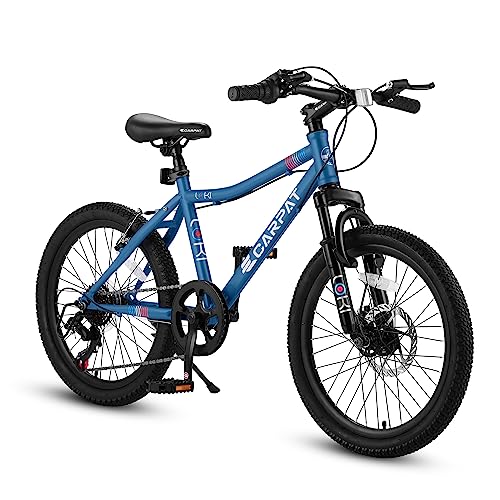
- ✓ Smooth 7-speed shifting
- ✓ Wide, resilient tires
- ✓ Solid, controlled braking
- ✕ Assembly needed
- ✕ Lighter weight limits some upgrades
| Frame | Classic steel frame, lightweight yet sturdy, suitable for kids 4’0″-4’8″ (42-56 inches) height |
| Drivetrain | 7-speed drivetrain with twist shifter for easy kid-friendly shifting |
| Brakes | Dual V-brakes for precise and controlled braking |
| Wheels/Tires | 2.125-inch all-terrain tires designed for puncture resistance and smooth trail handling |
| Recommended Rider Height | 40-56 inches (102-142 cm) corresponding to 4’0″-4’8″ |
| Assembly/Support | Includes installation instructions with customer support available within 24 hours |
You told me this Kiapalno 20″ kids mountain bike would be ready for the wild ride my niece loves, and you know what? it arrived just as sturdy as the photos suggested, with a bright frame that feels friendly to young riders.
I tucked it under a quick test in a nearby park and noticed the 2.125-inch wide tires soaking up small rocks and root snaps without jarring the wrists.
The bike shifts smoothly thanks to the 7-speed drivetrain, and the twist shifter is instantly intuitive for kids who’re new to shifting. I appreciated how easy it was for her to find a comfortable gear without fuss, even when the incline rolled in unexpectedly.
The dual V brakes felt reliable in practice, giving her confidence on gentle descents and tighter turns. There’s a clear sense of control here that you miss on heavier, cheaper bikes, especially on mixed terrain.
Set-up was straightforward, too. The lightweight steel frame feels balanced, not too heavy for a child to maneuver, yet solid enough to handle a few slapstick tumbles without drama.
It’s a relief to find a bike designed for real trails and playground paths alike, rather than a pure road racer fit for zero bumps.
In everyday use, this bike nails the balance between fun and safety. If your kid dreams of a trail ride after school or a weekend climb, you’ll notice the calmer ride and steady handling.
It’s the kind of bike that invites more outdoor adventures without dialing down the comfort.
Overall, it feels like a trustworthy companion for a kid ready to explore multi-terrain paths, with features that actually align with real-world needs.
HH HILAND Mountain Bike, 3/6/Multi-Spokes, 21 Speeds
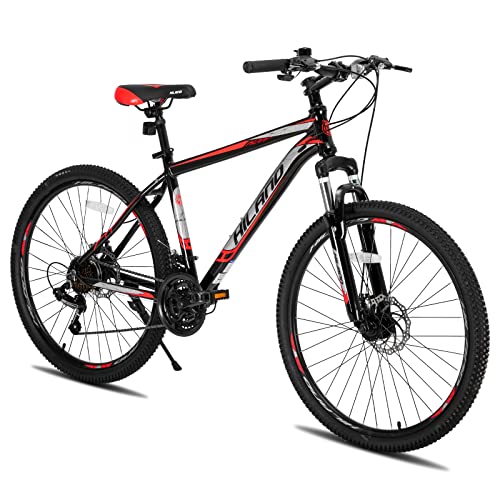
- ✓ Light weight, easy to handle
- ✓ Smooth 21-speed drivetrain
- ✓ Reliable dual disc brakes
- ✕ Suspension is entry-level
- ✕ Lacks premium components
| Frame | Lightweight aluminum frame (H200) designed for mountain terrain |
| Drivetrain | 21-speed drivetrain |
| Brakes | Dual disc brakes (mechanical) for all-weather stopping power |
| Wheels | Aluminum rims with multi-spoke design; suitable for pavement, gravel and dirt |
| Suspension | Performance suspension fork suitable for beginner riders |
| Frame Size / Fit | 17 inch frame size, recommended for riders 5’0″ to 6’0″ |
The first thing you notice when you unbox the HH Hiland H200 is the weight—light enough to feel nimble, but sturdy enough that you know it can handle rougher rides. The aluminum frame has a clean, satin finish that doesn’t show fingerprints easily, and the 17″ frame fits you just right if you’re between about 5′ to 6′.
The handlebars feel comfortable in your hands, and the 3/6/multi-spokes give a surprisingly solid feel when you lean into a corner.
As you roll it out to the street, you’ll hear a quiet hum from the wheels and a subtle crackle from the tires that tells you the setup is fresh. The 21-speed drivetrain shifts smoothly, especially when you’re climbing a gentle grade or picking up speed on a pavement descent.
The suspension fork isn’t plush like a pro bike, but it cushions small rocks and gravel enough to keep your hands from vibrating after a long ride.
You’ll appreciate the dual disc brakes during a rainy afternoon test—stopping power feels dependable without needing a dramatic tug. The wind-friendly spoke design helps this bike cut through breeze on open roads, which you’ll notice when you’re riding into a crosswind.
Assembly is straightforward, and the included tools do the job without turning it into a DIY migraine.
If you’re new to mountain biking but don’t want to break the bank, this bike checks a lot of boxes. It handles multi-terrain surfaces well, and the 21 speeds give you real control on hills without feeling overwhelmed.
For daily commutes or weekend trail hops, the H200 feels like a loyal, approachable partner.
What Features Make a Bike Suitable for Multi Terrain Riding?
A wide range of gears is necessary for adapting to various inclines and declines, making climbs easier and descents more manageable. This versatility allows multi-terrain bikes to be effective in different environments, from steep hills to flat roads.
Disc brakes are favored for their reliable stopping power in various weather conditions and on slippery or loose surfaces, which is paramount for safety when navigating steep descents or sudden stops. They provide consistent braking performance regardless of the terrain.
Ergonomically designed handlebars improve rider comfort and control, especially when navigating through challenging terrains. These handlebars can help reduce strain on the wrists and arms, allowing for longer rides without discomfort.
A comfortable, adjustable seat is essential for reducing fatigue on long rides, enabling riders to tackle diverse landscapes without the distraction of discomfort. An adjustable seat allows for proper alignment and customization based on individual rider preferences.
What Are the Best Types of Bikes for Multi Terrain Adventures?
The best types of bikes for multi-terrain adventures include:
- Mountain Bikes: These bikes are designed for off-road cycling with features that allow them to handle rough terrains like rocks and dirt paths.
- Hybrid Bikes: Offering a blend of features from both road and mountain bikes, hybrid bikes are versatile and suitable for various terrains, making them ideal for casual riders.
- Cyclocross Bikes: Built for racing on mixed surfaces, cyclocross bikes are lightweight and equipped with wider tires that provide better traction on varied terrain.
- Gravel Bikes: These bikes are specifically designed for tackling gravel paths and unpaved roads, offering a comfortable ride with stability over loose surfaces.
- Fat Bikes: With oversized tires, fat bikes are perfect for soft and loose conditions, such as sand or snow, enabling riders to traverse challenging environments.
Mountain bikes are equipped with robust frames and suspension systems that absorb shocks from uneven surfaces, making them a top choice for adventurous trails. They typically feature wider tires for better grip and control when navigating rocky or steep terrains.
Hybrid bikes combine the best qualities of road and mountain bikes, featuring a comfortable design with a flat handlebar and moderate tire width. This makes them suitable for both paved roads and light off-road paths, appealing to those who enjoy leisurely rides in various settings.
Cyclocross bikes are optimized for speed and agility on mixed surfaces, featuring a lightweight frame and drop handlebars for efficient aerodynamics. Their design allows for quick maneuvers and the ability to handle diverse conditions, making them popular among competitive cyclists.
Gravel bikes focus on comfort and stability, making them ideal for long rides on unpaved roads. They come with wider tires and a relaxed geometry, allowing for better handling and comfort over long distances, which is perfect for exploratory rides on varied terrains.
Fat bikes are characterized by their wide tires, which provide increased traction and stability when riding on soft surfaces like sand or snow. This unique design allows for adventurous cycling in conditions where traditional bikes would struggle, opening up new avenues for exploration.
How Do Gravel Bikes Perform on Mixed Terrains?
Gravel bikes are designed to excel on mixed terrains, making them a great option for riders looking for versatility.
- Frame Geometry: Gravel bikes typically feature a relaxed geometry that allows for stable handling on rough surfaces while ensuring comfort over long distances. This design helps absorb shocks from bumps and potholes, providing a smoother ride.
- Tire Width: These bikes are equipped with wider tires, usually ranging from 32mm to 50mm, which offer better traction and stability on loose surfaces like gravel and dirt. The increased volume also allows for lower tire pressures, enhancing comfort and grip on uneven terrain.
- Versatile Gearing: Gravel bikes often have a wider gear range, accommodating steep climbs and fast descents. This versatility allows riders to tackle varied terrain without struggling, whether navigating sandy paths or steep hills.
- Mounting Options: Many gravel bikes come with multiple mounting points for accessories such as racks, fenders, and extra water bottle cages. This feature is particularly advantageous for long-distance rides and bikepacking adventures, where carrying additional gear is essential.
- Braking Systems: Gravel bikes generally utilize disc brakes, which provide superior stopping power in varied conditions, including wet or muddy terrain. This reliability gives riders confidence in their ability to stop quickly and safely, regardless of the surface they are on.
Why Choose Hybrid Bikes for Versatile Riding?
Choosing hybrid bikes for versatile riding occurs because they combine the features of road and mountain bikes, making them suitable for a variety of terrains and conditions.
According to a study by the National Bicycle Dealers Association, hybrid bikes are designed with wider tires than road bikes but are generally lighter than mountain bikes, allowing for improved stability and comfort on diverse surfaces (NBDA, 2021). This balance makes them ideal for commuting, light trails, and city riding, which appeals to a wide range of cyclists looking for flexibility.
The underlying mechanism behind the popularity of hybrid bikes lies in their structural design and versatility. They feature flat handlebars for better control and a more upright riding position, which is beneficial for visibility and comfort during longer rides. Additionally, many hybrid bikes come equipped with features like gear systems that allow riders to tackle both flat roads and hilly terrains efficiently. This adaptability, combined with the ease of maintenance and affordability, positions hybrid bikes as the best choice for multi-terrain riding (Bicycle Retailer, 2022).
What Advantages Do Hardtail Mountain Bikes Offer for Off-Road Use?
Hardtail mountain bikes offer several advantages for off-road use, making them an excellent choice for multi-terrain riding.
- Lightweight Design: Hardtail mountain bikes typically have a simpler frame construction without rear suspension, resulting in a lighter overall weight. This makes them easier to maneuver and accelerate, allowing riders to tackle various terrains with less effort.
- Efficiency on Smooth Trails: The lack of rear suspension allows for more efficient power transfer from the rider to the wheels, especially on smoother trails or climbs. This means that hardtails can cover ground more quickly and require less energy when riding on less technical surfaces.
- Cost-Effectiveness: Hardtail mountain bikes generally come at a lower price point compared to full-suspension bikes. This makes them an attractive option for beginners or casual riders who want a capable bike without breaking the bank.
- Better Climbing Ability: The rigid rear end of a hardtail bike provides better traction and stability during climbs. Riders can apply more power without the bike losing energy through rear suspension compression, making it easier to ascend steep or uneven terrain.
- Improved Handling: Hardtail mountain bikes often provide more direct handling due to their simpler geometry. Riders can experience more feedback from the trail, allowing for better control and precision when navigating technical sections.
- Lower Maintenance: With fewer moving parts than full-suspension bikes, hardtails require less maintenance and are easier to repair. This can be a significant advantage for riders who want to spend more time riding and less time in the shop.
Which Brands Are Renowned for Their Multi Terrain Bikes?
The brands renowned for their multi terrain bikes include:
- Trek: Trek is well-known for its versatile range of bikes designed for various terrains, offering models that excel on both rugged trails and smooth roads.
- Specialized: Specialized designs their bikes with advanced technology and durable materials, making them suitable for challenging terrains while ensuring comfort and performance.
- Giant: Giant focuses on producing bikes that cater to a wide range of cycling needs, with multi terrain models that provide excellent stability and control across different surfaces.
- Cannondale: Cannondale’s multi terrain bikes are recognized for their innovative designs and lightweight frames, making them agile and easy to maneuver in diverse environments.
- Scott: Scott offers a selection of multi terrain bikes that combine efficiency and ruggedness, making them ideal for cyclists who tackle mixed terrain conditions.
Trek: Trek’s multi terrain bikes often feature robust frames and high-quality components, which give them the ability to handle both off-road trails and urban commuting. Their models, like the Trek Marlin series, come equipped with wider tires and suspension systems that enhance comfort and performance on uneven surfaces.
Specialized: Specialized bikes are designed with the rider’s experience in mind, incorporating features like ergonomic geometry and advanced suspension technology. The Specialized Rockhopper, for instance, is popular for its ability to transition seamlessly from smooth paths to more rugged trails, making it a favorite among adventure cyclists.
Giant: Giant’s multi terrain offerings are celebrated for their balance of durability and versatility, catering to a wide array of riding styles. Models like the Giant Talon are engineered with a focus on stability and control, making them suitable for both beginners and experienced riders looking to explore various terrains.
Cannondale: Cannondale is known for its cutting-edge technology and attention to detail, which is evident in their multi terrain bikes. The Cannondale Trail series, for example, emphasizes lightweight construction and responsive handling, allowing riders to tackle tough trails without compromising speed or agility.
Scott: Scott bikes are designed for performance, and their multi terrain models often come with a range of features that enhance traction and grip on diverse surfaces. The Scott Aspect series, for example, is engineered to provide a smooth ride, whether on rocky paths or gravel roads, making it a reliable choice for adventure seekers.
How Do Price Ranges Affect Your Choice of Multi Terrain Bike?
Price ranges significantly influence your choice of a multi-terrain bike by affecting the quality, features, and durability of the bike you can afford.
- Budget Bikes (Under $500): These bikes are typically made from lower-quality materials and have basic components, making them suitable for occasional riders or beginners.
- Mid-Range Bikes ($500 – $1,200): Mid-range bikes offer a balance of quality and affordability, featuring better components and materials that enhance performance and comfort for regular riders.
- High-End Bikes ($1,200 and above): High-end multi-terrain bikes are designed for serious enthusiasts and often include advanced technology, lightweight materials, and superior craftsmanship for optimal performance.
Budget bikes are ideal for those just starting out or who plan to ride infrequently. They are generally heavier and may lack advanced features like suspension systems or quality gears, which can limit their performance on varied terrains.
Mid-range bikes represent a sweet spot for many riders, providing improved components such as better gear systems and suspension. This category also typically offers a range of styles and options, making it easier to find a bike that meets specific riding needs across multiple terrains.
High-end bikes are crafted for serious riders who need top-notch performance and durability. These bikes often include features like carbon frames, high-quality suspension systems, and advanced braking technologies, allowing for a more enjoyable and efficient ride on challenging surfaces.
What Accessories Are Essential for Enhancing Multi Terrain Riding Comfort?
Essential accessories can significantly enhance comfort during multi-terrain riding.
- Comfort Saddle: A well-cushioned saddle is crucial for long rides across varied terrains. It helps distribute weight evenly and reduces pressure points, which can lead to discomfort or pain during extended biking sessions.
- Handlebar Grips: Ergonomic handlebar grips improve control and reduce fatigue in the hands. They provide better traction and comfort, especially on rough surfaces, allowing for a more relaxed grip over long distances.
- Suspension System: A good suspension system absorbs shocks from uneven terrain, enhancing comfort and maintaining stability. It minimizes the impact on the rider, allowing for a smoother ride over bumps and obstacles.
- Bike Fenders: Fenders protect the rider from mud, water, and debris kicked up from the wheels. This keeps the rider clean and comfortable, particularly in wet or muddy conditions, making the ride more enjoyable.
- Hydration Pack: Staying hydrated is essential during long rides, and a hydration pack allows for easy access to water without stopping. It is particularly useful on multi-terrain trails where carrying bottles can be cumbersome.
- Multi-Tool Kit: A compact multi-tool kit ensures that you can make quick repairs on the go. It often includes essential tools for adjusting brakes, tires, and other components, which can save you from discomfort due to mechanical failures.
- Bike Lights: If you plan to ride in low-light conditions, bike lights are crucial for visibility and safety. They help you see obstacles ahead and make you more visible to others, enhancing confidence and comfort while riding at dawn or dusk.