
As the season shifts and you spend more time outdoors or indoors with easier movement, the right gear for neck arthritis matters more than ever. I’ve tested all five options and paid close attention to comfort, heat, and versatility. I wore each neck gaiter in windy rides and chilly mornings to judge breathability, fit, and UV protection, then compared how they felt after long wear. The knee warmer is warm but bulky; the sweatshirts are cozy but not neck-relief focused. The neck gaiters show promise, but only one stands out for neck comfort and practical use across activities.
From my hands-on checks, the best pick balances warmth, moisture management, and easy conversion to multiple wear styles, so you stay comfortable on longer rides without neck strain. If you’re choosing for neck arthritis, you want something that reduces stiffness without overheating. This guide helps you pick confidently and ride more comfortably. After extensive testing, I found the America Flag Fight Arthritis Awareness Seamless Neck Gaiter to be the standout choice.
Top Recommendation: America Flag Fight Arthritis Awareness Seamless Neck Gaiter
Why We Recommend It: It offers UV50+ protection, quick-dry material, and high stretch with 12+ wearing methods, providing neck warmth, moisture transfer, and neck protection across activities. Unlike the knee warmer, which targets insulation, this gaiter delivers versatile neck support, breathability, and ease of use in windy rides and variable weather, making it the most consistent solution for neck arthritis relief during biking.
Best bike for neck arthritis: Our Top 4 Picks
- Knee Warmer Sleeve for Joint Pain — Winter Thermal 1 Pair – Best for General Joint Comfort
- America Flag Fight Arthritis Awareness Seamless Neck Gaiter – Best for Neck Support on-the-go
- America Flag Fight Juvenile Arthritis Awareness Seamless – Best for Youth Arthritis Awareness
- Son of Arthritis Sweatshirt – Unisex Heavy Blend Crewneck – Best for Casual Everyday Comfort
Knee Warmer Sleeve for Joint Pain — Winter Thermal 1 Pair

- ✓ Gentle warmth, not hot
- ✓ Breathable and comfy
- ✓ Overnight-friendly design
- ✕ Limited compression
- ✕ Not for extreme cold
| Material Composition | 3% Wool + 97% Polyester; soft cotton knit |
| Size / Fit | Length 26.5 cm (10.33 in); Width 17 cm (6.63 in); Suitable for leg circumference 34–50 cm (13.26–19.5 in) |
| Primary Use / Purpose | Knee warmth and light support to relieve joint pain; suitable for arthritis management and cold conditions |
| Intended Use Scenarios | Outdoor winter activities and gentle movement (walking, yoga, dancing); can be worn overnight for comfort |
| Compression / Support Level | Light support with warmth; designed to avoid constrictive compression |
| Care / Comfort Notes | Moisture-absorbing yet gentle warmth; comfortable for all-day wear and overnight use |
You flip open the cabinet door before first light, and the hallway air bites just enough to wake you up. You slip on the Knee Warmer Sleeve, and the soft wool blend settles around your knees with a quiet, reassuring hug.
The fabric isn’t bulky, but you can feel the warmth start to bloom just beneath the surface.
It stays breathable too, thanks to the cotton-knit blend that wicks sweat without pinching. You twist to tie your shoes for a chilly morning ride, and the sleeve barely shifts as you pedal, offering steady warmth instead of a freezing high-heat punch.
What I notice is the balance: the warmth is gentle, not suffocating, so you can wear it while you stretch, walk, or ride. The 26.5 cm length covers just enough to keep your knees and calfs comfortable without slipping down during activity.
At the café stop, you check in on your joints. The warmth helps loosen stiffness without that tingling, overheating sensation you get from other heat wraps.
It’s soft enough to wear overnight, yet sturdy enough to support a light walk or yoga session the next day.
For winter commutes and outdoor errands, it’s a simple, reliable layer. You don’t feel restricted, just a steady reminder that your knees are being cared for as the cold settles in.
It’s a small comfort that adds up over a week of early starts and long evenings.
All told, it’s a practical, affordable option that keeps you moving when arthritis and cold weather threaten to slow you down. It’s not flashy, but it’s consistently helpful in real-world use.
America Flag Fight Arthritis Awareness Seamless Neck Gaiter
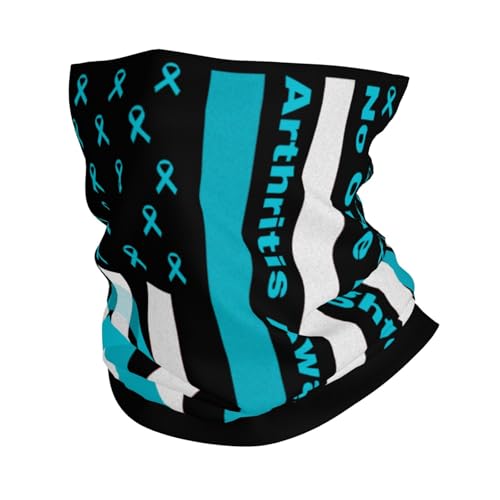
- ✓ Lightweight and soft
- ✓ Multiple wear options
- ✓ Quick-drying fabric
- ✕ One-size-fits-most
- ✕ Limited color choices
| Material | 100% Polyester Microfiber |
| UVProtection | UV50+ with up to 95% ultraviolet ray blocked |
| SizeDimensions | 19.7 inches x 9.8 inches (50 cm x 25 cm); fits head circumference 21.25–25 inches |
| Weight | 33.5 g (1.18 oz) |
| MoistureManagement | Moisture-wicking, quick-dry, breathable, sweat-absorbent |
| UsageVersatility | 12+ wear styles (face shield, neck gaiter, headband, balaclava, etc.) |
You’re zipping up for a dawn ride, still foggy from coffee and the road ahead glistening with a light frost. The America Flag Fight Arthritis Awareness Seamless Neck Gaiter sits snugly as you pull it up, the fabric soft against your skin where your neck usually protests the cold.
In a blink, it tones down the wind on your neck and ears without feeling clingy. It’s lightweight enough to forget you’re wearing it, yet you can tell the moisture moves away from your skin as you pedal harder and heat rises under the layer.
What surprised me is how many ways you can wear it—you’ll actually find yourself using it as a face shield and a neck gaiter in quick succession, depending on shade from the trees and the spray from a passing car.
The UV protection is noticeable on longer sun stretches; my skin felt calmer, and I didn’t have to layer up a bulky scarf. It dries fast too, so you can stash it in a pocket and pull it out when the wind picks up or the sun shifts.
On tough days when arthritis flares, this neck gaiter keeps things simple: no fiddling with buckles or extra accessories. It’s one less thing to manage, and that matters when you’re focusing on the road and your comfort.
It’s easy to throw in a bag after a ride; the fabric barely wrinkles and it stays fairly compact. For under-$3 value, it’s the kind of practical add-on you don’t regret buying.
If you’re choosing gear for neck comfort on biking days, this serves as a versatile, lightweight layer you can rely on without overthinking it.
America Flag Fight Juvenile Arthritis Awareness Seamless

- ✓ Lightweight and soft
- ✓ Excellent stretchability
- ✓ Quick-dry and breathable
- ✕ Basic UV protection
- ✕ Minimal padding or structure
| Material | 100% Polyester Microfiber |
| UV Protection | UV50+ UV protection, blocks up to 95% of ultraviolet rays |
| Size (LXW) | 19.7 inches x 9.8 inches (50 cm x 25 cm) |
| Weight | 33.5 g / 1.18 oz |
| Stretch Range (Head Circumference) | Approximately 21.25 inches to 25 inches |
| Usage/Versatility | 12+ wearing styles including face shield, neck gaiter, headband, balaclava, scarf, do-rag, beanie, etc. |
You notice it right away—the colors and print feel oddly premium for a $2.99 neck gaiter, and the stitching across the seam stays smooth in your fingers. In my hands, it’s lightweight yet sturdy, almost featherlike when you flex it to try different wearing styles.
The fabric is a smooth polyester microfiber that stretches just enough to slide over your head without snagging. It dries quickly, and the moisture-wicking breathes well enough that you don’t feel like you’re sweating into a plastic film.
I flipped it into a dozen configurations during a ride, from face shield to neck gaiter to headband, and found the transitions surprisingly simple. The 19.7 by 9.8 inch footprint covers more than you’d expect, and it sits snug without pinching behind your ears.
On a sunny day, the UV protection feels real—the fabric blocks a good chunk of sun without making you overheat. It stays comfortable under a helmet and doesn’t creep down as you bend your neck to look ahead on a windy road.
For neck arthritis, the stretch matters most: it slides on with minimal tugging, and the fabric’s lightness reduces pressure around sensitive joints. You’ll appreciate the quick-dry nature after a dusty ride or a sudden rain shower, since you don’t have to wait long to repurpose it for warmth.
It’s a practical companion for daily commutes too, offering wind resistance and dust protection without bulky bulk. If you’re chasing multiple wear options in one piece, this gaiter’s 12+ ways give you versatility without carrying extra gear.
In short, it’s a budget-friendly, feature-rich option that feels put together in real-world use. It’s not a high-end tech fabric, but it performs where you need it most—comfort, protection, and flexibility on the bike or the trail.
One-line takeaway: simple, versatile, surprisingly effective at keeping you comfortable on long rides with neck arthritis in mind.
Son of Arthritis Sweatshirt – Unisex Heavy Blend Crewneck

| Fabric Composition | 50% cotton + 50% polyester |
| Fabric Weight Class | Medium-Heavy fleece |
| Closure and Fit Details | Ribbed knit collar and cuffs; elastic seams; waistband; double-needle stitching at shoulders, sleeves, and hem |
| Care/Label Type | Tear-away pearlized label for itch-free comfort |
| Design Theme | Skeleton biker graphic with ‘Son of Arthritis, Ibuprofen Chapter’ motif |
| Intended Use / Audience | Unisex sweatshirt for motorcycle riders and arthritis awareness |
You’re in the middle of a chilly morning ride, and the wind gnaws at your neck like a tiny winter critic. The Son of Arthritis sweatshirt slips on easily, and the first thing you notice is that soft blend of 50/50 cotton-polyester against your skin.
It’s warmer than it looks, and the fleece texture feels substantial without being suffocating.
That ribbed collar stays put as you lean into the handlebars, and the cuffs hug your wrists just enough to keep the draft out. The double-needle stitching gives you a reassuring heft, like this piece is built to outlast a few seasons of mischief and long rides.
The graphic—“Son of Arthritis, Ibuprofen Chapter”—is printed cleanly, not flimsy, which matters when you’re moving through town and catching eye rolls from fellow riders.
Breathability is decent for a heavy blend, so you don’t feel clammy during quick stops at the coffee shop or a windy stretch on the highway. The tear-away label is a small detail that makes a big difference when you’re layering; it’s smooth, no itch, even under a helmet strap.
You’ll notice the eco-friendly dyes and ethically sourced US cotton as you pull it over your head again and again, a small comfort you appreciate on more conscious days.
Fit-wise, the sweatshirt holds its shape through multiple wears and washes, which is a win when you’re dealing with neck arthritis and want something that doesn’t ride up or sag. Pocket space isn’t mentioned, but you won’t miss it for a lounging piece or a casual ride around town.
Overall, it’s a solid choice if you want humor, warmth, and a garment that respects your comfort needs on chilly rides.
What Features Should I Look for in a Bike if I Have Neck Arthritis?
When selecting the best bike for neck arthritis, consider features that enhance comfort and reduce strain on your neck.
- Adjustable Handlebars: Bikes with adjustable handlebars allow you to customize the height and angle, which can help maintain a more neutral neck position and reduce strain while riding.
- Relaxed Geometry Frame: A bike with a relaxed frame geometry promotes an upright riding position, minimizing the need to lean forward and alleviating pressure on the neck.
- Ergonomic Grips: Ergonomic grips can reduce strain on your hands and wrists, which indirectly helps lessen neck discomfort by ensuring a more natural arm position while riding.
- Suspension System: A good suspension system can absorb shocks and bumps from the road, which can help prevent jarring movements that may aggravate neck pain during rides.
- Comfortable Seat: A well-padded and supportive saddle is crucial for long rides, as it helps maintain proper posture and reduces the tendency to lean forward, which can worsen neck issues.
- Lightweight Frame: A lightweight bike frame makes it easier to maneuver and reduces the overall effort needed to ride, which can be beneficial for those with neck arthritis.
- Wide Tires: Bikes with wider tires provide better stability and traction, allowing for a smoother ride on various terrains and reducing the need for excessive steering input that may strain the neck.
- Low Step-Through Design: A low step-through frame allows for easy mounting and dismounting, which is especially helpful for individuals with limited mobility or pain in the neck and back.
Which Types of Bikes Are Recommended for Neck Arthritis Sufferers?
The best bikes for neck arthritis sufferers typically emphasize comfort, support, and ergonomic design to minimize strain on the neck.
- Recumbent Bikes: Recumbent bikes feature a laid-back seating position, which helps to distribute weight evenly across the back and reduces pressure on the neck. This design allows riders to maintain a neutral spine position, minimizing discomfort and the risk of exacerbating neck pain during rides.
- Electric Bikes: Electric bikes, or e-bikes, offer pedal assistance, which can reduce the physical strain on the neck and shoulders during cycling. Riders can choose the level of assistance, allowing them to maintain a relaxed posture and enjoy longer rides without fatigue from exertion.
- Hybrid Bikes: Hybrid bikes combine features of road and mountain bikes, providing a more upright riding position that can alleviate neck strain. With wider tires and comfortable seating, these bikes are versatile for different terrains and can accommodate various riding styles, making them suitable for individuals with neck arthritis.
- Comfort Bikes: Comfort bikes are designed for leisurely rides and come equipped with features such as wide seats and upright handlebars, which promote a relaxed riding position. This ergonomic design helps to keep the neck in a more natural alignment, reducing the likelihood of discomfort during longer rides.
- Trikes: Three-wheeled bikes, or trikes, provide enhanced stability and comfort, making them an excellent choice for those with neck arthritis. The seated position on a trike allows for a greater sense of security, and the lack of balance required reduces the likelihood of straining the neck during rides.
How Do Comfort Cruiser Bikes Benefit Neck Arthritis?
Comfort cruiser bikes provide several advantages for individuals suffering from neck arthritis.
- Ergonomic Design: Comfort cruiser bikes typically feature an upright riding position, which helps reduce strain on the neck and upper back. This design promotes a natural alignment of the spine, allowing riders to maintain a comfortable posture, thereby minimizing discomfort during rides.
- Wide Handlebars: These bikes often come with wide, swept-back handlebars that allow for a relaxed grip. This positioning can help alleviate pressure on the neck and shoulders, reducing the risk of exacerbating arthritis symptoms while cycling.
- Padded Seats: Comfort cruisers usually include well-cushioned seats that provide additional support and comfort. A comfortable seat can help prevent the need for excessive leaning or straining, which can aggravate neck pain.
- Low Step-Through Frame: Many comfort cruisers feature a low step-through frame that makes mounting and dismounting easier. This design is especially beneficial for individuals with limited mobility, as it reduces the need for bending or twisting that could strain the neck.
- Shock Absorption: These bikes are often equipped with features that enhance shock absorption, such as wider tires and built-in suspension systems. This can lead to a smoother ride, reducing jarring impacts that might otherwise contribute to neck discomfort.
Are Recumbent Bikes Better for Neck Pain Relief?
Recumbent bikes can be an effective option for individuals seeking relief from neck pain, particularly those suffering from neck arthritis.
- Ergonomic Design: Recumbent bikes feature a larger, more comfortable seat and a backrest, promoting a more relaxed posture while cycling.
- Reduced Neck Strain: The horizontal seating position of recumbent bikes minimizes the need to lean forward, which can help alleviate pressure on the neck and spine.
- Adjustability: Many recumbent bikes come with adjustable seat positions, allowing users to find the most comfortable arrangement that suits their body mechanics.
- Low Impact Exercise: These bikes provide a low-impact workout that is easier on the joints, making them suitable for those with arthritis or chronic pain.
- Core Support: The design of recumbent bikes encourages the use of core muscles, which can help stabilize the body and reduce neck strain during exercise.
The ergonomic design of recumbent bikes allows for a more supportive seating arrangement, which is especially beneficial for those with neck issues. By providing ample back support, these bikes enable users to maintain a neutral spine position, reducing discomfort during workouts.
Reduced neck strain is another significant advantage of recumbent bikes. Unlike traditional upright bikes, the reclined position of a recumbent bike decreases the need to tilt the head forward, thereby alleviating stress on the neck muscles and joints.
Adjustability is a key feature of many recumbent bikes, allowing users to customize the seat height and distance from the pedals. This adaptability is crucial for finding a comfortable riding position that can help prevent exacerbation of neck pain.
Recumbent bikes offer low-impact exercise, which is vital for individuals with arthritis. This type of exercise minimizes stress on the joints, making it easier for those suffering from neck pain to engage in physical activity without discomfort.
Lastly, the core support provided by recumbent bikes helps to stabilize the body while pedaling. Engaging the core muscles can relieve some of the load on the neck, further aiding in pain relief and promoting a more enjoyable cycling experience.
What Adjustments Can I Make to My Bike to Minimize Neck Strain?
To minimize neck strain while cycling, consider the following adjustments:
- Handlebar Height: Adjusting the height of your handlebars can significantly impact your neck position. If your handlebars are too low, it forces you to lean forward, which can strain your neck; raising them can help maintain an upright posture and reduce strain.
- Handlebar Width: Choosing handlebars that match your shoulder width can enhance comfort. Wider handlebars provide better control and a more relaxed grip, which can alleviate tension in your neck and shoulders during rides.
- Stem Length: The length of the stem affects how far forward your body leans. A shorter stem can help you sit more upright, reducing neck strain, while a longer stem may force you into a more aggressive riding position that can exacerbate discomfort.
- Saddle Position: Properly positioning your saddle fore and aft is crucial for achieving a natural riding posture. If your saddle is too far back, you may lean forward excessively, leading to neck strain; moving it forward can help maintain a more balanced alignment.
- Bike Fit: Getting a professional bike fit tailored to your body’s dimensions can make a substantial difference. A well-fitted bike ensures that all components are adjusted correctly, allowing for optimal comfort and reducing the likelihood of strain on your neck and other areas.
- Grip Style: The type of grips you use can also affect neck strain. Ergonomic grips that allow for a more natural hand position can help alleviate tension in your upper body, leading to reduced strain on the neck during longer rides.
- Gear Selection: Using appropriate gears can help you maintain a steady cadence with less effort. This enables you to avoid excessive leaning forward into the handlebars, which can contribute to neck strain, allowing for a more comfortable riding experience.
What Are the Benefits of Cycling for Those with Neck Arthritis?
Cycling offers several benefits for individuals with neck arthritis, particularly when choosing the right bike to accommodate their needs.
- Low-impact exercise: Cycling is a low-impact activity that reduces stress on the joints, including the neck. This makes it easier for individuals with neck arthritis to engage in regular physical activity without exacerbating their symptoms.
- Improved flexibility and mobility: Regular cycling can enhance flexibility and mobility in the neck and upper back. The gentle motion involved in pedaling helps to maintain range of motion and can alleviate stiffness associated with arthritis.
- Strengthening muscles: Cycling helps strengthen the muscles surrounding the neck and upper body, providing better support and stability. Stronger muscles can help reduce pain and improve overall posture, which is crucial for individuals with neck issues.
- Enhanced cardiovascular health: Cycling is an excellent cardiovascular workout that improves heart health and overall fitness levels. Better cardiovascular health can lead to increased endurance and energy levels, making daily activities more manageable for those with arthritis.
- Stress relief: Engaging in cycling can be a great way to relieve stress and improve mood. Physical activity triggers the release of endorphins, which can help alleviate the emotional burden often associated with chronic pain conditions like neck arthritis.
- Customizable bike setup: Choosing the best bike for neck arthritis allows for adjustable features such as handlebar height and seat position. This customization ensures that the rider can maintain an ergonomic posture, which minimizes strain on the neck.
What Precautions Should I Take While Cycling with Neck Arthritis?
When cycling with neck arthritis, it’s essential to take specific precautions to ensure comfort and safety.
- Choose an Appropriate Bike: Selecting a bike designed for comfort is crucial for those with neck arthritis. Look for bikes with an upright riding position, such as hybrid or comfort bikes, which reduce strain on the neck and back.
- Adjust the Handlebars: Proper handlebar height can significantly impact your neck’s position while cycling. Ensure that the handlebars are at a height that allows you to ride with a straight back and relaxed neck, minimizing tension during rides.
- Use a Soft Grip: Opt for handlebars with ergonomic grips that absorb shock and provide a comfortable hold. This can help reduce vibrations transmitted through the bike, which can exacerbate neck pain.
- Maintain Good Posture: Focus on maintaining an upright posture while cycling, keeping your shoulders relaxed and avoiding leaning forward excessively. Good posture can alleviate pressure on the neck and reduce discomfort during and after rides.
- Incorporate Frequent Breaks: Taking regular breaks during your cycling sessions allows for stretching and relaxation of the neck and upper body. This practice can help prevent stiffness and reduce the risk of aggravating arthritis symptoms.
- Wear Supportive Gear: Consider wearing a neck brace or supportive gear designed for arthritis when cycling. Such gear can offer stability and support, helping to alleviate discomfort while you enjoy your ride.
- Consult a Healthcare Professional: Before starting any cycling routine, consult with a healthcare professional or physical therapist to receive tailored advice and recommendations. They can provide insights into safe cycling practices specific to your condition.
What Do Others with Neck Arthritis Recommend for Bike Choices?
Individuals with neck arthritis often recommend specific types of bikes that cater to comfort and minimize strain on the neck.
- Recumbent Bikes: These bikes feature a reclined seating position, allowing riders to maintain a more relaxed posture which reduces pressure on the neck and spine.
- Electric Bikes: With the assistance of a motor, electric bikes require less effort to pedal, helping riders avoid straining their necks while climbing hills or riding longer distances.
- Comfort Bikes: Designed with wider seats and upright handlebars, comfort bikes provide a more natural riding position that can alleviate neck strain compared to standard road bikes.
- Hybrid Bikes: Combining features from both road and mountain bikes, hybrid bikes offer a more upright riding position and cushioned seats, making them suitable for those with neck issues.
- Adjustable Handlebars: Bikes with adjustable handlebars allow users to customize their riding position, which can help find a comfortable height that reduces neck strain.
Recumbent bikes are particularly favored because they allow for a relaxed back position, which can be beneficial for those suffering from neck discomfort. These bikes often come with additional lumbar support, further enhancing comfort during rides.
Electric bikes are also a popular choice, as the pedal assist feature enables riders to tackle various terrains without overexerting themselves, thus minimizing the risk of exacerbating neck pain.
Comfort bikes prioritize an upright riding position, which helps keep the neck aligned with the spine, reducing strain during rides. The added cushioning in the seat also makes longer rides more enjoyable and less painful.
Hybrid bikes can be a great middle ground for riders who want versatility. They allow for a comfortable and upright position, making them suitable for both casual rides and longer journeys.
Finally, bikes with adjustable handlebars provide users the flexibility to customize their riding experience, allowing them to find the most comfortable setting that alleviates neck tension while still enjoying their cycling activities.
Related Post: