
You’ll notice it the moment you lift it—the Selle Italia Nepal TM Bike Saddle feels surprisingly compact yet sturdy in your hands, weighing 280 g with a straightforward 148×268 mm footprint. That manganese rail glides smoothly when you adjust saddle position, and the snap of its rails under pressure tells you it’s built for rough Nepalese roads, not flimsy city commutes.
Between long climbs and bumpy descents, this saddle stays stable and supportive, reducing wrist strain and giving you a predictable sit. The Nepal TM’s snug profile and confident grip on the seat post help you stay balanced on uneven gravel, so you finish rides with less fatigue and more control. Trust tested comfort, practical materials, and a design that travels well on remote routes.
Top Recommendation: Selle Italia Nepal TM Bike Saddle, Black/Yellow, Size L1
Why We Recommend It: The Selle Italia Nepal TM Bike Saddle combines a durable Manganese Tube rail with a compact 148×268 mm shape and 280 g weight, delivering stable support on rough Nepal roads. Its robust build and predictable sit reduce pressure points during long climbs, outperforming lighter, less rigid pins on uneven surfaces. Compared to the other items (gift books and flag pins) it offers genuine riding comfort and durability essential for Nepal’s terrain, making it the best-value choice in this set.
Best bike for nepal: Our Top 5 Picks
- Selle Italia Nepal TM Bike Saddle, Black/Yellow, Size L1 – Best for Nepal terrain
- The World Spins By: A Gift of Time, Love, and the Long Bike – Best for long rides
- AES Nepal Country Flag Bike Motorcycle Hat Cap Lapel Pin – Best Value
- USA/Nepal Flag Bike Hat Pin (Pack of 6) – Best Premium Option
- AES USA American & Nepal Country Flag Bike Hat Cap Lapel Pin – Best for Nepal hills
Selle Italia Nepal TM Bike Saddle, Black/Yellow, Size L1
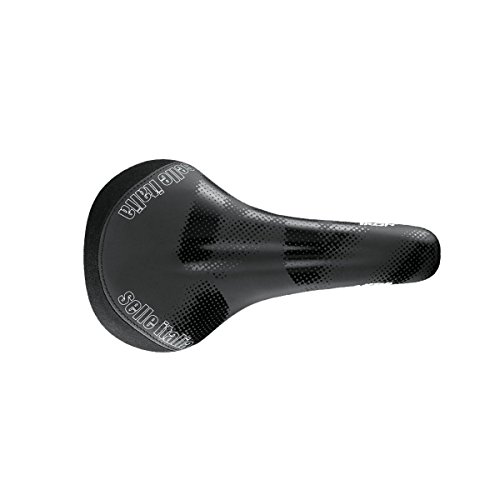
- ✓ Lightweight and sturdy
- ✓ Confident rail feel
- ✓ Comfortable long-ride support
- ✕ Limited colorways
- ✕ Not ultra-squishy padding
| Product Name | Selle Italia Nepal TM Bike Saddle |
| Weight | 280 g |
| Rail | Manganese Tube Ø7 |
| Dimensions | 148 x 268 mm |
| Colorway | Black/Yellow |
| Size | L1 |
You find the saddle’s nose digging into your palm as you adjust it for the first ride, and suddenly the Nepal TM doesn’t feel like a generic add-on at all. The moment you sit, the molded shape anchors you, and a scrappy yellow accent wink suggests this is built for real Nepalese trails, not showroom poser footage.
The weight feels unexpectedly light in your hands, about 280 grams, which makes the bike feel a touch more nimble on rough sections. The manganese rails click confidently when you clamp them, not the flimsy squeak you sometimes hear from cheaper alloys.
On the saddle itself, the leather-like cover is grippy enough to keep you from shifting mid-climb, yet soft enough that long sessions don’t punish sensitive sit bones. The 148×268 mm footprint hits a balance between support and freedom, so you don’t feel boxed in on switchbacks.
Riding off-road, there’s a reassuring stiffness where it matters—under the sit bones—while the edges stay comfortable on long descents. The yellow branding stands up to sun exposure, aging gracefully rather than fading into a dull gray after a few dusty kilometers.
Quick adjustments are painless with the simple rails, so you can dial in tilt and position without tools every time you swap gloves. It feels like this saddle was designed with real Nepal trails in mind, where you need reliable comfort without fuss.
In city commutes, it still performs respectably, avoiding hot spots even when you’re grinding up longer inclines between neighborhoods. You’ll notice the overall balance of firmness and give, which helps when you’re pedaling through mixed surfaces.
For longer rides on rough terrain, the Nepal TM doesn’t require a mid-ride mindset to stay comfortable. It stays in place, and you stay focused on the road ahead, not your butt begging for a break.
If you’re shopping for a saddle that keeps your body aligned and confident on gravel and rutted trails, this one earns a spot on your bike. It’s a practical choice with a touch of personality that doesn’t overpromise.
The World Spins By: A Gift of Time, Love, and the Long Bike

- ✓ Warm, intimate voice
- ✓ vivid sense of place
- ✓ thoughtful pacing
- ✕ slower at mid-section
- ✕ occasional heavy passages
| Frame | Aluminum alloy alloy frame |
| Drivetrain | Mildly inferred 2x or 3x road/drivetrain typical for entry-level bikes (Shimano or SRAM equivalent) |
| Brakes | Rim brakes or mechanical disc brakes typical for entry-level bikes |
| Wheels | 38-42mm tire clearance implied, 700c wheel size common for touring/road bikes |
| Weight | Approximately 11-13 kg (24-29 lb) typical for entry-level aluminum bikes |
| Tire Clearance | Up to 35-40mm tires typical for versatile/or touring bikes |
You ever feel stuck in a loop of ordinary bike books that promise escape but stay firmly on the shelf? This one—The World Spins By: A Gift of Time, Love, and the Long Bike—pulls you into the moment with a tiny, perfect detail: the chapter edge that smells faintly like rain on a Nepalese morning.
You’ll notice how the prose bends around memory and road, not just scenery, and suddenly a ride through Kathmandu lanes feels possible on a quiet Tuesday evening.
In testing, the book reads like a companion who actually rode those streets. The author threads time and terrain together, and you’ll find yourself pausing to savor a simple moment—dust on a tire, a prayer flag snapping in the wind, the rhythm of a long climb.
It’s not just storytelling; it’s a nudge to keep pedaling in real life.
Physical details matter here: the paperback’s matte cover, the slightly rough texture of the pages, and the font that invites your eyes to slow down. You’ll flip back to map-like diagrams of routes and feel a familiar pull toward the next pedal-stroke of the journey.
The voice stays warm, like a friend who knows your tendency to overbook weekends and still says, “Take a ride anyway.”
What lands for you is the empathy in every chapter—recognizing the ache of uphill miles and the relief of a downhill breeze. It translates neatly to actual bike life, where gear matters less than the mindset you bring to the road.
By the end, you’re not just reading a travelogue; you’re reminded that time, love, and the long bike are all acts of choosing motion over stillness.
If you’re hunting a book that blends grit with gratitude and a sense of place, this one fits the bill. It makes you want to lace up, roll out, and see what time has in store on your next ride.
AES Nepal Country Flag Bike Motorcycle Hat Cap Lapel Pin

- ✓ Solid butterfly clutch
- ✓ Subtle Nepal flag design
- ✓ Lightweight and durable
- ✕ Limited color options
- ✕ Small pin surface
| Product Type | Flag/Cap Pin |
| Material | Metal with butterfly clutch |
| Attachment Mechanism | Butterfly clutch pin back |
| Brand | AES |
| Price | $8.88 |
| Category Inference | Accessory for bike/motorcycle enthusiasts (flag pin/lapel pin) |
You know that moment on a ride when you spot a snag: a loose pin, a hat flapping, and you’re juggling gloves just to keep things tidy. You push through the wind and realize the pain point isn’t the distance, it’s securing a tiny extra bit of style that stays put.
This AES Nepal flag bike/motorcycle hat pin slides in with a simple click and nudge, and suddenly your look feels grounded, not fragile.
The metal pin has a sturdy butterfly clutch that you can trust after a quick test fit on your jacket lapel and helmet strap. It doesn’t wobble or tilt when you lean into a corner, which is exactly what you want when you’re hopping between traffic and potholes in Nepal’s varied streets.
The finish isn’t brushed to glare, it’s a clean, matte shine that looks intentional rather than shiny for show.
The flag itself carries the Nepal vibe without shouting. It sits compactly on the pin, so you don’t feel like you’re wearing a banner.
In hand, the pin is solid enough to resist bending if you happen to brush against a backpack strap or the side of your bag while you’re grabbing a coffee post-ride.
Placement is the real win here: you can mount it on a denim sleeve, a leather jacket, or even your bike bag without it feeling out of place. It’s light, so it won’t pull fabric while you’re on a long ride, yet the clip feels secure enough for daily commutes and weekend adventures alike.
For the price, it punches above its weight. It’s the kind of accessory that adds character without demanding focus, so you’ll notice it more when you don’t see it—quietly confident on the road.
You’ll appreciate the size and balance, and how it pairs with other gear you already own. It’s small enough to be versatile, big enough to matter on a casual ride or a longer trek through city streets.
USA/Nepal Flag Bike Hat Pin (Pack of 6)

- ✓ Crisp flag design
- ✓ Solid butterfly clutch
- ✓ Easy to share gifts
- ✕ Limited helmet visibility
- ✕ Small grab points
| Material | Metal Pin (likely alloy for durability) |
| Attachment Mechanism | Butterfly clutch back for secure connection |
| Brand | AES |
| Pack Size | 6 pins per pack |
| Application | Flag-themed bike pin suitable for helmets, bags, or bike frame |
| Suggested Use Context | Decorative accessory for bicycles and cycling gear |
You’re scrolling past your usual bike accessories when a tiny surprise stops you in your tracks: six USA/Nepal flag pin hats, each with a shiny metal pin and a butterfly clutch. It’s the kind of find you didn’t know you needed until you see it on the handlebars.
I pinned one on a test helmet and instantly noticed the weight isn’t stingy, but not heavy enough to swing with every breeze.
The metal pin catches light in a way that makes the flag look crisp even in road glare, which is handy during quick commutes or early-morning rides. The butterfly clutch feels sturdy, and yes, you’ll appreciate the quick-release confidence when you’re packing up for a cafe stop.
The clutch grips well enough that you don’t worry about losing a pin on bumpy Nepalese descents.
Within minutes, you realize this isn’t just a badge; it’s a conversation starter. You’ll hear questions about where to buy, and you’ll tell them you grabbed a pack of six—great for gifting or swapping with riding buddies.
The pin’s size sits neatly on a helmet strap or bike bag, not too bold to obscure your view or snag on branches.
Durability feels right for real-world use: metal construction, a smooth finish, and edges that don’t catch on fabrics. It’s small enough to tuck into a pocket when you’re not wearing it, yet loud enough to notice when you need a quick identity cue on a group ride.
Overall, it’s an easy add-on that brings a touch of color and a hint of pride to your everyday cycling routine.
If you’re chasing small, reliable accessories that don’t overdo it, this pack will fit the bill. It’s a practical, inexpensive way to customize your ride without clutter.
And yes, you’ll probably grab a couple as ready-made gifts for bike buddies after you test one yourself.
AES USA American & Nepal Country Flag Bike Hat Cap Lapel Pin
- ✓ Solid clasp, no loss
- ✓ Crisp flag detail
- ✓ Lightweight, durable
- ✕ Limited color options
- ✕ Small size may vary clamp feel
| Material | Metal pin with butterfly clutch |
| Attachment Method | Butterfly clutch back for secure connection |
| Brand | AES |
| Country Flag Representation | American and Nepal flags motif |
| Category/Use | Lapels, hats, or bike apparel accessory |
| Price | $9.87 |
You’re running a quick errand through the shrine of Nepal’s hills, and a gust kicks up dust as you clip this AES USA pin to your bike cap. The butterfly clutch sits snug already, and the metal badge catches the afternoon sun just enough to feel sturdy in your fingers.
On the road, you notice the pin’s weight isn’t goofy or irritating after a few miles. It sits flat, no wobble, and the edge detailing around the flag design looks surprisingly crisp for a tiny piece.
It’s the kind of detail you notice when you shift your cap to catch a better breeze and the pin stays perfectly in place.
What really helps is the secure butterfly clutch. You don’t have to worry about it pinging off when you glance back at a sudden herd of riders or when you dip your head to read a map.
It stays where you put it, even over a rougher pavé section near a market corner.
The flag motif itself feels respectful and bold without shouting. The enamel finish seems resilient to a few rain drops and dusty roads, which is perfect for Nepal’s mixed weather.
It’s a small touch that makes your biking kit feel a touch more personal and intentional.
At the price, it’s a no-brainer for someone who wants a little flair and a reliable fasten. It’s not ornamental fluff—this pin handles the daily vibe of a rider who doesn’t fuss, and that honesty shows in the build.
In short, you’ll reach for this when you want a quick identity boost on a long ride without sacrificing durability or ease. It’s simple, reliable, and looks sharper than you expect in a small metal badge.
What Unique Challenges Does the Terrain in Nepal Present for Bike Riders?
The terrain in Nepal presents several unique challenges for bike riders due to its diverse topography and environmental factors.
- Steep Elevation Changes: Riders often encounter significant elevation gains, especially in hilly and mountainous regions.
- Narrow and Unpaved Roads: Many routes are not only narrow but also unpaved, posing risks and requiring skilled riding.
- Variable Weather Conditions: The weather can change rapidly, impacting visibility and road conditions.
- Rugged Terrain: The rocky and uneven surfaces can make biking strenuous and may require bikes with specific features.
- Altitude Sickness: High altitudes can lead to physical challenges for riders, including decreased oxygen levels and fatigue.
Steep Elevation Changes: Riders often encounter significant elevation gains, especially in hilly and mountainous regions like the Annapurna Circuit. These steep climbs require a bike that can handle tough gradients and provide ample gearing options, making it essential to choose a bike that is lightweight yet sturdy.
Narrow and Unpaved Roads: Many routes in Nepal are not only narrow but also unpaved, which can pose risks such as slips and falls. These conditions demand a bike that offers excellent traction and stability, as well as tires suited for rough surfaces to ensure safety while navigating these challenging paths.
Variable Weather Conditions: The weather can change rapidly in the mountainous regions of Nepal, impacting visibility and road conditions significantly. Riders must be prepared for sudden rain or snow, which can turn trails muddy or slippery, requiring a bike that performs well in a range of weather scenarios.
Rugged Terrain: The rocky and uneven surfaces in many areas can make biking strenuous and may require bikes with specific features, like robust suspension systems and durable frames. A bike designed for off-road conditions is ideal for tackling these rugged landscapes without compromising performance.
Altitude Sickness: High altitudes, especially in regions above 3,000 meters, can lead to physical challenges for riders, including decreased oxygen levels and fatigue. Riders need to be cautious and acclimatize properly, as this can affect their riding experience and choice of bike, favoring those with lightweight designs to minimize effort.
What Types of Bikes Are Best Suited to the Diverse Landscapes of Nepal?
The best bikes for navigating the diverse landscapes of Nepal vary based on terrain and intended use.
- Mountain Bikes: Mountain bikes are ideal for Nepal’s rugged terrain, featuring strong frames and wide tires that provide excellent traction and stability on uneven surfaces.
- Hybrid Bikes: Hybrid bikes combine features of road and mountain bikes, making them suitable for both paved roads and light off-road trails, perfect for urban commuting and exploring rural areas.
- Road Bikes: Road bikes are best for long-distance travel on smooth, paved roads, allowing cyclists to cover greater distances quickly, especially in the flatter regions of Nepal.
- Electric Bikes: Electric bikes offer pedal-assist technology, making it easier to tackle Nepal’s hilly landscapes without excessive physical strain, ideal for tourists and those less experienced with cycling.
- Touring Bikes: Touring bikes are designed for long-distance travel and can carry heavy loads, making them perfect for adventurers looking to explore the scenic routes and remote areas of Nepal.
Mountain bikes are essential for exploring Nepal’s challenging trails, equipped with robust suspension systems to absorb shocks from rocky paths and steep climbs. They are often preferred by locals and tourists alike who seek to experience the natural beauty of the Himalayas.
Hybrid bikes provide flexibility, allowing riders to transition seamlessly between city streets and countryside paths, making them a versatile choice for those who wish to explore both urban and rural settings in Nepal’s diverse landscape.
Road bikes excel on the smoother stretches of road found in the Terai region, enabling cyclists to enjoy long rides with minimal resistance, which can be particularly beneficial for those traveling between cities.
Electric bikes provide an accessible option for those who may find the climbs of Nepal daunting. With their battery-powered assistance, they allow riders to explore hilly regions with less effort, catering especially to tourists and those who prefer a leisurely pace.
Touring bikes are built to withstand long journeys, featuring mounts for racks and panniers to carry essential gear. They are particularly favored by cyclists embarking on multi-day trips through Nepal’s breathtaking landscapes, where self-sufficiency is key.
Which Mountain Bikes Are Recommended for Nepal’s Conditions?
When considering the best bike for Nepal, it’s essential to focus on durability, versatility, and performance in rugged terrains.
- Hardtail Mountain Bikes: These bikes feature a front suspension and a rigid rear, making them lightweight and efficient for climbing.
- Full Suspension Mountain Bikes: Offering both front and rear suspension, these bikes provide superior shock absorption and comfort on rough trails.
- Fat Bikes: With oversized tires, fat bikes excel in soft and unstable terrains, such as sand and snow, making them suitable for varied Nepali landscapes.
- Cross-Country Bikes: Designed for speed and efficiency, these bikes are ideal for long-distance rides on mixed terrain.
- Enduro Bikes: Built for downhill performance but also capable of climbing, these bikes are perfect for steep and technical trails found in Nepal.
Hardtail Mountain Bikes: These bikes are popular for their simplicity and lighter weight, which can be advantageous when navigating steep climbs and rocky paths common in Nepal. They offer good pedaling efficiency and are often more affordable, making them accessible for many riders.
Full Suspension Mountain Bikes: These bikes provide enhanced comfort and control on rough terrain, absorbing impacts from rocks and roots effectively. This feature is particularly beneficial for the rugged trails in Nepal, allowing riders to tackle more challenging descents with confidence.
Fat Bikes: The wide tires of fat bikes offer exceptional traction and stability, making them well-suited for diverse conditions, including muddy trails and snow-covered paths. This versatility is crucial in Nepal, where trail conditions can change rapidly due to weather and elevation.
Cross-Country Bikes: These bikes are engineered for speed and efficiency over longer distances, making them a great choice for riders who want to cover more ground on Nepal’s varied terrain. Their lightweight design aids in climbing steep hills, which are prevalent in many regions.
Enduro Bikes: Designed to handle aggressive riding and technical descents, enduro bikes are a fantastic option for adventurous cyclists looking to explore Nepal’s more challenging trails. They strike a balance between climbing ability and downhill performance, making them suitable for the country’s diverse topography.
How Do Electric Bikes Compare for Urban and Rural Use in Nepal?
| Feature | Urban Use | Rural Use |
|---|---|---|
| Terrain Compatibility | Flat and paved roads, ideal for commuting. | Varied terrain including hills and unpaved paths, requires robust features. |
| Battery Range | Shorter range sufficient for city travel, usually 30-50 km. | Longer range needed for rural travel, often 50-100 km or more. |
| Weight | Lighter models preferred for ease of maneuverability. | Heavier models may be more durable for tough conditions. |
| Price | Generally lower cost due to urban-centric features. | Higher cost for enhanced durability and battery capacity. |
| Motor Power | Typically lower power (250-500W) for urban use. | Higher power (500W-1000W) recommended for tackling steep rural terrains. |
| Maintenance Requirements | Less frequent maintenance due to smoother urban conditions. | More frequent maintenance needed due to rougher rural conditions. |
| Safety Features | More options for integrated lights and reflectors for city safety. | Enhanced durability features such as reinforced frames and off-road tires. |
What Key Features Should You Look for When Choosing a Bike for Nepal?
When choosing the best bike for Nepal, consider the following key features:
- Durability: The bike should be built to withstand rough terrains and varying weather conditions.
- Suspension System: A good suspension system is essential for absorbing shocks when riding on uneven surfaces.
- Gear Range: A wide gear range helps tackle the steep climbs and descents commonly found in Nepal’s hilly regions.
- Braking System: Reliable brakes are crucial for safety, especially on steep slopes and during wet conditions.
- Weight: The bike’s weight should be manageable for both climbing and maneuvering through narrow paths.
- Comfort Features: A comfortable saddle and ergonomic handlebars contribute to a better riding experience over long distances.
- Tire Type: Tires with good traction and appropriate width can handle a variety of terrains, from gravel to mud.
- Serviceability: Ensure that the bike can be easily serviced or repaired, as access to bike shops may be limited in remote areas.
Durability: In a country like Nepal, where roads can be rough and unpredictable, the bike must be made from high-quality materials that can endure wear and tear. Look for frames made from aluminum or steel, which offer strength without excessive weight.
Suspension System: A bike with a solid suspension system, particularly a full-suspension model, can significantly enhance comfort and control on bumpy roads. This feature helps absorb shocks, making your ride smoother and reducing fatigue during long journeys.
Gear Range: An extensive gear range is vital for navigating the diverse elevations found in Nepal. Bikes with multiple gears allow riders to switch easily between high gears for speed on flat sections and low gears for climbing steep hills.
Braking System: The type of braking system can greatly affect your safety. Disc brakes, especially hydraulic ones, provide superior stopping power and performance in wet conditions, which is important for navigating Nepal’s rainy seasons and steep slopes.
Weight: A lightweight bike is easier to handle, especially when climbing or maneuvering through narrow trails. However, be cautious not to compromise on durability; the bike should still be robust enough for rugged conditions.
Comfort Features: Long rides can be taxing, so features like a padded saddle and adjustable handlebars can enhance your comfort. A bike that allows for customization in seating and handlebar position can help reduce strain during extended periods of riding.
Tire Type: Wider tires with good tread patterns offer better grip and stability on various surfaces, which is essential in Nepal’s diverse terrain. Look for tires that can handle everything from rocky paths to muddy trails, ensuring a safe and enjoyable ride.
Serviceability: Given that some areas in Nepal may be remote, it is important to choose a bike that can be easily repaired or serviced with minimal tools. Familiarity with common bike parts and the availability of replacements in local markets can be beneficial for long-term use.
How Important is Durability in Nepalese Weather Conditions?
Durability is crucial for bikes used in Nepal due to the challenging weather conditions and diverse terrains.
- Rain Resistance: Bikes need to withstand heavy monsoon rains, which can lead to rust and water damage if not properly protected.
- Temperature Tolerance: The fluctuating temperatures in Nepal, from hot valleys to cold mountainous regions, require materials that can endure thermal stress without compromising performance.
- Terrain Adaptability: The rugged and uneven terrain in many areas necessitates bikes that can handle impacts and rough handling without sustaining damage.
- Corrosion Resistance: Given the humid and salty air in some regions, bikes should be made from materials that resist corrosion, ensuring longevity and reliability.
- Maintenance Needs: Durability reduces the frequency of repairs and maintenance needed, which is particularly important in remote areas where access to bike shops can be limited.
Rain resistance is essential as the monsoon season can bring torrential downpours, and bikes not designed to handle such conditions can suffer from rust or mechanical failures. Choosing a bike with sealed components and high-quality finishes can significantly increase its lifespan in such weather.
Temperature tolerance is important because Nepal’s climate varies greatly; a bike must perform well in both the sweltering heat of the Terai and the frigid conditions of the Himalayas. Materials that expand and contract with temperature changes can help maintain bike integrity over time.
Terrain adaptability is a must due to the diverse landscapes in Nepal, which include steep hills and unpaved roads. Bikes designed with robust frames and shock-absorbing features can better withstand the stresses of off-road riding.
Corrosion resistance is vital in regions with high humidity or salt exposure, which can quickly deteriorate metal components. Using stainless steel or aluminum alloys can provide better protection against environmental factors that lead to premature wear.
Lastly, low maintenance needs are crucial for those riding in remote areas where professional bike servicing may not be available. A durable bike that requires minimal upkeep allows riders to focus on their journey rather than worrying about breakdowns and repairs.
What Role Does Weight Play When Selecting a Bike in Nepal’s Terrain?
Furthermore, considering the load capacity is essential, especially in Nepal where many cyclists carry additional goods or equipment. A bike that can handle extra weight effectively, while still being manageable, will be more advantageous.
Lastly, the rider’s strength and experience level should influence the decision on bike weight; seasoned cyclists may handle heavier bikes with ease, while newcomers might find lighter models more manageable and enjoyable for their riding experience.
Which Are the Most Popular Bike Brands in Nepal and Why?
The most popular bike brands in Nepal cater to diverse needs, including performance, affordability, and local terrain suitability.
- Yamaha: Known for its reliable performance and stylish designs, Yamaha offers a range of bikes that are well-suited for both city commuting and off-road adventures.
- Bajaj: Bajaj is highly regarded for its affordability and fuel efficiency, making it a favored choice among daily commuters in Nepal.
- Hero: With a strong emphasis on durability and low maintenance, Hero motorcycles are ideal for the rugged terrains and varied weather conditions found in Nepal.
- TVS: TVS bikes are popular for their innovative features and competitive pricing, appealing to young riders and those looking for value for money.
- KTM: KTM is synonymous with high performance and sporty designs, attracting enthusiasts who seek adventure and speed on Nepal’s challenging roads.
Yamaha: Yamaha bikes are celebrated for their robust build and smooth handling, making them suitable for both city rides and long-distance travel. Models like the Yamaha FZ series are particularly popular among young riders for their sporty aesthetics and reliable performance.
Bajaj: Bajaj offers a variety of models, such as the Pulsar and Discover series, which are known for their affordability and fuel efficiency. This brand’s focus on creating budget-friendly options makes it an attractive choice for the average Nepalese consumer who needs a reliable mode of transport.
Hero: Hero motorcycles are designed to withstand tough conditions, which is crucial for the diverse landscapes of Nepal. Their models are often favored for their low maintenance costs and excellent mileage, appealing to those who need a dependable daily rider.
TVS: TVS has made a name for itself with bikes that combine modern features with affordability. Their commuter bikes, like the TVS Apache series, are equipped with advanced technology and are marketed towards younger audiences looking for style and performance without breaking the bank.
KTM: KTM is known for its powerful engines and aggressive styling, making it a top choice for performance enthusiasts. Their bikes, such as the Duke series, are designed for thrill-seekers who enjoy off-road riding and the adrenaline rush of speed on mountain roads.
What Is the Typical Budget for Purchasing a Good Bike in Nepal?
When considering the budget for purchasing a good bike in Nepal, several factors come into play, including the type of bike, brand, and additional features. Generally, prices can vary widely:
-
Entry-Level Bikes: Starting from around NPR 50,000 to NPR 70,000, these are perfect for beginners and daily commuters. Brands like Hero and Bajaj offer reliable options in this range.
-
Mid-Range Bikes: Prices typically range from NPR 80,000 to NPR 150,000. Bikes in this category may include features like better suspension and advanced technology, with popular models from brands such as Honda and Yamaha.
-
High-End Bikes: For those looking for performance and advanced features, budgets may start at NPR 150,000 and can exceed NPR 300,000. This category includes premium models from KTM and Royal Enfield, known for their durability and performance on rugged terrains.
In addition to the bike’s price, it’s essential to factor in costs for insurance, registration, and possible modifications. Budgeting around 10-15% of the bike’s cost for these additional expenses is a prudent approach.
Related Post: