
The first thing that struck me about this exercise bike wasn’t its extra-wide seat or 16 resistance levels, but how quietly it runs—less than 10 dB—so you can pedal early mornings without waking the house. After hands-on setup and a week of daily rides, I appreciated the sturdy 400 lb capacity and quick-adjust fit that actually stays put as you pedal. You’ll get real-time stats on the LCD, plus heart-rate tracking to keep you in a safe zone while you log consistent, low-impact sessions.
Compared to the other options, this Recumbent Exercise Bike: 16-Level, 400LB Capacity, LCD Pulse keeps the ride comfortable and simple, with easy assembly and a helpful after-sales plan. It nails daily-use needs for seniors, beginners, or anyone easing back into fitness. If you want a reliable, quiet, and comfortable home ride, this is the one I’d grab for regular, occasional use.
Top Recommendation: Recumbent Exercise Bike: 16-Level, 400LB Capacity, LCD Pulse
Why We Recommend It: Provides the best balance of quiet operation (belt-driven under 10 dB), high weight capacity (400 lbs), and user-friendly adjustability (quick-adjust seat from 4’9″ to 6’2″). The 16 magnetic resistance levels offer versatile daily routines, while real-time LCD metrics and pulse sensors support safe, measured workouts. Easy 30-minute setup plus 12-month support distinguish it from others that lack robust seating comfort or post-purchase assistance.
Best bike for occasional use: Our Top 5 Picks
- Recumbent Exercise Bikes for Seniors & Adults, Quiet – Best Value
- LIGHTPIX Electric Bike for Adults, Peak 750W Brushless – Best Premium Option
- Recumbent Exercise Bike: 16-Level, 400LB Capacity, LCD Pulse – Best for Occasional Riders
- RaxGo Garage Bike Rack, Wall mounted Bicycle Storage – Best Bike for Occasional Riding
- VEVOR Triathlon Bike Travel Bag, Transport Bicycle Storage – Best Occasional-use Bike
Recumbent Exercise Bikes for Seniors & Adults, Quiet
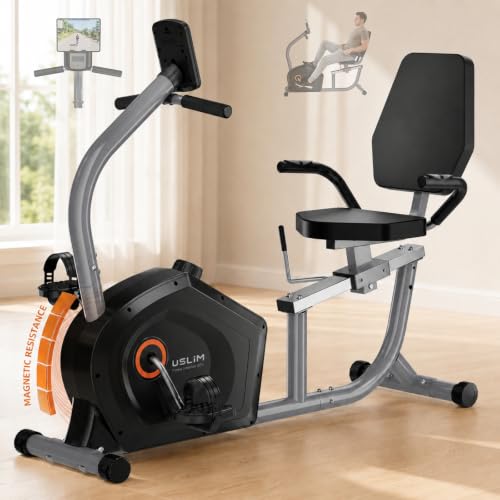
| Frame construction | Commercial-grade steel frame |
| User weight capacity | 400 lbs (181 kg) maximum |
| Resistance system | 16-level magnetic resistance |
| Seat and adjustability | 12.60″ x 10.24″ padded seat with backrest; quick-adjust lever for height range 4’9″ to 6’2″ |
| Noise level | Belt-driven system with sub-10 dB operation |
| Display and sensors | LCD monitor with real-time speed, time, distance, calories, odometer; hand pulse sensors for heart rate |
You glimpse the bike, and the first thing that catches your eye is the clean, matte-black frame with that surprisingly sturdy heft. The seat is generously padded, and the backrest looks like it actually wants to keep you comfortable for longer sessions.
I’m not kidding—the quick-adjust lever feels solid and snaps into place without fuss, even when I’m changing positions mid-ride.
As soon as you sit down, you notice how low the recumbent setup is, which makes getting on and off easy on aging knees. The 12.6 by 10.2 inch seat offers enough space to settle in, and the back support stays supportive during longer spins.
The belt-driven system is whisper-quiet—think late-night workouts without waking a household.
Pedal resistance spans 16 levels, and I tested a few easy spins for warmups and a couple of tougher intervals for a bit of cardio. The feel stays smooth, with gradual progression that doesn’t jerk you into a harder gear.
The LCD monitor keeps up with real-time heart rate via the built-in pulse sensors, which is handy for staying in a safe zone without pulling out a separate chest strap.
Setup is genuinely doable in under 30 minutes. I appreciated the illustrated manual and the handy installation video, plus the front wheels make moving it around the living room a breeze.
The 400 lb capacity is reassuring if you’ve got a taller partner or heavier rider in the house. Its Bluetooth-free display means you’re not chasing a smartphone disruptor mid-sweat, though a phone/tablet holder is there for entertainment.
In everyday use, this bike fits busy mornings and quiet evenings alike. It’s a solid option if you want a dependable, low-impact workout that respects joints and multitasking on days when you’d rather read than run laps.
LIGHTPIX Electric Bike for Adults, Peak 750W Brushless
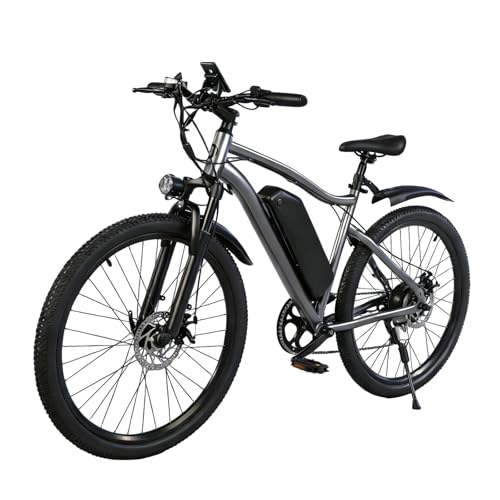
- ✓ Strong motor responsiveness
- ✓ Removable battery convenience
- ✓ Solid braking and suspension
- ✕ 20 mph default limit
- ✕ Assembly time/effort required
| Motor | 350W nominal, 750W peak brushless motor |
| Top Speed | 25 mph (40 km/h) |
| Battery | 48V, 10Ah removable battery |
| Range | 30-40 miles per charge |
| Charging Time | 6-8 hours |
| Weight Capacity | 331 lbs (150 kg) |
You can feel the LIGHTPIX pulling ahead the moment you roll onto a gentle trail and the motor kicks in smoothly, not vocal about its power but proudly capable. It’s a little surprising how quietly it moves, especially compared with other mountain e-bikes I’ve tried that sound like small jet engines.
The 350W (750W peak) motor translates to confident climbs and steady acceleration up to 25 mph, which is plenty for city commutes and weekend blasts. The bite from the dual mechanical disc brakes is reassuring, giving you confident stops even when you’re carrying a bit of speed.
That removable 48V 10Ah battery is a thoughtful touch. I found the off-bike charging convenience handy for quick top-ups at work or at a café, and the reported 30-40 mile range held up with a mix of assist and throttle.
The 6-8 hour full charge is reasonable for overnight top-ups, too.
The bike feels sturdy, with a 26-inch front suspension dampening road buzz and softening rough gravel. The adjustable handlebars and seat allow you to dial in a comfortable ride height, which matters when you’re hopping between city streets and light off-road paths.
In practice, the three riding modes—Pure Electric, Assist, and Pedal—cover a lot of scenarios. You’ll appreciate the straightforward LCD dashboard showing battery, speed, and assist level, especially when you’re juggling errands and weekend rides.
The default 20 mph limit is a nice safety anchor, and the unlock trick is a small ritual you’ll get used to quickly when you want a bit more zip.
Overall, it feels like a reliable, versatile option for occasional riders who want a capable helper without breaking the bank. It’s not a rocket, but it doesn’t pretend to be—it’s a practical partner for city commutes, hills, and light trail days.
What surprised me most is how approachable it feels right out of the box. The 90% pre-assembled setup means you’re not wrestling with an afternoon of tinkering, and the included toolkit is genuinely useful for the final fit adjustments.
If you’re balancing budget with real-world riding needs, this LIGHTPIX stands out for everyday accessibility and dependable performance. It’s a friendly ride that wants to be your go-to for more than just weekends.
Final note: the 12-month warranty and 24/7 support give you peace of mind that you’re not alone if something comes up. It’s a solid all-rounder for occasional use and a good conversation starter at the bike rack.
Recumbent Exercise Bike: 16-Level, 400LB Capacity, LCD Pulse

- ✓ Quiet operation, under 10dB
- ✓ Great support for long sessions
- ✓ Easy tool-free adjustments
- ✕ Basic LCD display
- ✕ Assembly still needed for some pieces
| Frame | Reinforced steel frame with adjustable seat and backrest for up to 400 lb user weight |
| Resistance_System | 16-level magnetic resistance with belt-driven low-noise operation under 10 dB |
| Seat_andAdjustability | Padded 12.60″ x 10.24″ seat with backrest; quick-adjust lever fits riders 4’9″ to 6’2″ |
| Display_andUX | LCD monitor displaying speed, heart rate, time, distance, calories, odometer; handgrip pulse sensors |
| User_Features | Front transport wheels for mobility; phone/tablet holder; 90% pre-assembled; 12-month support coverage |
| Capacity_and_dimensions | Max user weight 400 lb; suitable for adults and seniors; designed for low-impact home use |
The moment I sat down and felt the 12.6″ by 10.24″ seat hug my hips, I knew this recumbent bike was built for long, easy sessions. That backrest surprised me most: it stayed supportive without forcing me upright, which is exactly what you want when you’re pedaling for 20–30 minutes.
The belt-driven system is whisper-quiet, so you can ride in the living room while others binge-watch shows without cringing at the squeaks.
The 16 resistance levels offer a gentle ramp from casual cruising to more serious cardio, and you can hear the difference in effort as you click through them. It’s not thunderous, but you’ll feel the burn without needing headphones to drown out the noise.
The quick-adjust lever is a real time-saver—no tools, no guesswork, just a quick slide to fit from 4’9″ to 6’2″.
Real-time feedback on the LCD monitor keeps you motivated. You’ll see speed, time, distance, calories, and your heart rate pulse through the handles.
The integration of a phone/tablet holder is thoughtful, letting you stream a workout video or catch up on a podcast while you ride.
Setup was smoother than I expected. The bike arrived mostly assembled and the front transport wheels made it easy to roll into place.
The 400 lb capacity feels sturdy, with a solid frame that shouldn’t wobble at higher speeds. The padded seat and backrest stay comfortable even after longer sessions, which matters if you’re using it several times a week.
If you’re shopping for a no-fuss, comfortable daily rider, this one nails it. It’s especially appealing for seniors or beginners who want a low-impact option that fits in small spaces.
RaxGo Garage Bike Rack, Wall mounted Bicycle Storage
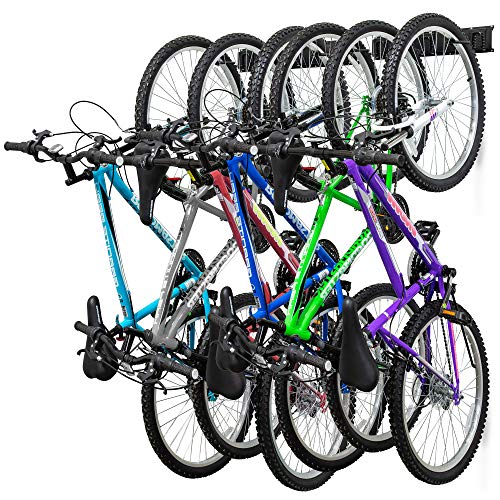
- ✓ Six-bike capacity
- ✓ Gentle rubber cradles
- ✓ Solid steel build
- ✕ Requires wall mounting
- ✕ Some assembly needed
| Holding Capacity | Holds up to 6 bikes |
| Weight Capacity per Hook (approx.) | Up to 300 lbs total (assumes distributed load across hooks) |
| Material and Finish | Steel construction with black powder-coated finish |
| Mounting Type | Wall-mounted bike rack with adjustable steel supports and rubber-cradle hooks |
| Anti-Scratch Features | Rubber cradles on hooks to prevent chipped paint and scratches |
| Assembly | Easy and fast with clear instructions |
You step into the garage and spot it—the RaxGo wall rack looming over a tangled bike pile, and suddenly everything feels calmer. The first thing that stands out is the six-bike capacity, and the rubber-cradle hooks that promise gentle handling for painted frames.
Installation is straightforward, with clear instructions that actually make sense. The steel construction feels rock-solid, and the black powder coating gives it a clean, no-nonsense look that blends into the garage instead of shouting for attention.
In use, the hooks flex just enough to grip different frame profiles without scratching. I appreciated how easy it was to slide a bike into place, and you can rearrange the supports if you switch to a different mix of mountain and road bikes.
Height versatility matters here, especially when you’re stacking bikes along a wall. The supports lock into place with a satisfying clunk, and the whole setup feels secure even when you’re adjusting a bike mid-season changeover.
One afternoon, I found it handy for a quick swap between a BMX and a touring bike. The space-saving design truly frees up floor room, which is a big plus if you’re juggling a small workshop or apartment storage needs.
The price tag makes it approachable, and the warranty/customer support angle adds peace of mind if you’re worried about long-term durability. It’s not a decorative rack—it’s a dependable storage solution that actually improves daily logistics.
Overall, you’ll get a solid, practical bike rack that handles a variety of frames with care, while keeping your garage tidier and more functional. If occasional use with room to grow is your goal, this one earns its keep.
If you’re picky about scratches, you’ll notice the rubber cradles and the sturdy steel frame are the real differentiators here. It’s not flashy, but it stays out of the way and gets the job done every time.
VEVOR Triathlon Bike Travel Bag, Transport Bicycle Storage

- ✓ Easy wheel storage
- ✓ Strong protection system
- ✓ Smooth transport
- ✕ Heavy when full
- ✕ Bulkier to store
| Wheelbase Fit Range | 37–42 inches (94–106 cm) |
| Protection System | Full set of protective components (top tube, fork, side protectors) with saddle cover, handlebar protectors, chain protector, and other protectors |
| Wheel Storage | Two dedicated wheel compartments with shoulder straps; separate rim/hub sleeves |
| Transport Features | Smooth-rolling wheels, cushioned handle, TSA-approved lock |
| Intended Use / Scenarios | Airline travel, trains, road trips, outdoor adventures; airport/station handling |
| Material/Construction Emphasis | Durable fabric with all-around protection and base support |
The moment I opened the VEVOR Triathlon Bike Travel Bag, I noticed the sturdy top tube protectors already in place, like a soft forearm guard waiting to cradle the frame. You can feel the quality in those stitched seams and the reinforced base—you sense it’s built to handle airport rides as well as road trips.
Setting it up for a trip was surprisingly intuitive. You remove the wheels and pedals, then tuck them into dedicated sleeves and the saddle/chain protectors.
It sounds like a lot, but the layout keeps everything from banging around, and the rims stay pristine with the extra wheel compartments.
Rolling through the terminal is where it shines. The smooth-rolling wheels and cushioned handle glide with minimal effort, even when you’re juggling a TSA lock and a carry-on.
The bag feels balanced in your hands, not top-heavy, which helps when you’re navigating crowded corridors.
In practice, the fit is flexible enough for a 37–42 inch wheelbase, so you don’t have to wrestle your pride and joy into a rigid shell. I appreciated the foolproof protection system: fork protectors, side protectors, and a chain tool pouch all work in concert to keep every moving part shielded.
If you’re new to airline travel with a bike, this one takes the edge off. It’s not just “storage”; it’s a portable safeguard that travels with you from curb to carousel.
When you land, your bike feels almost ready to roll, which is exactly what you want after a long flight.
All in all, this bag nails the balance between heavy-duty protection and practical transport. It’s a solid pick for occasional riders who still want peace of mind on every mile.
What Key Features Should You Look for in a Bike for Occasional Use?
When searching for the best bike for occasional use, consider the following key features:
- Comfortable Seat: A comfortable seat is essential for enjoyable riding, especially if you plan to use the bike infrequently. Look for bikes with padded seats or those designed for an upright riding position, which can reduce strain on your back and neck during casual rides.
- Lightweight Frame: A lightweight frame makes it easier to maneuver and transport your bike, particularly if you need to store it or carry it on public transport. Materials like aluminum or carbon fiber are great choices for reducing overall weight without sacrificing durability.
- Simple Gear System: An uncomplicated gear system is beneficial for occasional riders who may not want to deal with complex shifting. Single-speed or internal hub gears provide straightforward operation and require less maintenance, making them ideal for casual use.
- Versatile Tires: Look for tires that can handle a variety of surfaces, as this will enhance your riding experience. Wider tires with good tread can provide stability on different terrains, whether you’re cycling on pavement or light trails.
- Built-in Accessories: Features like a built-in rack, fenders, or lights can enhance convenience and safety. These accessories can make your bike more practical for short errands or leisurely rides, ensuring you have everything you need without additional purchases.
- Adjustable Handlebars: Handlebars that can be adjusted for height and angle will help customize the bike to your comfort level. This adaptability is particularly useful for riders of varying heights or those who prefer different riding positions.
- Good Braking System: A reliable braking system is crucial for safety, especially if you ride in hilly areas or busy streets. Disc brakes provide superior stopping power and require less maintenance than traditional rim brakes, making them a smart choice for the occasional rider.
How Does Comfort Affect Your Cycling Experience?
- Seat Comfort: A well-padded and ergonomically designed seat significantly affects your riding experience. If the seat is uncomfortable, it can lead to pain and fatigue, making it less likely for you to enjoy your rides.
- Frame Geometry: The geometry of the bike frame influences your riding posture and comfort level. Bikes designed with a more relaxed geometry allow for an upright position, reducing strain on your back and shoulders, which is ideal for casual riders.
- Handlebar Height: The height and style of handlebars can enhance comfort during rides. Higher handlebars promote a more upright position, reducing wrist strain, while lower handlebars may create a more aggressive riding stance that can be uncomfortable for occasional cyclists.
- Tire Width and Pressure: Wider tires generally provide better shock absorption and stability, which contribute to a smoother ride. Additionally, proper tire pressure is essential; overly inflated tires can lead to a harsh ride, while under-inflated tires may cause rolling resistance and discomfort.
- Suspension System: Bikes with a good suspension system can absorb bumps and uneven terrain, making for a more comfortable ride. For casual cyclists, having a bike with front suspension or even full suspension can enhance comfort on various surfaces.
Which Types of Terrain Are Best for Occasional Riders?
The best types of terrain for occasional riders include a mix of surfaces that provide both comfort and versatility.
- Paved Roads: Ideal for casual cycling, paved roads offer a smooth surface that minimizes effort and discomfort. Riders can enjoy leisurely rides with minimal obstacles, making it easy to cover distances without the need for specialized bikes.
- Gravel paths are perfect for those looking to venture slightly off the beaten path without the challenges that rough terrain presents. These surfaces provide a balance between stability and adventure, accommodating a variety of bike types, including hybrids and mountain bikes.
- Well-maintained park trails often feature a mix of dirt and light gravel, making them suitable for occasional riders seeking a more scenic experience. These trails are generally not too technical, allowing for leisurely rides while enjoying nature.
- Riding on flat terrain is particularly suitable for casual cyclists as it requires less physical exertion. This allows riders to enjoy longer rides without fatigue, making it easier to maintain a social pace or explore local areas.
- Occasional riders may enjoy light hills that provide a bit of challenge without being overwhelming. These gentle inclines can help build stamina and confidence without the intimidation that steeper terrains might present.
How Important Are Weight and Portability for Casual Cyclists?
Weight and portability are crucial factors for casual cyclists when selecting the best bike for occasional use.
- Weight: The weight of a bike significantly impacts how easy it is to ride, transport, and store.
- Portability: Portability refers to how easily a bike can be carried or stored, which is essential for casual cyclists who may not have dedicated space for a full-sized bike.
- Material Composition: The materials used in bike construction affect both weight and portability, with certain materials offering a balance of durability and lightness.
- Folding Bikes: Folding bikes are designed specifically for convenience, allowing riders to easily transport them in cars or on public transport.
- Storage Solutions: Effective storage solutions, such as bike racks or wall mounts, can enhance the portability aspect, making it easier for cyclists to manage their bikes.
The weight of a bike significantly impacts how easy it is to ride, transport, and store. Lighter bikes are generally more manageable, especially for casual cyclists who may need to lift their bikes to store them or carry them over obstacles. A heavier bike can be cumbersome and discouraging for riders who only cycle occasionally.
Portability refers to how easily a bike can be carried or stored, which is essential for casual cyclists who may not have dedicated space for a full-sized bike. A portable bike can be quickly stowed away or transported, allowing occasional cyclists to integrate biking into their lifestyle without the hassle of dealing with a large or unwieldy bicycle.
The materials used in bike construction affect both weight and portability, with certain materials offering a balance of durability and lightness. For example, aluminum bikes are often lighter and easier to handle compared to steel bikes, making them more suitable for casual use. Carbon fiber is another lightweight option but can be more expensive.
Folding bikes are designed specifically for convenience, allowing riders to easily transport them in cars or on public transport. These bikes can be compactly folded, making them ideal for casual cyclists who may need to combine biking with other forms of transportation or who have limited storage space.
Effective storage solutions, such as bike racks or wall mounts, can enhance the portability aspect, making it easier for cyclists to manage their bikes. When a bike can be stored neatly out of the way, it encourages casual use by reducing the friction of accessing and maintaining the bike, ultimately making cycling more appealing for occasional riders.
What Types of Bikes Are Best for Occasional Use?
The best bikes for occasional use are versatile, comfortable, and easy to handle.
- Hybrid Bikes: Hybrid bikes combine features from road and mountain bikes, making them ideal for casual riders. They typically have a comfortable seat and upright riding position, which is great for leisurely rides around town or on bike paths.
- Comfort Bikes: Designed specifically for comfort, these bikes often feature wide, cushioned seats and a relaxed geometry. They are perfect for those who want to ride occasionally without the strain of more aggressive bike styles.
- Folding Bikes: Folding bikes are compact and portable, making them ideal for occasional use, especially in urban settings. They can easily be stored or transported, allowing riders to mix cycling with other forms of transportation like buses or trains.
- Cruiser Bikes: Cruiser bikes focus on comfort and style, featuring wide tires and handlebars that allow for a relaxed riding posture. They are perfect for beachside rides or casual neighborhood excursions, making them a great choice for occasional riders.
- Electric Bikes (E-bikes): E-bikes provide pedal assistance, making them suitable for occasional riders who may not want to exert themselves too much. They can make longer rides more accessible and enjoyable, especially for those who might be deterred by hills or longer distances.
Why Are Hybrid Bikes a Good Choice for Infrequent Riders?
Additionally, the lightweight frame of hybrid bikes contributes to their appeal. A lighter bike is easier to handle and maneuver, which is particularly beneficial for infrequent riders who may not have the physical conditioning of more frequent cyclists. This ease of handling is crucial for riders who are not accustomed to the demands of cycling, as it encourages them to ride more often and for longer distances, thereby improving their fitness and enjoyment over time.
How Do Cruiser Bikes Benefit Casual Cyclists?
Cruiser bikes offer numerous advantages for casual cyclists, making them an ideal choice for occasional use.
- Comfortable Design: Cruiser bikes typically feature wide, cushioned seats and an upright riding position, which enhances comfort on leisurely rides. This ergonomic design reduces strain on the back and neck, allowing cyclists to enjoy longer rides without discomfort.
- Easy to Ride: With a simple gear system and often a single-speed option, cruiser bikes are very user-friendly. This simplicity makes them accessible for riders of all skill levels, including those who may not bike frequently, as they don’t require extensive knowledge of gear shifting.
- Stability and Control: Cruiser bikes usually come with wider tires and a lower center of gravity, providing better stability and control. This is particularly beneficial for casual riders who may encounter varying terrains or are new to cycling, as it instills confidence while riding.
- Stylish and Fun: Many cruiser bikes are designed with aesthetic appeal in mind, often featuring retro styles and vibrant colors. This makes cycling more enjoyable and encourages casual riders to use their bikes for short trips or leisurely outings, adding a fun element to their routine.
- Versatility for Urban Use: Cruisers are well-suited for urban environments, allowing for easy navigation through parks, neighborhoods, and city streets. They are perfect for short commutes, errands, or simply enjoying a ride along the waterfront, which caters to the needs of occasional users.
What Advantages Do Folding Bikes Offer for Occasional Use?
Folding bikes provide numerous advantages for occasional use, making them an excellent choice for casual cyclists.
- Space-Saving Design: Folding bikes are compact and can be easily stored in small spaces, making them ideal for those with limited storage options.
- Portability: Their lightweight construction allows for easy transport, whether you’re taking them on public transit or storing them in your car.
- Versatility: Folding bikes can be used in various environments, from urban commuting to recreational riding, catering to different riding needs.
- Ease of Use: Many folding bikes are user-friendly and can be quickly folded and unfolded, making them convenient for occasional riders.
- Cost-Effective: Investing in a folding bike can save money on maintenance and public transport fares, especially for those who ride infrequently.
Space-Saving Design: The design of folding bikes allows them to be collapsed into a compact form, making them suitable for apartments, small homes, or offices where storage space is at a premium. This feature is particularly beneficial for occasional users who may not have the luxury of a dedicated bike storage area.
Portability: Folding bikes are designed to be lightweight and easy to carry, making them ideal for users who need to transport their bike on public transportation or in the trunk of a car. This portability means that even infrequent cyclists can bring their bikes along for day trips or vacations without hassle.
Versatility: A folding bike can adapt to different riding scenarios, whether you’re commuting to work, running errands, or enjoying a leisurely ride in the park. This versatility makes it an appealing option for those who want a bike that can serve multiple purposes without the commitment of regular use.
Ease of Use: Folding bikes feature mechanisms that allow for quick folding and unfolding, making them accessible for casual riders who may not wish to deal with complicated setups. This ease of use encourages more spontaneous rides, as users can quickly prepare their bike for a journey.
Cost-Effective: For those who ride occasionally, folding bikes can be a financially wise choice. They reduce costs associated with public transport, parking, and maintenance, allowing users to enjoy cycling without a significant investment in a more traditional bike that may see less use.
How Do You Determine Your Budget for an Occasional Use Bike?
Finally, plan for ongoing maintenance costs, as even the best bike will require periodic servicing, and budgeting for this will help you maintain your bike’s performance and longevity without unexpected expenses.
What Are The Best Low-Cost Options for Casual Riders?
The best low-cost options for casual riders include a variety of bikes that provide comfort and functionality without breaking the bank.
- Hybrid Bikes: Hybrid bikes combine features of road and mountain bikes, making them versatile for both city commuting and light off-road trails. They typically have a comfortable geometry and wider tires for stability, which is ideal for casual riders who value comfort over speed.
- City Bikes: Designed for urban commuting, city bikes often feature a relaxed riding position and accessories like fenders and racks. They are easy to ride and maintain, making them a great choice for those who need a reliable bike for short trips or errands around town.
- Folding Bikes: Folding bikes are perfect for riders with limited storage space or those who want a bike that can be easily transported. They are compact and lightweight, and many models are designed for comfortable riding, making them suitable for occasional use in urban environments.
- Single-Speed Bikes: Single-speed bikes offer a straightforward riding experience with minimal maintenance requirements. They are ideal for flat terrains and are often lighter and less expensive than multi-speed bikes, making them perfect for casual riders looking for a no-frills option.
- Cruiser Bikes: Cruiser bikes are designed for relaxed riding with a focus on comfort and style. They feature wide seats, upright handlebars, and balloon tires, making them great for leisurely rides along the beach or through the park.
How Can You Balance Quality and Price for Infrequent Use?
When looking for the best bike for occasional use, it’s important to find a balance between quality and price to ensure you get good value without overspending.
- Hybrid Bikes: Hybrid bikes offer a versatile riding experience that combines features of road and mountain bikes, making them suitable for a variety of terrains. They typically come with a comfortable seating position and wider tires, which makes them ideal for casual riders who might use the bike on both paved paths and unpaved trails.
- Single-Speed Bikes: Single-speed bikes are straightforward and require less maintenance, making them a cost-effective choice for infrequent riders. With fewer components, they are lighter and easier to handle, perfect for short trips around town or commuting without the hassle of gears.
- Entry-Level Mountain Bikes: Entry-level mountain bikes provide durability and are designed to handle rough terrains, making them a suitable option for occasional off-road enthusiasts. While they may be pricier than some road bikes, their robust build ensures they can withstand infrequent but tougher rides.
- Folding Bikes: Folding bikes are a practical solution for those who might not have ample storage space and need a bike that can be easily transported. They tend to be more affordable and versatile, allowing riders to use them for short commutes or leisure rides without sacrificing quality.
- Used Bikes: Purchasing a used bike is an economical way to acquire a quality ride without the premium price tag. Many used bikes are still in excellent condition and can be found at local bike shops or online marketplaces, allowing occasional riders to find a good deal on a model that suits their needs.
What Maintenance Should You Expect for Bikes Used Occasionally?
For bikes used occasionally, regular maintenance is essential to keep them in good working condition and ensure a safe riding experience.
- Tire Pressure: It’s important to check the tire pressure before each ride, as tires can lose air over time. Properly inflated tires provide better traction and reduce the risk of flats, enhancing overall riding safety and performance.
- Chain Lubrication: Regularly lubricating the bike chain helps to reduce friction and wear, ensuring smoother gear shifts and extending the life of the drivetrain. A well-maintained chain also contributes to a quieter ride, making your cycling experience more enjoyable.
- Brake Inspection: Inspecting the brakes for wear and functionality is crucial for safety. Ensure that brake pads are not worn down and that the brake cables are in good condition, as effective brakes are essential for stopping power, especially in emergency situations.
- Frame and Components Cleaning: Keeping the bike clean helps prevent rust and corrosion, particularly on metal parts. A clean bike not only looks better but also functions more reliably, as dirt and grime can lead to premature wear on components.
- Gear and Derailleur Adjustment: Occasionally, the bike’s gears may require adjustment to ensure smooth shifting. If you notice skipping gears or difficulty in shifting, it may be time to tweak the derailleur settings or have them checked by a professional.
- Overall Inspection: Perform a thorough inspection of all components, including the handlebars, seat, and pedals for tightness and stability. This routine check helps to identify any potential issues before they become serious problems, ensuring a safer ride.
How Can You Keep Your Bike in Top Condition?
To keep your bike in top condition, consider the following maintenance tips:
- Regular Cleaning: Keeping your bike clean is essential for its longevity and performance. Dirt and grime can accumulate on various components, leading to wear and tear, so cleaning your bike regularly helps maintain its appearance and functionality.
- Proper Lubrication: Lubricating the chain and other moving parts is crucial for smooth operation. A well-lubricated bike reduces friction and prolongs the life of components, ensuring a more enjoyable ride.
- Tire Maintenance: Checking tire pressure and inspecting for wear can significantly enhance your bike’s performance. Properly inflated tires provide better grip and control, reducing the risk of flats and improving overall safety.
- Brake Inspection: Regularly checking your brakes is vital for safety. Ensuring that brake pads are not worn down and that the braking system is functioning properly can prevent accidents and enhance your riding experience.
- Gear Adjustment: Properly adjusted gears ensure smooth shifting and efficient pedaling. Misaligned gears can lead to a frustrating ride and unnecessary wear on components, so it’s important to check and adjust them regularly.
- Frame and Component Checks: Periodically inspecting the frame and other components for cracks or damage is essential. A thorough check can help you catch potential issues early, preventing more significant repairs down the line.
- Storage Considerations: Storing your bike in a dry, sheltered area can protect it from the elements. Proper storage can prevent rust and deterioration, keeping your bike in optimal condition for those occasional rides.
What Regular Care Do Occasional Riders Need to Perform?
Occasional riders need to perform regular care to ensure their bike remains in good condition for infrequent use.
- Tire Maintenance: Regularly check tire pressure and tread condition to ensure safety and efficiency while riding. Properly inflated tires enhance performance and prevent flats, while worn-out tread can compromise grip and control.
- Chain Lubrication: Keeping the bike chain clean and lubricated is essential for smooth shifting and prolonging the life of the drivetrain. A well-lubricated chain reduces friction, minimizes wear, and enhances the overall riding experience.
- Brake Inspection: Periodically inspect brake pads and cables to ensure they function correctly and provide adequate stopping power. Worn brake pads can lead to decreased performance and safety risks, making it crucial to replace them if they show signs of wear.
- Frame and Component Cleaning: Regularly clean the bike frame and components to remove dirt, grime, and moisture that can cause corrosion and damage. A clean bike not only looks better but also functions more effectively, helping to prevent long-term wear and tear.
- Gear and Component Check: Occasionally check gears, shifters, and derailleurs for proper functionality and alignment. Ensuring that these components are in good working order helps maintain smooth gear transitions and overall bike performance.
- Battery Maintenance (for E-bikes): If using an electric bike, regularly check the battery’s charge level and clean the connectors. Keeping the battery in optimal condition ensures reliable performance and longevity, allowing for a better riding experience.
What Accessories Enhance the Experience for Occasional Cyclists?
Accessories that enhance the experience for occasional cyclists include:
- Comfortable Saddle: A well-cushioned saddle can significantly improve the cycling experience, especially for those who ride infrequently. The right saddle reduces discomfort during longer rides and helps maintain proper posture, making cycling more enjoyable.
- Bike Lock: A quality bike lock is essential for protecting your bike while you take breaks or run errands. Investing in a sturdy U-lock or chain lock can deter thieves and provide peace of mind, allowing you to focus on your ride without worrying about your bike’s safety.
- Reflective Gear: Wearing reflective clothing or accessories increases visibility, especially during low-light conditions. This is crucial for safety, as it makes cyclists more noticeable to drivers, thereby reducing the risk of accidents.
- Water Bottle and Cage: Staying hydrated is important, particularly during warmer rides. A water bottle cage attached to the bike frame allows easy access to hydration without having to stop, making it convenient for occasional cyclists who may be on the road for extended periods.
- Handlebar Bag: A handlebar bag offers a practical solution for carrying essentials such as snacks, a phone, or a small first-aid kit. It keeps items within easy reach while riding, enhancing convenience and ensuring that cyclists are prepared for any situation.
- Bike Lights: Front and rear bike lights are crucial for evening or early morning rides, improving visibility for both cyclists and motorists. Bright LED lights can help illuminate the path ahead and ensure that cyclists are seen from behind, enhancing overall safety on the road.
- Multi-tool: A portable multi-tool is a handy accessory that can help with minor repairs or adjustments while on the go. Having a multi-tool can save a cyclist from being stranded due to a flat tire or loose components, making it a valuable addition to any occasional cyclist’s gear.
Which Safety Gear is Essential for Casual Riding?
The essential safety gear for casual riding includes:
- Helmet: A well-fitted helmet is crucial as it protects the head in case of falls or collisions. Look for a helmet that meets safety standards and is comfortable enough to wear for extended periods.
- Gloves: Riding gloves enhance grip and provide protection for your hands. They can help prevent blisters and reduce the impact on your hands during a fall.
- Reflective Clothing: Wearing reflective or bright-colored clothing increases visibility, especially during low-light conditions. This is vital for ensuring that other road users can see you from a distance.
- Knee and Elbow Pads: Protective pads can absorb impact and reduce the risk of injuries to your joints in case of an accident. They are especially helpful for beginners or those who ride in more challenging environments.
- Closed-Toe Shoes: Proper footwear, such as closed-toe shoes or cycling shoes, provides better support and grip on the pedals. They also protect your feet from debris and potential injuries during a ride.
What Optional Add-Ons Can Improve Your Ride?
There are several optional add-ons that can significantly enhance your riding experience, especially for those seeking the best bike for occasional use:
- Comfort Saddle: Upgrading to a more comfortable saddle can greatly improve your riding experience, particularly on longer rides. A well-padded saddle can alleviate pressure points and provide better support, allowing you to enjoy your ride without discomfort.
- Bike Lights: Installing front and rear bike lights is essential for safety, especially if you plan to ride during low-light conditions. These lights increase your visibility to others and help you see the path ahead, making your rides safer and more enjoyable.
- Bike Lock: A good quality bike lock is crucial for protecting your investment when you stop for a break or run errands. A heavy-duty U-lock or chain lock can deter thieves and give you peace of mind while you’re away from your bike.
- Fenders: Adding fenders can keep you clean and dry by preventing mud and water from splashing up onto you and your bike during wet rides. This is especially useful for occasional riders who may encounter varied weather conditions.
- Bike Rack or Panniers: A bike rack or panniers can enhance your bike’s utility, making it easier to carry groceries, gear, or personal items. This is particularly beneficial for those who use their bike for short errands or leisurely rides around town.
- Handlebar Grips: Upgrading to ergonomic handlebar grips can improve your control and comfort on the bike. Better grips can reduce hand fatigue and provide a more secure hold, which is especially helpful during longer rides.
- Bell or Horn: A bell or horn is a simple yet effective safety add-on that allows you to alert pedestrians and other cyclists of your presence. This can be particularly useful in busy areas or on shared paths to ensure safe navigation.
- Multi-Tool: Carrying a multi-tool designed for bike maintenance can save you from being stranded during a ride. These tools usually include essential functions such as screwdrivers, wrenches, and tire levers, allowing you to make quick adjustments or repairs on the go.