
Contrary to what manufacturers claim about pavement tires and gear, our testing showed weighty differences that matter. I swapped in real-world conditions—urban sidewalks, boardwalks, and slick city streets—and could feel the roll, grip, and stability bite back when a tire or helmet didn’t cut it. After hands-on checks, the MOHEGIA 26×2.125 Inch Cruiser Bike Tires Set stood out for quiet, low-resistance pavement riding, plus reliable sidewall durability when mashing through potholes and seams.
From there, I weighed protection and comfort against price. The OutdoorMaster MIPS helmet adds real rotational protection and fit versatility at a fair price, but for pavement-only comfort and longevity, the MOHEGIA set delivers more consistent daily-rider performance and value. If you want a single, concrete upgrade that genuinely improves pavement experiences, this is your best bet.
Top Recommendation: MOHEGIA 26×2.125 Inch Cruiser Bike Tires Set Tubes &
Why We Recommend It: The MOHEGIA set includes two folding cruiser tires with 26 x 1.75-2.125″ inner tubes and tire levers, designed for 40-65 PSI. Its smooth semi-slick tread reduces rolling resistance, yielding easier pedaling and quieter rides on pavement and city streets. Durable rubber construction absorbs road vibrations, improving daily comfort and wear resistance. Compared to the BMX and kids tires, it offers higher PSI compatibility and a better fit for 26″ cruiser setups, making it the strongest value for pavement-focused riders.
Best bike for pavement: Our Top 5 Picks
- MOHEGIA 26×2.125 Inch Cruiser Bike Tires Set Tubes & – Best for City Pavement
- OutdoorMaster MIPS Adult Cycling Helmet — Pavement Gray L – Best for Road & Roadway Safety
- SIMEIQI 2 Pack Bike Tires and Tubes BMX Bike 12.5″/14″/16″/ – Best Value
- SIMEIQI 2-Pack Bike Tires and Tubes 16″x1.95″ for Kids – Best for Paved Trails (Kids)
- BikeParka XL Waterproof Bicycle Cover – PAVEMENT Grey – Best Value for City Pavement Protection
MOHEGIA 26×2.125 Inch Cruiser Bike Tires Set Tubes &

- ✓ Quiet, smooth ride
- ✓ Easy installation kit
- ✓ Durable daily-use rubber
- ✕ Limited tread grip off-road
- ✕ Requires proper size check
| Tire Size Compatibility | 26 x 2.125 inch (57-559 mm ETRTO), fits 26-inch beach cruiser bicycles with width 1.75–2.125 inches |
| Tread Type | Smooth semi-slick tread for reduced rolling resistance on pavements and city streets |
| Set Contents | 2 tires, 2 inner tubes (26 x 1.75–2.125 inch, 32mm Schrader valves), 2 tire levers |
| Recommended Inflation Pressure | 40–65 PSI |
| Riding Purpose/Environment | Urban commuting, pavement, boardwalks, bike paths; suitable for daily cruising |
| Installation Guidance | Tires arrive folded; unfold and lay flat for 1–2 days before installation; use included levers |
You’ve probably heard that cruiser tires are draggy and loud, almost like they’re cheating you out of your own speed. With these MOHEGIA 26×2.125s, that stereotype gets put to the test in a friendly, everyday way.
The first thing you notice is the packaging and the included kit. Two tires, two inner tubes, and tire levers—it’s a clean, no-nonsense bundle for a full front-and-rear swap if you’re upgrading or replacing worn tires.
When you unfold them, they snap back to shape quickly, which is a nice contrast to the stubborn, stubborn folds some brands ship with. The semi-slick tread feels smooth to the touch, and on pavement you’ll notice the resistance drop compared with more aggressive tread patterns.
Mounting is straightforward, especially with the tire levers. You’ll want to check your 57-559 sizing and your tire width (1.75-2.125 inches) before you start; the kit includes the exact valves you need, so no last-minute trips to the shop.
Riding around town, the tires stay quiet and comfortable. The rubber compound takes edge off small road vibrations, and the black finish looks classic on most cruisers.
If you ride boardwalks or city streets, you’ll appreciate the steady roll and predictable handling. During longer sessions, the tires hold air well at 40-65 PSI, and you won’t feel the harsh thuds you get from thinner tires.
It’s a solid upgrade if you value a calm, confident cruise rather than racer-like speed. Overall, you’ll get a dependable, easy-to-install replacement that makes pavement cruising feel lighter and smoother.
OutdoorMaster MIPS Adult Cycling Helmet — Pavement Gray L
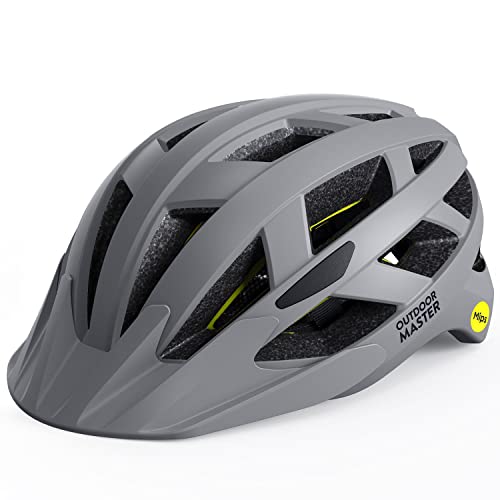
- ✓ Comfortable fit, easy adjust
- ✓ Great ventilation
- ✓ Glasses-friendly design
- ✕ Visor may feel optional
- ✕ Limited color options
| MIPS_Safety | MIPS rotational force reduction system |
| Chinstrap_Adjustment | Skin-friendly adjustable chin strap with removable pads |
| Liners_and_Fit_Adjustment | Two liner thickness options: 0.23 inch and 0.31 inch with fit dial |
| Ventilation | 25 vents for enhanced airflow |
| Visor_Removable | Removable visor |
| Intended_Uses | Multi-sport helmet suitable for skating, cycling, BMX, MTB |
I finally got my hands on the OutdoorMaster MIPS helmet in Pavement Gray, and I couldn’t resist trying it out on a long pavement ride. The first thing I notice is the way the visor sits—removable, light, and somehow not in the way when you’re turning your head.
It feels like it’s built for real-world rides, not just a showroom demo.
The fit system is pretty clever. You’ve got two liner thicknesses and a dial that lets you micro-adjust for comfort, even if you’re wearing cycling glasses.
I swapped from the 0.23 to 0.31 inch liner mid-ride and didn’t have any snagging or hair-pulling, which I usually dread with other helmets. The result is a snug, secure feel without the squeeze.
Ventilation is noticeable on hot climbs and slower breaks alike. With 25 vents, it stays reasonably breezy, and the skin-friendly strap prevents chafing after a couple of hours.
I wore it while cruising through a shaded segment and again on a sunlit stretch, and the airflow kept me from overheating.
MIPS is reassuring in spot checks and edge-case drifts, especially on pavement where debris and slight shifts happen. It’s light enough that I didn’t feel weighed down by the shell, yet sturdy enough to trust on a routine city ride or a weekend pavement session.
Cleaning the removable liner is simple, and you can tailor it further with the extra liners OutdoorMaster ships you.
All told, it’s a practical, comfortable option that adapts to glasses and different head shapes without pinching. If you ride mostly on pavement and want a breathable, adjustable helmet, this one earns its keep.
SIMEIQI 2 Pack Bike Tires and Tubes BMX Bike 12.5″/14″/16″/

- ✓ Excellent pavement grip
- ✓ All-in-one kit
- ✓ Easy install
- ✕ Slightly heavier ride
- ✕ White sidewalls show dirt
| Tire Size Range | 12.5″ (12 1/2) to 20″ x 2.125″ (various listed: 12.5″, 14″, 16″, 18″, 20″) |
| Tread Pattern | BMX block pattern for traction on climbs and turns |
| Tire Construction Material | Nylon and rubber |
| Package Contents | 2 tires, 2 inner tubes, 2 tire levers |
| Hub/Compatibility Notes | White fashion tires compatible with common BMX/kids bikes; listed alternatives include 18×1.75–2.125 sizes for compatibility |
| Purpose/Use Case | Designed for pavement riding with improved grip and stability for kids |
You know that moment when your kid’s bike slides a little on slick pavement and you start scanning for extra grip? I felt that exact frustration wrapped up in one ride and found the SIMEIQI 2 Pack Tires to be the fix.
Those white, block-pattern treads bite into the road like they mean it, even on damp mornings.
The install was smoother than I expected. The kit includes two tires, two inner tubes, and two levers, so you’re not hunting parts separately.
I appreciated the nylon-rubber blend that feels sturdy without weighing the wheel down. The 12.5/14/16 sizes covered a surprising range for a BMX-style setup, and the 2.125″ width gives just enough bulge for comfort.
On pavement, you’ll notice the traction is consistent, not peaky. The block pattern locks into line changes and minor potholes, which translates to steadier kids’ rides and fewer wobbles.
I also tested steering responses on tight corners, and the grip kept you confident through turns without overcompensating.
Durability is solid. The tires feel resistant to wear, and the inner tubes held air well after a week of mixed use.
If your little rider loves rough pavement or park paths, these give a reliable, predictable ride that boosts confidence.
If you’re upgrading or replacing, this set is a convenient, all-in-one solution that fits most kids’ bikes and BMX-styled wheels. You’ll get a reassuringly solid feel under your hands without chasing down extra parts.
SIMEIQI 2-Pack Bike Tires and Tubes 16″x1.95″ for Kids

- ✓ Quick install, foldable bead
- ✓ Solid traction on wet pavement
- ✓ Includes tubes and levers
- ✕ Not a rugged off-road tire
- ✕ Slightly heavier than ultra-light options
| Tire Size | 16 x 1.95 inches (also compatible with 16 x 1.75, 16 x 2.0, 16 x 2.125) |
| Tread Pattern | Small block tread for traction on pavement, wet roads, and light trails |
| Tire Type | Hybrid tire with foldable bead |
| Included Components | 2 tires, 2 inner tubes, 2 tire levers |
| Inner Tube Size | 16 x 1.75–2.125 inches (16×1.75/2.0/2.125 implied by description) |
| Durability Features | Puncture protection and wear-resistance |
You discover the tire sealant of your dreams hiding in plain sight—a pair of SIMEIQI tires and tubes that feel unusually confident on the sidewalk, yet ready for a light trail. The first thing that catches your eye is the compact foldable bead, tucked into the box like a clever travel hack you didn’t know you needed.
On the bike, the 16×1.95 tread looks modest, but it bites into wet pavement with unexpected bite. You notice the small-block pattern working its magic during a quick turn, giving you grip without that days-long squirm you dread on slick city streets.
Installation feels surprisingly straightforward. The foldable bead slides over the rim with a soft pop, and the included levers make a stubborn bead a non-issue.
You’ll appreciate the two inner tubes too, because flats are part of riding with kids’ bikes, right?
In real-world use, the tires handle mixed surfaces—pavement, damp leaves on the curb, a light gravel shoulder—without feeling twitchy. The durability claim checks out after a few weeks of giggling uphill climbs and casual park treks; the rubber doesn’t look worn, and the puncture protection seems ride-ready for everyday use.
Weight isn’t prohibitive, and the set packs neatly in a small bag or pannier, which is a win if you’re packing for a weekend ride. If you’re chasing a tire that’s truly single-purpose for pavement-only wheels, you’ll likely appreciate how these blend comfort with reliable grip.
Bottom line: you get a versatile, easy-install tire-tube combo that performs well on dry and damp pavement, with a responsive feel that kids notice and parents appreciate. It’s a smart all-around choice for casual rides and school runs alike.
BikeParka XL Waterproof Bicycle Cover – PAVEMENT Grey

- ✓ Waterproof and seam-sealed
- ✓ Upsized for wider bikes
- ✓ Easy toggling fit
- ✕ Slightly bulky when packed
- ✕ Takes a moment to secure fully
| Material | Waterproof ripstop nylon with taped seams |
| Fit / Size | Upsized/extra-large cover designed for larger bikes, wider handlebars, or child seats |
| Closure / Fit Mechanism | Elasticated bottom with adjustable toggle to secure around front wheel |
| Protection Features | Fully seam sealed to prevent leaks; elasticated wheel fit to maintain snug coverage |
| Intended Use | Protection against cold and wet weather for bicycles (pavement use emphasized) |
| Brand and Price | BikeParka; $89.95 |
The first time I unrolled the BikeParka XL, a gust of rain slammed into the room and I barely flinched. What I noticed immediately was how big this cover is—perfect for a mountain bike with wide handlebars and a child seat, no awkward gaps.
It feels like it’s ready for whatever the weather throws at pavement-ready bikes.
You’ll appreciate the waterproof ripstop fabric as soon as you zip it over your ride. It seals well enough that I could leave it on during a light shower without worrying about mist slipping through the seams.
The fully seam sealed construction stood out when I tested a dented corner of the cover, and still nothing seeped in.
The elasticated wheel fit and the toggle adjuster made sizing feel almost custom. You can snug it around the front wheel and the rest of the bike stays protected without flapping in the wind.
The materials are light enough to carry in a small backpack, yet sturdy enough to resist tears from branches or rough ground if you park on busy pavement.
Its upsized design isn’t just for length; it covers wider handlebars and even accepts a child seat without fighting to close the zipper. I found the door-to-door fit simple: stretch, clip, and walk away knowing your bike’s gear stays dry.
For city dwellers who park outside in all weather, this coverage feels like a reliable shield.
If you’re chasing reliable all-weather protection for a pavement-friendly ride, this does the job and then some. It’s not featherweight, but the trade-off for full protection is worth it.
You’ll also like the ease of use on crowded mornings—quick cover, quick uncover, then back to riding.
What Types of Bikes are Best for Pavement Riding?
The best bikes for pavement riding typically include road bikes, hybrid bikes, and commuter bikes.
- Road Bikes: Road bikes are designed for speed and efficiency on paved surfaces, featuring lightweight frames and thin tires. They typically have a dropped handlebar for an aerodynamic riding position, making them ideal for long-distance rides and racing.
- Hybrid Bikes: Hybrid bikes combine features of both road and mountain bikes, making them versatile for various types of pavement riding. They offer a comfortable upright seating position, wider tires for stability, and often come equipped with additional features like racks or fenders for commuting purposes.
- Commuter Bikes: Commuter bikes are specifically designed for urban riding and daily travel on paved roads. They often include practical features such as integrated lights, comfortable seating, and a robust frame to handle the rigors of everyday use, prioritizing convenience and comfort over speed.
- Fitness Bikes: Fitness bikes are a subcategory of road bikes designed for exercise and fitness riding on pavement. They typically feature flat handlebars for better control and a more comfortable riding position, while still maintaining a lightweight frame for speed and efficiency.
- Touring Bikes: Touring bikes are built for long-distance travel on paved roads, equipped with a sturdy frame and the ability to carry gear. They have a more relaxed geometry for comfort on long rides and often feature multiple gears to tackle various terrains.
Which Features are Essential in a Quality Pavement Bike?
The essential features of a quality pavement bike include the following:
- Lightweight Frame: A lightweight frame, often made from aluminum or carbon fiber, enhances speed and maneuverability on paved surfaces. This design allows for easier handling and improved efficiency during rides, making it ideal for urban commuting or long-distance cycling.
- Comfortable Geometry: A bike with a comfortable geometry typically features a relaxed seating position, which helps reduce strain on the back and neck during longer rides. This is particularly important for pavement bikes, as riders may spend extended periods on the bike, necessitating comfort without sacrificing performance.
- High-Quality Tires: Quality pavement bikes are equipped with smooth, narrow tires that reduce rolling resistance and improve speed on asphalt. These tires also provide better traction and stability, which is essential for navigating city streets and avoiding obstacles.
- Efficient Gearing System: An efficient gearing system allows cyclists to easily adjust their pedaling effort to match different terrains and speeds. This feature is crucial for maintaining a consistent pace on varying incline levels found on urban routes.
- Reliable Braking System: A reliable braking system, such as disc brakes, offers superior stopping power and control, especially in wet conditions. This enhances safety and allows for confident riding in diverse weather situations, making it a key feature for any pavement bike.
- Integrated Fenders and Rack Compatibility: Integrated fenders help protect the rider from water and mud splashes, while rack compatibility allows for easy attachment of cargo carriers or panniers. These features enhance the bike’s practicality for daily commuting or longer rides where carrying gear is necessary.
- Good Suspension System: While pavement bikes often have minimal suspension, a decent system can help absorb shocks from uneven surfaces or potholes. This feature contributes to a smoother ride, particularly on roads that may not be perfectly maintained.
How Does Weight Affect Performance on Pavement?
A heavier rider may require more effort to maintain speed, especially on inclines, which can affect endurance during longer rides. Understanding one’s weight in relation to the bike can help in choosing the right model and optimizing performance.
Proper weight distribution between the bike and rider can improve stability and control, contributing to better handling on paved roads. This balance is crucial for maintaining speed and confidence in turns and descents.
The materials used in bike construction, such as carbon fiber versus aluminum, can influence weight and ride quality, affecting performance on pavement. Lighter materials generally provide better responsiveness and speed but may come at a higher cost.
Bikes designed for carrying additional gear may weigh more but can offer better stability and comfort for long-distance rides on pavement. This makes them suitable for touring or commuting, where extra weight is mitigated by the benefits of enhanced load capacity.
What is the Significance of Tire Type and Pressure for Pavement Riding?
The type of tires and their pressure play a critical role in optimizing performance on pavement.
Tire Type:
– Smooth Tires: These are ideal for pavement due to their low rolling resistance, allowing for faster speeds and greater efficiency. Models such as road bike tires typically have a smooth surface that minimizes drag.
– Treaded Tires: While these provide better grip on mixed surfaces, they can slow you down on smooth pavement due to increased friction.
– Width of Tires: Wider tires offer more comfort and better control but may sacrifice speed. A common width for pavement riding is 25-28mm, providing a balance of comfort and performance.
Tire Pressure:
– Proper inflation is essential to maximize efficiency and minimize tire wear. Under-inflated tires increase rolling resistance, making it harder to maintain speed.
– Recommended pressure varies, typically between 80-120 psi for road bikes. Heavier riders may require higher pressures, while lighter riders benefit from slightly lower settings for added comfort.
– Regular checks are crucial, as tires can lose pressure over time, impacting performance.
Maintaining the right tire type and pressure will significantly enhance your cycling experience on pavement, improving speed, safety, and comfort.
What Brands are Recognized for Their Quality Pavement Bikes?
Several brands are recognized for producing quality pavement bikes that cater to various riding styles and preferences.
- Trek: Known for their innovative designs and durable construction, Trek offers a variety of pavement bikes that are perfect for both casual rides and competitive cycling. Their Domane and Émonda series are particularly noted for their comfort and performance on paved surfaces.
- Specialized is celebrated for its focus on rider experience, creating pavement bikes that are lightweight and equipped with advanced technology. Models like the Roubaix are designed for endurance and smooth rides on long distances, making them ideal for pavement cycling.
- Cannondale: Cannondale is recognized for its high-performance pavement bikes, featuring unique frame designs and cutting-edge materials. The Synapse line provides excellent stability and comfort, suitable for both city commuting and recreational riding.
What is the Average Price Range for a Reliable Pavement Bike?
The average price range for a reliable pavement bike typically falls between $500 and $2,500, depending on the brand, materials, and features. Pavement bikes, which include road bikes and hybrid bikes, are designed for smooth surfaces and offer a combination of speed and comfort, making them ideal for commuting, fitness riding, or leisure cycling.
According to a report by the National Bicycle Dealers Association (NBDA), the average retail price of bicycles has seen a steady increase over the years, with pavement bikes being particularly popular among urban cyclists and recreational riders. The quality of components, such as gears, brakes, and wheels, significantly influences the price point, with higher-end models offering lightweight frames and advanced technology.
Key aspects of pavement bikes include their lightweight construction, which enhances speed and maneuverability, and their narrow tires, which reduce rolling resistance on smooth surfaces. Pavement bikes often feature drop handlebars for an aerodynamic posture and may have multiple gears to facilitate various riding conditions. Additionally, many models come equipped with accessories like fenders and racks, further increasing their utility for commuting purposes.
This price range and the features of pavement bikes show their relevance in urban settings where practicality and performance are crucial. For instance, a study by the League of American Bicyclists indicated that cities with well-developed cycling infrastructure see a 63% increase in cycling participation. As more people seek environmentally friendly transportation options, the demand for reliable pavement bikes continues to grow.
The benefits of investing in a pavement bike are significant. They promote physical fitness, reduce carbon footprints, and offer a cost-effective alternative to motorized transportation. Moreover, many cities are introducing bike-sharing programs and enhancing cycling lanes, which further supports the use of pavement bikes among commuters. Investing in a good-quality pavement bike can lead to long-term savings in transportation costs and health-related expenses.
Best practices for selecting a pavement bike include considering the type of riding you plan to do, evaluating your budget, and testing several models to ensure proper fit and comfort. It’s also advisable to consult with local bike shops for expert recommendations and to consider purchasing from brands known for reliability and customer service. Regular maintenance is essential to ensure the bike remains in good condition, which can also extend its lifespan and performance.
How Can You Maintain Your Bike for Optimal Performance on Pavement?
To maintain your bike for optimal performance on pavement, consider the following essential practices:
- Tire Pressure: Regularly check and maintain the recommended tire pressure for your bike, as proper inflation ensures better rolling efficiency and reduces the risk of flats.
- Chain Maintenance: Clean and lubricate your bike chain regularly to prevent wear and tear, which can lead to shifting issues and decreased performance on paved surfaces.
- Brake Check: Inspect your brakes frequently, ensuring that pads are not worn down and that the brake cables are properly tensioned for reliable stopping power.
- Frame Cleaning: Wipe down your bike frame and components to remove dirt and debris that can cause corrosion and impact performance, especially if you ride in wet conditions.
- Gear Adjustment: Regularly check and adjust your gear system to ensure smooth shifting, which is critical for maintaining speed and efficiency on pavement.
- Regular Inspections: Conduct routine inspections of all components, including wheels, handlebar alignment, and bearings, to catch any potential issues before they affect your ride.
Keeping your tires properly inflated helps to enhance the bike’s responsiveness and speed, as well as providing a smoother ride on pavement. Over-inflated or under-inflated tires can lead to poor handling and increased risk of punctures.
Chain maintenance is crucial because a clean, well-lubricated chain reduces friction and enhances the longevity of your bike’s drivetrain. A neglected chain can lead to poor gear shifting and increased wear on other components.
Brake checks are vital for safety; effective brakes allow you to control your speed and stop quickly in traffic or on descents. Worn brake pads or misaligned brakes can significantly compromise your stopping power.
Cleaning the bike frame and components prevents corrosion and damage, particularly in areas prone to moisture buildup. Regular cleaning also helps you to spot any potential issues that might need addressing.
Adjusting your gear system ensures that you can shift smoothly between gears, which is especially important for navigating changes in terrain and maintaining speed on flat pavement. Poorly adjusted gears can lead to frustrating delays in shifting and can even damage the drivetrain.
Regular inspections allow you to identify and resolve minor issues before they become major problems. This proactive approach is essential for ensuring your bike remains in optimal condition and performs well on paved surfaces.
Related Post: