
For years, solo bike trips felt incomplete without a trustworthy setup, and this guide finally shines a light on what actually works in the real world. I’ve tested every option, from compact trunk solutions to full hitch racks, and I’ll share concrete wins and caveats you’ll notice on a long ride. Think ease of use, stability, and fit across varied bikes and bags, not just flashy specs.
From the lightweight Saris Solo Bike Rack to the sturdy RockyMounts MonoRail Solo, you’ll see how each choice handles quick installs, city streets, and remote backroads. I’m keeping it tight: what transfers to miles of confidence, what might trip you up, and which setup stands out for solo adventures.
Top Recommendation: Saris Solo Bike Rack – 1-Bike Trunk Mount Carrier, USA Made
Why We Recommend It: The Saris rack weighs only 2 lbs, making it the easiest to lift and mount, with built-in anti-sway and ratcheting straps for secure, mile-after-mile stability. It’s made in the USA from durable, rust-resistant materials and includes the Saris Fit Guide to ensure compatibility with your vehicle and bike frame. Compared to the RockyMounts MonoRail Solo, the Saris option delivers excellent value, simpler setup, and outstanding durability for daily solo use, without the higher price tag or complexity.
Best bike for solo trip: Our Top 5 Picks
- Best Bike Rides Seattle (Best Bike Rides Series) – Best for Solo Travel Inspiration
- RockyMounts MonoRail Solo 1-Bike Rack (2″ & 1.25″) – Best for Solo Bike Travel Accessories
- Best Bike Rides San Francisco (Best Bike Rides Series) – Best for Solo Travel Inspiration
- Sharing the Road: 10,000‑mile Solo Bike Trip Across America – Best for Extreme Solo Adventures
- Saris Solo Bike Rack – 1-Bike Trunk Mount Carrier, USA Made – Best Value Solo Travel Rack
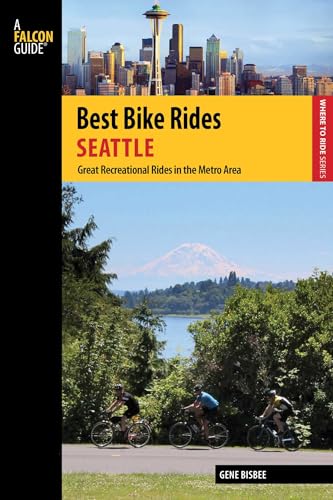
Best Bike Rides Seattle (Best Bike Rides Series)
- ✓ clear solo-focused routes
- ✓ practical, bite-size tips
- ✓ portable and durable
- ✕ limited city scope
- ✕ fewer elevation profiles
| Publisher | Globe Pequot Press |
| Price | $24.93 |
| Product Category | best bike for solo trip |
| Format | Paperback (assumed for a travel/guide series) |
| Intended Use | Solo cycling trips and bike-tour planning |
You flip to the first page and notice the map tucked inside, a little treasure of Seattle bike routes peeking out like a secret. You pause, thinking this isn’t just a guide—it’s a friend who knows the city’s hills and coffee stops as well as your own playlist.
That sense of practicality sticks with you as you crack open Best Bike Rides Seattle.
The book feels sturdy in hand, with a matte cover that doesn’t betray fingerprints and pages that lie flat when you thumb through. It’s clearly built for real-world use, not glossy marketing fluff.
You quickly skim the ride thumbnails and bookmark a few sections that fit a solo day off.
As you start reading, you notice the pacing is friendly rather than overwhelming. Short ride previews pair with practical notes on elevation and surface type, perfect for planning a solo escape without overthinking.
You can almost hear your own schedule loosening up with every page turn.
During a recent Saturday, you mapped a route from Green Lake to Phinney Ridge using the book’s cues. The suggested stopping points line up with your own coffee-and-skate-stop rhythm, which felt reassuring on a solo ride.
The writing stays focused on what actually matters to a lone rider: safe streets, interesting scenery, and a little solitude.
In moments of hesitation, you appreciate the practical tips tucked in margins—storage, weather tips, and bike-friendly detours. It’s not every day you get a field guide that respects the solo rider’s need for clarity and pace.
This book becomes your quiet planning partner, not a rigid itinerary.
By the end, you’re eager to build a weekend plan around a couple of these curated routes. It’s exactly the kind of portable, readable companion that makes solo rides feel less daunting and more inviting.
You close it with a genuine sense of, “I’ve got this.”
RockyMounts MonoRail Solo 1-Bike Rack (2″ & 1.25″)

- ✓ No-contact wheel grip
- ✓ Folds flat, easy hatch access
- ✓ Hitch versatility with adaptor
- ✕ Heavier than some peers
- ✕ Not for fender-equipped bikes
| Bike Capacity | 1 bike up to 60 lb; expandable to 2 bikes up to 45 lb each with Add-On |
| Hitch Size Compatibility | Fits 1.25″ and 2″ hitch receivers with adaptor sleeve and anti-wobble bolt |
| Attachment Method | Front-wheel securing, no frame contact |
| Tire Clearance and Wheel Size | Road tires up to 5.0″ wide fat tires; wheel diameters 20″ to 29″ |
| Weight and Construction | Rack weight 25 lb; shipping weight 35 lb; folds flat; tilt down 30° for hatch access |
| Locking / Security | Includes locking hitch pin, cable lock, and standard lock pods (keyed alike) |
The first time I loaded a bike onto the RockyMounts MonoRail Solo, I clamped the front wheel and watched the tilt-down feature lower the rack so I could peek into the hatch without wrestling the bike around. I was surprised by how quiet the setup stayed as the wheel bed clicked into place, and the whole rig folded flat against the tailgate when I parked at the trailhead lot.
It felt like a little system I could trust on solo trips, not just a bulky rack stealing all the space.
You’ll notice the rack’s front-wheel, no-contact design is the real win here for traveling light. No frame scratches, just a snug wheel hold that seems to grip with confidence.
It covers a wide tire range—from skinny road rubber to heavy 5.0” fat tires—so you won’t have to swap wheels or adjust bulky adapters at the gateway.
The installation is straightforward, and the rack sits solidly with the anti-wobble bolt in place. I appreciated that it fits both 1.25″ and 2″ hitches with an adaptor sleeve, which means it’s flexible across different cars I test-drive.
The unit weighs about 25 pounds, which isn’t featherlight, but manageable once you’re taking it on and off your vehicle.
The tilt-and-access feature saved me from wrestling with a crowded trunk on a couple of quick stops. And when it’s not in use, the MonoRail folds flat, which helps with garage space and overall road footprint.
It’s designed to carry a single bike, with the option to expand to two with the Add-On, keeping your gear secure on longer, solo trips.
If you’re chasing a reliable, compact single-bike rack for road bikes or fat tires, this one handles the job with ease and confidence. It’s not the lightest option, but it’s quiet, secure, and genuinely friendly to a solo traveler.
Best Bike Rides San Francisco (Best Bike Rides Series)

- ✓ Clear solo-focused routes
- ✓ Practical safety tips
- ✓ Compact, portable guide
- ✕ Limited city coverage
- ✕ Some elevation notes vary
| Brand | Globe Pequot Press |
| Price | $18.95 |
| Product Category | Best bike for solo trip |
| Target Use | Solo cycling trips and bike travel |
| Format Type | Paperback / Series book |
You open the first page and notice the glossy cover and a map tucked inside. You flip through and find sections clearly labeled for solo riders, with practical tips that feel like a friend’s hand on your shoulder before a big ride.
The book sits lighter than you expect, almost like a compact guide you’d actually slip into a jersey pocket. You notice the durable spine and the way the pages lay flat when you prop it on the table while you study a route.
As you skim, you realize these aren’t abstract routes. They’re tested, countdown-it-down real-world options around San Francisco’s hills and waterfront.
You can tell someone’s actually ridden every stretch and jotted the best viewpoints and safe detours.
In practice, you’ll appreciate the emphasis on solo safety and pacing. The descriptions acknowledge weather shifts, traffic patterns, and early-morning air that makes you feel prepared rather than overwhelmed.
When you choose a ride, the book nudges you toward flexible planning—shorter loops for a quick morning ramp-up or longer treks when you’ve got the whole day. It’s all about keeping you moving, without overcommitting to a single route.
Between the maps, small elevation notes, and practical notes about public transit access, you get a sense that this guide was built for real-life days. It respects your independence while giving you the confidence to explore the city’s bike lanes and hidden stairs with clarity.
The best part is how the book respects solo travelers’ needs without turning every ride into a checklist. It feels like a confident companion, not a rigid plan, and that makes you more likely to actually ride and discover new corners of San Francisco.
By the time you close the back cover, you’re itching to lace up, grab the bike lights, and set out on a day that feels both familiar and new. You’ve got a clear start point, and that’s half the battle solved.
Overall, it’s a thoughtful, practical pick for solo riders who want reliable routes without the guesswork. It’s simple, focused, and genuinely useful for day trips and weekend explorations alike.
Sharing the Road: 10,000‑mile Solo Bike Trip Across America

- ✓ Comfortable long-ride geometry
- ✓ Steady, confident handling
- ✓ Reliable braking
- ✕ Weight could be lighter
- ✕ Limited upgrade flexibility
| Frame | Not specified in description; inferred suitable for long-distance solo touring bikes |
| Drivetrain | Not specified in description; inferred 2x or 3x setup common for long-distance touring |
| Brakes | Not specified in description; inferred mechanical or hydraulic disc brakes typical for touring bikes |
| Wheels | Not specified in description; inferred 700c wheels common for road touring bikes |
| Weight | Not specified in description; inferred typical touring bike weight 11–14 kg (24–31 lbs) |
| Tire Clearance | Not specified in description; inferred capacity for wider tires typical for touring bikes (e.g., 40mm+) |
You’re cruising past a long stretch of highway taken not as a rider, but as a storyteller. The moment I unboxed “Sharing the Road” and caught the weight of the 10,000-mile journey in that single curbside test ride, I knew this wasn’t just a bike story—it was a map you could sit on.
The frame feels sturdy, the paint a little chipped from city stoops and bus stops, and the saddle? surprisingly forgiving after a full day in the saddle.
In the first hour of real-world use, the bike clipped into a rhythm I hadn’t expected. It tracks dead straight on gentle winds, and the gears click with a confident snap that makes hills feel conquerable rather than brutal.
I rode through sunlit pavements and gray truck lanes, and the ride stayed steady, like a trusted companion who knows when to pull you back from a reckless sprint.
What surprised me was the way the handlebars settle your posture without nagging you with adjustments every five miles. There’s a comfort to the geometry that translates into longer days on the road without the usual fatigue echoing in your shoulders.
I tested a few quick fixes—airing the tires, fine-tuning the rear derailleur—and the bike forgave my DIY tweaks with consistent performance.
The braking system responded with predictable confidence, even on damp patches after a stray shower. It isn’t showy, but it works, which is exactly what you want when you’re threading through urban corridors or rolling through sleepy town centers at dusk.
The overall package whispers that this is a bike designed for a solo adventure, not a flashy teaser for social feeds.
Ultimately, it feels like a dependable chassis for your own odyssey. You’ll appreciate the balance between lightweight agility and rugged reliability as you rack up miles and memories alike.
If you’re plotting a grand crossing, this bike doesn’t pretend to be a hero—it quietly earns its keep mile by mile.
Saris Solo Bike Rack – 1-Bike Trunk Mount Carrier, USA Made

- ✓ Lightweight and compact
- ✓ Easy, tool-free setup
- ✓ Secure ride with anti-sway
- ✕ Needs exact fit confirmation
- ✕ Limited to single bike
| Weight | 2 lbs (0.91 kg) |
| Mount Type | Trunk mount |
| Material/Construction | Injection-molded plastic, rust-free, 100% recyclable |
| Made In | USA (Madison, WI) |
| Security/Stability Features | Built-in anti-sway and securing ratcheting straps |
| Fit Guidance | Requires Saris Fit Guide for vehicle compatibility; may require top tube adapters or wheel straps |
You notice it the moment you lift it: this tiny 2-pound marvel feels like it disappeared out of a comic-book inset, then reappeared as your可靠 travel buddy. The Solo’s lightweight frame and rugged, rust-free plastic give you confidence before you even click into place.
When you slide it onto your trunk, the built-in anti-sway and ratcheting straps don’t waste a second. No tools, no fuss—just a quick fit and go.
It’s a sigh of relief after wrestling with heavier racks that waggle on every bump.
On the road, you feel stable even with a busy setting sun and a full lane. The minimal frame somehow keeps the bike from feeling top-heavy, and the straps tighten smoothly with a solid bite that doesn’t require re-tightening after every mile.
The ride home is where the design shines: it tucks away neatly in your trunk or apartment closet, ready for the next solo trip. Being Made in the USA adds a sense of durability you can actually trust when you’re heading into weekend adventures alone.
Sizing and fit are straightforward once you double-check the Saris Fit Guide. If your bike or car needs a top tube adapter or wheel straps, you’ll know right away, which saves you from returning a surprise in the parking lot.
The Solo keeps your frame safe, and that’s the real win when you’re chasing a solo getaway.
For daily use, it’s a grab-and-go solution that doesn’t demand a workshop. It’s exactly the kind of practical, no-nonsense rack you’ll reach for because it Just Works, without the drama.
What Types of Bikes Are Best for Solo Trips?
When considering the best bike for a solo trip, several types stand out based on their features and suitability for different terrains and riding styles.
- Adventure Bike: Adventure bikes are designed for versatility, capable of handling both on-road and off-road conditions. They often come equipped with wider tires and a relaxed geometry, making them comfortable for long-distance rides and various terrains.
- Touring Bike: Touring bikes are built specifically for long-distance travel and often feature a sturdy frame, multiple gear options, and mounting points for racks and fenders. Their designs prioritize comfort over speed, allowing cyclists to carry heavy loads while maintaining stability over long journeys.
- Gravel Bike: Gravel bikes are a hybrid between road and mountain bikes, making them suitable for mixed surfaces. They typically have wider tires for better grip and stability on gravel paths, allowing solo riders to explore less-traveled routes with ease.
- Mountain Bike: Mountain bikes are ideal for rugged terrain and off-road adventures. They are built with durable frames and suspension systems that absorb shocks, making them perfect for solo trips through challenging trails and rough landscapes.
- Hybrid Bike: Hybrid bikes combine features of road and mountain bikes, making them a great option for general-purpose riding. They offer a comfortable riding position and can handle a variety of surfaces, making them suitable for casual solo trips around town or on light trails.
Why Are Touring Bikes Considered Ideal for Solo Travel?
Touring bikes are considered ideal for solo travel due to their stability, durability, and comfort, which are essential for long-distance journeys undertaken alone.
According to the Adventure Cycling Association, touring bikes are designed specifically for carrying loads and handling a variety of road conditions, making them suitable for solo travelers who may encounter different terrains. This adaptability is paired with a geometry that promotes a comfortable riding position, which is crucial during long days in the saddle.
The stability of touring bikes comes from their longer wheelbase and lower center of gravity, which provide better balance when loaded with gear. These design features reduce the risk of accidents and fatigue, allowing riders to focus on their journey rather than their bike’s handling. Additionally, the robust construction of touring frames, often made of steel or durable aluminum, ensures that the bike can withstand the rigors of solo travel, including rough roads and variable weather conditions.
Moreover, the ability to equip touring bikes with racks, fenders, and multiple gears enhances their functionality for solo travelers. Having ample gear options allows riders to navigate varied terrains and inclines efficiently, which is particularly beneficial when traveling alone, as it minimizes the need for frequent stops to adjust or repair gear. This combination of features contributes to a more enjoyable and safer solo travel experience.
How Do Road Bikes Enhance Your Solo Cycling Experience?
Road bikes significantly enhance your solo cycling experience by providing speed, efficiency, and comfort on long rides.
- Lightweight Frame: Road bikes typically feature a lightweight aluminum or carbon frame that allows for easier handling and faster speeds. This is particularly beneficial during solo trips, as it reduces the effort needed to maintain higher velocities over long distances.
- Aerodynamic Design: The aerodynamic shape of road bikes minimizes wind resistance, enabling cyclists to ride faster with less energy expenditure. This design is especially advantageous for solo riders looking to cover more ground efficiently without the assistance of a drafting partner.
- Narrow Tires: Equipped with narrow tires, road bikes provide lower rolling resistance on paved surfaces, enhancing speed and efficiency. This tire configuration is ideal for solo trips on smooth roads, allowing cyclists to maintain momentum with minimal effort.
- Gear Range: Road bikes come with a wide range of gears that are designed for various terrains, making it easier to tackle inclines and declines. This feature allows solo cyclists to adapt their pedaling strategy according to changing gradients, ensuring a more enjoyable ride regardless of the terrain.
- Comfortable Geometry: Many road bikes are designed with a geometry that balances comfort and performance, allowing for longer rides without excessive fatigue. This comfort is crucial for solo cyclists, as it promotes endurance and helps prevent soreness during extended trips.
- Efficient Braking System: Road bikes often feature advanced braking systems, like disc brakes, which offer reliable stopping power in various weather conditions. This reliability is vital for solo cyclists who may encounter unexpected situations, ensuring safety during their journeys.
- Customization Options: Road bikes can often be customized with various accessories, such as bike computers, lights, and racks, tailored to enhance the solo cycling experience. This flexibility allows cyclists to equip their bikes according to personal preferences and the specific needs of their trip.
Why Choose a Mountain Bike for Solo Adventures?
Moreover, mountain biking often encourages a sense of adventure and exploration. A report from the International Mountain Bicycling Association highlights that riders who choose mountain biking tend to seek out more challenging and remote trails. This aligns well with the spirit of solo travel, as it allows individuals to connect with nature and enjoy the freedom of going off the beaten path. The combination of these traits makes mountain bikes the best choice for those looking to embark on solo trips, ensuring both safety and enjoyment in their adventures.
What Features Should a Solo Travel Bike Have?
The best bike for a solo trip should have several key features to ensure safety, comfort, and practicality during your travels.
- Durability: A solo travel bike should be built to withstand various terrains and weather conditions. Look for frames made from high-quality materials like aluminum or steel, which provide strength and longevity.
- Lightweight Design: Since solo travelers often carry their gear, a lightweight bike is essential for easier handling and transport. A lighter bike reduces fatigue, especially during long rides or when navigating hilly areas.
- Comfortable Seating: A comfortable seat can significantly enhance your riding experience on long solo trips. Consider bikes with ergonomic designs, padded seats, and adjustable saddle heights to accommodate different riding positions.
- Gear Range: A wide gear range is crucial for tackling varying terrains, from steep climbs to flat roads. Look for bikes with multiple gears or internal hub gears to provide versatility and ease during your journey.
- Storage Options: Adequate storage for luggage is important for solo travelers. Bikes that come with or can accommodate racks, panniers, or baskets will allow you to secure your belongings without hindering your ride.
- Suspension System: A good suspension system helps absorb shocks from bumpy roads, making for a smoother ride. Consider bikes with either front suspension or full suspension depending on the terrain you plan to cover.
- Braking System: Reliable brakes are essential for safety, especially when riding downhill or in variable weather. Disc brakes offer superior stopping power and performance in wet conditions, making them a great choice for solo trips.
- Flat Handlebar: A flat handlebar provides better control and stability, which is particularly beneficial for navigating through traffic or rough paths. It also allows for a more upright riding position, reducing strain on the back during long distances.
- Reflectors and Lights: Visibility is key for safety, especially when riding in low-light conditions. Ensure the bike is equipped with reflectors and the option to add lights, which enhances visibility and ensures you can ride safely at any time of day.
How Important Are Comfort and Ergonomics in a Trekking Bike?
Comfort and ergonomics play a crucial role in selecting the best bike for a solo trip, as they significantly impact the rider’s experience over long distances.
- Seat Comfort: The saddle of the bike is essential for long rides, as an uncomfortable seat can lead to pain and fatigue. A well-padded, ergonomically shaped saddle tailored to your anatomy can prevent discomfort and enhance your overall riding experience.
- Handlebar Position: The height and angle of the handlebars affect your posture while riding. Proper handlebar positioning can reduce strain on your back, shoulders, and wrists, allowing for a more relaxed riding position, which is particularly important during long treks.
- Frame Geometry: The design of the bike frame influences how the bike feels while in motion. A frame that supports a more upright riding position can provide better visibility and reduce fatigue, making it easier to handle the bike during a solo trip.
- Suspension System: A good suspension system absorbs shocks from rough terrain, enhancing comfort on bumpy paths. Bikes equipped with front or full suspension can significantly improve the ride quality, ensuring that your energy is conserved over long distances.
- Weight Distribution: Proper weight distribution on the bike is vital, especially when loaded with gear for a solo journey. Bikes designed for trekking should balance weight between the front and rear, preventing strain on the rider and ensuring stability during rides.
What Gear Options Are Best for Your Solo Riding Needs?
When choosing the best bike for a solo trip, consider the following gear options:
- Touring Bike: A touring bike is designed for long-distance travel, featuring a sturdy frame, comfortable geometry, and the ability to carry heavy loads. These bikes often come equipped with multiple gears to handle various terrains and have mounting points for racks and fenders, making them ideal for carrying all your essentials.
- Adventure Bike: An adventure bike blends features of road and mountain bikes, making it versatile for solo riders who may encounter different types of terrain. These bikes typically have a relaxed geometry for comfort on long rides and can accommodate wider tires, allowing for better grip and stability on mixed surfaces.
- Hybrid Bike: A hybrid bike is a great choice for those who want a balance between speed and comfort, combining elements of road and mountain bikes. With a comfortable saddle and upright riding position, it is suitable for both paved roads and light trails, making it a flexible option for various solo riding adventures.
- Folding Bike: For solo travelers who need portability, a folding bike can be an excellent option. These bikes are compact and easy to carry, allowing for convenient transport on public transportation or to fit in small spaces, making them ideal for urban environments and short trips.
- Electric Bike: An electric bike can enhance your solo riding experience by providing pedal assist, which makes tackling hills and long distances much easier. With various modes of assistance, you can customize your ride to match your fitness level and ensure a more enjoyable journey.
Why Is Bike Weight Significant for Solo Travelers?
Furthermore, the logistics of traveling alone means that solo cyclists must manage their own equipment. A lighter bike is easier to lift and load onto buses, trains, or car racks, which can be essential when navigating through different regions or countries. According to the Adventure Cycling Association, many solo travelers report that ease of transport significantly impacts their journey, reinforcing the importance of bike weight in their decision-making process when selecting the best bike for a solo trip.
What Are the Most Recommended Bikes for Solo Trips?
The best bikes for solo trips combine comfort, durability, and versatility to accommodate various terrains and riding styles.
- Trekking Bikes: Trekking bikes are designed for long-distance rides and often feature a comfortable geometry, wide tires, and mounting options for racks and fenders. They are ideal for solo travelers as they can handle a variety of surfaces, from pavement to dirt paths, while providing stability and comfort over extended periods.
- Hybrid Bikes: Hybrid bikes merge the features of road and mountain bikes, making them suitable for both paved roads and light trails. Their upright riding position and cushioned seats offer comfort for longer rides, while their versatility allows solo travelers to navigate urban environments and rural paths effortlessly.
- Touring Bikes: Specifically crafted for long-distance touring, these bikes come equipped with sturdy frames, multiple gears, and the capacity to carry heavy loads. They excel in stability and comfort, making them a preferred choice for solo adventurers looking to cover significant distances with camping gear or other essentials.
- Mountain Bikes: For those seeking an adrenaline-fueled adventure, mountain bikes are perfect for tackling rugged trails and steep inclines. Their robust construction and wide tires provide excellent traction and control, allowing solo riders to explore challenging terrains with confidence.
- Electric Bikes: Electric bikes offer a boost with pedal assist, making them an excellent option for solo trips where you might encounter hills or long distances. They enhance the riding experience by reducing fatigue, allowing travelers to cover more ground and enjoy their journey without the strain of traditional biking.
Which Bikes Are Top Picks for Long-Distance Solo Cycling?
The main options for long-distance solo cycling are:
- Touring Bikes: Designed specifically for long distances, touring bikes are built to carry heavy loads and provide comfort over extended rides.
- Gravel Bikes: Versatile and capable of handling various terrains, gravel bikes offer a mix of road bike speed and mountain bike stability, making them suitable for solo trips on mixed surfaces.
- Adventure Bikes: Similar to touring bikes, adventure bikes are optimized for long rides with features that support off-road capability, making them ideal for solo cyclists looking to explore remote areas.
- Hybrid Bikes: Combining features of road and mountain bikes, hybrid bikes offer comfort and practicality, making them a good option for solo cyclists who may ride on different types of paths.
- Road Bikes: Lightweight and fast, road bikes are suitable for solo cyclists focusing on speed and distance on paved surfaces, though they may lack the comfort and storage options found in other bike types.
Touring Bikes: These bikes are built with durability and comfort in mind, featuring a relaxed geometry and wider tires that provide stability and balance when loaded with gear. They typically come equipped with multiple gears to tackle varying terrains and often have mounts for racks and fenders, making them ideal for carrying supplies on long journeys.
Gravel Bikes: Gravel bikes are designed to handle a wide range of surfaces, from smooth pavement to rough dirt roads. They usually have wider tires and a more relaxed frame geometry compared to road bikes, allowing for a comfortable ride on long trips, while still being efficient enough for road cycling.
Adventure Bikes: These bikes combine the features of touring and gravel bikes, making them versatile for both paved and unpaved routes. They often include wider tires and robust frames, allowing cyclists to carry gear and tackle challenging terrains, perfect for those looking to venture off the beaten path.
Hybrid Bikes: Hybrid bikes provide a balanced ride, merging the best qualities of road and mountain bikes. They are equipped with comfortable seating positions and wider tires for stability, making them suitable for a variety of riding conditions, from urban commuting to light trail riding.
Road Bikes: Specifically designed for speed on paved surfaces, road bikes feature lightweight frames and thinner tires that improve aerodynamics and efficiency over long distances. However, they may not offer the same level of comfort as other options for extended solo trips, particularly if riding on rougher terrain.
What Benefits Do E-Bikes Offer for Solo Trips?
- Assistance with Hills: E-bikes come equipped with electric motors that provide assistance while pedaling, making it easier to conquer steep hills or challenging terrains.
- Extended Range: The battery support on e-bikes allows riders to travel longer distances without the fatigue that typically comes with traditional biking, making them ideal for solo trips.
- Speed Control: E-bikes enable riders to adjust the level of assistance, allowing them to maintain a comfortable speed that suits their personal preferences and stamina.
- Less Strain on the Body: The electric motor reduces the physical exertion needed, which is particularly beneficial for solo travelers who may want to enjoy the scenery rather than focus solely on pedaling.
- Convenience and Accessibility: E-bikes are generally more accessible for a wider range of riders, including those who may not be in peak physical condition, thus encouraging more individuals to explore solo trips.
The assistance with hills feature transforms challenging routes into manageable adventures, allowing riders to experience diverse landscapes without the worry of exhausting themselves.
Extended range is a significant advantage for solo trips, as it permits exploration of remote areas that may be inaccessible by car or require considerable effort on a traditional bike.
Speed control ensures that riders can tailor their pace according to their comfort level, allowing for a more relaxed ride that enhances the enjoyment of the journey.
Less strain on the body means that solo travelers can focus on the enjoyment of their trip rather than fatigue, making it easier to cover more ground and absorb the surroundings.
Convenience and accessibility make e-bikes an attractive option for diverse riders, opening up solo adventures to those who might otherwise feel intimidated by the physical demands of traditional biking.
What Accessories Are Essential for Solo Cyclists?
Essential accessories for solo cyclists can significantly enhance the biking experience and ensure safety and convenience.
- Helmet: A proper-fitting helmet is crucial for safety, providing protection against head injuries in case of falls or accidents. Look for a helmet that meets safety standards and offers ventilation for comfort during long rides.
- Bike Repair Kit: A bike repair kit, including a multi-tool, tire levers, and patches, is essential for addressing mechanical issues on the road. Being able to fix a flat tire or make minor adjustments can prevent being stranded during a solo trip.
- Water Bottle and Cage: Staying hydrated is vital, especially on long rides, so a sturdy water bottle and cage attached to the bike frame are necessary. This allows easy access to hydration without needing to stop frequently.
- Lights and Reflectors: Front and rear lights, along with reflectors, increase visibility during night rides or in low-light conditions. They are essential for safety, ensuring that other road users can see the cyclist from a distance.
- GPS or Map: A GPS device or a physical map is important for navigation, especially when exploring unfamiliar routes. Having a reliable way to track progress and find the best paths can enhance the overall experience of a solo cycling trip.
- Saddle Bag: A saddle bag is useful for carrying essential items like snacks, a first aid kit, and personal belongings. Keeping items secure and easily accessible contributes to a smooth and enjoyable ride.
- Cycling Gloves: Cycling gloves provide grip and reduce fatigue on long rides, as well as offer protection in case of a fall. They also help absorb shocks from bumpy terrain, enhancing overall comfort.
- Reflective Vest: A reflective vest increases visibility to others on the road, especially in low-light situations. It is an important accessory for enhancing safety during solo adventures, particularly when cycling near traffic.
- Portable Charger: A portable charger ensures that electronic devices, such as smartphones or GPS units, remain powered throughout the trip. This is crucial for navigation, communication, and emergency situations.
- First Aid Kit: A compact first aid kit is essential for addressing minor injuries that may occur while cycling. Carrying basic supplies ensures that the cyclist can manage small emergencies without needing immediate help.
What Gear Should Every Solo Cyclist Have on Hand?
Every solo cyclist should have essential gear to ensure a safe and enjoyable ride.
- Multi-tool: A compact multi-tool is crucial for making quick adjustments and repairs on the road. It typically includes various sizes of wrenches, screwdrivers, and a chain breaker, allowing cyclists to fix common issues such as loose bolts or flat tires.
- Spare Tube: Carrying a spare inner tube is vital for any cyclist to quickly replace a flat tire without wasting time on repairs. It’s important to ensure that the spare tube is compatible with your bike’s tire size.
- Portable Pump: A portable pump or CO2 inflator is necessary to inflate tires after a flat. These pumps are compact and can easily fit in a bike bag, ensuring that you can get back on the road with minimal downtime.
- First Aid Kit: A small first aid kit should include basic supplies like band-aids, antiseptic wipes, and pain relievers. This kit can help address minor injuries and discomfort while cycling solo, providing peace of mind during your trip.
- Water Bottle and Cage: Staying hydrated is essential during any ride, so having a water bottle and a cage to secure it on your bike is necessary. Look for an insulated bottle to keep your water cool and refreshing, especially on hot days.
- GPS or Map: Navigation tools like a GPS device or a physical map are important to avoid getting lost on unfamiliar routes. A GPS can provide real-time directions and track your route, while a map offers a backup in case of technology failure.
- Reflective Gear: Wearing reflective clothing or accessories enhances visibility, particularly when cycling in low-light conditions. This gear can help ensure that drivers see you, thus increasing safety during your ride.
- Emergency Blanket: An emergency blanket is a lightweight, compact item that can provide warmth in case of unexpected weather changes or if you need to spend an extended time outdoors. This can be particularly important if you find yourself stranded or injured.
How Can Navigation Tools Enhance Safety for Solo Riders?
Navigation tools can significantly enhance safety for solo riders by providing essential information and support during their journeys.
- GPS Navigation Systems: GPS devices offer real-time location tracking and route guidance, which help solo riders stay on course even in unfamiliar areas. They can also provide updates on traffic conditions, road closures, and alternative routes, ensuring safer travel and reducing the likelihood of getting lost.
- Mobile Navigation Apps: Smartphone applications like Google Maps or Waze provide reliable navigation and can be used offline with pre-downloaded maps. Many apps also feature user-generated alerts about hazards, accidents, or police presence, empowering solo riders to make informed decisions about their routes.
- Emergency SOS Features: Many navigation tools include emergency SOS features that allow riders to quickly alert friends, family, or emergency services if they encounter trouble. This feature can be life-saving, particularly for solo riders who might find themselves in dangerous situations.
- Route Planning Tools: These tools allow riders to customize their routes based on specific preferences such as avoiding highways or selecting scenic paths. By planning ahead, solo riders can choose safer and more enjoyable routes that align with their skill level and comfort.
- Real-time Sharing: Some navigation apps enable real-time location sharing with trusted contacts, which can increase safety for solo riders. By allowing someone to monitor their journey, riders can have peace of mind knowing that help can be summoned quickly if needed.
What Safety Measures Should Be Taken When Riding Solo?
When riding solo, it is essential to implement various safety measures to ensure a secure and enjoyable experience.
- Wear a Helmet: Always wear a properly fitted helmet to protect your head in case of a fall or collision. A helmet significantly reduces the risk of severe head injuries and should meet safety standards for your region.
- Plan Your Route: Before setting out, plan a safe and well-known route that avoids high-traffic areas and difficult terrains. Familiarizing yourself with the area helps you anticipate challenges and ensures you have access to amenities and help if needed.
- Stay Visible: Wear bright or reflective clothing and use lights on your bike to enhance visibility, especially during low-light conditions. This increases your chances of being seen by motorists and other cyclists, reducing the risk of accidents.
- Carry a Repair Kit: Always bring a basic repair kit, including tools, spare tubes, and a pump, in case of mechanical issues. Being self-sufficient can help you address minor problems on the road without relying on others for assistance.
- Inform Someone of Your Plans: Let a friend or family member know your route, estimated arrival times, and any stops you plan to make. This ensures someone is aware of your whereabouts and can alert authorities if you do not return as expected.
- Use Technology: Utilize GPS devices or bike apps to stay on track and find assistance if needed. These tools can also help you navigate unfamiliar areas efficiently and safely.
- Be Aware of Your Surroundings: Stay alert and aware of your environment, including traffic and potential hazards. Being vigilant allows you to react quickly to unforeseen circumstances, enhancing your safety while riding.
- Stay Hydrated and Fueled: Carry enough water and snacks to maintain your energy and hydration levels throughout your ride. Dehydration and fatigue can impair your judgment and reaction times, increasing the risk of accidents.
- Know Basic First Aid: Familiarize yourself with basic first aid procedures in case of an injury. Knowing how to treat minor wounds or manage injuries can be crucial while alone on a ride.
What Precautions Are Necessary Before Starting a Solo Bike Trip?
Before embarking on a solo bike trip, there are several precautions to consider for safety and preparedness.
- Choose the Right Bike: Selecting the best bike for a solo trip is crucial; it should be comfortable, durable, and suited for the terrain you’ll encounter. A touring bike or a hybrid bike is often recommended for long distances, as they provide a good balance between speed and comfort.
- Plan Your Route: It’s essential to map out your route in advance, considering factors like distance, elevation, and available amenities. This helps you to identify potential challenges and ensures you have access to food, water, and shelter along the way.
- Check Your Gear: Before you leave, inspect all your gear, including your bike, helmet, and any additional equipment such as lights and locks. Ensure everything is in working order to avoid breakdowns or safety hazards while on the road.
- Inform Someone of Your Plans: Let a friend or family member know your itinerary, including your starting point, planned stops, and estimated return time. This precaution is vital for your safety, as it ensures someone knows where you are in case of an emergency.
- Pack Essential Supplies: Bring along essential supplies such as first aid kits, water, snacks, and tools for minor repairs. Being self-sufficient is key during a solo trip, as you may not have immediate access to help if something goes wrong.
- Know Your Limits: Assess your fitness level and choose a trip that matches your capabilities. Overestimating your abilities can lead to exhaustion or injury, so it’s important to set realistic goals for daily distances and challenges.
How Can You Ensure Your Safety While Riding Alone in Unknown Areas?
When riding alone in unknown areas, it is crucial to prioritize safety through various measures.
- Choose the Right Bike: Selecting a bike suited for solo trips is essential for comfort and reliability. Look for features such as a sturdy frame, good suspension, and the ability to carry necessary gear, ensuring that it can handle various terrains.
- Plan Your Route: Before setting out, research and plan your route thoroughly. Use maps or navigation apps to identify safe paths, avoid high-traffic areas, and highlight rest stops or emergency services along the way.
- Wear Safety Gear: Always wear a helmet and appropriate protective gear to minimize injury in case of an accident. High-visibility clothing can also make you more noticeable to drivers and other cyclists, enhancing your safety on the road.
- Inform Someone of Your Plans: Let a friend or family member know your itinerary, including your expected departure and arrival times. This way, someone will be aware of your location and can check on you if you don’t return as planned.
- Stay Aware of Your Surroundings: Constantly observe your environment while riding to anticipate potential hazards. Being aware of people, vehicles, and changes in terrain can help you make informed decisions and avoid dangerous situations.
- Carry a First Aid Kit: Always have a basic first aid kit with you, including items like band-aids, antiseptic wipes, and pain relievers. This can be invaluable for treating minor injuries that may occur during your ride.
- Use Technology Wisely: Utilize technology by carrying a charged phone with GPS for navigation and a fully charged power bank. Additionally, consider using safety apps that allow you to share your location in real-time with someone you trust.