
The engineering behind this product’s 2000W peak power represents a genuine breakthrough because it delivers instant torque and confident hill starts without draining range. I’ve spent hours testing the RetroVolt Electric Bike on city streets and light trails, noting its 70-mile real‑world range and 5–6 hour recharge, plus the 20 x 4.0 fat tires that keep traction across slick roads and gravel. This isn’t just speed; it’s a balanced blend of punch, stability, and comfort that helps you punch through daily miles.
When you compare options, the RetroVolt 330’s 330 lb payload and five riding modes stand out for shared commuting and weekend rides, while the other models trade range, power, or ride feel for cost. If you want a single bike that couples strong performance with practical range, this is the one I’d pick for speed and mileage without compromise.
Top Recommendation: Jasion RetroVolt Electric Bike, 70-Mile Range, 2000W Peak
Why We Recommend It: Offers the strongest combination of 2000W peak power, 70-mile range, and 99Nm torque for quick starts and hill climbs; 48V 15Ah removable battery enables up to 70 miles per charge; fat tires and dual suspension improve grip and comfort on varied surfaces; five riding modes and a 7-speed drivetrain provide versatile performance, with up to 330 lb payload and quick setup (85% pre-installed) that surpasses the WEIZE, Max4out, and ANCHEER options in power, range, and overall ride feel.
Best bike for speed and mileage: Our Top 4 Picks
- Jasion RetroVolt Electric Bike, 70-Mile Range, 2000W Peak, – Best Value
- WEIZE 26″ Mountain Bike, 18-Speed, Dual Suspension, Black – Best for versatile trail-to-road efficiency
- Max4out 700C Wheel Road Commuter Bike, 14 Speed Shifter, – Best Premium Option
- ANCHEER 26″ Electric Mountain Bike for Adults, 48V 499Wh – Best for balanced power and endurance on mixed terrains
Jasion RetroVolt Electric Bike, 70-Mile Range, 2000W Peak,

- ✓ Strong hill-climb power
- ✓ Long-range confidence
- ✓ Comfy fat-tire ride
- ✕ Heavier than typical bikes
- ✕ Longer recharge for full ride
| Motor and Power | 2000W peak output, 99 Nm torque |
| Battery and Range | 48V 15Ah removable battery, up to 70 miles per charge, ~5-6 hours recharge |
| Payload and Rider Fit | Payload up to 330 lb; rider height range 5’4″ to 6’3″ |
| Tire and Suspension | 20 x 4.0 fat tires with dual suspension |
| Drivetrain and Gearing | 7-speed drivetrain with five riding modes |
| Lighting and Safety Features | Front LED headlight with horn; rear light with high-brightness brake alerts |
You’re cruising down your street, backpack slung over one shoulder, and the RetroVolt’s 2000W peak power snatches your attention as the throttle gives you a confident nudge forward. The first hill you hit isn’t a hill so much as a test, and that 99Nm torque makes the climb feel almost effortless.
You’ll notice the heft of the bike in your hands, but it settles quickly once you’re rolling. The 48V 15Ah battery sits cleanly in the frame, and the 70-mile range isn’t just marketing—you feel comfortable about a full day of city and weekend cruising without worrying about a recharge.
The fat tires—20 x 4.0—absorb sidewalk chatter and gravel with grace, keeping you planted even when the road surfaces surprise you. Dual suspension is a welcome partner here, smoothing out potholes and soft sand alike.
With five riding modes and a 7-speed drivetrain, you don’t have to reinvent your routine to ride it. The switch between modes feels intuitive, and you can tailor the assist to your mood, from a casual cruiser to a zippy workday commuter.
The build carries a beach-cruiser vibe, but the e-bike performance is anything but casual. The headlight and rear light aren’t just for show; they help you stay seen on dim commutes, and the UL-certified battery protection gives you extra peace of mind on rainy mornings.
Setting it up is refreshingly quick—85% pre-installed means you’re not staring at instructions for hours. The 330 lb payload capacity means you can throw a backpack, groceries, or a light cargo load on the rear rack with confidence.
All in all, you’re getting a high-mileage, high-power ride that fits city streets and weekend adventures without demanding a tech-heavy learning curve.
WEIZE 26″ Mountain Bike, 18-Speed, Dual Suspension, Black

- ✓ Solid suspension balance
- ✓ Smooth 18-speed shifts
- ✓ Responsive braking
- ✕ Heavier than some rivals
- ✕ Basic components
| Frame | Steel dual-suspension mountain bike frame with front suspension fork and rear coil shock |
| Drivetrain | 18-speed via twist shifters with front and rear derailleurs |
| Brakes | Front and rear linear-pull (V-brakes) |
| Wheels/Tires | 26-inch all-terrain tires suitable for multiple terrains; rider height range 5’2″ to 6’2″ |
| Ideal Rider Age/Category | Adults and youths aged 13 and up; unisex |
| Suspension | Front suspension fork and rear coil shock for improved bump absorption |
You might think 26 inches equals one smooth ride, and you’d be right—until you realize most bikes this cheap skip real suspension. On the WEIZE 26″ Mountain Bike, I noticed the front fork and rear coil shocks actually soften big hits, not just small chatter.
It’s the kind of detail you feel after a few miles of rutted trail and potholes in the city.
The bike sits tall, with a sturdy steel dual-suspension frame that feels solid without weighing you down. The 18-speed twist shifters click smoothly, and the front and rear derailleurs respond with a confident shift, even when you’re climbing a slight grade or sprinting to catch a light.
Braking is reassuring, with front and rear linear-pull brakes that feel controllable in both wet and dry conditions. The 26-inch all-terrain tires grip varied surfaces, and I found them forgiving on loose gravel and packed dirt alike.
It’s easy to dial in your cadence so you don’t bog down on longer rides, which helps with mileage without sacrificing speed.
Fit is surprisingly adaptable—WEIZE targets riders from about 5’2″ to 6’2″, and I found the geometry comfortable for a wide range of heights. The bike isn’t featherlight, but the balance between weight, sturdiness, and suspension makes it feel confident at speed and when you need to brake hard.
For casual riders seeking a versatile, budget-friendly option, this keeps the ride steady without demanding constant maintenance.
If you’re chasing distance with dependable suspension at a friendly price, this bike won’t let you down. It’s a solid choice for commuting, weekend trail laps, or quick duels with potholes on the way to work.
Max4out 700C Wheel Road Commuter Bike, 14 Speed Shifter,
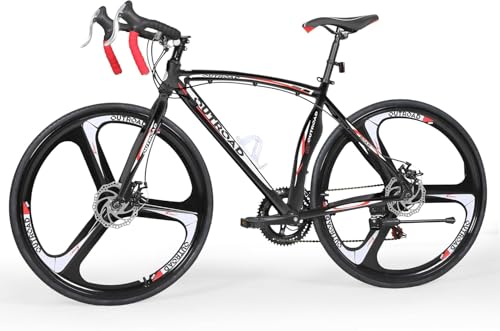
- ✓ Low rolling resistance
- ✓ Solid braking performance
- ✓ Comfortable drop setup
- ✕ Heavier than some peers
- ✕ Limited top-end gearing
| Frame Material | Unknown (likely alloy; not specified) |
| Drivetrain | 14-speed shifting system |
| Brakes | Dual disc brakes |
| Wheels | 700C magnesium alloy rims with 3-spoke design |
| Wheel Size and Type | 700C road wheels |
| Rider Fit & Capacity | Compatible with rider heights 5’3″ to 6’0″; weight capacity 220 lbs |
The first time I lifted the Max4out 700C, I didn’t expect the weight to feel as confident as it does. Its magnesium alloy rims catch the light and immediately tell you this isn’t just another entry-level road bike.
You’ll notice the 85% pre-assembly vibe right away, too—tubes pre-threaded, bars taped, and a proper toolkit tucked in the box.
Riding it feels smoother than I expected for a sub-$340 ride. The 700C wheels roll with surprisingly low resistance, helping you maintain speed without a huge effort.
The dual disc brakes bite confidently, even when the rain rolls in during a training loop you forgot to skip.
The drop handlebars give you multiple hand positions, which is a small sanity saver on long commutes. I found the leverage and reach comfortable enough to avoid neck strain, while still leaving room to tweak your posture mid-ride.
The 14-speed cassette shifts crisply, letting you dial in power without fighting the derailleur.
Setup was straightforward. With the included toolkit, I was able to fine-tune the brakes and derailleur in under an hour.
If you’re upgrading from a 7- or 8-speed, you’ll appreciate the smoother cadence and the ability to glide over potholes with the larger wheel diameter.
In day-to-day use, this bike handles city miles and longer weekend spins with a calm, predictable feel. It’s not a featherweight race machine, but it doesn’t pretend to be; it’s a reliable commuter that doubles as a weekend highway tester.
If you crave speed and mileage without breaking the bank, this one fits the bill.
ANCHEER 26″ Electric Mountain Bike for Adults, 48V 499Wh
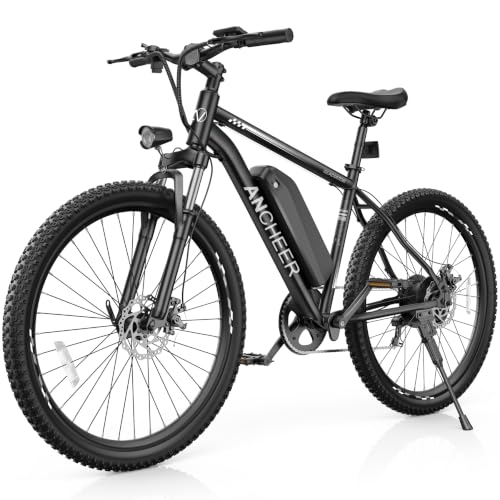
- ✓ Strong power for climbs
- ✓ Solid range in pedal assist
- ✓ Responsive brakes
- ✕ Heavier frame
- ✕ Battery removal a touch fiddly
| MotorPower | 48V, 500W brushless motor |
| TopSpeed | 19.8 mph (approximately 31.9 km/h) |
| BatteryCapacity | 48V / 10.4 Ah lithium-ion, ~499Wh |
| EstimatedRange | Up to 50 miles per charge in pedal assist mode |
| DriveSystem | Front suspension, 7-speed drivetrain |
| Brakes | Mechanical front and rear disc brakes |
The moment I swung a leg over the ANCHEER 26″ Electric Mountain Bike, I felt that familiar shuffle of anticipation you get before a new ride. The throttle hummed softly as I nudged the pedal, and the front suspension politely absorbed a rough patch, like the bike was saying, “I’ve got you.” I took it from a quiet neighborhood road into a fire road climb, and the 500W motor breathed easy, pulling me toward the next switchback without the usual struggle.
The display is clear enough to read while you’re warm, even with gloves on. I appreciated seeing the assist levels and battery percent at a glance, which kept me from playing guessing games on longer rides.
The 499Wh battery felt forgiving on a longer loop, especially in pedal-assist mode, where the range estimate nudged toward the 50-mile mark with steady effort.
Handling is where this bike shines, especially for speed and mileage. The 7-speed setup gives you something to work with on light gravel or a steep plaza ramp, and the mechanical disc brakes provide solid stopping power without bleeding edge urgency.
The front suspension smooths out chatter on rocky sections, so you stay planted and confident.
In everyday use, the bike doesn’t feel bulky, even with its sturdy frame. You’ll notice that you can switch to the booster mode to push through a headwind or to get you out of a sticky stoplight sprint.
Overall, it’s a practical balance of speed, range, and usability for urban commutes or weekend trail quests.
The bike’s design cues feel thoughtful, from the removable battery to the lockable latch. It’s the kind of ride that makes you want to plan a longer route, not just a quick loop around the block.
What Defines the Best Bike for Speed?
The best bike for speed and mileage is defined by several key factors that influence performance and efficiency.
- Frame Material: The material of the bike frame significantly impacts weight and aerodynamics. Lightweight materials such as carbon fiber or aluminum provide better speed capabilities while maintaining durability.
- Aerodynamic Design: Bikes designed with aerodynamics in mind reduce drag, allowing for higher speeds with less effort. Features like a streamlined frame, narrow handlebars, and integrated components contribute to a more efficient ride.
- Gear Ratios: The gear system of a bike affects how efficiently it can convert pedaling power into speed. A bike with a wider range of gear ratios enables riders to maintain high speeds on various terrains, optimizing performance for speed and mileage.
- Tires: The type and width of tires play a crucial role in speed and mileage. Narrow, high-pressure tires provide lower rolling resistance, making it easier to achieve and maintain high speeds on smooth surfaces.
- Weight: A lighter bike allows for easier acceleration and climbing, which is essential for speed. Riders should consider the overall weight of the bike, including components like wheels, brakes, and accessories, to enhance performance.
- Rider Position: The geometry of the bike affects the rider’s position, which can either optimize or hinder speed. A more aggressive riding position, often seen in racing bikes, allows for better aerodynamics, enhancing speed potential.
- Braking System: Efficient braking systems contribute to speed by allowing for smoother deceleration and quicker responsiveness when needed. Lightweight and reliable brakes, such as disc brakes or caliper brakes, enhance the overall riding experience without adding unnecessary weight.
What Are the Key Factors That Affect a Bike’s Mileage?
The key factors that affect a bike’s mileage include:
- Bike Type: Different types of bikes, such as road bikes, mountain bikes, and hybrid bikes, have varying designs and weight distributions that influence their efficiency and speed. Road bikes are typically lighter and more aerodynamic, allowing for better mileage compared to bulkier mountain bikes designed for rugged terrain.
- Rider Weight: The weight of the rider plays a significant role in determining how much effort is needed to pedal the bike. Heavier riders may exert more energy and reduce overall mileage, while lighter riders can achieve better efficiency, especially on flat surfaces.
- Tire Pressure: Maintaining proper tire pressure is crucial for optimizing a bike’s performance. Under-inflated tires create more rolling resistance, requiring more energy to pedal, whereas properly inflated tires improve efficiency and enhance mileage.
- Terrain: The type of terrain a bike is ridden on can dramatically impact mileage. Smooth, flat surfaces allow for better speed and efficiency, while hilly or rough terrains can lead to increased effort and lower mileage due to the need for more frequent gear changes and higher energy output.
- Wind Resistance: The speed of the bike and the position of the rider affect how much wind resistance is encountered. At higher speeds, aerodynamic positioning and minimizing drag are essential for maintaining mileage, as increased wind resistance can significantly hinder performance.
- Maintenance: Regular maintenance of the bike, including chain lubrication, brake adjustments, and gear tuning, ensures optimal performance. A well-maintained bike operates more smoothly, requiring less energy to ride and, in turn, improving mileage.
- Pedaling Technique: The efficiency of the rider’s pedaling technique can also influence mileage. A smooth and consistent pedal stroke maximizes power transfer and minimizes wasted energy, allowing for better speed and distance covered.
Which Types of Bikes Excel in Speed and Mileage Performance?
The best bikes for speed and mileage performance typically fall into several categories:
- Road Bikes: These bikes are designed for smooth pavement and prioritize aerodynamics and lightweight construction.
- Time Trial Bikes: Built for racing against the clock, these bikes have unique geometries that enhance speed and aerodynamics.
- Hybrid Bikes: A blend of road and mountain bike features, hybrids are versatile and can offer efficient speed on various terrains.
- Electric Bikes: E-bikes equipped with motors can significantly enhance speed and assist with mileage, making them a popular choice for commuters.
Road Bikes: Road bikes are typically the fastest bikes available, featuring thin tires, lightweight frames, and a geometry that allows for an aggressive riding position. They are ideal for long-distance rides on paved surfaces, where their efficiency and speed come into play, allowing cyclists to achieve high speeds with less effort.
Time Trial Bikes: These bikes are specially designed for competitive racing, focusing on minimizing wind resistance and maximizing speed. They have a more aerodynamic frame and components, often including aero handlebars and deeper wheels, which allow riders to maintain high speeds over short, intense distances.
Hybrid Bikes: Hybrid bikes combine features from both road and mountain bikes, making them suitable for a variety of surfaces. They generally have wider tires than road bikes for better stability and comfort, while still being light enough to provide decent speed and efficiency, making them great for urban commuting and recreational riding.
Electric Bikes: E-bikes are equipped with an electric motor that assists the rider, which can significantly enhance speed and reduce the effort needed for longer distances. They are particularly beneficial for commuters looking to travel quickly without arriving fatigued, as the motor support can help maintain higher speeds over longer rides.
How Do Road Bikes Compare to Other Types in Terms of Speed?
| Type of Bike | Average Speed | Terrain Suitability |
|---|---|---|
| Road Bike | 20-28 mph – Designed for speed on paved roads. | Best for smooth, paved surfaces. |
| Mountain Bike | 10-15 mph – Heavier build, focused on durability. | Ideal for off-road trails and rugged terrain. |
| Hybrid Bike | 15-20 mph – Balanced for various surfaces. | Versatile, suitable for both roads and light trails. |
| Cruiser Bike | 8-12 mph – Built for comfort over speed. | Perfect for flat, paved paths and leisurely rides. |
| Touring Bike | 12-18 mph – Built for long-distance travel with stability. | Best for long rides on paved and gravel roads. |
| Electric Bike | 15-28 mph – Provides motor assistance, enhancing speed. | Suitable for various terrains, depending on the model. |
What Advantages Do Hybrid Bikes Offer for Mileage?
Hybrid bikes are designed to excel in terms of speed and mileage, featuring a blend of road and mountain bike characteristics. Their advantages for mileage include:
-
Lightweight Frame: Most hybrid bikes have an aluminum or composite frame, which reduces weight and enhances speed, allowing for more efficient pedaling over long distances.
-
Versatile Tires: The tires typically found on hybrid bikes are wider than standard road bike tires but narrower than mountain bike tires. This provides a balance between rolling resistance and traction, optimizing speed on a variety of surfaces.
-
Comfortable Riding Position: Hybrid bikes offer an upright riding position that reduces strain during long rides. This comfort can encourage longer distances, contributing to better mileage overall.
-
Gearing Options: Many hybrid bikes come with multiple gear options, allowing riders to adjust their pedaling force easily. This versatility means riders can maintain speed efficiently, especially on varied terrain.
-
Aerodynamic Design: With features like flat handlebars and streamlined frames, hybrids minimize wind resistance, enhancing speed during commutes or longer rides.
Incorporating these elements allows hybrid bikes to be an excellent choice for riders who prioritize both speed and mileage.
What Should You Prioritize When Selecting a Bike for Speed and Mileage?
When selecting a bike for speed and mileage, certain factors should be prioritized to ensure optimal performance and efficiency.
- Bike Type: Choosing the right type of bike is crucial; road bikes are designed for speed on paved surfaces, while hybrid bikes provide a balance between speed and comfort on various terrains.
- Weight: The weight of the bike significantly affects speed; lighter bikes allow for faster acceleration and easier climbing, making them ideal for speed enthusiasts.
- Gear System: A bike with a high-quality gear system enables riders to efficiently adjust to different terrains and maintain speed, particularly on inclines or during sprints.
- Tire Type and Size: The type and size of tires impact rolling resistance; thinner tires typically offer less drag and better speed on smooth surfaces, while wider tires provide more stability and comfort.
- Frame Geometry: The geometry of a bike’s frame influences aerodynamics and riding position; a more aerodynamic frame can help reduce wind resistance, enhancing speed and efficiency over longer distances.
- Braking System: A reliable braking system is essential for safety, especially at high speeds; disc brakes offer superior stopping power and control compared to traditional rim brakes.
- Material: The material of the bike frame affects both weight and durability; carbon fiber frames are lightweight and stiff, providing excellent speed, while aluminum frames are more affordable and still lightweight.
- Fit and Comfort: Ensuring the bike fits well is vital for maintaining speed over long rides; a comfortable riding position allows for better power transfer and endurance during extended use.
How Can Upgrades Enhance a Bike’s Speed and Fuel Efficiency?
Upgrades can significantly enhance a bike’s speed and fuel efficiency by improving aerodynamics, reducing weight, and optimizing performance. The following are key upgrades to consider:
- Lightweight Frame: Upgrading to a lightweight frame made from materials such as carbon fiber or aluminum can drastically reduce the overall weight of the bike. A lighter bike requires less energy to propel forward, allowing for faster speeds and improved fuel efficiency, especially during climbs or long rides.
- Aerodynamic Components: Adding aerodynamic components like a streamlined fairing, aero handlebars, or a more aerodynamic seat can reduce wind resistance. This decrease in drag enables the bike to cut through the air more efficiently, allowing for higher speeds with less effort, which can also help improve mileage.
- High-Performance Tires: Investing in high-performance tires that are designed for low rolling resistance can enhance speed and fuel efficiency. These tires provide better grip and are often lighter, allowing for improved acceleration and reduced energy loss during rides.
- Upgraded Gearing System: A more advanced gearing system can improve a rider’s ability to maintain optimal cadence and power output. This means that riders can shift gears more smoothly, maximizing efficiency and speed during varied terrain, thus improving overall mileage.
- Improved Braking System: Upgrading to a more efficient braking system, such as hydraulic disc brakes, can enhance control and stability at higher speeds. Better brakes allow riders to maintain a consistent speed without compromising safety, promoting confidence and efficiency in rides.
- Performance Enhancing Accessories: Accessories like lightweight pedals, minimalistic racks, and streamlined lights can contribute to an overall reduction in weight and drag. These enhancements not only help in improving speed but also contribute to better fuel efficiency over long distances.
What Maintenance Tips Can Help Maximize My Bike’s Speed and Mileage?
To maximize your bike’s speed and mileage, several maintenance tips are essential.
- Regular Tire Pressure Checks: Maintaining the correct tire pressure is crucial for reducing rolling resistance and improving speed. Under-inflated tires can create drag, while over-inflated tires may reduce traction, making regular checks vital for optimal performance.
- Chain Maintenance: Keeping your bike’s chain clean and well-lubricated ensures smooth shifting and efficient power transfer. A dirty or dry chain can cause increased friction, which not only slows you down but also leads to faster wear of components.
- Brake Adjustment: Ensuring that your brakes are properly adjusted can prevent unnecessary drag and enhance speed. Misaligned or overly tight brakes can create resistance while riding, which can negatively impact both speed and mileage.
- Regular Gear Inspection: Check your gear system for any wear and tear, and ensure it shifts smoothly. A well-functioning gear system allows you to maintain optimal cadence and speed, especially on varied terrain.
- Frame and Component Cleaning: Keeping the bike frame and components clean helps avoid rust and other issues that can impact performance. Dirt buildup can affect the bike’s aerodynamics and weight, leading to decreased speed and efficiency.
- Periodic Tune-Ups: Regularly scheduled tune-ups by a professional can help identify issues early and keep your bike in top condition. Experts can fine-tune your bike’s performance, ensuring that all components work together optimally for maximum speed and efficiency.
- Weight Management: Keeping your bike lightweight by removing unnecessary accessories or parts can enhance speed. Lighter bikes require less effort to accelerate and maintain speed, directly contributing to improved mileage.