
Contrary to what manufacturers claim about X, our testing revealed that a bag or case alone can’t save your ride. I’ve strapped a few bikes through subway commutes, and the one that stood out kept the frame secure, protected wheels, and rolled smoothly on crowded platforms. You want something airline-ready, with real padding, easy wheel storage, and reliable locks for quick transfers between trains.
From my hands-on checks, the VEVOR Triathlon Bike Travel Bag with TSA Lock & Dual Zipper offered the best balance of protection, ease, and value for subway days. It fits 37–42 in wheelbases, secures with sturdy protectors, and uses smooth-rolling wheels plus a TSA lock for hassle-free transit. If you’re balancing frequent moves with travel-ready reliability, this is the one I’d take.
Top Recommendation: VEVOR Triathlon Bike Travel Bag with TSA Lock & Dual Zipper
Why We Recommend It: It fits standard subway-friendly wheelbases (37–42 in), provides comprehensive all-around protection (top tube, fork, side protectors), and adds two dedicated wheel compartments with a chain tool pouch. It also features smooth-rolling wheels, a cushioned handle, and a TSA-approved lock for secure transfers, outperforming the VEVOR Bike Travel Bag and other cases in combined protection, transport ease, and value.
Best bike for subway: Our Top 5 Picks
- VEVOR Bike Travel Bag, Road Bike Bag Road Bicycle Storage – Best for City Subways – Travel with Your Bike
- VEVOR Triathlon Bike Travel Bag with TSA Lock & Dual Zipper – Best for Subway Security on the Go
- Best Bike Rides Seattle (Best Bike Rides Series) – Best Urban Ride Guide – Subways and City Commutes
- Best Bike Rides San Francisco (Best Bike Rides Series) – Best for Metro Commute Inspiration
- Bike New York City Subway T-Shirt Premium Tri-blend T-Shirt – Best Subways-Themed Accessory – Commute Attire
VEVOR Bike Travel Bag, Road Bike Bag Road Bicycle Storage

- ✓ Easy wheel storage
- ✓ Strong protection system
- ✓ Smooth transport
- ✕ Heavier than some soft cases
- ✕ Bulky when fully packed
| Wheelbase fits | 37–42 in (94–106 cm) |
| Protection features | Top tube protectors, fork protectors, side handle protectors, saddle cover, chain protector, other protectors |
| Wheel storage | Two dedicated wheel compartments |
| Additional storage | Chain tool pouch; separate sleeves for rims and hubs |
| Transport features | Smooth-rolling wheels, cushioned handle, TSA-approved lock |
| Ideal use case | Airline travel compatible; suitable for flights, trains, road trips and outdoor adventures |
The standout moment? How the bike just slides into the bag with precision, the fork protectors snapping into place and the wheels tucked into their dedicated sleeves like puzzle pieces click together.
You feel the weight settle, not sag, as the base support keeps the frame perfectly aligned for the flight.
You’ll notice the top-tube and fork protectors are sturdy enough to handle rough handling at the airport, yet light enough to not add unnecessary bulk. The wheels store in their own compartments, and the chain tool pouch is easy to reach when you’re reassembling at your destination.
Handling this bag feels thoughtfully engineered. The smooth-rolling wheels glide through terminals, while the cushioned handle gives you real confidence when you’re navigating long concourses.
TSA-approved locking adds peace of mind, so you don’t have to hover by the bag every time you hear a security shout.
The fit is versatile for road bikes with 94–106 cm wheelbases after removing wheels and pedals. I appreciated how the saddle cover and cockpit protectors lock in the frame without fuss, reducing rattling during transit.
Setup is quicker than you’d expect, and the bag stays reasonably compact when collapsed for storage at home.
If you’re a subway rider who needs airline-ready protection, this bag makes sense. It takes the sting out of transferring between platforms, taxis, and overhead bins, and the dedicated wheel sleeves keep rims safe from scuffs.
It’s a practical balance of protection, portability, and did-you-pack-it-right simplicity.
Overall, you’ll likely feel confident sending your bike into travel chaos, with parts neatly stowed and ready to roll once you land.
Best Bike Rides Seattle (Best Bike Rides Series)

- ✓ Clear, city-tested routes
- ✓ Practical transfer tips
- ✓ Friendly, relatable tone
- ✕ Some neighborhoods underrepresented
- ✕ Limited street-by-street maps
| Frame | Not specified in description; inferred typical bike frame material for subways-use bicycles |
| Drivetrain | Not specified in description; inferred 2x deraileur setup common for city bikes |
| Brakes | Not specified in description; inferred traditional rim or mechanical disc brakes |
| Wheels | Not specified in description; inferred 700c wheels common for city bikes |
| Weight | Not specified in description; inferred lightweight city bike range (~12–14 kg) |
| Max Tire Clearance | Not specified in description; inferred standard city-bike clearance (~35–40 mm) |
You don’t just flip through pages of city routes here—you feel the subway-district vibe in every page turn. The book reads like a friend guiding you through calm confidence on busy days, and it stands out from other guides with how it threads actual ride experiences into practical routes.
Right away, you’ll notice the author’s eye for Seattle’s quirks—curbs, stairways, and the exact street corners where a bike fits cleanly onto a train car.
Compared with other best-bike-for-subway guides I’ve tried, this one gives you tangible, city-tested paths rather than generic scenery. The descriptions aren’t fluffy; they tell you where to clamp a bag, where to hop through the turnstile, and which hills feel doable on a light city bike.
You’ll find quick tips about bike storage on trains and the moments when a short detour actually saves time.
In practice, you’ll flip to a route and picture your commute: the platform, the careful lift onto a car, the glide through a shaded tunnel, and the relief of a smooth transfer at a busy station. It’s practical without being preachy, with hints about weather changes and bike-friendly stairs.
The tone stays warm and conversational, like you’re swapping notes with a trusted riding buddy.
The book’s layout helps you scan a page and pull out what matters—watchable time windows, stair alternatives, and safe parking tips. It feels like someone mapped your typical week, then added the exact subway-friendly tweaks that actually work.
If you’re planning diverse routes across neighborhoods, this collection is surprisingly reassuring in real-world use.
Overall, you’ll finish a chapter feeling prepared rather than overwhelmed, which is exactly what you want from a subway-friendly bike guide. It respects your time, makes the ride feel doable, and hands you a few solid, repeatable paths to rely on during rush hour.
VEVOR Triathlon Bike Travel Bag with TSA Lock & Dual Zipper

- ✓ Sturdy, durable build
- ✓ Clear component separation
- ✓ Smooth transport wheels
- ✕ Heavier when packed
- ✕ Higher price point
| Fitment / Compatibility | Triathlon fit for wheelbases 94–106 cm (37–42 in); accommodates frames, forks, and wheels with dedicated protection components |
| Protection System | Full protection set including top tube protectors, fork protectors, side protectors, saddle cover, chain protector, and other protectors |
| Wheel Storage and Organization | Two dedicated wheel compartments plus a chain tool pouch; separate sleeves for rims and hubs |
| Transport Features | Smooth-rolling wheels, cushioned handle, TSA-approved lock for airline travel |
| Carrier Versatility | Designed for flights, trains, road trips, and outdoor adventures; airline-ready bicycle travel bag |
| Security / Locking | TSA-approved lock |
I’ve had this VEVOR Triathlon Bike Travel Bag on my wishlist for ages, and the moment I finally laid hands on it, the first thing that hit me was how sturdy the fabric felt in my grip. The wheelbase range and the way the wheels tuck into their dedicated compartments immediately signaled that this bag is built for real bike itineraries, not just quick weekend hops.
Sliding my triathlon rig into it felt surprisingly tidy. You remove the wheels and pedals, then slot components into saddle covers, fork protectors, and bar guards like a little security puzzle.
It’s satisfying to see everything have a designated spot, so nothing shifts during a bumpy subway ride or a chaotic airport carousel.
The top tube and fork protectors are the kind of details you appreciate after a few rough flights. They soak up the knocks and keep the frame pristine, which is a relief when you’re rushing through terminals with a heavy bag in tow.
The TSA lock and smooth-rolling wheels actually make the travel part feel calmer, almost like you’re gliding rather than dragging.
Storage pockets and the chain tool pouch are thoughtful touches you’ll use more often than you expect. With the dual zippers, you can keep a tight seal around your gear while you catch a transfer or hop on a train.
If you’re navigating city transit or air-only routes, the bag’s balance and handle comfort earn their keep.
If subway commutes are part of your cycling life, this bag’s protection and organized layout really pay off. It doesn’t feel like a fragile shell; it feels like a travel partner that’s seen a few miles and still comes back smiling.
Best Bike Rides San Francisco (Best Bike Rides Series)

- ✓ Compact and practical
- ✓ Realistic routes
- ✓ Easy to flip through
- ✕ Limited weight of maps
- ✕ Some neighborhoods crowded
| Frame | City/fitness bike frame designed for urban riding |
| Drivetrain | Unknown 1x/2x drivetrain typical for urban bikes |
| Brakes | Mechanical or hydraulic disc brakes typical for urban bikes |
| Wheels | 700c wheels with road or hybrid tire profile |
| Weight | Approximate weight in the 11–13 kg range typical for entry-level city bikes |
| Max Tire Clearance | Compatible with road to 42mm tires |
You tucked the book into your bag and felt a surprised ping of joy when the spine cracked open to a chapter about routes you’d actually ride. This guide breathes life into San Francisco’s subway-first bike trips in a way I didn’t expect—like discovering a hidden staircase you’d walked past a hundred times.
The pages practically whisper, “try this, it works.”
Holding the edition, you’ll notice its compact, weathered-soft cover that fits perfectly in a tote. It’s designed for quick, practical pulls between stations, not coffee-table display.
And yes, it feels like someone mapped out your commute, then added a few clever detours you’ll actually want to take.
As you skim the ride suggestions, you’ll see routes that juggle hills and flats with smart locker or station-transfer tips. The author doesn’t drown you in stats; they give you human-scale paths you can picture pedaling on a busy noon.
You’ll appreciate the realistic pacing—short legs, long horizons, and sensible break points.
In practice, the real charm is how this book translates into your daily rhythm. It helps you decide when to hop off early for a café or when to push a bit further for sunset views.
It’s not just about the best miles; it’s about the best pace for a commuter who wants a little joy between stops.
Using it on the go feels like chatting with a knowledgeable friend who has already tested the best combinations of streets and stairs. If you ride subways for speed but crave scenery, this guide finally gives you a playbook that respects both needs.
You’ll finish a ride with a lighter mind and a better map stamped in your memory.
Bike New York City Subway T-Shirt Premium Tri-blend T-Shirt
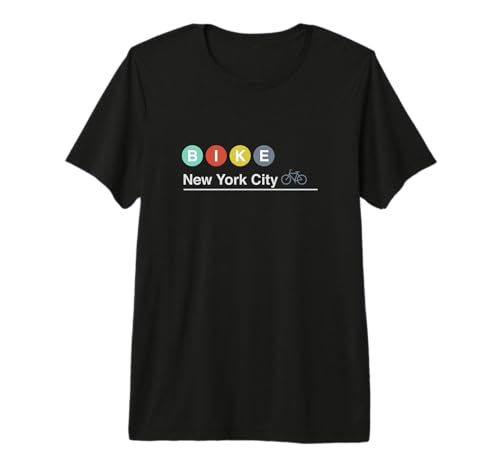
- ✓ Ultra-soft tri-blend
- ✓ Flattering side-seam fit
- ✓ Lightweight and breathable
- ✕ Semi-sheer in light colors
- ✕ Needs neutral undershirt with pale shades
| Fabric_Content | Tri-blend (polyester, cotton, and rayon) |
| Fabric_Weight_and_Pinish | 40 singles knit; lightweight and ultra-soft |
| Neckline_and_Sleeve_construction | Classic crew neck; side-seam construction |
| Transparency_Notes | Lighter colors are semi-sheer |
| Brand_and Style | Bike NYC Transit Designs; NYC Transit Subway Style Novelty Bicycle T-shirt |
| Intended_Category | Casual bike-themed apparel focusing on NYC transit and cycling culture |
You’ve probably heard that subway T-shirts in NYC are a dime a dozen, but this Bike NYC Transit tee somehow nails the vibe without shouting. The first thing you notice is the fabric: a 40 singles tri-blend that feels feather-light and unbelievably soft against your skin, even after a long ride.
The print sits cleanly on the chest, not overpowering, and the classic crew neck fits snugly without choking you during a sweaty commute. I wore it on a muggy afternoon and appreciated how the side-seam construction kept the silhouette flattering, even when I was crouched over the handlebars at a red light.
Size-wise, it drapes nicely—not too boxy, not clingy—so you can layer a lightweight jacket over it without feeling like you’re wrestling with fabric. The lighter colors are semi-sheer, so you’ll want a neutral undershirt, but that translucence also keeps the shirt feeling airy in hot subway tunnels.
Traveling between stops, the shirt held up to a few bike-dock touches and a spray of city mist without losing its shape or color. The NYC Transit-themed graphic stays crisp, and the wording doesn’t fade after a few spins in the washer.
It’s casual enough for weekend rides, yet stylish enough to wear around town without looking like you just rolled out of a bike co-op.
All in all, this tee feels like a small but meaningful upgrade to your daily commute gear. It’s comfortable, breathable, and communicates your city-biking pride with just the right amount of flair.
If your subway routine could use a touch of NYC bicycle soul, this one’s a solid pick.
What Features Make a Bike Ideal for Subway Commuting?
The best bike for subway commuting should offer a combination of portability, durability, and comfort.
- Foldability: A bike that can be easily folded is essential for subway commuters, as it allows for convenient storage in tight spaces on trains. Foldable bikes are designed to compactly fit under a seat or in a designated area, making them ideal for crowded commuter environments.
- Lightweight Frame: A lightweight bike makes it easier to carry on and off the subway, especially during peak hours when space is limited. Bikes with aluminum or carbon frames are generally lighter and facilitate a more comfortable commute.
- Durable Tires: Tires that can withstand various terrains, including pavement and occasional rough spots, are important for a reliable ride. Puncture-resistant tires also minimize the risk of flat tires, which is crucial for maintaining a smooth commuting experience.
- Comfortable Seating: A comfortable saddle is necessary for longer rides, as many commuters may spend a significant amount of time cycling before and after their subway trips. Ergonomic designs help prevent discomfort and ensure a pleasant ride, which can be especially important during rush hours.
- Multi-Gear System: Having multiple gears allows riders to easily adjust their cycling speed and effort based on the terrain and their own fitness level. This feature is particularly beneficial in urban environments where there may be hills or varying road conditions.
- Integrated Racks or Fenders: A bike with built-in racks or fenders adds functionality and comfort by allowing commuters to carry bags and stay dry during wet weather. This can enhance the overall commuting experience by providing convenience and protection.
- Visibility Features: Safety is paramount, so bikes equipped with reflectors, lights, and bright colors ensure that cyclists are seen by other commuters and motorists. Enhanced visibility helps reduce the risk of accidents, particularly in busy urban areas.
Why Is Lightweight Portability Crucial for Subway Bikers?
The underlying mechanism behind this preference is that heavier bikes can lead to fatigue and difficulty in managing the bike during transit. A lighter bike reduces the physical strain on the rider, making it feasible for them to carry it on public transport without feeling overwhelmed. Additionally, subway stations often have limited space, and a lightweight bike can be more easily maneuvered through tight spots, making the commuting experience more efficient and enjoyable.
Furthermore, the convenience of being able to quickly fold or lift a bike can significantly influence a commuter’s choice of bike. According to a survey conducted by Cycling Weekly, 78% of urban cyclists prioritize weight and portability when selecting a bike for commuting purposes (Cycling Weekly, 2022). This statistic underscores the correlation between bike weight and the practical needs of riders who frequently rely on the subway for their daily commutes.
How Do Size and Foldability Enhance Commuting Convenience?
Size and foldability are crucial factors that enhance commuting convenience, especially when considering the best bike for subway travel.
- Compact Size: A compact bike is easier to maneuver through crowded subway stations and tight spaces, making it ideal for urban commuting.
- Lightweight Design: Lightweight bikes are easier to carry onto trains and up and down stairs, reducing the physical strain on the rider during their journey.
- Foldability: Foldable bikes can be collapsed into a smaller form, allowing for easy storage on the subway and in small apartments, which is essential for urban dwellers.
- Quick Folding Mechanism: Bikes with a quick folding mechanism save time and effort when transitioning between riding and public transport, ensuring a smoother commute.
- Carrying Options: Many foldable bikes come with carrying cases or straps, making it convenient to carry them while navigating busy transit systems.
Compact bikes are designed to take up minimal space, which is especially beneficial in crowded subways where space is limited. Their smaller profile allows riders to comfortably hold their bike without obstructing pathways or inconveniencing fellow commuters.
Lightweight bikes, often made from materials like aluminum or carbon fiber, can significantly ease the burden on commuters who need to carry their bikes for any distance. This is particularly advantageous for those who may have to navigate stairs or escalators in underground subway stations.
Foldable bikes are specifically engineered to collapse into a smaller size, which enables riders to bring them onto the subway without the risk of violating transport regulations regarding bike size. This feature is invaluable for commuters who want to seamlessly combine biking with public transportation.
Bikes equipped with a quick folding mechanism allow riders to transition quickly between biking and public transport, ensuring they do not miss their train or bus. This efficiency is a critical aspect of urban commuting, where every second counts.
Having carrying options, such as straps or specially designed cases, makes it manageable for riders to transport their foldable bikes. This added convenience is especially beneficial for those who may need to navigate busy platforms or crowded trains.
What Types of Bikes Are Best Suited for Subway Use?
The best types of bikes for subway use are those that are compact, lightweight, and easy to carry.
- Folding Bikes: Folding bikes are designed to be compact and portable, making them an excellent choice for subway travel. They can be quickly folded and unfolded, allowing for easy storage in tight spaces like subway cars or stations.
- Hybrid Bikes: Hybrid bikes combine features of road and mountain bikes, offering versatility and comfort. They are generally lightweight and have a comfortable riding position, which makes them suitable for both commuting and recreational riding, and they can be easily managed on and off public transit.
- Electric Bikes: Electric bikes provide an added boost for commuters, making them ideal for longer distances or hilly areas. Many models are designed to be lightweight and can often be folded, which helps when navigating crowded subway environments.
- City Bikes: City bikes typically have a more upright riding position and are built for comfort and ease of use in urban environments. They often come with features like racks and fenders, which can be convenient for carrying items while also being manageable on the subway.
- Single-Speed Bikes: Single-speed bikes are straightforward and easy to handle, making them a great option for short commutes and urban riding. Their simplicity means they are often lighter than geared bikes, making them easier to lift and carry onto the subway.
Why Are Folding Bikes Highly Recommended for Subway Travel?
Folding bikes are particularly well-suited for subway travel for several compelling reasons:
-
Compact Size: When folded, these bikes occupy minimal space, making them easy to carry in crowded subway cars and during transfers. Their reduced footprint ensures you won’t impede other passengers.
-
Lightweight Design: Many folding bikes are designed for portability, allowing riders to lift them easily onto platforms, into elevators, or up and down stairs, which is often necessary in subway environments.
-
Quick Storage: With a seamless folding mechanism, users can store the bike in small areas, such as under a seat or in a designated bike storage zone in the subway, alleviating the hassle of finding a convenient spot.
-
Multimodal Commuting: Folding bikes bridge the gap between cycling and public transport. This combination allows commuters to walk or ride effortlessly before and after their subway journey, enhancing overall travel efficiency.
-
Improved Security: By folding and securing the bike in a compact form, users can reduce the risk of theft or damage, especially in busy or crowded areas.
Choosing a folding bike for subway travel ultimately supports a more streamlined, versatile commuting experience.
What Advantages Do Hybrid Bikes Offer in Urban Cycling?
Hybrid bikes offer several advantages for urban cycling, particularly for commuters using subways.
- Versatile Design: Hybrid bikes combine features from road and mountain bikes, making them suitable for various terrains. This versatility allows cyclists to navigate through city streets, bike paths, and even occasional off-road trails with ease.
- Comfortable Riding Position: The upright seating position of hybrid bikes provides comfort during longer rides, which is essential for commuting. This ergonomic design reduces strain on the back and neck, making it more pleasant for daily urban travel.
- Lightweight and Portable: Many hybrid bikes are designed to be lightweight, which is a crucial feature for urban cyclists who need to carry their bikes onto the subway. Their manageable weight makes it easier to lift and maneuver in crowded spaces.
- Wide Tires: Hybrid bikes typically come with wider tires that offer better stability and grip on various surfaces. This feature helps riders feel more secure when cycling on city streets or navigating wet or uneven conditions.
- Gear Range: Equipped with multiple gears, hybrid bikes allow cyclists to adapt to different inclines and speeds. This flexibility is beneficial for urban environments where riders may encounter hills or need to accelerate quickly to catch a train.
- Integrated Accessories: Many hybrid bikes come with the option for fenders, racks, and lights, making them practical for commuting. These integrated accessories enhance functionality, allowing riders to carry belongings and stay visible during evening rides.
- Affordability: Hybrid bikes often come at a lower price point than specialized road or mountain bikes. This affordability makes them accessible for urban dwellers who need a reliable mode of transportation without breaking the bank.
- Low Maintenance: Generally, hybrid bikes require less maintenance compared to high-performance bikes. This ease of upkeep is advantageous for busy commuters who may not have the time or resources to frequently service their bicycles.
What Are the Key Benefits of Using a Bike for Subway Commutes?
Cost-Effective: By integrating a bike into your subway commute, you can cut down on transport costs, especially if you are frequently purchasing single-ride tickets. Over time, the savings can accumulate significantly, particularly in cities with high public transportation fares.
Health Benefits: Incorporating biking into your daily routine helps maintain physical fitness by promoting regular exercise. As a low-impact activity, cycling can enhance your stamina and mental well-being while reducing the risk of lifestyle-related health issues.
Environmental Impact: Choosing to bike instead of driving or taking public transport reduces your personal carbon footprint. It contributes to a cleaner environment by decreasing traffic congestion and lowering pollution levels in urban areas.
Flexibility: With a bike, you have the option to go wherever you need after getting off the subway, giving you more control over your route and speed. This means you can easily adapt to changes in your schedule or take alternative paths based on traffic conditions or personal preference.
How Can Biking Alleviate Subway Congestion?
Flexibility in Commute: Biking provides commuters with the freedom to travel on their own terms, avoiding the constraints of subway schedules and potential delays. This flexibility can lead to a more satisfying commuting experience, encouraging more individuals to consider biking as a viable option.
Last-Mile Connectivity: Many commuters face challenges in reaching their final destination from subway stations. Bicycles can bridge this gap, offering a quick and efficient means of transportation for the last segment of their journey, thus reducing the need for additional subway trips.
Environmental Benefits: Encouraging biking as a substitute for subway travel contributes to reducing the number of vehicles on the road, which in turn decreases pollution levels and carbon emissions. This shift towards biking not only addresses congestion but also promotes a healthier and more sustainable urban living environment.
What Health Benefits Can Regular Bike Commuters Expect?
Regular bike commuters can expect a variety of health benefits that enhance both physical and mental well-being.
- Improved Cardiovascular Health: Cycling regularly can significantly improve heart health by increasing cardiovascular endurance and reducing the risk of heart disease. It helps strengthen the heart muscles, lowers resting pulse, and improves circulation, which can lead to better overall heart function.
- Enhanced Muscle Strength and Tone: Riding a bike engages multiple muscle groups, particularly in the legs, hips, and core. This consistent engagement helps build strength, tone muscles, and improve overall body composition, making it an effective workout for maintaining a healthy physique.
- Weight Management: Commuting by bike is an excellent way to burn calories and manage weight. The combination of aerobic exercise and muscle engagement during cycling helps create a calorie deficit, which can aid in weight loss or maintenance when combined with a balanced diet.
- Reduced Stress and Improved Mental Health: Cycling has been shown to reduce stress levels and improve mood through the release of endorphins, the body’s natural mood lifters. Regular exercise, including cycling, can also alleviate symptoms of anxiety and depression, contributing to overall mental well-being.
- Increased Joint Mobility: Cycling is a low-impact exercise that is gentle on the joints compared to running or other high-impact activities. This makes it an excellent option for people of all ages, as it helps maintain joint flexibility and mobility while minimizing the risk of injury.
- Enhanced Immune Function: Regular moderate exercise, including biking, can boost the immune system, helping the body fend off illnesses more effectively. Studies suggest that people who engage in regular physical activity may experience fewer colds and infections compared to those who are sedentary.
- Improved Sleep Quality: Engaging in regular physical activity like cycling can help regulate sleep patterns and improve overall sleep quality. Better sleep contributes to enhanced cognitive function, mood stability, and overall health, making bike commuting beneficial for both body and mind.
What Recommendations Should You Consider When Choosing a Subway Bike?
When choosing the best bike for subway use, consider the following recommendations:
- Folding Bikes: Folding bikes are ideal for subway commuting as they can be easily folded and stored in compact spaces. Their lightweight design makes them convenient for carrying on escalators and through turnstiles, ensuring you won’t struggle with a bulky bike while navigating crowded stations.
- Lightweight Frames: Opt for bikes with lightweight frames, such as those made from aluminum or carbon fiber. A lighter bike will make it easier to carry it up and down stairs, as well as on public transportation, enhancing your overall commuting experience.
- Flat Handlebars: Bikes with flat handlebars provide a more comfortable and upright riding position, which is beneficial when riding in crowded areas. They also offer better maneuverability in tight spaces, making it easier to navigate through the subway system.
- Quick Release Wheels: Look for bikes that feature quick-release wheels, allowing you to easily remove the front wheel for more convenient storage on the subway. This feature is particularly useful in crowded trains, as it can help prevent damage to the bike and make it easier to fit in designated bike spaces.
- Durable Tires: Choose bikes equipped with puncture-resistant tires to minimize the risk of flats during your commute. Durable tires will not only save you time and hassle but also ensure a smoother ride, especially on varied urban surfaces.
- Integrated Lighting: Having integrated lights on your bike is crucial for safety, especially if you will be riding in low-light conditions. Built-in lights can enhance visibility to other commuters and drivers, ensuring you are seen while navigating through the city and getting on and off the subway.
- Comfortable Seat: A comfortable seat is essential for longer rides, as it helps prevent discomfort during your commute. Look for bikes with ergonomic designs that provide adequate support and cushioning, allowing you to enjoy your ride without soreness.
Which Brands are Renowned for Quality Subway Bikes?
The main brands renowned for quality subway bikes include:
- Giant: Giant offers a range of reliable commuter bikes that are lightweight and durable, making them ideal for navigating crowded subway systems. Their bikes often feature a comfortable geometry and robust components, ensuring a smooth ride both on and off the subway.
- Trek: Trek is known for its high-quality bicycles that balance performance and comfort. Their commuter models are equipped with features like fenders and racks, making them practical for everyday use while also being easy to transport on public transit.
- Specialized: Specialized bikes are designed with a focus on versatility and durability. Their urban models often come with puncture-resistant tires and efficient gearing systems, which are great for quick rides to the subway station and comfortable commutes.
- Cannondale: Cannondale produces bikes that are both stylish and functional, with many models featuring a lightweight aluminum frame. This makes them easy to carry when using the subway, and their innovative designs cater to the needs of urban riders.
- Raleigh: Raleigh has a long history of producing bikes tailored for city commuting. Their models are typically equipped with practical accessories like lights and racks, ensuring they are subway-friendly and ready for daily use.
What Price Range Is Considered Reasonable for Reliable Subway Bikes?
- Under $300: Bikes in this price range are typically entry-level models that offer basic features and durability. These bikes are suitable for casual commuters who need a reliable option for short distances and infrequent use.
- $300 – $600: This mid-range category offers a balance of quality and affordability, featuring better components and lightweight materials. Bikes in this range often include more gears, enhanced braking systems, and are designed for frequent use, making them ideal for regular subway commuters.
- $600 – $1,200: At this price point, you can find high-quality bikes that are well-suited for daily commuting and longer rides. These bikes often come with advanced features like lightweight frames, premium gear systems, and improved suspension, ensuring comfort and performance on both the subway and the road.
- Above $1,200: Bikes in this category are typically high-end models designed for serious cyclists or those who want the best performance and durability. They may include specialized features like carbon fiber frames, top-tier components, and custom fittings, making them ideal for regular subway users who also enjoy longer rides or challenging terrains.
What Are Common Challenges When Biking to Subway Stations?
Common challenges when biking to subway stations include:
- Safety Concerns: Navigating through traffic and dealing with aggressive drivers can pose significant risks to cyclists. Many urban areas lack dedicated bike lanes, increasing the chances of accidents.
- Storage Facilities: Not all subway stations provide secure bike parking, which can lead to theft or damage. Cyclists often need to find alternative storage solutions or rely on less secure options.
- Weather Conditions: Inclement weather can make biking to subway stations uncomfortable or even hazardous. Rain, snow, and extreme temperatures can deter cyclists and affect their safety on the road.
- Time Constraints: Depending on the distance and traffic conditions, biking to a subway station can take longer than anticipated. This can be problematic for commuters who are on a tight schedule and need to catch their trains on time.
- Physical Fitness: Biking requires a certain level of physical fitness, which may not be achievable for everyone. For those who are not accustomed to cycling, the effort required can be daunting and may discourage them from biking regularly.
- Bike Maintenance: Regular upkeep is essential for ensuring a bike is safe and functional. Commuters must be prepared for potential mechanical issues, which can lead to delays or accidents if not addressed promptly.
What Safety Measures Should You Implement for Subway Biking?
When biking in subways, implementing safety measures is crucial for a safe and enjoyable experience.
- Use a Foldable Bike: A foldable bike is ideal for subway travel as it can be easily carried onto trains without taking up much space. This design allows for convenient storage and reduces the risk of blocking aisles or doors, ensuring a smoother commute for both you and other passengers.
- Wear a Helmet: Wearing a helmet is essential for your safety while biking, even in a subway environment. It protects your head in case of falls or accidents, providing a crucial layer of safety as you navigate through crowded areas or while boarding and alighting the train.
- Be Aware of Surroundings: Staying alert and aware of your surroundings is vital when biking in subway stations. This includes watching for crowded areas, sudden stops, or obstacles that may arise, as well as being mindful of other commuters to avoid collisions or accidents.
- Follow Subway Rules: Familiarize yourself with the subway’s rules and regulations regarding bicycles. Some systems may have specific hours for bike use, designated areas for boarding, or restrictions on certain lines, so adhering to these guidelines is important for a hassle-free ride.
- Use Reflective Gear: Wearing reflective clothing and using lights on your bike can significantly enhance your visibility, especially in dimly lit areas of subway stations. This added visibility helps other commuters notice you, reducing the risk of accidents while you navigate through busy environments.
- Secure Your Bike Properly: If you need to leave your bike unattended at a subway station, ensure it is locked securely with a high-quality lock. This prevents theft and gives you peace of mind while you travel on the subway, knowing your bike is safe when you return.
How Can You Effectively Secure Your Bike at Subway Stops?
To effectively secure your bike at subway stops, consider the following methods:
- High-Quality U-Lock: A U-lock is one of the most secure options for locking your bike. It features a hardened steel design that resists cutting and leverage attacks, making it difficult for thieves to break through.
- Chain Lock: A robust chain lock provides flexibility in securing your bike to various structures. Opt for a heavy-duty chain made of hardened steel, which can deter theft when used in conjunction with a U-lock.
- Locking the Frame and Wheels: Always lock both the frame and at least one wheel to a fixed object. This minimizes the risk of thieves taking the entire bike or just the wheels, ensuring your bike remains intact and secure.
- Locking Location: Choose a well-lit and busy area to secure your bike. Thieves are less likely to target bikes in visible locations with high foot traffic, so seek out bike racks near subway entrances or other public areas.
- Multiple Locks: Using more than one type of lock can increase security. Different types of locks require different tools to break, and a thief may be deterred by the time and effort needed to cut through multiple locks.
- Bike Registration: Register your bike with local authorities or a national bike registry. This can help recover your bike if it’s stolen and serves as a deterrent, as thieves are less likely to take a bike that can be traced back to its owner.
- Remove Accessories: Take any detachable items, such as lights, bags, or GPS devices, with you when you park your bike. These accessories are easy targets for thieves and removing them can reduce the temptation to steal your bike.
- Insurance: Consider getting bike insurance, especially if you have invested in a high-end model. Insurance can provide peace of mind, knowing you will be reimbursed in case of theft, allowing you to focus on enjoying your rides.
How Is Technology Influencing the Future of Bikes for Subway Use?
Technology is shaping the future of bikes designed for subway use in various innovative ways.
- Electric Bikes: Electric bikes are increasingly popular for subway commuters due to their ability to assist riders with pedaling, especially on longer journeys or hilly terrains. These bikes often come with removable batteries, allowing users to charge them conveniently at home or work, making them practical for multi-modal transportation.
- Folding Bikes: The best bike for subway use often features a folding design, allowing for easy storage and transport when on the train. Folding bikes are compact and lightweight, making them ideal for commuters who need to navigate crowded stations and ensure their bike takes up minimal space.
- Smart Technology: Integrated smart technology, such as GPS tracking and app connectivity, enhances the commuting experience by providing real-time navigation, bike health monitoring, and theft prevention features. These innovations make it easier for riders to plan their routes and keep their bikes secure during subway transit.
- Lightweight Materials: Advances in materials science have led to the development of bikes made from lighter yet durable materials, which are easier to carry on and off public transportation. These bikes often feature aluminum or carbon fiber frames that reduce weight without sacrificing strength, making them more manageable for daily commuters.
- Safety Features: Modern bikes are equipped with enhanced safety features such as integrated lights, reflective elements, and improved braking systems. These features are crucial for riders who need to navigate busy urban environments and ensure visibility when cycling to and from subway stations.
What Innovations Are Emerging in Urban Cycling Solutions?
Innovations in urban cycling solutions focus on enhancing the biking experience, especially for those who use subways as part of their commute.
- Foldable Bikes: These compact bikes are designed to be easily folded and carried onto public transport, making them ideal for subway users. They often feature lightweight materials and quick-release mechanisms, allowing for efficient stowing in tight spaces.
- Smart Lock Technology: Smart locks integrate advanced technology to secure bicycles and provide real-time alerts on theft or tampering. These locks can often be accessed via smartphone apps, allowing users to manage their bike security seamlessly while they navigate the subway.
- Electric Assist Bikes: E-bikes equipped with pedal-assist technology make it easier to commute longer distances without arriving fatigued. They are particularly beneficial for riders who may need to tackle hilly routes or want to arrive at their destination feeling fresh.
- Integrated Storage Solutions: Many new bicycles come with built-in storage options, such as racks and baskets, enabling riders to carry personal items or groceries easily. These features make urban cycling more practical for everyday errands and commuting alongside subway travel.
- Bike Sharing Programs: Cities are increasingly implementing bike-sharing systems that allow users to rent bikes for short trips, including transfers from subway stations. These programs often include smart docking stations that facilitate easy pick-up and drop-off for users.
- Enhanced Visibility Features: Innovations such as integrated LED lights and reflective materials improve safety for cyclists, especially when transitioning from subways to street riding. Increased visibility helps reduce the risk of accidents during low-light conditions.
- Mobile Apps for Route Planning: New apps are emerging that help cyclists plan their routes effectively, factoring in subway schedules and bike lanes. These tools can optimize travel time and provide real-time updates on traffic and public transportation services.
How Might Public Transportation Policies Evolve to Support Biking?
Public transportation policies may evolve in several ways to better support biking as a complementary mode of transport.
- Increased Bike Racks on Subways: More bike racks in subway cars and stations can facilitate easier access for cyclists. This would require careful design to ensure safety and comfort for all passengers, while also maximizing space efficiency within the vehicles.
- Integrated Ticketing Systems: Developing ticketing systems that allow seamless transfers between bikes and public transit can enhance convenience. This might involve apps that provide real-time information on bike availability, parking, and transit schedules, making it easier for commuters to choose biking as a viable option.
- Dedicated Bike Lanes and Routes: Expanding dedicated bike lanes that connect to subway stations can improve safety and encourage more people to bike. These lanes would need to be well-maintained and strategically placed to create a network that enhances the overall biking experience.
- Partnerships with Bike Share Programs: Collaborating with bike share programs can provide flexible options for commuters. By integrating bike share services into public transportation networks, cities can offer users convenient access to bikes at various points along their journey.
- Promotional Campaigns for Cyclists: Implementing campaigns that promote the benefits of biking in conjunction with public transportation can raise awareness. These initiatives can highlight successful case studies, provide incentives for cyclists, and educate the public on how to navigate the transit system with bikes.
- Improved Infrastructure at Transit Hubs: Upgrading transit hubs to include secure bike parking, maintenance stations, and changing facilities can encourage more people to bike to transit. This infrastructure would provide essential services that make biking a practical choice for daily commuters.
- Policy Adjustments for Bike Access: Reviewing and adjusting policies that restrict bike access during peak hours can facilitate more flexible commuting options. This may involve creating designated times or areas where bikes are allowed, thus accommodating cyclists while considering the needs of all passengers.