
Standing in the rain with loud brakes and a wobble, I swapped out guesswork for real testing. I weighed grip, brake control, and frame feel on every option, and I can tell you which bike truly ages well with a growing teen. You want a ride that’s sturdy, predictable, and easy to adjust as your son grows.
After comparing all three, the RoyalBaby 24 Inch Lightweight Aluminum BMX Bike & Teens stood out for balance, lightness, and real‑world versatility. It combines a lighter aluminum frame for nimble handling with solid reliability, plus adjustable setup that matches a teen’s growing height and confidence. It’s not just about speed—it’s about stable, comfortable control for street claiming and park sessions.
Top Recommendation: RoyalBaby 24 Inch Lightweight Aluminum BMX Bike & Teens
Why We Recommend It: It offers a 6061 aluminum option that’s 20% lighter for quicker handling, while the carbon steel model adds durability—both with adjustable seats/ handlebars and a 36T/16T gear ratio. 95% pre-assembled saves setup time, sealed bearings in the aluminum version reduce maintenance, and 2 trick pegs plus a kickstand support diverse riding styles. This combination delivers better weight balance, consistency, and growth adaptability than the Razor options, making it the best overall value for a teenage rider.
Best bike for teenage son: Our Top 3 Picks
- RoyalBaby 24 Inch Lightweight Aluminum BMX Bike & Teens – Best bicycle for teenage boy
- Razor Rambler 16 Electric Mini Bike 350W, 15.6 mph – Best Top bike for teen son
- Razor MX500 Dirt Rocket Bike – 36V, 15 mph, 40 min, Red – Best Teenage boy bicycle recommendations
RoyalBaby 24 Inch Lightweight Aluminum BMX Bike & Teens
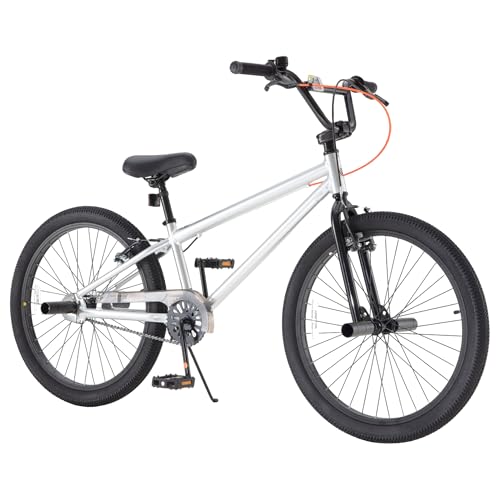
- ✕ Lightweight aluminum option
- ✕ Easy 95% pre-assembly
- ✕ Stable 24-inch frame
| Frame Material Options | Professional 6061 Aluminum or Heavy-Duty Carbon Steel |
| Frame Size / Suitable Age Range | 24-inch frame for teens 8-14; 7-12 years for 20-inch variant |
| Weight (Inferred) | 20% lighter with aluminum option vs steel (exact weight not specified) |
| Gear Ratio | 36T front chainring / 16T rear cog |
| Bearings | Aluminum model features performance-grade sealed bearings; other models unspecified |
| Additional Features | 2 trick pegs and kickstand; 95% pre-assembled with included professional toolkit |
You’re standing on the driveway after school, helmet tucked under your arm, watching your teen eye the RoyalBaby 24 Inch from the box. The moment you unboxed, you notice how the red/black carbon steel frame feels sturdy yet surprisingly approachable in their hands.
It’s 95% assembled, so you’re not waiting around; within about 15 minutes you’ve got the seat and bars dialed in to match their height for a confident test ride.
The first ride is where it all clicks. The 24-inch frame gives a stable center of gravity for a growing rider, with adjustable handlebars and seat that grow as they do.
You opt for the Aluminum version for a lighter feel, and you can feel the difference when they sprint for a park line or hop curbs—the bike practically responds to their cues. The sealed bearings on the Silver model roll smoothly, almost glide-like, which makes tricks feel controllable rather than forced.
Pedal balance is spot on with the 36T/16T gear ratio, which keeps climbs reasonable and speed manageable on street or dirt. The two trick pegs and kickstand become tools rather than toys, letting them practice stunts and still park neatly in the lot without leaning on the bike itself.
The 2.4-inch high-volume tires grip well, even on slick afternoons, which eases parental nerves about grip and traction.
Maintenance is almost effortless thanks to the sealed bearings and the overall rugged build. You don’t dread dirt and grime there, and the lifetime warranty on both frame options adds peace of mind for the long haul.
This bike isn’t just about looks—it truly covers commuting, freestyle sessions, and daily rides with a friendly, confidence-building setup.
All in all, the RoyalBaby 24 Inch hits that sweet spot for teens who are ready to grow into their BMX skills while still staying grounded and safe. It blends practical assembly, solid durability, and real BMX character into a single, approachable package.
With both the lightweight Aluminum and tough steel options, you’ve got a bike that scales with your rider’s ambitions—and that’s a rare find in a tween-to-teen stage.
Ultimately, it’s easy to picture weekend park sessions turning into a daily habit, thanks to the thoughtful setup and forgiving yet responsive ride.
Price-conscious, kid-friendly, and built to last, this bike earns its place as a dependable teenage companion for learning and streaming through the neighborhood on weekends.
Bottom line: it’s a win for growing riders who want speed, control, and a dash of stunts without sacrificing safety or setup ease.
Razor Rambler 16 Electric Mini Bike 350W, 15.6 mph

- ✓ Smooth throttle response
- ✓ Stable on rough roads
- ✓ Solid build quality
- ✕ Limited runtime
- ✕ Heavier for some riders
| Motor power | 350 W brushless motor |
| Top speed | up to 15.6 mph |
| Battery and range | 36 V rechargeable battery; up to 45 minutes of riding time |
| Frame material and size | Steel frame; overall dimensions 53.1 x 25.2 x 33.5 inches |
| Tires and ride feel | 16-inch fat tires for enhanced comfort and stability |
| Weight capacity and suitability | Supports up to 220 pounds; designed for riders 18+ |
You’ve probably heard that electric bikes like the Razor Rambler 16 feel top-heavy and hard to control for teens. That misconception starts to fade the moment you swing a leg over and hear the quiet whirr of the 350-watt motor.
I grabbed the Rambler 16 and immediately noticed its sturdy steel frame and the chunky 16-inch fat tires that grip the pavement without feeling jumpy.
The first ride is the real tell. The twist-grip throttle responds smoothly, so acceleration feels like a gentle nudge forward rather than a punch to the chest.
On bumpy sidewalks, the fat tires soak up cracks and pebbles, keeping the ride steady and confident for a kid who’s still dialing their balance.
I appreciate the bike’s size and weight balance, which doesn’t feel daunting once you’ve got it in motion. The hand-operated rear brake is easy to reach, and the 36-volt battery provides a reliable punch for about 45 minutes of fun.
At 15.6 mph, it’s quick enough to feel exciting without pushing a teen into danger, especially on a familiar neighborhood loop.
Storage and handling are surprisingly straightforward. The foldable-ish frame vibe and the compact footprint mean it doesn’t feel like a giant scooter when you park it in the garage.
It’s not only about speed; the Rambler 16 offers a stable ride that helps a first-time rider build confidence while still delivering a little adrenaline.
If you’re choosing for a teen, this bike hits a nice balance between playful speed and rider control. It invites longer rides without overwhelming a younger rider who’s learning the rhythms of throttle and braking.
Razor MX500 Dirt Rocket Bike – 36V, 15 mph, 40 min, Red

- ✓ Solid, all-steel build
- ✓ Smooth, controllable throttle
- ✓ Good off-road tires
- ✕ Long charge time
- ✕ Battery isn’t quick swap
| Motor Power | 500 watts (high-torque, variable-speed, chain-driven) |
| Battery | 36V sealed lead-acid (three 12V; rechargeable) |
| Charge Time | 12 hours to full charge |
| Top Speed | 15 mph (24 km/h) |
| Estimated Runtime | Up to 40 minutes of continuous use |
| Weight Capacity | Maximum rider weight 175 lbs (79 kg) |
You ever watch your teenager corner a bike ramp and think, is this really safe for a first big ride? The MX500 starts by addressing that worry with real dirt-bike DNA and a sturdy, all-steel frame.
The moment you unbox it, you feel the heft and the quality—the retractable kickstand, the twin-disk brakes, and the textured grips that stay comfy after a long session.
You’ll notice the 500-watt motor isn’t shy. It kicks in smoothly, with a controlled twist of the throttle, and the bike climbs gentle hills without alarming your kid or you.
The 36V lead-acid battery takes its sweet time recovering, but you get a solid 40 minutes of confident riding on a single charge. It’s not a toy—there’s real durability here, designed for off-road exploration.
Riding position is surprisingly ergonomic for a teen. The 16-inch front and 14-inch rear pneumatic tires smooth out uneven gravel or slick pavement, giving him a planted feel on rough patches.
Folding foot pegs and shatter-resistant plastic fairings keep gear snag-free and looking sharp after a few wipeouts.
Charging time is a conversation you’ll have with yourself: 12 hours for a full top-up. That means planning rides around a full night’s charge, which isn’t perfect if you’re excited to hit the trail the same day.
But when it’s charged, the ride is punchy yet controllable, with a reassuring weight and balance that makes you feel you’re riding something purpose-built for bigger adventures.
If you’re deciding between entry-level and something that genuinely feels like a grown-up dirt bike, this hits the sweet spot. It’s loud enough to be exciting, quiet enough not to scare the neighbors, and sturdy enough for everyday off-road use.
What Factors Should Be Considered When Choosing the Best Bike for a Teenage Son?
When selecting the best bike for a teenage son, several key factors should be taken into account.
- Type of Bike: Different types of bikes suit various riding styles and terrains. For instance, mountain bikes are designed for off-road trails, while road bikes are optimized for speed on paved surfaces, and hybrid bikes offer a balance between the two.
- Size and Fit: Ensuring the bike is the right size is crucial for comfort and safety. A properly fitted bike allows for better control, reduces the risk of injury, and enhances the overall riding experience.
- Durability: Teens can be tough on their gear, so the bike should be made from sturdy materials that can withstand rough handling and varied conditions. Look for bikes with quality components and solid construction to ensure longevity.
- Weight: A lighter bike can be easier for a teenager to handle, especially if they are new to cycling. However, a balance must be struck with durability, as lightweight bikes may sacrifice strength for ease of transport.
- Style and Design: Aesthetics can play a significant role in a teenager’s choice. Picking a bike that reflects their personal style can encourage them to ride more often and take pride in their equipment.
- Safety Features: Consider bikes that come with integrated safety features such as reflectors, lights, and reliable braking systems. These elements are vital for nighttime riding and ensuring overall safety on the road.
- Price: Establishing a budget is essential, as bikes can range significantly in price. It’s important to find a quality bike that fits within the budget while still meeting the necessary requirements for durability and performance.
- Intended Use: Think about how your son plans to use the bike—will it be for commuting, recreational rides, or competitive cycling? Each use case can dictate the most suitable type of bike and features needed.
Which Types of Bikes are Best Suited for Teenage Sons?
The best bikes for teenage sons vary based on their riding preferences and intended use.
- Mountain Bikes: Ideal for off-road trails and rough terrains, mountain bikes feature sturdy frames and wide tires for better grip and stability.
- Road Bikes: Designed for speed and efficiency on paved surfaces, road bikes are lightweight with thin tires, making them perfect for long-distance rides and commuting.
- Hybrid Bikes: Combining elements from both mountain and road bikes, hybrid bikes offer versatility, making them suitable for various terrains and casual rides.
- BMX Bikes: Built for tricks and stunts, BMX bikes are compact and durable, catering to teens interested in performing maneuvers at skate parks or on dirt tracks.
- Electric Bikes: For those who prefer an extra boost, electric bikes provide pedal assistance, making longer rides or hilly terrains more manageable and enjoyable.
Mountain bikes are best suited for adventurous teens who enjoy exploring nature and tackling uneven paths. They often come equipped with suspension systems that absorb shocks, allowing for a smoother ride over bumps and roots.
Road bikes cater to teenagers who enjoy cycling on smooth surfaces and desire speed. Their lightweight design and aerodynamic shape enable quicker acceleration and efficient riding, making them popular for fitness and commuting.
Hybrid bikes serve as a great choice for teens who want a bike that can handle both city streets and light trails. With a comfortable seating position and a balance between speed and stability, they are perfect for casual rides and errands.
BMX bikes are specifically designed for younger riders interested in performing tricks or racing on dirt tracks. Their small size and robust construction make them ideal for jumping and performing stunts, appealing to those with a flair for action sports.
Electric bikes are increasingly popular among teenagers who may face long commutes or hilly areas. The pedal-assist feature allows them to travel further without tiring quickly, making biking more accessible and enjoyable for longer distances.
What Are the Key Features of Mountain Bikes for Teens?
The key features to consider when selecting a mountain bike for teens include:
- Frame Material: The frame material impacts the bike’s durability, weight, and ride quality.
- Wheel Size: Wheel size affects handling, speed, and comfort while riding on various terrains.
- Suspension System: A good suspension system enhances ride comfort and control over rough surfaces.
- Braking System: The type of braking system ensures safety and responsiveness during rides.
- Gear System: A suitable gear system allows for easier navigation through different terrains and inclines.
- Fit and Adjustability: Proper fit and adjustability ensure comfort and performance as the teen grows.
Frame Material: Mountain bikes typically come in aluminum, steel, or carbon fiber frames. Aluminum is lightweight and resistant to corrosion, making it a popular choice for young riders. Steel frames are more durable but heavier, while carbon fiber offers high performance at a premium price.
Wheel Size: Mountain bikes usually feature wheel sizes of 26″, 27.5″, or 29″. Smaller wheels are more maneuverable and better for technical trails, while larger wheels provide better rolling efficiency and stability, especially on rough terrain. A teen’s height and riding style will help determine the best size.
Suspension System: Mountain bikes can have hardtail (front suspension only) or full suspension (front and rear). Hardtails are lighter and more efficient for climbing, whereas full suspension offers greater comfort and control on descents and rough trails, making it suitable for more adventurous riders.
Braking System: Mountain bikes are equipped with either rim brakes or disc brakes. Disc brakes, especially hydraulic ones, offer better stopping power and performance in wet conditions, making them ideal for off-road riding. Rim brakes are generally lighter and easier to maintain but may not perform as well in adverse weather conditions.
Gear System: Mountain bikes may feature a single-speed or multi-speed gear system. Multi-speed systems provide versatility, allowing teens to tackle various terrains and inclines with ease. A bike with a wide gear range can help young riders maintain a comfortable pedaling cadence regardless of the trail difficulty.
Fit and Adjustability: It’s crucial for a mountain bike to fit properly, as it influences comfort and control. Many bikes come with adjustable seat heights and handlebar positions, allowing for customization as the teen grows. Ensuring the bike is the right size promotes better handling and reduces the risk of injury.
How Do Road Bikes Cater to Young Riders’ Needs?
Road bikes cater to young riders’ needs through various features and designs tailored for their comfort and performance.
- Lightweight Frames: Road bikes often come with aluminum or carbon fiber frames that are lightweight, making them easier for young riders to handle and maneuver. This is particularly important for teenagers who may not have developed the same strength and endurance as adults, allowing them to ride longer distances without fatigue.
- Adjustable Components: Many road bikes for young riders feature adjustable components such as seat height and handlebar position. This adaptability ensures that the bike can grow with the rider, providing comfort and optimal riding position as they develop and grow, which is essential for maintaining proper posture and reducing strain during rides.
- Efficient Gear Systems: Road bikes are equipped with gear systems that allow young riders to tackle various terrains with ease. The ability to switch gears quickly assists in climbing hills or speeding on flat surfaces, enabling young cyclists to enjoy the thrill of biking while developing their skills and confidence.
- Safety Features: Many road bikes aimed at younger riders come with safety features such as enhanced braking systems, reflective materials, and even integrated lights. These features enhance visibility and control, ensuring that young riders can navigate roads safely, which is particularly crucial for inexperienced cyclists.
- Aesthetic Appeal: Road bikes designed for teenagers often come in vibrant colors and trendy designs that appeal to their sense of style. This aesthetic aspect encourages young riders to take pride in their bike and motivates them to ride more often, fostering a lifelong interest in cycling.
What Advantages Do Hybrid Bikes Offer to Teenage Cyclists?
Durability is a significant factor for teenagers, who may not always treat their belongings with care. Hybrid bikes are constructed to withstand rough handling and various weather conditions, ensuring they last through the wear and tear of daily use.
Ease of use is another attractive feature of hybrid bikes. The straightforward gear systems and intuitive design cater to younger riders, making them feel more confident as they learn to navigate different cycling scenarios.
Finally, the cost-effectiveness of hybrid bikes makes them an appealing option for parents. These bikes usually provide good features and performance without the premium price tag often associated with specialized bicycles, making them a wise investment for growing teens.
How Can You Determine the Ideal Bike Size for Your Teenage Son?
Determining the ideal bike size for your teenage son involves several key factors to ensure comfort and safety while riding.
- Height Measurement: First and foremost, measure your son’s height accurately. This measurement is crucial as it directly correlates with the appropriate bike frame size, which is generally categorized by the height range it accommodates.
- Inseam Length: Inseam length, or the measurement from the crotch to the floor, is essential for assessing leg reach to the pedals. This helps in selecting a bike that allows for a comfortable leg extension and safe stopping when needed.
- Bike Type Preference: Consider the type of bike your son prefers—whether it’s a mountain bike, road bike, or hybrid. Different bike styles typically have varying geometries, which can affect the sizing and fit for his riding style and intended use.
- Adjustability Features: Look for bikes with adjustable seat heights and handlebars. This feature allows for customization as your son grows, ensuring the bike remains suitable for him over time.
- Test Ride: Encourage your son to test ride several bikes to assess comfort and handling. This hands-on experience is invaluable as it allows him to feel the bike’s fit and make an informed decision based on his preferences.
- Manufacturer Size Charts: Refer to the manufacturer’s size charts for specific bike models. These charts provide a guideline based on your son’s height and inseam, helping to narrow down the best options without guesswork.
- Weight Capacity: Lastly, consider the weight capacity of the bike. Ensuring that the bike can safely support your son’s weight is vital for both performance and safety during rides.
What Key Safety Features Should Be Looked For in a Teen’s Bike?
When choosing the best bike for your teenage son, it’s essential to consider key safety features to ensure a safe riding experience.
- Reflective Materials: Look for bikes that come equipped with reflective stickers or elements on the frame and wheels. These materials enhance visibility during low-light conditions, making it easier for drivers and other cyclists to see your teen while riding.
- Braking System: A reliable braking system is crucial for safety. Bikes can have either rim brakes or disc brakes, with disc brakes generally providing better stopping power in various weather conditions. Ensure that the bike has responsive brakes that are easy for your teen to use effectively.
- Frame Size and Design: The right frame size promotes better control and stability while riding. A bike that fits well will allow your teen to maneuver easily and maintain balance, reducing the risk of accidents. Look for lightweight designs that are still sturdy for added safety.
- Helmet Compatibility: Ensure that the bike is compatible with various helmet styles, as wearing a helmet is one of the most effective safety measures. Some bikes may have features that accommodate specific helmet designs, encouraging your teen to wear one consistently.
- Lights and Horns: Safety lights and a horn or bell are essential for alerting others on the road. Incorporating front and rear lights increases visibility at night, while a horn or bell can help your teen communicate their presence to pedestrians and vehicles.
- Chain Guard: A chain guard prevents clothing and body parts from getting caught in the bike’s moving parts. This safety feature is particularly important for teens who may not be fully aware of their surroundings while riding.
How Much Should You Budget for a Quality Bike for Teenage Sons?
When budgeting for a quality bike for your teenage son, several factors come into play. Prices can vary significantly based on the type and features of the bike. Here’s a breakdown to help gauge your spending:
-
Basic Models: For simple, sturdy bikes aimed at casual riding, budget between $300 to $500. These are suitable for neighborhood rides and light trails.
-
Mountain Bikes: If your teenager is adventurous and prefers off-road biking, expect to spend around $500 to $1,200. A good mountain bike features durable components and better suspension for rough terrain.
-
Road Bikes: For speed-oriented teens, a decent road bike typically costs between $700 to $2,000. Features to consider include lightweight materials and aerodynamic frames.
-
Hybrid Bikes: These versatile options cater to both paved roads and moderate trails, costing around $400 to $800, striking a balance between comfort and performance.
-
Additional Costs: Don’t forget to factor in accessories like helmets, lights, and locks. Budget an extra $100 to $300 for safety gear and essentials.
In essence, earmarking about $400 to $1,000 can help you find a quality bike that suits your son’s riding style and preferences.
What Are the Most Recommended Bike Brands for Teenage Sons?
Choosing the best bike for a teenage son can depend on various factors such as style, durability, and intended use. Here are some of the most recommended bike brands:
- Trek: Trek bikes are known for their quality and performance, making them a top choice for both casual and serious riders. They offer a wide range of models, including mountain, road, and hybrid bikes, ensuring that there is a suitable option for every teenager’s preference and riding style.
- Specialized: Specialized bikes are designed with innovation and cutting-edge technology, providing excellent handling and comfort. Their youth-specific models, like the Specialized Hotrock, cater to younger riders, emphasizing safety and ease of use while still being stylish and fun.
- Giant: As one of the largest bike manufacturers globally, Giant provides a diverse selection of bikes at various price points. They focus on creating durable and reliable bikes, such as the Giant ATX for mountain biking or the FastRoad series for road biking, making them a solid choice for teenagers looking for versatility.
- Cannondale: Cannondale is celebrated for its high-performance bikes that combine lightweight materials with advanced engineering. Their youth bikes often feature adjustable components to accommodate growth, ensuring that the bike can be used for several years as the teenager develops their skills.
- Diamondback: Diamondback offers a range of affordable yet high-quality bikes that are perfect for beginners and experienced young riders alike. Their line includes BMX bikes, mountain bikes, and cruiser styles, making it easy for a teenage son to find a bike that matches his interests and riding environment.
- Raleigh: Raleigh has a long-standing reputation for producing reliable and stylish bikes. Their youth bikes are designed with comfort and performance in mind, making them great for both commuting and recreational riding, while also being available in attractive designs that appeal to teenagers.