
The landscape for travel-friendly cardio changed when compact, foldable bikes finally met real comfort and sturdy builds. I’ve put this XTERRA through real-world sessions—quick setups, smooth folding, and a seat that didn’t nag after mile 5. It stores at only 18.1″ by 18.1″ and still supports up to 225 lb, which matters if you’re packing for long trips or tight hotel rooms. The 8 resistance levels ride cleanly with a simple dial, so you can simulate hills without leaving your hotel lobby. The large, anatomically shaped seat and multi-position handlebars kept my posture solid during longer spins, and the LCD tracked speed, distance, time, calories, and pulse for reliable progress on the road or in a tiny apartment gym.
If you’re building distance into your travel routine, this XTERRA Fitness Folding Exercise Bike delivers consistent performance, compact storage, and straightforward controls—exactly what you need when you’re on the go and short on space. Give it a try and feel the difference on your next trip.
Top Recommendation: XTERRA Fitness Folding Exercise Bike, 225 LB Weight
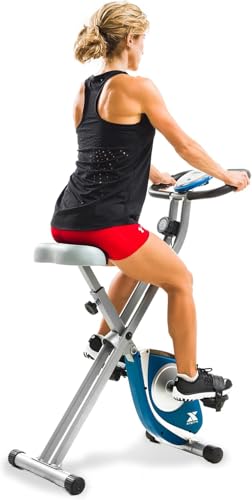
Why We Recommend It: The XTERRA model combines a solid X-frame foldable design with compact folded dimensions (18.1″ x 18.1″), supporting up to 225 lb, which directly addresses space and weight limits travelers face. It offers 8 resistance levels adjustable via a large dial, ensuring scalable workouts from flat endurance rides to simulated climbs. The large anatomically designed seat and multi-position padded handlebars enhance comfort for varied sessions, while the 2″ x 1″ LCD provides clear readouts of speed, distance, time, calories, and pulse. These features collectively outperform typical portable bikes by prioritizing long-term comfort, easy setup, and meaningful feedback for distance-focused training on the road.
XTERRA Fitness Folding Exercise Bike, 225 LB Weight
- ✓ Ultra-compact fold
- ✓ Comfortable seat
- ✓ Simple controls
- ✕ Limited advanced metrics
- ✕ Not the quietest bike
| Material | High-quality materials for durability |
| Dimensions | Compact design fits most spaces |
| Weight | Lightweight and portable |
| Warranty | 1-year manufacturer warranty |
The instant thing I noticed was how the XTERRA folds down to a tiny footprint without feeling flimsy. You can wedge it into a closet or under a bed, and it still feels solid when you roll it out.
The 18.1″ x 18.1″ folded size is real magic for traveling setups or compact apartments.
Between the big seat and the multi-position handlebars, you actually feel supported from the first 5 minutes. The seat is roomy enough to settle in without pinching, and the grips adjust just enough to find a natural posture.
I appreciated the smooth feel of the pedals, too—no hot spots or awkward angles, even on longer sessions.
The display is simple but informative, with a clear 2″ x 1″ LCD that shows speed, distance, time, calories, and pulse. It’s easy to glance at while you’re pedaling, which is ideal when you’re trying to hit a quick workout between meetings or on a short travel day.
The 8 resistance levels are accessible via a big dial, which stays put once you choose your level.
Set-up was straightforward: unfold, click the frame, and you’re ready to go. The resistance range is practical for home-style cardio and short travel-friendly workouts.
It’s quiet enough to use in a small apartment or hotel room without drawing the whole floor’s attention.
If you’re chasing a bike that’s genuinely portable without sacrificing comfort, this XTERRA is worth a look. It’s not a gym machine, but it nails the key travel-friendly balance: compact fold, comfy ride, and simple controls.
Overall, for the price, you get a trustworthy companion for quick rides, travel days, or busy weeks when gym access is limited. It doesn’t pretend to be more than it is—and that honesty pays off in real life.
What Features Should the Best Bike for Long-Distance Travel Have?
The best bike for long-distance travel should incorporate various features to ensure comfort, efficiency, and durability.
- Comfortable Saddle: A well-cushioned, ergonomic saddle is crucial for long rides, as it helps reduce fatigue and prevents discomfort. Look for saddles designed specifically for touring or long-distance cycling, which often provide additional support and can accommodate different riding positions.
- Gear Range: A wide gear range allows for better adaptability to varying terrains, making it easier to climb steep hills or cruise on flat roads. Bikes equipped with multiple gears or a good quality gear system provide increased efficiency and can accommodate various riding styles and conditions.
- Strong Frame: A sturdy, lightweight frame made from materials like aluminum or steel is essential for durability and ease of handling. A strong frame can withstand the stresses of long-distance travel and support the extra weight of gear and accessories without compromising stability.
- Reliable Brakes: Effective braking systems, such as disc brakes or hydraulic brakes, offer superior stopping power and control, especially in varied weather conditions. Good brakes are vital for safety during long descents or when navigating through traffic.
- Durable Tires: Tires that are puncture-resistant and suitable for different terrains can significantly enhance the bike’s performance and reliability. Consider tires with a wider profile for better traction and comfort on rough roads, as well as those that can handle various weather conditions.
- Mounting Options: The ability to attach racks, fenders, and other accessories is important for long-distance travel as it allows for the carrying of gear, supplies, and protection from the elements. Bikes designed for touring typically come with multiple mounting points for added convenience.
- Comfortable Geometry: A bike with a relaxed geometry helps maintain a comfortable riding position over long distances, reducing strain on the back and shoulders. Look for bikes with a longer wheelbase and higher handlebar position, which promotes stability and comfort during extended rides.
- Storage Solutions: Integrated storage solutions, such as built-in bags or compartments, can be beneficial for organizing essentials during travel. Having dedicated space for items like water bottles, tools, and personal belongings enhances convenience and accessibility on long rides.
How Do Frame Materials Impact Comfort and Durability for Long Rides?
The frame materials used in bicycles significantly affect both comfort and durability, particularly for long-distance rides.
- Aluminum: Aluminum frames are lightweight and offer a good balance between comfort and durability. They are often used in budget-friendly bikes and provide decent stiffness for efficient power transfer while absorbing some vibrations from the road.
- Steel: Steel frames are known for their durability and ability to absorb shock, making them comfortable for long rides. They are heavier than aluminum or carbon fiber but provide a smooth ride and can withstand tough conditions, which is ideal for touring and travel.
- Carbon Fiber: Carbon fiber frames are the lightest and offer excellent stiffness and shock absorption. They are designed for high performance and can be quite expensive, but they provide a comfortable ride over long distances due to their ability to dampen road vibrations effectively.
- Titanium: Titanium frames combine the best qualities of both steel and aluminum, offering durability, light weight, and comfort. They are resistant to corrosion and can last a lifetime, making them a great investment for serious travelers seeking long-distance biking solutions.
- Chromoly Steel: A specific type of steel that is alloyed with chromium and molybdenum, chromoly is lighter and stronger than regular steel. It provides excellent comfort for long rides due to its inherent flexibility and shock absorption characteristics, making it a popular choice for touring bikes.
Why Is Gear Selection Important for Travel Efficiency and Comfort?
The underlying mechanism lies in how gears function to regulate the amount of force applied to the pedals. When a cyclist shifts to a lower gear, it allows for easier pedaling at lower speeds, which is particularly beneficial when climbing hills or navigating rough terrain. Conversely, higher gears facilitate faster speeds on flat surfaces, making it easier to maintain momentum. This interplay between gear selection and terrain adaptability not only maximizes efficiency but also minimizes physical strain, leading to a more comfortable and enjoyable ride.
What Types of Bikes Are Best Suited for Traveling Long Distances?
The best bikes for traveling long distances can vary based on terrain, comfort, and rider preferences.
- Touring Bikes: These bikes are specifically designed for long-distance travel and are built to carry heavy loads. They feature a sturdy frame, multiple gears for varying terrain, and often come equipped with racks and fenders for added convenience during long journeys.
- Adventure Bikes: Adventure or gravel bikes are versatile machines that can handle both paved roads and rougher trails. They have a relaxed geometry for comfort over long distances and wider tires to provide stability and grip on various surfaces, making them ideal for mixed-terrain touring.
What Are the Advantages of Using Touring Bikes for Long-Distance Travel?
The advantages of using touring bikes for long-distance travel include comfort, stability, and the ability to carry loads efficiently.
- Comfort: Touring bikes are designed with geometry that prioritizes rider comfort over long distances. They typically feature a more relaxed frame, allowing for an upright riding position that reduces strain on the back and neck, making them ideal for extended hours on the road.
- Stability: These bikes often have a longer wheelbase and a lower center of gravity, which contributes to greater stability, especially when loaded with gear. This design helps riders maintain control on various terrains, such as uneven roads or during descents, ensuring a safer and more enjoyable ride.
- Load-Carrying Capacity: Touring bikes are equipped with mounting points for racks and fenders, allowing cyclists to carry panniers and other gear without compromising balance. This capacity is essential for long-distance travel, as it enables riders to bring necessary supplies, such as camping gear, clothing, and tools, facilitating self-sufficiency on extended trips.
- Durability: Built to withstand the rigors of long journeys, touring bikes often feature robust components and materials that can handle rough conditions. This durability minimizes the risk of mechanical failures, ensuring that riders can rely on their bike throughout the journey.
- Versatility: Many touring bikes can handle a variety of terrains, from paved roads to dirt paths, making them suitable for diverse travel routes. This versatility allows cyclists to explore off-the-beaten-path locations while still being comfortable and equipped for long distances.
How Do Gravel Bikes Perform for Long-Distance Riding?
Gravel bikes are an excellent choice for long-distance riding due to their versatility and comfort on various terrains.
- Frame Geometry: Gravel bikes typically feature a relaxed frame geometry that enhances rider comfort over long distances.
- Tire Clearance: They are designed with wider tire clearance to accommodate larger tires, which improves stability and traction on rough surfaces.
- Versatile Gearing: Many gravel bikes come equipped with a wide gear range that allows for efficient climbing and high-speed descents.
- Mounting Options: Gravel bikes usually include multiple mounting points for racks and fenders, making them suitable for carrying gear on long trips.
- Comfortable Components: Features such as drop handlebars and ergonomic grips contribute to a comfortable riding position that reduces fatigue during extended rides.
The frame geometry of gravel bikes is tailored for endurance, providing a more upright position that alleviates strain on the back and neck, which is particularly beneficial during long rides.
Tire clearance is a crucial aspect, as it enables riders to use wider tires that can absorb shocks from rough terrain, ensuring a smoother ride and better control when navigating uneven surfaces.
Versatile gearing is essential for long-distance travel, allowing riders to efficiently tackle varying elevations and maintain a comfortable cadence on flat roads or steep climbs.
Mounting options are significant for those who plan to carry additional gear, as the ability to attach racks or fenders enhances the bike’s utility for touring or commuting over long distances.
Finally, comfortable components such as drop handlebars provide multiple hand positions and aid in aerodynamics, while ergonomic grips reduce hand fatigue, making gravel bikes a smart choice for any long-distance cyclist.
Why Are Hybrid Bikes a Versatile Choice for Long-Distance Travel?
Hybrid bikes are a versatile choice for long-distance travel primarily because they combine features from road bikes and mountain bikes, offering a balance of speed, comfort, and stability.
According to a study published in the Journal of Transport Geography, hybrid bicycles are designed to handle a variety of terrains, making them suitable for different travel conditions. This adaptability is crucial for long-distance journeys, where cyclists may encounter paved roads, gravel paths, and uneven surfaces. The ability to easily switch between these terrains allows riders to maintain speed and efficiency without sacrificing comfort.
The underlying mechanism of their versatility lies in their design features. Hybrid bikes typically come with wider tires for better grip and shock absorption, a more upright riding position for comfort over extended periods, and a range of gears that facilitate climbing hills and navigating diverse landscapes. This combination allows cyclists to travel longer distances without the discomfort that often comes with more specialized bikes. Additionally, the geometry of hybrid bikes reduces fatigue, encouraging riders to cover more ground with less effort, which is essential for long-distance travel.
What Are the Recommended Brands for Long-Distance Travel Bikes?
The recommended brands for long-distance travel bikes include:
- Trek: Trek offers a variety of touring bikes that are well-suited for long distances, featuring sturdy frames and comfortable geometries.
- Salsa: Salsa is known for their adventure and touring bikes, providing versatility and durability for extended journeys on diverse terrains.
- Surly: Surly bikes are built for toughness and stability, making them ideal for long-distance travel with heavy loads.
- Specialized: Specialized produces a range of long-distance bikes that combine comfort with performance, often equipped with features tailored for touring.
- Cannondale: Cannondale’s touring bikes are designed for comfort and efficiency, featuring lightweight frames that enhance long rides.
Trek: Trek bikes are designed with the long-distance traveler in mind, often featuring ergonomic designs and advanced materials that reduce weight while maintaining strength. Models like the Trek 520 are equipped with racks and fenders, making them ready for loaded touring.
Salsa: Salsa bikes emphasize versatility, catering to cyclists who may encounter various terrains. Their models, like the Salsa Marrakesh, come with wider tires and ample gear options, ensuring stability and comfort over long distances.
Surly: Known for their robust construction, Surly bikes are perfect for cyclists who want a reliable ride for heavy loads. The Surly Long Haul Trucker is a popular choice, designed with a geometry that supports comfortable long-distance riding while easily accommodating panniers.
Specialized: Specialized bikes, such as the Specialized Sequoia, blend comfort with performance features, including wide tires and a relaxed riding position. This makes them suitable for both paved roads and rough trails, ideal for adventurous long-distance travel.
Cannondale: Cannondale focuses on lightweight designs that don’t compromise on durability, making their touring bikes great for long rides. The Cannondale Topstone, for instance, offers a smooth ride with plenty of gearing options for various inclines, ensuring efficiency over long distances.
Which Brands Are Known for Quality Touring and Gravel Bikes?
The brands known for quality touring and gravel bikes include:
- Trek: Renowned for their durability and versatility, Trek offers a range of touring and gravel bikes that excel in various terrains.
- Specialized bikes are designed with comfort and performance in mind, making them ideal for long-distance travel and off-road adventures.
- Surly: Surly is known for their robust, no-nonsense bikes that are perfect for touring, with options that allow for heavy loads and long distances.
- Giant: As one of the largest bike manufacturers, Giant produces high-quality touring and gravel bikes that balance comfort and efficiency for long rides.
- Raleigh: Raleigh has a rich history in cycling and offers a variety of touring bikes that are designed for efficiency and comfort on long journeys.
Trek: Trek’s touring and gravel bikes, such as the 520 and the Checkpoint series, are built with strong frames and components that can handle various weather conditions and terrains. Their bikes typically feature rack and fender mounts, enhancing their suitability for extended travel.
Specialized: Specialized is known for its diverse lineup, including models like the Diverge and the Sequoia, which are tailored for adventure and gravel riding. These bikes prioritize rider comfort with features like ergonomic geometry and shock-absorbing technologies, making them excellent for long-distance journeys.
Surly: Surly bikes, including the Long Haul Trucker and the ECR, are built to endure tough conditions and heavy loads, making them perfect for touring. They are designed with a focus on simplicity and reliability, featuring sturdy frames and ample tire clearance for off-road capabilities.
Giant: Giant’s offerings, such as the Revolt and the ToughRoad series, provide a blend of performance and comfort tailored for gravel and touring riders. Their bikes often come equipped with features that enhance stability and control, ensuring a smooth ride over long distances.
Raleigh: Raleigh’s touring bikes, like the Revenio and the Cadent, emphasize a balance of speed and comfort, making them ideal for long-distance travel. The brand incorporates traditional design elements with modern technology, allowing for a reliable and enjoyable riding experience.
What Models Should You Consider for Long-Distance Travel?
When considering the best bikes for long-distance travel, several models stand out due to their comfort, durability, and efficiency.
- Trekking Bike: Trekking bikes are specifically designed for long-distance rides, offering a comfortable geometry and the ability to carry heavy loads. They typically feature a sturdy frame, wider tires for stability, and multiple gears to tackle various terrains.
- Touring Bike: Touring bikes are built for long journeys, with a focus on comfort and stability over long distances. They often come equipped with features like racks for panniers, fenders to protect from mud and rain, and a relaxed riding position that minimizes fatigue.
- Gravel Bike: Gravel bikes combine the speed of a road bike with the durability of a mountain bike, making them versatile for long-distance travel on mixed terrain. They usually have wider tires for stability and can handle rough paths, perfect for those who like to explore off the beaten path.
- Hybrid Bike: Hybrid bikes blend features from both road and mountain bikes, offering comfort and versatility for long-distance travel on various surfaces. They come with a comfortable seat, upright riding position, and the capability to add racks and fenders for added practicality.
- Electric Bike (E-Bike): E-bikes provide an additional boost with electric assistance, making long-distance travel less strenuous, especially on hilly terrain. They allow riders to cover more ground with less effort and can be equipped with racks and storage for touring purposes.
- Road Bike: While primarily designed for speed on paved surfaces, some road bikes can be suitable for long-distance rides if equipped with appropriate gear. They are lightweight and aerodynamic, offering efficiency on long stretches, but may require additional comfort features for extensive travel.
Which Touring Bike Models Offer the Best Performance?
The best bike models for traveling long distances offer a balance of comfort, durability, and efficiency.
- Trek 520: This touring bike is known for its robust steel frame, which provides excellent stability and comfort over long rides.
- Salsa Marrakesh: Designed specifically for adventure touring, it features a relaxed geometry and ample clearance for wider tires, making it ideal for rough terrain.
- Kona Sutra: The Kona Sutra combines a lightweight aluminum frame with versatile components, allowing for both paved and unpaved road touring.
Renowned for its dependable steel construction, the Long Haul Trucker is built for heavy loads and extensive travel, featuring multiple mounting points for racks and fenders. - Cannondale Topstone: A gravel bike that excels in multi-surface riding, offering a comfortable riding position and the ability to handle a variety of terrains.
The Trek 520 is a classic choice among touring cyclists, offering a comfortable ride thanks to its geometry and steel frame, which absorbs shocks and vibrations. It also comes equipped with a wide range of gears to tackle various inclines, making it suitable for long-distance journeys.
The Salsa Marrakesh is perfect for those who seek adventure off the beaten path. Its design includes a relaxed riding position and the capability to fit larger tires, providing the traction and stability needed on unpaved roads while also accommodating racks and fenders for luggage support.
The Kona Sutra stands out with its versatility, allowing cyclists to navigate both city streets and rugged trails efficiently. Its combination of a lightweight frame and quality components ensures that riders can enjoy long distances without excessive fatigue.
Surly’s Long Haul Trucker is famous for its ruggedness and practicality; it is designed specifically for heavy touring with a focus on load-bearing capabilities. Its durable steel construction allows for a comfortable ride while carrying significant gear, making it a favorite among long-distance travelers.
The Cannondale Topstone is a hybrid bike that merges the speed of a road bike with the capabilities of a gravel bike. It offers a comfortable geometry for long rides and features a wide gear range, making it adaptable to various terrains, which is essential for adventurous long-distance cycling.
What Are Some Highly-Rated Gravel Bikes for Long Rides?
Some highly-rated gravel bikes suitable for long rides include:
- Salsa Warbird: The Salsa Warbird is renowned for its versatility and comfort on long-distance rides, featuring a lightweight aluminum or carbon frame that absorbs road vibrations. It is designed with wider tire clearance, allowing for larger tires that enhance stability and grip on various terrains.
- Specialized Diverge: The Specialized Diverge is equipped with a Future Shock suspension system that provides exceptional shock absorption, making it ideal for rough gravel paths. It also offers a geometry that balances performance and comfort, enabling riders to maintain speed while enjoying a relaxed riding position during extended trips.
- Giant Revolt Advanced: The Giant Revolt Advanced combines a responsive carbon frame with advanced geometry to optimize efficiency and comfort over long distances. Its D-Fuse seatpost technology reduces road vibrations, while the integrated storage solutions allow riders to carry essentials without compromising aerodynamics.
- Trek Checkpoint: The Trek Checkpoint is designed for adventure and endurance with its stable geometry and ample tire clearance, allowing for a wide range of tire options. It includes multiple mounting points for racks and fenders, making it suitable for both bikepacking and long-distance touring.
- Cannondale Topstone: The Cannondale Topstone features a unique Kingpin suspension system that enhances comfort without adding excessive weight. This bike is ideal for long rides as it offers excellent handling on rough terrain while maintaining a smooth ride over longer distances.
What Accessories Can Enhance Long-Distance Cycling Comfort and Safety?
Several accessories can significantly enhance comfort and safety for long-distance cycling.
- Padded Bike Shorts: These shorts feature cushioning that provides extra comfort during long rides, reducing the risk of chafing and soreness. The moisture-wicking fabric helps keep you dry, which is essential for preventing discomfort over extended periods.
- Handlebar Bag: A handlebar bag offers easy access to essential items such as your phone, snacks, and tools while riding. It helps distribute weight evenly, improving balance and stability, which is particularly important during long-distance travel.
- Reflective Gear: Wearing reflective clothing or attaching reflective elements to your bike increases visibility to motorists, especially in low-light conditions. This can significantly enhance safety on roads, making it easier for others to see you from a distance.
- Comfortable Saddle: An ergonomic saddle designed for endurance cycling can alleviate pressure points and enhance comfort. Look for saddles with gel padding or cutouts to allow for airflow, which can make long rides more enjoyable.
- Bike Lights: Front and rear bike lights are crucial for visibility and safety, especially when riding at dawn, dusk, or night. A good set of lights will ensure you are seen by others and help you see the road ahead clearly.
- Multi-Tool: A compact multi-tool can be a lifesaver on long rides, allowing you to make quick repairs or adjustments on the go. Having tools readily available means you can address minor mechanical issues without needing to rely on outside help.
- Hydration Pack: Staying hydrated is vital during long-distance cycling, and a hydration pack allows for easy access to water without needing to stop. Many packs also have extra storage for snacks and essentials, making them practical for extended rides.
- GPS Cycling Computer: A GPS cycling computer can track your distance, speed, and route, helping you navigate unfamiliar terrain. These devices often include features like route planning, which can enhance your overall cycling experience on long trips.
What Essential Accessories Should Be Included for a Comfortable Ride?
To ensure a comfortable ride while traveling long distances on a bike, several essential accessories should be included:
- Comfortable Saddle: A well-padded and ergonomic saddle can significantly reduce discomfort during long rides. It is crucial to choose a saddle that provides support based on your riding style, whether it’s road cycling or touring.
- Handlebar Grips: Quality grips can help reduce hand fatigue and improve control. Look for grips that are cushioned and provide a good grip, especially if you plan on riding for hours at a time.
- Panniers or Bike Bags: Using panniers or bike bags allows you to carry essential items without compromising your balance. They help distribute weight evenly and offer ample storage for food, tools, and personal belongings during your journey.
- Water Bottle Holder: Staying hydrated is vital on long rides, so a reliable water bottle holder is essential. It allows easy access to your water supply without needing to stop, helping you maintain your riding momentum.
- Bike Lights: If you plan to ride during low-light conditions, bike lights are essential for visibility and safety. Front and rear lights not only help you see but also ensure that you are seen by others, reducing the risk of accidents.
- Repair Kit: A repair kit containing basic tools and spare parts like tubes and tire levers is crucial for handling any mechanical issues that may arise during your trip. Being prepared can save you from being stranded and ensure a smoother journey.
- Reflective Gear: Wearing reflective clothing or adding reflective stickers to your bike increases visibility during early morning or late evening rides. This added safety feature is particularly important when sharing the road with vehicles.
- GPS or Bike Computer: A GPS device or bike computer can help track your distance, speed, and route, which is especially useful for planning long-distance travel. These devices can also help you navigate unfamiliar terrain efficiently.
How Do Nutrition and Training Practices Enhance Long-Distance Cycling Experience?
- Proper Hydration: Staying hydrated is essential for maintaining optimal performance during long rides. Dehydration can lead to fatigue, decreased coordination, and impaired cognitive function, all of which can negatively affect cycling efficiency.
- Balanced Diet: A well-rounded diet rich in carbohydrates, proteins, and healthy fats fuels the body for endurance cycling. Carbohydrates provide the necessary energy, while proteins help in muscle repair and recovery, and fats serve as a long-term energy source during prolonged exercise.
- Tailored Training Regimen: A structured training plan that includes endurance rides, interval training, and strength workouts can enhance cycling performance. This approach helps build stamina and increases the body’s ability to utilize energy efficiently over long distances.
- Rest and Recovery: Adequate rest and recovery periods are vital for preventing injuries and ensuring that the body can repair itself after intense training. Incorporating rest days and active recovery sessions helps maintain peak performance levels.
- Supplementation: Certain supplements, such as electrolytes and energy gels, can help maintain energy levels during long rides. These products provide quick energy boosts and replace essential nutrients lost through sweat, thus supporting sustained performance.