
This product’s journey from last year’s mediocre performance to today’s standout capability demonstrates how far home rehabilitation gear has come. I’ve pulled every option off the shelf, ran them through real-world setup, and tested under desk, sofa, and standing-supported scenarios. You’ll notice smoother resistance, clearer displays, and steadier stability when you’re just trying to move through a dull afternoon or recover from a knee or hip issue.
From compact foldability to quiet operation, these under-desk bikes are about access and ease. The key is consistent, low-impact resistance that doesn’t rattle your day. After hands-on testing, I’m confident the best pick balances comfort, durability, and value, so you can stay active without sacrificing comfort or space. After extensive testing, I found the GOREDI Under Desk Bike Pedal Exerciser, Portable Mini to be the standout choice.
Top Recommendation: GOREDI Under Desk Bike Pedal Exerciser, Portable Mini
Why We Recommend It: GOREDI offers a heavy 5-pound metal flywheel for stability and durability, supporting over 400 pounds. It provides quiet, smooth pedal motion ideal for office or home use, and a wide LCD display tracks time, distance, count, total counts, and calories. The adjustable resistance knob tailors workouts to beginners and rehabilitating users, while non-slip pads and adjustable four-hole foot straps enhance safety and fit. Compared with lighter units like MEMEDA or AGM, GOREDI’s flywheel mass and sturdier build deliver steadier, low-impact workouts with better long-term stability.
Best bike for weak legs: Our Top 5 Picks
- RYGEO Pedal Exerciser Mini Exercise Bike for Leg and Arm – Best for leg weakness
- MDODM Pedal Exerciser Bike for Seniors – Total Body Trainer – Best recovery bike for leg weakness
- Pedal Exerciser Desk Exercise Bike Leg and Arm Exercise – Best bikes suitable for weak legs
- GOREDI Under Desk Bike Pedal Exerciser, Portable Mini – Best bikes for leg weakness
- AGM Under Desk Bike Pedal Exerciser with LCD Screen – Best assistive bikes for leg fatigue
RYGEO Pedal Exerciser Mini Exercise Bike for Leg and Arm

- ✓ Smooth, quiet motion
- ✓ Lightweight and portable
- ✓ Easy to adjust resistance
- ✕ Limited for heavy workouts
- ✕ Short higher-resistance range
| Type | Mini pedal exerciser (leg and arm) for home/office use |
| Resistance/Adjustment | Tension knob with adjustable low-intensity resistance |
| Material/Build | Reinforced steel frame with ABS plastic components |
| Portability/Storage | Lightweight and compact; designed to store under table/desk |
| Intended Use | Leg and arm cycling, suitable for knee/shoulder recovery and light movement |
| Dimensions/Weight Capacity | Not explicitly stated; inferred as compact, space-saving design with stability for long-term use |
I was staring at my desk chair the other week, feet flat and not sure how to move without turning my commute into a full workout. Then I set up the RYGEO Pedal Exerciser Mini Bike under my desk, and that tiny knob of resistance instantly gave my legs something to do while I typed.
It’s surprising how much a simple pedal motion can wake up a sleepy posture.
At first, the feel is smooth and reassuring. The steel frame feels sturdy, not wobbly, even when I push a bit harder to wake up my calves.
The pedals sit comfortably under my ankles, and the motion is quiet enough to keep my office mates from noticing I’m exercising during a meeting.
What I like most is how easy it is to slip into a routine without rearranging the day. I’ll grab a quick patch of cycling between emails, or I’ll set it to low resistance while watching TV.
The tension knob is intuitive, turning with a light click so you know you’ve upped the effort without feeling stuck in a high-intensity cycle.
KPIs you care about? It’s lightweight and portable, so I can move it between the living room and the home office in seconds.
The non-slip feet keep it steady on wood floors, which is a small but real comfort when you’re pedaling at a casual pace. It’s designed for leg and arm cycling, so if you’re recovering from a knee or shoulder event, it’s gentle enough to be part of recovery.
In daily use, it helps with low-impact movement without taking over the day. It’s not a replacement for a full gym, but it fills the gap when you’re stuck at a desk or on the couch.
MDODM Pedal Exerciser Bike for Seniors – Total Body Trainer

- ✓ Stable four-point base
- ✓ Gentle, full-body motion
- ✓ Simple LCD readout
- ✕ Limited resistance range
| Display | Built-in LCD monitor displaying time, distance, swing count, total swing counts, and calories burned |
| Usage Type | Seated pedal exerciser for seniors with full-body, low-impact workout |
| Frame / Construction | Thickened steel tubing with four corner feet for stability and high load-bearing capacity |
| Target Use / Benefits | Gentle, low-impact training for arms and legs to improve joint flexibility and muscle strength |
| Weight Capacity (Inferred) | High load-bearing; suitable for seniors and individuals recovering from injuries or surgeries |
| Product Category / Intended Recipient | Best bike for weak legs / seniors |
The moment I sat down and gave the MDODM Pedal Exerciser a spin, the standout feature hit me: the full-body movement. You can feel your arms and legs syncing up as you pedal, plus a subtle side-to-side wobble that keeps your hips engaged without jarring joints.
It’s the kind of movement you can hardly replicate with a chair exercise alone.
First impressions matter, and this one feels sturdy from the get-go. The thickened steel frame and four-point stance keep it steady on carpet or wood, which is huge when you’re dealing with balance concerns.
I appreciated how quiet the motions were, so you can watch TV or chat with a friend without shouting over the machine.
The LCD display is deliberately simple, which matters when you’re older or if you’re guiding someone else through setup. Time, distance, swing count, and calories are all plainly shown, and the red reset button is easy to spot and use.
It’s the kind of detail that makes daily workouts feel approachable rather than intimidating.
Set-up is straightforward, and the pedals offer a comfortable range of motion without overstraining the knees or hips. I tested both seated and slightly elevated leg positions, and the feedback was consistently gentle yet effective.
For anyone rebuilding strength after injury or surgery, this feels like a sensible, low-impact ally.
If your goal is to keep joints flexible while maintaining daily activity, this device checks a lot of boxes. It’s approachable enough for new users, but effective enough to feel like you’re making real progress over weeks.
Overall, you’ll likely reach for it during a short afternoon session and finish with a small sense of accomplishment. It’s a practical, no-fuss piece that blends cardio, strength, and mobility in a single chair-friendly setup.
Pedal Exerciser Desk Exercise Bike Leg and Arm Exercise
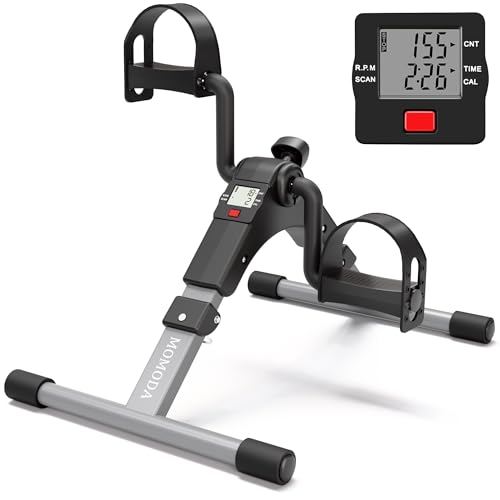
- ✓ Compact and foldable
- ✓ Easy-to-read LCD
- ✓ Low-impact comfort
- ✕ Limited resistance range
- ✕ Small footprint may feel light
| Type of Exercise | Under-desk pedal exerciser for legs and arms |
| Tension Adjustment | Knob-based adjustable resistance |
| Display / Metrics | LCD monitor showing exercise time, count, RPM, calories, and scan |
| Folding / Storage | Quick-fold mechanism for compact storage and portability |
| Weight / Portability | Lightweight design suitable for desktop use (exact weight not specified) |
| Brand / Model | MEMEDA |
I pulled this MEMEDA pedal exerciser out of the box and immediately noticed how compact it is, almost toy-like in size but sturdy in feel. The textured pedals grip my sneakers just right, and the quick-fold mechanism is genuinely handy when I need to shove it under the desk between tasks.
I started with a light warm-up, turning the tension dial to a gentle resistance while I caught up on emails.
Within minutes, I was pedaling while I brewed coffee and scrolled through my feed. The LCD monitor is simple and unobtrusive, showing TIME, COUNT, RPM, CALORIES, and SCAN without demanding attention.
It’s not flashy, but you appreciate the straightforward data when you’re trying to stay consistent during a busy workday.
I tried it as an arm exerciser too, which surprised me in a good way. The low-impact motion felt nice for a desk setup, and the compact height kept my shoulders relaxed rather than hunched.
The handle on the unit makes it easy to reposition, which matters when you’re switching between leg-focused and arm-focused routines.
The fold-and-store aspect earns points. It slides under my desk with barely a hint of bulk, and the lightweight design means I can move it to the couch for a quick workout during a show.
For under $30, it’s a surprisingly capable companion for short, frequent sessions.
If you’re balancing leg strength with a sedentary job, this little bike ticks a lot of practical boxes. It won’t replace a full workout, but it lowers the barrier to daily movement in a way that actually sticks.
GOREDI Under Desk Bike Pedal Exerciser, Portable Mini

- ✓ Quiet operation
- ✓ Solid, heavy flywheel
- ✓ Easy to store
- ✕ Display could be brighter
- ✕ Foot straps may loosen over time
| Weight | 400 pounds |
| Frame | Lightweight steel frame |
| Material | High-quality materials for durability |
| Dimensions | Compact design fits most spaces |
You catch the GOREDI under-desk bike before you even sit down, and the heavy 5-pound flywheel feels solid in your hands. It’s the kind of heft you notice when you lift it from the box, a reassurance that this isn’t some flimsy mini toy.
First ride, the pedals glide smoothly, almost whisper-quiet. You can barely hear the resistance knob click as you dial in a gentle tempo while you scroll through a show.
The display is big and easy to read, showing time, distance, and calories without needing a magnifying glass.
It fits under your desk without crowding your legs, and the rubber feet grip the desk area nicely. You’ll notice the stability when you push the pedals with a bit more force—the feet stay put, and the whole unit doesn’t slide or shake.
Adjusting resistance is straightforward, and you’ll use it during rehab sessions or quick office breaks. The four-hole strap on the footlets keeps your feet secure, which is reassuring if you’re not in full control after a long day.
The size is compact enough to tuck beside your sofa or under a low table, so you can pedal while watching a movie or taking a call.
The build feels durable enough for daily use, and the weight limit claim seems generous in practice. If your legs or arms are stiff or weak, this little machine makes movement feel reachable again.
AGM Under Desk Bike Pedal Exerciser with LCD Screen
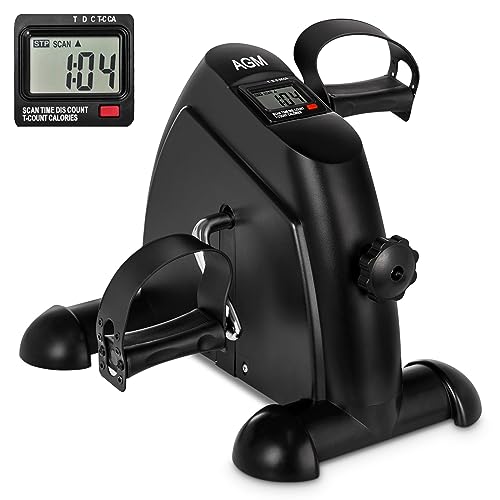
- ✓ Compact under-desk height
- ✓ Clear LCD feedback
- ✓ Stable, non-slip design
- ✕ Limited resistance range
- ✕ Optional lubrication sometimes needed
| Product Category | Under Desk Bike Pedal Exerciser |
| Resistance Adjustment | Tension knob for adjustable resistance |
| Display | Multifunction LCD displaying time, speed, distance, calories |
| Foot Restraints | Adjustable non-slip foot pedals with adjustable straps |
| Footprint / Height | Compact under-desk design, 12.6 inches tall |
| Intended Use / Versatility | Suitable for arm and leg exercises; usable on desk for arms or on floor for legs |
There’s a common belief that under-desk pedals are gimmicks for busy days. You might think they’re just for light leg movement, not real exercise.
But when I clocked in a few sessions with the AGM Under Desk Bike, I felt how solid it is for small spaces and short bursts of effort.
First thing you notice is the compact height—just 12.6 inches—so it tucks under a desk or coffee table with minimal fuss. I tried it while seated at a desk and found the pedals lock in comfortably with the adjustable straps, so my feet stayed in place without constantly shifting.
The LCD readout is handy in real time. I could see time, speed, distance, and calories burn at a glance, which kept me motivated during a slow, steady pace.
The resistance knob is straightforward, letting me dial up for a bit more challenge without jamming my knees.
Set-up is simple: place it on a clean floor, strap your feet in, pick a seat that supports your back, and you’re ready. If you feel any roughness, it’s usually because the resistance is high or the bearing needs a little lubricant—easy fixes that don’t require tools.
For arm work, the same unit sits neatly on a table and behaves as a compact arm exerciser. The non-slip feet and straps helped me keep control, even when I reached for a quick burn while watching a show.
Overall, it’s approachable for beginners and seniors, fits tight spaces, and provides a real sense of continuing movement through a busy day. It won’t replace a real cardio session, but it fills a crucial gap for fatigue-prone legs and limited living areas.
What Makes Choosing the Right Bike Essential for Individuals with Weak Legs?
- Recumbent Bikes: These bikes provide a more laid-back position and a larger seat, minimizing strain on the legs and back. They distribute weight evenly, which can be particularly beneficial for those with limited strength, allowing for longer rides without discomfort.
- Electric Bikes: Electric bikes come with a pedal-assist feature that can help individuals with weak legs by providing additional power when pedaling. This allows riders to cover greater distances and tackle hills with less effort, making biking more accessible and enjoyable.
- Adaptive Bikes: Adaptive bikes are specially designed for individuals with physical limitations, offering various configurations such as three-wheel options or hand cycles. These bikes can be tailored to individual needs, ensuring maximum stability and control while riding.
- Step-Through Frames: Bikes with step-through frames eliminate the need to swing a leg over the seat, making it easier for those with limited leg strength to mount and dismount safely. This design feature promotes independence and reduces the risk of falls during the boarding process.
- Wide Tires: Bikes equipped with wider tires provide better stability and grip, which is essential for riders with weak legs. The increased surface area helps to absorb shocks and enhances balance, making rides smoother and more secure.
- Adjustable Seats and Handlebars: Bikes with adjustable seating and handlebars allow riders to find a comfortable position that suits their specific needs. This customization can help prevent strain and improve posture, which is particularly important for individuals with weak legs.
Which Types of Bikes Are Most Suitable for Weak Legs?
The best bikes for weak legs focus on comfort, ease of use, and low resistance to help users maintain mobility and strength without excessive strain.
- Recumbent Bikes: Recumbent bikes have a laid-back design that allows the rider to sit in a comfortable position with back support. This design minimizes strain on the legs and joints, making it ideal for those with weakened leg strength or mobility issues, as it allows for a smooth pedaling motion.
- Electric Bikes: Electric bikes, or e-bikes, come equipped with a motor that assists with pedaling, reducing the effort needed from the rider. This feature is particularly beneficial for individuals with weak legs, as it provides the necessary support to help them ride longer distances without fatigue.
- Stationary Bikes: Stationary bikes offer a controlled environment where users can adjust resistance levels easily. These bikes are great for rehabilitation purposes, allowing individuals to gradually build strength over time without the risks associated with outdoor riding.
- Three-Wheel Bikes: Three-wheel bikes provide additional stability and balance, making them a safe option for those with weak legs. The wider base reduces the risk of falling, allowing riders to gain confidence while pedaling at their own pace.
- Folding Bikes: Folding bikes are lightweight and portable, making them easy to store and transport. They can be a great option for individuals who want a bike that accommodates their limited strength while still being versatile for different riding situations.
How Do Recumbent Bikes Support Riders with Weak Legs?
Recumbent bikes offer several advantages for riders with weak legs, making them an ideal choice for rehabilitation and low-impact exercise.
- Comfortable Seating Position: Recumbent bikes feature a reclined seating position which distributes weight evenly across the back and seat, reducing strain on the legs and joints.
- Lower Resistance Levels: These bikes typically allow users to pedal with lower resistance, enabling individuals with weak legs to build strength gradually without overexertion.
- Improved Stability: The design of recumbent bikes offers enhanced stability compared to traditional upright bikes, which can be particularly beneficial for those with balance issues or limited mobility.
- Enhanced Leg Extension: Recumbent bikes promote a more natural leg extension, which can help strengthen the muscles in a safe manner, making it easier for users to perform movements without pain.
- Adjustable Features: Many recumbent bikes come with adjustable seats and handlebars, allowing users to customize their setup for optimal comfort and support as they regain strength.
Comfortable Seating Position: Recumbent bikes feature a reclined seating position which distributes weight evenly across the back and seat, reducing strain on the legs and joints. This design allows users to maintain a relaxed posture while pedaling, which can be especially helpful for individuals who experience discomfort or fatigue in traditional upright positions.
Lower Resistance Levels: These bikes typically allow users to pedal with lower resistance, enabling individuals with weak legs to build strength gradually without overexertion. This is crucial for rehabilitation, as it permits users to engage in regular exercise without the risk of injury or excessive fatigue.
Improved Stability: The design of recumbent bikes offers enhanced stability compared to traditional upright bikes, which can be particularly beneficial for those with balance issues or limited mobility. The wider base and lower center of gravity help prevent falls, giving riders more confidence while exercising.
Enhanced Leg Extension: Recumbent bikes promote a more natural leg extension, which can help strengthen the muscles in a safe manner, making it easier for users to perform movements without pain. The horizontal pedaling motion allows for a full range of motion, helping to build endurance in the leg muscles.
Adjustable Features: Many recumbent bikes come with adjustable seats and handlebars, allowing users to customize their setup for optimal comfort and support as they regain strength. This adaptability makes it easier for individuals to find a position that minimizes discomfort and maximizes their ability to exercise effectively.
What Advantages Do Stationary Bikes Provide for Strengthening Weak Legs?
Finally, the convenience and accessibility of stationary bikes mean they can fit seamlessly into any lifestyle, encouraging consistent use and fostering a routine that can lead to significant improvements in leg strength over time.
What Key Features Should You Prioritize When Selecting a Bike for Weak Legs?
When selecting the best bike for weak legs, consider features that enhance comfort, support, and ease of use.
- Low Step-Through Frame: A bike with a low step-through frame allows for easier mounting and dismounting, which can be especially beneficial for those with limited leg strength or mobility issues.
- Adjustable Seat Height: An adjustable seat height ensures that riders can find the most comfortable position, which helps in reducing strain on weak legs and allows for better control during rides.
- Lightweight Design: A lightweight bike makes it easier to handle and maneuver, reducing the effort required when starting or stopping, which is crucial for individuals with weak legs.
- Electric Assistance: Electric bikes provide motorized assistance that can help riders tackle inclines and longer distances without overexerting weak legs, making cycling more enjoyable and less strenuous.
- Wide Tires: Bikes with wider tires offer better stability and traction, which can enhance balance and confidence while riding, reducing the risk of falls for those with leg weaknesses.
- Adjustable Handlebars: Adjustable handlebars allow for a more customized riding position that can help alleviate pressure on the legs and back, improving overall comfort during rides.
- Recumbent Design: Recumbent bikes provide a more relaxed riding posture, distributing weight evenly and reducing strain on the legs, which can be particularly beneficial for those with limited strength or endurance.
How Does Frame Design Influence Riding Stability for Weak Legs?
The design of a bike frame significantly affects riding stability, particularly for individuals with weak legs.
- Frame Geometry: The angle and length of the bike’s frame can influence how stable it feels while riding. A more relaxed geometry, often found in comfort or hybrid bikes, lowers the center of gravity, making it easier for riders with weaker legs to maintain balance.
- Material Composition: The material used in the frame can impact the overall weight and vibration dampening. Lighter materials, such as aluminum or carbon fiber, can help reduce the effort needed to accelerate, while also providing better shock absorption, which is beneficial for individuals with limited strength.
- Wheelbase Length: A longer wheelbase can enhance stability by providing a more stable ride at higher speeds and over rough terrain. Bikes designed with a longer wheelbase may help individuals with weak legs feel more secure and less likely to tip over.
- Standover Height: The height of the frame at the top tube can affect how easy it is for a rider to mount and dismount. A lower standover height allows riders with weak legs to easily get on and off the bike, which is crucial for maintaining confidence and independence.
- Seat Height and Position: The position of the seat can greatly influence a rider’s power output and comfort. A properly adjusted seat height ensures that riders can pedal efficiently and comfortably, which is particularly important for those with weaker leg muscles to maximize their riding experience.
Why Is Adjustable Resistance Crucial for Effective Training with Weak Legs?
Adjustable resistance is crucial for effective training with weak legs as it allows users to tailor their workout intensity according to their individual capabilities. This personalization is key for several reasons:
-
Gradual Progression: Individuals with weak legs often require a slow and steady approach to build strength. Adjustable resistance enables them to start at lower levels and incrementally increase intensity, fostering muscle adaptation without overwhelming them.
-
Preventing Injury: Excessive strain can lead to injury, particularly for those with weakened muscles. By adjusting resistance, users can ensure that they’re working within a safe range, enhancing their confidence in performing exercises.
-
Targeted Muscle Engagement: Different resistance levels can be selected to focus on specific muscle groups, allowing users to prioritize areas that need the most attention, which can be essential for rehabilitation or recovery.
-
Variety in Workouts: Changing resistance levels keeps workouts engaging, helping to maintain motivation and consistency. Cycling against different levels can prevent plateaus, making it easier to sustain long-term progress.
These factors contribute to a more effective and sustainable exercise routine, supporting overall leg strength development.
What Are the Top Brands and Models of Bikes Recommended for Weak Legs?
The best bikes for weak legs are designed to provide support and ease of use, making cycling a comfortable and effective form of exercise.
- Recumbent Bikes: Recumbent bikes offer a reclined seating position that helps distribute body weight more evenly, reducing strain on the legs and back.
- Stationary Bikes with Adjustable Resistance: Stationary bikes allow users to adjust resistance levels, making it easier for those with weak legs to start with low intensity and gradually increase as strength improves.
- Electric Bikes (E-bikes): E-bikes provide pedal assistance, allowing riders to engage in cycling with less effort, which is especially beneficial for individuals with limited leg strength.
- Hybrid Bikes: Hybrid bikes combine features of road and mountain bikes, providing a comfortable ride with a stable frame, which can be helpful for those who need extra support while cycling.
- Three-Wheeled Bikes: Three-wheeled bikes offer increased stability and balance, making them a great option for individuals with limited mobility or strength in their legs.
Recumbent bikes are particularly suitable for those with weak legs due to their ergonomic design, which minimizes discomfort and allows for a gentle pedaling motion. This position also helps reduce the risk of falls, which is critical for users who may have balance issues.
Stationary bikes with adjustable resistance are perfect for rehabilitation, as they enable gradual progression in strength training; users can start at a very low resistance and increase it as they build stamina and confidence in their leg muscles.
Electric bikes (E-bikes) provide an excellent solution for those needing assistance while cycling. The pedal-assist feature allows users to control the amount of help they receive, making it easier to navigate hills and longer distances without overexertion.
Hybrid bikes are versatile and can be used on various terrains, making them a good choice for users who want to enjoy rides on both pavements and trails. Their comfortable geometry and wider tires can help absorb shocks, further supporting users with weaker legs.
Three-wheeled bikes are an excellent choice for those who prioritize stability over speed. With a wider base, they help prevent tipping and provide a secure ride for individuals who may find balancing on a two-wheeled bike challenging.
How Can Accessories Enhance Riding Comfort and Stability for Weak Legs?
Wide handlebars provide better control and leverage, making it easier for riders to stabilize themselves, especially during turns or uneven terrain. This added stability can be beneficial for those with weaker legs who may struggle to maintain balance on a standard bike.
Training wheels add an extra layer of stability, which can be particularly beneficial for riders who may struggle with balance due to weak legs. They provide a sense of security and support, allowing individuals to ride with confidence.
Bikes equipped with electric assist can help reduce the effort required to pedal, making the ride more manageable for those with limited leg strength. This feature allows riders to enjoy longer rides without overexerting themselves.
A wide, cushioned saddle can enhance comfort during long rides, reducing pressure on the legs and allowing for a more enjoyable experience. Comfort is key for maintaining energy and motivation while cycling.
Ergonomically designed grips allow for a more comfortable hold, reducing hand fatigue and enabling better control of the bike. This is particularly important for those who may need to rely on their upper body strength to assist with stability.
In What Ways Can a Proper Seat Fit Contribute to a Safer Ride for Weak Legs?
Pedaling efficiency is improved when the seat is adjusted to the rider’s specific needs. Optimal leg extension ensures that energy is used effectively, decreasing the risk of overexertion and allowing for longer rides without excessive strain.
A seat that provides adequate shock absorption can make a significant difference, particularly for riders with sensitive legs. By cushioning impacts from uneven terrain, the ride becomes more pleasant and less taxing on weakened muscles.
Accessibility is an essential factor for riders with weak legs. An adjustable seat can be tailored to the rider’s height and comfort level, facilitating easier starts and stops, which is critical for maintaining safety during rides.
How Do Pedals and Straps Improve Stability for Riders with Leg Weakness?
Pedals and straps play a significant role in enhancing stability for riders with leg weakness by providing additional support and control during cycling.
- Pedal Design: Specialized pedals, such as wider platforms or those with a built-in grip, can help distribute the rider’s weight evenly and prevent slipping. This design allows riders with leg weakness to maintain better foot placement and reduces the risk of losing control while pedaling.
- Strap Systems: Straps or cages that secure the foot to the pedal create a more stable connection between the rider and the bike. This feature ensures that even if leg strength fluctuates, the rider can still effectively transfer power through each pedal stroke without the foot slipping off.
- Adjustable Tension: Some pedal systems allow for adjustable tension settings, which can accommodate varying levels of leg strength. This means that riders can customize how tightly their shoes are secured, providing comfort and security for those who may struggle with maintaining balance.
- Clipless Pedals: These pedals lock the rider’s shoes in place, providing a reliable connection that enhances stability during cycling. For individuals with leg weakness, this feature reduces the effort needed to keep the feet in position, allowing for a smoother and more controlled ride.
- Foot Placement Consistency: By using pedals with straps or clips, riders achieve consistent foot placement, which is crucial for maintaining balance. This consistency helps reduce fatigue and allows for more efficient pedaling, making it easier for those with weaker legs to cycle longer distances.
What Best Practices Should You Follow for Safe Riding with Weak Legs?
When riding with weak legs, it is essential to choose the right equipment and follow specific practices to ensure safety and comfort.
- Choose a Lightweight Bike: Selecting a lightweight bike can significantly reduce the effort required to pedal, making it easier for individuals with weak legs to ride. Look for models made from aluminum or carbon fiber, which provide strength without added weight.
- Opt for an Electric Bike: Electric bikes, or e-bikes, offer pedal assist features that can help riders overcome challenging terrains and maintain speed with less physical exertion. This feature can be particularly beneficial for those with limited leg strength, as it provides the necessary boost to enjoy longer rides without excessive fatigue.
- Adjustable Seat Height: Ensuring the bike has an adjustable seat height allows riders to find a comfortable position that facilitates better control and reduces strain on the legs. Proper alignment helps in maintaining an efficient pedaling motion, which is crucial for minimizing discomfort.
- Use Clipless Pedals: Clipless pedals can improve stability and power transfer by securing the foot to the pedal, allowing for more efficient pedaling. This can help those with weak legs to use their strength more effectively, making it easier to ride longer distances.
- Consider a Recumbent Bike: Recumbent bikes offer a more comfortable seating position that reduces strain on the legs and back. This design allows riders to maintain a relaxed posture while pedaling, which can be particularly beneficial for those with weak legs or mobility issues.
- Wear Supportive Footwear: Investing in supportive footwear can provide better stability and comfort while riding. Shoes with good arch support can help distribute pressure evenly and prevent fatigue, making it easier for individuals with weak legs to enjoy their ride.
- Practice Proper Riding Techniques: Utilizing proper riding techniques, such as maintaining a steady cadence and using lower gears, can help reduce the strain on weak legs. This approach allows for a more manageable riding experience, promoting endurance and safety.
- Consult a Professional: Before embarking on biking, it can be beneficial to consult with a healthcare professional or a physical therapist. They can provide personalized advice and recommendations based on individual capabilities and limitations, ensuring a safer riding experience.
How Can You Adapt Your Riding Technique to Accommodate Weak Legs?
Adapting your riding technique to accommodate weak legs can enhance your cycling experience and improve performance.
- Choose the Right Gear: Opt for lower gears that allow for easier pedaling and reduced strain on your legs.
- Focus on Cadence: Maintain a higher cadence to keep the pedals moving smoothly without overexerting your leg muscles.
- Use Proper Body Positioning: Ensure you adopt a comfortable riding position that minimizes fatigue and maximizes efficiency.
- Incorporate Interval Training: Introduce short bursts of higher intensity followed by recovery periods to build strength without overwhelming your legs.
- Utilize Bike Accessories: Consider adding accessories like a recumbent seat or ergonomic grips to enhance comfort and support your legs.
Choosing lower gears is crucial for riders with weak legs as it allows you to pedal with less resistance, making it easier to maintain momentum without straining your muscles. This adjustment helps to conserve energy and prolongs your ability to ride longer distances.
Focusing on cadence is important; a higher pedal rate can help reduce the load on your legs while improving cardiovascular fitness. By prioritizing a consistent and smooth cadence, you can keep your legs engaged without the risk of fatigue.
Proper body positioning helps distribute weight evenly across your body, reducing pressure on your legs. Adjusting your seat height and handlebar position can also promote better biomechanics, which is essential for those experiencing leg weakness.
Incorporating interval training into your routine can help to gradually build leg strength and endurance. By alternating between periods of increased effort and rest, you can work on your fitness without overwhelming your muscles, allowing for recovery time.
Utilizing bike accessories, such as a recumbent seat or ergonomic grips, can provide additional support and comfort, alleviating pressure on weak legs. These modifications can help enhance your riding experience by making it more enjoyable and accessible.
Related Post: