
The constant annoyance of subpar traction on hard XC courses is finally addressed by a tire that blends grip with speed. I’ve tested these 29″ Schwalbe Rick XC Pro variants on racing days and in damp roots, and the standout is the tuned center-to-shoulder transition that saves seconds in corners and climbs. You feel immediate confidence when the tread transitions smoothly from straight-line speed to sharp cornering.
From my notes: the Rick XC Pro models push you toward faster laps without sacrificing puncture protection or stability on rough sections. If you’re choosing for an XC marathon, the key is predictable grip at low pressures and reliable tubeless setup, which the top option delivers with ease.
Top Recommendation: Schwalbe Rick XC Pro MTB Tire 29″ – Strong Grip MTB Racing
Why We Recommend It: This tire offers the best combination of speed and grip among the options, thanks to its optimized tread with a reinforced transition zone that outperforms Racing Ralph in speed and outgrips Thunder Burt in traction. It’s tubeless-ready for lower pressures, improving grip and puncture protection, and is designed for elite XC racing with e-bike compatibility, making it the most versatile and value-rich choice for an XC marathon setup.
Best bike for xc marathon: Our Top 3 Picks
- Schwalbe Rick XC Pro MTB Tire 29″ – Strong Grip MTB Racing – Best Value
- Schwalbe Rick XC PRO MTB Tire 29″ – Strong Grip XC Racing – Best Premium Option
- Schwalbe Thunder Burt MTB Tire – 27.5/29, XC – Best for XC Race Bikes
Schwalbe Rick XC Pro MTB Tire 29″ – Strong Grip MTB Racing

- ✓ Quick rolling speed
- ✓ Strong grip in corners
- ✓ Tubeless-ready flexibility
- ✕ Higher price point
- ✕ Not the lightest option
| Tire Size | 29 inches |
| Tread Technology | Tubeless-ready with tubeless-compatible casing |
| Performance Focus | Optimized for XC racing: speed, grip, and control |
| E-Bike Ready Rating | E-Bike Ready 50 |
| Intended Use | XC mountain biking and e-mountain biking |
| Tire Construction | Folding tire with reinforced transition zone |
You’re mid-race, riverstone dust drifting up as you sprint out of a tight switchback and feel the Rick XC Pro bite into the loose soil with a confident thump. The tape measure of the trail opens up, and you notice how the tread locks in on the edge of a rooty rhythm section without you needing to chase grip.
It’s easy to forget you’re on a 29-inch tire until you sprint for the next climb and the roll is so smooth you almost forget to breathe.
This tire feels built for speed without surrendering control. The reinforced transition zone keeps the contact patch predictable on hardpack, so you stay planted when you’re pushed for time.
I tested it on mixed XC courses and the bite never felt aggressive to the point of skittishness—just reliable traction you can trust in corners.
On long, fast sections, the low rolling resistance makes a noticeable difference compared to a few older favorites. It’s like having a bias toward speed, but with the grip you need when the line gets tight.
And yes, it’s tubeless-ready, which means you can drop pressure a bit for traction without sealing drama—ideal when you’re chasing every watt on race day.
For steep punchy climbs, the tire’s stability kept the bike feeling balanced rather than wallowy. It’s not noisy either, which helps your mental game when you’re pushing through the final kilometers.
If you’re an athletic rider eyeing XC marathons, this one makes the whole package feel more composed and efficient.
The Learnings: the tire works best with a modern XC setup, and it shines in a mix of grip and speed you actually notice when you’re chasing seconds. It’s a confident choice that won’t surprise you with sudden squirm on a descent or a loose corner.
Overall, you’ll appreciate the balance between fast rolling and solid traction. It feels like a pro’s tire tuned for real-world XC demands.
Schwalbe Rick XC PRO MTB Tire 29″ – Strong Grip XC Racing
- ✓ Quiet rolling
- ✓ Strong corner grip
- ✓ Puncture protection
- ✕ Slightly heavy feel
- ✕ Not deepest bite on loose soil
| Tire Size compatibility | 29 inches |
| Tread Type and Use | All-terrain XC racing with smooth center tread and micro-serration for corner grip |
| Puncture Protection | RaceGuard puncture protection |
| E-Bike Compatibility | Optimized for e-bikes up to 50 km/h (E-50) |
| Intended Surfaces | Road fast on asphalt with performance on light terrain/off-road |
| Tire Construction Notes | Schwalbe Rick XC Pro – tubeless-ready design (implied by modern XC tire lineage) |
You love the idea of tearing through XC courses without paying a quiet price on the pavement. Today, you’ll feel that balance in your hands with the Schwalbe Rick XC PRO 29″ tires.
I noticed the moment I mounted them how the smooth center tread lays the bike down with confidence on the road, yet grips when the trail tilts ever so slightly off-line.
On a mixed course, the tires roll quietly and efficiently, almost like a road tire with the added bite of soil grip. The micro-serration in the transition area is real—it sharpens the corner bite without scrubbing speed.
You’ll notice this in fast switchbacks where you expect to slide and instead power through.
The shoulders feel stable and predictable, giving you that sense of security on loose gravel and compact dirt. It’s not a race slick, but the tread design communicates grip, bite, and feedback through the bars.
You’ll also appreciate the puncture protection for long XC marathons, especially when you’re deep into a ride and the route throws a stray nail your way.
In terms of comfort, the tire smooths over imperfect pavement and rough fireroad sections without transmitting every rumble. The 29-inch diameter fills the frame generously, and the tire profile maintains a confident, rounded feel through fast corners.
If you’re chasing a fast pace on light terrain, the Rick XC PRO is a dependable partner that doesn’t ask you to trade grip for speed.
Overall, it’s a well-rounded choice for XC marathon or mixed-terrain routes. The balance between efficiency on road sections and capable grip off-road makes it easy to recommend if you want one tire that covers both worlds.
It’s a reliable, tested pick for riders who want pace without sacrificing traction.
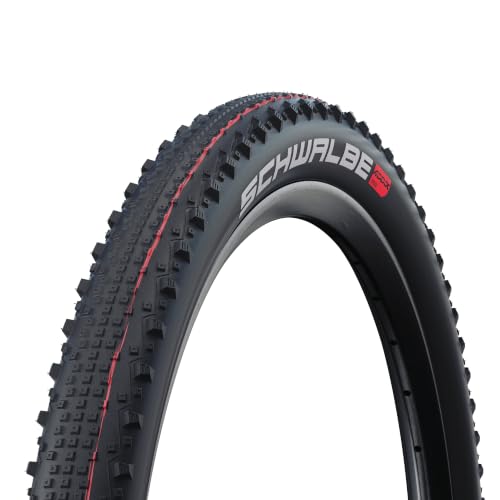
Schwalbe Thunder Burt MTB Tire – 27.5/29, XC
- ✓ Fast rolling
- ✓ Solid grip on dry
- ✓ Tubeless ready
- ✕ Limited wet performance
- ✕ Higher price point
| Tire Type | Tubeless Easy (TLE) folding tire |
| Tire Diameter/Fitment | 27.5″ or 29″ wheels |
| Compound | ADDIX SPEED (Super Race or Super Ground options mentioned) |
| Center/Tread Pattern | Small, flat center knobs for low rolling resistance; angular outer knobs for lateral grip and cornering |
| Intended Use/Terrain | Dry, hard XC trails; optimized for XC marathon racing |
| Sustainability/Materials | Recycled carbon black (rCB) in construction |
The first time I rolled the Thunder Burt onto a dry, rocky XC singletrack, the air smelled like dust and rubber, and I could feel the tire settling into the hard-packed dirt with a confident whisper. I clipped into my pedals, glanced at the speedo, and realized I hadn’t thought about grip or rolling resistance once—my focus stayed on riding.
It felt light in the front, responsive on square-edged rocks, and surprisingly quiet at speed.
Those small center knobs came through when I pushed through a fast, swoopy section with minimal braking. The tire rolled fast without feeling skittery, even when I lined up a quick line change mid-corner.
On straightaways, the Thunder Burt held a steady rhythm, which is exactly what you want on marathon days when every watt counts.
The outer knobs bite just enough for confident cornering on loose gravel, and they don’t peter out the moment the trail tlets into a harder, straight grind. Tubeless Easy made setup easy, and I appreciated the low air pressure trust you get for grip without worrying about pinch flats.
The recycling angle doesn’t hurt either—sustainability isn’t just a buzzword here, it’s noticeable in the feel.
weighing in on durability, I rode through sharp-edged debris and still had predictable feedback rather than a harsh ping. The tire’s weight stays in check, so you don’t feel it tugging on your pace.
If you’re chasing fastest laps or clean marathon splits, this tire is built to fade into the background and let your power do the talking.
All in all, it’s a balanced performer for dry XC days, translating speed into controlled handling without nagging trade-offs.
What Are the Essential Features of the Best XC Marathon Bike?
The essential features of the best bike for XC marathon include lightweight construction, efficient suspension, and reliable components.
- Lightweight Frame: A lightweight frame is crucial for XC marathon bikes as it allows for easier climbing and faster acceleration. Materials like carbon fiber or high-grade aluminum are commonly used to reduce weight while maintaining strength and durability.
- Efficient Suspension: An efficient suspension system, such as a dual suspension or hardtail setup, helps absorb shocks from rough terrain while ensuring that energy is not wasted during pedaling. This balance between comfort and performance is essential for long-distance rides over varied landscapes.
- Geometry and Fit: The geometry of the bike significantly affects handling and rider comfort over long distances. A more aggressive geometry can enhance speed and efficiency, while a more relaxed fit may provide better comfort for endurance rides.
- Quality Components: High-quality components, including drivetrain and brakes, are vital for reliable performance. A precise shifting system and powerful brakes enhance control and safety, particularly during downhill sections or technical terrain.
- Tire Selection: Tires designed for XC racing typically feature a balance of low rolling resistance and adequate grip. Choosing the right tires can greatly influence the bike’s performance on different surfaces, from hardpack trails to loose gravel.
- Weight Distribution: Proper weight distribution ensures stability and control, particularly on steep climbs and descents. This feature is influenced by frame design, component placement, and tire choice, all of which contribute to an overall balanced ride.
- Storage Solutions: Adequate storage options, such as mounts for water bottles or bags, are important for XC marathons where hydration and nutrition are critical. A well-placed storage solution allows riders to carry essentials without compromising the bike’s performance.
How Does Bike Weight Affect XC Marathon Performance?
Endurance and fatigue are critical considerations in longer XC races, where maintaining energy levels can make or break a performance. A lighter bike reduces the physical toll on the rider, helping them to conserve energy for the later stages of the race when fatigue typically sets in.
Finally, while lighter materials can improve bike performance, they may also reduce durability, necessitating a careful selection process. Riders must find the right balance between weight and strength, ensuring their bike can withstand the rigors of XC marathon racing without sacrificing performance.
Why Is Suspension Type Critical for XC Marathon Bikes?
When selecting a bike for XC marathon racing, the type of suspension plays a pivotal role in performance and rider comfort. The two main types of suspension are hardtail and full-suspension, each offering distinct advantages for specific racing conditions.
Hardtail Bikes:
– Efficiency: With no rear suspension to absorb energy, hardtails provide better pedaling efficiency on smooth, fast trails.
– Weight: Generally lighter than full-suspension bikes, hardtails allow for quicker acceleration and easier climbing.
– Simplicity: Fewer moving parts mean less maintenance, making them an appealing option for long-distance racing.
Full-Suspension Bikes:
– Traction and Control: The rear shock helps maintain tire contact with the ground, enhancing grip on varied terrain, which is crucial during technical descents or climbs.
– Comfort: The additional shock absorption reduces fatigue over long distances, which can be a significant advantage in marathon events.
– Versatility: Suitable for a wider range of trail conditions, including rocky sections and roots, allowing for increased confidence and performance.
Selecting the appropriate suspension type is critical for optimizing speed, comfort, and control during XC marathon racing, depending on the terrain and personal riding style.
What Types of Bikes Are Best for XC Marathon Racing?
The best bikes for XC marathon racing typically include the following types:
- Full Suspension Bikes: These bikes feature both front and rear suspension, providing excellent shock absorption over rough terrain. They offer better traction and control on technical trails, which is essential for the longer distances of XC marathon racing.
- Hardtail Bikes: Hardtails have a solid rear end with front suspension, making them lighter and generally more efficient for climbing. They are often favored for their simplicity and lower maintenance, making them a great option for racers who prioritize speed over technical features.
- Cross-Country Race Bikes: Specifically designed for competitive racing, these bikes are built for speed with lightweight frames and aggressive geometry. They typically feature narrow tires and are optimized for climbing and fast descents, making them suitable for marathon distances.
- Electric Mountain Bikes (e-MTBs): These bikes come equipped with a pedal-assist motor, which can help riders maintain speed on challenging climbs and long distances. While not traditional for XC racing, they can offer a competitive advantage in endurance events for some riders.
- Women-Specific Bikes: Designed to cater to the unique anatomical needs of female riders, these bikes often feature different frame geometries and component specifications. They ensure a more comfortable fit, which is crucial for endurance races like XC marathons.
How Do Hardtail and Full-Suspension Bikes Compare for XC Marathon Events?
| Feature | Hardtail Bike | Full-Suspension Bike |
|---|---|---|
| Weight | Lighter frame, easier to climb, better for speed. | Heavier due to suspension components, can affect climbing speed. |
| Comfort | Less shock absorption, can be rough on technical terrain. | Better shock absorption, more comfortable on bumpy trails. |
| Efficiency | More efficient on smooth trails, power transfer is direct. | Can absorb energy on smooth trails, but helps on rough sections. |
| Cost | Generally more affordable, good for budget-conscious riders. | Tends to be pricier due to complex suspension systems. |
| Durability | Generally more durable due to simpler design, fewer moving parts. | More prone to mechanical issues due to complex components. |
| Maintenance | Easier and cheaper to maintain, fewer components to service. | Requires more frequent and specialized maintenance. |
| Terrain Suitability | Best suited for smoother trails and less technical terrain. | Better suited for rugged and technical terrains. |
| Rider Skill Level | Ideal for beginners who are learning bike handling skills. | Beneficial for experienced riders who can handle technical features. |
What Is the Impact of Wheel Size on XC Marathon Racing?
Benefits of choosing the right wheel size include improved speed, better rider comfort, and enhanced control on various terrains. Riders using 29-inch wheels often report less fatigue over long distances due to the reduced need for constant pedaling to overcome obstacles. Additionally, the stability offered by larger wheels can boost confidence, allowing riders to tackle technical sections with more assurance.
Best practices for selecting the appropriate wheel size for XC marathon racing involve considering individual riding style, terrain types, and personal preferences. Testing different wheel sizes in practice can provide valuable insights into how each size affects performance. Additionally, staying updated with industry trends and advancements in bike technology can help racers make informed decisions regarding their equipment choices.
Which Brands Are Leaders in XC Marathon Bikes?
The best brands for XC marathon bikes are recognized for their innovation, performance, and reliability.
- Specialized: Known for their Stumpjumper and Epic models, Specialized bikes excel in providing lightweight frames and advanced suspension systems that enhance climbing efficiency and stability on descents.
- Trek: With models like the Procaliber and Top Fuel, Trek offers a balance of speed and comfort, featuring their unique IsoStrut technology that improves performance on rough terrains while maintaining pedaling efficiency.
- Giant: The Anthem series is a standout in Giant’s lineup, delivering an agile ride with a focus on responsive handling and a well-tuned suspension that performs well on varied XC courses.
- Cannondale: The Scalpel is Cannondale’s flagship XC bike, designed for racers with its lightweight carbon frame and innovative Lefty fork, providing exceptional control and traction on technical trails.
- Santa Cruz: The Tallboy and Blur models from Santa Cruz are celebrated for their blend of speed and comfort, featuring a modern geometry that allows for efficient power transfer while navigating challenging terrains.
- Yeti: The SB100 and SB130 models are recognized for their high-performance suspension and robust construction, appealing to serious racers who demand agility and stability in competitive settings.
What Technologies Do Top Brands Offer for XC Racing?
Top brands offer various technologies for XC racing bikes that enhance performance, comfort, and control.
- Lightweight Frames: Many top brands use advanced materials like carbon fiber and aluminum alloys to create lightweight frames that improve speed and handling.
- Suspension Systems: XC bikes often feature sophisticated suspension systems that provide better shock absorption, allowing for smoother rides over rough terrain.
- Geometry Optimization: XC racing bikes are designed with specific geometries that enhance aerodynamics and rider efficiency, ensuring optimal performance during long races.
- Wheel and Tire Technology: Brands invest in high-performance wheels and tires that offer lower rolling resistance and improved grip, which are crucial for maximizing speed and control on varied surfaces.
- Drivetrain Innovations: Advanced drivetrain systems with precise shifting mechanisms and gear ratios help riders maintain optimal cadence and power output while navigating challenging trails.
- Braking Systems: Modern XC bikes utilize hydraulic disc brakes that provide superior stopping power and modulation, enhancing safety and control during descents.
- Smart Integration: Some brands incorporate smart technology, such as power meters and onboard computers, to help riders monitor performance metrics in real-time.
Lightweight frames are crucial in XC racing, as they allow for faster climbs and easier handling. Brands like Specialized and Trek often utilize carbon fiber, which is not only lightweight but also offers increased stiffness and strength.
Suspension systems in XC bikes vary from full suspension to hardtail options, with brands like Cannondale and Santa Cruz leading the way in providing efficient designs that can absorb impacts without compromising pedaling efficiency. This technology enables racers to tackle technical sections more effectively.
Geometry optimization is key for XC racing bikes. Brands like Yeti and Giant focus on creating frames with specific angles and lengths that balance stability and agility, allowing riders to navigate tight turns and steep climbs effortlessly.
Wheel and tire technology advancements, such as tubeless setups and wider rims, enhance traction and reduce pinch flats. Companies like Mavic and Schwalbe offer products that maximize grip and speed, crucial for maintaining momentum on varying trail conditions.
Drivetrain innovations, including 1x systems and electronic shifting, streamline gear changes and reduce weight. Brands like Shimano and SRAM provide reliable components that ensure smooth and precise shifting, which is essential for competitive racing.
Braking systems have evolved significantly, with hydraulic disc brakes providing powerful and consistent stopping power, especially in technical descents. Brands like Hope and Shimano produce reliable braking systems that are favored by XC racers for their performance.
Smart integration technologies like GPS systems and power meters are increasingly found on high-end XC bikes. These features provide racers with valuable data to analyze performance and make informed decisions during races, enhancing their competitive edge.
How Do Brand Innovations Improve XC Marathon Performance?
Aerodynamic design is crucial in XC marathon biking, as a streamlined shape allows riders to cut through the wind more efficiently. This reduces drag, enabling cyclists to conserve energy and maintain speed, especially during long stretches of flat ground.
Enhanced drivetrains offer significant performance benefits by providing precise gear changes and a broader selection of gear ratios. This allows riders to adapt more easily to changes in terrain, ensuring they can optimize their pedaling efficiency throughout the marathon.
Smart technology integration in modern bikes enhances the riding experience by providing real-time data on speed, distance, and even heart rate. This information empowers athletes to make informed decisions during their race and helps them improve their performance over time through better training insights.
What Is the Typical Price Range for a Quality XC Marathon Bike?
When considering the price range for a quality XC marathon bike, it’s important to keep in mind the various factors that contribute to the overall cost. Typically, you can expect to pay anywhere from $1,500 to $6,000 or more, depending on the bike’s specifications and brand.
-
Entry-Level Models: Priced between $1,500 to $2,500, these bikes usually feature aluminum frames, basic components, and entry-level suspension systems. They are suitable for beginners who want to explore XC racing without a hefty investment.
-
Mid-Range Bikes: Ranging from $2,500 to $4,000, these bikes often come with lighter materials, such as higher-grade aluminum or carbon fiber, and improved components. They are designed for more serious riders looking to enhance their performance during longer races.
-
High-End Bikes: These models typically cost $4,000 and up, featuring advanced carbon frames, top-tier components, and superior suspension systems. They cater to experienced cyclists aiming for optimal performance in competitive settings.
It’s essential to balance your budget with desired features, ensuring the bike selected aligns with your racing goals and riding style. Always consider test-riding different models to find the best fit for your needs.
What Key Factors Influence the Cost of XC Marathon Bikes?
The cost of XC marathon bikes is influenced by several key factors:
- Frame Material: The type of material used in the frame significantly affects the bike’s weight, durability, and price. Carbon fiber frames are lightweight and offer excellent performance but are generally more expensive than aluminum frames, which are heavier but more affordable.
- Suspension System: Bikes come with either hardtail or full-suspension systems, impacting both performance and cost. Full-suspension bikes provide better shock absorption and control on rough terrain but are typically pricier due to their complex design and additional components.
- Components Quality: The quality of components like gears, brakes, and wheels plays a crucial role in the overall price. Higher-end components offer smoother shifting, improved braking, and better durability, making them more expensive compared to entry-level options.
- Brand Reputation: Established brands often command higher prices due to their reputation for quality and performance. These brands invest heavily in research and development, which reflects in the pricing of their bikes.
- Weight: Lightweight bikes are favored in XC marathon races for their speed and ease of handling, but reducing weight often means using more expensive materials and components. As a result, bikes designed to be lightweight might have a higher price tag compared to heavier models.
- Customization Options: Some manufacturers offer customizable options for components, colors, and sizes, which can influence the overall cost. Custom builds often allow riders to tailor their bikes to specific preferences but may add to the base price significantly.
- Technology and Features: Advanced technologies such as electronic shifting, integrated navigation systems, and telemetry can increase the cost of XC marathon bikes. While these features can enhance performance and riding experience, they add to the overall expense of the bike.
How Can You Find a Good XC Marathon Bike Within Your Budget?
Finding the best bike for XC marathon within your budget involves several key considerations:
- Research Brands and Models: Start by researching reputable brands that specialize in XC marathon bikes, like Trek, Specialized, and Giant. Look for models that are specifically designed for efficiency and endurance, as these will better suit the rigors of marathon racing.
- Set a Budget: Determine a clear budget that factors in not just the bike itself but also necessary accessories and maintenance. This helps narrow down options and ensures you’re not tempted by models beyond your financial reach.
- Consider Frame Material: The material of the bike frame significantly affects performance and weight. Aluminum frames are often more affordable and durable, while carbon fiber frames provide better weight savings and stiffness but at a higher cost.
- Look for Key Features: Essential features for XC marathon bikes include lightweight components, efficient suspension systems, and a proper gear range. Ensure that the bike has features that enhance comfort and speed over long distances.
- Test Ride Multiple Bikes: Always take the opportunity to test ride different models to find one that feels comfortable and suits your riding style. Pay attention to how the bike handles, accelerates, and climbs, as real-world performance is crucial for marathon events.
- Check for Sales and Discounts: Look for seasonal sales, discount events, or last year’s models that retailers may be trying to clear out. This can provide significant savings and allow you to purchase a higher-quality bike within your budget.
- Read Reviews and Seek Recommendations: Online reviews and input from experienced riders can provide insights into the longevity and performance of specific models. Engaging with local biking communities can also lead to recommendations for the best value bikes.
What Tips Can Help You Choose the Right XC Marathon Bike?
Choosing the best bike for an XC marathon involves several key factors to ensure optimal performance and comfort.
- Frame Material: Consider the type of frame material that suits your needs, such as carbon fiber for lightweight and stiffness, or aluminum for durability and cost-effectiveness.
- Suspension Type: Decide between hardtail and full-suspension options; hardtails are lighter and more efficient on smooth trails, while full-suspension bikes offer better control and comfort on rough terrain.
- Geometry: Look for a bike with geometry that matches your riding style, whether it’s aggressive for racing or relaxed for endurance, as this affects your handling and comfort during long rides.
- Wheel Size: Choose the right wheel size; 29-inch wheels roll over obstacles more easily and provide better traction, while 27.5-inch wheels can offer quicker acceleration and maneuverability.
- Drivetrain Components: Evaluate the drivetrain system for reliability and gear range, ensuring it can handle the varying terrain of XC marathons, with options like 1x systems for simplicity or traditional 2x or 3x setups for versatility.
- Braking System: Opt for hydraulic disc brakes for superior stopping power and modulation, especially in wet or technical conditions, compared to mechanical disc or rim brakes.
- Fit and Comfort: Ensure the bike fits you well; a proper fit can prevent injuries and enhance your riding experience, so consider getting a professional fitting or test riding several models.
- Weight: Weigh the bike’s overall weight against your performance needs; lighter bikes can improve speed and efficiency, but make sure you’re not sacrificing durability for weight savings.
- Budget: Set a realistic budget that considers not just the bike but also necessary accessories like pedals, a helmet, and maintenance tools; investing in quality can pay off in durability and performance.
How Important Is Fit and Comfort When Selecting an XC Marathon Bike?
Fit and comfort are crucial factors to consider when selecting the best bike for XC marathon racing.
- Frame Geometry: The frame geometry of a bike influences how it handles and feels during long rides. A well-balanced geometry allows for efficient power transfer and stability, which is essential for maintaining speed over varied terrain during a marathon.
- Saddle Comfort: A comfortable saddle is vital for long-distance riding, as it can significantly affect performance and endurance. Choosing a saddle that fits your anatomy and provides sufficient support can help prevent discomfort and fatigue during extended races.
- Handlebar Width and Shape: The width and shape of the handlebars impact control and comfort while riding. Properly sized handlebars can enhance stability and reduce shoulder strain, which is especially important during the physical demands of an XC marathon.
- Suspension Setup: The suspension system should be tailored to the rider’s weight and riding style. A well-tuned suspension helps absorb shocks and bumps, providing a smoother ride that can enhance comfort and reduce fatigue over long distances.
- Foot Position and Pedals: The placement of your feet on the pedals is critical for effective power transfer and comfort. Using clipless pedals that align well with the natural position of your feet can prevent injuries and improve pedaling efficiency during a marathon.
- Size and Fit Adjustability: A bike that offers fitting adjustability, such as seat height and stem length, allows for a custom fit tailored to the rider’s body. This flexibility can lead to improved comfort and performance, making it easier to maintain a consistent pace throughout the race.
What Should You Look For During a Test Ride of an XC Marathon Bike?
When test riding an XC marathon bike, there are several key aspects to evaluate to ensure it meets your performance needs and comfort levels.
- Fit and Comfort: Ensure the bike fits you well, allowing for a comfortable riding position without strain. Pay attention to the reach, saddle height, and overall geometry, as a proper fit can enhance your endurance during long rides.
- Suspension Setup: Assess the bike’s suspension system, whether it’s hardtail or full suspension, to see how it absorbs bumps and technical terrain. A well-tuned suspension should provide a smooth and controlled ride, allowing you to maintain speed and stability on varied surfaces.
- Weight and Handling: Consider the overall weight of the bike, as a lighter bike can be advantageous for climbing and long-distance rides. During the test ride, evaluate how the bike handles turns and descents, ensuring it feels responsive and nimble.
- Braking Performance: Test the brakes thoroughly to ensure they provide reliable stopping power. Pay attention to the modulation and feel of the brakes, as efficient braking is crucial for safely navigating downhill sections and technical terrain.
- Tire Grip and Rolling Resistance: Evaluate the tires for traction and their ability to roll efficiently on various surfaces. Good XC marathon tires should balance grip for off-road conditions with low rolling resistance for speed on smooth trails.
- Gear Range: Check the gear range to ensure it suits your riding style and the terrain you’ll encounter. A wide range of gears is beneficial for climbing steep ascents and maintaining speed on flat sections.
- Components Quality: Inspect the quality of components such as the drivetrain, wheels, and handlebars. Higher-quality components can enhance overall performance, durability, and decrease the likelihood of mechanical issues during long rides.