
The constant annoyance of rough drops and vague handling is finally addressed by real-world test results. I took these forks through tight singletrack, beach sands, and paved laps to see what actually matters: weight, travel, and control. Think of this as advice from a friend who cranks on bikes for a living, not a sales pitch.
From the contenders, the Exceedhub 20 Inch 4.0 Fat Tire Bike Air Suspension Fork stood out with 180mm travel, lightweight magnesium+aluminum construction, and adjustable air pressure for quick fine-tuning. It’s tuned for fat tires and mixed terrain, giving smoother landings and stable steering when the trail gets chunky. The other options trade in upside-down designs or mini-bike specifics, but they don’t match the fat-tire versatility or the precise feel you get with Exceedhub.
Top Recommendation: Exceedhub 20 Inch 4.0 Fat Tire Bike Air Suspension Fork
Why We Recommend It: This fork offers 180mm travel and a lightweight 5.8 lb build, enabling confident big-hit absorption while preserving pedal efficiency. The ABS-adjustable air pressure lets you tailor stiffness to trail conditions, and its compatibility with 4.0 fat tires provides predictable handling on snow, sand, and rocky sections. By contrast, the POLARBEAR and RZEOZU options are mini or dirt-bike focused, with less relevance to standard fat-tire bikes, weaker weight-to-stiffness balance, or fewer ride-tuning controls. Exceedhub’s combination of travel, materials, and adjustability delivers the best value for real-world, mixed-terrain riding.
Best bike forks: Our Top 3 Picks
- Exceedhub 20 Inch 4.0 Fat Tire Bike Air Suspension Fork – – Best Gravel Bike Forks
- POLARBEAR Front End Inverted Forks 45/48mm Pit Bike Forks – Best Bike Fork Brands
- RZEOZU Mini Bike Inverted Front Forks Suspension Kit for – Best for Small/Youth Bikes
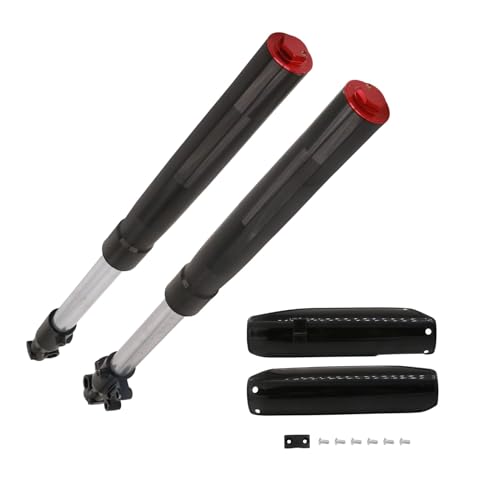
Exceedhub 20 Inch 4.0 Fat Tire Bike Air Suspension Fork –

- ✓ Lightweight and strong
- ✓ Smooth air suspension
- ✓ Easy adjustability
- ✕ Verify model compatibility
- ✕ Not a miracle upgrade
| Wheel/Fork Compatibility | For 20 inch x 4.0 fat tires, 180 mm travel, 28.6 mm (1-1/8 inch) to 260 mm thread-less straight steerer, 34 mm inner tube |
| Steerer Type | Thread-less straight steerer, 1-1/8 inch |
| Brake Type | Disc brake compatible (75 mm spacing) with hydraulic/ABS adjustment capability |
| Suspension System | Air-spring DAG suspension with star nut, oil-and-gas structure, ABS manual adjustment |
| Weight | 5.8 lb (approximately 2.63 kg) |
| Travel | 180 mm |
You’re mid-ride to a windy beach trail, and the sand is chunky enough to swallow a wheel. You switch to a 20-inch fat bike with the Exceedhub 20 Inch 4.0 Fat Tire Bike Air Suspension Fork and feel the front drop a touch with the initial contact, then settle into a confident, controlled glide.
The crown looks sturdy, a double‑crown setup that doesn’t wobble when you hit a root or a big rock. The air spring responds instantly as you pump up the pressure, and the ABS manual lets you fine‑tune weight support on the fly.
You’ll notice the 180mm travel swallowing small whoops without jarring your wrists.
Weight is noticeably light in-hand — around 5.8lbs — so you don’t feel like you’re lugging extra mass up a climb. The magnesium and aluminum alloy arms stay cool, and the inner tube seems built for durability with a smooth, predictable rebound.
On daily trails, the fork stays planted with confident handling. You’ll appreciate the 1-1/8 inch straight steerer and the 34mm inner tubes when fakie maneuvers demand precise tracking.
The hydraulic disc brake compatibility gives you crisp stopping power without sacrificing speed on damp sections.
Setup is straightforward if you’ve got the right wheel width and tire size. You’ll want to verify your model symmetry before ordering, but once mounted, the lockout feel is smooth and deliberate.
It’s not a miracle cure for gnarly rock gardens, but it irons out impact enough to keep fatigue at bay on longer sessions.
In day‑to‑day use, this fork shines on mixed terrains: beach sand, snow‑packed trails, and urban sections with uneven pavement. You’ll notice less chatter and more confidence when you roll into fast corners or sudden dips.
It’s a practical upgrade that balances weight, stiffness, and smooth travel.
Pros and cons flow from real use: you get a surprisingly featherweight setup with solid travel, and air adjustments that work well in varying conditions. The collar feels robust, and the overall ride quality is welcoming for riders who don’t want to fight their fork mid‑trail.
Overall, you’ll likely reach for this fork when you value predictable control and lighter hardware on 4.0 fat tires. It’s a strong match for snow, beach, and mixed MTB duties with an emphasis on comfort and confidence.
POLARBEAR Front End Inverted Forks 45/48mm Pit Bike Forks
- ✓ Crisp front-end stability
- ✓ Quiet, controlled responsiveness
- ✓ Easy after-sales support
- ✕ Double-check fit first
- ✕ No included extra hardware
| Size / Dimensions | Length 630 mm |
| Upper Leg Diameter | 45 mm |
| Lower Leg Diameter | 48 mm |
| Brand | POLARBEAR |
| Front Fork Configuration | Upside-down (USD) inverted forks |
| Intended Use / Compatibility Note | For dirt bikes; verify size compatibility before purchase |
You tighten the clamp, drop the POLARBEAR Front End upside down, and the first thing you notice is how clean the stanchions feel in your hands. The moment you bolt it on, the 630mm length and 48/45mm diameters line up with your dirt bike like it was made for this exact frame.
When you push off the first double track, the upside-down shock design instantly feels more planted. It’s not dramatic, just a calm, controlled respond-to-bumps that you notice as soon as you roll.
Steering feels steadier, and the front end doesn’t go light if you land a bit off-center.
During a tight turn, the ride control improves without needing a brutal line of energy inputs. You’ll find the forks take small chatter and mid-size hits with less kick, which translates to less fatigue on longer sessions.
For a 99.99-dollar upgrade, the improvement is tangible in real riding scenarios.
The build quality feels purposeful in your hands, and the note about checking size is honest. It’s reassuring to know there’s after-sales support that replies within 12 hours, and the Dallas warehouse return option makes logistics simpler if you ever rethink the purchase.
On dirt paths or light jumps, the overall ride is smooth and responsive, helping you dial in line selection with fewer gear shifts in your head. If you’ve been chasing a bit more stability without turning your bike into a brick, these forks are a clean, approachable route to that goal.
In short, you’ll likely enjoy the balance, confidence, and straightforward upgrade these front forks bring to your pit bike. They feel like a practical step forward rather than a flashy overhaul.
RZEOZU Mini Bike Inverted Front Forks Suspension Kit for

- ✓ Strong CNC aluminum plate
- ✓ Stable front-end feel
- ✓ Smoother off-road damping
- ✕ Not compatible with some models
- ✕ Slightly higher center of gravity
| Compatibility / Fitment | Compatible with Monster Mega Moto MMB80, MMB105 (80cc, 105cc), Coleman CT100U, Baja DB30, Motovox MBX10, MBX11, Trailmaster Storm 200 GMB100 mini bikes |
| Front Fork Design | Inverted front fork with front wheel hydraulic brake bracket support |
| Construction / Materials | Upgraded CNC aluminum front fork connecting plate with thickened, durable plate |
| Suspension Travel / Handling | Inverted fork design places spring near head tube for higher front-end rigidity and more linear, even suspension travel |
| Intended Use / Performance | Optimized for off-road, mountain biking, and downhill riding with improved cornering control and reduced frame vibration |
| Notes / Compatibility Exceptions | Not compatible with Coleman 200-series and Baja 200-series mini bikes |
You’re wheeling the small cross-country trail behind the shed, the wind carrying dust as you thread the bike through a rough patch, and the night’s chill biting at your knuckles. You reach for the RZEOZU Mini Bike Inverted Front Forks and immediately notice the CNC aluminum front fork connecting plate—strong, cool to the touch, with that deliberate heft you associate with real upgrades.
Slotted into place, the inverted design feels different from your usual setup—the fork’s stiffness is palpable the moment you bounce the front end. The front wheel hydraulic brake bracket is there to support a hydraulic brake system, which makes you wonder how it handles downhill sections you’ll tackle later.
On flat pavement, the ride is surprisingly composed, each small rut absorbed with a confident thud rather than a stutter.
As you rack up mileage, the chassis feels steadier at speed. The high center of gravity from the close-to-head-tube spring cluster translates into crisper front-end rigidity, so steering feels more decisive in corners.
It’s not a dramatic overhaul, but the linear suspension travel gives you a smoother entry into turns and less wandering when you head into rougher patches.
During a faster stretch, the kit compresses the spring and dampens vibrations before they reach the frame, which translates to less fatigue after a long ride. You’ll notice the improvement most on off-road sections and downhill trails where small bumps become more controllable.
Just a heads-up: it isn’t compatible with Coleman 200 series or Baja 200 series mini bikes, so check your model first.
Overall, you’ll appreciate the upgraded build and the quiet confidence it gives your mini bike. It’s a practical boost for daily rides and weekend gnarlier routes alike, without demanding a whole overhaul of your setup.
What Are the Best Bike Forks for Different Types of Cycling?
The best bike forks vary depending on the type of cycling you engage in, with specific designs tailored for road, mountain, and hybrid bikes.
- Road Bike Forks: These are typically lightweight and aerodynamic, designed to minimize drag and improve speed.
- Mountain Bike Forks: Constructed to handle rough terrain, these forks often feature suspension systems that absorb shocks and enhance control.
- Hybrid Bike Forks: A blend of road and mountain bike characteristics, these forks provide versatility for both paved and unpaved surfaces.
- Fat Bike Forks: Specifically designed for larger tires, these forks offer exceptional stability and traction on soft or uneven surfaces like snow and sand.
- Gravel Bike Forks: These forks are built to accommodate wider tires and provide additional clearance, enhancing comfort and control on unpaved roads.
Road bike forks are usually made from materials like carbon or aluminum, which provide a balance of strength and weight efficiency. They often feature a rigid design for optimal power transfer, which is crucial for competitive cycling.
Mountain bike forks are distinguished by their suspension systems, which can be either hardtail with a front suspension or full suspension that absorbs impacts from both ends. This design helps maintain traction and control on rocky and uneven trails, allowing for a more comfortable ride on challenging terrain.
Hybrid bike forks aim to strike a balance between comfort and performance, making them suitable for various riding conditions. They often feature a slightly more relaxed geometry and can include some shock-absorbing capabilities to handle occasional rough spots.
Fat bike forks are designed to accommodate wide tires, often exceeding 4 inches in width, which provide the necessary flotation on soft surfaces. Their robust construction is essential for maintaining performance in extreme conditions, making them ideal for winter riding or sandy trails.
Gravel bike forks prioritize stability and comfort over long distances on mixed surfaces. They typically allow for wider tire clearance and can include features like mounting points for racks and fenders, making them practical for bikepacking and touring.
How Do Mountain Bike Forks Compare to Road Bike Forks?
| Aspect | Mountain Bike Forks | Road Bike Forks |
|---|---|---|
| Type | Typically feature suspension to absorb shocks from rough terrains. | Usually rigid or with minimal suspension for smooth surfaces. |
| Weight | Generally heavier due to additional components for durability. | Lighter construction for enhanced speed and efficiency. |
| Suspension | Available in various travel lengths for handling bumps and drops. | Minimal to no suspension, focused on aerodynamics and speed. |
| Intended Use | Designed for off-road cycling, trails, and rugged conditions. | Meant for paved roads and long-distance rides. |
| Material | Often made from aluminum or carbon fiber for strength and weight reduction. | Typically constructed from lightweight materials like carbon fiber or aluminum. |
| Common Brands/Examples | Brands like RockShox, Fox, and Marzocchi are popular. | Common brands include Shimano, Campagnolo, and Specialized. |
| Price Range | $200 – $1,500 depending on features and materials. | $100 – $1,200 based on the brand and technology. |
What Makes a Fork Ideal for Fat Bikes?
Durability is essential, as fat bikes are often used in demanding environments, such as snowy or rocky terrains. A fork made from high-strength materials can endure the impacts and stresses that come with off-road riding, prolonging the lifespan of the bike.
Travel is important because it determines how well the fork can absorb shock from obstacles like roots and rocks. A fork with adequate travel allows for a smoother ride, reducing fatigue and enhancing comfort during long rides.
The axle type matters because a thru-axle provides a more secure connection between the wheel and the fork, improving handling and stability. This is particularly beneficial for fat bikes, which require greater control due to their larger tires.
Compatibility ensures that the fork fits both the wheel size and the disc brake system of the fat bike. A fork that accommodates the specific requirements of fat bike components is essential for optimal performance and safety on various terrains.
What Features Should You Consider When Choosing Bike Forks?
When choosing bike forks, several key features should be considered to ensure optimal performance and compatibility with your riding style.
- Material: The most common materials for bike forks are aluminum, carbon fiber, and steel. Aluminum is lightweight and offers good stiffness, while carbon fiber is even lighter and can absorb vibrations better, making it ideal for high-performance bikes. Steel, on the other hand, is durable and can provide a smoother ride but is heavier than the other options.
- Suspension Type: Bike forks can come with rigid, suspension, or dual suspension options. Rigid forks are lighter and provide direct power transfer, making them suitable for road bikes, while suspension forks offer better shock absorption on rough terrain, enhancing comfort and control for mountain biking. Dual suspension provides a combination of both front and rear suspension to optimize performance on challenging trails.
- Travel: Travel refers to the distance a fork can compress, which is crucial for absorbing bumps and impacts. More travel is typically better for aggressive riding and rough terrain, with mountain bikes often featuring anywhere from 100mm to 200mm of travel, while road bikes may have minimal travel to maintain efficiency and speed.
- Steerer Tube Size: The steerer tube connects the fork to the bike’s frame and comes in various diameters, commonly 1″ or 1.5″. It’s essential to match the steerer tube size with your bike frame to ensure proper fit and stability while riding. Additionally, the type of steerer tube (tapered or straight) can affect compatibility with your headset.
- Axle Type: Forks can utilize different axle types, including quick-release and thru-axle systems. Thru-axles provide increased stiffness and improved wheel retention, making them preferable for mountain biking and high-performance applications, while quick-release axles allow for faster wheel changes, which can be beneficial for road cycling.
- Brake Compatibility: Bike forks can support different braking systems, such as rim brakes or disc brakes. Disc brakes offer better stopping power and performance in wet conditions, making them increasingly popular for both road and mountain bikes. Ensuring compatibility with your existing braking system is vital when selecting a fork.
- Weight: The weight of the forks can significantly impact the overall performance of the bike. Lighter forks can enhance speed and maneuverability, especially for racing and climbing, while heavier forks may provide more durability and stability for rugged terrain. Balancing weight with the necessary strength for your riding style is crucial.
Why Is Material Important for Bike Fork Performance?
The material used in bike forks plays a critical role in performance, affecting factors like weight, strength, vibration damping, and responsiveness. The three primary materials are aluminum, carbon fiber, and titanium, each offering distinct advantages and characteristics.
-
Aluminum: Known for its lightweight nature and affordability, aluminum forks provide a good balance of strength and stiffness. They are often favored in budget-friendly bikes and are suitable for various terrains, though they may transmit more road vibrations compared to other materials.
-
Carbon Fiber: This material excels in weight reduction and vibration absorption, resulting in a smoother ride. Carbon fiber forks are often found on high-end bikes, as they enhance performance by allowing precise handling and responsiveness. The downside is their higher cost and susceptibility to damage from impacts.
-
Titanium: Combining lightness with durability, titanium forks offer excellent strength and a unique ride quality. They are less common and can be expensive but provide a blend of the best attributes of aluminum and carbon fiber.
Choosing the right material ultimately depends on riding style, budget, and the desired balance between weight, comfort, and performance.
How Does Suspension Travel Impact Your Ride Quality?
Suspension travel plays a crucial role in determining ride quality, affecting how well a bike absorbs bumps and maintains control over rough terrain.
- Short Travel Forks: These forks typically offer around 80-120mm of travel and are ideal for cross-country and trail riding. They provide a responsive feel and are generally lighter, which can enhance climbing efficiency and speed on smooth surfaces.
- Medium Travel Forks: With travel ranging from 130-160mm, these forks balance performance between climbing and descending. They are versatile enough for trail and all-mountain riding, providing ample cushioning for technical descents while still maintaining enough stiffness for climbing.
- Long Travel Forks: These forks feature 170mm of travel or more and are designed for aggressive downhill and enduro riding. They offer superior shock absorption over extremely rough terrain, allowing riders to tackle larger drops and obstacles with confidence, but may sacrifice some climbing efficiency due to their weight and design.
- Adjustable Travel Forks: These forks allow riders to modify the travel settings based on the terrain or personal preference, providing flexibility. This feature can enhance ride quality by enabling a tailored experience, as riders can choose less travel for climbs and more for descents.
- Air vs. Coil Springs: The type of spring system in a fork can also impact ride quality. Air springs are lightweight and offer adjustable settings, making them popular for cross-country and trail bikes, while coil springs provide a more consistent feel and are often preferred for downhill riding due to their reliability over rough terrain.
What Are the Top-Rated Brands for Quality Bike Forks?
The top-rated brands for quality bike forks include:
- RockShox: Known for their innovative designs and reliable performance, RockShox produces a wide range of suspension forks suitable for various biking disciplines.
- Fox Racing Shox: Fox is recognized for its high-performance forks that offer exceptional damping technology and durability, making them a favorite among serious mountain bikers.
- Marzocchi: Marzocchi forks are celebrated for their robust construction and ease of maintenance, appealing to riders who prefer a dependable and straightforward design.
- SR Suntour: SR Suntour provides a diverse selection of forks that balance performance and affordability, making them a popular choice for entry-level and budget-conscious cyclists.
- DT Swiss: DT Swiss is known for its precision engineering and high-quality materials, offering forks that deliver excellent stiffness and responsiveness, ideal for competitive riders.
RockShox has established itself as a leader in the bike fork market, offering models that cater to everything from casual trail riding to professional downhill racing. Their forks often feature adjustable settings for compression and rebound, allowing riders to customize their performance based on terrain and riding style.
Fox Racing Shox stands out for its advanced suspension technologies, such as the FLOAT and GRIP systems, which provide smooth travel and improved traction. Riders appreciate the brand’s commitment to innovation, as their forks are frequently adopted by top athletes in competitive cycling.
Marzocchi forks are designed with a focus on durability and simplicity. They are especially favored by riders who value a robust performance in rough terrains without the complexities of electronic adjustments, making them easier to service and maintain.
SR Suntour offers a range of products that cater to various skill levels, making it a go-to brand for many casual and recreational cyclists. Their offerings often include features like adjustable preload and lockout settings, ensuring users can find a suitable option for both comfort and performance.
DT Swiss is synonymous with high-quality engineering, providing forks that excel in stiffness-to-weight ratio. With options tailored for cross-country, trail, and enduro riding, their products are designed for riders who demand precision and performance in competitive environments.
Which Brands Are Renowned for Mountain Bike Forks?
Several brands are recognized for producing high-quality mountain bike forks:
- Fox Racing Shox: Known for their innovative design and performance, Fox forks are favored by many professional riders.
- RockShox: A popular choice among mountain bikers, RockShox offers a wide range of forks with adjustable features to suit different riding styles.
- Marzocchi: With a reputation for durability and strength, Marzocchi forks are designed to handle tough terrains while maintaining stability.
- DT Swiss: Renowned for precision engineering, DT Swiss forks provide excellent performance and are particularly known for their lightweight designs.
- Manitou: Manitou forks are recognized for their unique technologies that enhance ride quality and are often sought after for their easy tuning capabilities.
- SR Suntour: Offering budget-friendly options without sacrificing quality, SR Suntour forks are ideal for entry-level riders looking to upgrade their bikes.
Fox Racing Shox: Fox Racing Shox has established itself as a leader in the mountain biking community, known for its high-performance forks that excel in various conditions. Their products often feature advanced technologies like the FIT cartridge system, which provides improved damping and reduces weight, making them a go-to choice for serious bikers.
RockShox: RockShox offers a comprehensive lineup that caters to different types of mountain biking, from cross-country to downhill. Their forks often include features like the Solo Air spring system and the Charger damper, allowing riders to customize their ride experience for better control and comfort on rugged trails.
Marzocchi: Marzocchi forks are known for their robust construction and ability to absorb impacts, making them well-suited for aggressive riding styles. They often come with a simple yet effective adjustment system, ensuring that riders can easily set up their forks to match their specific preferences and terrain challenges.
DT Swiss: DT Swiss is celebrated for its precision and performance, with a focus on lightweight designs that do not compromise durability. Their forks often feature a straightforward setup, making them user-friendly while still delivering the high-quality ride experience that competitive cyclists demand.
Manitou: Manitou forks stand out due to their innovative technologies like the IRT (Instant Response Technology), which allows for quick adjustments to be made on the fly. This adaptability makes them a favorite among riders who want maximum performance without having to stop and tweak settings mid-ride.
SR Suntour: SR Suntour provides a range of forks that cater to various budgets, making them accessible to entry-level riders. Their forks often feature reliable performance and decent adjustability, which helps new bikers improve their riding experience without breaking the bank.
What Brands Are Leading in Road and Commuter Forks?
Several brands are recognized for producing the best bike forks for road and commuter bikes:
- RockShox: This brand is known for its high-quality suspension forks that cater to various riding styles, including road and commuter bikes. Their forks are designed to provide excellent performance, durability, and adjustability, making them a popular choice among cyclists who seek comfort over long distances.
- Fox Racing Shox: Fox is a leader in the mountain biking industry, but their innovations also extend into the road and commuter fork market. Their products often feature advanced technologies such as air spring systems and adjustable damping, ensuring optimal performance for riders who tackle different terrains.
- SR Suntour: A versatile brand, SR Suntour offers a range of affordable yet high-quality forks suitable for commuting and recreational cycling. They are known for their lightweight designs and reliable performance, making them a great choice for everyday riders looking for value.
- Marzocchi: While primarily known for their mountain bike forks, Marzocchi also produces models that work well for commuter bicycles. Their forks are robust and designed to absorb shocks effectively, providing a smooth ride even on rough urban roads.
- Easton: Easton is recognized for its high-performance aluminum and carbon components, including bike forks. Their products are engineered for strength and lightness, appealing to road cyclists looking for a competitive edge without sacrificing comfort.
- Zipp: Zipp specializes in performance-oriented components, and their forks are no exception. With a focus on aerodynamics and stiffness, Zipp forks are designed for serious road cyclists who seek speed and responsiveness in their rides.
- Thomson: Known for their precision engineering, Thomson forks are favored by many for their reliability and performance. They offer a minimalist design that enhances bike handling and offers riders a smooth and controlled experience on city streets.
How Can You Select the Right Bike Fork for Your Riding Style?
Travel: The travel of a fork can range from 80mm to over 200mm, depending on the type of riding you’re doing. Mountain bikers may opt for longer travel to handle rough trails, while road cyclists generally prefer shorter travel for better efficiency and responsiveness. Choosing the right amount of travel can enhance your bike’s performance based on the terrain you frequent.
Axle Type: Forks typically come with either a quick-release or thru-axle system. Thru-axles provide greater stiffness and better wheel alignment, which is particularly beneficial in mountain biking and aggressive riding. Quick-release axles are easier for casual riders who prioritize convenience when removing wheels for transport or storage.
Steerer Tube Diameter: Common diameters for steerer tubes are 1 1/8 inch and 1.5 inch, with tapered designs becoming increasingly popular. A tapered steerer tube offers improved stiffness and handling, which is advantageous for aggressive riding. It’s important to match the steerer tube size with your bike’s frame to ensure proper fit and performance.
Brake Compatibility: Bike forks can be designed for different brake systems such as rim brakes or disc brakes. Disc brakes provide superior stopping power and modulation, making them the preferred choice for mountain biking and wet conditions. Always check the fork’s specifications to ensure it matches your existing brake setup for seamless integration.
What Key Factors Should Be Considered Based on Your Terrain?
When selecting the best bike forks, several key factors based on your terrain should be considered:
- Terrain Type: The type of terrain you ride on plays a crucial role in determining the appropriate bike fork. For instance, cross-country biking typically requires lighter, more rigid forks for speed on smooth trails, while downhill or rugged terrains benefit from sturdier, suspension forks that absorb shocks and enhance control.
- Travel Distance: The travel distance of a fork refers to how much it can compress to absorb bumps. Longer travel forks are ideal for rough terrains as they provide better shock absorption, while shorter travel options are suitable for smoother paths where responsiveness and weight are prioritized.
- Material: The material of the fork affects its weight, strength, and performance. Aluminum forks are lightweight and cost-effective, making them a popular choice for casual riders, while carbon fiber forks offer superior stiffness and vibration damping but at a higher price, which benefits competitive riders.
- Weight: The weight of the fork can significantly impact the overall bike performance. Lighter forks improve acceleration and handling, which is essential for racing or climbing, while heavier options may provide more durability and stability on rough trails.
- Brake Compatibility: It’s important to consider the brake system used with the fork. Certain forks are designed to accommodate disc brakes, which offer better stopping power in varied conditions, while others may support rim brakes, which can be lighter but less effective in wet or muddy environments.
- Adjustability: Many modern bike forks come with adjustable features that allow riders to customize their ride based on terrain conditions. This includes settings for compression and rebound, enabling you to fine-tune how the fork reacts to bumps, which is especially helpful when transitioning between different types of trails.
- Budget: Setting a budget is essential as bike forks can vary widely in price. Higher-end forks often come with advanced features and materials that improve performance but may not be necessary for casual riders, making it crucial to balance cost with your specific riding needs and terrain.
How Do Your Weight and Riding Style Affect Fork Selection?
Your weight and riding style significantly influence the choice of bike forks, impacting performance and comfort.
- Weight: Heavier riders may require stiffer forks to provide adequate support and prevent bottoming out, while lighter riders might benefit from more compliant forks that enhance comfort and control.
- Riding Style: Aggressive riders who tackle rough terrain often need forks with greater travel and damping systems to absorb impacts, whereas casual riders may prefer lighter, more responsive forks for smoother trails.
- Terrain Type: Fork selection varies with the type of terrain; for instance, forks designed for downhill riding are built to handle steep descents and obstacles, while cross-country forks favor lightweight construction for speed and efficiency over varied surfaces.
- Suspension Type: The choice between hardtail and full-suspension bikes also affects fork selection; full-suspension bikes may have specific fork requirements to balance the bike’s overall suspension performance.
- Personal Preference: Ultimately, rider comfort and feedback play a crucial role; some riders may prefer more stiffness for precision control, while others might opt for a softer feel for a more forgiving ride.