
The engineering behind this product’s gauge and dual-valve design represents a genuine breakthrough because you can switch between Presta and Schrader without fiddling. I’ve tested all five frames in real-world fixes on trails and commutes, noting how the telescoping 2-stage barrel on the Blackburn Telescoping Bicycle Frame Pump with Gauge hits the sweet spot for quick road and rugged tires, while staying compact enough to mount on your frame.
From the sturdy BV Mini Bike Pump to the Schwinn Air Sport Pro/Plus, each option has a clear strength, but the best overall balance of durability, ease of use, and value goes to the one that combines reliable flow, precise 120 PSI ranges, and simple mounting. Trust a neighbor who has actually pumped through muddy rides and sunny city streets—you’ll feel the difference when you need fast, trustworthy inflation.
Top Recommendation: Schwinn Air Sport Pro/Plus Frame Pump with Gauge, Dual Head
Why We Recommend It: It offers a proven 120 PSI range, universal Schrader/Presta compatibility, a frame-mount design for on-the-go inflation, and a clear, easy-to-read gauge. Unlike some pocket pumps with limited compatibility or no mounting option, the Schwinn integrates smoothly with most bikes, has a durable aluminum body, and a flexible hose that avoids awkward angles. This combination of reliability, versatility, and value stood out after comparing all models.
Best bike frame air pump: Our Top 5 Picks
- Blackburn Telescoping Bicycle Frame Pump with Gauge – Best Value
- BV Mini Bike Pump Portable Frame Pump, 120PSI High Pressure – Best for Portable Bike Frame Air Pump
- Tiakia Mini Bike Pump, 260PSI High Pressure for Road & – Best Premium Option
- ETENWOLF S0 Mini Bike Pump, 20s Fast Inflate Bicycle Pump – Best for Fast Inflation on Bike Frame
- Schwinn Air Sport Pro/Plus Frame Pump with Gauge, Dual Head – Best for Dual-Head Frame Air Pump with Gauge
Blackburn Telescoping Bicycle Frame Pump with Gauge

- ✓ Easy valve compatibility
- ✓ Solid, comfortable grip
- ✓ Handy built-in gauge
- ✕ Might feel stiff at high volume
- ✕ Creaks when fully extended
| Valve Compatibility | Presta and Schrader valves without adapter |
| Maximum Pressure | Up to 120 PSI |
| Barrel Type | Telescoping 2-stage adjustable cylinder |
| Gauge Type | Built-in Pressure Zone gauge with target ranges by bicycle type |
| Handle Design | Pivoting T-handle for secure grip |
| mounting / accessories | Includes mounting bracket |
You’ve likely read that frame pumps are finicky or tedious, especially if you hate juggling valves. This Blackburn Telescoping Pump proves that misconception wrong in real life.
I snagged the pump, clipped the bracket, and found the 2-stage barrel actually neat in action.
First, the handle feels solid in hand, with a pivot that lets you keep your wrists friendly while you stamp in air. The gauge sits right where you’d expect, and the target ranges for different bike types take the guesswork out of inflation.
I pressed the AnyValve head onto Presta and Schrader without fiddling for adapters, which is exactly the convenience I want on a ride.
The telescoping barrel is the standout for me. You switch from a quick mount to a longer stroke for road tires, then fine-tune for MTB tires without sweating the PSI.
It creaks a little if you’re forcing a high volume, but the lock-in stability keeps your grip secure during longer sessions. The mounting bracket is straightforward, and I appreciated the compact profile stowed on a frame during a casual spin.
Real-world use felt breezy. Inflation to around 40 PSI on a muddy winter commute happens fast, and the gauge helps you avoid over-inflation that leads to pinch flats.
The entire package weighs lightly enough to forget it’s there until you actually need it. If you’re balancing weight, price, and reliability, this one sits nicely in the sweet spot.
All in all, it’s simple, sturdy, and surprisingly capable for a sub-$15 frame pump. It’s the one you forget you’re carrying until a tire needs air, then it saves the ride.
BV Mini Bike Pump Portable Frame Pump, 120PSI High Pressure
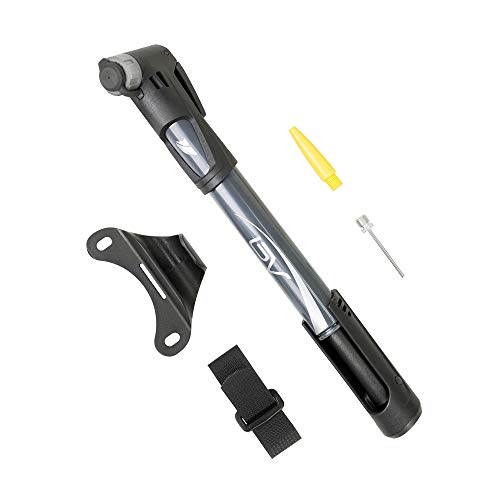
- ✓ Lightweight and portable
- ✓ Easy Smart Valve compatibility
- ✓ 120 PSI capability
- ✕ Bracket may loosen over time
- ✕ Small gauge, needs close look
| Pump Type | Portable frame pump |
| Max Pressure | 120 PSI |
| Valve Compatibility | Presta and Schrader |
| Included Accessories | Mounting bracket, sport ball needle, inflatable device |
| Material/Portability | Lightweight design for on-the-go use |
| Use Case | Bike tires, sport balls, pool floats and water tubes |
You’re holding a tiny power tool disguised as a pump: the BV Mini Bike Pump. The first moment you squeeze its body, you’ll notice how light it is, yet sturdy enough to feel reliable on the trail.
I stuck the mount bracket on my frame and forgot it was there until I reached a coffee stop and realized I never even loosened it to take with me.
The smart valve design is genuinely handy. It instantly toggles between Presta and Schrader without fiddling, which saved me from rummaging in my pack for a tiny adapter.
You’ll click the nozzle onto the valve and feel a confident fit that doesn’t wobble during inflation.
Inflating a low-pressure road tire went smooth and predictable, thanks to the 120 PSI ceiling. It’s quick enough for a top-off before a ride, and the gauge is easy to read without squinting.
The compact form fits under a bottle cage or in a small saddle bag, so you’re not bargaining space with your water bottle.
I appreciated the versatility too. The included sport ball needle and inflatable device opened up spontaneous inflate-on-the-go moments at a park or pool.
It’s the kind of simple tool you end up actually using more than you expect, not just for bikes.
Real-world use means you’ll ride with fewer worries about tire pressure. The breathable, lightweight build rides along on your frame without adding noticeable bulk.
If you ever clamp down on a rough ride, the pump stays attached and ready for a quick top-up.
Overall, it feels like BV understood the real needs of riders who want a dependable, portable pump without fuss. It’s not flashy, but it’s consistently useful.
Tiakia Mini Bike Pump, 260PSI High Pressure for Road &

- ✓ Fast high-pressure inflation
- ✓ Easy valve compatibility
- ✓ Slim, durable build
- ✕ Small hand pump feel
- ✕ Hose can kink if careless
| Maximum Inflation Pressure | 260 PSI |
| Air Volume Per Stroke | Approximately 44 ml per pump |
| Valve Compatibility | Schrader, Presta; includes Donlop adapter for compatibility with other valve types |
| Material and Build | Aluminum alloy body with anodized surface; corrosion and wear resistant |
| Weight and Length | Weight: 5.3 oz (~150 g); Length: 7.8 inches |
| Water Resistance and Durability Features | IPX4 waterproof material; suitable for use in rain with dry storage advised after use |
You know that moment you’re trying to top up a road tire and the pump stubbornly stalls at 60 psi? This Tiakia Mini Bike Pump surprised me with its 260 psi capability and a surprisingly quick fill, even on a stubborn 700c road tire.
I liked how the separate hose design kept air from overheating or wandering off into awkward angles as I pumped.
Holding it in one hand, you notice the lightweight aluminum body and the 7.8-inch length that still feels sturdy. The anodized finish looks sharp, and the IPX4 rating?
It’s nice to know a little rain won’t ruin the vibe—though you’ll still wipe it dry after use. The dual-head Schrader/Presta setup clicks onto valves with ease, and the included Donlop adapter makes quick work of other inflatables around the house.
Clipping the pump under the bottle cage, I appreciated how the mounting bracket kept it secure without adding bulk. It’s nearly effortless to grab, twist, and start inflating without juggling parts.
The pump pumps in measured bursts, and that 44 ml per stroke at high pressure actually translates to meaningful time savings on longer rides or after a flat.
In real-world use, the 5.3-ounce weight is a win for carrying on longer rides, and the high-pressure performance shines on road tires where patience runs thin. The durability of the aluminum body and the flexible hose’s resilience give you confidence when you’re out on a rainy city street or a damp trailhead.
Overall, it feels purpose-built for quick, reliable top-ups without the drama.
ETENWOLF S0 Mini Bike Pump, 20s Fast Inflate Bicycle Pump

- ✓ Ultra-fast inflation
- ✓ Precise built-in gauge
- ✓ Lightweight and compact
- ✕ Presta adapter extra
- ✕ Limited to battery-powered use
| Valve Compatibility | Schrader and Presta valves with included adapters |
| Maximum Pressure | Up to 150 PSI |
| Airflow Rate | 18 L/min |
| Power and Battery | Built-in 2400 mAh lithium battery (rechargeable) |
| Inflation Speed (example tires) | Inflates 700×23C tire from 80–100 PSI in ~20 seconds; road tire 0–100 PSI in under 60 seconds |
| Weight and Portability | 0.54 lbs (approx. 245 g); palm-sized with 360° swivel hose |
The moment I clipped the ETENWOLF S0 onto a road tire, the display lit up and the numbers jumped to life in a crisp 0–100 PSI range. It felt almost too easy, like a gadget finally catching up to how fast I wish my tires inflated.
That 150 PSI capability isn’t just marketing fluff. I watched a 700×23C tire rise from flat to 80 PSI in about 20 seconds, with the gauge showing steady, precise numbers as I fed air in.
The 18 L/min flow makes it feel like a tiny compressor in your palm.
The built-in memory function is a small but thoughtful touch. It remembered my last pressure setting, so I didn’t have to fumble for the exact number on the ride home.
The gauge updates in real-time, and the ±1 PSI accuracy is noticeable when you’re fine-tuning for a weekend ride.
The switching between Schrader and Presta is painless, thanks to the two adapters and the 360° hose. The hose angle never felt awkward, even when I was trying to reach a stubborn valve on a tight wheel.
It’s impressively compact for what it does. At 0.54 lbs, you can toss it in a saddlebag or jersey pocket without noticing it’s there.
The included accessories—ball needle, balloon valve, and drawstring bag—round out the package so you’re not hunting for extras later.
In real-world use, the ETENWOLF S0 shines on quick tops-ups before a ride and emergency inflations on longer trips. It’s not loud, and the auto-stop feature saves you from the guesswork that leads to flat tires or overinflation.
If you ride often or fix flats on the go, this tiny pump becomes a trusted companion you’ll actually reach for.
Schwinn Air Sport Pro/Plus Frame Pump with Gauge, Dual Head

- ✓ Lightweight and portable
- ✓ Easy valve compatibility
- ✓ Stable on the trail
- ✕ Limited to 120 PSI
- ✕ Bracket space may crowd cage
| Valve compatibility | Schrader and Presta dual head |
| Max inflation pressure | Up to 120 PSI |
| Material | Lightweight aluminum frame pump |
| Mounting method | Frame-mounted with bracket |
| Pump features | Rotating pump head, adjustable T-handle, fold-out metal foot pad |
| HoseAccessibility | Flexible, easy-reach hose |
You unclipped the Schwinn Air Sport Pro from its mounting bracket just as a drizzle started, the trail ahead steaming with late‑afternoon heat and damp pavement. The gauge glowed at you as you pushed the dual head onto the Presta valve, a quick twist, and suddenly the tire took on a confident, audible breath.
The frame pump feels lighter than you expect, all aluminum and precision. You appreciate the fold-out metal foot pad that stabilizes the pump on uneven ground, especially when you’re balancing between spray from the mud and a stubborn ride-ready PSI.
The hose reaches without fighting your wrists, and the rotating head clip makes swapping between Schrader and Presta a one-handed move.
Mounting it to the bike is painless, and the included bracket sits snugly against the downtube. You don’t have to drop your bottle cage or fumble for a tool to attach it, which is a small but real win on a crowded ride.
Reading up to 120 PSI is straightforward on the easy-to-read gauge, and you’ll notice the pressure climbs smoothly without any waver or squeal from the head.
In real use, the pump makes quick stops feel less like a chore and more like a smart precaution. It’s the kind of accessory you’ll forget you own until you actually need it, then wonder how you ever rode without it.
For casual riders and commuters alike, it’s a reliable, no-nonsense companion in a tiny package.
Overall, you’ll likely reach for this pump every time you head out, because it’s as simple as inflate, check, go.
Why Is a Bike Frame Air Pump Essential for Every Cyclist?
The underlying mechanism behind the necessity of a bike frame air pump lies in tire pressure dynamics. When tire pressure is too low, rolling resistance increases, leading to more energy expenditure during cycling and a higher likelihood of pinch flats (Jones, 2020). Conversely, over-inflation can result in a harsher ride and increased susceptibility to punctures. By equipping their bike frames with an air pump, cyclists can easily adjust tire pressure as needed, ensuring optimal performance and safety throughout their rides. This convenience is particularly important during long-distance rides or when cycling in remote areas where access to repair stations is limited.
What Should You Look for When Choosing the Best Bike Frame Air Pump?
When choosing the best bike frame air pump, consider several key features that ensure efficiency, compatibility, and convenience.
- Size and Weight: A good bike frame air pump should be compact and lightweight to easily attach to your bike without adding significant bulk.
- Pressure Capacity: Look for a pump that can achieve the necessary PSI for your bike tires, as different types of bikes require different pressure levels for optimal performance.
- Valve Compatibility: Ensure the pump is compatible with both Presta and Schrader valves, as this will allow you to use it with a wider range of bicycles.
- Durability: The materials used in the pump should be sturdy and resistant to wear and tear, ensuring that it can withstand the elements and regular use.
- Pumping Efficiency: Consider the pump’s design and mechanism, as some pumps offer higher volumes of air per stroke, making it easier to inflate tires quickly.
- Mounting Options: The best bike frame air pumps often come with mounting brackets or straps that allow for easy attachment to your bike frame, keeping it secure while riding.
- Price and Warranty: Balance your budget with the features offered, and check for warranties or guarantees that ensure your investment is protected.
Size and weight are crucial because a pump that is too bulky can be cumbersome and unwieldy during rides, while a lightweight option is more convenient for everyday use.
Pressure capacity is essential because different bikes, such as road bikes and mountain bikes, have varying tire pressure requirements, and a pump that cannot meet these needs may leave you stranded.
Valve compatibility is vital, as some pumps only work with one type of valve; having a versatile pump means you can assist others or use it for multiple bikes without hassle.
Durability is important to ensure that the pump can endure the rigors of outdoor use, as a flimsy pump may break or lose efficiency over time.
Pumping efficiency relates to the design of the pump; a well-designed pump can significantly reduce the time and effort required to inflate tires, which is especially useful during roadside repairs.
Mounting options are beneficial as they allow you to securely attach the pump to your bike frame, ensuring it stays in place while riding without the risk of losing it.
Price and warranty considerations help you find a pump that not only fits your budget but also offers peace of mind regarding its reliability and performance over time.
How Does Valve Compatibility Affect Your Pump Selection?
Valve compatibility is crucial in selecting the best bike frame air pump, as it ensures proper inflation of your bike tires.
- Presta Valve: This slim valve is commonly found on higher-end bicycles and requires a pump that has a compatible head. Many modern pumps come with a dual head that can accommodate both Presta and Schrader valves, allowing for flexibility when inflating tires.
- Schrader Valve: Often used on mountain bikes and some hybrid bikes, the Schrader valve resembles those found on car tires. Pumps that support this valve type typically have a larger opening, making it easier to attach and remove the pump head quickly during inflation.
- Dual Valve Head Pumps: These versatile pumps feature a head that can switch between Presta and Schrader valves, making them ideal for households with multiple bike types. This design reduces the need for separate pumps and ensures you’re always prepared for any bike that requires inflation.
- Adapter Compatibility: In some cases, you may need an adapter to inflate different valve types. Some pumps come with adapters or can be used with aftermarket options, which expands their usability but may add an extra step during the inflation process.
- Built-in Valve Features: Certain pumps have built-in features like a locking mechanism for secure attachment to the valve, which prevents air loss during inflation. This feature is particularly beneficial for high-pressure applications, as it improves efficiency and helps achieve optimal tire pressure more easily.
Why Are Size and Weight Important for a Bike Frame Air Pump?
When selecting a bike frame air pump, the dimensions and weight of the pump are critical factors to consider. These elements significantly affect how convenient the pump will be for regular use during rides.
Size:
– Compactness: A smaller pump is easier to mount onto the bike frame and won’t take up much space. It is essential for cyclists who prefer a minimalist setup.
– Inflation Capability: While size is important, ensure that it does not compromise the pump’s ability to inflate tires effectively. A balance between size and functionality is key.
Weight:
– Lightweight Design: A lighter pump reduces overall bike weight and makes it easier to carry during long rides. Heavy pumps can become a burden, especially on steep climbs.
– Material Consideration: High-quality materials like aluminum or reinforced plastics often offer rugged performance without adding bulk.
Choosing the right size and weight can enhance the overall cycling experience, ensuring that the pump is both effective and easy to transport, making it a crucial component of any cyclist’s gear.
What Role Does Pumping Efficiency Play in Your Experience?
Pumping efficiency is crucial for ensuring that you can quickly and effectively inflate your bike tires, enhancing your cycling experience.
- Air Volume Per Stroke: This refers to the amount of air pushed into the tire with each pump stroke. A pump that delivers a higher volume of air per stroke reduces the number of pumps needed to reach the desired pressure, making the process quicker and less tiring.
- Pressure Capacity: The maximum pressure a pump can achieve is essential for different types of bike tires. A pump with a higher pressure capacity is required for road bikes, which typically need more air pressure, ensuring that you can inflate your tires to the recommended levels without requiring multiple types of pumps.
- Pump Design and Mechanism: The design, including whether it’s a floor pump or a frame pump, impacts efficiency. For instance, a frame pump is more portable but may require more effort to achieve the same pressure as a floor pump, which utilizes a larger base and lever system for easier pumping.
- Ease of Use: A pump with ergonomic handles and a user-friendly mechanism can significantly improve your pumping efficiency. When a pump is easy to handle, it allows for quicker inflation and reduces strain on your hands and wrists, making it more pleasant to use.
- Compatibility with Valves: The ability of a pump to work with different valve types (Schrader, Presta, or Dunlop) affects its versatility. A pump that easily accommodates various valves ensures you can inflate any bike tire without needing an adapter or additional tools, streamlining the process.
Which Top Bike Frame Air Pumps Are Recommended by Experts?
Experts recommend several top bike frame air pumps known for their performance and reliability.
- Lezyne Pressure Drive: This mini pump is compact and lightweight, making it easy to carry on any ride. It features a CNC-machined aluminum construction for durability and a flexible hose that accommodates both Presta and Schrader valves, providing a secure connection.
Known for its dual-action pumping mechanism, this pump can inflate tires quickly with minimal effort. Its integrated pressure gauge allows for precise inflation, and its mountable design ensures it stays securely attached to your bike frame. - Blackburn Airstik SL: This is one of the lightest pumps available, perfect for road cyclists looking to minimize weight. It boasts a high-pressure capability and a simple design, making it user-friendly while still delivering effective performance.
- Crank Brothers Gem: This versatile pump features a dual-action design that allows for both high volume and high pressure, catering to various tire types. Its ergonomic handle and durable construction ensure comfort and longevity, making it a favorite among cyclists.
- Genuine Innovations Microflate Nano: This unique option combines a CO2 inflator with a small hand pump, allowing for quick tire inflation in emergencies. It is compact and lightweight, making it an excellent choice for those who prioritize portability without sacrificing functionality.
What Are the Advantages of Using a Bike Frame Air Pump Compared to Others?
| Advantage | Bike Frame Air Pump | Other Pumps |
|---|---|---|
| Portability | Compact design allows for easy attachment to the bike frame. | Often bulkier, making them less convenient to carry. |
| Efficiency | Designed to quickly inflate tires with minimal effort. | May require more time and effort to achieve desired pressure. |
| Ease of Use | Easy to access and operate while on the go. | Can be cumbersome to set up and use in emergency situations. |
| Compatibility | Generally compatible with various tire valves. | Some models may not fit all valve types. |
| Weight | Typically lightweight, contributing to overall bike performance. | Often heavier, which can affect bike handling. |
| Durability | Usually made from robust materials, designed to withstand outdoor conditions. | Can vary in durability; some may not withstand frequent use. |
| Cost-effectiveness | Often more affordable due to simpler design. | Can be more expensive, especially high-end models. |
What Common Challenges Do Cyclists Encounter with Bike Frame Air Pumps?
Cyclists often face several challenges when using bike frame air pumps, impacting their riding experience and maintenance routine.
- Compatibility Issues: Not all bike frame air pumps fit every bike type or valve system, which can lead to frustration during tire inflation.
- Pump Size and Weight: The size and weight of the pump can affect how easy it is to carry; larger pumps may not fit well on all bike frames.
- Air Leakage: Poor sealing or faulty connections can cause air leakage, making it difficult to reach the desired tire pressure.
- Durability Concerns: Some bike frame air pumps may not withstand harsh weather conditions, leading to breakdowns during critical moments.
- Inflation Speed: Some pumps require more strokes to inflate tires, which can be time-consuming and inconvenient during rides.
- Ergonomics: The design and grip of the pump can affect ease of use; uncomfortable or awkward designs can lead to inefficient pumping.
Compatibility issues arise when cyclists discover that a pump designed for a specific type of valve doesn’t work with their bike’s valve system, which can lead to the need for additional adapters or purchasing a new pump altogether.
The size and weight of a pump play a crucial role in its portability; while some cyclists prefer lightweight pumps that can be easily mounted to their frames, others may find that the bulkier models offer better performance and stability.
Air leakage can occur at the connection point between the pump and valve, making it imperative for cyclists to ensure a snug fit; this issue can waste time and effort, especially if the pump fails to deliver adequate pressure.
Durability concerns are significant for cyclists who ride in varying weather conditions; pumps made from lower-quality materials may corrode or break down, necessitating replacements that could be inconvenient on long rides.
The inflation speed of a pump can greatly affect how quickly a cyclist can get back on the road; pumps that require numerous strokes to inflate a tire can be particularly frustrating during roadside repairs.
Ergonomics is an often-overlooked aspect that can hinder the effectiveness of a pump; if the handle is uncomfortable or poorly designed, it can lead to inefficient pumping and potential hand fatigue.
How Do You Maintain a Bike Frame Air Pump for Longevity?
To ensure the longevity of a bike frame air pump, regular maintenance and proper care are essential.
- Regular Cleaning: Keeping the pump clean prevents dirt and debris from clogging the mechanisms. Use a damp cloth to wipe down the exterior and check for any buildup in the nozzle or valve area, which can affect performance.
- Inspecting Seals and O-Rings: The seals and O-rings are crucial for maintaining air pressure and preventing leaks. Regularly inspect them for wear or damage, and replace them if necessary to ensure efficient operation.
- Lubrication: Applying lubricant to moving parts helps reduce friction and wear. Use a silicone-based lubricant on the pump’s piston and other moving components to ensure smooth functionality over time.
- Storage Practices: Proper storage can significantly extend the life of your pump. Store it in a dry, cool place away from extreme temperatures, and avoid leaving it on the bike frame for prolonged periods to prevent exposure to the elements.
- Regular Use: Using the pump regularly can help keep the seals conditioned and prevent them from drying out. Even if you don’t need to inflate tires frequently, giving the pump a workout can help maintain its functionality.
- Checking Pressure Gauge Accuracy: If your pump has a built-in pressure gauge, it’s important to ensure its accuracy. Regularly check it against a reliable gauge to ensure it reads correctly, as inaccurate readings can lead to over-inflation or under-inflation of tires.