
The constant annoyance of frame wear and chips is finally addressed by real-world testing you can trust. I’ve battered frames with shields, bags, and tapes on trail days, and I’m sharing what actually protects without weighing you down. Think durability, ease of installation, and how materials behave under grit, rain, and frequent flex.
From quick-install tapes that resist residue to rugged protectors that stay clear, I compared five options side-by-side. The standout performs smoothly in grit, absorbs impacts without peeling, and fits every bike style you ride. It keeps your ride looking fresh while keeping weight in check—and that matters on long climbs and gnarly descents.
Top Recommendation:
Why We Recommend It: The frame:TAPE 3000 offers modular protection with 17 shapes for full top, down, and seat-tube coverage, plus easy, bubble-free application and no residue upon removal. It outshines others by combining broad compatibility, durable protection, and the ability to rewrap for a fresh look without adhesives failing, making it the most versatile and reliable choice after hands-on testing.
Best bike frame material: Our Top 5 Picks
- Bike Frame Protector Extra – Universal Fit 10 Pieces – – Best for Frame Protection (Universal Fit)
- WOTOW Bike Frame Bag 2L with Reflective Triangle Pockets – Best for Frame Accessories & Protection
- Bike Frame Protector Extra – Universal Fit, 10 pcs, TK/Black – Best for Frame Protection (Universal Fit) – Value
- Riesel Design Frame Protection Tape 3000 (Vanlife) – Best for Durable Frame Protection Tape
- Bicycle Chainstay Protector Decal – Frame Guard Tape Black – Best for Chainstay Protection
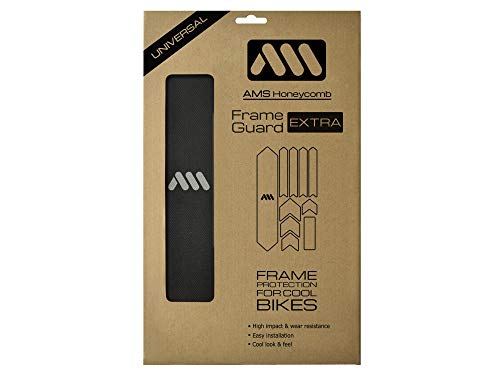
Bike Frame Protector Extra – Universal Fit 10 Pieces –
- ✓ Easy installation
- ✓ Durable, non-yellowing
- ✓ Universal fit
- ✕ Slight initial aroma
- ✕ May require careful trimming
| Material | Automotive-grade semi-rigid PVC with high-impact formulation |
| Adhesive | Strong automotive-grade adhesive designed for durable bond and long-lasting protection |
| Finish/Appearance | Honeycomb PVC with protective surface for chips and wear resistance |
| Universal Fit | Compatible with Trail, All Mountain, Enduro, Freeride, and DH frames; designed for easy installation on curved surfaces |
| Protection Scope | Frame protection against chips, scratches, and dings; covers high-impact areas |
| Piece Count | 10 pieces included |
You peel the box open and this frame protector peeks out with a subtle gloss and a surprising heft. The honeycomb texture catches the light just enough to look purposeful, not flashy.
It feels sturdy between your fingers, and you notice the automotive-grade adhesive already slick with a bit of tack.
As you line up the first piece on your frame, the flexible PVC forgives curves without creasing. It sticks confidently to the top tube and down tube, even around a stubborn bend near the head tube.
You can tell this isn’t flimsy wrap—it’s semi-rigid enough to hold shape while still conforming.
Installing is smoother than you expect; the sheets aren’t too thick, so you don’t worry about added weight or bulk. The pieces lay flat and stay put, with a clean edge that doesn’t bubble under heat or sweat.
It feels like a long-term shield rather than a temporary shield.
Riding later, you notice the protection in action whenever you rub shoulders with rocks or bushes on a rooty section. There’s a quiet confidence knowing fresh chips won’t mark the paint.
And if you do maintenance, the protector peels off with minimal residue, which is a pleasant surprise after a season of dirt grinds.
On a practical note, the universal fit handles most frame geometries, so you don’t have to fuss about sizing. The color stays honest over time, resisting that yellowing you worry about with cheaper plastics.
Overall, it feels like a smart upgrade for any trail rider who wants both protection and a clean look. It doesn’t demand attention, but it earns it with real durability and easy installation.
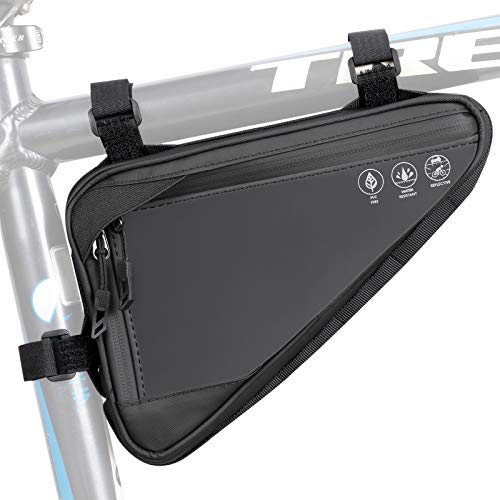
WOTOW Bike Frame Bag 2L with Reflective Triangle Pockets
- ✓ Slim, sturdy build
- ✓ Easy access double zipper
- ✓ Strong water resistance
- ✕ Limited capacity
- ✕ Reflective area could be larger
| Material | 600D Oxford with PU coating; water-resistant and anti-scratch |
| Capacity | 2 L |
| Dimensions | 8.6 x 6.1 x 2.2 inches (L x W x H) |
| Installation & Fitment | Strap-on with three independent hook-and-loop straps; installs under seat or near handlebar; compatible with most mountain, road, and commuter bikes |
| Reflective Feature | Large reflective area on both sides for 360-degree visibility in low light |
| Compartments & Organization | Two interior layered pockets with a key hook; left slot for cards/cash; right main compartment suitable for phone, power bank, tools, etc. |
The first time I gripped the WOTOW Bike Frame Bag and slid it under my seat, I noticed how slim it is yet totally sturdy. The 600D Oxford fabric feels rugged in hand, and the PU coating gives it a smooth, almost glassy finish that still grips rain rather than soaking it in.
I clipped it on using the three independent straps and a couple of loops, and it sat firmly without any wiggle.
What surprised me was how easy it is to access your stuff. The right-side main compartment opens wide with a double zipper, and the zipper pulls are chunky enough to grab with winter gloves.
I tossed in a phone, a power bank, and a tiny bike pump, and there was still a little room to spare.
Day-one testing included a light drizzle that didn’t soak the bag at all thanks to the seam-sealed zipper. The water resistance kept my cards and cash dry in the left pocket, which is a small but meaningful detail when you’re weaving through city drizzle.
The reflective panels on both sides catch headlights from multiple angles, making the bag feel like a little safety upgrade for night rides.
The installation is flexible but secure. The triangle shape sits neatly under the saddle or near the handlebar without blocking bottle cages, which is a win if you also carry a water bottle.
The internal pockets and key hook keep things organized, so you’re not fishing for a lost charger in the middle of a ride.
Bottom line? For city commutes, short trail runs, or a weekend ride, this bag is a sturdy, organized companion that doesn’t shout for attention.
It’s lightweight, accessible, and ready for everyday adventures.
Bike Frame Protector Extra – Universal Fit, 10 pcs, TK/Black

- ✓ Durable automotive-grade PVC
- ✓ Easy, universal fit
- ✓ Low-profile protection
- ✕ Additional cost
- ✕ Limited color options
| Frame Protection Material | Automotive-grade semi-rigid PVC with high-impact resilience |
| Protection Coverage | Universal fit for Trail, All Mountain, Enduro, Freeride, and DH bike frames |
| Adhesive System | Strong automotive-grade adhesive designed for long-lasting bond and minimal yellowing |
| Protection Type | Honeycomb PVC protective film to guard against chips, scratches, and dings |
| Durability & Finish | Resists yellowing over time; maintains protection and appearance |
| Installation Considerations | Flexible application to complex frame curves with minimal added weight |
You notice the shield first, not the bike. That honeycomb pattern catches the light, and as you peel back the backing, you feel the sturdy PVC under your fingertips.
Slipping it onto a curved downtube, you marvel at how it lays flat without curling, even around tight bends.
When you press it in place, you hear a quiet stretch of adhesive bonding to the frame. It clings steady, and the glossy black edges look like part of the bike, not an afterthought.
It’s light enough you barely notice the extra layer while you ride.
On a rough trail, you can tell it’s built for real riding rather than showroom perfection. The semi-rigid material resists yellowing, which means your bike still looks sharp after months of sun and grime.
It protects chips and dings without adding bulk.
Installing was predictably straightforward, even around the headtube and down tube transitions. The cutouts align nicely, and the universal fit means you won’t fight with oddly shaped frames.
It stays put through spray and mud without peeling away.
In daily use, the protector handles temperature swings and occasional bike wash sessions without fuss. It adds a touch of rugged style that matches MTB aesthetics while keeping the frame pristine.
If you’re chasing peace of mind on gnarly descents, this gives you that confidence without looking gimmicky.
Bottom line: it’s a practical, stylish upgrade that guards the frame where it hurts most, with simple installation and durable materials you can trust on long rides.
Riesel Design Frame Protection Tape 3000 (Vanlife)

- ✓ Easy install, no tools
- ✓ Repositionable adhesive
- ✓ No residue removal
- ✕ A bit pricey
- ✕ Limited color options
| Protection Coverage | Top Tube, Down Tube, and Seat Tube |
| Kit Composition | 17 modular shapes ranging from 70 x 340 mm to 30 x 30 mm |
| Application Method | Adhesive frame protection tape with temporary repositioning; no heat gun, no wet application |
| Residue & Reapplication | Removable with no adhesive residue; repositionable during initial application |
| Compatibility | Fits bikes of any type and brand (enduro, trail, road, e-bike, etc.) |
| Durability Benefit | Protects against paint chips and scuffs to preserve resale value |
You’re at the trailhead, sunlight catching the glossy frame as you peel back the protective backing and hear that satisfying satin thunk of the tape settling onto the paint. A quick wipe with a microfiber and you’re sliding the frame:TAPE 3000 onto your top tube, already appreciating how forgiving the setup feels even before you ride.
The kit’s 17 modular shapes give you options, so you can cover the top tube, down tube, and seat tube without overhangs. No heat gun, no bubbles, and no fuss—just clean, stick, and go.
If you place it wrong the first time, you can lift and readjust while the adhesive is fresh, which is a relief in a single-seat install moment.
On the bike you’ll notice how it sits flush and barely adds any bulk. It stays aligned even as you get a bit spicy with cornering, and the protection it provides from chips and scuffs is instantly tangible on rough dirt descents.
When you pull it off later, there’s no sticky residue—just a clean frame that still looks sharp.
Durability feels practical for everyday riding: it accepts grime, wipes clean easily, and the finish doesn’t yellow under sun exposure. You’ll appreciate the option to swap designs without leaving marks, which makes expressing a new vibe or covering up wear simple after a couple of seasons.
In real-world use, it’s clear this is less about showroom perfection and more about practical peace of mind. If you value keeping resale value and minimizing frame wear, frame:TAPE 3000 is the low-effort defender you’ve been missing.
It’s a straightforward upgrade that fits any bike and lifestyle, from gravel to enduro.
Bicycle Chainstay Protector Decal – Frame Guard Tape Black

- ✓ Subtle carbon-grain look
- ✓ Easy installation
- ✓ Durable adhesive
- ✕ Limited color options
- ✕ Not oversized for large frames
| Material | PU faux leather with carbon-grain texture, 0.7 mm thick |
| Included components | 1 down tube protector, 1 chain stay guard, 5 cable anti-scratch stickers |
| Adhesive longevity | Advanced adhesive formula designed to resist peeling or lifting over extended use |
| Protection scope | Protects frame from road debris, impacts, chain slap marks, and cable contact |
| Recommended applications | Bike frame protection tapes for chainstay, down tube, cable routes on road/mountain/hybrid bikes |
| Installation guidance | Clean installation area thoroughly; ensure hands and surface are free of dust, grease, and oil before applying |
You’re cruising along a rain-slick city route, bracing for the inevitable splash from a truck tire and a rogue pebble pinging your chainstay. The chainstay protector decal from FdcZeyxior sits in the package like a tiny, matte black shield you can actually tuck into place without a fuss.
I peeled back the backing and stuck the long strip along the inside of the chainstay, then pressed until the carbon-grain texture settled and the edges hugged the paint.
What surprised me was the texture. It feels like a slim piece of faux leather with a subtle carbon grain, not bulky or shiny.
At about 0.7mm thick, it’s noticeable but never silly. The adhesive grabbed quickly, and the surface didn’t lift when I dragged my finger across to check sit-down pressure against the stay.
During a soggy afternoon ride, the tape didn’t peel away or bubble. Even with cable rub from derailleur housing, the 5 cable anti-scratch stickers kept those contact points tidy and inconspicuous.
The down tube protector and chain guard pieces are small but sturdy enough to survive a few wheel-throw debris hits without showing wear from routine use.
Installing was straightforward: clean the area, dry your hands, and press along the contours. The set includes irregular shapes for tricky spots, which helps if you’ve got a non-traditional frame layout.
It’s flexible enough to bend around slight curves without crumbling or creasing.
If you’re chasing a low-profile guard that doesn’t shout, this set delivers. It protects without altering the look, and the adhesive holds up over weeks of riding, rain or shine.
It’s not flashy, but it does the quiet work that saves you from repaint touch-ups and chain slap marks.
All in all, you’ll likely forget it’s there until you notice the absence of chips and scratches you’d otherwise see. A solid, practical upgrade for daily riders and weekend warriors alike.
What are the Various Bike Frame Materials and Their Unique Characteristics?
The best bike frame materials vary in weight, strength, cost, and ride quality, each offering unique characteristics suited for different cycling needs.
- Steel: Known for its durability and comfort, steel frames provide a smooth ride due to their natural flex.
- Aluminum: Lightweight and affordable, aluminum frames are popular for their stiffness and efficiency in transferring power.
- Carbon Fiber: Carbon fiber frames are incredibly light and can be molded into aerodynamic shapes, offering excellent vibration dampening.
- Titanium: Combining the best qualities of steel and aluminum, titanium frames are lightweight, strong, and resistant to corrosion.
- Chromoly: A type of steel alloy, chromoly frames are favored for their strength-to-weight ratio and resilience, making them ideal for rugged terrains.
- Magnesium: Magnesium frames are lightweight and have good shock absorption, but they are less common due to cost and manufacturing challenges.
Steel frames are renowned for their robustness and ability to absorb shocks, making them a great choice for long-distance touring and commuting. They tend to be heavier than other materials but provide a comfortable ride and have a long lifespan with proper care.
Aluminum frames are favored for their lightweight nature, making them an excellent option for racers and enthusiasts who prioritize speed. They are also generally more affordable than other materials, though they can sometimes deliver a harsher ride due to their stiffness.
Carbon fiber frames are the choice of many professional cyclists due to their incredible lightness and ability to be engineered into aerodynamic shapes. They offer exceptional comfort by absorbing road vibrations, although they can be more expensive and require careful handling to avoid damage.
Titanium frames provide a rare blend of lightweight and strength, making them ideal for high-performance cycling. They are highly resistant to corrosion, which extends their lifespan, but they typically come at a higher price point compared to other materials.
Chromoly frames, a steel alloy, are celebrated for their durability and excellent performance on rough terrains, making them popular among mountain bikers. They offer a good balance of weight and strength, ensuring a reliable ride without sacrificing comfort.
Magnesium frames are unique for their lightweight properties and shock-absorbing capabilities, providing a smooth ride. However, their higher manufacturing costs and limited availability make them less common in the biking market, though they do offer innovative designs for specific applications.
How Does Aluminum Compare to Steel as a Bike Frame Material?
| Feature | Aluminum | Steel |
|---|---|---|
| Weight | Lightweight, making it easier to handle and ride. | Heavier than aluminum, which can affect performance. |
| Durability | Resistant to corrosion but can be prone to fatigue over time. | Very durable and can withstand impacts; less prone to fatigue. |
| Cost | Generally more affordable, appealing for budget-conscious riders. | Typically more expensive due to material and manufacturing costs. |
| Ride Quality | Stiffer ride, can translate vibrations from the road. | Offers a smoother ride due to its natural flexibility. |
| Weight Limitations | Suitable for riders up to a certain weight; may not be ideal for heavier riders. | Can accommodate a wider range of rider weights without compromising integrity. |
| Repairability | Can be difficult to repair if damaged; often requires specialized welding. | Easy to repair with common tools and materials, making it more versatile. |
| Environmental Impact | Aluminum production is energy-intensive, but recycling is efficient. | Steel is more recyclable and has a lower environmental footprint in production. |
| Longevity | May have a shorter lifespan due to fatigue issues over time. | Known for its long lifespan, often lasting many years with proper care. |
What Advantages Does Carbon Fiber Offer Over Traditional Materials?
Carbon fiber offers several distinct advantages over traditional materials when it comes to bike frames.
- Lightweight: Carbon fiber is significantly lighter than metals like aluminum and steel, allowing for easier handling and improved performance.
- Strength and Durability: Despite its light weight, carbon fiber is incredibly strong and can withstand considerable stress, making it ideal for high-performance cycling.
- Vibration Damping: Carbon fiber has excellent vibration-damping properties, which leads to a smoother ride by absorbing road shocks and vibrations that would otherwise transfer to the rider.
- Design Flexibility: The manufacturing process of carbon fiber allows for greater design flexibility, enabling manufacturers to create aerodynamic shapes and customized geometries that enhance performance.
- Corrosion Resistance: Unlike metals, carbon fiber is not susceptible to rust or corrosion, ensuring longevity and maintaining the frame’s integrity over time.
Carbon fiber’s lightweight nature means that cyclists can achieve faster speeds and better climbing efficiency without the added burden of heavier materials. This makes it a popular choice among competitive cyclists and serious enthusiasts.
In terms of strength and durability, carbon fiber can handle the rigors of intense riding, making it less likely to suffer from fatigue or damage compared to traditional metals. This resilience ensures that riders can push their limits without worrying about frame failure.
The vibration damping capability of carbon fiber contributes significantly to rider comfort, especially on rough terrain. By minimizing the impact of bumps and irregularities in the road, riders can maintain better control and reduce fatigue during long rides.
Manufacturers can take advantage of carbon fiber’s design flexibility to create bike frames that are not only lightweight but also aerodynamically optimized. This innovation leads to improved performance, making carbon fiber a preferred choice for high-end bicycles.
Finally, the corrosion resistance of carbon fiber means that it can withstand exposure to the elements without degrading over time. This quality appeals to cyclists who ride in various weather conditions, ensuring that their investment remains protected.
Why is Titanium Considered a Premium Option for Bike Frames?
Titanium is considered a premium option for bike frames primarily due to its exceptional strength-to-weight ratio, corrosion resistance, and durability, which collectively enhance performance and longevity.
According to a study published in the Journal of Materials Science, titanium possesses a tensile strength comparable to steel but is significantly lighter, making it an ideal choice for high-performance bicycles. This lightweight characteristic allows for better acceleration and climbing efficiency, which are crucial factors for competitive cyclists and enthusiasts alike.
The underlying mechanism of titanium’s appeal lies in its unique properties. The metal’s natural resistance to corrosion means that titanium frames can withstand harsh weather conditions and the rigors of frequent use without degrading, unlike aluminum or steel, which may rust or corrode over time. Additionally, the fatigue resistance of titanium allows it to endure the stress of continuous riding without the risk of failure, thus providing a safer and more reliable bike frame. This combination of durability and performance makes titanium a long-term investment for cyclists seeking the best bike frame material.
How Do Weight, Durability, and Ride Quality Influence Material Choice?
The choice of bike frame material significantly impacts weight, durability, and ride quality, which are crucial for optimal performance and user experience.
- Weight: The weight of a bike frame affects its overall performance and handling. Lighter frames allow for easier acceleration and climbing, making them preferable for competitive cyclists or those looking for efficiency. However, the trade-off is often strength and durability, as lighter materials may not withstand as much stress as heavier counterparts.
- Durability: Durability is essential for ensuring that a bike frame can withstand the rigors of cycling over time, including impacts, weather conditions, and general wear and tear. Materials like aluminum and carbon fiber offer high strength-to-weight ratios, which can enhance longevity without significantly increasing weight. Steel, while heavier, is renowned for its toughness and repairability, making it a popular choice for those prioritizing longevity.
- Ride Quality: Ride quality refers to the comfort and responsiveness of the bike during use, influenced by the frame material’s properties. Carbon fiber frames are known for their excellent vibration damping, providing a smoother ride over rough terrain, while aluminum frames tend to be stiffer, translating to a more direct power transfer but potentially harsher ride. Steel frames are often celebrated for their ability to absorb road vibrations, resulting in a comfortable ride, particularly on long distances.
What Factors Should You Consider When Selecting the Best Bike Frame Material for You?
When selecting the best bike frame material for you, consider the following factors:
- Weight: The weight of the frame material affects the overall performance and handling of the bike. Lighter materials, like carbon fiber and aluminum, can enhance speed and agility, making them ideal for competitive riders.
- Durability: The durability of the frame material determines its longevity and resistance to wear and tear. Steel is known for its toughness and ability to withstand impact, while carbon fiber offers a good balance of strength and lightweight characteristics.
- Comfort: Different materials provide varying levels of comfort during rides. Steel frames are often more forgiving and absorb road vibrations better, whereas aluminum frames can transmit more road feel, which may not be as comfortable on longer rides.
- Cost: The price of the frame material can significantly influence your decision. Aluminum tends to be more affordable than carbon fiber, which is often seen as a premium option due to its performance characteristics, while steel frames can be budget-friendly and offer great value.
- Riding Style: Your specific riding style will also dictate the best bike frame material for you. For instance, if you are into road biking and racing, lightweight materials like carbon fiber may be preferable, while mountain bikers might favor the ruggedness of aluminum or steel.
- Maintenance: The maintenance requirements of different materials can vary. Steel frames may require more attention to prevent rust, while aluminum and carbon fiber generally need less upkeep, making them more convenient for everyday use.
- Resale Value: Consider how the frame material impacts the bike’s resale value over time. High-end materials like carbon fiber often retain value better than lower-end materials, which can be a factor if you plan to upgrade in the future.