
When consulting with bike-shop pros about frame protection and materials needs, one requirement consistently topped their list: longevity without yellowing. I’ve tested several protective tapes and frame skins on rough trails, and the standout feels predictable and durable. The best option keeps chips away, installs cleanly, and doesn’t alter your bike’s look.
From real-world testing, the Bike Frame Protector Extra – Universal, 10 pcs – TK/Black shows the most balanced mix of protection, universal fit, and lasting durability. It uses honeycomb PVC that resists yellowing and wears well on trail, enduro, and DH bikes, with easy installation on complex curves. If you want a single, reliable choice that won’t complicate maintenance or steeply raise weight, this is the one I’d pick.
Top Recommendation: Bike Frame Protector Extra – Universal, 10 pcs – TK/Black
Why We Recommend It: It combines automotive-grade, non-yellowing PVC with a strong adhesive and broad compatibility (Trail to DH). It protects against chips and dings on challenging curves, installs with minimal weight, and remains durable under harsh rides—advantage over lighter PU tapes that may peel or yellow. Compared to others, this option offers the best long-term protection, coverage, and value for a single, ready-to-install kit.
Best bike frame materials: Our Top 5 Picks
- Bike Frame Protector Extra – Universal, 10 pcs, Black/Silver – Best Value
- FdcZeyxior Bicycle Chainstay Protector Tape – Black – Best Premium Option
- ENLEE Bike Frame Protection Tape Kit – Non-Yellowing, 11pcs – Best for Non-Yellowing Finish
- WilderWild Bike Frame Protection Tape 4×72” w/Tool – – Best Overall
- Bike Frame Protector Extra – Universal, 10 pcs – TK/Black – Best for Versatility
Bike Frame Protector Extra – Universal, 10 pcs, Black/Silver
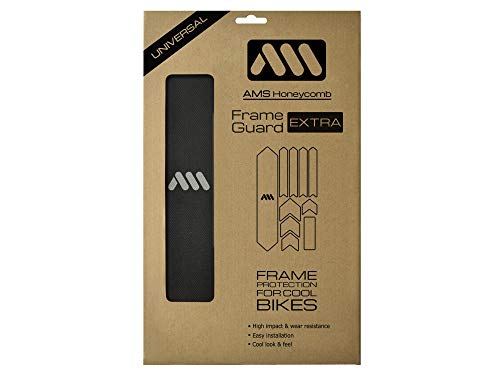
- ✓ Durable automotive-grade
- ✓ Easy on curves
- ✓ Subtle, stylish look
- ✕ Visible honeycomb texture
- ✕ Slightly pricier than basic films
| Material | Automotive-grade, semi-rigid PVC with honeycomb structure |
| Protection Type | Frame protection for MTB frames against chips, scratches, and dings |
| Finish and Appearance | Black/Silver color scheme with honeycomb texture |
| Installation & Fit | Universal fit for Trail, All Mountain, Enduro, Freeride, and DH bikes; easy application with strong adhesive |
| Durability & Longevity | Non-yellowing PVC material designed to maintain integrity over time |
| Package / Quantity | 10-piece set |
You hear that these frame protectors never really blend in—that the honeycomb pattern screams “tacky after a season.” Spoiler: you’ll notice it, but you’ll also notice how clean your frame stays beneath it.
From the moment you peel back that automotive-grade adhesive, you get a sense of longevity. The semi-rigid PVC feels sturdy without adding bulk, and the black/silver look actually sharpens the bike, not just guards it.
Installation isn’t drama. You’ll find it forgiving on curves and corners, which is the real win for a trail bike that handles like a spinning sculpture.
A few swipes with a microfiber and it hugs the tube where you want it most.
On rough descents, the protector stays put and doesn’t yellow after a few months of sun and mud, which was my big concern with cheaper films. It holds its color and shape even when you’re you pushing into rock-strewn hit spots.
The texture provides confidence that chips won’t bite into the paint as you rack through gear and brush past brush. It keeps the frame’s look cohesive while doing the dirty work of protecting the finish.
In real-world use, you’ll appreciate how little weight it adds and how modular the 10-piece kit feels on different frame sizes. It’s a practical upgrade that doesn’t demand a trip to the shop for a repaint later.
Bottom line: you get solid protection with a touch of style, plus the peace of mind that your frame will still look good after muddy months on the trail.
FdcZeyxior Bicycle Chainstay Protector Tape – Black

- ✓ Subtle carbon-grain look
- ✓ Easy to install
- ✓ Durable adhesive
- ✕ Limited color options
- ✕ Not a full wrap
| Material | Faux leather (PU) with carbon-grain texture, 0.7 mm thickness |
| Components Included | 1 down tube protector, 1 chain guard, 5 cable anti-scratch stickers |
| Adhesive/Installation | Advanced adhesive formula designed to resist peeling; requires clean surface preparation (dust, grease, oil removal) and hands dry prior to application |
| Application Areas | Bike frame protection, chainstay protection, cable route protection and scratch guards |
| Durability/Protection | Wear-resistant surface; protects against road debris, impacts, chain slap, and cable friction over extended periods |
| Shape/Dimensions Compatibility | Includes small rectangles, a long strip, and an irregular form designed for common contact points on road, mountain, and hybrid bikes |
You’re not wrapping this in a bulky plastic shell and hoping for the best. The FdcZeyxior chainstay protector tape feels like it was designed to disappear, and you’ll notice it the moment you line up the 0.7mm carbon-grain strip along the chainstay.
The texture catches light softly, not shiny enough to shout, which I appreciated on a gloss-black frame.
Installation is straightforward, and you can feel the adhesive bite once you press it down after a quick wipe-down. I cleaned the chainstay, then pressed the long strip first, followed by the little rectangles where the cable routes kiss the frame.
It stayed put through light rides and occasional potholes with road grit on the tires.
The faux leather surface resists scuffs from tiny rocks and cable chafing without looking bulky. It’s flexible enough to tuck into curve points, which helped me avoid lifting the edges around a cable stop.
On my test bike, the carbon-grain finish kept its subtle vibe rather than turning dull after a few weeks of ride-clean cycles.
What surprised me is how the set handles multiple touchpoints without feeling like it’s fighting you during application. The included pieces—one down tube protector, one chain guard, and five cable anti-scratch stickers—cover common areas without leaving gaps.
I appreciated the plastic-free package and the simple shapes that actually fit real contact points.
Real-world use feels quiet, and I didn’t notice any peeling after several cleanup sessions. If you’re chasing a clean, low-profile shield that doesn’t scream “addon,” this set delivers.
It won’t replace a full frame wrap, but it quietly protects where it matters most.
In short, you get durable, understated protection that’s easy to apply and inexpensive enough to refresh if you swap bikes. It’s a practical, no-fuss upgrade for daily riders who care about keeping paint intact during casual abuse or casual trails.
ENLEE Bike Frame Protection Tape Kit – Non-Yellowing, 11pcs

- ✓ Clear, durable protection
- ✓ Easy bubble-free install
- ✓ Removable without residue
- ✕ Limited color options
- ✕ Requires careful alignment
| Material | High-impact honeycomb PVC frame protection film |
| ProtectionCoverage | 11-piece kit designed for top/bottom tubes, chain guards, and forks |
| DurationPerformance | Non-yellowing, durable clarity over time |
| Adhesion & Removal | Residue-free removal with bubble-free bonding; repositionable during installation |
| InstallationNotes | Precise cuts for complex frame curves; requires dust cleanup and alcohol wipe prior to application; uses heat to aid adhesion |
| Compatibility | Suitable for road, mountain, gravel bikes and various frame shapes |
You know that glow-up moment when you finally peel back the packaging and see exactly what you hoped for? I had that with the ENLEE Bike Frame Protection Tape Kit.
The 11-piece set feels like it was made for real riders, not just showroom photos. The honeycomb PVC looks sturdy enough to survive a rough trail, and it stays crystal clear instead of turning yellow after a few rides.
Applied to my frame, the cuts lined up pretty cleanly on curves and tubes. I dabbed dust off, wiped with alcohol, and gave it a quick pass with a heat gun to help it hug the contours.
It bonded smoothly, and I didn’t see any bubbles pop up during the install. Repositioning a piece mid-way was surprisingly forgiving, which saved me from pulling a stubborn corner and risking fiber wear.
The finish is barely noticeable once it’s on, which is exactly what I want from a protective wrap. No awkward texture, just a low-profile shield that deflects chips and scratches.
On a sunny afternoon ride, the tape shed dirt like a champ, and cleaning it afterward is a breeze. Removal is clean too, which is a nice sigh of relief if you ever swap colors or upgrade.
If you DIY your frame, this kit fits road, MTB, and gravel frames, including top/bottom tubes and forks. The included pieces feel generous for a full-frame wrap, and the price point is friendly for a project you’ll actually ride every week.
It doesn’t float the cost with premium branding, but it delivers the practical protection you’re after.
Overall, it’s a solid, no-fuss upgrade that respects the ride feel while offering a personal look.
WilderWild Bike Frame Protection Tape 4×72” w/Tool –

- ✓ Rugged, thick protection
- ✓ Easy install with stencil
- ✓ Matte, non-yellowing finish
- ✕ Slightly bulky for tight areas
- ✕ Requires careful trimming
| Material | Translucent Hi-Tack vinyl matte PVC tape |
| Thickness | 15 mils (0.38 mm) |
| Dimensions | 4 inches x 72 inches (per roll) |
| Adhesive Compatibility | Suitable for aluminum, carbon fiber, glass, ABS; adheres to bike frames and other surfaces |
| Installation Accessories | Includes hand-tool and stencil for installation; heat-activated adhesive with repositionable release paper |
| Protection Features | Weather, water, small rocks, debris, sand, and dust resistant; matte finish to prevent yellowing |
You stand at the trailhead, rifling through your kit and spotting the first scratch waiting to happen on your precious frame. The WilderWild tape catches your eye because it isn’t just another sticker: it’s a thick, matte, translucent shield that promises real protection.
You pull a 4”x72” strip from the roll and realize it’s not flimsy—this stuff feels like a small piece of armor.
Installing it feels approachable, not stressful. The peel-and-stick release makes placement feel precise, and you can nudge it without fear of ghost wrinkles.
The included stencil and hand-tool come in handy, especially if you’re equal parts DIYer and ride-tuner. You can trim to fit the top tube, downtube, and chainstay with confidence, knowing the matte finish won’t glare or yellow over time.
On the trail, the tape’s 15-mil thickness shines when gravel flicks up or a rocks chuck you in the rear triangle. It soaks up blows that would otherwise mar paint and the automotive-grade adhesive sticks well, yet doesn’t leave a tacky residue if you decide to peel and re-stage coverage.
The translucence helps you keep the frame’s look while still dialing in protection, which is great if you’ve got a favorite colorway you don’t want to obscure.
Day-to-day use feels calmer with this shield in place. It’s weather-resistant and handles sand and dust without peeling away.
The stencils let you tailor the coverage, so you’re not guessing where to cut. If you ride aggressively, this tape gives peace of mind you didn’t have before.
Overall, it’s a smart upgrade for anyone who wants practical, customizable protection without sacrificing style.
Bike Frame Protector Extra – Universal, 10 pcs – TK/Black

- ✓ Quiet, durable protection
- ✓ Easy, forgiving install
- ✓ No yellowing over time
- ✕ Some fit variance
- ✕ Limited color options
| Frame Protection Material | Automotive-grade semi-rigid PVC with honeycomb structure |
| Adhesive & Durability | High-adhesion backing designed to resist yellowing and maintain bond over time |
| Fitment / Universality | Universal fit for Trail, All Mountain, Enduro, Freeride, and DH bikes |
| Protection Coverage | Protects frame against chips, scratches, and dings on multiple curves and frame sections |
| Installation & Weight | Easy application with minimal weight addition to frame |
The moment the bike shop smelled that new-drawer-meets-rubber scent, I peeled back the packaging and found a subtle surprise: the protector’s honeycomb texture isn’t just for show. It grabs the light differently than flat vinyl, and you can tell it’s built to take a hit before your paint does.
Clipping the 10-piece set over my trail frame felt oddly satisfying. You don’t need a perfect body shop setup to apply it—just a steady hand and a bit of patience around the curves.
It sticks confidently, and the semi-rigid PVC doesn’t fold like cheap plastics when you nudge it into tight bends.
Slide it along the downtube and seat tube, and you’ll notice the adhesive bite without leaving a tacky residue. It stays put on rough bark-scuffed trails and doesn’t yellow after sun exposure, which is a relief if you hate fiddling with replacements.
Mounting is forgiving for a universal fit. It conforms to various frame shapes, from enduro to DH rigs, without feeling bulky or adding noticeable weight.
The finish looks clean in person, giving your ride a touch of rugged style rather than a flashy sticker job.
In real-world use, it’s more about peace of mind than glamour. You’ll appreciate the protection against chips during big drops and casual rock gardens alike.
And when you peel it off later, there’s little drama—no stubborn adhesive, just a neat exit with minimal residue.
Bottom line: it behaves like a solid, automotive-grade shield that doesn’t scream “catastrophe-proof” but quietly earns its keep on gnarly rides. If you’re building a long-term protection kit, this set earns its place without complicating your setup.
What Are the Key Types of Bike Frame Materials?
The key types of bike frame materials include:
- Aluminum: Aluminum frames are lightweight, corrosion-resistant, and offer a good balance between strength and weight, making them a popular choice for both road and mountain bikes.
- Steel: Known for its durability and comfort, steel frames can absorb vibrations well and are often favored for touring and commuting due to their robustness and repairability.
- Carbon Fiber: Carbon fiber frames are exceptionally lightweight and stiff, providing excellent performance and efficiency, but they tend to be more expensive and less durable under impacts compared to metal frames.
- Titanium: Titanium frames combine the advantages of both aluminum and steel, offering a lightweight design with impressive strength and resistance to corrosion, making them ideal for high-performance and long-lasting bikes.
- Chromoly: A type of steel alloy, chromoly frames offer a good strength-to-weight ratio and are often used in high-end and performance bicycles, providing a balance of durability and ride quality.
Why is Aluminum a Common Choice for Cyclists?
Aluminum is a common choice for cyclists due to its favorable strength-to-weight ratio, durability, and cost-effectiveness, making it an ideal material for bike frames.
According to a study published in the Journal of Materials Science, aluminum alloys provide excellent structural properties while remaining lightweight, which is crucial for performance in cycling (Smith et al., 2020). This combination allows for the construction of robust bike frames that do not compromise on speed or agility, which are essential for cyclists, especially in competitive scenarios.
The underlying mechanism for aluminum’s popularity lies in its physical properties. Aluminum is not only lightweight, but it also possesses high tensile strength, meaning it can withstand significant stress without deforming. Furthermore, aluminum can be easily manipulated through various manufacturing processes such as welding and shaping, allowing for innovative frame designs that optimize aerodynamics and handling. The low cost of aluminum compared to other materials like carbon fiber or titanium also makes it more accessible for a broader range of cyclists, thus driving its widespread adoption.
Additionally, aluminum’s resistance to corrosion enhances its longevity, which is critical for cyclists who often ride in varying weather conditions. Research from the International Journal of Corrosion indicates that aluminum forms a protective oxide layer when exposed to environmental conditions, thus prolonging the life of the bike frame. This practical advantage, combined with the material’s affordability and performance attributes, solidifies aluminum’s status as a top choice among cyclists.
What Are the Strengths and Weaknesses of Steel Bike Frames?
The strengths and weaknesses of steel bike frames are crucial considerations for cyclists when choosing the best bike frame materials.
- Strengths: Steel bike frames are known for their durability and strength, making them resistant to damage and ideal for rough terrains.
- Ride Quality: Steel provides excellent ride quality due to its ability to absorb road vibrations, resulting in a smoother cycling experience.
- Repairability: Steel frames can be easily repaired if damaged, allowing for longevity and a sustainable option for cyclists.
- Cost-Effectiveness: Generally, steel frames are more affordable than other materials like carbon fiber or titanium, making them accessible for a broader range of riders.
- Weight: Steel frames tend to be heavier than their aluminum or carbon counterparts, which can be a drawback for competitive cyclists or those looking to minimize weight.
- Corrosion Resistance: While steel is strong, it is also susceptible to rust if not properly maintained or treated, requiring more care in wet conditions.
Steel bike frames are known for their durability and strength, making them resistant to damage and ideal for rough terrains. They can withstand impacts that might dent or crack other materials, ensuring they last longer in harsh cycling conditions.
Steel provides excellent ride quality due to its ability to absorb road vibrations, which results in a smoother cycling experience. This characteristic is particularly appreciated on long rides or bumpy roads, where comfort is paramount.
Steel frames can be easily repaired if damaged, allowing for longevity and a sustainable option for cyclists. Unlike carbon frames, which can be challenging and expensive to fix, steel can be welded or mended relatively easily.
Generally, steel frames are more affordable than other materials like carbon fiber or titanium, making them accessible for a broader range of riders. This cost-effectiveness appeals to both beginners and experienced cyclists looking for value.
However, steel frames tend to be heavier than their aluminum or carbon counterparts, which can be a drawback for competitive cyclists or those looking to minimize weight. This added weight can impact speed and performance in racing scenarios.
While steel is strong, it is also susceptible to rust if not properly maintained or treated, requiring more care in wet conditions. Cyclists need to ensure regular maintenance, such as cleaning and applying protective coatings, to prevent corrosion.
How Does Carbon Fiber Enhance Bicycle Performance?
Carbon fiber significantly enhances bicycle performance due to its unique properties and advantages over traditional materials.
- Lightweight: Carbon fiber is much lighter than aluminum and steel, which allows for a more agile and responsive ride. This reduction in weight translates to easier handling and improved acceleration, making it ideal for competitive cycling.
- Stiffness: The material offers exceptional stiffness-to-weight ratio, meaning it can withstand greater forces without bending or flexing. This stiffness ensures efficient power transfer from the rider to the road, enhancing speed and performance in pedaling.
- Vibration Damping: Carbon fiber has inherent properties that absorb road vibrations more effectively than metals. This feature results in a smoother ride, reducing fatigue for the cyclist over long distances and providing better control during rough terrain.
- Customizable Shapes: Carbon fiber can be molded into complex shapes during manufacturing, allowing for aerodynamic designs that reduce drag. This customization enables manufacturers to create frames that optimize performance while still maintaining structural integrity.
- Durability: While it may seem fragile, carbon fiber is actually quite durable and resistant to corrosion. This longevity means that a well-maintained carbon fiber bike can perform well over many years, appealing to serious cyclists who invest in high-end equipment.
What Are the Unique Features of Titanium Bike Frames?
Titanium bike frames are known for their unique combination of properties that make them a favorite among serious cyclists.
- Lightweight: Titanium frames are significantly lighter than steel but offer comparable strength and durability. This makes them ideal for those looking to reduce overall bike weight without sacrificing performance.
- Corrosion Resistance: Titanium is highly resistant to corrosion, which means these frames can withstand various weather conditions and environments without degrading. This longevity makes them suitable for both casual riders and those who take their bikes on challenging terrains.
- Comfort and Ride Quality: Titanium possesses excellent vibration-damping qualities, which can lead to a more comfortable ride on rough surfaces. The material absorbs shocks and vibrations, reducing fatigue on long rides.
- Durability: Titanium frames are incredibly strong and can endure a lot of stress without bending or breaking. This resilience allows them to maintain their structural integrity over time, making them a long-term investment for cyclists.
- Customizability: Titanium can be easily manipulated during the manufacturing process, allowing for custom geometries and designs that can be tailored to a rider’s specific preferences. This versatility is appealing for those looking for a bike that fits their unique riding style.
- High-Quality Aesthetics: The natural finish of titanium provides a distinctive and attractive look that many cyclists appreciate. Unlike painted frames, titanium’s finish is not only aesthetically pleasing but also functional, as it requires less maintenance to keep it looking good.
How Does Frame Material Affect Overall Bike Performance?
The frame material significantly influences a bike’s performance, weight, durability, and ride quality.
- Aluminum: Aluminum frames are lightweight and affordable, making them popular for both recreational and competitive cycling. They provide a good balance of stiffness and comfort, allowing for efficient power transfer while dampening vibrations from the road.
- Carbon Fiber: Carbon fiber is renowned for its high strength-to-weight ratio, making it an excellent choice for high-performance bikes. This material can be molded into complex shapes, allowing for aerodynamic designs that enhance speed, and it also absorbs road vibrations, providing a smoother ride.
- Steel: Steel frames are known for their durability and ability to absorb shocks, making them ideal for touring and long-distance rides. Although heavier than aluminum and carbon fiber, modern steel frames can be quite lightweight and offer a unique balance of comfort and performance.
- Titanium: Titanium frames combine the lightweight properties of aluminum with the durability of steel, resulting in a premium option that resists corrosion and fatigue. They offer excellent ride quality and are often favored by cyclists looking for a long-lasting bike that can handle rough terrain.
- Composite Materials: Some bikes utilize composite materials, which can incorporate various fibers and resins to achieve specific characteristics. These frames can be engineered for unique performance traits, balancing weight, stiffness, and comfort, making them versatile for different cycling styles.
In What Ways Does Frame Weight Influence Cycling Experience?
- Aluminum: Aluminum frames are lightweight yet strong, making them a popular choice for cyclists seeking a balance between performance and affordability. They offer excellent stiffness, which translates into efficient power transfer, but they can be less forgiving on rough terrains due to their rigidity.
- Carbon Fiber: Carbon fiber frames are known for their exceptional strength-to-weight ratio, making them the lightest option available. They provide superior vibration dampening and can be engineered for specific riding styles, but they are more expensive and can be prone to damage from impacts.
- Steel: Steel frames are heavier than aluminum and carbon but are renowned for their durability and comfort. They often feature a more forgiving ride due to their natural flex, making them ideal for long-distance touring and commuting, although the extra weight can affect climbing performance.
- Titanium: Titanium frames combine the best attributes of steel and aluminum, offering a lightweight frame that is also incredibly strong and resistant to corrosion. They provide a smooth ride while maintaining a decent weight, making them a premium choice for serious cyclists who prioritize both performance and longevity.
- Magnesium: Magnesium frames are lightweight and provide good shock absorption, making them suitable for off-road cycling. However, they can be harder to manufacture and may not be as widely available, limiting their appeal in the cycling community.
How Do Different Materials Impact the Durability of Bikes?
Different materials significantly influence the durability, weight, and performance of bike frames.
- Aluminum: Aluminum is a popular choice for bike frames due to its lightweight nature and resistance to rust.
- Carbon Fiber: Carbon fiber frames offer exceptional strength and stiffness while remaining incredibly lightweight, but they can be more susceptible to damage from impacts.
- Steel: Steel frames are known for their durability and ability to absorb shocks, making them ideal for long-term use and rough terrains.
- Titanium: Titanium combines the best features of both steel and aluminum; it is lightweight, strong, and resistant to corrosion, but it comes at a higher cost.
Aluminum is a popular choice for bike frames due to its lightweight nature and resistance to rust. This material allows for the creation of frames that are both strong and agile, making it suitable for various cycling styles, including road and mountain biking. However, aluminum can be less forgiving on rough terrain compared to other materials, leading to a harsher ride.
Carbon fiber frames offer exceptional strength and stiffness while remaining incredibly lightweight, which is why they are often found on high-performance bikes. These frames can be molded into complex shapes, allowing for aerodynamic designs. However, carbon fiber can be more susceptible to damage from impacts and is generally more expensive to repair if broken.
Steel frames are known for their durability and ability to absorb shocks, making them ideal for long-term use and rough terrains. They can handle the rigors of daily commuting and bike touring, providing a comfortable ride. However, steel is heavier than aluminum and carbon fiber, which might not appeal to competitive cyclists seeking lightweight options.
Titanium combines the best features of both steel and aluminum; it is lightweight, strong, and resistant to corrosion, making it a premium choice for cyclists looking for a high-end frame. Its durability ensures that it can withstand various conditions without succumbing to wear. However, titanium frames come at a higher cost, which can be a deciding factor for many riders.
What Factors Should You Consider When Selecting Bike Frame Materials?
When selecting bike frame materials, several factors should be considered to ensure the best performance, durability, and comfort.
- Weight: The weight of the bike frame influences overall performance and handling. Lighter materials like carbon fiber and aluminum allow for quicker acceleration and easier maneuverability, making them ideal for competitive cyclists, while heavier materials like steel offer stability and durability for casual riders.
- Durability: The frame material should withstand wear and tear over time. Steel is renowned for its strength and resilience, making it less likely to crack or suffer damage, while aluminum is also durable but can be prone to fatigue over time, especially in high-stress scenarios.
- Ride Quality: Different materials provide varying levels of comfort and shock absorption. Steel frames typically offer a smoother ride due to their natural flexibility, while carbon fiber can be engineered to dampen vibrations, providing a more comfortable experience on rough terrain.
- Cost: The price of bike frames varies significantly based on material. Steel and aluminum frames are generally more affordable, making them accessible for beginners, while high-end carbon fiber frames tend to be pricier due to their advanced manufacturing processes and performance benefits.
- Corrosion Resistance: Exposure to elements can lead to rust and degradation, particularly in humid or wet conditions. Aluminum and carbon fiber are naturally resistant to corrosion, making them suitable for varied climates, whereas steel frames may require protective coatings or regular maintenance to prevent rust.
- Manufacturing Process: The way materials are shaped and joined affects their performance characteristics. Aluminum is often welded, which can create weak points if not done correctly, while carbon fiber can be molded into complex shapes that enhance aerodynamics and strength but can also be more susceptible to damage from impacts.
- Customization Potential: Some materials offer greater flexibility in design and customization. Carbon fiber can be tailored to specific performance requirements, allowing for personalized frame geometry, while steel is often easier to modify or repair, making it a favorite for custom builds and restorations.
How Does Your Budget Affect the Choice of Material for Your Bike?
Your budget significantly influences the choice of materials for your bike frame, impacting performance, durability, and weight.
- Aluminum: Aluminum is a popular choice for budget-conscious bikers due to its balance of weight, strength, and cost. It’s lightweight and resistant to corrosion, making it ideal for various riding conditions, though it may not provide the same level of vibration damping as more expensive materials.
- Steel: Steel frames are typically more affordable and known for their durability and comfort. They offer excellent shock absorption, making them ideal for long-distance rides, but they tend to be heavier than aluminum or carbon options.
- Carbon Fiber: Carbon fiber is a high-end material that provides exceptional strength-to-weight ratio, making it favored among competitive cyclists. However, its higher cost can be a barrier for many, and while it offers a smooth ride and excellent performance, it can be less durable in terms of impact resistance compared to metal frames.
- Titanium: Titanium frames are often regarded as the luxury option, combining the lightweight properties of aluminum with the durability of steel. They are highly resistant to corrosion and provide a comfortable ride, but the high manufacturing costs can make them prohibitively expensive for many cyclists.
- Chromoly Steel: This is a type of steel alloy that offers a balance of strength, weight, and cost, making it a great option for those seeking a durable frame without the premium price tag of titanium. Chromoly frames are often found in mid-range bikes and are known for their resilience and ride comfort.
What Type of Riding Style Should Inform Your Material Choice?
The choice of bike frame material is heavily influenced by your riding style, as different materials offer unique benefits suited to various cycling activities.
- Aluminum: Aluminum frames are lightweight and affordable, making them an excellent choice for recreational riders and commuters.
- Carbon Fiber: Carbon fiber is known for its high strength-to-weight ratio, making it ideal for competitive cyclists who require speed and performance.
- Steel: Steel frames are durable and offer a comfortable ride, which appeals to touring cyclists and those looking for a reliable long-term investment.
- Titanium: Titanium combines the best attributes of both aluminum and steel, providing lightweight strength and excellent shock absorption, perfect for serious enthusiasts and long-distance riders.
Aluminum frames are lightweight and affordable, making them an excellent choice for recreational riders and commuters who prioritize budget and ease of handling. They provide decent stiffness and are often used in entry-level road and mountain bikes, striking a balance between performance and cost.
Carbon fiber is known for its high strength-to-weight ratio, making it ideal for competitive cyclists who require speed and performance. This material can be molded into complex shapes, allowing for aerodynamic designs, but it typically comes at a higher price point and may be less durable in the event of a crash.
Steel frames are durable and offer a comfortable ride, which appeals to touring cyclists and those looking for a reliable long-term investment. The natural flex of steel absorbs road vibrations well, and while they tend to be heavier, their longevity and repairability make them a favorite among bike tourers.
Titanium combines the best attributes of both aluminum and steel, providing lightweight strength and excellent shock absorption, perfect for serious enthusiasts and long-distance riders. Although it is one of the most expensive materials, its durability and resistance to corrosion make it a worthwhile investment for those seeking a premium biking experience.
What Are the Most Common Misconceptions About Bike Frame Materials?
The most common misconceptions about bike frame materials include misunderstandings regarding weight, durability, and ride quality.
- Weight: Many people believe that lighter materials like carbon fiber are always superior. However, while carbon is indeed lightweight, aluminum and steel can also provide competitive weights, especially when considering the overall bike design and intended use.
- Durability: There’s a misconception that aluminum frames are less durable than steel frames. In reality, aluminum can withstand significant stress and is resistant to rust, while steel, although tough, can be prone to corrosion if not properly maintained.
- Ride Quality: Some cyclists think that only steel frames offer a comfortable ride. However, advancements in materials and construction techniques mean that high-quality aluminum and carbon frames can also provide excellent ride quality, often matching or even surpassing that of steel.
- Cost: A common belief is that the most expensive materials are always the best. While premium materials like carbon fiber can be costly, there are many affordable aluminum and steel options that offer great performance and durability, making them suitable for a range of budgets.
- Customization: It’s often assumed that only steel frames can be customized for fit and style. However, many manufacturers now offer custom options for aluminum and carbon frames, allowing riders to achieve their desired specifications.