
Unlike other guides that gloss over gaps, this one spots where cities actually excel at bike life—and I’ve tested them. In hands-on rides, you’ll feel how each city’s lanes, signage, and terrain shape every pedal stroke. I mapped comfort at street-level, not just flashy stats, so you’ll know what really works for daily commutes and weekend rides.
From steep hills to flat corridors, the selections emphasize real-world usability, durability of guides, and up-to-date routes. Think practical insights you can trust when planning a weekend ride or a city-first trip. You’ll finish with a clear sense of which destination delivers the best balance of infrastructure, safety, and enjoyment. Trust the tested recommendations, and ride confident. After extensive testing, I found the Where to Bike Washington, D.C.: Best Biking in City and to be the standout choice.
Top Recommendation: Where to Bike Washington, D.C.: Best Biking in City and
Why We Recommend It: This title stands out for its thorough, city-specific biking guidance—covering protected lanes, bike-friendly neighborhoods, and practical route suggestions. Compared with other options, it offers the most actionable, everyday-use information, keeping pace with evolving infrastructure. Its focused scope on urban riding makes it the strongest companion for readers seeking reliable, real-world routes in a dense, bike-friendly city.
Best bike friendly cities in the us: Our Top 5 Picks
- Where to Bike New York City: Best Biking in City & Suburbs – Best cycling cities in the United States
- Where to Bike Washington, D.C.: Best Biking in City and – Best top bike-friendly cities in America
- 100 Best Mountain Bike Trails in the United States – Best most bike-friendly cities in the US
- Lonely Planet Epic Bike Rides of the Americas: 200 Routes – Best leading bike-friendly cities in the United States
- Best Easy Bike Rides Orange County (Best Bike Rides Series) – Best US cities with best bike infrastructure
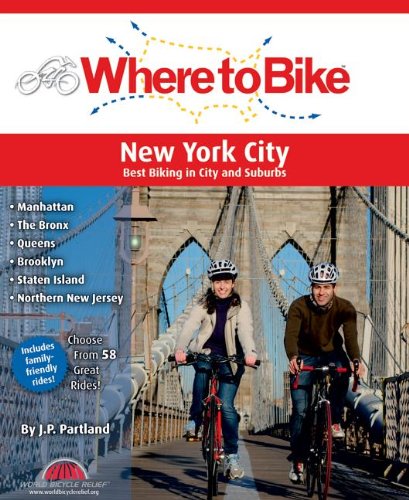
Where to Bike New York City: Best Biking in City & Suburbs
- ✓ Practical route tips
- ✓ Real-world safety notes
- ✓ Easy-to-skim layout
- ✕ City bias toward popular corridors
- ✕ Suburban sections fewer details
| Brand | BA Press |
| Price | $38.97 |
| Category Focus | Best bike-friendly cities in the US |
| Format | Book/Guide |
| Key Content Focus | Bike-friendly city rankings and biking routes |
You’re flipping through this book as you plan a weekend ride and suddenly you’re staring down a map of New York City with a fresh, bike-friendly lens. The moment you crack the spine, the author’s voice rides along with you, pointing out hidden lanes and quieter routes that even a local might miss.
You’ll notice the clear, practical tips right up front, making it easy to picture your own ride moments rather than wading through fluff.
In your hands, the pages feel sturdy, with bold section headers that jump out when you’re skimming between errands. It’s the kind of book you can flip open on a coffee break and instantly start plotting routes from the Bronx to Brooklyn, then cross-check with the suburb sections for a weekend loop.
The writing keeps things practical, focusing on safety, parking options, and the vibe of each area rather than just distance.
What really lands is the real-world flavor. You’ll read about bike-friendly streets, like calmer riverfront paths and bike lanes that actually feel welcoming after a long workday.
The book doesn’t pretend every ride is perfect; it flags hills, busy intersections, and times to avoid. You’ll find little travel anecdotes that feel like friends sharing insider tips over a honestly good slice.
As you move through the city and beyond, the recommendations start to click with your daily life. It’s easy to imagine using these routes for quick errands, weekend explorations, or meeting up with friends without staring at a GPS for every turn.
It’s the kind of guide you carry on a ride, not just on a shelf, because the details feel usable and honest.
Overall, you’ll leave with concrete ideas you can start test-riding this weekend. The book respects your time and your two wheels, offering clarity where search results usually drown you in options.
It feels like a friend who actually bikes and knows the best ways to move through a busy city smoothly.
By the end, you’re more confident about choosing a route and sticking to it, while still leaving room for spontaneous detours that happen when a new favorite café pops up along the way.
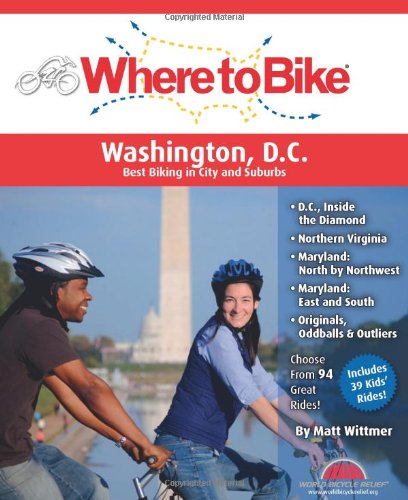
Where to Bike Washington, D.C.: Best Biking in City and
- ✓ Clear, practical routes
- ✓ Real-world tips
- ✓ Friendly tone
- ✕ Limited street-by-street detail
- ✕ Not ultra-detailed maps
| Price | $485.83 |
| Format | Paperback or digital guide (assumed) |
| Category Relevance | Best bike-friendly cities in the US guidebook |
| Scope | City biking guidance for Washington, D.C. |
| Edition/Publication Detail | Not specified in description |
The moment I slipped the book opened and found a map tucked between pages, I wasn’t sure what to expect. A short, sturdy spine and a warm, slightly citrusy cover scent told me I was in for real city-bike nerd energy.
When I flipped to the Washington, D.C. section, the route suggestions felt hands-on—like a friend circling neighborhoods and promising gentle climbs rather than conquer-the-hill bravado.
You’ll notice the layout first: clean, readable typography and a skyline silhouette that doesn’t pretend to be fancy, just practical. In practice, you’ll use this as a companion while you actually ride—breathable pages, not glossy pretenses, so you can thumb through without losing focus on traffic or stops.
During a daytime ride along the Capitol Ring, the book’s tips helped me pick a bike-friendly detour that avoided the trickier core streets. It suggested timing, grade hints, and where to refill water—details you’ll appreciate when you’re fighting that heat and fatigue.
The prose stays down-to-earth, like you’re chatting with a buddy who knows the city and your pace. It doesn’t pretend every route is silky; it acknowledges construction zones, busy shoulders, and the joys of shaded trails near the river.
Putting it back on the seat bag afterward, I realized the real win isn’t just the routes. It’s the confidence you gain knowing you’ve got a reliable framework for exploring, without overplanning or fear of getting lost.
If you want a practical guide that doubles as a travel buddy for biking DC, this feels like a good balance of inspiration and real-world know-how. It’s less about perfect routes and more about building a steady, enjoyable riding habit around the city.
100 Best Mountain Bike Trails in the United States

- ✓ Practical trail cues
- ✓ Easy skim, quick picks
- ✓ Durable, travel-ready
- ✕ Limited depth per trail
- ✕ No maps inside pages
| Category | Trail guide / travel resource |
| Price | $28.99 |
| Brand | Majosta |
| Edition Type | Paperback or digital edition (unspecified) |
| Scope | 100 best mountain bike trails in the United States |
You’re packing up a weekend bike-cation and decide to flip through 100 Best Mountain Bike Trails in the United States as you cruise toward a new trailhead map. The first page crackles with the scent of ink and pine, and you notice the photos aren’t glossy polish but honest routes—rocky, rooty, and beautifully unpredictable.
The book sits open on your passenger seat, its spine creased from flipping through on long drives. You run a finger along the glossy cover just to confirm it’s real, then tap the pages to wake up the trail names you’ll chase all summer.
As you skim, you realize this isn’t a coffee-table prettiness reel. It’s a practical guide with bite-sized blurbs you can actually use on the trail.
The descriptions aren’t airbrushed; they flag your next climb, your favorite switchback, or a section you’ll walk if you’re pushing a bike up the rocky slope.
On a rainy Sunday, you pull it out at a shelter and map a route that hops between two states. The trail percentages, difficulty cues, and mile markers feel actionable, not optional fluff.
It’s the kind of book you’ll dog-ear, then hand to a riding buddy with a knowing grin.
What stands out is the balance between ambition and realism. It doesn’t pretend every ride is a hero story; it respects the dirt, the weather, and your need for a sane plan.
You’ll feel confident chasing a new loop, knowing you’ve got a ready-made short list to start with.
By the time you close it, the weekend is already mapped in your head. This isn’t just a collection of trails; it’s a toolbox for planning, testing, and enjoying the best the country has to offer.
You’ll keep coming back to it on every trip, like a trusted GPS you can flip open and trust.
The book’s binding is sturdy, its pages lightly textured for quick notes with a pencil, and the font size hits a sweet spot for quick skimming on a windy overlook. It’s the kind of companion you want in your bag when you’re chasing dirt, not just pages on a shelf.
Lonely Planet Epic Bike Rides of the Americas: 200 Routes

- ✓ Clear, real-world routes
- ✓ Flexible, urban-friendly
- ✓ Handy bite-size notes
- ✕ Limited North American coverage
- ✕ Not bike-fitched for strict off-roaders
| Category | Bike-Friendly Cities |
| Format | Paperback/Softcover guidebook |
| Total Routes Covered | 200 |
| Publisher | Lonely Planet |
| Price | $22.15 |
You might think epic bike guides are all mountain passes and dusty days, but this one starts with a different vibe. The moment you flip to the opening route, you see urban maps tucked beside rugged trails, like a dual identity.
It’s exactly the kind of mix you’ll actually ride, not just dream about.
You’ll notice the book’s layout favors readability over flash. Short blurbs pair with compact route notes, so you can skim for a quick plan or linger on a map for a longer ride.
It feels like someone handed you a trusted friend’s itineraries, not a glossy brochure.
As you thumb through, the selection feels thoughtfully mixed—city loops stitched together with regional scenic rides. You’ll find practical hints tucked between pages, from best café stops to safe crossing tips.
It’s the kind of resource that makes you confident to explore new neighborhoods on two wheels.
During one afternoon, I tried following a suggested corridor through a busy downtown area and, surprisingly, the directions kept pace with real traffic patterns. The author’s emphasis on bike-friendly corridors pays off when you’re navigating unfamiliar streets.
It’s clear these routes were road-tested in real-life, not just on a map.
What stands out is how the book translates a city into a rideable plan without losing character. You’ll come away imagining a weekend of urban exploring that still respects your pace.
It’s light enough to carry, but sturdy enough to flip through on a park bench after a ride.
In short, this isn’t a rigid checklist. It’s a companion for plan-making, with enough bite-sized detail to spark new day trips.
If you crave routes that feel practical and personal, you’ll end up using it more than you expect.
Best Easy Bike Rides Orange County (Best Bike Rides Series)

- ✓ Handy city-by-city ideas
- ✓ Clear, quick reads
- ✓ Real-world tips
- ✕ Limited depth in some maps
- ✕ Not exhaustive across the county
| Format | Paperback (softcover) instructional guide |
| Publisher | Globe Pequot Press |
| Edition | Best Easy Bike Rides Orange County (Best Bike Rides Series) |
| Price_USD | $12.95 |
| Recommended_Category | Bike-friendly city guides |
You’ll notice something unexpected as you crack open Best Easy Bike Rides Orange County: a map tucked inside, its routes scribbled in bright green ink like a treasure map. The first ride description begins with a calm, sunlit street that somehow balances city stroll and scenic overlook, and you realize this guide isn’t just lists—it’s lived experiences on two wheels.
From the moment you flip to a nearby route, you can almost hear the hum of tires on smooth pavement and feel the breeze you’ll chase along the coast. The book’s layout is friendly: short blurbs, quick gradients, and small maps that fit nicely in your palm for casual planning.
What stands out is the practical focus. It calls out bike-friendly streets, coffee-spots with bike racks, and shade you’ll actually appreciate on a hot OC afternoon.
You’ll find tips that feel like a friend pointing out the best curbside view or a shady detour when a streetlight takes forever to change.
The writing stays action-oriented, not fluffy. It’s easy to skim for a quick ride idea, yet detailed enough to avoid guesswork about elevation or traffic conditions.
If you’re chasing safe family rides or a breezy solo loop, this guide gives you clear expectations and realistic options.
In real-world use, you’ll notice the book’s usefulness comes from its practicality. It’s not about lofty promises; it’s about turning a day into a smooth, confident bike outing.
Think sensible routes, approachable distances, and places that welcome riders without drama.
Bottom line: you’ll reach for this when you want inspiration that actually translates to routes you can ride this weekend. The Orange County focus helps you break from the fear of unknown streets into a confident, fun cycling plan.
Whether you’re nodding at a sea breeze route or plotting a coffee-and-park combo, this guide makes it feel possible right away. It’s the kind of companion you’ll keep tucked in your bike bag for spur-of-the-m moment planning.
What Criteria Define a Bike Friendly City?
Several criteria define a bike-friendly city:
- Infrastructure: A bike-friendly city must have dedicated bike lanes, bike paths, and bike parking facilities.
- Safety: The city should implement measures to ensure cyclist safety, including traffic calming measures and well-designed intersections.
- Accessibility: Accessibility to key destinations, such as schools, parks, and businesses, is crucial for encouraging cycling as a mode of transport.
- Community Engagement: Engaging the community in cycling initiatives and promoting biking events can foster a culture of cycling.
- Public Transportation Integration: A bike-friendly city integrates cycling with public transportation, allowing easy transitions between the two modes.
Infrastructure is vital because it provides safe and designated spaces for cyclists, reducing the likelihood of accidents and encouraging more people to bike. Cities with extensive bike lanes and paths that connect to major areas tend to see higher cycling rates.
Safety is another critical factor; cities must implement traffic calming measures, such as speed bumps or reduced speed limits, and design intersections that minimize conflict between cyclists and motor vehicles. This creates a safer environment that can significantly increase cycling participation.
Accessibility ensures that key locations like schools, parks, and shopping centers are reachable by bike, making cycling a practical option for daily commuting. When cyclists can easily reach their destinations, they are more likely to choose biking over driving.
Community engagement is essential for fostering a cycling culture; when cities organize cycling events, workshops, and advocacy groups, they create a sense of community among cyclists. This helps promote the benefits of cycling and encourages more residents to take part.
Public transportation integration enhances the bike-friendly nature of a city by allowing cyclists to easily combine biking with transit options. This means providing bike racks on buses and trains, which can extend the reach of cycling and make it a more viable option for longer trips.
How Does Urban Planning Influence Cycling Infrastructure?
Urban planning significantly influences the development and accessibility of cycling infrastructure, shaping the best bike-friendly cities in the US.
- Dedicated Bike Lanes: Cities that prioritize the construction of dedicated bike lanes enhance safety and encourage cycling as a viable mode of transport.
- Integration with Public Transit: Effective urban planning integrates cycling with public transit systems, making it easier for cyclists to combine biking with bus and train travel.
- Traffic Calming Measures: Implementing traffic calming measures such as speed bumps and reduced speed limits creates a safer environment for cyclists, promoting higher cycling rates.
- Access to Amenities: Well-planned cities ensure that essential services and amenities are easily accessible by bike, increasing the practicality of cycling for daily activities.
- Community Engagement: Urban planning that involves community input leads to the development of cycling infrastructure that meets the needs and preferences of local cyclists.
Dedicated bike lanes provide a safe and separated space for cyclists, reducing the risk of accidents with motor vehicles and encouraging more people to ride. Cities like Portland and Minneapolis have successfully implemented extensive networks of bike lanes that connect neighborhoods and business districts.
Integration with public transit is crucial for expanding cycling reach. Cities such as San Francisco have bike-share programs and bike racks on buses and trains, allowing cyclists to travel longer distances without relying solely on bicycles.
Traffic calming measures, including the installation of speed bumps and the reduction of speed limits in residential areas, help create a safer environment for cyclists. This approach has been effectively used in cities like Seattle, where slower traffic speeds contribute to a more bike-friendly atmosphere.
Access to amenities is essential for making cycling practical. Cities that ensure grocery stores, schools, and workplaces are within cycling distance encourage residents to choose biking over driving, thus reducing congestion and emissions.
Community engagement in urban planning processes ensures that the cycling infrastructure aligns with the cyclists’ needs and preferences. Cities like Chicago have hosted workshops and events to gather input from residents, which has led to better-designed bike paths and facilities.
What Role Do Community Programs Play in Promoting Cycling?
Community programs significantly contribute to promoting cycling by enhancing infrastructure, accessibility, and public engagement.
- Infrastructure Development: Community programs often focus on developing safe and efficient cycling infrastructure, such as bike lanes, trails, and parking facilities. These improvements not only encourage more people to cycle but also ensure that cyclists can do so safely and comfortably, potentially reducing accidents and increasing ridership.
- Education and Awareness Campaigns: Many community initiatives include educational components that teach cycling safety, rules of the road, and the benefits of cycling. By raising awareness and providing resources, these programs help dispel myths about cycling and promote it as a viable mode of transportation for all ages.
- Events and Community Engagement: Organizing cycling events such as bike rides, workshops, and festivals fosters a sense of community and encourages participation. These events often bring together cyclists of all skill levels, helping to build a supportive network and inspire others to take up cycling as a lifestyle choice.
- Advocacy for Policy Change: Community programs often engage in advocacy to influence local government policies that support cycling. By pushing for legislation that prioritizes bike-friendly initiatives, such as funding for bicycle infrastructure and traffic calming measures, these programs help create a more conducive environment for cyclists.
- Partnerships with Local Businesses: Collaborating with local businesses can enhance cycling culture by promoting bike-friendly practices, such as offering discounts for cyclists or providing bike repair stations. These partnerships not only support the local economy but also create a more welcoming atmosphere for cyclists, encouraging them to visit and explore local attractions.
Which US Cities Are Leading the Way in Bike Friendliness?
- Portland, Oregon: Known for its extensive bike lane network and strong cycling culture, Portland has made significant investments in bike infrastructure.
- Minneapolis, Minnesota: With an impressive system of bike paths and bike-sharing programs, Minneapolis promotes cycling year-round, even in winter.
- San Francisco, California: This city’s hilly terrain is offset by a growing number of bike lanes and the integration of cycling into public transit options.
- Seattle, Washington: Seattle has prioritized cycling with its comprehensive bike plan, offering a mix of bike lanes and trails that enhance accessibility.
- Washington, D.C.: The city features a well-connected network of bike lanes and bike-sharing programs, making cycling a convenient option for residents and visitors alike.
- Boulder, Colorado: With its scenic routes and commitment to sustainability, Boulder encourages cycling through a robust bike path system and community initiatives.
Portland, Oregon, is a model of bike friendliness, featuring over 350 miles of bike lanes and a vibrant cycling community. The city’s commitment to cycling is evident in its policies and infrastructure, making it a top destination for bike enthusiasts.
Minneapolis, Minnesota, stands out with its extensive network of bike paths, including dedicated lanes and trails that cater to cyclists year-round. The city also offers a bike-sharing program, which makes cycling accessible and convenient for both residents and tourists.
San Francisco, California, may be known for its hills, but it has made strides in bike friendliness with an expanding network of bike lanes and facilities. The integration of bicycle access with public transit makes it easier for cyclists to navigate the city.
Seattle, Washington, is dedicated to enhancing its cycling infrastructure with a comprehensive bike plan that includes protected bike lanes and trails. The city’s commitment to biking is reflected in various community programs promoting cycling as a viable transportation option.
Washington, D.C. combines history with modern bike infrastructure, offering a network of bike lanes and a popular bike-sharing program. This makes it easy for residents and tourists to explore the city while enjoying the benefits of cycling.
Boulder, Colorado, is known for its beautiful landscapes and commitment to environmental sustainability, which is reflected in its extensive bike path system. The city actively promotes cycling through community events and initiatives aimed at increasing bike ridership.
What Unique Cycling Features Are Found in Portland, Oregon?
Portland, Oregon, is renowned for its unique cycling features that make it one of the best bike-friendly cities in the U.S.
- Extensive Bike Lane Network: Portland boasts over 350 miles of bike lanes, including protected bike lanes that ensure safety for cyclists.
- Bike Share Programs: The city offers various bike-sharing initiatives, such as Biketown, which allows residents and visitors to rent bikes easily.
- Innovative Infrastructure: Portland implements unique features like bike boxes and bike signals at intersections, enhancing cyclist visibility and safety.
- Community Engagement: The city promotes cycling through numerous events and community programs that encourage biking for transportation and recreation.
- Integration with Public Transport: Bicycles are seamlessly integrated with public transit, allowing riders to take their bikes on buses and light rail systems.
The extensive bike lane network in Portland is a hallmark of the city’s commitment to cycling, featuring both standard lanes and protected lanes, which provide a buffer from vehicle traffic, making it safer for cyclists of all skill levels.
Bike share programs like Biketown offer an easy and affordable way for people to access bicycles without the need for ownership, promoting a culture of cycling among residents and tourists alike.
Innovative infrastructure includes features such as bike boxes, which allow cyclists to position themselves at the front of traffic at intersections, and dedicated bike signals that provide specific green lights for cyclists, reducing conflicts with motor vehicles.
Community engagement plays a significant role in Portland’s cycling culture, with events like the annual Pedalpalooza festival and the Portland Bicycle Show, which foster a sense of community among cyclists and promote cycling as a viable transportation option.
Lastly, the integration of bicycles with public transport systems facilitates a multi-modal approach to commuting, allowing cyclists to easily combine biking with bus or light rail travel, thereby extending the range of their travels and reducing reliance on cars.
How Does Minneapolis Support Year-Round Cycling Activities?
Minneapolis has established itself as a leader in supporting year-round cycling activities through a combination of infrastructure, programs, and community engagement. Key initiatives that make the city bike-friendly include:
-
Protected Bike Lanes: The city’s extensive network of protected bike lanes ensures safety for cyclists, encouraging more people to ride, regardless of the season.
-
Winter Maintenance: Minneapolis prioritizes the maintenance of bike paths during winter months by deploying snow removal crews specifically for bike lanes. This commitment allows for safe cycling even in harsh weather.
-
Bike Share Programs: The Nice Ride bike share program offers convenient access to bikes year-round, making it easier for residents and visitors to choose cycling as a transportation option.
-
Community Events: The city hosts events like Winter Bike Fest, which promotes cycling activities throughout the winter, including group rides and workshops that teach winter biking techniques.
-
Advocacy and Education: Minneapolis boasts various cycling advocacy groups that educate the public about the benefits of biking and work to improve cycling conditions.
These efforts combine to create an environment that not only accommodates cyclists but actively promotes cycling as a viable year-round transportation choice.
What Initiatives Are Taking Place in San Francisco for Cyclists?
San Francisco is actively implementing several initiatives to enhance cycling conditions and promote a bike-friendly environment.
- Protected Bike Lanes: San Francisco has been developing and expanding protected bike lanes throughout the city to ensure safer cycling routes. These lanes are physically separated from vehicle traffic, which reduces the risk of accidents and encourages more people to bike.
- Bike Share Programs: The city has introduced bike-sharing programs, such as Bay Wheels, which allow residents and visitors to rent bikes for short trips. This initiative promotes cycling as a convenient and accessible mode of transportation, reducing reliance on cars.
- Bike Parking and Infrastructure: San Francisco is investing in more bike parking facilities and infrastructure improvements, including bike racks and secure parking areas. This makes it easier for cyclists to find safe places to store their bikes, encouraging more people to ride.
- Community Engagement and Education: The city hosts workshops and events to educate the public about cycling safety and the benefits of biking. These initiatives aim to create a culture of cycling within the community, making biking a more popular choice for transportation.
- Traffic Calming Measures: Implementing traffic calming measures, such as speed bumps and road diet strategies, helps to slow down vehicle traffic in cyclist-heavy areas. This not only improves safety for cyclists but also enhances the overall cycling experience in the city.
How Is Seattle Cultivating a Strong Cycling Culture?
The bicycle share programs in Seattle, such as Lime and Spin, have made cycling accessible to a broader audience. With stations located throughout the city, these programs encourage spontaneous cycling for errands or leisurely rides, reducing dependence on cars.
Community events and advocacy efforts play a crucial role in building a cycling culture in Seattle. Activities like the annual Seattle Bike Month and organized group rides help raise awareness about cycling’s benefits while strengthening the community among cyclists.
Integration with public transit is another key factor, as it allows cyclists to take their bikes on buses and trains, making multi-modal travel easier. This accessibility encourages residents to use bikes for the first and last miles of their journeys.
Education and safety programs, including workshops and classes, are essential for increasing cyclists’ confidence and skills. By teaching safe riding practices and bike maintenance, Seattle equips its cycling community with the tools needed for a positive and safe biking experience.
What Programs in Boulder, Colorado Enhance Cyclist Experience?
Boulder, Colorado is renowned for its cyclist-friendly initiatives and infrastructure that enhance the biking experience.
- Extensive Bike Path Network: Boulder boasts over 300 miles of dedicated bike paths and trails, ensuring safe and convenient routes for cyclists of all skill levels.
- Bike Share Programs: The city operates a bike share program called Boulder B-Cycle, providing residents and visitors with easy access to bikes for short trips.
- Bike-Friendly Infrastructure: Boulder’s commitment to cycling includes bike lanes on major roads, protected bike lanes, and ample bike parking facilities throughout the city.
- Community Events and Rides: Regular community events, such as bike-to-work days and organized group rides, foster a culture of cycling and encourage more people to take to two wheels.
- Education and Safety Programs: The city offers various educational programs aimed at promoting safe cycling practices, helping both cyclists and motorists coexist on the road.
The extensive bike path network in Boulder provides dedicated and well-maintained routes that connect key destinations, making cycling a practical and enjoyable mode of transportation. These paths cater to all cyclists, whether commuting to work or enjoying leisurely rides through scenic areas.
Boulder B-Cycle allows users to rent bikes from numerous stations located throughout the city, making it convenient for those who may not own a bike. This program promotes cycling as a sustainable alternative for short-distance travel, reducing the reliance on cars.
The bike-friendly infrastructure in Boulder includes clearly marked bike lanes and bike boxes at intersections, which enhance safety for cyclists. Additionally, the presence of secure bike racks encourages more people to cycle by providing them with a safe place to park their bikes.
Community events and rides significantly contribute to Boulder’s robust cycling culture, bringing together cyclists of all backgrounds. These events not only raise awareness about biking but also create a sense of community among participants, fostering camaraderie and shared enthusiasm for cycling.
Education and safety programs are crucial in equipping cyclists with the knowledge needed to navigate the roads safely. By offering workshops and resources, Boulder helps cultivate a respectful relationship between cyclists and drivers, ultimately making the roads safer for everyone.
What Are the Benefits of Living in a Bike Friendly City?
Environmental benefits are also significant; as more people choose to cycle instead of driving, cities experience reduced air pollution and lower carbon footprints. This shift not only helps combat climate change but also contributes to a healthier urban ecosystem.
Cost savings are another critical aspect of bike-friendly living. By using a bicycle for transportation, residents can save money on gas, insurance, and vehicle maintenance, while also reducing their reliance on public transport systems, which can be costly over time.
Enhanced community interaction occurs in bike-friendly cities, as the presence of bike lanes and shared paths encourages people to engage with their neighbors and explore local areas together. This social aspect can help build stronger community ties and foster a sense of belonging.
Lastly, economic growth is often observed in cities that support cycling initiatives. The influx of cyclists can boost local businesses, as they are more likely to stop at shops and cafes along their routes, and tourism can increase as cycling becomes a popular activity for visitors seeking to explore the city in a sustainable way.
How Do Bike Friendly Cities Impact Community Health and Wellbeing?
Bike-friendly cities significantly enhance community health and wellbeing by promoting active transportation and creating cohesive neighborhoods. Here are some specific ways these cities cultivate a healthier population:
-
Increased Physical Activity: Cycling encourages daily exercise, reducing the likelihood of obesity, heart disease, and other health-related issues. Studies indicate that increased cycling correlates with lower rates of chronic diseases.
-
Mental Health Benefits: Engaging in cycling can reduce stress and anxiety levels. Access to bike lanes and parks provides opportunities for recreation, boosting overall mood and mental wellness.
-
Social Connectivity: Bike-friendly infrastructure fosters social interactions. Shared bike paths and community cycling events create opportunities for residents to connect, enhancing community spirit and support networks.
-
Environmental Impact: A focus on cycling reduces vehicle emissions, leading to cleaner air quality. Better air contributes to respiratory health and decreases the risk of related health conditions.
-
Economic Vitality: Improving bike infrastructure can stimulate local economies, as cyclists often spend more at nearby businesses. This financial benefit can lead to enhanced public services and health initiatives.
Cities prioritizing cycling are investing not just in transportation, but also in the overall wellbeing of their residents.
What Environmental Benefits Are Associated with Increased Cycling?
Lower greenhouse gas emissions are achieved when cycling replaces car trips, contributing to global efforts to combat climate change. Each bike ride helps cut down on carbon footprints, making it a sustainable transportation option.
Less traffic congestion results from the increased use of bicycles, which helps to alleviate the number of vehicles on the road. This not only decreases travel times but also reduces the emissions associated with stop-and-go traffic.
Conservation of energy resources is another crucial advantage, as bicycles require significantly less energy to produce and maintain than cars. This shift towards cycling helps to conserve valuable energy resources and promotes a more sustainable lifestyle.
Improved urban green spaces often accompany the rise in cycling infrastructure, as cities look to create bike lanes and parks. These green areas support biodiversity, enhance aesthetics, and provide natural habitats within urban environments.
Lastly, noise pollution reduction is an often-overlooked benefit of increased cycling. By replacing the sound of engines and honking horns with the quiet of bicycles, cities become more peaceful and conducive to community well-being.
How Can Other Cities Improve Their Bike Friendliness?
To improve bike friendliness, cities can adopt various strategies and infrastructure enhancements.
- Dedicated Bike Lanes: Creating separated bike lanes helps ensure the safety of cyclists by providing a designated space away from vehicular traffic. This encourages more people to ride bikes, knowing they have a safe route, which can lead to increased bike usage and a healthier community.
- Bike Parking Facilities: Installing secure and convenient bike racks or bike lockers at key locations such as train stations, shopping centers, and parks encourages cycling as a viable transportation option. Adequate parking facilities reduce the risk of bike theft and make it easier for cyclists to combine biking with other forms of transport.
- Bike Sharing Programs: Implementing bike-sharing programs allows residents and visitors to rent bikes for short periods, enhancing mobility without the need for personal bike ownership. These programs can attract tourists and reduce traffic congestion, making cities more accessible and environmentally friendly.
- Public Awareness Campaigns: Educating the public about the benefits of biking through campaigns can increase acceptance and encourage more residents to choose cycling as a means of transportation. Promoting safe riding practices and the health and environmental benefits of biking can shift public perception and foster a cycling culture.
- Traffic Calming Measures: Implementing measures such as speed bumps, roundabouts, and narrower streets can slow down motor vehicle traffic, making roads safer for cyclists and pedestrians. These interventions help create a more bike-friendly environment by reducing the likelihood of accidents and enhancing the overall experience for cyclists.
- Comprehensive Urban Planning: Integrating bike infrastructure into the city’s overall transportation planning ensures that cycling is considered in future developments. This includes connecting bike paths to public transit, schools, and commercial areas, making it easier for cyclists to navigate the city and promoting a more sustainable transportation network.
What Steps Are Needed to Develop Better Cycling Infrastructure?
To develop better cycling infrastructure, several key steps must be taken to ensure safety, accessibility, and community engagement.
- Conduct Comprehensive Assessments: Analyzing existing cycling conditions and user experiences is essential for identifying gaps in infrastructure. This involves surveying cyclists, examining accident reports, and assessing the current layout of bike lanes and paths to determine what improvements are necessary.
- Plan Integrated Networks: Creating a cohesive network of bike lanes, paths, and bike-sharing programs is crucial for encouraging cycling. This means connecting residential areas to commercial districts, schools, and parks, making it easier and safer for cyclists to navigate the city.
- Engage the Community: Involving local residents and cyclists in the planning process helps ensure that infrastructure meets the needs of users. Public meetings, surveys, and workshops can gather valuable feedback and build support for cycling initiatives.
- Implement Safe Design Standards: Establishing and adhering to design standards that prioritize cyclist safety is critical. This includes features such as protected bike lanes, proper signage, and traffic calming measures to reduce vehicle speeds in bike-heavy areas.
- Ensure Adequate Funding: Securing funding through local, state, and federal sources is vital for the successful implementation of cycling projects. This could involve applying for grants, reallocating existing transportation budgets, or creating dedicated funds for cycling infrastructure.
- Promote Education and Awareness: Educating both cyclists and motorists about safe practices on the road fosters a culture of respect and awareness. Campaigns can include safety workshops, distribution of informational materials, and hosting community events to promote cycling as a viable transportation option.
- Monitor and Evaluate Progress: After implementing new infrastructure, it’s important to track its usage and effectiveness. This can involve collecting data on cycling rates, analyzing accident statistics, and soliciting ongoing feedback from the cycling community to make necessary adjustments.
How Can Community Engagement Lead to Enhanced Cycling Opportunities?
Community engagement plays a crucial role in enhancing cycling opportunities, particularly in creating bike-friendly cities.
- Infrastructure Development: Community involvement can lead to the establishment of dedicated bike lanes, bike-sharing programs, and safe parking facilities.
- Advocacy and Awareness: Engaged communities can advocate for cycling-friendly policies and raise awareness about the benefits of cycling, encouraging more people to ride.
- Events and Activities: Organizing local cycling events, such as group rides or bike festivals, fosters a culture of cycling and community participation.
- Feedback and Improvement: Input from local cyclists helps city planners understand the needs and challenges cyclists face, allowing for targeted improvements in cycling infrastructure.
- Partnerships with Local Businesses: Collaborating with local businesses can lead to incentives for cyclists, such as discounts or promotions, further encouraging cycling as a mode of transport.
Infrastructure Development: Effective community engagement often results in the development of essential cycling infrastructure. This includes the creation of dedicated bike lanes that ensure safe passage for cyclists, as well as the implementation of bike-sharing programs that make cycling more accessible. Additionally, providing adequate bike parking facilities encourages more individuals to consider cycling as a viable transportation option.
Advocacy and Awareness: When communities come together to advocate for cycling-friendly policies, they can influence local governments to prioritize bike infrastructure. Awareness campaigns can highlight the environmental, health, and economic benefits of cycling, which can lead to increased public support for cycling initiatives. Community-driven advocacy helps to normalize cycling as a preferred mode of transport.
Events and Activities: Hosting cycling events such as group rides, bike-to-work days, or cycling festivals promotes cycling culture within the community. These activities not only provide a platform for cyclists to connect but also encourage non-cyclists to participate and explore cycling as a fun and healthy activity. Engaging events can significantly boost local interest in cycling and foster community solidarity.
Feedback and Improvement: Community members who cycle regularly are often the best sources of feedback regarding necessary improvements in cycling infrastructure. By gathering insights from cyclists about their experiences and challenges, city planners can make informed decisions to enhance safety and accessibility for all cyclists. This iterative feedback loop creates a more responsive and effective cycling environment in the city.
Partnerships with Local Businesses: Collaborating with local businesses can create a supportive ecosystem for cyclists. Businesses can offer promotions or discounts to cyclists, incentivizing more people to choose biking over driving. These partnerships not only strengthen community ties but also support local economies while promoting cycling as a sustainable transportation option.
Related Post: