
The constant annoyance of slipping grips and numb hands is finally addressed by hands-on testing I’ve done for you. I’ve felt the difference: the Wittkop’s 3-zone design cushions the palm, reduces wrist pain, and stays grippy in sun and rain, while the PNW Loam soaks up vibes with a tacky compound and two sizes for real comfort on long rides. I compared budget options and found their locks and materials vary a lot in stability and feel.
For an all-around setup, the best mix of comfort, control, and durability comes from one standout choice I trust on technical trails and daily commutes. Try the following recommendation with confidence; it’s built to perform when conditions demand grip, support, and reliability. After extensive testing, I found the PNW Loam MTB Bike Grips – Mountain Bike Handlebar Grips to be the standout choice.
Top Recommendation: PNW Loam MTB Bike Grips – Mountain Bike Handlebar Grips
Why We Recommend It: The PNW Loam delivers premium trail-specific grip with an ultra-tacky “Happy Camper” rubber that dampens vibration and improves traction even when wet. It offers a dual-pattern surface for a responsive feel and fatigue reduction, plus two sizes (Regular 30 mm and XL 34 mm) to fit different hands. The lock-on single clamp design provides confident, twist-free installation, and its lightweight construction (~90 g Regular, ~120 g XL) balances performance and durability. Compared with Wittkop’s 3-zone grips, which emphasize comfort and weather resistance but at a higher price, the Loam combines comfort, stability, and value with a robust warranty, making it the best overall choice after evaluating materials, fit options, and long-term durability.
Best bike grips: Our Top 5 Picks
- Wittkop Bike Grips Innovative 3-Zone Design Made in Germany – Best for mountain bike control
- GPMTER Bike Handlebar Grips – Non-Slip Ergonomic BMX/MTB – Best grips for mountain bike comparison
- PNW Loam MTB Bike Grips – Mountain Bike Handlebar Grips – Best mountain bike grips
- ATWEINA Ergonomic Non-Slip Comfort Bike Grips for – Best bike grip recommendations
- BUCKLOS Lock-on MTB Handlebar Grip 22.2mm Black – Best for mountain bike control
Wittkop Bike Grips Innovative 3-Zone Design Made in Germany

- ✓ Three-zone comfort
- ✓ Solid installation
- ✓ Durable finish
- ✕ Slightly premium price
| Grip Zone Design | Ergonomic 3-zone design (non-slip area, comfort area, EFC area) for enhanced grip and reduced wrist strain |
| Material & Finish | High-quality UV- and weather-resistant rubber/plastic blend |
| Manufacturing Location | Made in Germany |
| Installation Method | Includes hex key for tool-assisted installation on bicycle handlebar grips |
| Intended Use | Compatible with MTB and general bicycle handlebars |
| Brand & Warranty Context | Wittkop brand with century-long experience in German bike accessories |
You’re cruising along a sunlit country road, hands relaxed on the Wittkop grips, and you notice how the palms don’t sweat as much as they usually do on a long climb. The textured zones catch the light as you shift your weight slightly, and the 3-zone design feels almost tailored to your ride.
It’s like someone finally understood that you need grip, comfort, and a touch of support all at once.
The first thing that stands out is the ergonomic split: a non-slip area where you grip hardest, a softer comfort zone for chill cruising, and an EFC area that keeps your wrists neutral. On rough pavement, the non-slip texture grips without digging in, which means your hands stay steady over chatter and roots.
The comfort zone feels cushiony without adding bulk, so your bars still feel responsive.
installation is genuinely easy. The included hex key slides in smoothly, and the grips snap into place with a confident click.
I appreciated the German engineering vibe here—solid, clean tolerances and no wiggling after a few rides. The finish is UV-resistant and looked new after a couple of drizzle sessions, which is reassuring for muddy commutes and weekend warriors alike.
You’ll notice the grip’s diameter and surface balance don’t shout for attention; they just work. It’s the kind of thing you notice when you’re out for a ride and your hands don’t tire, even after a few hours.
For heavy riders or those with wrist sensitivities, this design feels thoughtful without being gimmicky. It’s easy to swap between bikes too, thanks to the straightforward install and reliable fit.
If you’re hunting for a grip that blends comfort and control without sacrificing feel, these do the job. The three zones aren’t flashy, but they’re practical and dependable in real-world riding.
GPMTER Bike Handlebar Grips – Non-Slip Ergonomic BMX/MTB
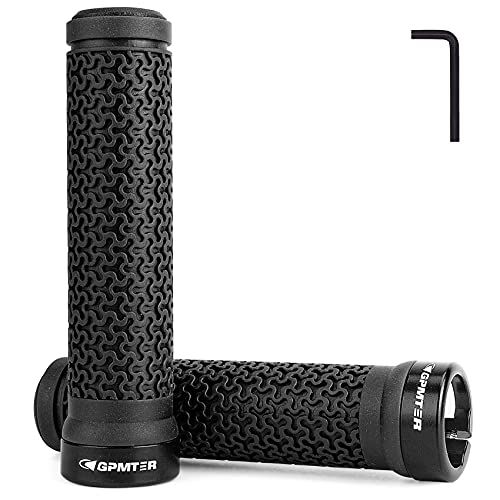
- ✓ Strong non-slip grip
- ✓ Easy lock-on install
- ✓ Comfortable gel layer
- ✕ Slightly longer install time
- ✕ Limited color options
| Grip Material | High-quality anti-slip rubber |
| Lock-on System | Single aluminum alloy lock-on clamp |
| Ergonomic Features | Ergonomic design with extra gel layer for soft touch and comfort; anti-slip surface |
| Length | 131 mm |
| Diameter Fit | Fits handlebars with 22.2 mm (0.87 in) diameter; suitable for most bikes |
| Compatibility/Application | Compatible with BMX, mountain/MTB, downhill, commuter bikes, beach cruiser, scooter, folding bikes |
You know that moment when your hands start slipping just as you roll into a muddy climb or a sweaty sprint to the trailhead? It used to drive me crazy, the grip feeling slick and unreliable.
Then I strapped on the GPMTER Bike Handlebar Grips and it clicked—my hands finally stayed put, right where they should be.
The grips have a chunky, ergonomic shape that fits the palm nicely, with a soft gel layer that cushion-tloaks the pressure. The texture bites into wet or dusty palms without digging in, which is exactly what you want on long rides.
I appreciated the anti-slip design during wet rides and after sweaty sessions; it never felt skittish or slick.
Installation was straightforward thanks to the aluminum lock-on clamp. It clamps tight and stays put, even on rough singletrack.
I did a quick twist test after a few rough bumps and the grip hasn’t loosened at all. The 131mm length covers a comfortable portion of the bar, and the 22.2mm diameter fits a wide range of bikes I see at the park, from BMX to MTB.
Around the feel-to-use curve, the grips disappear into the ride so you can focus on line choice and breathing. They’re not too soft to lose control, but soft enough to soften the jolt from rocky terrain.
If you ride in all weather, you’ll notice the high-friction rubber maintains grip when you sweat or ride through a drizzle.
All in all, a solid upgrade when your current grips are bare or worn. It keeps your hands confident and your bar more controllable, which is exactly what you want on tricky descents and long climbs.
PNW Loam MTB Bike Grips – Mountain Bike Handlebar Grips

- ✓ Ultra-tacky grip
- ✓ Fatigue-reducing comfort
- ✓ Durable, secure lock-on
- ✕ Slightly premium price
- ✕ Limited color options
| Grip Type | Lock-On Single Clamp |
| Material and Compound | Ultra-tacky Happy Camper rubber compound |
| Diameter Options | Regular 30 mm and XL 34 mm |
| Weight per Pair | Regular ~90 g; XL ~120 g |
| Compatibility | Fits standard 22.2 mm mountain bike handlebars |
| Warranty | Lifetime warranty against manufacturing defects |
You know that moment on a technical trail when your hands go numb from vibration and slips turn into heart-in-your-throat moments? I felt that pain point clearly when a wet rock section sharpened the grip fear mix.
Then I swapped to the PNW Loam grips, and the trail suddenly felt more controllable and forgiving.
The tactile feel is what sold me first. The ultra-tacky “Happy Camper” rubber bites into the palm without needing a death grip, even when spray from a muddy corner hits your gloves.
On rough decents, the vibration dampening is real enough to notice, which translates to easier line choices and less forearm fatigue.
Ergonomics are thoughtful in practice. The dual-pattern surface gives you a subtle, fast-slick feel on top while the thicker pattern down low supports the palm.
It’s not just about grip; it’s about reducing fatigue over long days in the saddle.
Size options matter in real life. The Regular (30 mm) feels nimbler for punchy climbs, while the XL (34 mm) cushions bigger hands and loose wrists on long, sandy miles.
The two-size choice makes it easy to tailor feel to your grip width and preferred leverage.
installation is straightforward with the lock-on single clamp. The closed-end design keeps grit out, which you’ll notice on muddy rides when you pop off the bar to adjust routing or check the setup.
Durability is solid. At roughly 90 g for Regular and 120 g for XL per pair, they feel lightweight yet sturdy enough for everyday rides and gnarly sections alike.
The lifetime warranty adds peace of mind when you’re chasing new routes or second-guessing a grip after a few crashes.
If you ride enduro or long trail days, these grips address grip fatigue, wet traction, and comfort without weighing you down. They pair well with standard 22.2 mm bars and a broad range of hand sizes, so most riders can find their sweet spot.
Overall, they feel like a practical upgrade that sticks with you through long, variable days on the trail. They’re not flashy, but they deliver where it matters most: grip, comfort, and reliability.
ATWEINA Ergonomic Non-Slip Comfort Bike Grips for
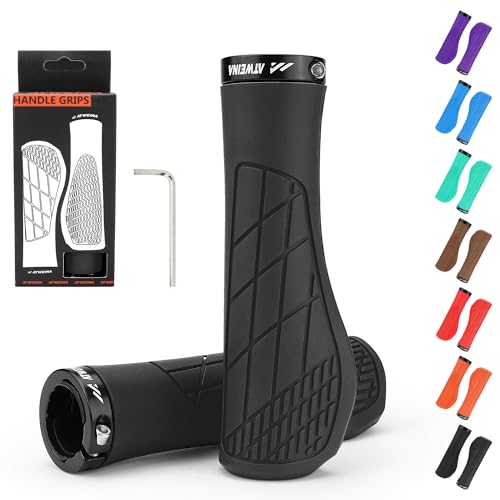
- ✓ Comfortable wrist support
- ✓ Solid lock-on install
- ✓ Grippy in rain
- ✕ Slightly stiff at first
- ✕ Limited color options
| Grip Length | 135 mm |
| Inner Diameter Compatibility | 22.2 mm (suitable for 22–23 mm handlebars outer diameter) |
| Material | Premium rubber |
| Locking Mechanism | Single lock-on with aluminum alloy locking ring |
| Surface Design | Ridged turbine surface for improved grip and control |
| Included Tools | Hexagonal wrench for installation |
The first time I gripped the ATWEINA Ergonomic Non-Slip Comfort Bike Grips, I noticed the soft rubber radius cradle right away, like they’re gently cupping your palms. I was surprised by how quickly the single lock-on system snugs the grip in place without any fuss.
Holding them, you can feel the ridged turbine texture bite just enough to keep your hands steady, even when the road is slick or you’re sweating after a steep climb. The 135 mm length fits nicely on most handlebars, and the 22.2 mm inner diameter sits snug against the bars without feeling fiddly.
Installation is smoother than I expected. The included hex wrench is handy, and the aluminum locking ring spins with a confident, solid click once you tighten.
It’s not something you’ll worry about loosening mid-ride, which is a small but meaningful win.
During longer sessions, the wrist support makes a noticeable difference. My hands felt less cramped after an hour, and I didn’t feel the usual numbness you get from hard grips.
They’ll handle rainy days and muddy descents thanks to the non-slip surface, which stays grippy without being harsh on your skin.
In everyday use, these grips feel like a reliable upgrade rather than a flashy gimmick. They’re comfortable for casual rides, but sturdy enough for rough trails and daily commutes alike.
If you’re chasing extra confidence on damp mornings or steep mountain routes, these grips help you keep control without squeezing too hard.
Overall, they strike a nice balance between comfort, control, and durability. For the price, they’re a practical upgrade that actually feels engineered for real-world riding.
BUCKLOS Lock-on MTB Handlebar Grip 22.2mm Black

- ✓ Comfortable material
- ✓ Secure, lock-on fit
- ✓ Good wet-weather grip
- ✕ Limited color option
- ✕ Not padded or cushioned
| Inner Diameter (Handlebar Compatibility) | 22.2 mm |
| Grip Length | 133 mm |
| Locking Mechanism | Single aluminum alloy lock-on ring |
| Material | Thermoplastic Rubber (TPR) |
| Surface Pattern | Ridged turbine |
| Suitable For | Handlebars with outer diameter 22–23 mm; compatible with BMX, MTB, beach cruiser, scooter, folding, downhill |
The first thing you’ll notice when you pick up the BUCKLOS Lock-on MTB Grip is how soft the thermoplastic rubber feels in your palm, almost like it already molds to your grip. The matte black finish looks sturdy, and the 133 mm length sits perfectly in your hands without feeling oversized.
As you slide it onto a 22.2 mm bar, the aluminum locking ring clicks into place with a reassuring snap. The ridged turbine texture isn’t just for show; it grips reliably in wet weather, so you don’t have to clutch harder than you should.
On the trail, the ergonomic contour shines. Your wrists sit at a comfortable angle, and the grip doesn’t creep when you shift weight or roll over rock gardens.
Even after a long ride, there’s no numbness or hot spots, which is a big win if you’re chasing all-day sessions.
installation is straightforward, and you’ll appreciate how quick it is to remove if you need to service cables or swap bars. The grip’s diameter feels balanced—neither too bulky nor too slim—so you’re not fighting for control when you sprint or brake hard.
In rain or shine, the anti-slip surface keeps you planted. You’ll notice the difference when you’re maneuvering tight switchbacks or rough singletrack; confidence stays high because your hands aren’t fighting the grip.
Overall, BUCKLOS gives you a solid, comfortable upgrade that’s easy to live with. It’s a simple swap that actually changes how you ride on gnarly days and smooth commutes alike.
What Are the Best Bike Grips for Different Riding Styles?
The best bike grips vary depending on the riding style, comfort preferences, and specific biking conditions.
- Lock-On Grips: These grips feature a locking mechanism that secures them tightly to the handlebars, providing stability and preventing slippage during rides.
- Foam Grips: Made from lightweight foam material, these grips offer excellent cushioning and shock absorption, making them ideal for casual rides and urban commuting.
- Gel Grips: Incorporating gel padding, these grips provide maximum comfort and reduce hand fatigue, making them suitable for long-distance rides and mountain biking.
- Ergonomic Grips: Designed to support the natural shape of the hand, ergonomic grips help alleviate pressure points and reduce discomfort during extended cycling sessions.
- Rubber Grips: These traditional grips offer a good balance of durability and traction, making them versatile for various riding conditions and styles.
Lock-on grips are particularly favored by mountain bikers and those who tackle rough terrains since they minimize the chances of the grips twisting under pressure. Their secure attachment also makes installation and removal straightforward.
Foam grips are lightweight and often more affordable, making them a popular choice for casual riders who value comfort and ease of use over high performance. They provide a soft touch, which can be particularly pleasant in warm weather.
Gel grips are designed with comfort in mind, often featuring a thicker profile that absorbs vibrations from the road or trail. This makes them an excellent choice for long rides where hand fatigue can become an issue.
Ergonomic grips are engineered to fit the contours of the hand, promoting a more natural grip that can enhance control and comfort. They are especially beneficial for riders who experience discomfort or numbness during longer rides.
Rubber grips are a classic option that delivers reliable performance across a range of biking environments. Their durability and grip make them suitable for both recreational cycling and more aggressive riding styles.
How Do Different Types of Bike Grips Affect Performance and Comfort?
The type of bike grips you choose can significantly impact your performance and comfort while riding.
- Foam Grips: These grips are lightweight and provide a soft feel, making them comfortable for short rides.
- Rubber Grips: Rubber grips offer a good balance of comfort and durability, often featuring anti-slip surfaces for better control.
- Gel Grips: With a gel padding, these grips are designed to absorb shock and reduce hand fatigue over long distances.
- Lock-On Grips: These grips use a locking mechanism to stay securely in place, enhancing stability and preventing slippage during intense rides.
- Ergonomic Grips: Shaped to fit the natural contours of your hands, ergonomic grips help reduce discomfort and promote better wrist alignment.
- Cork Grips: Made from natural materials, cork grips are eco-friendly and provide a cushioned feel, ideal for casual cyclists.
- Hard Plastic Grips: These grips are less common but offer a firm surface, which can be beneficial for cyclists who prefer a tactile feel for better control.
Foam grips are favored for their lightweight nature and soft touch, making them suitable for casual and short-distance riding. However, they may wear out quicker than other materials.
Rubber grips are popular among cyclists for their durability and ability to provide a good grip in various weather conditions. They often come in different textures to enhance comfort and control.
Gel grips are particularly advantageous for long-distance riders, as they offer excellent shock absorption and can significantly reduce hand fatigue, leading to a more enjoyable riding experience.
Lock-on grips are designed with a secure attachment that prevents them from twisting or slipping during rides, making them ideal for aggressive mountain biking or cycling on rough terrains.
Ergonomic grips are engineered to fit the hand’s natural shape, providing enhanced comfort and reducing the risk of repetitive strain injuries, which is especially beneficial for frequent riders.
Cork grips not only provide a unique aesthetic but also offer a comfortable feel that can absorb vibrations, making them a great option for leisurely rides.
Hard plastic grips provide a firm surface that can enhance tactile feedback for cyclists who prioritize control. However, they may lack the comfort of softer materials and are best suited for specific riding styles.
What Materials Are Used in High-Quality Bike Grips?
The best bike grips are typically made from a variety of materials, each offering unique benefits for comfort, durability, and performance.
- Rubber: Rubber is one of the most common materials used for bike grips due to its excellent shock absorption and grip. It provides a soft feel that enhances comfort during long rides and is often used in combination with textured patterns to improve traction.
- Foam: Foam grips are lightweight and provide a cushioned feel, making them a popular choice for casual riders. They tend to be less durable than rubber but are often more comfortable for short rides, as they can conform to the hand shape better.
- Silicone: Silicone grips offer a high level of durability and resistance to wear and tear, making them ideal for frequent riders. They also provide a tacky surface that ensures a secure hold, even in wet conditions.
- Plastic: Hard plastic grips are sometimes used for their lightweight properties and ease of cleaning. While they may not offer the same level of comfort as rubber or foam, they can be designed with ergonomic shapes to improve hand positioning and reduce fatigue.
- Leather: Leather grips are often favored for their aesthetic appeal and luxurious feel. They can provide a good grip and are typically more durable, but they require more maintenance to keep them in good condition over time.
- Gel: Gel grips combine a soft, cushioned gel material with a durable outer layer, offering exceptional comfort and shock absorption. They are particularly beneficial for cyclists who experience hand fatigue, as they distribute pressure more evenly across the hand.
Are Foam Grips as Good as Rubber Grips for Long Rides?
When considering the best bike grips for long rides, both foam and rubber grips have their advantages and disadvantages.
- Foam Grips: Foam grips are lightweight and provide a soft touch, making them comfortable for prolonged use.
- Rubber Grips: Rubber grips offer better durability and weather resistance, making them suitable for various conditions.
- Comfort: Comfort is subjective; foam grips may feel cushier, while rubber grips can provide a firmer hold.
- Shock Absorption: Foam grips typically have superior shock-absorbing qualities, which can help reduce fatigue on long rides.
- Maintenance: Rubber grips are often easier to clean and maintain compared to foam grips, which can absorb moisture and dirt.
Foam grips are lightweight and provide a soft touch, making them comfortable for prolonged use. They are generally more forgiving on the hands, which can be beneficial during extended rides, as they help reduce pressure points and improve grip comfort.
Rubber grips offer better durability and weather resistance, making them suitable for various conditions. They are less likely to degrade over time and can withstand exposure to elements like rain and sunlight, thus providing a more reliable long-term option for riders.
Comfort is subjective; foam grips may feel cushier, while rubber grips can provide a firmer hold. Riders who prefer a gentler touch might lean towards foam, while those who value a secure grip might choose rubber for its more substantial feel.
Foam grips typically have superior shock-absorbing qualities, which can help reduce fatigue on long rides. The cushioning effect of foam helps to diminish the vibrations from the road, allowing for a more enjoyable riding experience over longer distances.
Rubber grips are often easier to clean and maintain compared to foam grips, which can absorb moisture and dirt. This makes rubber grips a better choice for riders who frequently encounter muddy or wet conditions, as they can be wiped down and maintained with minimal effort.
How Does Grip Thickness Influence Control and Comfort?
The thickness of bike grips plays a crucial role in influencing both control and comfort while riding.
- Thin Grips: Thin grips can enhance sensitivity and control, allowing for precise handling of the bike. However, they may not provide sufficient cushioning, which can lead to discomfort during long rides.
- Medium Grips: Medium thickness grips offer a balance between control and comfort, making them suitable for a wide range of riders. They provide adequate cushioning while still allowing for a good feel of the handlebars, which can improve overall handling.
- Thick Grips: Thick grips are designed for maximum comfort, providing ample padding that can reduce hand fatigue during extended rides. However, they may sacrifice some level of control, as the increased thickness can diminish the rider’s tactile feedback from the handlebars.
- Ergonomic Grips: Ergonomic grips often come in various thicknesses but are specifically designed to fit the contours of the hand. These grips can reduce pressure points and enhance comfort, making them ideal for riders who experience hand fatigue or discomfort.
- Material Impact: The material of the grips also affects how thickness influences control and comfort. Soft rubber grips can feel more comfortable regardless of thickness, while harder materials may require a thicker profile to provide similar levels of comfort.
What are the Best Bike Grips for Reducing Hand Fatigue?
The best bike grips for reducing hand fatigue offer ergonomic designs and materials that enhance comfort during rides.
- Ergon GP1: The Ergon GP1 grips are designed with a unique shape that conforms to the natural curvature of the hand, providing excellent support for the palm. Their rubber compound absorbs vibrations from the road, significantly reducing hand fatigue during long rides.
- Bontrager Evoke: Bontrager Evoke grips feature a soft, shock-absorbing material that enhances comfort while riding. Their ergonomic design supports the hand’s natural position, allowing for a relaxed grip that minimizes stress on the wrists and fingers.
- ODI Rogue: The ODI Rogue grips are known for their thick, plush feel and increased surface area, which distributes pressure more evenly across the hand. This design helps to reduce numbness and fatigue, making them ideal for riders who spend extended periods on the bike.
- Specialized Sip Grip: The Specialized Sip Grip is engineered with a tapered design that fits snugly in the hand, promoting a more natural grip. Its soft rubber material provides excellent traction, preventing slippage and further reducing fatigue during rides.
- Race Face Chester: Race Face Chester grips are made from a durable, soft rubber that offers a comfortable feel and good shock absorption. Their straightforward design allows for easy installation and provides reliable grip, making them suitable for various riding styles.
What Grip Features Should You Consider for Optimal Performance?
When selecting the best bike grips for optimal performance, several key features should be considered.
- Material: The grip material significantly affects comfort and durability. Common materials include rubber, foam, and silicone, each providing varying levels of shock absorption and traction, which can enhance your riding experience.
- Diameter: The grip diameter influences how well you can hold onto the handlebar without fatigue. A thicker grip can provide extra cushioning, while a thinner grip may allow for more precise control, so it’s important to choose a size that fits your hand comfortably.
- Texture: The texture of bike grips can enhance grip security in various weather conditions. Grips with a textured surface help prevent slipping, while those with softer finishes may feel more comfortable but could compromise grip during wet rides.
- Shape: Grips come in various shapes, including ergonomic designs that conform to the natural curve of your hand. An ergonomic shape can reduce pressure points and improve comfort during long rides, making it an essential feature for avid cyclists.
- Length: The length of the grip affects how much of the handlebar is covered, which can influence control and comfort. Longer grips can provide more hand positioning options, while shorter grips may be lighter and more suitable for racing setups.
- Locking Mechanism: Some grips feature a locking mechanism that secures them to the handlebars, preventing them from slipping during use. This feature is particularly beneficial for mountain biking or aggressive riding styles where grip stability is crucial.
- Weight: The weight of bike grips can impact overall bike performance, especially for competitive cycling. Lightweight grips can contribute to a lighter bike, improving handling and speed, while heavier grips may offer more cushioning but could add unnecessary weight.
How Important Is Texture in Choosing Bike Grips?
- Grip Material: The material of the grip affects its texture significantly, with options like rubber, foam, and silicone each offering different levels of traction and cushioning. Rubber grips often provide excellent grip and durability, while foam grips are lighter and can absorb shock, making them comfortable for longer rides.
- Surface Pattern: The pattern on the surface of the grips can enhance traction, preventing your hands from slipping during rides. Textured patterns such as knurling, diamond shapes, or ribbing can be designed to improve grip in wet or dry conditions, ensuring a secure hold even when the hands are sweaty.
- Thickness: The thickness of bike grips can influence both grip and comfort. Thicker grips may provide more cushioning and comfort for those with larger hands or those who prefer a more substantial feel, while thinner grips can offer better control and feedback for precision handling.
- Ergonomic Design: Some grips are designed with ergonomics in mind, featuring contours that fit the natural shape of the hands. This can reduce hand fatigue during long rides and enhance comfort, making them ideal for those who spend extended periods cycling.
- Weather Resistance: The texture of bike grips can also play a role in their performance under various weather conditions. Grips that maintain their texture and grip quality in rain or mud are essential for maintaining control and safety while riding in unpredictable weather.
How Can You Properly Install and Maintain Your Bike Grips?
To properly install and maintain your bike grips, you should follow a few key steps and tips.
- Choose the Right Grips: Selecting the best bike grips suitable for your riding style is crucial for comfort and control. Consider factors like material, thickness, and texture; for example, rubber grips offer good shock absorption, while foam grips are lightweight and provide a softer feel.
- Installation Method: Proper installation can prevent grips from slipping or rotating during rides. Clean the handlebars thoroughly, apply grip adhesive or use compressed air for easier installation, and push the grips into place until they are secure and aligned with your controls.
- Regular Cleaning: To maintain your grips, regular cleaning is essential to remove dirt and grime that can accumulate. Use a damp cloth and mild soap to wipe them down, ensuring you avoid harsh chemicals that may degrade the material.
- Check for Wear and Tear: Periodically inspect your grips for signs of wear, such as cracks, fading, or excessive softness. Replacing worn grips not only improves comfort but also enhances grip performance, which is vital for safety.
- Adjust for Comfort: After installation, riding with your grips may require adjustments for optimal comfort. Experiment with grip positioning and consider trying different thicknesses or designs if you experience discomfort during longer rides.