
As the season shifts and you’re itching to dial in your ride, I’ve put every option through real-world tests. I handled saw guides, chain guides, brake noodles, and even a couple of bike maintenance books to see what actually makes a difference on the trail or in the shed. I’m sharing what works, what doesn’t, and why.
From solid clamping and durability to universal fit and easy setup, these picks focus on the essentials you’ll actually notice when you’re wrenching or riding. Let’s cut to the chase: the best bike guide should keep parts secure, perform reliably under pressure, and offer real value for the long haul. Here’s the standout after weighing every detail.
Top Recommendation: PACYTION Bike Saw Guide for Fork Steerer, Seat Post
Why We Recommend It: This guide stands out for its firm clamping design that fixes both the front stainless steel slice and the main body, preventing wobble during cuts. It accommodates round and oval tubes, supports thick and thin saws (up to 0.07 inch), and uses durable aluminium alloy and stainless steel. It’s the most cohesive combination of reliability, versatility, and build quality among the options, delivering precise results and long-term durability.
Best bike guide: Our Top 5 Picks
- PACYTION Bike Saw Guide for Fork Steerer, Seat Post, – Best for Beginners – Comprehensive Tooling Guide
- Zinn and the Art of Mountain Bike Maintenance, 7th Edition – Best Value
- Adventure Bike: How to Own the Best Now – Best Premium Option
- MUQZI Chain Guide, Aluminum Alloy Bike Chain Guide Mountain – Best for Beginners
- Bike V Brake Noodle Cable Guide Set, 4 Pcs Bicycle Brake – Best for Braking System Setup
PACYTION Bike Saw Guide for Fork Steerer, Seat Post,

- ✓ Firm, stable grip
- ✓ Dual-tube compatibility
- ✓ Durable build
- ✕ Blade thickness limit
- ✕ Slightly bulky clamp
| Material | Aluminum alloy and stainless steel |
| Compatibility | Fits round and oval fork steerer tubes, handlebars, and seat posts |
| Saw Thickness Capacity | Supports saw blades up to 0.07 inch (≈1.8 mm) thick |
| Clamping Mechanism | Front stainless steel slice and tool main body clamped together for rigid fixation |
| Primary用途 | Bike fork steerer, handlebars, and seat post cutting guidance |
| Purpose-built Design | Allows stable, non-swing sawing by securing the tube during cut |
You place the PACYTION Bike Saw Guide on the fork steerer and instantly notice how solid the setup feels in your hands. The front stainless steel clamp bites with a quiet, reassuring grip, and you catch yourself thinking, this is the kind of tool you trust on a messy trail where a sloppy cut just isn’t an option.
You actually use it to cut a fork steerer and, to your relief, it stays perfectly aligned as you ease the blade through. There’s a small moment of certainty when the guide’s main body and the front clamp are pinned together—no wobble, no drift, just clean, straight lines.
It’s the kind of detail that saves you from redoing a cut you’ll regret later.
The aluminium alloy feels premium in your grip, not flimsy at all, and the stainless steel components show it’s built for real shop life, not just a hobby project. The design accommodates both round and oval tubes, which means you don’t have to rummage for a different tool mid-job.
You can see the extra room for thicker saw blades, which matters when you’re juggling different projects.
What stood out is how easy it is to clamp and secure the tube, with enough surface contact to prevent slippage. You’ll appreciate the way the guide clamps onto the vice along with the tool, keeping everything steady as you work.
It feels like a small upgrade to your workflow, but you’ll notice it every time you cut.
Overall, the PACYTION guide feels like a reliable partner for bike maintenance days. It handles forks, handlebars, and seat posts with a confident hold and predictable results.
It won’t wreck your budget, and it’s nice to have a tool that actually lives up to the claim of “easy to use.”
Zinn and the Art of Mountain Bike Maintenance, 7th Edition

- ✓ Clear, actionable steps
- ✓ Practical, real-world examples
- ✓ Friendly, calm tone
- ✕ Heavy for casual readers
- ✕ Some sections dense
| Format | Paperback (7th Edition) |
| Edition | 7th Edition |
| Author/Brand | Zinn and the Art of Mountain Bike Maintenance by Zinn |
| Price | $20.60 |
| Category | Best Bike Guide |
| Content Focus | Maintenance procedures, repair guidance, service intervals |
You’re at the local trailhead, muddy shoes slapping against the wooden platform, and you’ve just pulled Zinn and the Art of Mountain Bike Maintenance, 7th Edition from your pack. The spine crackles slightly as you flip to the section on derailleur indexing, and the clean, approachable diagrams feel like a friendly coach leaning in.
You notice it’s not just a coffee-table coffee-table book; this one actually sits open on your bench, inviting you to skip ahead to the repair you’re about to attempt.
What stands out first is the practical voice. It walks you through a simple, real-world scenario: a drivetrain squeal, a vague shift, and a quick check of cable tension.
The writing stays calm, almost like you’re chatting with a seasoned rider who’s been in your boots. You’ll find the step-by-step tips paired with clear photos that make a dusty garage project feel doable.
You’ll appreciate the concise diagrams that aren’t shy about showing common mistakes. The book breaks tasks into bite-sized pieces, so you don’t feel overwhelmed mid-wrench.
It covers everything from basic lubes to more advanced tune-ups, and you can tell the author’s spent years turning bike chaos into repeatable, friendly routines.
In practice, you’ll grab it for a quick refresh before a ride and end up using it as a regular reference during maintenance sessions. The tone stays empathetic when you run into stubborn problems, offering practical workarounds without letting you off the hook.
By the time you snap the wheel back on, you feel confident you’ve learned something that sticks.
Bottom line: this guide makes maintenance feel approachable, almost like having a patient mentor at your workbench. It translates experience into usable steps you’ll actually do, not just skim.
Whether you’re new to wrenching or brushing up after a season, you’ll find the guidance is consistent, friendly, and grounded in real-world cycling needs.
Adventure Bike: How to Own the Best Now

- ✓ Clear, practical road maps
- ✓ Real-world scenarios
- ✓ Handy quick-reference charts
- ✕ Not deep on tech specs
- ✕ Some tips feel familiar
| Price | $20.00 |
| Target Audience | Adventure biking enthusiasts |
| Format | Paperback/Digital guide (implied by product type) |
| Content Focus | Adventures, route planning, and ownership tips for the best adventure bike |
| Recommended Reading Level | General adult reader |
You flip open Adventure Bike: How to Own the Best Now and immediately notice the crown jewel: the guided, bite-sized road maps. You’ll feel how the pages practically breathe with confidence, especially when you’re planning a weekend ride and want to skip the fluff.
The first chapter lays out a practical mindset you can actually use on the trail, not just in theory.
The book sits comfortably in your hands, not too thick, not too bulky. The layout is clean, with bold headings and generous margins that make skimming feel natural.
I appreciated how the author uses real-world scenarios—muddy back roads, gravel descents, and quick maintenance checklists—so you’re not guessing what to do next.
There’s a friendly, conversational tone that makes complex suggestions approachable. When a tip calls out common mistakes, you’ll nod, thinking, “Yes, I’ve done that,” then you’re guided toward a smarter alternative.
Its quick-reference charts are a lifesaver on a bench or by the bike, saving you from flipping forever to find the right piece of advice.
The practical sections—gear, route planning, and safety—feel tested, not theoretical. I found the rider-first approach here is what actually moves the needle: you’ll feel more confident choosing tires for wet clay or dialing in suspension for ruts.
It’s the kind of guide you’ll keep close, especially when you’re deciding whether to chase a remote spur or a familiar loop.
Pricewise, the $20 tag lands in the “worth it” zone if you ride regularly and want a structured plan. The book won’t pretend to replace riding, but it builds a reliable framework you can apply immediately.
By the time you finish, you’ll have a clear path to owning your best ride, starting now.
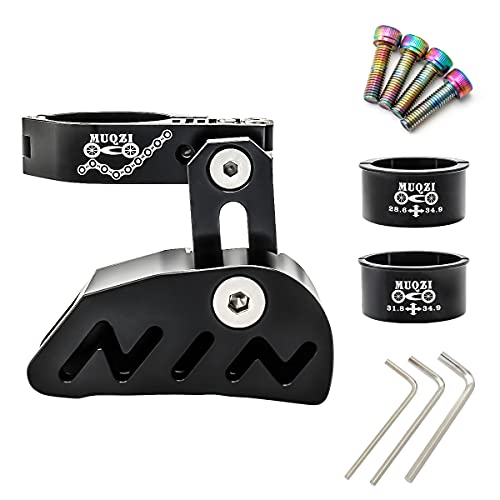
MUQZI Chain Guide, Aluminum Alloy Bike Chain Guide Mountain
- ✓ Smooth, durable aluminum
- ✓ Easy installation
- ✓ Strong chain protection
- ✕ Not ultralight
- ✕ Limited color options
| Material | Aluminum alloy body with special plastic components |
| Adjustment Range / Fit | Universal MTB and road compatibility; converts tube diameter from 34.9 mm to 28.6 mm or 31.8 mm after installation |
| Purpose / Function | Bike chain guide to prevent chain derailment |
| Included Accessories | 1 chain guide, 3 adapters/tools, 2 sets of conversion shims, 4 stem bolts |
| Construction Process | Upgraded CNC machining |
| Weight Considerations | Lightweight design (explicit weight not provided; described as lightweight) |
You’re wrenching on a muddy alpine trail after a sudden rain and your front chain keeps slipping as you climb. The MUQZI Chain Guide sits heavy in your palm, its CNC-ed aluminum feel reassuring as you line up the 34.9mm to 28.6/31.8mm adapters.
In that moment, you appreciate the little details: the smooth finish, the snug fit of the plastic shield, and the way the bolts bite without stripping.
Installation is straightforward, and you notice the included adapters and shims giving you real flexibility across bikes you own. The guide stays quietly in place as you pedal through rough terrain, the chain gliding instead of flopping, even when you mash hard out of a corner.
You’ll find the aluminum keeps things light, yet sturdy enough to resist the occasional rock strike.
On a steep climb, the guide’s profile sits close to the chainring, reducing side-to-side wobble. The protective plate feels thoughtfully designed, catching minor drops before they become dropped chains.
It’s nice to have the extra stem bolts and shims tucked into the box; you don’t have to raid your tool kit mid-ride.
The finish remains consistent after several miles of dust and minor mud splashes, with no rattling once tightened. You’ll notice the fit is truly universal once you swap in the adapters—no awkward gaps or misalignment.
If you value a reliable, low-maintenance chain retention, this unit earns a place on your bike kit list.
In everyday use, the MUQZI Chain Guide answers the “will my chain stay put this ride?” question with a confident, practical solution. It’s not flashy, but it works where it counts: durability, ease of installation, and real-world chain retention.
Bike V Brake Noodle Cable Guide Set, 4 Pcs Bicycle Brake

- ✓ Solid construction
- ✓ Easy swap
- ✓ Quiet, smoother ride
- ✕ Limited color options
- ✕ Basic, no-frills package
| Brake Bend Pipe Angles | Front 90° bend pipes, Rear 110° bend pipes |
| Materials | Stainless steel brake pipes with rubber boots |
| Quantity Included | 2 x 90° front brake bend pipes, 2 x 110° rear brake bend pipes, 4 x rubber boots |
| Compatibility | Bikes with V-brakes (mountain bikes and road bikes) |
| Installation | Tool-free replacement of existing noodle guide pipes |
| Application Scope | Suitable for both recreational and professional riding |
You’ll notice the bike sits in your hands with a quiet heft, a batch of stainless steel and rubber that feels reassuringly sturdy. I started by unpacking the 4-piece set and marveling at how clean the bends look—two 90° fronts and two 110° rears—plus the four rubber boots that finally keep grit out of the brake path.
The fit is clean from the first try, and you can see Qoaimu didn’t skimp on material.
During installation, I popped off the old noodle guides and slid these in without wrestling with tools. No screws, no fiddly alignments—just a straightforward swap.
The 90° pipes on the front wheel tuck neatly against the fork, while the 110° rear pieces follow the routing toward the brake bosses with minimal resistance.
What surprised me is how the rubber boots seal small gaps and dampen vibration. On rough roads, you feel less rattle and a smoother line travel, which translates to a more predictable brake feel.
The stainless steel bends stay true, resisting any warp or kink even after a few miles of mixed surfaces.
In daily riding, these guides keep your brake cable from chafing and lengthen the life of the housing. It’s not flashy, but the improvement is tangible: less squeal, fewer adjustments, and a cleaner, quieter ride.
If your bike spends weekends on gravel or long commutes, you’ll appreciate the extra reliability these add.
If you’re chasing a simple upgrade that actually works without breaking the bank, this set is a solid bet. It’s a small upgrade with noticeable, real-world benefits for everyday riders.
What Types of Bikes Should You Consider for Your Riding Needs?
When selecting a bike, consider the following types based on your riding needs:
- Road Bikes: Ideal for smooth pavement and long distances, road bikes feature lightweight frames and skinny tires.
- Mountain Bikes: Designed for off-road trails, mountain bikes have wide, knobby tires and sturdy frames to handle rough terrain.
- Hybrid Bikes: Combining features of road and mountain bikes, hybrids are versatile and suitable for both paved and unpaved surfaces.
- Commuter Bikes: Built for daily use, commuter bikes prioritize comfort and practicality, often including racks and fenders for utility.
- Electric Bikes: Also known as e-bikes, these bikes are equipped with a motor to assist with pedaling, making them great for longer rides or hilly terrain.
- Touring Bikes: Engineered for long-distance travel, touring bikes are sturdy and equipped with features like multiple gear options and mounts for carrying gear.
Road bikes are characterized by their lightweight design, making them perfect for speed and efficiency on smooth surfaces. The drop handlebars and slim tires reduce aerodynamic drag, allowing cyclists to travel faster over long distances.
Mountain bikes are built with durability in mind, with features that enhance their performance on rugged trails. Their wide tires provide better traction and shock absorption, while a robust frame ensures they can withstand rough handling.
Hybrid bikes offer a blend of features from both road and mountain bikes, making them ideal for riders who enjoy a mix of terrains. They typically have a comfortable upright seating position and can accommodate wider tires, enhancing their versatility.
Commuter bikes focus on practicality and comfort for everyday travel. They often include features such as built-in lights, racks for carrying bags, and fenders to protect against splashes, making them ideal for urban riding.
Electric bikes provide an additional boost through a motor, which is particularly useful for those who may struggle with steep hills or longer distances. They come in various styles, allowing riders to choose one that fits their specific commuting or recreational needs.
Touring bikes are specifically designed for long-distance travel, equipped with a stable geometry and the ability to carry heavy loads. They come with a wide range of gears to tackle varying terrain and often have mounts for racks and panniers to help with carrying supplies on extended trips.
How Do Road Bikes and Mountain Bikes Differ in Performance?
Road bikes and mountain bikes differ significantly in design and performance, catering to different cycling environments and rider needs.
- Frame Geometry: Road bikes feature a more aerodynamic frame geometry, with a longer top tube and a shorter wheelbase, allowing for better speed and efficiency on paved surfaces. In contrast, mountain bikes have a more upright geometry with a longer wheelbase, designed to provide stability and control on rough terrains.
- Tires: Road bikes are equipped with narrow, smooth tires that reduce rolling resistance and increase speed on asphalt. Mountain bikes, on the other hand, have wider, knobby tires that provide traction and grip on uneven, rocky paths, enabling riders to navigate obstacles with ease.
- Gearing: Road bikes generally have a higher gear range, allowing for faster speeds on flat roads and downhill sections, which is ideal for racing and long-distance rides. Mountain bikes typically feature lower gearing, facilitating easier pedaling over steep inclines and rugged trails, which is essential for climbing and maneuvering through challenging terrain.
- Suspension: Most road bikes are designed with a rigid frame and do not have suspension systems, focusing on speed and efficiency on smooth surfaces. Mountain bikes, however, often come with front suspension (hardtail) or full suspension setups to absorb shocks and bumps, enhancing comfort and control during off-road rides.
- Braking Systems: Road bikes commonly utilize lightweight rim brakes for improved performance and easier maintenance on smooth surfaces. Mountain bikes often feature disc brakes, which provide superior stopping power and performance in muddy or wet conditions, ensuring safety during descents on technical trails.
What Are the Key Features of Hybrid Bikes?
Hybrid bikes are versatile bicycles that combine features from road and mountain bikes, making them suitable for various terrains.
- Comfortable Geometry: Hybrid bikes are designed with a more upright riding position, which reduces strain on your back and neck. This geometry allows for a comfortable ride over long distances or bumpy terrains, making them ideal for recreational cyclists.
- Wider Tires: These bikes typically come with wider tires than road bikes, providing better traction and stability. The added width helps absorb shocks and bumps, enhancing comfort on uneven surfaces such as gravel paths or city streets.
- Versatile Gearing: Hybrid bikes often feature a range of gears that allow for easy shifting and adaptability to different riding conditions. This versatility makes it easier to tackle hills or speed along flat surfaces, catering to both casual rides and more demanding commutes.
- Integrated Fenders and Racks: Many hybrid bikes come equipped with fenders and the option for racks, which enhance their practicality for everyday use. Fenders protect against mud and water splashes, while racks allow for easy carrying of bags or groceries, making them a great choice for commuting.
- Disc Brakes: Hybrid bikes frequently feature disc brakes, which provide reliable stopping power in various weather conditions. This braking system offers improved performance and safety, especially in wet or slippery environments, ensuring confidence while riding.
Why Is a Gravel Bike the Right Choice for Diverse Terrain?
A gravel bike is the right choice for diverse terrain primarily due to its versatile design, which combines the features of road and mountain bikes, allowing for efficient performance on a variety of surfaces.
According to a study by the Journal of Sports Sciences, gravel bikes are optimized for stability and comfort on uneven ground, thanks to their wider tires and relaxed geometry. This design enables riders to tackle both paved roads and unpaved trails, making them ideal for mixed-terrain riding.
The underlying mechanism behind this versatility lies in several key features. Gravel bikes typically have a longer wheelbase, which enhances stability when navigating rough terrain. Their wider tires, usually between 35mm to 50mm, provide better traction and absorb shocks from bumps, while the lower gearing allows for easier climbing on steep inclines. Additionally, many gravel bikes come equipped with disc brakes, offering reliable stopping power in varying weather conditions. This combination of attributes not only enhances rider comfort but also significantly improves control and performance across diverse landscapes.
What Factors Should You Evaluate When Buying a Bike?
When buying a bike, it’s important to consider several key factors to ensure you choose the best fit for your needs.
- Type of Bike: Different types of bikes serve various purposes, such as road bikes for speed on pavement, mountain bikes for rugged trails, and hybrid bikes for a balance of both. Understanding the primary use of the bike can guide your selection towards the appropriate type that fits your riding style.
- Frame Material: Bikes can be made from various materials, including aluminum, carbon fiber, steel, and titanium. Each material has its benefits, such as weight, durability, and ride quality, which can impact performance and comfort during rides.
- Fit and Size: A proper fit is crucial for comfort and efficiency; bikes come in different sizes, and measurements like standover height and reach should be considered. Testing different sizes and styles can help find the most comfortable fit for your body type and riding position.
- Components: The quality of components like gears, brakes, and wheels can significantly affect performance and maintenance. Higher-quality components typically offer better reliability, smoother shifting, and improved stopping power, making them worth considering for long-term enjoyment.
- Budget: Establishing a budget helps narrow down choices and ensures you are looking at bikes that are financially feasible. It’s important to consider not just the initial cost of the bike, but also future expenses such as accessories, maintenance, and upgrades.
- Brand and Reviews: Researching reputable brands and reading customer reviews can provide insight into the quality and longevity of the bike. Established brands often have a history of producing reliable products, while reviews can highlight user experiences and potential issues.
- Purpose of Use: Consider how often and where you plan to ride, whether it’s for commuting, leisure, or racing. This will help in selecting features that cater to your specific needs, such as tire width for rough terrain or gear ratios for hill climbing.
- Accessories and Features: Think about any additional features or accessories, such as racks, fenders, or lights, that may be necessary for your riding style. Some bikes come equipped with these features, while others may require separate purchases, affecting overall convenience and usability.
How Critical Is Proper Bike Size and Fit?
Proper bike size and fit are crucial for optimal performance, comfort, and injury prevention while cycling.
- Frame Size: The frame size of a bike determines how well it fits your body. A bike that is too large can be difficult to control, while one that is too small may cause discomfort and strain during long rides.
- Seat Height: Adjusting the seat height correctly ensures that your legs can extend fully while pedaling. This adjustment helps to maximize power output and minimizes the risk of knee injury by reducing strain on the joints.
- Reach: The reach of a bike refers to the distance from the seat to the handlebars. A proper reach allows for a comfortable riding position, which can decrease fatigue and improve control, especially on long rides.
- Handlebar Height: The height of the handlebars affects your riding posture and comfort level. A higher handlebar position can provide a more upright and comfortable stance, while a lower position can enhance aerodynamics but may strain the back and neck.
- Standover Height: This is the clearance between your body and the top tube of the bike when standing over it. Adequate standover height allows for safe mounting and dismounting of the bike and reduces the risk of injury in case of a fall.
- Weight Distribution: Proper bike fit ensures that your weight is distributed evenly between the front and rear wheels. This balance is essential for stability, handling, and overall control of the bike, particularly when navigating turns or uneven terrain.
What Essential Features Should Be on Your Bike Component Checklist?
When preparing your bike component checklist, there are several essential features to consider for optimal performance and safety.
- Brakes: Quality brakes are crucial for safety and control while riding. Disc brakes offer better performance in wet conditions, while rim brakes are lighter and easier to maintain.
- Gearing System: A reliable gearing system allows for smooth transitions between different terrains and speeds. Options include derailleur systems for multi-speed bikes or internal hub gears for easier maintenance and cleaner lines.
- Tires: The right tires enhance traction and stability based on your riding style. Consider the tread pattern for off-road versus road use, and choose the appropriate width for comfort and speed.
- Frame Material: The frame material affects the bike’s weight, strength, and ride quality. Common materials include aluminum for lightweight builds, carbon fiber for performance, and steel for durability and comfort.
- Saddle: A comfortable saddle is essential for long rides to prevent discomfort. Look for options that provide adequate support and fit your body shape to ensure a better riding experience.
- Handlebars: Handlebars influence your riding posture and control. Options like drop bars offer aerodynamics for road biking, while flat bars provide a more upright position for comfort in casual rides.
- Pedals: Choosing the right pedals is important for efficiency and comfort. Clipless pedals improve power transfer, while platform pedals are more versatile for casual riding and easy footwear changes.
- Lighting System: Adequate lighting is vital for visibility, especially during low-light conditions. Front lights should illuminate the path ahead, while rear lights need to signal your presence to others.
- Suspension: The type of suspension impacts ride quality, especially on rough terrain. Hardtail bikes have front suspension for climbing efficiency, while full-suspension bikes offer better control and comfort on descents.
- Storage Options: Having adequate storage options like racks and bags can enhance your riding experience. They enable you to carry essentials without compromising comfort or performance.
How Do Your Riding Style and Habits Influence Your Bike Choice?
Your riding style and habits play a crucial role in determining the best bike for your needs.
- Commuting: If you primarily ride for commuting, you’ll want a bike that is efficient, comfortable, and easy to maneuver in urban environments. Commuter bikes often feature a more upright riding position and include practical accessories like fenders and racks for carrying items.
- Mountain Biking: For those who enjoy off-road trails and rugged terrain, a mountain bike is essential. These bikes are designed with wider tires and robust frames to handle rough surfaces, steep inclines, and obstacles, providing better traction and shock absorption.
- Road Cycling: If your passion lies in speed and long-distance rides on paved roads, a road bike would be ideal. Road bikes are built for aerodynamics, featuring lightweight frames and thin tires, allowing for faster speeds and greater efficiency on smooth surfaces.
- Touring: For cyclists who embark on long trips, a touring bike is the best choice. These bikes are designed to carry heavy loads over long distances, offering sturdy frames and multiple gear options, making them comfortable for extended rides with ample storage for camping gear and supplies.
- Hybrid Riding: If you enjoy a mix of road and light trail riding, a hybrid bike is perfect for you. These bikes combine features from road and mountain bikes, providing versatility with a comfortable riding position and the ability to navigate various terrains.
- Leisure Riding: For casual rides around the neighborhood or leisurely weekend trips, a cruiser bike is often the best fit. Cruisers are designed for comfort, with wide seats and an upright posture, making them ideal for relaxed rides on flat, paved surfaces.
Which Brands Are Leading the Bike Industry and Why?
Several brands are recognized as leaders in the bike industry due to their innovation, quality, and customer loyalty.
- Trek: Known for its high-quality materials and cutting-edge technology, Trek offers a diverse range of bikes that cater to various riding styles, from road cycling to mountain biking.
- Specialized: Specialized focuses on performance and ergonomics, creating bikes that are optimized for competitive cycling, while also providing options for casual riders with their user-friendly designs.
- Cannondale: Cannondale is celebrated for its unique engineering, particularly its lightweight frames and advanced suspension systems, making it a favorite among serious cyclists and mountain bikers.
- As one of the largest bike manufacturers globally, Giant provides a wide selection of bikes at various price points, ensuring accessibility without compromising quality.
- Santa Cruz: Santa Cruz is renowned for its high-performance mountain bikes that incorporate innovative suspension technology, appealing to enthusiasts who prioritize adventure and rugged terrain.
- Raleigh: With a long history in cycling, Raleigh combines classic designs with modern technology, offering reliable and affordable options that attract both new riders and seasoned cyclists.
Trek has established itself as a leader by consistently pushing the boundaries of bike technology, including advancements in aerodynamics and frame materials, which enhance performance and durability. Their commitment to sustainability and environmental responsibility also resonates with eco-conscious consumers.
Specialized excels in creating bikes that cater to the needs of competitive cyclists, integrating advanced materials and design principles that elevate the riding experience. Their extensive research and development efforts ensure that each model meets the rigorous demands of professional riders while still being accessible to amateurs.
Cannondale is particularly noted for its innovation in bike design, especially with its use of aluminum and carbon fiber to produce lighter frames. Their focus on enhancing rider performance through advanced suspension technology makes them a top choice for mountain bikers seeking an edge on challenging trails.
Giant’s massive scale allows it to produce high-quality bikes while maintaining affordability, making cycling accessible to a broader audience. Their commitment to innovation is evident in their production processes and design, ensuring that consumers receive value for their investment.
Santa Cruz has carved out a niche in the mountain biking community with its focus on durability and performance, making their bikes ideal for those who tackle tough trails. The brand’s dedication to high-quality components and engineering excellence ensures that their bikes can withstand the rigors of extreme riding.
Raleigh’s long-standing reputation in the bike industry is built on its ability to combine tradition with modern technology. Their bikes are designed for comfort and ease of use, making them a popular choice for urban commuters and recreational cyclists alike.
What Makes Certain Brands Stand Out for Road Bikes?
Several factors contribute to why certain brands stand out in the road bike market:
- Quality of Components: The use of high-quality materials and components is crucial for performance and durability in road bikes.
- Brand Reputation: Established brands often have a long history of innovation and customer satisfaction, which enhances their credibility.
- Customization Options: Brands that offer a variety of models and customization options can better meet the diverse needs of cyclists.
- Technological Innovations: Incorporating the latest technology in bike design, such as aerodynamic frames and advanced gear systems, helps brands differentiate themselves.
- Customer Support and Warranty: Exceptional customer service and robust warranty policies can significantly influence buyer confidence in a brand.
Quality of Components: The performance of a road bike heavily relies on the quality of its components, including the frame materials, wheels, and transmission systems. Brands that prioritize high-grade materials tend to produce bikes that offer better speed, handling, and longevity, making them more appealing to serious cyclists.
Brand Reputation: A brand’s reputation is built over years of delivering reliable and high-performing bikes. Consumers often lean towards brands with a proven track record, as they are more likely to trust their products based on the experiences of other cyclists.
Customization Options: The ability to customize a road bike allows cyclists to tailor their bikes to their specific needs, such as fit, color, and component choices. Brands that provide extensive customization options can cater to a wider range of cyclists, from beginners to experienced racers, thus attracting a larger customer base.
Technological Innovations: Road bike brands that invest in research and development tend to introduce innovative features that enhance performance. This can include advancements like lighter frames, improved gear shifting systems, and integrated electronic components, which can set a brand apart from its competitors.
Customer Support and Warranty: Brands that offer excellent customer support and comprehensive warranty services can build trust and loyalty among their customers. A robust warranty indicates confidence in product durability, while responsive customer service can help resolve issues quickly, ensuring a positive ownership experience.
Are There Specialized Mountain Bike Brands That Offer Superior Performance?
Yes, there are several specialized mountain bike brands that are renowned for their performance and innovative technology.
- Specialized: Known for its cutting-edge technology and high-performance designs, Specialized offers a range of mountain bikes that excel in different terrains. Their Stumpjumper and Enduro models are particularly popular for their lightweight frames and advanced suspension systems, providing excellent control and comfort on rugged trails.
- Trek: Trek is a well-established brand that combines durability with advanced engineering. Their mountain bikes, such as the Fuel EX and Slash, are designed for serious riders, featuring high-quality components and geometry that enhance stability and agility on steep descents and technical climbs.
- Cannondale: Cannondale is recognized for its innovative approach to bike design, particularly with its use of lightweight materials and unique frame designs. Models like the Scalpel and Habit offer exceptional handling and responsiveness, making them ideal for competitive mountain biking and challenging trails.
- Santa Cruz: Santa Cruz is known for its premium mountain bikes that focus on performance and ride quality. Their models, including the Hightower and Megatower, feature advanced suspension systems that provide excellent traction and stability, making them suitable for aggressive riding and downhill racing.
- Yeti Cycles: Yeti is a boutique brand that has gained a loyal following due to its high-end performance bikes. Their SB series, particularly the SB130 and SB150, are designed for optimal climbing efficiency and downhill performance, appealing to serious mountain bikers looking for a competitive edge.
- Giant: As one of the largest bike manufacturers, Giant offers a variety of mountain bikes that deliver great value and performance. Their Trance and Anthem models are equipped with advanced suspension technologies that provide a smooth ride over rough terrains, making them suitable for both beginners and seasoned riders.
What Accessories Should You Invest in to Enhance Your Cycling Experience?
To enhance your cycling experience, consider investing in these essential accessories:
- Helmet: A high-quality helmet is crucial for safety while cycling. It protects your head from injury in case of falls or accidents and can also provide ventilation and comfort during long rides.
- Bike Lights: Front and rear bike lights are essential for visibility, especially when riding at dawn, dusk, or night. They not only help you see the road ahead but also ensure that you are visible to others, significantly reducing the risk of accidents.
- Water Bottle and Cage: Staying hydrated is key during cycling, and a water bottle cage allows you to carry a water bottle easily. Opt for insulated bottles to keep your drinks cool, and ensure easy access while riding.
- Repair Kit: A basic repair kit, including tire levers, a mini-pump, and patches, is vital for handling flat tires and minor mechanical issues on the road. Being prepared can save you from long delays or the need for outside assistance.
- Cycling Gloves: Padded cycling gloves can improve grip and comfort on the handlebars while reducing vibrations and the risk of blisters. They also provide additional protection in case of a fall.
- Bike Computer: A bike computer can track your speed, distance, and ride time, helping you monitor your progress and set goals. Many models also feature GPS, allowing you to navigate and explore new routes with ease.
- Saddle Bag: A saddle bag provides a convenient way to carry essential tools, spare tubes, and personal items while keeping them secure and out of the way. Look for waterproof options to protect your belongings from the elements.
- Reflective Gear: Wearing reflective clothing or accessories increases your visibility to motorists, especially in low-light conditions. This added layer of safety is especially important for cyclists who ride in urban areas.
- Bike Lock: A sturdy bike lock is essential for securing your bike when you need to leave it unattended. Investing in a high-quality lock can deter theft and give you peace of mind while you are away from your bike.
How Important Is a Helmet for Your Safety?
A helmet is a crucial piece of safety equipment for cyclists, significantly reducing the risk of head injuries in case of accidents.
- Impact Protection: Helmets are designed to absorb the energy from impacts, which helps protect the skull and brain during a fall or collision. The foam inside the helmet compresses upon impact, reducing the force transmitted to the head and minimizing the risk of serious injuries.
- Visibility: Many helmets come in bright colors or with reflective materials, enhancing visibility to other road users. This feature is especially important during low-light conditions, such as early morning or evening rides, as it helps prevent accidents by making cyclists more noticeable.
- Comfort and Fit: A well-fitted helmet provides comfort, which encourages regular use. Helmets often come with adjustable straps and padding, ensuring that they stay securely in place while riding, thereby offering optimal protection without sacrificing comfort.
- Legal Compliance: In many regions, wearing a helmet while cycling is a legal requirement, especially for children. Adhering to these laws not only promotes safety but also fosters a culture of responsible cycling in communities.
- Psychological Safety: Wearing a helmet can provide a sense of security for cyclists, allowing them to ride with greater confidence. This psychological aspect can lead to increased participation in cycling activities, contributing to a healthier lifestyle.
Which Essential Accessories Improve Your Riding Comfort?
There are several essential accessories that can significantly enhance your riding comfort.
- Quality Saddle: A well-designed saddle can make a world of difference in your riding experience. Look for one that fits your body type and riding style, as the right saddle will distribute your weight evenly and reduce pressure points, leading to more enjoyable rides.
- Handlebar Grips: Comfortable handlebar grips can prevent hand fatigue and improve your grip on the bike. Ergonomically designed grips can help absorb shocks from rough terrain and provide better control, making your rides more comfortable over long distances.
- Bike Shorts: Investing in padded bike shorts can greatly enhance your comfort during rides. The padding helps to reduce chafing and provides cushioning where you need it most, allowing you to focus on your ride rather than discomfort.
- Hydration System: Staying hydrated is crucial for maintaining comfort and performance during your rides. A hydration pack or bottle cages can ensure that you have easy access to water, helping you to avoid fatigue and maintain energy levels on longer journeys.
- Bike Fit Accessories: Items like spacers, standoffs, or adjustable stems can help achieve the perfect bike fit. Proper alignment of your saddle and handlebars to your body can alleviate strain on your back, neck, and knees, making your rides more enjoyable.
- Windbreaker or Jacket: Weather can be unpredictable, so having a lightweight windbreaker or jacket can keep you comfortable in various conditions. It can protect you from wind chill and light rain, allowing you to ride more comfortably without being affected by changing weather.
What Maintenance Practices Should Every Cyclist Follow?
Regular maintenance is essential for every cyclist to ensure their bike operates smoothly and lasts longer. Key practices include:
-
Cleaning: Regularly clean your bike frame, chain, and gears. Use a mild soap and a soft cloth or sponge. For the chain, consider using a degreaser to remove dirt and grime.
-
Lubrication: Apply lubricant specifically designed for bike chains after cleaning. This reduces friction, prolongs the life of components, and provides smoother shifting.
-
Tire Care: Check tire pressure before every ride. Maintain the recommended PSI for optimal performance. Inspect tires for wear and tear or punctures.
-
Brake Inspection: Regularly check brake pads for wear. Ensure that the brakes are aligned and functioning properly. Adjust or replace pads as needed.
-
Gear Adjustment: Maintain precise shifting by checking the alignment of derailleurs. Minor tweaks can significantly improve performance.
-
Safety Checks: Routinely inspect your bike for loose bolts or components. Ensure quick-release levers are secure and check the overall stability.
Implementing these maintenance practices can lead to improved performance, safety, and longevity of your bike.
How Often Should You Clean and Lubricate Your Bike for Optimal Performance?
When it comes to lubrication, the chain is the most critical area, as it directly impacts shifting performance and drivetrain efficiency. In humid or wet conditions, consider using wet lube, while dry lube is preferable for dry and dusty rides to prevent dirt from sticking to the chain.
Focus on components like the derailleur and brake cables, as these areas can greatly affect your bike’s performance. Regularly cleaning and lubricating these parts will ensure smooth shifting and effective braking, contributing to a safer ride.
In terms of seasonal maintenance, winter can introduce elements like road salt and grime that can corrode components if not addressed. Therefore, during this season, adopt a more rigorous cleaning schedule to keep your bike in top condition.
Lastly, conducting visual and tactile checks is crucial for identifying potential issues before they become significant problems. Listening for unusual sounds or noticing increased resistance in the drivetrain can be a good indicator that it’s time for maintenance.
What Basic Repairs Should Every Cyclist Be Prepared to Handle?
Every cyclist should be prepared to handle a few essential repairs to ensure a smooth ride and increased safety.
- Flat Tire Repair: Knowing how to fix a flat tire is crucial for any cyclist. This typically involves removing the wheel, taking off the tire, patching or replacing the inner tube, and reinstalling everything. Carrying a spare tube, tire levers, and a pump can make this process quicker and more efficient.
- Brake Adjustment: Properly functioning brakes are vital for safety. Cyclists should learn how to adjust brake pads to ensure they make contact with the wheel rim correctly and how to tighten or loosen brake cables. This can prevent issues like brake rubbing or a lack of stopping power.
- Chain Maintenance: A well-maintained chain ensures smooth shifting and prolongs the life of the bike’s drivetrain. Cyclists should know how to clean, lubricate, and replace a chain when necessary. Being aware of signs of wear, such as skipping gears, can also help in timely maintenance.
- Gear Adjustment: Gears can sometimes become misaligned, causing difficulty when shifting. It’s important to know how to adjust the derailleur and cable tension to ensure smooth transitions between gears. Familiarity with your bike’s shifting system can help prevent frustrating ride interruptions.
- Loose Bolts and Fasteners: Regularly checking and tightening bolts and fasteners can prevent bigger issues during rides. Cyclists should carry a multi-tool for quick adjustments on the go, ensuring the handlebars, seat, and other components remain secure. This simple maintenance step can significantly enhance safety and performance.
- Headset Adjustment: If the handlebars feel loose or wobble, it may be necessary to adjust the headset. This involves tightening or loosening the top cap and locknut to achieve the right tension. A properly adjusted headset contributes to better handling and control of the bike.