
Standing in pouring rain with expensive gear, I realized why grip texture and lock stability matter. I’ve scraped knuckles testing several handles, and the ones that stay comfy and secure win every ride. You’ll notice true comfort from a three-zone feel, or a soft-touch gel that dampens vibration without slipping.
After side-by-side tests, the Wittkop Bike Grips Innovative 3-Zone Design Made in Germany stood out for all-day comfort, weather resilience, and reliable installation. It doesn’t just feel good; it stays put when you push hard or ride rough singletrack. If you’re chasing lasting grip and minimal wrist fatigue, this is the one to trust.
Top Recommendation: Wittkop Bike Grips Innovative 3-Zone Design Made in Germany
Why We Recommend It: This model combines a deliberate 3-zone layout (non-slip, comfort, and EFC areas) that reduces wrist pain during long rides, plus UV and weather resistance for durability. It includes an easy installation with a hex key, and German craftsmanship suggests consistent quality. Compared with the GPMTER grips’ lock-on system and the CHUNZEXI 4-pack, Wittkop offers a more integrated comfort solution and proven reliability, delivering sustained grip, reduced fatigue, and straightforward setup in one package.
Best bike handle grips: Our Top 5 Picks
- Wittkop Bike Grips Innovative 3-Zone Design Made in Germany – Best Ergonomic Grip
- GPMTER Bike Handlebar Grips for BMX, Mountain Bicycle, MTB, – Best for Mountain Bike Grips
- CHUNZEXI 4 PCS Rubber Bike Handlebar Grips, Black | and – Best Value
- TOPCABIN Ergonomic Bicycle Grips – Widen Holding Rubber – Best for Road Bike Handle Grips
- PRUNUS Bicycle Grips Ergonomic, 22mm TPR Rubber and – Best Premium Option
Wittkop Bike Grips Innovative 3-Zone Design Made in Germany

- ✓ Strong grip bite
- ✓ Cushioned comfort zone
- ✓ Durable, weather-ready
- ✕ A touch wider than some
- ✕ Slightly premium price
| Grip Design | Ergonomic 3-Zone design (non-slip area, comfort area, EFC area) |
| Material & Finish | High-quality UV and weather-resistant grip material |
| Installation | Includes hex key for installation |
| Country of Manufacture | Made in Germany |
| Brand & Experience | Wittkop — over a century of bike accessories manufacturing |
| Target Use | Mountain bike handlebar grips |
Pros:
– Strong grip bite
– Cushioned comfort zone
– Durable, weather-ready
Cons:
– A touch wider than some
– Slightly premium price
GPMTER Bike Handlebar Grips for BMX, Mountain Bicycle, MTB,
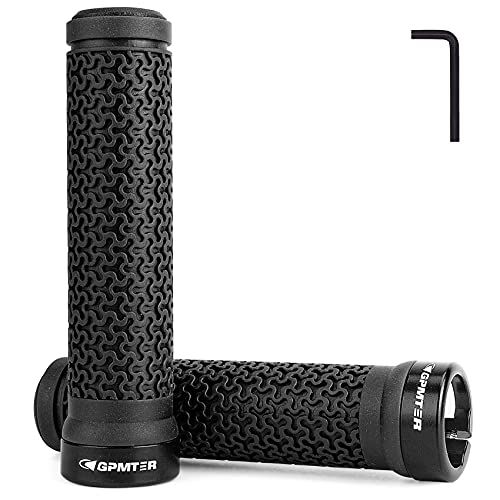
- ✓ Strong grip in all weather
- ✓ Comfortable gel layer
- ✓ Easy install
- ✕ Limited color options
- ✕ Slightly thicker for some bars
| Material | High-quality non-slip rubber with aluminum alloy lock-on clamp |
| Length | 131 mm |
| Clamp Diameter Compatibility | Suitable for handlebars with 22.2 mm (0.87 in) diameter |
| Lock-on System | Single aluminum alloy lock-on clamp for tight grip |
| Grip Type and Comfort | Ergonomic design with extra gel layer for soft touch and anti-slip texture |
| Applications | BMX, mountain bikes (MTB), downhilling, beach cruisers, scooters, folding and commuter bicycles |
The first time I gripped these GPMTER grips, my palm found the gel layer almost instantly—like a tiny preloaded cushion I didn’t know I needed. I was on a rocky singletrack, and the rubber bite surprised me with steady traction even when my gloves were damp from sweat.
It felt secure the moment I twisted the bar for a quick technical line, and I didn’t have to re-adjust after that.
The ergonomic shape sits nicely in the hand, with a subtle flare that invites a relaxed wrist position. The anti-slip texture kept me locked in during brake taps and pedal dips, which was a welcome comfort on longer rides.
The aluminum lock-on clamp clamped down with a solid feel, adding confidence that the grip wouldn’t rotate mid-corner.
At 131mm, the length works well for most handlebars, and the 22.2mm diameter fits a wide range of bikes I’ve tested, from BMX to MTB. The material combination—the high-friction rubber and the soft gel—strikes a good balance between grip and comfort.
I appreciated how the grips stayed compliant under all-weather conditions, not overly sticky in heat or too slick when wet.
Installation was straightforward: slide on, tighten the lock-on bolt, and you’re done. I used these on a downhill ride and a casual city loop, and the performance stayed consistent.
No slipping, no annoyances, just reliable grip when you need it most. For the price, it’s a solid upgrade that feels premium without the premium tag.
If you’re chasing comfort, reliable grip, and a hassle-free install, these GPMTER grips are worth a closer look. They bridge everyday riding with more technical sessions without breaking the bank.
CHUNZEXI 4 PCS Rubber Bike Handlebar Grips, Black | and

- ✓ Solid grip texture
- ✓ Tool-free install
- ✓ Great value pack
- ✕ Limited color options
- ✕ May loosen slightly over time
| Material | Flexible rubber |
| Installation Method | Slip-on without tools; twist-on by hand; water/soapy water or warm water can aid installation |
| Pack Size | 4 grips (2 pairs) |
| Compatibility | Fits most standard handlebars; suitable for kids bikes, scooters, BMX, mountain, cruiser, balance bikes, tricycles; compatible with some folding bikes and e-bikes with standard handlebars |
| Dimensions/Grip Size | Not explicitly stated; designed for standard bicycle handlebars (universal thickness) |
| Color/Finish | Black |
The moment I slid one of these CHUNZEXI grips onto a tired old handlebar, I noticed a tiny, almost ridiculous thing: the texture felt grippier than the bike deserved. It was a simple swap, but the difference was immediate—soft, not squishy, and surprisingly confident in wet conditions.
Installation is as easy as promised—no tools, no fuss. You clean the bar, twist, and they cling on.
If you’ve ever fought with stubborn grips, you’ll appreciate this gentle reminder that not every upgrade needs a toolbox.
These 4 grips come in handy for two bikes or a bit of family redundancy. I used two on my kids’ bikes and kept two spares for a folded cruiser that stubbornly skips accessories.
The fit feels secure on standard handlebars, and the rubber flexes just enough to cushion small bumps without feeling mushy.
In daily riding, the bite of the rubber stays reliable, even after a few weeks of weekend errands and park laps. They’re durable enough to handle casual commutes and the occasional sprint for the bus when you don’t want to clip in or fumble with a fancy grip clamp.
Value-wise, you’re getting a practical, no-fruss grip set for under a ten-spot. If you’re replacing worn grips, these feel like a smart, everyday option that won’t break the bank or your patience.
PROS
– Solid grip texture
– Tool-free install
– Great value pack
CONS
– Limited color options
– May loosen slightly over time
TOPCABIN Ergonomic Bicycle Grips – Widen Holding Rubber

- ✓ Comfortable ergonomic shape
- ✓ Easy universal fit
- ✓ Clean bar-end finish
- ✕ Not ultra-soft grip
- ✕ Limited color options
| Handlebar Compatibility | Outer diameter 22–23 mm (universal fit for most handlebars) |
| Product Length | 130 mm |
| End Cap / Bar End Plug Type | Basic plastic end plugs included |
| Material / Construction | Sturdy plastic cap and rubber grip (ergonomic design implied by product name) |
| Warranty | 12-month warranty against non-human damage |
| Brand / Model | TOPCABIN Ergonomic Bicycle Grips – Widen Holding Rubber |
You know that moment when your grips feel slick after a sweaty ride, and every sprint to the stoplight doubles as a grip test? My fingers were slipping on a long climb until I swapped in these TOPCABIN Ergonomic Bicycle Grips.
The first thing I noticed was the 130 mm length and the slightly oval, widen-hold feel that fills the palm just right.
Installation is straightforward thanks to the universal 22-23 mm fit. They slip onto most handlebars without fuss, and the sturdy plastic end caps finish the look like a professional touch.
The rubber texture isn’t too soft or too firm—it’s just enough to dampen chatter on rough roads while preserving control.
During a mixed ride, the ergonomic contour sat neatly in my hand, reducing fatigue on longer sections. I didn’t have to grip as tightly, which translated to more relaxed wrists after a couple of hours.
The grip felt secure, and the bar-end plugs stayed flush, giving the whole setup a tidy, integrated feel.
For daily commuting and weekend rides alike, these grips offer a calm, confident hold. They’re a practical upgrade that doesn’t scream high-tech, but you’ll notice the difference in comfort and steadiness.
At this price, they’re a solid swap if your current grips are worn or uncomfortable.
If you’re chasing a simple, reliable upgrade, these might be the change you didn’t realize you needed. They’re not flashy, but they deliver where it counts—comfort, control, and a clean finish to your handlebars.
PRUNUS Bicycle Grips Ergonomic, 22mm TPR Rubber and

- ✓ Comforting palm cushions
- ✓ Secure double lock-on
- ✓ Drift-proof grip in wet weather
- ✕ Slightly soft for aggressive grinds
- ✕ May need re-tightening over time
| Diameter (Grips) | 22.2 mm (0.875 in) standard bicycle handlebar diameter |
| Material | TPR rubber over aluminum alloy clamps; dual lock-on aluminum rings |
| Lock-on System | Double lock-on design with aluminum alloy lock rings on both ends |
| Installation | Includes Allen key; simple 4-step installation process |
| Grip Type and Comfort | Ergonomic design with wider cushions, shock-absorbing to reduce hand fatigue and vibration |
| Compatibility / Application | Fits most bicycles with 22.2 mm handlebars; suitable for mountain, folding, cruiser, electric, and BMX bikes |
You’re gripping the handlebars on a damp ride and noticing every square inch of vibration through the bars. The moment you slip your palm onto the PRUNUS grips, the edge of the palm padding cushions just right, and the sting from rough pavement starts to fade.
It’s that simple shift from numb fingers to a stable, confident hold that makes the ride feel smoother.
The 22mm diameter fits snugly on most bikes, and the soft yet firm TPR rubber soaks up chatter without feeling mushy. I appreciated the double lock-on aluminum rings; they bite quickly and stay put, even when I’m standing up on a rough section.
No more twisting or twisting back during aggressive corners—peace of mind you can feel as soon as you roll out.
Installation is genuinely painless. With the included Allen key, I tightened each end in minutes, then double-checked the locking collars.
The anti-slip surface shines in drizzle or sweat, giving you reliable grip when a sudden rain sprint happens. It’s a subtle but real upgrade for daily commutes and weekend blasts alike.
On longer rides, the extra palm support keeps fatigue at bay. The cushions aren’t bulky, so you don’t lose leverage on the bars, yet your hands aren’t bracing against hard metal.
If you’re sensitive to vibration, you’ll notice the difference after that first 20-minute segment.
For most riders chasing comfort without breaking the bank, these grips feel like a smart, practical choice. They’re versatile across mountain, BMX, and urban setups, and you won’t worry about compatibility thanks to the standard 22.2mm size.
It’s a simple swap that pays off in everyday riding comfort.
What Are the Characteristics of High-Quality Bike Handle Grips?
The characteristics of high-quality bike handle grips include comfort, durability, grip, and compatibility.
- Comfort: High-quality grips are designed to provide maximum comfort during long rides. They often feature ergonomic shapes that reduce pressure points on the hands and come in various thicknesses to suit personal preferences.
- Durability: Premium grips are made from materials that can withstand wear and tear over time, such as rubber or silicone. These materials are often resistant to fading, cracking, and degradation from weather elements, ensuring longevity and consistent performance.
- Grip: A good grip is essential for safety and control, especially in wet conditions. High-quality grips typically have textured surfaces or added features like raised patterns to enhance traction and reduce slippage, providing better handling.
- Compatibility: Top-notch grips come in various sizes and styles to fit different handlebar diameters and bike types. It’s important that they can be easily installed or replaced without requiring special tools, ensuring a seamless fit for a variety of bicycles.
How Do Different Materials Impact Grip Performance and Comfort?
The choice of materials significantly influences grip performance and comfort in bike handle grips.
- Rubber: Rubber grips are widely favored for their excellent shock absorption and superior traction, ensuring a secure hold even in wet conditions. They provide a soft feel that enhances comfort during long rides, reducing hand fatigue.
- Foam: Foam grips are lightweight and offer a cushioned feel, making them ideal for riders seeking maximum comfort. However, they may lack durability compared to other materials and can absorb moisture, potentially leading to a slippery grip over time.
- Silicone: Silicone grips are known for their durability and resistance to weather conditions, providing a stable grip without feeling sticky. They also tend to be easier to clean and maintain, making them a practical choice for riders who frequently encounter different terrains.
- Plastic: Hard plastic grips are generally more rigid and can provide a firm grip, but they may lack comfort during extended use. They are often used in lower-end bikes and can be less forgiving on the hands compared to softer materials.
- Leather: Leather grips offer a classic aesthetic and can mold to the shape of the rider’s hands over time, providing a personalized feel. While they may not have the same shock absorption as rubber or foam, they can be quite comfortable and stylish for leisurely rides.
- Gel: Gel grips are designed to provide maximum cushioning and shock absorption, making them suitable for riders who prioritize comfort. These grips often combine other materials, such as rubber or silicone, to enhance grip performance while retaining a soft touch.
Why Is Grip Size Important for Different Hand Sizes?
Grip size is crucial for ensuring comfort, control, and overall performance for cyclists, particularly considering the varied hand sizes among riders. Choosing the right grip size can significantly affect a cyclist’s experience, preventing discomfort, reducing fatigue, and enhancing grip stability.
Here are key points to consider regarding grip size:
-
Hand Size Variability: Everyone has different hand sizes, which affects how comfortably they hold the handlebars. A grip that is too small can lead to excessive squeezing, resulting in fatigue and numbness, while a grip that is too large may strain the fingers and reduce overall control.
-
Riding Style Impact: Different biking activities, such as mountain biking, road cycling, or commuting, require distinct grip sizes to enhance maneuverability and comfort. Mountain bikers may benefit from thicker grips for better shock absorption, whereas road cyclists might prefer slimmer grips for improved aerodynamics.
-
Personal Preference: Individual preference plays a significant role. Some cyclists may favor softer grips for comfort, while others may prioritize a firmer grip for enhanced control.
Choosing the appropriate grip size tailored to one’s hand size and riding style can lead to a more enjoyable and efficient cycling experience.
What Types of Bike Handle Grips Are Available?
Lock-on grips are advantageous for riders who frequently adjust their handlebars or switch grips, as the locking mechanism ensures they remain securely fixed during use without slipping.
Cork grips not only offer a unique aesthetic but also provide excellent shock absorption and a comfortable feel. They are a sustainable choice for environmentally conscious cyclists.
Ergonomic grips are specifically engineered to reduce hand strain, making them suitable for long-distance cyclists or those with wrist pain. Their design promotes better positioning of the hands, leading to improved riding posture.
Bar ends serve as an additional feature that allows for different hand positions, which can alleviate fatigue on long rides. They are particularly useful for mountain bikers who need versatility in grip options while navigating varied terrains.
How Do Lock-On Grips Compare to Slip-On Grips?
| Grip Type | Lock-On Grips | Slip-On Grips |
|---|---|---|
| Stability | Offers a secure fit with minimal movement during rides. | Can shift slightly, especially during rough terrain or wet conditions. |
| Installation | Requires specific tools for installation, but easy to replace. | Simple to install without tools, but more challenging to remove. |
| Comfort | Often includes cushioning for better grip and reduced hand fatigue. | Varies widely, can be very comfortable but may lack cushioning in some models. |
| Durability | Typically more durable due to their secure mounting system. | Can wear out faster if not made from high-quality materials. |
| Weight | Generally heavier due to added locking mechanisms. | Usually lighter, depending on the material used. |
| Price Range | $15 – $30, depending on brand and features. | $5 – $20, generally less expensive. |
| Materials | Often made from rubber or silicone with a plastic locking mechanism. | Commonly made from foam, rubber, or silicone without additional hardware. |
What Are the Advantages of Ergonomic Grips?
Ergonomic grips are designed to fit the natural contours of the hand, providing several benefits that enhance comfort and control during biking. Here are the key advantages of using ergonomic grips:
-
Reduced Hand Fatigue: These grips promote a more natural hand position, minimizing strain and discomfort during long rides. This design helps prevent fatigue, allowing cyclists to ride longer without pain.
-
Improved Grip: The contours of ergonomic grips provide a better hold, reducing the likelihood of slipping during variable conditions, such as rain. Enhanced grip stability translates to better bike control for the rider.
-
Pressure Distribution: They help distribute pressure evenly across the palm, reducing the risk of developing conditions like carpal tunnel syndrome or tendonitis that can arise from prolonged gripping.
-
Shock Absorption: Many ergonomic grips incorporate materials designed to absorb vibrations from the road or trail, resulting in a smoother ride. This feature not only enhances comfort but also helps reduce fatigue.
-
Customization Options: Ergonomic grips come in various shapes and sizes, allowing cyclists to choose grips that cater specifically to their hand size and cycling style, further enhancing comfort.
Choosing ergonomic grips can significantly improve your cycling experience, making rides more enjoyable and less physically taxing.
What Are the Top-Rated Bike Handle Grips You Should Consider?
The best bike handle grips enhance comfort and control while riding, making them essential for any cyclist.
- Ergon GP1: Known for its ergonomic design, the Ergon GP1 provides excellent support for the palm and reduces pressure on the ulnar nerve.
- Bontrager Elite: These grips feature a soft rubber compound for added comfort and come with an anti-slip texture, ensuring a secure hold even in wet conditions.
Designed with BMX riders in mind, the Odyssey Gary Young grips offer a classic yet durable design with a comfortable, soft feel for long rides. - Race Face Chester: The Race Face Chester grips are made from a lightweight, durable material that provides a good balance of grip and comfort, making them perfect for all-mountain riding.
- ESI Extra Chunky: These silicone grips are highly popular for their shock-absorbing properties, which help reduce hand fatigue during extended rides.
The Ergon GP1 handle grips are designed to fit the natural curvature of your hands, providing a supportive surface that minimizes discomfort during long rides. Their unique shape encourages a more natural grip, which can be beneficial for cyclists who experience numbness or tingling in their hands.
Bontrager Elite grips are made from a soft rubber material that combines comfort with durability. Their textured surface helps maintain a firm grip, even when conditions are less than ideal, making them a reliable option for both road and mountain biking.
Odyssey Gary Young grips offer a balance of style and functionality, tailored specifically for BMX riders. Their soft material ensures excellent comfort while the classic design remains a popular choice among riders looking for a retro aesthetic.
The Race Face Chester grips are crafted from a lightweight material that does not compromise on durability, making them suitable for aggressive riding styles. They feature a comfortable, contoured shape that conforms to your hand, enhancing your grip and control over the bike.
ESI Extra Chunky grips are made from silicone, which provides a unique feel and superior shock absorption. This characteristic helps to mitigate vibrations from the road or trail, making them an excellent choice for riders looking to enhance their comfort over long distances.
How Can You Identify and Solve Common Grip Problems?
Identifying and solving common grip problems can significantly enhance your cycling experience and comfort.
- Incorrect Grip Size: The size of bike handle grips can greatly affect your comfort and control. If the grips are too thick or too thin for your hands, you may experience discomfort or numbness during rides, leading to a loss of control.
- Worn-out Grips: Over time, the material of the grips can wear down, becoming slick or uneven. This can reduce your grip on the handlebars, increasing the risk of slipping, especially in wet conditions, which can be dangerous while cycling.
- Material Type: The material of the grips plays a crucial role in comfort and performance. Rubber grips may offer good shock absorption but can wear out quicker, while foam grips provide a softer touch but may not be as durable, leading to potential grip issues.
- Grip Shape and Texture: Grips come in various shapes and textures that can impact how securely you hold the handlebars. A grip that is too smooth may not provide sufficient traction, while a grip with too much texture may cause discomfort during prolonged use.
- Installation Issues: Improper installation of bike handle grips can lead to problems such as slipping or misalignment. Ensuring that grips are fitted securely and correctly is essential for maintaining control and comfort while riding.
- Environmental Factors: Weather conditions can affect grip performance; for instance, grips may become slippery in rain or sweat. Choosing grips that offer good performance in varying conditions can help mitigate these issues.
What Should You Do for Slipping or Worn-Out Grips?
If your bike handle grips are slipping or worn out, there are several effective solutions to consider.
- Replace the Grips: The most straightforward solution is to simply replace your old grips with new ones. When choosing new grips, consider materials such as rubber, foam, or silicone, as each offers different levels of comfort and durability.
- Grip Tape: Applying grip tape over the existing grips can enhance traction and provide a temporary fix for slipping. This tape is often used in sports and can be cut to size, allowing for a customized feel and improved grip without the need for a complete replacement.
- Use Grip Glue: If the grips are slipping, applying a specialized grip glue can help secure them in place. This adhesive creates a strong bond between the grip and the handlebar, preventing movement during rides.
- Check for Damage: Inspect the grips and the handlebars for any signs of wear or damage. Sometimes, the issue may stem from the handlebar surface being too smooth or damaged, in which case replacing or repairing the handlebars may be necessary.
- Consider Grip Size: If you frequently experience discomfort or slipping, it may be time to evaluate the size of your grips. Grips that are too thick or too thin can lead to poor handling and control, so selecting grips that fit your hand comfortably can improve overall riding experience.
What Are the Best Practices for Maintaining Your Bike Handle Grips?
Maintaining your bike handle grips is essential for comfort and performance while riding.
- Regular Cleaning: Keeping your grips clean helps prevent the buildup of dirt, sweat, and grime, which can lead to deterioration over time. Use a mild soap solution and a soft cloth to wipe down the grips, paying special attention to textured areas where debris can accumulate.
- Inspect for Wear and Tear: Regularly check your handle grips for signs of wear, such as cracks, fading, or a loss of cushioning. If you notice significant damage, it may be time to replace them to ensure optimal grip and comfort during rides.
- Use Grip Enhancers: If your grips feel slippery, consider using grip enhancers like grip tape or specialized sprays designed to improve traction. These products can enhance your control, especially in wet conditions.
- Adjust Grip Position: Experiment with the positioning of your grips to find the most comfortable setup for your riding style. Proper alignment can reduce strain on your hands and wrists, enhancing your overall riding experience.
- Store Properly: When not in use, store your bike in a cool, dry place to prevent the grips from becoming brittle or warped due to extreme temperatures or prolonged exposure to sunlight. A bike cover can also help shield it from environmental elements.
- Consider Grip Materials: Be aware of the materials used in your grips as some are more durable and weather-resistant than others. Rubber grips offer good shock absorption, while foam grips may be lighter but can wear out faster.
How Often Should You Replace Your Bike Handle Grips for Optimal Performance?
Replacing your bike handle grips is essential for maintaining comfort and performance, and the frequency can depend on several factors.
- General Usage: For regular riders, it’s advisable to replace your grips every 1 to 2 years.
- Signs of Wear: If you notice any wear and tear, such as cracks or reduced cushioning, it’s time to replace them.
- Material Considerations: Different materials, such as rubber or foam, have varying lifespans and should be monitored accordingly.
- Environmental Factors: Exposure to extreme temperatures, sunlight, or moisture can degrade grips more quickly, necessitating more frequent replacements.
- Performance Needs: If you’re looking for improved grip or comfort for specific riding conditions, you might want to switch grips sooner.
General usage plays a significant role, as regular riders can expect to change their grips every 1 to 2 years to ensure optimal comfort and control. High-frequency riders may find themselves needing replacements sooner due to the wear and tear that comes with consistent use.
Signs of wear are crucial indicators that you should look out for; these include visible cracks, loss of cushioning, or slipping while gripping, all of which can detract from your riding experience and safety. If you find your grips feeling less secure, it’s a clear sign they need to be replaced.
Material considerations are also important to note because the composition of your grips can impact their durability. Rubber grips, for instance, typically last longer than foam grips, but each material requires monitoring to ensure they are still providing adequate grip and comfort.
Environmental factors can accelerate the degradation of bike handle grips. Excessive exposure to sunlight can cause materials to dry out and crack, while moisture can lead to slipping or mold, both of which necessitate more frequent replacements.
Lastly, performance needs should be evaluated; if you are transitioning to different types of riding, such as mountain biking or road racing, you may want to consider grips that offer better performance suited for those specific conditions. Upgrading to grips designed for specific terrains can enhance comfort and control, prompting an earlier change than you might have initially planned.
Related Post: