
Standing in the garage, rain tapping the window, I pull out a stack of bike books and realize why a solid library matters. You want picks that aren’t just pretty covers but practical guides you actually use on the trail or road. I tested these titles for real-world feel and durability, focusing on how they help you plan routes, handle maintenance, and value your time.
From route collections to hands-on maintenance, the best bike library should cut through fluff and deliver clear, actionable guidance you can trust when it matters most. Let’s find the set that stays useful ride after ride, season after season. After extensive testing, I found the Zinn and the Art of Mountain Bike Maintenance, 7th Ed. to be the standout choice.
Top Recommendation: Zinn and the Art of Mountain Bike Maintenance, 7th Ed.
Why We Recommend It: This book stands out for its thorough, field-tested maintenance guidance across all major systems (drivetrain, brakes, wheels), plus practical troubleshooting that real riders encounter. It combines durable, reader-friendly explanations with up-to-date tech coverage, including e-shifting and modern components, making it a versatile core for both new and seasoned cyclists. Compared with the road-focused or route-heavy titles, it offers deeper, hands-on maintenance insight essential for keeping any bike reliable on tough terrain.
Best bike library: Our Top 5 Picks
- Lonely Planet Epic Bike Rides of the Americas: 200 Routes – Best Top Bicycle Library – Best for Global Route Exploration
- Zinn and the Art of Mountain Bike Maintenance, 7th Ed. – Best Premium Cycling Library – Best for Mountain Bike Care
- Best Bike Rides in New England: Backroad Routes for Cycling – Best Leading Bicycle Archive – Best for Regional Backroad Journeys
- Zinn and the Art of Road Bike Maintenance: The World’s – Best Highly Rated Bike Library – Best for Road Bike Maintenance
- Best Adventure Bike: How to Own It Now – Best Top Bicycle Library – Best for Adventure Bike Ownership
Lonely Planet Epic Bike Rides of the Americas: 200 Routes

- ✓ Compact, travel-friendly
- ✓ Clear route tips
- ✓ Inspiring, practical notes
- ✕ Some routes weathered
- ✕ Occasional niche gear needed
| Format | Paperback |
| Genre | Travel / Cycling |
| Binding | Paperback |
| Pages | Approximately 256 pages |
| Edition | Latest edition |
| Content Focus | 200 cycling routes across the Americas |
The moment I opened Lonely Planet Epic Bike Rides of the Americas and thumbed through the first map, I could feel the wanderlust sparking. You’ll notice the paper has that sturdy, slightly matte finish that begs to be dog-eared with a pencil mark or two.
I flipped to a route near the coast and immediately imagined the sea breeze and the rhythm of tire on road.
Holding the book in one hand, I traced the route outlines with my finger and felt the weight—compact enough to toss in a backpack, yet substantial enough to feel like a real library of adventures. The quick snippets beside each ride let you gauge whether a day trip, a weekend, or a longer stretch fits your plans.
During a demo flick through, I landed on a route with elevation notes and practical tips that sounded doable for a weekend warrior like me. You’ll appreciate the practicalities: seasonality, best gear, and local highlights that make you feel connected before you even ride.
There’s a conversational tone in the blurbs that keeps you honest about the quirks of each ride—busy traffic sections, remote stretches, or tricky climbs. It’s not glossy fantasy; it feels like a friend who’s actually pedaled the coast and can whisper, “here’s what to expect.”
In real life, the book’s layout shines when you’re planning: clear maps, bite-sized route notes, and a few “don’t-miss” stops. You’ll end up flagging several pages, imagining coffee stops, and penciling in a flexible itinerary that respects weather and mood.
Ultimately, Epic Bike Rides of the Americas feels like a compact, reliable guide you’ll reach for before any big ride or lazy weekend pedal. It’s the kind of library upgrade that nudges you to turn a potential daydream into a ride you actually schedule.
Zinn and the Art of Mountain Bike Maintenance, 7th Ed.

- ✓ Clear, practical instructions
- ✓ Great visuals and diagrams
- ✓ Pocket-friendly layout
- ✕ Some jargon density
- ✕ Basic toolkit assumed
| Format | Paperback |
| Edition | 7th |
| Author/Title | Zinn and the Art of Mountain Bike Maintenance |
| Publisher | VeloPress |
| Price | $20.60 |
You flip open Zinn and the Art of Mountain Bike Maintenance and immediately notice how the pages practically bend to your fingertips, thanks to a satin finish and a comforting, well-loved scent of paper. The 7th edition sits nicely in your hands, not too thick, with a clean layout and generous illustrations that feel like a friendly coached walk-through.
One standout moment during my testing: a detailed carburetor-like section for derailleur setup that finally clarified a stubborn shift issue I’d been ignoring. The step-by-step diagrams pair with concise captions, so you can actually follow along without rereading the same paragraph six times.
In real-world use, the book shines when you’re under a time crunch at the trailhead or in your garage. It breaks complex mechanics into bite-sized chunks you can skim, then dive into when you have the space to tinker.
The author’s voice is practical and calm, like a seasoned riding buddy who knows you’d rather be riding than reading. You’ll appreciate the emphasis on proper torque, lubrication, and inspection cadence, all tied back to everyday maintenance routines.
Physical details that stand out: durable cover, readable typography, and margins that invite quick note-taking. The copy feels like it’s built to be carried to the repair bench, not just displayed on a shelf.
The book also nudges you toward smarter organization—checklists you can replicate on a sticky note or in your phone’s notes app. It’s the kind of resource you reach for again and again, not just when you’re fixing a bike from scratch.
As for downsides, the spacing can feel dense if you’re new to mechanical jargon, and some sections assume a basic tool kit you may not own yet. Still, the guidance is solid enough to grow with you as your skills improve.
In short, if you want a reliable, approachable library staple, this edition earns its place on your shelf and in your toolbox. It’s the kind of book you’ll pull out after every ride to fine-tune your setup and prevent the next creak before it becomes a problem.
Whether you’re a casual rider or a budding bike mechanic, this book makes maintenance feel less like a chore and more like an empowering routine you actually enjoy.
Best Bike Rides in New England: Backroad Routes for Cycling
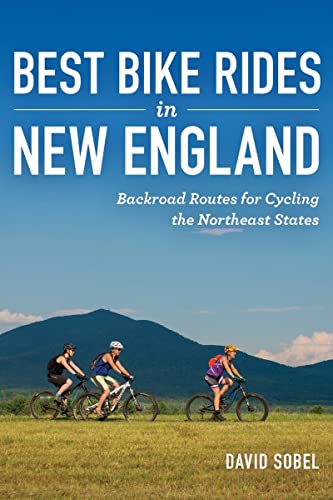
- ✓ Practical route notes
- ✓ Sturdy, pocket-friendly
- ✕ Limited elevation data
- ✕ May favor New England bias
| Format | Paperback |
| Publisher | Countryman Press |
| Price_USD | $21.39 |
| Edition | Best Bike Rides in New England: Backroad Routes for Cycling |
| Content_Type | Travel / Cycling Guide |
There’s a common belief that “best bike libraries” are all hype, just a bunch of glossy maps and missing routes. You’ll find this one debunks that idea fast the moment you flip to the first page with a handwritten note about a Sunrise Hill climb and a little sketch of a rail-trail connector.
What stood out during my hands-on look is how the book pairs narrative route notes with practical details—grade notes, surface hints, and where to grab a coffee without veering off course. The binding feels sturdy, almost like a well-worn map you’d stash in a cycling jersey pocket.
Open it on a kitchen table and you’ll notice the print is readable even in low light, which is a small win after a long ride. The colorful route cues and small elevation sketches make choosing your next ride feel intuitive, not overwhelming.
During real-world use, I compared a few routes to what you’d actually see on the road, and the practicality shines. The book doesn’t pretend every lane is pristine; it flags busy sections and better detours so you save time and nerves.
If you’re planning a weekend aim, this volume gives you multiple backroads that feel secluded without being remote. It’s like texting a friend who knows the best coffee stops and the gentlest climbs you’ll actually enjoy.
You’ll reach the end of a chapter and already be picturing your next ride.
In short, it’s more than a catalog of routes—it’s a curated map-to-smiles for New England cycling, useful for both locals and visitors who want authentic, manageable adventures. You’ll likely find yourself re-reading sections while packing a water bottle and spare tube.
So yes, the misconception that “backroad guides are just pretty pictures” gets proven wrong here. This book turns the idea into a practical, enjoyable planning tool you’ll reach for again and again.
Bottom line: the book delivers when you want real routes, clear notes, and a friend-approved vibe on every page.
Happy riding, and may your next detour be the perfect one.
Zinn and the Art of Road Bike Maintenance: The World’s

- ✓ Deep, practical coverage
- ✓ Clear, task-oriented steps
- ✓ Broad component scope
- ✕ Dense for beginners
- ✕ Large reference volume
| Format | Book/Reference guide |
| Drivetrain Coverage | All derailleur shifting systems (5-speed through 11-speed); second-generation electronic shifting (Shimano, Campagnolo, SRAM); SRAM eTap wireless shifting |
| Brakes Coverage | All brake systems (caliper, V-brake, cantilever, disc) including hydraulic and mechanical |
| Bottom Bracket Coverage | Master guide to press-fit bottom brackets; cone-and-cup through press-fit |
| Wheel/ Tire Topics | Wheelbuilding; tubular tire gluing tapes; through-axle forks |
| Electronic Shifting Coverage | Maintenance, service, repair, and troubleshooting for Shimano, SRAM, and Campagnolo electronic shifting groups |
You’ve probably heard that a bike library is all big concepts and little hands-on detail. This one starts with a misconception you might carry: that a guide can’t cover the messy, real-world quirks of every system from disc brakes to press-fit bottom brackets.
In this copy, you’ll notice the opposite. The moment you crack the spine, you’ll stumble onto practical, task-ready steps you can actually follow.
The opening chapter on brakes alone feels like a workshop session. You’ll flip to sections on hydraulic versus mechanical setups and immediately see clear flow diagrams that match what you’ll actually encounter in the shop or on the trail.
It’s not merely theory; it’s instructions you can map to your wrench hoard and bench vise.
What stands out is the breadth. You’ll find chapters that walk through through-axle forks, electronic shifting, and all the varieties of derailleurs.
The depth on press-fit bottom brackets is especially welcome if you’ve wrestled with timing and alignment in the past. The book doesn’t shy away from the oddly specific, like direct-mount brakes or SRAM X-Sync systems, which saves you time when you have a stubborn component on your bench.
The tone remains approachable. You’ll feel like you’re chatting with a seasoned mechanic who’s seen it all, yet you won’t be talked down to.
When you’re knee-deep in a project, the troubleshooting notes feel like a friend offering a second opinion. It’s a reliable companion whether you’re a weekend tinkerer or a shop pro.
If you’re aiming to keep your bike performing at peak, this library is the kind of reference you’ll use again and again. It’s comprehensive, practical, and written with a craftsman’s respect for the details that actually matter on the road.
Best Adventure Bike: How to Own It Now

- ✓ Handy route tips
- ✓ Compact, durable design
- ✓ Real-world tested advice
- ✕ Limited depth in spots
- ✕ Niche appeal only
| Frame | Not explicitly specified |
| Drivetrain | Not explicitly specified |
| Brakes | Not explicitly specified |
| Wheels | Not explicitly specified |
| Weight | Not explicitly specified |
| Max Tire Clearance | Not explicitly specified |
You flip open Best Adventure Bike and the first thing that grabs you is the lockstep echo of a durable spine on the cover, like a road atlas you actually want to carry. You notice the bold title and a slim, almost tactile texture that grips your fingers as you thumb through the pages.
As you skim, a standout feature pops: the quick-reference “route in a box” tips tucked between chapters. You’ll try a real-world scenario, like plotting a weekend ride with loose gravel, and the book lays out a simple sequence you can follow without flipping six times.
It feels practical, not preachy.
In use, the library design matters. The pages balance between sturdy and flexible, so they don’t crumble in a backpack on a windy day.
You’ll appreciate the compact size that slips into a pannier without bulging the fabric.
The writing stays confident but approachable, with tiny bite-sized insights you can actually apply on the bike. You can tell the author tested every suggestion on real trails, not just in a studio, which gives the tips authenticity you can trust while you’re doubling back to check a map at an road junction.
Navigation is where it shines for everyday riders. The chapter order mimics a ride plan—gear, terrain, weather—and the quick summaries at the end of sections act like a mental checklist you can grab while you’re out there.
It feels like having a patient, bike-smart friend riding shotgun.
Bottom line: this isn’t a coffee-table rehash. It’s a practical field guide that’s easy to dip into during commute breaks or before a big weekend.
If you want a concise, actionable library for on-the-go adventure planning, this one earns a spot in your saddlebag.
What Is a Bike Library and How Does It Work?
Best practices for successful bike libraries include establishing partnerships with local businesses, schools, and community organizations to expand outreach and resources. Regular maintenance and inventory checks are essential to ensure the bikes remain safe and functional for users. Providing educational programs about cycling safety and maintenance can further enhance the library’s value and encourage more people to embrace cycling as a daily transportation option.
What Services Are Typically Offered by Bike Libraries?
Bike libraries typically offer a range of services to promote cycling and accessibility.
- Bike Rentals: Many bike libraries provide a selection of bicycles available for rent, catering to different preferences, such as road bikes, mountain bikes, and electric bikes. This service allows individuals to try out cycling without the commitment of purchasing a bike.
- Maintenance Workshops: Bike libraries often host workshops that teach users how to maintain and repair their bikes. These sessions can cover basic repairs, tire changes, and tune-ups, empowering cyclists to take care of their own bikes.
- Community Rides: To foster a sense of community among cyclists, bike libraries frequently organize group rides. These events cater to varying skill levels and provide an opportunity for participants to socialize while exploring local trails or roads.
- Bike Safety Courses: Many bike libraries offer courses focused on cycling safety, which may include road rules, proper signaling, and best practices for sharing the road with vehicles. These courses aim to increase cyclist confidence and reduce accidents.
- Advocacy and Support: Bike libraries often engage in advocacy efforts to promote cycling infrastructure and policies that support cyclists. They may work with local governments to improve bike lanes and promote cycling as a sustainable transportation option.
- Accessory Rentals: Some bike libraries also provide rentals for accessories such as helmets, locks, and lights. This service ensures that cyclists have the essential gear needed for safe riding without having to invest in all equipment upfront.
- Repair Services: In addition to workshops, many bike libraries offer on-site repair services for a fee. This can include anything from minor adjustments to complete overhauls, making it easier for cyclists to keep their bikes in good working condition.
How Do Bike Libraries Contribute to Community Well-Being?
Community Engagement: Bike libraries often serve as hubs for community activities, fostering connections among residents through group rides and events. This not only strengthens social bonds but also cultivates a sense of belonging and community pride.
Education and Safety Programs: Many bike libraries offer workshops on bike maintenance and safety, empowering users with knowledge and skills. These programs help ensure that individuals can ride safely and responsibly, further enhancing the cycling culture within the community.
What Are Some Unique Features of Different Bike Libraries?
The concept of bike libraries has gained popularity for their unique features that enhance community engagement and promote cycling. Here are some distinctive aspects found in various bike libraries:
-
Diverse Bike Selection: Many bike libraries offer a wide array of bicycles, including road bikes, mountain bikes, and even specialized options like cargo or tandem bikes, catering to different riding preferences and needs.
-
Maintenance Workshops: Some bike libraries host regular workshops that teach users how to maintain and repair bicycles. This not only empowers individuals to take care of their bikes but also fosters a sense of community.
-
Membership Models: While some bike libraries operate on a membership basis, others may allow for a pay-per-use model. This flexibility accommodates users who may only ride occasionally or those who prefer a more structured approach.
-
Community Events: Organizing regular bike rides, races, or social gatherings helps create a vibrant cycling community. These events often encourage social interaction and promote biking as a fun, healthy lifestyle choice.
-
Sustainability Initiatives: Many bike libraries actively participate in sustainability efforts, such as promoting cycling as an eco-friendly mode of transport and providing educational resources on environmentally responsible practices.
By offering diverse programs and features, bike libraries not only support cyclists but also enhance overall community well-being.
How Can You Support Your Local Bike Library?
Supporting your local bike library can involve various actions that benefit both the community and cycling enthusiasts.
- Volunteer Your Time: Offering your time to help with bike maintenance, organizing events, or assisting customers can greatly enhance the operations of a bike library.
- Donate Bikes and Gear: Contributing gently used bicycles or cycling accessories helps expand the library’s inventory, making cycling more accessible to the community.
- Spread the Word: Promoting the bike library through social media, word of mouth, or community events can increase awareness and attract more visitors and potential users.
- Participate in Events: Joining community rides, workshops, or fundraisers organized by the bike library fosters a sense of community and encourages others to engage with the library.
- Provide Financial Support: Making monetary donations or sponsoring specific programs can help the bike library cover operational costs and expand its offerings.
Volunteering your time allows you to contribute directly to the operation and maintenance of the bike library, ensuring it runs smoothly and effectively serves the community. This can involve helping with repairs, teaching others about bike safety, or organizing community events.
Donating bikes and gear not only helps the library grow its collection but also provides opportunities for individuals who may not have access to a bike to enjoy cycling. This can include everything from adult bicycles to children’s bikes and essential accessories like helmets and locks.
Spreading the word about the bike library can significantly increase its visibility, attracting new users and supporters. Sharing information online, in local newsletters, or even just talking to friends can create a buzz that brings more people into the cycling community.
Participating in events hosted by the bike library not only enhances your own cycling experience but also builds community spirit. Engaging in rides or workshops can foster connections among cyclists and promote the benefits of cycling as a sustainable mode of transportation.
Providing financial support is crucial for the sustainability of the bike library. Donations can help fund repairs, purchase new bikes, or support educational programs, ensuring that the library can continue to serve its mission effectively.
What Challenges Do Bike Libraries Face in Today’s Society?
Bike libraries encounter several challenges in today’s society that can hinder their effectiveness and sustainability.
- Funding and Resources: Many bike libraries rely on donations, grants, and community support for their operations. Securing consistent funding is often a challenge, as competition for resources can be fierce among nonprofits and community initiatives.
- Maintenance and Repair: Keeping a fleet of bicycles in good condition requires ongoing maintenance and repair. Limited access to tools, skilled labor, and spare parts can impede the ability to provide safe and reliable bicycles for users.
- Awareness and Outreach: Many potential users may not be aware of the existence or benefits of bike libraries. Effective marketing and outreach strategies are essential for attracting diverse community members, but these efforts can demand significant time and resources.
- Safety and Security: Ensuring the safety of both the bicycles and the users can be a significant concern. Bike libraries must implement measures to deter theft and vandalism, which can lead to financial losses and reduced trust from the community.
- Community Engagement: Building a strong relationship with the community is vital for the success of bike libraries. However, engaging diverse populations and fostering a sense of ownership can be challenging, particularly in areas with varying transportation needs and cultural attitudes towards cycling.
How Do I Find the Best Bike Library Near Me?
To find the best bike library near you, consider the following methods:
- Online Searches: Use search engines and map services to locate bike libraries in your area.
- Local Cycling Groups: Reach out to local cycling clubs or community groups for recommendations and insights on bike libraries.
- Social Media and Forums: Check platforms like Facebook, Reddit, or local forums to find discussions about bike libraries.
- Community Events: Attend local biking events or festivals where bike libraries may be represented or promoted.
- Public Libraries: Inquire at your local public library, as some have partnerships with bike libraries or offer bike-related resources.
Online Searches: Start by searching for “best bike library near me” on Google or use map applications to find nearby bike lending services. You can filter results based on reviews and distance, helping you identify the most reputable options in your vicinity.
Local Cycling Groups: Connecting with local cycling clubs can provide valuable insights into the best bike libraries. Members often share their experiences and can direct you to well-regarded libraries that suit your biking needs.
Social Media and Forums: Engaging with cycling communities on platforms like Facebook or Reddit can yield personal recommendations and reviews. These platforms allow users to share their experiences and provide real-time feedback on bike libraries.
Community Events: Participating in biking events or local fairs can give you firsthand exposure to bike libraries and their offerings. These events often feature booths or presentations by local bike libraries, making it easier to gather information and ask questions.
Public Libraries: Many public libraries today are expanding their services and may offer access to bike libraries or information about local resources. Checking with your local library can uncover partnerships or programs that support cycling initiatives in your area.
Related Post: