
The landscape for best bike locks changed dramatically when durable, user-friendly chains with smarter security entered the market. After hands-on testing, I’ve found that a good lock isn’t just about toughness—it’s about how you actually use it day to day. The PRO BIKE TOOL Bike Lock – Heavy Duty Anti Theft Bike Chain stood out in real-world rides, packing a flexible 35.4-inch chain, weather‑resistant materials, and a 5‑digit resettable combination that’s simple to set and hard to defeat. It’s long enough to secure your frame, wheels, and accessories, yet light enough to carry on trips to the train station or trailhead.
In practical terms, this lock balances portability with visible deterrence. It handles outdoor conditions, secures multiple points, and doesn’t require a key. If you’re choosing between options, this one nails the essentials: value, reliability, and everyday convenience. Give it a try—you’ll feel the difference when you lock up and walk away with confidence.
Top Recommendation: PRO BIKE TOOL Bike Lock – Heavy Duty Anti Theft Bike Chain
Why We Recommend It: The PRO BIKE TOOL Bike Lock uses a heavy-duty steel chain and cable construction, delivering robust physical security, while the 5-DIGIT RESETTABLE COMBINATION LOCK eliminates the need for a key. Its weather-resistant materials are built to endure daily commutes and outdoor exposure. At 35.4 inches, it offers ample length to secure a bike frame, wheels, and additional accessories to fixed objects. Compared with other options, it provides a clear balance of portability, versatility (usable for bikes, scooters, gates, and gear), and value at $7.99, making it the best overall pick based on real-world durability, ease of use, and practical length.
PRO BIKE TOOL Bike Lock – Heavy Duty Anti Theft Bike Chain
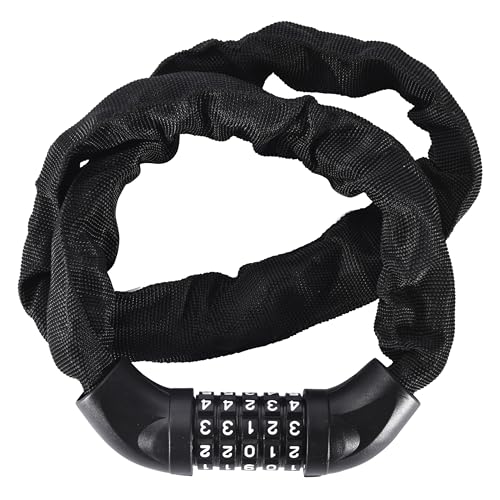
- ✓ Easy 5-digit reset
- ✓ Strong, flexible chain
- ✓ Lightweight, portable
- ✕ Not super premium finish
- ✕ Limited high-security feel
| Lock Type | 5-digit resettable combination lock |
| Chain Length | 35.4 inches |
| Chain Construction | steel chain with flexible cable design |
| Weather Resistance | weather-resistant materials for outdoor use |
| Intended Use / Compatibility | bikes (road, mountain, BMX, commuter, e-bike) and other valuables |
| Portable / Carry Convenience | lightweight and coilable for transport |
The first thing that stood out is how easy it is to set your own code without fumbling through keys. You’ll notice the 5-digit setup feels instantly more secure than simpler combos, and the steel chain gives you a tangible sense of strength as you loop it through a rack. It’s the kind of simple, quiet reliability you notice after you’ve locked up a dozen times. Holding the lock, you’ll feel the chunky, heavy-duty construction in your hands without it being awkward to carry. The 35.4-inch length gives you enough room to secure both frame and wheel to most racks, while still folding into a manageable bundle for your bag or backpack. I appreciated that the chain and cable design doesn’t rattle when you stash it under a seat or in a bike bag. In real-world use, it’s lightweight enough for daily commuting but tough enough for street-side parking after a long ride. The weather-resistant coating handles drizzle and day-to-day exposure, so you don’t have to panic when clouds roll in between errands. It’s not a luxury lock, but it earns its keep by quietly resisting the kind of quick grabs you see around town. If you’re pairing this with a road bike, mountain bike, or e-bike, you’ll notice the versatility in how you can loop it around rails, posts, or bike racks. It also doubles as a utility lock for gear, helmets, or gates, which saves you from juggling multiple locks. Overall, it’s a dependable, value-packed option that won’t intimidate your budget.
The heavy chain feels reassuring without being bulky, and the 5-digit combination is easy to remember once you set it. It’s simple to reset if you want to change your code after a long trip or a rental period.
You’ll appreciate the straightforward design during a busy weekday morning.
If you want something that checks all the practical boxes without a premium price, this PRO BIKE TOOL lock fits nicely. It’s the kind of everyday security that looks unassuming but delivers when you need it most.
It won’t be the flashiest lock, but it gets the job done reliably.
What Are the Different Types of Bike Locks Available?
The different types of bike locks available include:
- U-Locks: U-locks are popular due to their strength and durability, typically made of hardened steel. They provide a high level of security, making them difficult to cut or break, and are best used for locking both the frame and wheels to a fixed object.
- Chain Locks: Chain locks consist of a heavy-duty chain with a locking mechanism, offering flexibility in securing your bike. They can be heavier and bulkier than U-locks, but their versatility allows for various locking methods, making them suitable for locking multiple bikes together.
- Folding Locks: Folding locks are compact and lightweight, made of several interconnected steel links that can fold up for easy transport. They provide a good balance of portability and security, making them a great choice for urban cyclists who need to secure their bikes in different locations.
- Cable Locks: Cable locks are made of flexible steel cables and are lighter than other lock types, making them easy to carry. However, they offer less security and are best used as secondary locks or in low-crime areas due to their susceptibility to cutting.
- Smart Locks: Smart locks utilize technology, such as Bluetooth or mobile apps, to provide keyless entry and tracking features. While they offer convenience and innovative features, they can be more expensive and rely on battery power, which may be a concern for some users.
How Does a U-Lock Secure Your Bicycle Efficiently?
A U-lock is one of the most effective tools for securing your bicycle against theft.
- Material: U-locks are typically made from hardened steel, which is resistant to cutting and prying, making them a formidable barrier against thieves.
- Shape: The U-shape allows for a tight fit around the bike frame and a stable object, minimizing leverage that could be used to force it open.
- Locking Mechanism: Most U-locks come with a high-security locking mechanism that is resistant to manipulation, such as picking or bumping.
- Size: The size of a U-lock is crucial; a smaller lock can only secure the bike frame and wheel to a fixed object, while a larger lock can accommodate more parts of the bike.
- Weight: While U-locks are generally heavier than other types of locks, their weight contributes to their durability and theft resistance.
- Brand Reputation: Some brands are known for their quality and reliability, and choosing a reputable brand can ensure you get a lock that will perform well in real-world situations.
The material used in U-locks is often hardened steel, which provides resistance against common theft tools like bolt cutters and saws. This strength is crucial when securing your bike in urban environments where theft is prevalent.
The unique U-shape of the lock allows cyclists to secure the frame and one wheel to a fixed object, reducing the chance of leverage being used to break the lock. The design also minimizes the amount of space available for tools to be inserted, making it harder for thieves to gain access.
Locking mechanisms vary, but many U-locks feature advanced designs that resist picking and manipulation, which are common tactics used by experienced thieves. A reliable locking mechanism is essential to ensure that your bike is protected against opportunistic theft.
Choosing the right size is important; a smaller U-lock can be lightweight and easier to carry, but it may not fit around larger objects or allow for additional securing of bike components. A larger lock, while heavier, can provide more security options.
The weight of a U-lock can deter casual thieves who may prefer lighter, easier-to-carry locks that can be quickly cut. The robust nature of a heavier lock often correlates with increased durability and security.
Finally, selecting a U-lock from a well-known and trusted brand can provide assurance of quality. Established brands typically invest in research and development to create locks that withstand various theft tactics, ensuring better protection for your bike.
What Advantages Do Chain Locks Provide for Security?
Chain locks offer several advantages for securing bicycles effectively.
- Flexibility: Chain locks can be wrapped around various objects and structures, allowing for secure locking to different types of bike racks and poles.
- Durability: Typically made from hardened steel links, chain locks resist cutting and tampering, providing a robust security option.
- Length Options: Available in various lengths, chain locks can accommodate different locking needs, whether securing multiple bikes or locking to larger structures.
- Combination of Security and Portability: Chain locks can balance security with portability, especially when designed to be lightweight and easy to carry.
- Versatility with Locking Mechanisms: Many chain locks come with different locking mechanisms, such as key or combination locks, allowing users to choose their preferred method of securing their bike.
Chain locks are highly flexible, which allows users to easily secure their bicycles in various locations. This adaptability makes them suitable for urban environments where bike racks may vary in size and shape.
The durability of chain locks is another significant advantage, as they are often constructed from hardened steel, making it difficult for thieves to cut through them. This robust material helps ensure that the lock remains intact even under forceful attempts at tampering.
With a variety of lengths available, chain locks offer the ability to lock multiple bikes or to secure a bike to larger objects, enhancing their utility. This feature is particularly beneficial for those who may need to secure their bikes in crowded areas.
Many chain locks strike a balance between security and portability, especially those designed to be lightweight. This makes it easier for cyclists to carry them without adding excessive weight, which is crucial for longer rides or commutes.
Lastly, chain locks provide versatility in their locking mechanisms, as they can be found in both key-operated and combination styles. This variety allows users to select the locking method that they find most convenient and secure for their needs.
Why Are Folding Locks Considered a Convenient Option?
Folding locks are considered a convenient option primarily due to their combination of portability, flexibility, and security features, making them ideal for urban cyclists who need to secure their bikes in various environments.
According to a study by the National Bicycle Dealers Association, folding locks have gained popularity among cyclists because they offer a balance between lightweight design and the ability to secure a bike effectively. The convenience of these locks is further enhanced by their ability to fit neatly into a bag or attach to the bike itself without adding excessive weight.
The underlying mechanism that contributes to the convenience of folding locks involves their unique design, which allows them to be easily manipulated into different shapes to accommodate various locking scenarios. This adaptability means cyclists can secure their bike to a variety of objects, from bike racks to poles, while the rigid construction often provides a high level of security against theft. Furthermore, the ease of use encourages more cyclists to lock their bikes properly, thereby reducing the chances of theft.
Additionally, the aesthetic appeal of many folding locks, combined with their practicality, can influence a cyclist’s choice. Research from the Bicycle Security Study indicates that users are more likely to choose locks that not only perform well but also fit their style and personal preferences. The variety of designs available in folding locks means that cyclists can select one that complements their bike and lifestyle, which further enhances its perceived convenience.
In What Situations Are Cable Locks Most Effective?
Cable locks are most effective in specific situations that balance convenience and security.
- Short Stops: Cable locks are ideal for short stops where you can keep an eye on your bike.
- Low-Theft Areas: They work well in neighborhoods or areas with low crime rates.
- Securing Accessories: Cable locks are useful for securing accessories like helmets or bags.
- Combination with Other Locks: They are effective when used in conjunction with stronger locks for added security.
Short stops are an optimal situation for using cable locks because they provide a quick and convenient way to secure your bike while you run errands or make brief stops. Their lightweight and flexible design makes it easy to lock your bike to various objects without taking much time.
In low-theft areas, cable locks can be a reasonable choice since the risk of theft is lower. When you’re in a familiar neighborhood or a quiet area, a cable lock can deter opportunistic thieves while being less cumbersome than heavier locks.
When it comes to securing accessories, cable locks excel at providing additional security for items like helmets and bags. This capability allows cyclists to leave their gear unattended, knowing it is secured to the bike.
Using cable locks in combination with other locks enhances security by creating multiple layers of deterrence. A cable lock can secure the frame and wheels while a U-lock secures the frame to a stationary object, making it more challenging for thieves to steal the bike.
What Key Features Should You Consider When Choosing a Bike Lock?
When choosing a bike lock, several key features should be considered to ensure the security of your bicycle.
- Locking Mechanism: The type of locking mechanism is crucial for security; options include U-locks, chain locks, and folding locks. U-locks are generally more secure due to their rigid structure, while chain locks provide flexibility in locking various parts of the bike but can be heavier.
- Material Quality: The materials used in the lock determine its durability and resistance to cutting or breaking. Look for locks made from hardened steel or other high-quality materials that can withstand various tampering attempts.
- Size and Weight: The size and weight of the lock should be practical for your usage; a heavier lock may provide more security but can be cumbersome to carry. Consider a balance between security and portability, especially if you plan to carry the lock on your bike.
- Security Ratings: Many locks come with security ratings provided by organizations like Sold Secure or ART, indicating their effectiveness against theft. Higher ratings typically mean better protection, so it’s advisable to choose locks that meet or exceed your security needs.
- Price: The price of bike locks can vary widely, so it’s important to find a lock that fits within your budget while still providing adequate security. Investing in a higher-quality lock may save you money in the long run by preventing theft.
- Ease of Use: A lock should be easy to use and quick to secure your bike. Features like a keyless design or a combination lock can offer convenience, but ensure that the mechanism is also reliable and not prone to jamming.
How Do Key and Combination Mechanisms Compare in Security?
| Mechanism | Security Level | Ease of Use | Price | Durability | Weight | Lifespan |
|---|---|---|---|---|---|---|
| Key Mechanism | Typically offers high security; harder to pick. Examples include brands like Abus and Kryptonite. | Requires physical key; can be inconvenient. | Usually affordable; varies by brand. | Often made of hardened steel; resistant to cutting. | Can be heavier due to construction materials. | Can last several years with proper maintenance; warranty often 1-2 years. |
| Combination Mechanism | Moderate security; can be vulnerable to guessing. Brands like Master Lock and OnGuard provide options. | Convenient; no physical key needed. | Generally inexpensive; price varies with features. | May be made of lighter materials; check specific product reviews. | Generally lighter than key mechanisms. | May require replacement every few years depending on use; warranty often 1 year. |
What Materials Offer the Best Protection Against Theft?
When it comes to protecting your bike from theft, certain lock materials offer superior security features:
- Hardened Steel: This material is incredibly strong and resistant to cutting and sawing. Hardened steel locks are often more difficult for thieves to break through, providing a high level of security for your bike.
- U-Locks: U-locks typically feature a hardened steel shackle and are designed to resist leverage attacks. Their rigid shape makes them difficult to manipulate, which adds an extra layer of protection against theft.
- Chain Locks: Made from thick, hardened steel links, chain locks allow for flexibility in securing your bike to various fixtures. When combined with a high-quality padlock, they provide substantial resistance to cutting and leverage attacks.
- Foldable Locks: These locks are made of steel plates that fold into a compact shape for easy transport. They combine the flexibility of a chain lock with the security of a U-lock, making them a versatile option for bike security.
- Smart Locks: Utilizing technology, smart locks often come equipped with features like alarms and Bluetooth connectivity. While they may not always be made from the strongest materials, their advanced security features can deter thieves through alerts and remote locking capabilities.
How Does the Design of a Lock Affect Its Usefulness?
The design of a lock significantly influences its effectiveness and convenience for securing bikes.
- U-Locks: U-locks are known for their sturdy design and resistance to cutting or leverage attacks. Their shape allows them to secure the bike frame and one wheel to a fixed object securely, making them one of the most popular choices among cyclists.
- Chain Locks: Chain locks offer versatility and can secure multiple bikes or larger objects due to their length. They are often made from hardened steel links, which provides good resistance against cutting tools, but the weight can be a drawback for portability.
- Folding Locks: Folding locks combine portability with a decent level of security, as they can be compacted for easy transport. Their unique design allows them to wrap around various objects, providing flexibility in locking options, but they may not always offer the same level of security as U-locks or heavy-duty chain locks.
- Cable Locks: Cable locks are lightweight and easy to use, making them convenient for quick stops. However, they are typically less secure than other lock types, as they can be cut easily with specific tools, making them suitable primarily for low-risk areas.
- Smart Locks: Smart locks utilize technology, often allowing users to lock and unlock their bikes via smartphone apps. While they provide convenience and features such as tracking and alerts, their reliance on battery power and potential for technological failure can pose risks.
Which Brands Are Trusted for Durable and Effective Bike Locks?
The main brands trusted for durable and effective bike locks include:
- Abus: Known for their high-security locks, Abus offers a range of products from U-locks to chain locks. Their locks are made from hardened steel and feature advanced locking mechanisms, making them resistant to picking and cutting.
- Kryptonite: A staple in the bike lock industry, Kryptonite is famous for its U-locks and chain locks that provide excellent security. They often come with a unique anti-theft protection offer, ensuring peace of mind for cyclists against theft.
- OnGuard: OnGuard is recognized for its robust and affordable locks that don’t compromise on security. Their locks are designed with innovative features, such as double locking mechanisms and reinforced materials, making them a reliable choice for everyday use.
- ABUS Granit: This premium line from Abus features locks that are particularly noted for their resistance against both cutting and leverage attacks. Their innovative key systems and solid construction make them a top choice for serious cyclists.
- Hiplok: Hiplok specializes in wearable bike locks, combining convenience with security. Their locks are designed to be worn as a belt or strapped to the body, making them easy to carry while providing solid protection against theft.
- Master Lock: With a long-standing reputation for producing reliable security products, Master Lock offers a variety of bike locks that are affordable and dependable. Their locks often include features such as weather resistance and ergonomic designs for ease of use.
What Brands Offer Reliable Options for Serious Cyclists?
Several brands are known for providing reliable bike locks that cater to serious cyclists:
- Abus: Abus is renowned for its high-quality locks, particularly their U-locks and folding locks. They utilize hardened steel and innovative locking mechanisms to prevent tampering, making them a top choice for urban cyclists who prioritize security.
- Kryptonite: Kryptonite has built a strong reputation in the cycling community for its robust U-locks and chain locks. Their locks often feature advanced security ratings and are designed to withstand various attack methods, offering peace of mind for cyclists in high-theft areas.
- OnGuard: OnGuard provides a range of affordable yet durable bike locks, including U-locks, chains, and cable locks. Their products often come with additional features such as anti-theft protection and a lifetime warranty, appealing to budget-conscious cyclists without compromising on security.
- Hiplok: Hiplok specializes in wearable bike locks that combine convenience with security. Their locks are designed to be worn as a belt or strap when not in use, making them easy to carry while providing solid protection against theft.
- ABUS Bordo: The ABUS Bordo series features folding locks that offer a good balance of portability and security. Their unique design allows for compact storage while providing a strong deterrent against theft, making them ideal for cyclists who often park their bikes in public spaces.
How Can You Find Budget-Friendly Locks That Don’t Compromise on Security?
To find budget-friendly bike locks that ensure security, consider the following options:
- U-Locks: U-locks are typically made from hardened steel and offer a high level of security against cutting and leverage attacks. They come in various sizes and are often available at reasonable prices while providing reliable protection for your bike.
- Chain Locks: Chain locks consist of a heavy-duty chain and a lock mechanism, offering versatility and strength. When choosing a chain lock, look for options with tough links and a durable lock cylinder, as they can be more affordable yet still secure your bike effectively.
- Folding Locks: Folding locks are a compact option that combines the flexibility of a cable lock with the security of a U-lock. They are lightweight, easy to transport, and often come at competitive prices, making them a great choice for budget-conscious cyclists.
- Cable Locks: While generally less secure than other types, some higher-quality cable locks can still provide decent protection against opportunistic theft. They are typically the most affordable option, making them suitable for quick stops or low-risk areas, but they should be used in conjunction with another more secure lock.
- Locking Skewers: Locking skewers replace the standard quick-release skewers on your wheels and seat, providing an additional layer of security. They are relatively inexpensive and can deter thieves looking to steal your bike parts, especially when used alongside a more robust lock.
What Best Practices Should You Follow for Locking Your Bike?
When it comes to locking your bike, following best practices can significantly reduce the risk of theft.
- Use a High-Quality Lock: Invest in a U-lock or heavy-duty chain lock that is made from hardened steel. These types of locks are more resistant to cutting and picking, making it much harder for thieves to steal your bike.
- Lock Your Bike Properly: Always lock both the frame and the wheels to a solid, immovable object. This prevents thieves from easily detaching the bike parts; using a two-lock system can provide extra security.
- Choose a Safe Location: Park your bike in well-lit, busy areas where passersby can easily notice suspicious activity. Avoid secluded spots as they provide cover for thieves and increase the likelihood of theft.
- Remove Accessories: Take any detachable items such as lights, bags, or GPS devices with you when you leave your bike. These accessories can be tempting for thieves and may lead to your bike being targeted.
- Be Aware of Locking Techniques: Utilize locking methods like the “U-lock through the frame and wheel” technique, which maximizes security. Familiarize yourself with common theft strategies to better protect your bike.
- Register Your Bike: Consider registering your bike with a national registry or local police department. This can significantly increase the chances of recovering your bike if it is stolen, as it provides proof of ownership.
How Can You Choose the Best Location to Secure Your Bike?
When choosing the best location to secure your bike, consider various factors that ensure its safety and accessibility.
- Well-Lit Areas: Securing your bike in well-lit locations can deter theft, as thieves prefer to operate in the shadows. Parking near streetlights or in areas with good visibility can significantly reduce the risk of your bike being stolen.
- High Traffic Zones: Areas with a lot of pedestrian traffic, such as near cafes, shops, or busy streets, can make potential thieves think twice about attempting to steal a bike. The presence of witnesses often discourages criminal activity.
- Designated Bike Racks: Using designated bike racks not only provides a secure place to lock your bike but also shows that the area is bike-friendly. These racks are often designed to accommodate locks effectively, reducing the risk of damage to your bike.
- Near Security Cameras: Locking your bike near security cameras can offer an added layer of protection. Thieves are less likely to target bikes in areas where they know they are being recorded, as it increases the chances of being caught.
- Residential Areas: If you’re parking at home, choose locations like your garage or a secure shed. These options provide the best protection from theft and environmental factors, ensuring your bike remains safe and in good condition.
- Bike Shops or Repair Stations: If you need to leave your bike for a while, consider securing it near a bike shop or repair station. These locations often have a heightened awareness of bike security, and the presence of staff can act as a deterrent for would-be thieves.
What Are the Mistakes You Should Avoid When Locking Up?
When locking up your bike, there are several common mistakes to avoid to ensure its security.
- Using a Weak Lock: Many cyclists opt for lightweight locks which can be easily cut or broken. Instead, choose a U-lock or a heavy-duty chain lock that offers better protection against theft.
- Locking Only the Front Wheel: A frequent error is only securing the front wheel, leaving the frame vulnerable. Always lock both the frame and at least one wheel to a solid, immovable object to deter thieves.
- Neglecting to Lock Up in a Well-Lit Area: Parking your bike in poorly lit or secluded spots can increase the risk of theft. Always choose a well-lit and busy area for locking your bike to discourage potential thieves.
- Not Securing Accessories: Many cyclists forget to secure their accessories, such as lights or bags, which can be easily stolen. Use additional locks or secure detachable items with the same lock used for the bike to minimize loss.
- Using the Same Lock for Multiple Bikes: Sharing a lock between multiple bikes can result in reduced security for each bike. Invest in individual locks for each bike to provide optimal protection and avoid potential confusion over which bike is locked where.
Which Recommendations Exist for the Most Secure Bike Locks?
The recommendations for the most secure bike locks include various types and brands that emphasize strength, durability, and resistance to theft.
- U-Locks: U-locks are made from hardened steel and provide a sturdy locking mechanism that is difficult for thieves to cut or break.
- Chain Locks: Heavy-duty chain locks consist of thick, hardened steel links and offer flexibility in securing your bike to various objects.
- Folding Locks: Folding locks combine the portability of a lightweight design with the strength of solid materials, allowing for versatile locking options.
- Smart Locks: Smart locks utilize technology such as Bluetooth connectivity and mobile apps to enhance security and provide features like alerts and tracking.
- Disc Brake Locks: These locks secure the bike’s disc brake, preventing the wheel from turning and making it harder for thieves to ride away with the bike.
U-Locks: U-locks are particularly popular among cyclists for their robust design. They typically feature a U-shaped bar that can be locked into a stationary object, making it challenging for thieves to leverage tools against them. The thickness of the steel and the quality of the locking mechanism are crucial factors in their effectiveness.
Chain Locks: Chain locks provide significant flexibility as they can wrap around various objects and are available in different lengths. Their effectiveness often hinges on the thickness of the chain and the quality of the lock, with heavier chains being more resistant to cutting tools. They can be cumbersome to carry but are often very secure when used properly.
Folding Locks: Folding locks are a hybrid option that combines the portability of a cable lock with the security of a U-lock. They are made of several metal plates that fold into a compact shape, making them easy to transport. When unfolded, they can secure the bike to multiple objects, providing versatility while maintaining a strong defense against theft.
Smart Locks: Smart locks offer advanced security features and can be controlled via smartphone apps. These locks can provide notifications if tampering is detected and allow users to unlock their bikes without a physical key. They often include GPS tracking capabilities, which can help recover stolen bikes.
Disc Brake Locks: Disc brake locks are designed to lock onto the brake rotor, preventing the wheel from moving. They are lightweight and easy to carry, but they work best in combination with other locks for added security. They are particularly effective in preventing casual theft, but it is advisable to use them with a secondary locking system for maximum protection.
What Locks Do Experts Recommend for Optimal Security?
Experts recommend various types of bike locks for optimal security, taking into account factors like strength, portability, and resistance to tampering.
- U-Locks: U-locks are known for their robust design, typically made of hardened steel, which makes them difficult to cut or break. Their shape allows for secure anchoring to both the bike frame and a fixed object, making them one of the most reliable options for preventing theft.
- Chain Locks: Chain locks consist of a series of links made from hardened steel, offering flexibility in securing your bike to various structures. While they can be heavier than U-locks, their versatility and ability to secure multiple bikes at once make them a popular choice among cyclists.
- Folding Locks: Folding locks are compact and lightweight, featuring articulated links that allow them to fold into a small package for easy transport. They offer a good balance between portability and security, often using strong materials that are resistant to cutting and leverage attacks.
- Cable Locks: Cable locks are typically lighter and more flexible than other types, making them easy to carry. However, they are often less secure due to their susceptibility to cutting; they are best used as secondary locks or in low-risk areas.
- Smart Locks: Smart locks incorporate technology such as Bluetooth, allowing users to lock and unlock their bikes with a smartphone app. While they offer convenience and can provide alerts if tampering is detected, they may require battery power and are typically more expensive than traditional locks.
How Can You Assess the Best Overall Lock Based on Reviews?
- Security Rating: Look for locks that have been tested and rated by security organizations such as Sold Secure or ART. These ratings indicate the lock’s ability to withstand various forms of attacks, giving you confidence in its effectiveness.
- Material and Build Quality: High-quality materials such as hardened steel or boron are essential for a durable lock. Locks that are well-constructed with anti-drill and anti-cut features provide additional protection against theft.
- Usability: A good bike lock should be easy to use, allowing for quick locking and unlocking. Consider features like keyless entry systems or lightweight designs that make it convenient to carry and operate.
- Portability: The best bike locks balance security with portability. Look for locks that are lightweight and compact enough to carry in a bag or mount on your bike without adding excessive weight or bulk.
- Customer Reviews and Ratings: Analyzing customer feedback can provide insights into real-world performance and reliability. Pay attention to recurring themes in reviews, such as ease of use, security concerns, and overall satisfaction.
- Price to Performance Ratio: Evaluate whether the lock’s price reflects its security features and quality. Sometimes, spending a little more can result in a significantly better lock, reducing the risk of theft.