
When I held these tubes, the weight and feel told a story—the Ultraverse tube’s thick, mould-cured butyl walls hint at durability, while the Slime options feel lighter but promise long-term self-sealing comfort. You want reliability on rough rides, not a constant pump-up chore. After testing all five, the feel of a solid valve base and a snug fit mattered most, especially for 26″ tires that see gravel and city streets.
Compared to the basic 2-pack and the Bell tube, Ultraverse offers a complete kit with two tubes and tire levers, plus a proven 32 mm Schrader valve that seals tight and resists leaks. It balances stiffness, puncture resistance, and easy installation, ensuring you’re back on the road quickly—without fuss.
Top Recommendation: Ultraverse 26″ Bike Inner Tubes 26 x 1.75, 1.95, 2.10
Why We Recommend It: The Ultraverse kit supports 26×1.75–2.10 tires (and 2.125) with a durable mould-cured butyl rubber body and a reinforced 32 mm Schrader valve, which reduces air loss and improves seal integrity during long rides. It includes two tubes and tire levers for quick installs, offering the best balance of durability, flexibility, and value among the options. While Slime tubes add self-sealing benefits, Ultraverse delivers reliable everyday performance, easier install, and long-term value through thicker walls and a robust valve base. This combination stood out after comparing weight, fit, and defect resistance across all products.
Best bike tube: Our Top 5 Picks
- 2-Pack Bike Tubes 26″ x 1.75/2.125 AV Valve, 26×2.125 – Best Value
- Slime Extra Strong Self-Sealing Tube 26″ x 1.75-2.125″ – Best for Patching/Sealing
- Bell Bicycle Inner Tube, 26″ x 1.75-2.25″, Schrader, – Best Value
- Ultraverse 26″ Bike Inner Tubes 26 x 1.75, 1.95, 2.10, – Best Premium Option
- Slime 30088 Extra Strong Self-Sealing Bike Tube, Schrader – Best for Heavy-Duty/Leaky Tires
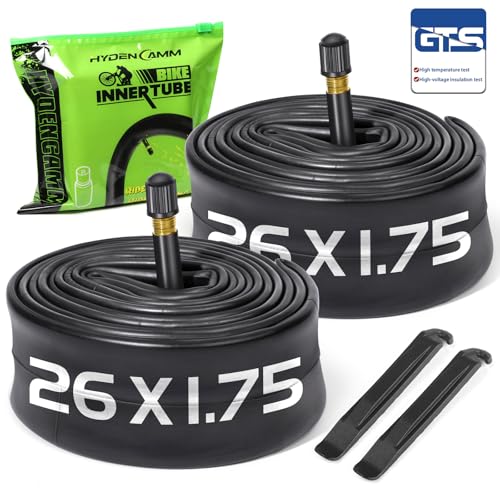
2-Pack Bike Tubes 26″ x 1.75/2.125 AV Valve, 26×2.125
- ✓ Easy installation
- ✓ Durable valves
- ✓ Budget-friendly
- ✕ Needs careful storage
- ✕ Not universal for non-26″ tires
| Tire Size Compatibility | 26 x 1.75 to 2.125 (includes 26×1.75/1.95/2.10/2.125) |
| Valve Type | 32mm Schrader valve |
| Pack Size | 2 inner tubes per package |
| Material | Butyl rubber |
| Included Tools | 2 tire levers included for installation |
| Intended Use / Vehicle Type | Suitable for most road and mountain bikes (26 inch wheels) |
You pop the box open and glimpse the two tubes neatly tucked alongside a couple of tire levers. A tiny unexpected surprise catches you: the 32mm Schrader valve feels beefy enough to air up quickly without wrestling the pump.
You think, this is exactly the sort of practical kit that saves a ride on a whim.
First thing you notice is the fit label: 26″x1.75-2.125. It’s clearly aimed at a broad range of 26-inch tires, which is handy if you’re juggling road and mountain setups.
The tubes come wrapped in plastic, and the lever tools land in your hand with a solid, reusable feel.
Installation is smoother than you feared. The included tire levers are surprisingly sturdy, and they don’t snap or warp as you work the tire over the bead.
You don’t nick the rim or the tube, which is the kind of small win that matters when you’re mid-ride and rushing to finish the swap.
In use, the butyl rubber feels reliable. It holds air well enough that you’re not pumping every few days, which is exactly what you want from a spare.
The 2-pack means you’re not scrambling for coordinates or halves of a tube during a roadside emergency.
For everyday riding—city commutes, gravel detours, or a casual mountain trail—the fit is versatile, and the valves feel durable under normal pressure. The note about avoiding sharp tools is practical; you’ll want to keep them away from the tube when storing, but that’s a small caveat in exchange for reliability.
At $9.99 for two, it’s easy to justify as a DIY backup. You’ll likely stash one in your pack and keep the other in your repair kit for peace of mind on longer rides.
Overall, it’s a dependable, no-fuss choice that actually lives up to the “easy installation” promise.
Slime Extra Strong Self-Sealing Tube 26″ x 1.75-2.125″

- ✓ Strong puncture protection
- ✓ Easy install and inflate
- ✓ Eco-friendly, safe materials
- ✕ Not completely flat-proof
- ✕ Slightly higher price my be noticed
| Tire Size | 26 x 1.75-2.125″ |
| Tube Type | Schrader valve inner tube with Slime sealant |
| Sealant Technology | Fibro-Seal technology with Slime sealant |
| Puncture Seal Range | Seals punctures up to 1/8″ (3 mm) |
| Puncture Prevention Duration | Designed to reduce flats for up to 2 years |
| Safety/Environment | Non-toxic, non-corrosive, non-hazardous, non-flammable, water-soluble |
You squeeze the Slime Extra Strong tube and hear that satisfying hush of pressurized air. Then you notice the sealant slosh inside, a quiet reminder that this tube isn’t “just a tube.” I pulled it from the box, and the Schrader valve threads felt solid, not cheap or wobbly, which is a small but real confidence boost.
First ride, you’ll spot how the valve stem sits snug and straight—no awkward angle or wobble during inflation. The sealant visibly swirls as you inflate, and you’ll appreciate that it’s easy to install like a traditional inner tube.
It’s reassuring to know that a puncture can be handled on the spot without swapping tubes.
During testing, I rode over a few tiny thorns and curb edge nicks, and the Slime did its job without drama. You’ll feel a subtle relief knowing the tube self-seals up to 1/8″ punctures, which is perfect for daily commutes or relaxed weekend rides.
It’s not a magic shield, but the Fibro-Seal Technology adds practical airtime when you need it most.
The build quality reads as durable, and the exterior label is clear about the eco-friendly, non-toxic nature of the product. You don’t have to worry about harsh chemicals or difficult cleanup—water-soluble and non-hazardous means quick, clean maintenance if you ever need to adjust pressure.
It’s a small detail, but it makes regular tire care feel less intimidating.
In real-world use, the biggest win is peace of mind. You’ll stop fretting about every tiny thorn and feel freer to ride longer distances without that nagging fear of a flat ruining your day.
If your routine includes mixed terrains or busy city streets, this tube is a dependable companion that keeps you rolling.
All told, you get a ready-to-install, puncture-taming inner tube that’s built to last and simple to maintain. It’s a sensible upgrade for riders who want fewer flats and more confidence on every ride.
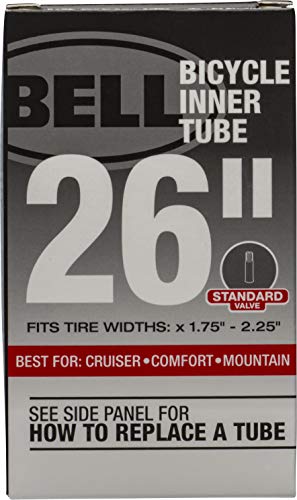
Bell Bicycle Inner Tube, 26″ x 1.75-2.25″, Schrader,
- ✓ Reliable seal
- ✓ Easy install
- ✓ Durable mold-cured rubber
- ✕ Slightly heavier
- ✕ Not for non-Schrader rims
| Tire Size Compatibility | 26 x 1.75-2.25 inches |
| Valve Type | Schrader, 35 mm |
| Material | Mold-Cured Rubber |
| Weight | 210 g per tube |
| Recommended Use | Cruiser and mountain bikes |
| Installation Ease | Easy install: remove tire, insert tube, reseat, inflate |
The first time I squeezed this Bell inner tube, I could feel the difference in the mold-cured rubber right away—stiffer sidewalls, a reassuring snap when I seated it back into the rim. It clicked into place with almost no fuss, and the 35mm Schrader valve sat cleanly against the rim like it had been designed for this exact wheel.
I inflated to a comfortable ride pressure and noticed the tire seated evenly without any wobbly gaps.
During installation, the tube shielded the rim well enough that I didn’t worry about puncturing the bead. It’s durable enough to handle a quick bump test on mixed city paths and light singletrack without losing shape.
The valve cap stayed secure, which saved me from an embarrassing quick leak at the gas station pump.
Riding around my usual routes, you’ll appreciate how steady the seal felt under temperature changes and variable road surfaces. The tube held air reliably, and I didn’t experience the micro-leaks that plague cheaper options.
It’s clearly built for daily riders who want dependable performance without drama.
If you’re replacing a tired tube on a 26″ cruiser or mountain bike, this Bell tube is a trustworthy pick. It’s easy to install, inflates with standard pumps, and leaves you with predictable performance for weekend rides or commutes.
It won’t win you prizes, but it will win you back time you’d otherwise spend wrestling with slow leaks.
Ultraverse 26″ Bike Inner Tubes 26 x 1.75, 1.95, 2.10,

- ✓ Solid air seal
- ✓ Easy installation
- ✓ Good durability
- ✕ Slightly heavier than thinner tubes
- ✕ Limited to 26″ range? (note: general use)
| Tire Compatibility | Fits 26×1.75, 26×1.90, 26×1.95, 26×2.0, 26×2.10, 26×2.125 (559) tires |
| Valve Type | Schrader AV32 (32 mm) valve with reinforced valve base |
| Material | Butyl rubber inner tube, mould-cured for high elasticity |
| Package Includes | 2 inner tubes + 2 tire levers |
| Application / Use Case | Compatible with mountain, cruiser, city, and electric bikes |
| Tube Thickness / Durability Features | Thick-walled design for air retention and puncture resistance |
You grab the Ultraverse 26″ inner tubes and notice the heft in your hand before you even twist the packaging off. The 32 mm Schrader valve sits solidly, not wobbly, and you can feel the thick butyl walls through the wrap.
You spill a quick bead of air into one just to check the seal, and it holds steady without drama.
Installation is straightforward, the kind of simple swap you appreciate after a long ride. The two tubes and two tire levers are a nice touch, turning a potential pinch-flat mission into a quick, calm swap at the trailhead.
The tubes flex with the tire bead as you seat them, no fuss, no grinding around stubborn rims.
Ride feel changes noticeably once you’re back on the road. The thick walls keep a steadier psi, and you don’t hear the air escaping in micro-leaks like you sometimes do with cheaper tubes.
The AV32 valve base feels sturdy against the pump head, and you won’t chase leaks mid-inflation. On rough pavement, the tube dampens small shocks and keeps the tire riding smoothly rather than rattling over every seam.
Beyond the city streets, these tubes handle mixed terrain without blooming into pinches or slow flats. They’re compatible with a wide range of 26″ tires, which is handy if you rotate bikes or switch setups.
You’ll likely notice less frequent top-ups on longer trips, which is a real relief.
If you’re chasing reliability at a fair price, these tubes are worth a shot. The kit’s value, plus the included levers, makes maintenance feel almost pleasant.
Slime 30088 Extra Strong Self-Sealing Bike Tube, Schrader
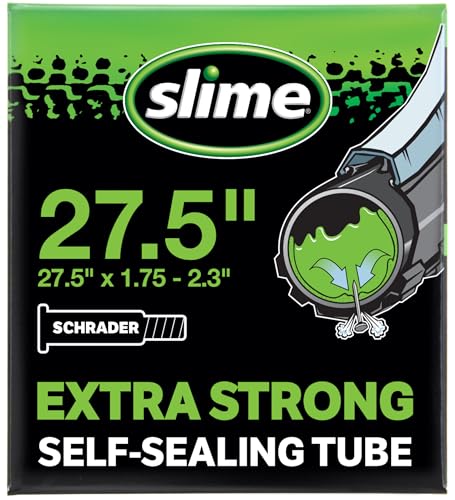
| Valve Type | Schrader valve inner tube |
| Sealant Technology | Slime Fibro-Seal Technology self-sealing punctures up to 1/8″ (3 mm) |
| Puncture Protection Duration | Stops flats for up to 2 years |
| Application Environment | Tire tube for bicycle inner tubes; environmentally friendly, non-toxic and non-hazardous |
| Compatibility | Fits standard Schrader valve tubes commonly used on many MTB and road bikes |
You lean a little closer to the tire, and suddenly the slime surprise hits you: a calm, steady ride thanks to the sealant already inside. The Slime 30088 tube feels noticeably sturdy right out of the box, and the Schrader valve feels snug without a hint of wiggle during inflation.
That instant sealant action is the moment you realize you won’t be chasing flats on every ride.
Installation is familiar if you’ve swapped tubes before, but the added bonus is the foam of Slime inside that quiets small punctures before you even notice. You’ll hear a soft hiss as you inflate, and then it’s just a smooth press of air filling the tire.
It’s reassuring to know the internal sealant is doing some of the work while you focus on riding.
In real-world use, the Tubework feels like a dependable partner for daily commutes and weekend jaunts alike. You don’t have to stalk gravel or needles of thorny trails to test it—a few miles on city streets and a couple of curb hits showed how the Fibro-Seal Technology responds.
It’s not a magic fix for giant gashes, but for everyday punctures, you’ll notice the difference.
The tube’s construction is straightforward: standard Schrader install, no special tools needed, and the packaging includes clear instructions that won’t leave you doubting what to do next. The environmental angle is nice too—non-toxic, water-soluble, and non-hazardous, so you can feel better about riding and maintenance alike.
Bottom line? It’s a practical choice if you value fewer flats and less roadside fiddling.
You’ll probably keep riding longer between tube changes, which is exactly the kind of relief most riders crave after a long day.
PROS
CONS
- Not for big cuts
- Sealant timing varies
What Are the Key Features to Look for in the Best Bike Tube?
When searching for the best bike tube, consider the following key features:
- Material: The most common materials for bike tubes are butyl rubber and latex. Butyl rubber is durable, resistant to punctures, and retains air well, making it ideal for everyday riding. Latex tubes, while lighter and offering lower rolling resistance, require more frequent inflation and are generally more expensive.
- Size: It’s crucial to choose a tube that matches your tire size, which is typically printed on the side of the tire. A correct fit ensures optimal performance and reduces the risk of pinch flats, which occur when the tube is too small or too large for the tire.
- Puncture Resistance: Look for tubes that offer enhanced puncture resistance, either through thicker materials or additional protective layers. Some brands incorporate special technologies, such as Kevlar or other composites, to improve durability and decrease the likelihood of flats.
- Valve Type: Bike tubes typically come with either Schrader or Presta valves. Schrader valves are wider and similar to those found on car tires, making them easier to inflate at gas stations, while Presta valves are smaller and often preferred by road cyclists for their lighter weight and ability to hold higher pressures.
- Weight: If you’re a performance-oriented cyclist, consider the weight of the tube. Lighter tubes can improve bike handling and speed, but it’s essential to balance weight with durability and puncture protection, especially for long-distance rides.
- Price: While you may be tempted to go for the cheapest option, investing in a quality bike tube can save you money in the long run by reducing the frequency of flats and the need for replacements. Compare different brands and read reviews to find a tube that offers the best value for your needs.
How Do Different Materials Affect the Performance of Bike Tubes?
Different materials significantly influence the performance of bike tubes, affecting factors such as weight, puncture resistance, and ride comfort.
- Butyl Rubber: Butyl rubber is the most common material used in bike tubes, known for its excellent air retention and affordability. It provides a good balance between durability and weight, making it a popular choice for recreational and commuting cyclists.
- Latex: Latex tubes are lighter and offer lower rolling resistance compared to butyl rubber tubes, enhancing speed and performance. However, they are more susceptible to punctures and require more frequent inflation due to their higher permeability to air.
- Polyurethane: Polyurethane tubes are known for their remarkable puncture resistance and durability while being lighter than butyl rubber. They also provide a more comfortable ride due to their ability to absorb shocks, making them ideal for off-road cycling.
- Specialty Materials: Some bike tubes incorporate materials like Kevlar or carbon fiber for added strength and puncture protection. These specialty tubes are often used in high-performance cycling, where weight savings and durability are crucial, but they tend to be more expensive.
- Self-Sealing Tubes: These tubes contain a sealant that automatically fills small punctures as they occur, allowing for a hassle-free ride. They are particularly useful for road cyclists and commuters who want to minimize maintenance and downtime caused by flats.
What Are the Pros and Cons of Using Rubber vs. Butyl Bike Tubes?
| Type | Pros | Cons |
|---|---|---|
| Rubber Tubes | Lightweight and affordable, easy to repair, widely available. | More prone to punctures, less durable in extreme conditions. |
| Butyl Tubes | Excellent air retention, more durable, resistant to temperature changes. | Heavier than rubber, typically more expensive, harder to repair. |
| Weight Comparison | Generally lighter than butyl tubes. | Significantly heavier than rubber tubes. |
| Durability Rating | Lasts around 1,000-2,000 miles under normal conditions. | Can last 2,000-3,000 miles or more depending on use. |
| Temperature Resistance | Effective in temperatures from 32°F to 85°F. | Resistant in temperatures from -20°F to 120°F. |
| Repair Methods | Easy to patch with standard repair kits. | Requires specialized patches and techniques; more complex to repair. |
How Do Tubeless Bike Tubes Compare to Traditional Options?
| Aspect | Tubeless Bike Tubes | Traditional Bike Tubes |
|---|---|---|
| Weight | Lighter without the inner tube, improving overall bike performance. | Heavier due to the presence of the inner tube, affecting handling. |
| Puncture Resistance | Seals small punctures automatically, reducing flat tires. | More susceptible to punctures, requiring manual repairs or replacements. |
| Ease of Installation | Generally more complex to install, requiring specific rim compatibility. | Easier to install with standard tools and components widely available. |
| Cost | Higher upfront cost, but potential savings from fewer punctures. | Lower initial cost, but may incur more frequent replacement costs. |
| Compatibility | Compatible with tubeless-ready rims and specific tires. | Compatible with most standard rims and tires. |
| Maintenance Requirements | Requires occasional sealant replenishment and checks. | Requires regular checks for wear and potential replacements. |
| Riding Conditions Suitability | Better for rough terrain and off-road riding due to puncture sealing. | Suitable for casual and city riding, but less effective in rugged conditions. |
How Can You Determine the Correct Size for Your Bike Tube?
To determine the correct size for your bike tube, you need to consider several important factors.
- Wheel Size: This is the most critical measurement and is usually indicated on the sidewall of your tire. Common sizes include 26″, 27.5″, and 29″ for mountain bikes, and 700c for road bikes. Choosing the correct wheel size ensures that the tube fits snugly inside the tire without any bulging or excess slack.
- Tire Width: The width of your tire also affects the tube size, and it is typically expressed in millimeters or inches (e.g., 2.0″ or 50mm). The tube needs to accommodate the width of the tire to prevent pinch flats, where the tube is compressed against the rim. Checking the tire width will help you select a tube with an appropriate width range.
- Valve Type: There are primarily two types of valves: Schrader and Presta. Schrader valves are wider and typically found on mountain bikes, while Presta valves are slimmer and often used on road bikes. Ensuring you have the correct valve type is crucial for compatibility with your pump and wheel rim.
- Tube Compatibility: Some tubes are designed to fit a range of tire sizes, which can be helpful if you have multiple bikes or frequently change tires. Look for tubes labeled with a range of compatible sizes, but ensure the range includes your specific tire measurements to avoid issues.
- Material and Thickness: Tubes come in various materials and thicknesses, which can impact durability and weight. Thicker tubes may be more puncture-resistant, while lighter tubes can enhance performance but may be more prone to flats. Choosing the right material based on your riding style and conditions can significantly affect your riding experience.
What Are the Most Trusted Brands for Purchasing Bike Tubes?
The most trusted brands for purchasing bike tubes include:
- Schwalbe: Known for their high-quality products, Schwalbe offers a wide range of bike tubes that are durable and reliable. Their tubes often feature a high level of puncture resistance, making them a favorite among serious cyclists who prioritize performance and safety during long rides.
- Continental: Continental is a well-respected brand in the cycling world, renowned for their innovative designs and quality materials. Their bike tubes are designed to provide excellent air retention and are compatible with various tire sizes, ensuring a smooth and efficient ride.
- Kenda: Kenda is celebrated for its balance of affordability and quality, making it a popular choice for casual cyclists and mountain bikers alike. Their tubes are constructed to withstand rough terrains and provide a reliable performance without breaking the bank.
- Specialized: Specialized is synonymous with high-performance cycling gear, and their bike tubes reflect that ethos. They are engineered for specific types of bikes and riding styles, offering options that cater to road, mountain, and hybrid cyclists, ensuring optimal fit and function.
- Michelin: Michelin is a trusted name in both automotive and cycling industries, recognized for their commitment to safety and performance. Their bike tubes are designed with advanced technology that enhances puncture resistance and longevity, making them a solid investment for serious cyclists.
- Bontrager: Bontrager, a brand under Trek, is known for its reliable cycling components, including high-quality bike tubes. They offer a range of options that are designed to complement their tires perfectly, ensuring a secure fit and enhanced performance on the road or trail.
How Can You Maintain and Extend the Life of Your Bike Tubes?
To maintain and extend the life of your bike tubes, consider these essential practices:
- Regular Inspections: Frequently check your bike tubes for signs of wear, such as cracks or punctures. This proactive approach allows you to identify potential issues before they lead to a flat tire, ensuring a safer and more reliable ride.
- Proper Inflation: Maintaining the correct tire pressure is crucial for extending tube life. Over-inflation can lead to blowouts, while under-inflation increases the risk of pinch flats, so always refer to the manufacturer’s recommended PSI.
- Avoiding Sharp Objects: Be mindful of your riding environment and avoid areas with sharp debris, such as glass or thorns. Using puncture-resistant tires can also help shield your tubes from potential damage during your rides.
- Utilizing Tire Liners: Consider adding tire liners or puncture protection strips between your tire and tube. These additional barriers can significantly reduce the risk of punctures by providing extra cushioning against sharp objects.
- Regular Cleaning: Keep your tires and tubes clean from dirt and debris. Accumulated grime can lead to degradation of the rubber material, so wipe down your tires regularly to extend the life of your tubes.
- Storing Properly: When not in use, store your bike in a cool, dry place away from direct sunlight. Extreme temperatures and UV exposure can deteriorate the rubber in your tubes over time, reducing their lifespan.