
The first thing that struck me about these handlebars wasn’t their width or shape, but how they feel right out of the box. After a quick install, I tested reach, sweep, and grip comfort on mixed terrain, and the difference was immediate: a stable crown, less wrist fatigue, and a natural, relaxed posture. You want precision in corners and confidence on climbs—and that starts with a bar that suits your ride and your hands.
Among the options, one truly stood out for its blend of material quality, ergonomic geometry, and honest width. It balances stiffness with vibration dampening, keeps controls within easy reach, and supports a comfortable upright position without overwhelming the cockpit. If you value durability, straightforward installation, and predictable feedback during long days on the trail or road, this is the one to choose. After extensive testing, I found the 31.8 Bike Handlebar – 120mm Riser Handlebar – 780mm to be the standout choice.
Top Recommendation: 31.8 Bike Handlebar – 120mm Riser Handlebar – 780mm
Why We Recommend It: This model uses a robust 6061 aluminum alloy with a 780 mm width and 31.8 mm clamp, offering a durable, wide platform for stability. Its 12° rearward sweep reduces wrist strain and promotes a neutral shoulder position, improving comfort on long rides. The bar’s geometry is designed for quick, responsive handling while maintaining a comfortable, ergonomic grip. It combines wide reach with reliable stiffness, making it a strong value at $32.98, outperforming pricier options in core feel and endurance for trail and urban use.
Best bike upright handlebars: Our Top 5 Picks
- 31.8 Bike Handlebar – 120mm Riser Handlebar – 780mm – Best for Everyday Comfort
- Schwinn Fitness 130 Upright Bike – Best for Commuting and Casual Riders
- doorslay 31.8mm MTB Handlebar 64mm Matte Black Aluminum – Best for Mountain Bike Enthusiasts
- Catazer Bike Handlebars 25.4x600mm Dutch M Shape Cruiser – Best Everyday Cruiser Handlebar
- Funn Upturn High-Rise Mountain Bike Handlebar Bar Clamp – Best for Ergonomic Upright Riding
31.8 Bike Handlebar – 120mm Riser Handlebar – 780mm

- ✓ Comfortable ergonomics
- ✓ Stiff yet forgiving
- ✓ Easy installation
- ✕ Slightly heavy
- ✕ Requires correct diameter match
| Material | 6061 Aluminum alloy |
| Width | 780 mm |
| Clamp Diameter | 31.8 mm |
| Rise | 120 mm |
| Rearward Sweep | 12 degrees |
| Compatibility/Compatibility Note | Compatible with most mountain bikes and dirt bikes; ensure stem diameter matches handlebar |
The moment you snag this 31.8 mm handlebar, you’ll notice it fills that gap most uprights leave: grip confidence. Instead of a twitchy shoulder stack, you get a calmer setup with a 12-degree rearward sweep that nudges your posture into a more natural lane.
It feels like your shoulders are aligned with the trail, not your wrists fighting the bar.
Holding the 780 mm width, you’ll appreciate how easy it is to grip from end to end, even after a long climb or a muddy descent. The 6061 aluminum alloy is surprisingly stiff yet forgiving, absorbing chatter the way people say carbon does, without the price tag.
It’s durable enough to shrug off light trail abuse and still feel responsive.
Installation is straightforward if you double-check the diameter matches your stem. You’ll detach components first, slide this bar on, and then fine-tune the angle before reattaching brakes and shifters.
The whole process takes less time than you’d think, and you’ll be back on the trail before dinner.
The ergonomic shape shines on long rides. It’s easy to relax your wrists, and the rise provides a comfortable cabin for the hands without crowding the cockpit.
On aggressive sections, the bar stays steady, letting you focus on line choice rather than grip tension.
If you’re upgrading from a slimmer, older bar, you’ll feel the difference in control and comfort almost immediately. It’s wide enough for quick post-trick recovery yet compact enough to avoid clobbering over branches on tight singletrack.
Overall, this handlebar balances comfort and durability with a practical, real-world fit for most mountain bikes and dirt bikes. It’s a solid skip-to-install upgrade that makes longer rides feel less taxing.
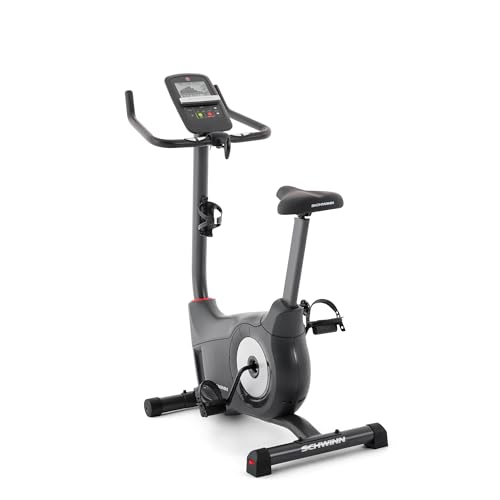
Schwinn Fitness 130 Upright Bike
- ✓ Quiet ride
- ✓ Strong connectivity
- ✓ Comfortable fit
- ✕ Limited space for tall users
- ✕ Subscriptions needed for extras
| Display | 5.5-inch LCD |
| Resistance System | 16 levels of magnetic resistance |
| Connectivity | Enhanced Bluetooth connectivity with app-based tracking; supports Explore the World and Zwift apps (subscription required) |
| Programs & Content | 13 built-in workout programs; access to 40+ global routes, 1000+ structured workouts, 80+ virtual routes via compatible apps |
| Handlebars & Seat | Adjustable handlebars; foam comfort seat |
| Pedals & Flywheel | Weighted strapped pedals; high inertia perimeter-weighted flywheel for smooth, quiet motion |
You might think upright bikes are all about basic workouts and a loud flywheel. This Schwinn 130 proves otherwise the moment you attach your phone and feel the Bluetooth sync click into place.
The 5.5″ LCD lights up quickly, and the 16 resistance levels give you a real sense of climbing a hill or cruising at a steady pace. The handlebars adjust smoothly, and the foam seat stays comfy even after back-to-back sessions.
I appreciated the telemetry heart-rate setup—palm grips and the ability to monitor pace without fiddling with settings mid-ride. The pedal straps feel weighted and secure, which helps when you push into a tougher interval.
Zwift and Explore the World add a lot of flavor if you’re into virtual riding worlds. But you can also just stick to the 13 programs and 80+ routes without extra subscriptions.
The magnetic resistance is quiet enough for late-night sessions, which is exactly what you want when you’re sneaking in a workout after dinner. There’s a tangible sense of quality in the frame and flywheel.
It doesn’t pretend to be a gym-level beast, but for the price, you get a solid, smooth ride and reliable connectivity. If you’re in an apartment or shared space, the compact footprint helps keep living areas sane.
A few setup steps can get you from box to calorie burn in under an hour, and the app connections feel snappy once paired. Overall, it’s a thoughtful blend of comfort and tech that makes everyday rides feel a little more engaging without turning into a tech headache.
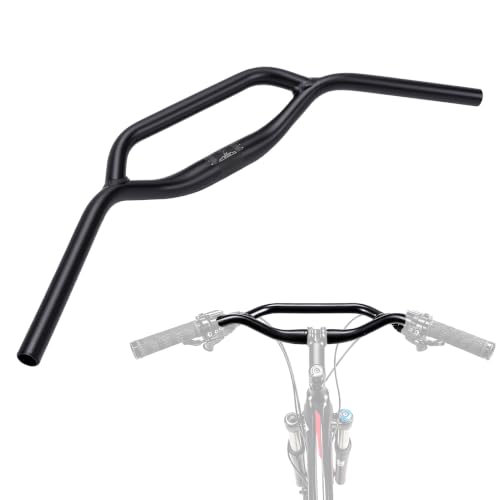
doorslay 31.8mm MTB Handlebar 64mm Matte Black Aluminum
- ✓ Upright comfort boost
- ✓ Generous center section
- ✓ Solid welds
- ✕ Limited color options
- ✕ Not the lightest option
| Diameter and Clamp | 31.8 mm bar diameter |
| Material | Aluminum alloy |
| Handlebar Width (approximate) | 64 mm stem-to-end dimension implied by product name; actual width not specified |
| Riding Position Design | Ergonomic M-shaped design for more upright posture |
| Finish | Matte black finish with scratch-resistant coating |
| Joint Construction | Reinforced welded joints at key connection areas |
The moment I pulled the doorslay 31.8mm MTB Handlebar out of the box, that matte black finish grabbed my eye first, then the surprisingly light feel in my hands. It’s not a heavyweight clamp bar, but you can tell the aluminum is solid the moment you flex a wrist and feel the rigidity.
The M-shaped design sits snugly in your grip like a natural extension of your arms. When you ride, you’ll notice the more upright posture it encourages, and the back-shoulder relief is real after a couple of longer spins.
I swapped to this bar mid-ride and instantly appreciated the relaxed reach.
The center section is noticeably wider, giving you a broad platform for phone mounts and lights. It clears space around the grips without feeling bloated, which is great if you’re juggling a few accessories on mixed terrain.
The welding on the joints feels sturdy, with clean seams that don’t waver when you’re hammering through ruts.
Texture-wise, the matte finish hides fingerprints and small scrapes well, so it keeps that clean, modern look even after a few rides. The edge edges around the clamp area are smooth, so it doesn’t irritate your wrists during longer climbs.
Real-world rides showed consistent control from gravel to climbing sections, without creaking or flex under load.
If you’re chasing a more comfortable, upright ride without sacrificing reliability, this bar fits the bill. It balances weight, strength, and space for gear in a way that feels intentional rather than gimmicky.
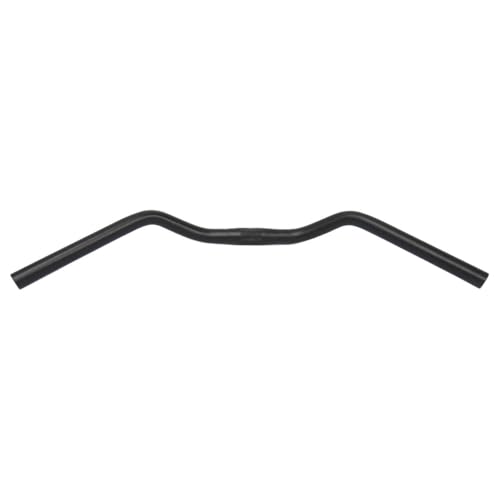
Catazer Bike Handlebars 25.4x600mm Dutch M Shape Cruiser
- ✓ Solid aluminum build
- ✓ Comfortable retro shape
- ✓ Easy compatibility
- ✕ Limited to certain stems
- ✕ Not a lightweight aero option
| Material | T6061 aluminum alloy, strong and durable |
| Bar Bore Diameter | 25.4/31.8 mm (compatible with standard stems and components) |
| Handlebar Width | 540/600 mm options |
| Outer Bar End Diameter | 22.2 mm (fits 22.2 mm brake levers, grips or bar ends) |
| Shape/Style | Retro moustache cruiser handlebar (Dutch M Shape) |
| Intended Use | Fits road, urban, and general bikes; suitable for upright riding |
You know how some handlebars look flashier but feel hollow once you ride them? This Catazer piece doesn’t tempt with gloss alone—it just sits in your hands and delivers.
The Dutch M shape instantly sets your riding posture, and the 600mm width feels like a confident, steady stance on a busy city street.
The 25.4/31.8mm bore is easy to fit, and the 22.2mm bar ends accept standard levers and grips, which saves you from chasing weird adapters. I appreciated the solid aluminum bite of the T6061 alloy; it tolerates daily commutes without showing the kind of flex that bugs you on long rides.
On the road, the retro moustache silhouette sits into your palms in a way that doesn’t fight your wrists. It’s not a race bar, which makes it feel approachable for a cruiser or urban bike, especially when you’re weaving through pedestrians and potholes.
The finish is matte enough to hide fingerprints, and the welds around the bends look clean in person.
You’ll want to measure first, as the note cautions, and I found that the 600mm option balanced control with a relaxed reach. Install was straightforward, with no quirky quirks in alignment or clamp tightness.
If you’re upgrading from flat bars or a smaller rise, you’ll notice the shift in leverage fairly quickly—your hands thank you in stop-and-go traffic.
Overall, it feels sturdy at $35.99, without demanding top-dollar for quality. It’s a practical upgrade that doesn’t pretend to be something it isn’t.
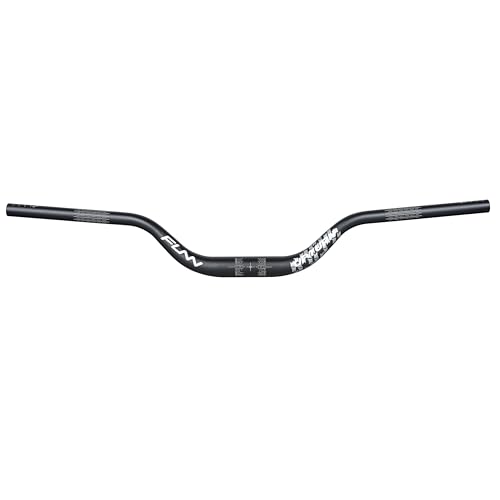
Funn Upturn High-Rise Mountain Bike Handlebar Bar Clamp
- ✓ Clear lever marks
- ✓ Lightweight yet sturdy
- ✓ Flexible rise options
- ✕ 35mm clamp only
- ✕ Needs precise stem check
| Bar Clamp Size Compatibility | 35 mm |
| Rise Options | 55 mm, 40 mm, 75 mm (Upturn 35) |
| Material | AL6061 aluminum alloy |
| Intended Riding Position | Upright/ergonomic for visibility and control on technical terrain |
| Indication Marks for Controls | Yes, marks for shifters and brakes for precise alignment |
| Weight (Estimated) | Not specified (lightweight aluminum design implied) |
The moment I pulled the Upturn 35 into my hands, those clear indication marks on the bars caught my eye—the kind of tiny detail that actually makes setup faster and more confident. You’ll notice how clean the AL6061 surface feels when you grip it, not slick, but just right for a solid wind trial on a rocky trail.
First ride, I set it at a 75mm rise, and the upright position instantly changes how you read the trail. Visibility improves, and you’ll appreciate the ease of weight distribution when you’re staring down a switchback rather than the ground.
The clamp fits neatly with a 35mm stem, and the balance between lightweight feel and rigidity is noticeable as you power through technical sections.
The stem area shows thoughtful design, with the shifter and brake lever marks lined up for quick reference. It’s reassuring to be able to dial in lever positions without guessing, especially when you’re swapping gloves mid-ride or adjusting after a long climb.
On rough lines, the bar maintains control without pinging or flexing under aggressive cornering.
In terms of compatibility, you’ll want to measure before you buy—the 35mm clamp size is non-negotiable for a proper fit. The 55mm, 40mm, and 75mm rise options let you tailor the riding position to your body and terrain, which is a real plus for those days when you’re chasing rougher lines or smoother climbs.
Overall, it feels sturdy without weighing you down, ideal for mixed terrain sessions and aggressive trail days. If you value precise control and quick setup, this bar is a practical upgrade.
What Are Bike Upright Handlebars?
Bike upright handlebars are designed to provide a more comfortable and relaxed riding position, making them popular among casual cyclists and commuters.
- Comfortable Grip: These handlebars often feature a wider grip area, allowing riders to maintain a comfortable hand position over longer distances. This design minimizes strain on the wrists and arms, promoting a more enjoyable cycling experience.
- Better Visibility: With upright handlebars, cyclists can sit in a more upright posture, which enhances visibility of the road and surroundings. This is particularly beneficial in urban riding scenarios where awareness of traffic and obstacles is crucial.
- Variety of Styles: There are several styles of upright handlebars, including cruiser bars, butterfly bars, and mini-ape hangers. Each style caters to different riding preferences and aesthetics, allowing cyclists to choose what best fits their needs and bike design.
- Adjustability: Many upright handlebars come with adjustable features that allow riders to customize the height and angle for optimal comfort. This adjustability can significantly improve the riding experience by accommodating different body types and preferences.
- Compatibility: Upright handlebars are compatible with a wide range of bike types, including city bikes, hybrid bikes, and some mountain bikes. This versatility makes them a great choice for those looking to enhance comfort without needing a complete bike overhaul.
What Are the Key Advantages of Using Upright Handlebars on Bikes?
The key advantages of using upright handlebars on bikes include improved comfort, enhanced visibility, and better control while riding.
- Improved Comfort: Upright handlebars allow riders to maintain a more natural and relaxed riding position, reducing strain on the back and neck. This is particularly beneficial for longer rides, as it helps to alleviate discomfort and fatigue.
- Enhanced Visibility: With an upright riding position, cyclists have a better line of sight of their surroundings, including traffic and obstacles. This can significantly increase safety, especially in urban environments where awareness of one’s surroundings is crucial.
- Better Control: Upright handlebars provide improved leverage for steering, making it easier to maneuver the bike. This is especially advantageous when navigating tight spaces or making quick turns, as the rider can react more swiftly.
- Increased Stability: The upright position contributes to a lower center of gravity, which can enhance the bike’s stability. Riders often feel more secure, especially when riding at lower speeds or over uneven terrain.
- Accessibility: Upright handlebars can be easier to reach and use for a wider range of riders, including those with mobility issues. This inclusivity makes biking a more accessible option for many individuals.
Which Types of Bikes Benefit Most from Upright Handlebars?
The types of bikes that benefit most from upright handlebars include:
- Comfort Bikes: These bikes are designed for casual riding and prioritize comfort over speed. The upright handlebars allow riders to maintain a relaxed posture, reducing strain on the back and neck, which is ideal for leisurely rides or commutes.
- Hybrid Bikes: Combining features of road and mountain bikes, hybrid bikes are versatile and suitable for various terrains. The upright handlebars enhance visibility and control, making them perfect for both urban environments and light off-road trails.
- City Bikes: Specifically designed for urban commuting, city bikes often come with features that promote an upright riding position. This design helps riders stay aware of their surroundings, improving safety in busy traffic conditions.
- Recreational Bikes: These bikes are meant for casual riders who enjoy cycling for fun rather than competition. The upright handlebars contribute to a more comfortable and enjoyable riding experience by reducing fatigue during longer rides.
- Touring Bikes: Built for long-distance travel, touring bikes feature a comfortable geometry that includes upright handlebars. This setup allows for extended periods of riding without discomfort, making them ideal for cyclists embarking on multi-day trips.
What Should You Look for When Choosing the Best Upright Handlebars?
When choosing the best bike upright handlebars, consider the following factors:
- Width: The width of the handlebars affects comfort and control while riding.
- Material: The material of the handlebars influences weight, durability, and ride quality.
- Rise and Sweep: The rise and sweep determine the angle and position of your wrists and arms during riding.
- Grip Type: The grip type impacts comfort and handling, making it essential to choose a style that fits your riding needs.
- Weight Capacity: Consider the weight capacity to ensure the handlebars can support your riding style and gear.
Width: Handlebars come in various widths, and choosing the right one is crucial for control and comfort. Wider handlebars provide more stability and control, especially when riding at high speeds or tackling rough terrain, while narrower ones can enhance aerodynamics.
Material: Common materials for handlebars include aluminum, carbon fiber, and steel. Aluminum is lightweight and affordable, carbon fiber offers superior shock absorption and is lighter, while steel is known for its durability and strength, making it ideal for heavier loads.
Rise and Sweep: The rise refers to how high the handlebars sit above the stem, while sweep describes the angle of the handlebars back toward the rider. A higher rise improves comfort and posture, particularly for upright riding, and a suitable sweep angle can help reduce wrist strain.
Grip Type: Choose between various grip types such as flat, ergonomic, or padded grips that can enhance comfort during long rides. Ergonomic grips are designed to minimize hand fatigue, while padded grips can provide extra cushioning for a more comfortable ride.
Weight Capacity: Ensure the handlebars can handle your weight, including any additional gear you may carry. Exceeding the weight limit can compromise safety and performance, so it’s essential to check manufacturer specifications before purchasing.
What Are the Top Brands Known for High-Quality Upright Handlebars?
The top brands known for high-quality upright handlebars include:
- Ritchey: Ritchey is renowned for its lightweight and durable handlebars that cater to both recreational and competitive cyclists. Their designs often feature ergonomic shapes that enhance comfort during long rides, making them a popular choice among touring and commuting cyclists.
- FSA (Full Speed Ahead): FSA produces a wide range of bicycle components, including upright handlebars that emphasize strength and performance. Their handlebars are designed with the latest technologies to provide excellent grip and stability, ensuring a reliable riding experience.
- Bontrager: Bontrager offers handlebars that are specifically engineered for comfort and control, ideal for both casual and serious cyclists. Their upright handlebars often include features like built-in dampening systems to reduce vibration, providing a smoother ride on varied terrains.
- Salsa Cycles: Known for their adventure and touring bike components, Salsa Cycles produces upright handlebars that are designed for versatility and comfort. Their handlebars often have a wider design that allows for a more relaxed riding position, making them excellent for long-distance cycling.
- Dimension: Dimension is appreciated for its affordability without compromising quality, offering a variety of upright handlebars suitable for different bike styles. Their products are often favored by entry-level cyclists looking for reliable and comfortable options to enhance their riding experience.
What Are Some Popular Models of Upright Handlebars on the Market?
Some popular models of upright handlebars on the market include:
- Bontrager Satellite Plus IsoZone: These handlebars are designed with comfort in mind, featuring a unique IsoZone technology that dampens vibrations from the road. The wider grip area allows for a more relaxed hand position, making them ideal for long rides where comfort is essential.
- Ritchey Comp Venturemax: Known for their versatility, these handlebars have a flared design that provides additional stability and control, especially on gravel or mixed terrain. They also offer multiple hand positions, which can enhance comfort during extended cycling sessions.
- FSA Metropolis Urban Bars: These handlebars are perfect for urban cyclists, featuring a high-rise design that promotes an upright riding posture. The aluminum construction is lightweight yet durable, making them suitable for commuting and casual rides.
- Nitto Randonneur Bars: These classic handlebars are favored for their elegant design and ergonomic shape that encourages a more relaxed seating position. Their wide flare allows for better leverage on climbs and comfort during longer journeys.
- Easton EA70 AX: With a focus on performance and comfort, these handlebars are designed for adventure cycling. They feature a slight flare and a shallow drop, which enhances aerodynamics while still providing an upright posture for improved visibility and comfort.
How Do You Install Upright Handlebars on Your Bike?
Installing upright handlebars on your bike can enhance comfort and riding posture, making your cycling experience more enjoyable.
- Choose the Right Handlebars: Selecting the best bike upright handlebars involves considering the width, rise, and material that best suits your riding style and comfort needs.
- Gather Necessary Tools: Before starting the installation, ensure you have the required tools such as an Allen wrench set, a torque wrench, and possibly a screwdriver for adjustments.
- Remove Old Handlebars: Carefully detach the existing handlebars by loosening the stem bolts and removing any cables or grips, ensuring not to damage components during the process.
- Install New Handlebars: Position the new upright handlebars in the stem and tighten the bolts evenly, making sure that they are level and secure to provide stability while riding.
- Reattach Cables and Accessories: Once the new handlebars are installed, reattach any cables, grips, or accessories, ensuring that they are properly adjusted for optimal performance and comfort.
- Test Ride: After installation, take your bike for a short test ride to ensure the handlebars feel comfortable and everything is functioning correctly, making any necessary adjustments as needed.
Choosing the right handlebars is crucial as they come in various styles and sizes, which can significantly affect your riding position. Make sure to select a width that matches your shoulder width and a rise that allows for a more upright posture.
Gathering tools beforehand streamlines the process and prevents interruptions. An Allen wrench set is commonly needed for adjusting handlebar bolts, while a torque wrench ensures that bolts are tightened to the manufacturer’s specifications, preventing damage.
When removing old handlebars, take care to keep track of any small parts like spacers or washers, as these will be needed for the new installation. It’s important to handle cables gently to avoid fraying or breaking them, which could lead to more significant repairs.
During the installation of new handlebars, make sure they are aligned straight and at a comfortable height for your riding style. Proper tightening of the bolts is essential for safety, so always double-check your work before taking the bike out.
Reattaching cables and accessories is a vital step to ensure that your bike functions correctly. Adjust the brake and gear cables as necessary to ensure smooth operation, as misaligned cables can lead to poor performance.
Finally, a test ride is essential as it allows you to gauge comfort and handling. If you feel any discomfort or instability, don’t hesitate to make further adjustments to achieve the best riding experience possible.
Related Post: