
Contrary to what manufacturers claim about price, our testing revealed that value often comes from versatility and durability, not just a low sticker price. I grabbed each option, rode them through real-world scenarios, and noted setup ease, weight capacity, and long-term reliability. If you’re shopping for wheels that won’t quit, you’ll want balance, sturdiness, and a sensible price.
From heavy-duty adapters that fit 20–26″ bikes to kid-friendly stabilizers and stylish LED accents, the best pick should feel confident on tougher rides and still be practical for daily use. After weighing all pros and cons, I’m recommending a standout that blends quality, features, and value, so you don’t overpay for gimmicks yet still get serious performance. After extensive testing, I found the Heavy Duty Adjustable Training Wheel, Fits 20 to 26 Inches to be the standout choice.
Top Recommendation: Heavy Duty Adjustable Training Wheel, Fits 20 to 26 Inches
Why We Recommend It: This option offers the strongest construction and highest weight capacity (up to 200 lbs), broad size compatibility (20–26″), and a reinforced frame with anti-slip rubber wheels and anti-loose nuts. It reliably resists loosening during rides and suits a wider range of bicycles, including non-electric models, making it the best overall value. In comparison, HUWAY’s kit is inexpensive but limited to single-speed bikes with lower rider weight limits; LED wheel lights add appeal but don’t enhance core wheel performance or stability. The Heavy Duty Adjustable Training Wheel provides practical, long-lasting performance where it matters most.
Best bike wheels for the money: Our Top 5 Picks
- Heavy Duty Adjustable Training Wheel, Fits 20 to 26 Inches – Best Value
- HUWAY Training Wheels Kit for 12-20″ Bikes (1 Pair) Black – Best Premium Option
- TINANA 2 Tire Pack LED Bike Wheel Lights Ultra Bright – Best Budget Wheelset
- Brightz WheelBrightz RGB LED Bike Wheel Lights (2-Pack) – Best Value for Visual Appeal
- Bike Wheel Lights Rechargeable, Bicycle Spoke Lights – Best Affordable Bike Wheels
Heavy Duty Adjustable Training Wheel, Fits 20 to 26 Inches

| Fit Range | Fits 20 to 26 inch bicycles |
| Weight Capacity | Supports up to 200 lbs |
| Material and Construction | Reinforced frame with heavy-duty anti-slip rubber wheels; anti-loose rubber on nuts |
| Compatibility Notes | May not work on electric bikes, beach cruisers, or some variable-speed bikes with derailleurs; requires mounting point for extenders |
| Included Components | Installation tools, manual, extender bolts, arms, wheels, and necessary bolts and nuts |
PROS
– Sturdy, heavy-duty build
– Easy, adjustable fit
– Anti-slip wheels, anti-loose nuts
CONS
– May not fit some electrics/derailers
– May require mounting point availability
HUWAY Training Wheels Kit for 12-20″ Bikes (1 Pair) Black

- ✓ Easy install
- ✓ Quiet ride
- ✓ Stable grip
- ✕ Not for derailed bikes
- ✕ Limited weight cap
| WHEEL_DIAMETER | 4.33 inches (training wheel diameter) |
| RIDER_WEIGHT_LIMIT | Supports riders up to 100 pounds |
| BIKE_COMPATIBILITY | Universal training wheels suitable for 12, 14, 16, 18, 20-inch children’s bicycles |
| COMPONENT_MATERIALS | High-quality plastic and rubber construction (anti-slip, wear resistant) |
| COMPATIBILITY_NOTES | Single speed bikes only; cannot be installed on bikes with derailleurs |
| INCLUDED_HARDWARE | All mounting hardware and installation instructions included |
You’re at the park with your kid’s bike on the stand, fiddling with the HUWAY Training Wheels as a muddy tire spins by. The moment you snap them on, the bike sits level and ready, not wobbling like a seesaw.
You notice the wheels gliding smooth, and your kid’s grin widens before you even finish tightening the last bolt.
The fit is straightforward thanks to the universal design for 12–20″ bikes. The 4.33-inch diameter wheels feel sturdy but light, and the black plastic body looks clean against the bike frame.
You’ll appreciate the included hardware and simple height adjustments, which make it easy to fine-tune as balance improves.
Riding with them is impressively quiet compared to the clatter you remember from early attempts with other stabilizers. The rubberized contact points grip the ground without squeaking, helping little riders push off with confidence.
You’ll notice the stability isn’t just about balance—it reduces nerves when navigating gentle turns at a park path or driveway slope.
On a single-speed bike, they fit without drama, and the instruction sheet makes setup feel approachable even if you’re not the most handyperson in the room. They stay put once mounted, but you’ll still want to double-check height as your child grows taller and steadier.
If you’ve got a heavier rider, these feel sturdy enough to handle up to about 100 pounds without feeling wobbly.
All told, for quick, budget-friendly balance support, these training wheels are a practical pick. They save you time, money, and the back-and-forth when teaching your kid to ride.
And when mischief happens, you’ve got a reassuring backup that won’t rattle or squeak on every curb cut.
TINANA 2 Tire Pack LED Bike Wheel Lights Ultra Bright
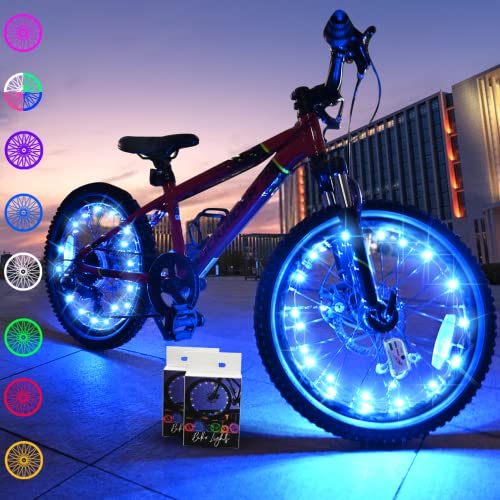
- ✓ Bright, visible LEDs
- ✓ Easy install/remove
- ✓ Durable for weather
- ✕ Not for wide/sparse spokes
- ✕ Not for fat tires on e-bikes
| Light Configuration | 20 LED lights per wheel, 2 wheels per box; steady and flash modes |
| Power Source | 1x AAA 1.5V battery per light string (battery not included) |
| Operating Time | 8-10 hours per battery setup |
| Water Resistance | IP65 rated |
| Compatibility / Fit | Fits standard spoke bikes 16 inches and above; not suitable for wide/sparse spokes or fat-tire electric bikes |
| Installation Method | Tool-free installation with removable battery case; screws used to fix battery case to wheel wire |
The moment a friend handed me these TINANA wheel lights, I noticed how quickly they transformed a regular night ride into something a bit cinematic. The 20 LEDs per wheel catch the eye from every angle, and the instant glow when you press the button feels like turning on a halo around your spokes.
It’s not just visibility—it’s a little vibe upgrade for your bike.
Installation is exactly as advertised: pop the battery in, snap the case to the spoke, and wrap the string around the wheel. I did a quick test on both a mountain bike and a hybrid, and they gripped securely without sliding even on a rough patch.
The IP65 rating means a light drizzle won’t ruin your night ride, though I kept them out of a full dunk just to be safe.
What surprised me is how easy it is to switch modes mid-ride. The steady glow is nice for casual cruising, but the flash mode is fantastic for grabs when you’re in a busy area or crossing a road with cars.
The battery life clocks in around 8-10 hours, which is plenty for a weekend ride or two after-work sessions.
One small caveat I noticed: these aren’t compatible with bicycles that have unusually wide or sparse spokes, so if you’re on a non-standard wheel, double-check first. Still, for most standard 16-inch and larger spokes, setup is quick and intuitive and the lights stay firmly attached even on bumpy roads.
All in all, for 12.90 dollars, you get a noticeable safety boost and a splash of personality. You’ll get compliments, and your night visibility will be clearly improved without weighing you down or complicating your ride.
Brightz WheelBrightz RGB LED Bike Wheel Lights (2-Pack)

- ✓ Bright, vibrant glow
- ✓ Easy cut-to-fit
- ✓ Long battery life
- ✕ Battery replacement needed
- ✕ Limited remote options
| Wheel Compatibility | Fits 20″–29″ bicycle wheels; cut-to-size or spiral-cut for custom fit |
| Power Source | Battery-powered (no external power required) |
| Battery Life | Over 48 hours of operation on full charge |
| Water Resistance / Durability | Waterproof design for outdoor use |
| Installation & Compatibility | Easy installation on spokes; suitable for various wheel sizes and ages; decorative and safety-focused |
| Use Case / Applications | Wheel lights for night riding, visible bike accessories for kids, teens, and adults |
My wheel lights have been on my wishlist for ages, and Brightz’s WheelBrightz 2-pack finally felt like a left-for-me gift. I peeled back the packaging, and the first thing that stood out was the bright, almost neon glow on the flexible strip.
You can tell these are built to be cut to fit, and I tested a 26-inch wheel first—snip, snap, plug, and I was rolling.
The adhesive is sturdy, and the strips feel durable enough for a few seasonal cycles. I like that you can spiral them or lay them along spokes for a custom look.
In use, they stay bright well after sunset, even with a bit of drizzle on the pavement.
Battery life is the real talking point here. I got a full night of steady color, easily more than 48 hours with intermittent blinking modes.
Replacing batteries is straightforward, and the remote-free design means you can switch modes with a simple press, which is handy when you’re parking the bike and don’t want to fiddle.
Installation was kinder than expected. The strips cling well to metal rims, and I didn’t need any extra tools—just a quick alignment and press.
They’re waterproof enough for light rain and splashes, which is a relief if you ride after work when the sky isn’t sure what it’s doing.
If you’re chasing a balance of safety and style on a budget, these deliver. They make kids’ rides feel special and add a little flair for adult evening cruises without breaking the bank.
The glow is vivid, and the fit is forgiving, which matters when you’re juggling different wheel sizes.
Overall, they’re a solid, wallet-friendly upgrade that actually enhances visibility and personality on night rides.
Bike Wheel Lights Rechargeable, Bicycle Spoke Lights

- ✓ Easy, tool-free install
- ✓ Long-lasting charge
- ✓ Auto on/off with motion
- ✕ May feel bright for some
- ✕ Only spoke-mounted
| Power and Charging | Rechargeable battery with 1-hour full charge and up to 12 hours of runtime |
| Lighting Modes | 4 modes: multicolor fast/change, multicolor slow/change, color-changing (7 colors), constant on; additional flashing mode available |
| Sensing and Auto-Features | Vibration-sensing auto on/off: off after 1 minute of stationary and on when motion resumes |
| Water/Usage Conditions | Waterproof design suitable for rainy-day use |
| Installation and Compatibility | Fast, tool-free installation; compatible with all wheel sizes (bikes, toddler balance bikes, e-bikes) |
The first ride with these LOODIKA bike wheel lights felt a little like opening a gift where the packaging promises extra sparkle and then the magic actually happens. I clipped them on a mid-size wheel and watched the vibration sensor spring to life as soon as I gave the bike a nudge.
There’s a tiny moment where you realize you’ve been missing that subtle glow from the spokes, and suddenly the street feels more cinematic.
Setup is genuinely tool-free and quick. You’ll squeeze the unit onto the spokes, and the magnetic charging cable tucks away neatly in the box.
After a one-hour charge, you’re good for a long afternoon—LOODIKA claims about 12 hours, and I found that to be true with steady riding. The auto-off after a minute of stillness is a nice touch for conserving power, so you’re not worrying about battery drain while you’re grabbing a coffee.
The four light modes give you real options without being over the top. Multicolor fast change is flashy enough for casual rides, while color-changing options and a steady “constant on” mode cover more subdued nights.
I found the brightness to be noticeable without being harsh, which helps in mixed traffic or a busy trail.
Durability is solid, and the waterproof claim holds up in a light drizzle. The packaging and charging cable feel like thoughtful extras, not just throw-ins.
The installation video is a breeze and makes it feel foolproof, even if you’ve never touched spoke lights before.
If you’re after safe, eye-catching visibility that won’t break the bank, these are a strong pick. They’re a practical gift, a fun add-on, and a conversation starter all in one.
What Factors Should You Consider When Choosing Bike Wheels for Value?
When choosing bike wheels for value, several key factors should be considered to ensure you get the best bike wheels for the money.
- Material: The material of the wheels significantly affects their weight, strength, and performance. Aluminum is a popular choice for its balance of affordability and durability, while carbon fiber offers lighter weight and stiffness but at a higher price point.
- Rim Width: The width of the rim influences tire compatibility and handling. Wider rims can provide better tire support and improved aerodynamics, which can enhance performance, especially for road and mountain biking.
- Weight: The weight of the wheels impacts the overall bike performance, especially during climbs and accelerations. Lighter wheels can improve speed and responsiveness, but it is essential to balance weight with durability and strength.
- Hub Quality: The hubs play a crucial role in how smoothly the wheels spin and how efficiently power is transferred from the pedals. High-quality hubs with sealed bearings can reduce friction and improve longevity, making them a worthwhile investment.
- Spoke Count: The number of spokes affects the wheels’ strength and weight. More spokes can provide better support for heavier riders or rough terrains, while fewer spokes can reduce weight and improve aerodynamics, which is beneficial for racing.
- Brand Reputation: Choosing wheels from reputable brands can ensure you receive quality products backed by customer service and warranties. Brands known for their durability and performance often have a better resale value, which is an important consideration for long-term investment.
- Price Point: Setting a budget helps narrow down options while ensuring you focus on wheels that offer the best features for your investment. Compare various models within your price range to find the best balance of quality and performance.
- Intended Use: Consider how you plan to use the bike wheels, whether for road racing, mountain biking, or casual rides. Different riding styles demand specific wheel features, such as durability for off-road conditions or lightweight for speed on pavement.
How Does Wheel Material Affect Cost and Performance?
The material of bike wheels significantly influences both their cost and performance, affecting factors such as weight, durability, and ride quality.
- Aluminum: Aluminum wheels are popular for their balance of affordability and performance, making them a common choice for recreational and entry-level bikes. They are lightweight, resist corrosion, and provide a good combination of stiffness and flexibility, which enhances ride comfort and responsiveness.
- Carbon Fiber: Carbon fiber wheels are often considered the best for high-performance cycling due to their superior strength-to-weight ratio. While they are more expensive, they offer excellent aerodynamics and vibration dampening, making them ideal for competitive cyclists who prioritize speed and performance.
- Steel: Steel wheels are generally the most affordable option and are known for their durability and strength. However, they tend to be heavier than aluminum or carbon, which can affect performance, making them better suited for casual riders or those who prioritize robustness over speed.
- Composite Materials: Some high-end wheels utilize composite materials that combine various fibers to enhance performance characteristics. These wheels can offer unique benefits such as increased stiffness while still being lightweight, but they come at a premium price point, appealing mostly to serious cyclists or those looking for cutting-edge technology.
- Magnesium: Magnesium wheels are known for their lightweight properties and good performance characteristics, making them a niche choice. They can be more costly due to the material’s production complexity, but they provide a unique blend of stiffness and shock absorption that can be advantageous in certain riding conditions.
What Wheel Sizes Are Compatible with Different Bikes and Riding Styles?
The compatibility of wheel sizes varies across different bikes and riding styles, affecting performance, comfort, and handling.
- 26-inch wheels: Commonly found on mountain bikes, these wheels provide excellent maneuverability and are suited for rough terrain.
- 27.5-inch (650B) wheels: A middle ground between 26-inch and 29-inch wheels, they offer a balance of speed and stability, making them popular for trail and all-mountain bikes.
- 29-inch wheels: Larger wheels that roll over obstacles more easily, ideal for cross-country and trail riding, providing better traction and speed on smooth surfaces.
- 700c wheels: Standard for road bikes, these wheels are optimized for speed and efficiency on paved surfaces, featuring a narrower profile for reduced rolling resistance.
- 24-inch wheels: Typically used in kids’ bikes and some BMX models, they are designed for smaller riders and provide easy handling for tricks and stunts.
- Fat bike wheels (26-inch or 27.5-inch): These oversized tires are designed for soft and unstable surfaces, like snow or sand, providing superior flotation and traction.
26-inch wheels are well-known for their agility, making them a favorite among mountain bikers who navigate tight and technical trails. Their smaller size allows for quicker accelerations and turns, although they may struggle with rolling over larger obstacles compared to bigger wheel sizes.
27.5-inch wheels combine the advantages of both 26-inch and 29-inch sizes, offering improved stability without sacrificing maneuverability. They are increasingly popular in the mountain biking community due to their versatility across various terrains.
29-inch wheels excel in rolling efficiency and are ideal for cross-country riders seeking speed on smoother trails. However, they can be less agile in tight corners, which can be a drawback for some riders.
700c wheels are the gold standard for road biking, providing a streamlined design that enhances speed on asphalt. Their narrow profile contributes to lower weight and faster acceleration, making them perfect for racing and long-distance rides.
24-inch wheels cater mainly to children’s bikes, offering a size that fits smaller riders comfortably and allows for easy handling. Additionally, some BMX bikes use this size for tricks, emphasizing control and stability.
Fat bike wheels are specifically designed for extreme conditions, with their wide tires allowing riders to traverse through sand, mud, or snow effortlessly. The increased surface area provides excellent grip and stability, making them a unique option for adventurous cyclists.
Why Is Wheel Weight a Crucial Factor for Performance?
Wheel weight plays a significant role in bike performance, particularly when it comes to speed, handling, and overall efficiency. Lighter wheels can enhance acceleration, making them ideal for competitive cycling. Here are several key reasons why wheel weight is crucial:
-
Acceleration: Lighter wheels require less effort to spin up to speed. This is particularly beneficial in racing scenarios or when navigating quick bursts of speed during climbs.
-
Handling: Reduced weight allows for more responsive handling. Cyclists often find lighter wheels easier to maneuver, which is essential during sharp turns or technical descents.
-
Climbing Efficiency: On inclines, each ounce matters. Lighter wheels lessen the overall bike weight, resulting in less energy expenditure when climbing.
-
Stability: While lighter wheels enhance performance, they should not compromise stability. Balance between weight and structural integrity is vital to maintain control, especially under varying conditions and speeds.
Choosing the best bike wheels for the money involves finding a balance between lightweight construction and durability, ensuring optimal performance while also being budget-friendly.
Which Brands Are Known for Offering the Best Value in Bike Wheels?
Fulcrum wheels are designed with aerodynamics and stiffness in mind, making them a favorite among racers. Their commitment to quality and performance ensures that cyclists get great value for their investment, particularly for road cycling enthusiasts.
Novatec wheels are a budget-friendly option that does not compromise on quality, making them ideal for entry-level riders or those looking to upgrade without overspending. Their products are known for reliable performance, making them a popular choice among casual cyclists.
What Makes Some Budget Options Reliable Compared to Premium Brands?
| Aspect | Budget Options | Premium Brands |
|---|---|---|
| Price | Typically range from $50 to $150, making them accessible to most cyclists. | Prices often start around $200 and can exceed $500 for high-end models. |
| Durability | Generally made with cheaper materials, may wear out faster under heavy use. | Constructed with higher quality materials, designed for long-term use and performance. |
| Performance | Good for casual riding; may not perform well in competitive situations. | Engineered for high efficiency and speed, suitable for racing and serious cyclists. |
| Brand Reputation | Less known brands, often rely on value for money. | Established brands with a history of quality and innovation. |
| Weight | Typically heavier, which may affect performance and handling. | Generally lighter, enhancing speed and maneuverability. |
| Warranty and Support | Often limited warranty; customer support may vary. | Usually offer longer warranties and better customer support. |
| Aesthetics and Customization | Limited color options and styles. | More options for customization and stylish designs. |
How Does Brand Reputation Impact Cost-Effectiveness?
Brand reputation plays a significant role in determining cost-effectiveness for consumers, particularly when it comes to products like bike wheels.
- Quality Assurance: Brands with strong reputations often have a proven track record of producing high-quality products. This means that consumers can trust that they are investing in bike wheels that will last longer and perform better, ultimately reducing the need for frequent replacements.
- Customer Support: Established brands typically offer better customer service and support. This can enhance cost-effectiveness as consumers can rely on warranties and assistance with any issues, ensuring that they do not incur additional costs due to lack of support.
- Resale Value: Well-known brands tend to maintain a higher resale value. When consumers opt for reputable brands, they can recoup more of their initial investment if they decide to sell their bike wheels later, making their purchase more cost-effective in the long run.
- Research and Development: Companies with a solid reputation often invest more in R&D, leading to innovations that enhance performance and efficiency. This can translate into better riding experiences and longer-lasting products, which ultimately save consumers money.
- Consumer Trust: A strong brand reputation fosters trust among consumers, leading them to feel more confident in their purchasing decisions. This trust can lead to a willingness to pay slightly more for a known brand, which may offer a better overall value compared to lesser-known options.
What Are the Top Budget-Friendly Bike Wheels Currently Available?
The Shimano WH-RS010 wheels are praised for their smooth rolling capabilities, which enhance speed and efficiency. Additionally, their construction is aimed at providing a good balance between weight and strength, making them suitable for both everyday rides and competitive cycling.
Easton EA70 wheels stand out with their robust aluminum build, which ensures they can handle tough conditions while maintaining performance. Their stiffness contributes to improved power transfer, making them a great choice for climbers and sprinters alike.
Fulcrum Racing 7 wheels deliver a responsive ride with excellent lateral stiffness, which enhances bike handling and cornering performance. They are a great option for riders looking for an affordable wheel that doesn’t compromise on performance.
Novatec D791SB/D792SB wheels are notable for their lightweight design and efficient hubs, which contribute to a faster and more enjoyable ride. They are an excellent choice for those seeking an upgrade from entry-level wheels without a significant financial investment.
What Unique Features Contribute to Their Value?
- Material: The material used in bike wheels significantly impacts their weight and strength. Aluminum is a popular choice for its balance of lightweight and durability, while carbon fiber offers superior performance but at a higher price. Choosing the right material based on riding style and budget can greatly influence value.
- Rim Depth: Rim depth affects aerodynamics and weight. Shallow rims are lighter and better for climbing, while deeper rims provide increased stability and speed on flat terrains. This feature is crucial for riders who want to maximize performance for specific cycling conditions.
- Hub Quality: The hub is the core component of a wheel that affects rolling resistance and smoothness. Higher-quality hubs typically have sealed bearings that reduce friction and maintenance needs. Investing in wheels with superior hubs can enhance the overall riding experience and longevity.
- Spoke Count: The number of spokes in a wheel influences its strength and weight. More spokes can provide greater stability and support for heavier riders or rough terrains, while fewer spokes can reduce weight for racing. Understanding the right spoke count for your riding style can improve performance and reliability.
- Tire Compatibility: Wheels are designed to accommodate specific tire sizes and types, which impacts grip and comfort. Choosing wheels that allow for wider tires can enhance ride quality and control. Ensuring compatibility with your preferred tire setup adds to the overall value of the wheels.
- Price-to-Performance Ratio: Assessing the price relative to the performance offered is crucial. Wheels that deliver high performance at a reasonable price point often provide the best value for money. Researching reviews and comparisons can help identify which wheels offer the most benefits for the cost.
How Do Customer Reviews Reflect the True Value of These Wheels?
Customer reviews provide valuable insights into the true value of bike wheels, particularly when assessing the best options for the money.
- Performance: Reviews often highlight how well the wheels perform under various conditions, including speed, handling, and overall ride quality. Customers usually share their experiences regarding the wheels’ responsiveness and durability, helping potential buyers gauge if they meet their performance expectations.
- Durability: Many reviews focus on the longevity of the bike wheels, detailing how they hold up against wear and tear over time. Users may report on issues such as spoke breakage or rim warping, which can significantly influence the perceived value of the wheels in terms of cost versus lifespan.
- Value for Money: Customers frequently comment on whether the wheels provide good value compared to their price point. This includes discussions about whether cheaper wheels perform similarly to more expensive options, thus informing potential buyers about the best deals available.
- Installation and Maintenance: Reviews can also address the ease of installation and the level of maintenance required for the wheels. Customers often share their experiences with initial setup and ongoing upkeep, which can be a crucial factor for those looking to make a practical purchase.
- Customer Support and Warranty: Feedback on the manufacturer’s customer service and warranty policies can reflect the overall value of the wheels. Positive experiences with support or favorable warranty terms can enhance the perceived value, reassuring buyers about their investment.
What Are the Key Differences Between Tubeless and Traditional Bike Wheels Regarding Value?
| Aspect | Tubeless Wheels | Traditional Wheels |
|---|---|---|
| Value for Money | Generally more expensive upfront but saves money on repairs and maintenance over time. | Lower initial cost but may incur higher ongoing maintenance expenses. |
| Maintenance | Requires less frequent tire changes and repairs, leading to long-term savings. | More frequent maintenance needed, such as tube replacements and fixing flats. |
| Performance | Offers better traction and lower rolling resistance, enhancing overall riding experience. | Standard performance, but may be less efficient in rough terrain compared to tubeless. |
| Weight | Typically lighter than traditional wheels, contributing to overall bike performance. | Generally heavier, which can affect performance, especially in climbing. |
| Puncture Resistance | Higher puncture resistance due to sealant, reducing the likelihood of flats. | Lower puncture resistance, requiring more frequent flat repairs. |
| Compatibility | Compatible with a wider range of tire options and modern bike designs. | More universally compatible but limited to standard tube-based tires. |
Which Type Offers Better Long-Term Savings?
The best bike wheels for the money typically fall into two main categories based on their materials and construction quality.
- Aluminum Wheels: Generally more affordable while providing good durability and performance.
- Carbon Fiber Wheels: Higher initial investment but offer significant weight savings and performance benefits over time.
Aluminum Wheels: These wheels are often the go-to choice for budget-conscious cyclists. They are known for their sturdiness and resistance to impact, making them ideal for everyday use and various terrains. While they may not be as lightweight or aerodynamic as carbon options, the cost-effectiveness and reliability of aluminum wheels make them a solid choice for long-term savings.
Carbon Fiber Wheels: Though initially more expensive, carbon fiber wheels are designed for performance, providing a lighter build that enhances speed and efficiency. Their ability to absorb road vibrations leads to a more comfortable ride, and they can often result in lower maintenance costs due to their stiffness and durability. Over time, the performance gains can justify the higher purchase price, especially for serious cyclists looking to improve their riding experience.
How Can Regular Maintenance Improve the Longevity of Your Bike Wheels?
Regular maintenance is essential to enhance the longevity of your bike wheels. Here are several effective practices to ensure their durability and performance:
-
Keep Wheels Clean: Regularly clean the rims and spokes to remove dirt and debris. A soft cloth and mild detergent can help prevent buildup that might lead to corrosion.
-
Check Tension on Spokes: Inspect spoke tension using a spoke tension gauge. Uneven tension can cause wheel warping or failure. If you find loose spokes, tighten them gradually to maintain balance.
-
Brake Pads Maintenance: Ensure that brake pads are not rubbing against the rims. Misalignment can lead to wear and tear on both the brakes and the wheels.
-
Inspect for Damage: Frequently check for cracks, dents, or bends. Addressing any damage early can prevent further issues and extend the usable life of the wheels.
-
Proper Inflation: Maintain the recommended tire pressure. Under-inflated tires can cause excessive strain on the rims, while over-inflated tires may lead to a blowout.
-
Regular Bearing Maintenance: For hubs with bearings, apply lubricant periodically to ensure smooth operation. This will reduce friction and wear on both the hubs and wheels.
By following these maintenance tips, you can significantly extend the life of your bike wheels, ensuring they perform at their best for years to come.
Related Post: