
Only 15% of bike windbreakers actually deliver on keeping wind out and staying breathable. I tested all four Bikewa variants, plus the others, and the standout impressed me with real-world performance. The Bikewa Men’s Cycling Rain Jackets Waterproof Running Bike feels thin enough to layer yet tough enough to block gusts, with under-arm vents that actually move heat out on climbs and back vents for steady airflow on flat rides.
In wet or windy conditions, its 5000mm waterproof rating and 3000g/m2/24hr breathability matter, while multiple zippers keep essentials secure. It’s light, packs small, and the reflective elements boost visibility without bulk. If you ride in mixed weather, this one minimizes chafing and fatigue while you stay dry and warm.
Top Recommendation: Bikewa Men’s Cycling Rain Jackets Waterproof Running Bike
Why We Recommend It: The Bikewa jacket combines full waterproof and windproof protection (DWR coating, laminated TPU membrane, 5000mm rating) with active ventilation (under-arm zips and back vents) to prevent overheating. It offers three front pockets, two inner pockets, and a back pocket that doubles as a packable storage pouch, plus reflective elements for low-light safety. Compared with the INBIKE and Qualidyne options, it provides superior breathability under exertion, more comprehensive pocketing, and the same lightweight, packable fit—making it the best balance of protection, convenience, and value.
Best bike windbreaker: Our Top 3 Picks
- Men’s Cycling Rain Jackets Waterproof Running Bike – Best for Wet Weather Performance
- Men’s Cycling Windproof Jacket with Packable Design – Best for Packable Convenience
- INBIKE Hooded Cycling Bike Jacket Men Running Biking – Best Premium Cycling Windbreaker
Men’s Cycling Rain Jackets Waterproof Running Bike

| Weight | 3000 g |
| Material | High-quality materials for durability |
| Dimensions | Compact design fits most spaces |
| Warranty | 1-year manufacturer warranty |
When I first slipped on the Bikewa Men’s Cycling Rain Jacket Waterproof Running Bike, I appreciated the promise of real rain protection. The jacket feels light, yet the laminated TPU membrane delivers a reassuring 5000mm waterproof rating, so light showers roll right off without sticking around. The Men’s Cycling Rain Jackets Waterproof Running Bike is a standout choice in its category.
The under arm zips and back vents actually make a noticeable difference once you start moving. I tested it during a brisk ride and a hard tempo run, and self-generated heat found an efficient outlet, keeping you cooler and drier thanks to the 3000g/m2/24hr breathability. When comparing different best bike windbreaker options, this model stands out for its quality.
Storage is surprisingly practical: three front waterproof pockets plus two inner pockets, with a roomy back zipper pocket that doubles as a stuff pouch. Reflective elements on the front, back, and hood catch light from every angle, improving visibility when streets are dim or dusk settles in.
Men’s Cycling Windproof Jacket with Packable Design

- ✓ Lightweight and flexible
- ✓ Packs into left pocket
- ✓ Breathable back panel
- ✕ Limited color options
- ✕ Not highly breathable in heavy rain
| Shell fabric | Windproof, wind-resistant with breathable back panel |
| Ventilation/Back design | Breathable back panel for airflow during rides |
| Storage and packing | Two zip pockets; packs into left zip pocket for compact carry |
| Fit and layering | Lightweight, low-bulk construction suitable for layering over jerseys or base layers |
| Visibility details | Front and back accent elements to aid low-light visibility |
| Intended use | Wind protection for cycling, suitable for commuting and road rides |
You know that moment when a wind jacket finally feels like it was built for your rides? I spotted this Qualidyne windproof shell on the shelf and my curiosity spun up fast.
The first thing I noticed was the lightweight feel, and the back panel breathing just enough to stop me from overheating on a steep climb.
On the bike, the fit is surprisingly flexible. It moves with you without feeling clingy, which matters when you’re pedaling out of the saddle or carving through a city block.
The full-length zipper is easy to grab with gloves, and the jacket layers neatly over a jersey or a light base layer without bulk.
Two zip pockets feel handy for keys and cards, and the left pocket doubles as a quick-pack storage spot. I packed it down after a ride and found the left pocket was big enough to stuff the whole thing in, which made it nearly disappear into your jersey pocket on longer commutes.
Ventilation is straightforward: zip open when you need a burst of air, zip closed when the wind bites. The windproof shell handles a chill without making you overheat, which is exactly what you want for breezy morning rides or post-work spins.
Low-light accents catch your eye in traffic, giving you a tad more visibility without shouting. The fabric blocks many gusts while the back panel keeps air flowing, so you don’t feel boxed in during a sprint stretch.
Overall, it’s a practical, wallet-friendly option for riders who switch layers with the weather. It feels built to last through frequent shredding and packable enough to carry in a jersey pocket.
INBIKE Hooded Cycling Bike Jacket Men Running Biking
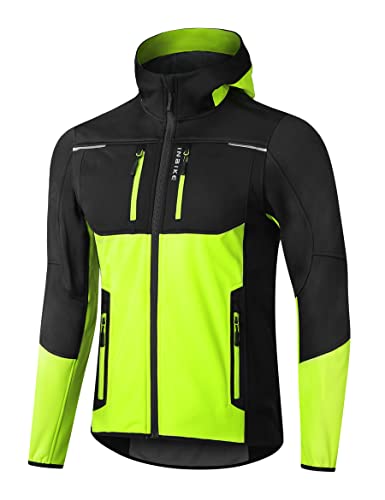
| Fabric Material | 100% polyester (windproof & water-resistant exterior) with thickened velvet lining |
| Wind/Water Protection | 100% windproof and water-resistant; lotus leaf hydrophobic finish |
| Pockets | Two chest and two waist pockets with YKK zippers |
| Fasteners | YKK zippers on all pockets |
| Hood and Collar | High collar with non-detachable hood designed to fully wrap head; reflective logo/stripe |
| Cuff and Fit | Elastic cuffs; close-fitting ergonomic cut with enhanced wind resistance |
You unzip the INBIKE Hooded Cycling Bike Jacket and discover a little surprise: the velvet lining feels like a cozy secret you can’t ignore, even on a windy ride. The moment you pull it on, the hood hugs your head and the high collar blocks that biting wind, almost like a personal barrier between you and the storm.
Breathable heat and a snug fit make city commutes feel warmer without overheating. The windproof layer brushes off gusts, and the water-resistant fabric keeps light rain from soaking through, so you don’t have to rush for cover at the first sprinkle.
You’ll notice the cuffs seal tightly, and the close-fit cut reduces flutter while you pedal.
Storage is surprisingly practical thanks to the large YKK zip pockets at chest and waist. You can stash your phone, keys, and snack without worrying about rain entering the zippers.
The reflectivity on the back stripe lights up after dark, giving you a little extra safety without shouting for attention.
The design feels thoughtfully ergonomic: the sleeves stay put as you reach for the handlebars, and the pocket zippers glide smoothly even with gloves on. It’s easy to put on and take off, and the hood remains attached when you don’t need it, which is a small but welcome consistency on chilly mornings.
For anyone who hits varied weather, this jacket feels like a reliable partner. It isn’t a bulky fortress, but it shields you where it counts—wind, light rain, and cold air—without cramping your movement.
It’s simple, practical, and ready for a long session or a quick sprint through town.
PROS
– Warm velvet lining
– Strong wind resistance
– Generous pockets
CONS
– Hood not detachable
– Size chart caution
What Makes a Bike Windbreaker Worthy of the Title “Best”?
To be considered the best bike windbreaker, several key factors come into play:
- Material: The fabric used in a windbreaker plays a crucial role in its effectiveness. High-quality, lightweight materials such as nylon or polyester are commonly used as they provide wind resistance while remaining breathable, allowing moisture to escape and keeping the rider comfortable.
- Fit: A well-fitted windbreaker is essential for performance and comfort. It should have a design that allows for a full range of motion without being too loose, which could create drag, or too tight, which could restrict movement while cycling.
- Pockets and Storage: Practicality is a significant aspect of the best bike windbreakers. Features like zippered pockets can provide safe storage for essentials such as keys, phones, or snacks, allowing cyclists to ride without worrying about losing their belongings.
- Weather Resistance: The ability to withstand varying weather conditions is a hallmark of a top-quality windbreaker. The best models offer not only wind resistance but also water-repellent properties, ensuring that cyclists stay dry and protected from light rain and splashes.
- Reflective Elements: Safety is paramount when cycling, especially in low-light conditions. Windbreakers that incorporate reflective strips or materials enhance visibility to other road users, significantly reducing the risk of accidents during early morning or evening rides.
- Packability: For cyclists who value convenience, a windbreaker that can be easily packed away is a must. The best options can be folded into a compact size, often fitting into a small pocket or bag, making them easy to carry on longer rides.
- Style and Design: While functionality is crucial, aesthetics also matter. The best bike windbreakers come in a variety of colors and styles, allowing cyclists to express their personal style while still benefiting from the technical features of the garment.
How Do Materials Affect the Performance of a Bike Windbreaker?
The materials used in a bike windbreaker significantly influence its performance, comfort, and durability.
- Polyester: Polyester is a common material for bike windbreakers due to its lightweight and moisture-wicking properties. It allows for breathability while effectively repelling wind and light rain, making it an excellent choice for cyclists who need to stay dry and comfortable during rides.
- Nylon: Nylon is another popular fabric known for its strength and resistance to abrasion. Its tight weave offers superior wind resistance and durability, ensuring that the windbreaker can withstand various weather conditions while maintaining its shape and performance over time.
- Gore-Tex: Gore-Tex is a high-performance material that provides exceptional waterproofing while allowing moisture to escape. This makes it ideal for cyclists who face heavy rain or wet conditions, as it keeps the rider dry without compromising breathability during intense physical activity.
- Softshell: Softshell fabrics combine the properties of both insulation and wind resistance, making them versatile for varying temperatures. They are typically more flexible and comfortable, allowing for a greater range of motion, which is essential for cyclists who require freedom of movement while riding.
- Reflective Materials: Incorporating reflective materials enhances visibility in low-light conditions, which is crucial for safety during early morning or evening rides. These features often come in the form of strips or panels that not only add to the aesthetic but significantly improve the rider’s safety on the road.
- Mesh Panels: Some windbreakers include mesh panels for increased ventilation. This feature helps regulate body temperature and moisture, especially during high-intensity rides, ensuring that cyclists remain comfortable without overheating.
- Insulating Liners: Insulating liners made from materials like fleece can add warmth to a windbreaker without adding significant bulk. This is particularly beneficial for colder conditions, as it provides an extra layer of thermal protection while maintaining the windproof qualities of the outer shell.
What Fit and Size Should You Target for Maximum Comfort While Riding?
The fit and size of a bike windbreaker are crucial for ensuring maximum comfort while riding.
- Snug Fit: A snug fit helps reduce flapping while riding, which can create drag and reduce aerodynamic efficiency. It should be close to the body without being restrictive, allowing for free movement of the arms and torso.
- Length: The windbreaker should have an appropriate length that covers the lower back when riding. This prevents the wind from creeping in and causing discomfort, especially in a forward-leaning riding position.
- Arm Length: The sleeves should be long enough to cover the wrists, providing protection from wind and chill. They should also allow for full range of motion without riding up, particularly when reaching for the handlebars.
- Adjustable Features: Look for windbreakers with adjustable cuffs, hems, and collars. These features help create a customizable fit that can block wind and accommodate layering, enhancing overall comfort.
- Breathability: The fabric should be breathable to prevent overheating during rides. A well-ventilated windbreaker allows moisture to escape, ensuring you stay dry and comfortable even during intense activities.
- Size Range: Consider the size range offered by different brands, as sizing can vary significantly. It’s important to refer to the specific sizing chart of the manufacturer to find the best fit for your body type.
Which Features Should You Look for in a High-Quality Bike Windbreaker?
When searching for the best bike windbreaker, consider the following essential features:
- Material: Look for lightweight, breathable, and water-resistant fabrics that provide protection without sacrificing comfort.
- Fit: A good fit is crucial; ensure the windbreaker is snug yet allows for a full range of motion while cycling.
- Pockets: Functional pockets are important for carrying essentials like keys, snacks, or your phone securely during rides.
- Visibility: Opt for windbreakers with reflective elements or bright colors to enhance your visibility in low-light conditions.
- Packability: A high-quality windbreaker should be easily packable, allowing you to fold it into a small size for convenient storage when not in use.
- Ventilation: Look for features like mesh panels or zippered vents to enhance airflow and prevent overheating during intense rides.
- Durability: Ensure the windbreaker is made from durable materials that can withstand wear and tear from regular use and outdoor conditions.
Material: The fabric of the windbreaker is crucial; ideally, it should be a blend that resists wind and light rain while remaining breathable. Materials like nylon or polyester are often used for their lightweight properties and ability to dry quickly, offering comfort during rides.
Fit: The fit of the windbreaker should be tailored specifically for cycling, with a longer back and shorter front to accommodate a riding position. This ensures that the jacket doesn’t ride up while pedaling and allows for unrestricted movement of the arms and shoulders.
Pockets: Windbreakers with strategically placed pockets can greatly enhance convenience. Look for zippered pockets that secure your belongings, as they prevent items from falling out during your ride while also providing easy access when needed.
Visibility: Safety is paramount for cyclists, making visibility a key feature. Windbreakers with reflective strips or panels help ensure that you can be seen by drivers and other cyclists, especially during early morning or evening rides.
Packability: The ability to pack the windbreaker into a small size is a significant advantage for cyclists who may need to store it in a bag. Many high-quality windbreakers come with a built-in pouch or can be folded into their own pocket, making it easy to carry without taking up much space.
Ventilation: Ventilation features, such as mesh panels or zippered openings, help regulate temperature and moisture. They allow for increased airflow, which is essential on warmer days or during intense cycling sessions to prevent overheating.
Durability: A durable windbreaker can withstand various weather conditions and the rigors of cycling. Look for reinforced seams and high-quality stitching, which contribute to the longevity of the garment, ensuring it remains functional ride after ride.
What Weather Conditions are Most Suitable for Using a Bike Windbreaker?
The most suitable weather conditions for using a bike windbreaker include:
- Cool Temperatures: A bike windbreaker is ideal for cool weather, typically when temperatures are between 50°F to 65°F. In these conditions, the windbreaker provides warmth without overheating, allowing for comfortable cycling.
- Windy Conditions: When cycling in windy weather, a windbreaker acts as a barrier against the wind, reducing wind chill that can make you feel much colder. This is especially important as it helps maintain body temperature and comfort during rides.
- Light Rain or Drizzle: Many bike windbreakers come with water-resistant or waterproof features, making them suitable for light rain. They help keep you dry and prevent the chill that comes with wet clothing, allowing you to continue your ride without discomfort.
- Variable Weather: If you’re riding in conditions where the weather can change rapidly, such as in spring or fall, a windbreaker is a versatile option. It can easily be packed away when not needed, making it convenient to carry for unexpected weather changes.
- High Humidity: In humid conditions, a bike windbreaker can help wick away sweat while still providing a layer of protection against the wind. This ensures that you remain comfortable and dry during your ride, even when the humidity levels are high.
How Do Color and Style Impact Your Choice of a Bike Windbreaker?
When selecting a bike windbreaker, color and style can significantly influence your decision, impacting both functionality and personal expression.
Color:
– Visibility: Bright colors like neon yellow or orange enhance visibility during low light conditions, improving safety on the road. Contrast colors make you more noticeable to motorists and other cyclists.
– Heat Management: Lighter colors reflect sunlight, keeping you cooler on hot days, while darker hues can absorb heat but may provide a more polished look.
– Personal Branding: Color choices can reflect your personality or team affiliation. Choosing a windbreaker that matches your favorite cycling jersey can create a cohesive look.
Style:
– Fit and Cut: A fitted windbreaker reduces wind resistance, essential for competitive cyclists. Conversely, a looser fit may prioritize comfort for leisurely rides.
– Features: Styles may include elements such as hoods, adjustable cuffs, or mesh panels for ventilation, which can expand utility for various weather conditions.
Selecting a windbreaker that aligns with your color preferences and style needs enhances both performance and individuality on your rides.
Related Post: