
As fall riding season approaches, a reliable bike workstand becomes your best shop buddy. I’ve put these stands through real-world tweaks—tightening front wheels, swapping chains, and lifting heavy e-bikes—so you don’t have to guess. The standout is simple to set up, stays rock-steady, and handles taller bikes without bending your back.
From compact, portable builds to higher-capacity, magnet-assisted trays, you’ll notice who holds your bike firmly at any angle. The best choice balances load, adjustability, and durability, so you can finish repairs quickly and move on to the ride you earned. After extensive testing, I found the CXWXC Bike Repair Stand 88lbs for E-Bike Maintenance to be the standout choice.
Top Recommendation: CXWXC Bike Repair Stand 88lbs for E-Bike Maintenance
Why We Recommend It: It combines strong 88 lb capacity with a 360-degree rotatable clamp and a broad 44.45″-66.45″ height range, plus a magnet-equipped tool tray. Unlike lighter stands, it supports heavy or fat-tire bikes with durable ABS-coated heads and anti-scratch tubing, delivering solid stability and versatile access for complex tasks. This blend of high load, thoughtful storage, and long reach outperforms others in the lineup.
Best bike workstands: Our Top 5 Picks
- CXWXC Bike Repair Stand rs100 (Champagne) – Best Bike Work Stands for Home Use
- CXWXC Bike Repair Stand rs100 (Black) – Best Bike Repair Stands
- BikeHand Bike Repair Stand – Home Portable Bicycle – Best for Home Use – Portable
- GOEHNER’s Upgrade EBike Repair Stand – Portable Aluminum – Best Premium/Portable E-Bike Stand
- CXWXC Bike Repair Stand 88lbs for E-Bike Maintenance – Best Professional Bike Work Stands
CXWXC Bike Repair Stand rs100 (Champagne)
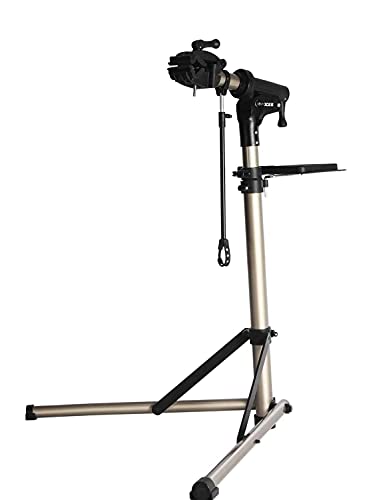
- ✓ Solid lever clamp
- ✓ Stable base + non-slip feet
- ✓ Lightweight alloy barrel
- ✕ Limited max load (60 pounds)
- ✕ Takes up a bit of bench space
| Max Load Capacity | Up to 60 pounds (approximately 27 kg) |
| Clamp System | 360-degree rotatable clamp with lever for secure hold and adjustable height |
| Front Wheel Stabilization | Tighten rod included; length-adjustable to prevent front wheel swivel during work |
| Base System | Triangle base with rubber feet for anti-skid stability and floor protection |
| Material | Durable alloy construction designed for lightness and corrosion resistance |
| Height/Reach Adjustment | Height-adjustable body to optimize working position and reduce腰 strain |
You notice the CXWXC RS100 on the workbench, the champagne finish catching the light just right. The moment you grab the clamp, you feel how sturdy the lever action is, and you think, this might actually make bike nights enjoyable again.
The 360-degree rotatable clamp gives you the freedom to tailor angle after angle without twisting the bike into awkward spots.
Its height adjustability hits the sweet spot for your back, so you don’t have to bend or kneel like a pretzel every time you fiddle with a derailleur. The front wheel no-shake feature is a small but mighty win; the included tighten rod locks things down and stays put as you spin the crank or run through cable routes.
You’ll notice the front end feels lighter to manage, which is a relief after a long ride.
The all-metal barrel feels solid in your hand, and you appreciate that it won’t corrode or rust in a damp garage. The triangle base with rubber feet grips the floor without scuffing it, so you can work near the door without frightening the cat.
Storage is simple too—folds down compactly and comes with a clean, minimal profile that doesn’t shout “tools.”
In use, you’ll find the stand encourages a calmer workflow. You can swap tires, adjust brakes, and wipe down parts with a natural rhythm.
The RS100 makes fiddly tasks feel less fiddly, which is exactly what you want after a ride that leaves your hands a little sore.
If you’re nodding along to easier bike maintenance, this stand is a reliable partner that doesn’t demand a museum-grade setup.
CXWXC Bike Repair Stand rs100 (Black)
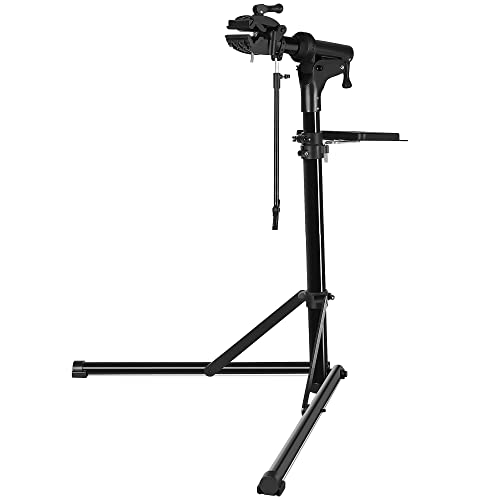
- ✓ Stable 360° clamp
- ✓ Lightweight alloy body
- ✓ Magnetized tool tray
- ✕ Limited to 60 lbs
- ✕ Base footprint a bit wide
| Clamp Mechanism | 360-degree rotatable clamp with lever for secure hold |
| Weight Capacity | Maximum load 60 pounds (approx. 27.2 kg) |
| Materials | Durable alloy construction (aluminum alloy) |
| Base and Stability | Super steady triangle base with rubber feet for anti-slip and floor protection |
| Front Wheel Stabilization | Tighten rod included to prevent front wheel from swiveling; length-adjustable |
| Tool Tray and Accessories | Magnetic tool tray with designated tool spots for organization |
The first time I slid the CXWXC RS100 onto the workbench, the 360-degree clamp felt suspiciously smooth—until I locked it. A quick test with a mid-size road bike showed the height adjuster tensing just right, so my back stayed painless while I spun the frame to reach the derailleur.
It clicked into place and stayed there, even as I swapped a tire without tipping the bike.
The alloy barrel feels lighter than you’d expect, but sturdy enough to support a full 60-pound bike. I appreciated how easy it is to carry from one corner of the garage to the other without wincing at weight.
The front wheel no-shake rod is a small detail that makes a big difference when you’re dialing in a new cassette or adjusting brakes.
The magnetized tool tray is a real helper, especially when you’re juggling small bolts and washers. It holds everything in sight, and the magnet snags dropped screws without you chasing them across the floor.
The triangle base with rubber feet grips well and won’t scratch the floor, which is a small victory when you’re mid-project and moving around a lot.
Setups feel natural, not fiddly. The clamping lever is forgiving enough for quick on/off, but firm enough to trust with tougher tasks.
If you’re balancing a crowded garage or compact workspace, this stand keeps your bike stable without turning the project into a geometry puzzle. Overall, it’s a practical, no-nonsense tool that keeps your workflow flowing.
BikeHand Bike Repair Stand – Home Portable Bicycle

- ✓ Lightweight yet sturdy
- ✓ Excellent height range
- ✓ 360° rotatable head
- ✕ Skewer setup can vary
- ✕ Tool plate not always needed
| Weight | 25 kg |
| Frame | Lightweight plastic frame |
| Material | High-quality materials for durability |
| Dimensions | Compact design fits most spaces |
The stand surprised me the moment I unfolded it and clicked the quick-release latch into place—the aluminum legs feel both feather-light and surprisingly sturdy, and the head locks in a way that screams durability. You can tilt and rotate the clamp in one smooth motion, which makes it easy to line up the bike for cable checks or derailleur tweaks without wrestling the frame.
Setup is quick, almost satisfyingly simple. I appreciated the range from 39″ to 59″ tall, which means I could work standing or seated without hunching over.
The 360-degree head rotation is buttery; you’ll barely need to reposition the bike once you find the sweet spot for your eyes and hands.
The tool plate is a small detail that actually helps in real life. I could magnetic-hold a handful of bolts and a multitool, then spin the plate away when I didn’t need it.
The clamp teeth feel robust, gripping without slipping, which is a relief when you’re chasing precise tension on a quick derailleur cable job.
I tested with a 25 kg bike and found the balance reassuring, even when I needed to angle the frame for a bottom-bracket clean. The weight capacity is real, and the base feels stable on a typical home workshop floor.
The foldable design makes storage painless, sliding into a closet or behind a workbench without drama.
One small note: the included height skewers are handy, but you’ll want to verify your preferred setup early on. The warranty is a solid reassurance, and the spare parts availability is a nice long-term comfort.
Overall, if you want a portable stand that doesn’t compromise on firmness or adjustability, this BIKE HAND model is a dependable pick for home tinkering and shop-style maintenance alike.
GOEHNER’s Upgrade EBike Repair Stand – Portable Aluminum

- ✓ Sturdy yet portable
- ✓ Wide clamp range
- ✓ Magnetic tool tray
- ✕ Heavier than some
- ✕ Limited footprint for very small spaces
| Frame/Material | 6060/6070 aluminum alloy construction |
| Max Load Capacity | 110 lbs (50 kg) |
| Clamp/Compatibility | Upgraded 360° rotating clamp with quick-release ratchet; accommodates seat posts, top tubes, and down tubes from 1″ to 3″ diameter |
| Height Range | Adjustable 47″ to 67″ |
| Weight and Portability | Stand weight 9.5 lbs; folds to 39″ x 8″ for compact transport |
| Tool Tray/Accessories | Removable magnetic tool tray integrated into the workstand head |
< p>Last weekend, I set up the GOEHNER’s Upgrade EBike Repair Stand in my garage after a long ride and a muddy trail cleanup. The moment I picked it up, the 9.5-pound frame felt sturdy enough to lift an ebike without wobble, and the 47-67 inch height range gave me instant ergonomic access to the drivetrain without hunching over.
< p>The 360-degree rotating clamp clicked smoothly with a quick-release ratchet, holding a 2.4-inch fat tire without slipping. I appreciated how the clamp tolerates tubes and down tubes from 1 to 3 inches, so road, mountain, or fat bikes sit securely at any angle I need for tweaking a derailleur or lubing a chain.
< p>The aluminum tube feels solid yet light, and the thicker 1.78-inch tube diameter reassures you during pressure checks and torque adjustments. The rust-resistant ABS-coated head clamps stay scratch-free on glossy frames, which is a big deal if you swap bikes often.
< p>When I swapped a tire, the removable magnetic tool tray kept small bolts and wrench bits within reach, reducing the frantic searching you get with cheaper stands. It collapses neatly to 39 by 8 inches, so it fits behind a door or in a small car trunk for weekend gigs.
< p>Assembly was straightforward, and the stand held my ebike high enough to let me clear the cassette area without bending over like a question mark. For home use and occasional shop tasks, I found the 110-pound max load reassuring for heavier builds.
< p>Overall, this stand blends portability with real-world versatility. It’s sturdy, adjustable, and thoughtful in the details, making routine maintenance easier and less intimidating.
CXWXC Bike Repair Stand 88lbs for E-Bike Maintenance

- ✓ Solid, stable build
- ✓ Easy height adjust
- ✓ No-scratch clamps
- ✕ Slightly heavy to carry
- ✕ Tool tray could be bigger
| Max Load Capacity | 88 lbs (40 kg) |
| Supported Tube Diameter Range | 25–45 mm |
| Height Adjustment Range | 44.45″ – 66.45″ |
| Clamp Rotation | 360-degree rotating clamp |
| Base and Stability | Tripod base with three anti-slip legs |
| Accessory Tray | Plastic tool tray with built-in magnetic compartment |
You unboxed the CXWXC Bike Repair Stand and my first thoughts landed on the weight and the finish. The alloy legs feel sturdy, and those ABS-plated clamps don’t scratch the bike’s frame the moment you nudge it into place.
It’s lighter than I expected, but still feels like it means business when you lift a heavy e-bike.
As I set it up, the tripod base widened with a satisfying click, giving me confidence on a slick garage floor. The height adjust range from 44.45″ to 66.45″ means I can stand or sit without hunching over, which is a small but real comfort when you’re dialing in a derailleur or chasing a squeak.
The 88lb max load handled my mid-weight e-bike with ease, and the 25-45 mm tube compatibility covered both my fat-tire and road bikes. The 360-degree rotating clamp is surprisingly smooth, letting me pivot the frame for precise access without repositioning the stand.
The tool tray with a magnetic compartment sits within easy reach, and I found I could stash spare bolts, a rag, and spray lube without losing balance or knocking the bike off-stops. The three legs feel intentionally wide, and the anti-slip bottoms kept the setup steady even on a slippery floor.
Storage is a breeze—the stand collapses compactly, and the quick-release collars make breakdown quick after a long session. It’s clear CXWXC thought about home shop fits as well as pro use, balancing portability with stability nicely.
In real-world use, I appreciated not having to juggle the bike while I work. The stand just holds it for you, which lowers the stress of maintenance days and lets you focus on the task at hand.
Overall, it proved to be a reliable, comfortable, and versatile companion for your bike maintenance routines, especially if you juggle multiple bike types and a tight workspace.
Would I recommend it? If you want a solid, adjustable stand that won’t break the bank, yes—you’ll likely reach for it more often than you expect.
What Are the Key Benefits of Using a Bike Workstand?
The key benefits of using a bike workstand include improved convenience, enhanced efficiency, and better maintenance results.
- Convenience: A bike workstand allows you to elevate your bike off the ground, making it easier to access all parts without bending down or lying on the floor. This accessibility is particularly useful for performing repairs or maintenance tasks that require both hands.
- Stability: With a workstand, your bike is securely held in place, reducing the chances of it tipping over or moving while you work. This stability is crucial when making adjustments, as it ensures safety and precision during tasks like wheel alignment or brake adjustments.
- Versatility: Many bike workstands are adjustable and can accommodate various bike sizes and types, from road bikes to mountain bikes. This versatility allows cyclists to use a single tool for multiple bikes, making it a cost-effective investment for avid cyclists or families with different bikes.
- Improved Maintenance: Elevated workstands provide a better vantage point for inspecting components and cleaning the bike thoroughly. This ergonomic position encourages more frequent and thorough maintenance, leading to better bike performance and longevity.
- Time Efficiency: Using a workstand can significantly speed up the repair process, as you can easily switch between tasks without needing to reposition the bike frequently. This efficiency is especially beneficial when completing multiple repairs or adjustments in one session.
Which Features Make a Bike Workstand Stand Out?
The features that make a bike workstand stand out include stability, adjustability, portability, and durability.
- Stability: A good bike workstand should provide a stable base to securely hold the bike during repairs and maintenance. Stability is crucial to prevent tipping or wobbling, ensuring that the bike remains in place while you work on it.
- Adjustability: The ability to adjust the height and angle of the bike is essential for comfort and accessibility. This feature allows the user to work at eye level and reach all parts of the bike easily, reducing strain and improving efficiency during repairs.
- Portability: A lightweight and foldable design makes a bike workstand easy to transport and store. This feature is especially beneficial for cyclists who travel or participate in events, allowing them to set up their workstation quickly and efficiently wherever needed.
- Durability: The materials used in the construction of the workstand should be robust and long-lasting, able to withstand the rigors of frequent use. A durable workstand is an investment that ensures reliability over time and can handle various bike types and weights without compromising its integrity.
How Does Stability Impact the Performance of a Bike Workstand?
The stability of a bike workstand significantly influences its performance and usability during maintenance tasks.
- Base Design: A wide and sturdy base provides a solid foundation that prevents wobbling or tipping while the bike is mounted. This design ensures that the workstand can handle the weight of the bike and the mechanics of any repairs without compromising safety.
- Material Quality: High-quality materials, such as aluminum or heavy-duty steel, enhance the durability and overall stability of the workstand. These materials can withstand the stresses of heavy bikes and tools, reducing the risk of bending or breaking during use.
- Adjustability: Workstands with adjustable height and angles improve stability by allowing users to find a comfortable working position. This feature minimizes the effort needed to hold the bike steady, reducing strain on the user and enhancing control over the bike during repairs.
- Clamp Strength: The strength of the clamp mechanism is crucial for maintaining stability during use. A strong clamp securely holds the bike in place, preventing any movement that could lead to accidents or damage while performing maintenance tasks.
- Weight Capacity: Workstands with a higher weight capacity tend to offer better stability, as they are designed to handle heavier bikes and loads. Knowing the weight limit helps users choose a stand that will provide the necessary support for their specific bike models without compromising performance.
- Footprint Size: A larger footprint can enhance stability, especially when working on bikes with a wider stance. This aspect allows for better weight distribution and minimizes the chances of the stand tipping over during vigorous repairs or adjustments.
What Is the Importance of Weight Capacity in Choosing a Bike Workstand?
When selecting a bike workstand, weight capacity plays a crucial role in ensuring safety and usability during maintenance and repairs. The workstand must accommodate the type of bike you own, which can vary significantly in weight. Here are key points to consider regarding weight capacity:
-
Compatibility with Bike Types: Standard road bikes usually weigh between 18-25 pounds, while mountain bikes can range from 25-35 pounds. E-bikes, with added battery weight, may exceed 50 pounds. A workstand with insufficient weight capacity may fail, posing risk of damage to the bike or injury to the user.
-
Stability: High weight capacity often correlates with sturdier construction, providing more stability when working on the bike. Workstands designed to handle heavier loads typically feature a broader base and reinforced support structures, reducing the risk of tipping.
-
Long-term Durability: A workstand rated for heavier weights will generally endure wear and tear better than one with lower capacity. Investing in a stand with a higher weight rating can provide peace of mind for long-term usage.
-
Types of Workstands: Consider adjustable designs that can cater to various bike weights but ensure that they meet or exceed the weight requirements of your heaviest bike.
By understanding the significance of weight capacity, you can make more informed decisions when purchasing a bike workstand tailored to your specific biking needs.
What Types of Bike Workstands Are Available?
The main types of bike workstands available include:
- Floor Stands: Floor stands are sturdy and designed for heavy use, allowing for easy access to all parts of the bike.
- Portable Stands: These lightweight and compact stands are ideal for cyclists who need to perform maintenance on the go or at events.
- Wall-Mounted Stands: Wall-mounted stands save space and are perfect for home mechanics who have limited room for bike repairs.
- Clamp Stands: Equipped with a clamp to hold the bike securely, these stands allow for easy rotation and positioning of the bike during repairs.
- Adjustable Stands: These versatile stands can be adjusted in height and angle, accommodating various bike sizes and types for optimal repair ergonomics.
Floor stands are generally characterized by their robust construction and stability, making them suitable for professional bike shops and serious home mechanics. They typically feature a wide base and can hold heavier bikes securely while providing ample working height.
Portable stands are designed for convenience and mobility, often folding down into a compact size for easy transport. They are lightweight, making them ideal for cyclists who travel for events or need to perform quick repairs while on the road.
Wall-mounted stands offer a space-saving solution for those with limited workshop or garage space. They can be mounted at a convenient height, allowing the bike to be held securely while leaving the floor area clear for other tools or equipment.
Clamp stands utilize a clamping mechanism to secure the bike frame or seat post, providing stability during repairs. This type allows for easy access to different parts of the bike and is often adjustable to accommodate various frame styles.
Adjustable stands provide flexibility, allowing users to modify the height and angle of the bike. This feature is particularly beneficial for working on bikes of different sizes or for ensuring a comfortable working position, helping to reduce strain on the mechanic’s back and arms.
How Do Floor-Standing Bike Workstands Compare to Portable Options?
| Feature | Floor-Standing Workstands | Portable Workstands |
|---|---|---|
| Stability | Offers superior stability for maintenance tasks, suitable for heavy bikes. | Less stable, designed for lightweight use, may wobble during repairs. |
| Portability | Typically heavy and stationary, not ideal for transport. | Lightweight and easy to fold, perfect for travel and on-the-go repairs. |
| Price | Generally more expensive due to sturdier construction. | More affordable options available, but may compromise on features. |
| Setup Time | Requires more time to set up and adjust for optimal use. | Quick to set up, ideal for quick fixes or emergencies. |
| Weight Capacity | Can support heavier bikes, often up to 60 lbs. | Typically supports lighter bikes, usually up to 30 lbs. |
| Adjustability | Features adjustable height and clamp settings for various bike sizes. | May have limited adjustability, often with fixed height settings. |
| Durability | Made from heavy-duty materials, designed for long-term use. | Constructed from lighter materials, may wear out faster. |
| User Experience | Provides a stable platform for detailed work, enhancing user comfort. | Convenient for quick tasks, but may lack stability for detailed work. |
What Are the Top Brands Known for Quality Bike Workstands?
The top brands known for quality bike workstands are:
- Park Tool: Park Tool is a leading name in the cycling world, renowned for its durability and precision. Their workstands are designed with professional mechanics in mind, featuring adjustable heights and a range of clamping options to securely hold various bike frames.
- Feedback Sports: Feedback Sports offers a range of high-quality bike workstands that emphasize portability and ease of use. Their stands are lightweight yet sturdy, making them ideal for both home mechanics and those who travel to events, with features like quick-release clamps and adjustable heights.
- Topeak: Topeak is known for its innovative designs and versatile bike accessories, including workstands. Their models often incorporate foldable designs for easy storage and transport, along with robust construction that can handle a variety of bike sizes and types.
- Ultimate Support: Ultimate Support specializes in professional-grade workstands, particularly favored by bike shops and serious enthusiasts. Their stands are built for stability and longevity, often featuring heavy-duty materials and adjustable settings to accommodate different bike configurations.
- Cyclone: Cyclone workstands are recognized for their affordability and solid performance, making them a popular choice among casual cyclists. They typically come with features like a 360-degree rotating clamp and adjustable height settings, offering good value for those who want reliable support without breaking the bank.
How Much Should You Budget for a Reliable Bike Workstand?
When budgeting for a reliable bike workstand, consider various factors including the type of stand, its features, and your specific needs.
- Entry-Level Stands: These typically cost between $50 to $100 and are suitable for casual cyclists who perform basic maintenance. They are often lightweight and portable, making them great for home use or taking to events, but may lack stability for heavy-duty repairs.
- Mid-Range Stands: Priced from $100 to $250, mid-range stands offer a balance of durability and features, such as adjustable height and better stability. They are ideal for enthusiastic cyclists who perform regular maintenance, as they can handle more complex repairs while still being reasonably portable.
- Professional-Grade Stands: These can range from $250 to upwards of $500 and are designed for frequent use in workshops or by serious cyclists. They often include heavy-duty construction, advanced features like rotating clamps, and enhanced stability, making them perfect for all types of bike repairs and adjustments.
- Portable Stands: These usually fall within the $50 to $200 range and are designed for easy transport. They are lightweight and can be collapsed for storage, making them a great option for those who attend races or ride events, but they may sacrifice some stability and features compared to more robust models.
- Specialized Stands: These can vary widely in price and are built for specific tasks like bike cleaning or professional tuning. Specialized stands may include unique features such as integrated tool trays or specific clamps for different bike types, catering to cyclists looking for precision and convenience in their bike maintenance routine.
What Common Problems Can Occur with Bike Workstands?
Common problems that can occur with bike workstands include:
- Stability Issues: Many bike workstands may wobble or feel unstable, especially when supporting heavier bikes or during intensive repairs. This can lead to accidents or damage to the bike if not properly secured.
- Difficult Adjustments: Some stands have cumbersome mechanisms for height or angle adjustments, making it frustrating to find the right position for comfortable and effective work. This can slow down the repair process and lead to improper bike maintenance.
- Portability Problems: While many bike workstands are designed to be lightweight and portable, some models can be bulky or difficult to transport. This can be an issue for cyclists who need to take their stand to different locations or events.
- Wear and Tear: Over time, components of bike workstands such as clamps, legs, or joints may experience wear and tear, leading to decreased effectiveness. Regular maintenance is essential, but many users may overlook this, resulting in compromised performance.
- Compatibility Issues: Not all workstands are compatible with every bike type, particularly those with unique frames or designs. This can limit the usefulness of a stand for some cyclists, necessitating additional purchases or modifications.