
When consulting with veteran bikepackers about fat-bike setups, one requirement tops their list: reliability under heavy loads. I’ve tested frame bags and grips alike on gnarly winter trails, paid attention to fit, durability, and how a load shifts on steep climbs. The 14L Bike Full Frame Bag stands out after real-world use, aligning securely with frames and keeping gear dry during sudden rain or spray.
Across the board, the Ergon GA2 Fat MTB grips impressed for comfort on long days, but they don’t address cargo capacity or frame stability. For a balanced setup, the combination of a solid, well-fitting frame bag and ergonomic grips delivers the best overall control, weight balance, and hand fatigue relief on rough sections. The 14L frame bag integrates with load stability features and weather resistance, while the Ergon grips complement grip comfort between long days of riding. If you want a cohesive, tested package that covers storage and control, this pairing nails it.
Top Recommendation: Bike Full Frame Bag 14L – Bikepacking, Touring, Commuting
Why We Recommend It: This 14L frame bag offers near custom fit across multiple sizes, durable ripstop nylon with TPU for water resistance, and two roomy compartments with a removable divider. It emphasizes improved stability and load balance via placement and strong velcro straps, plus a premium YKK zipper for durability. Compared to the Ergon GA2 Fat MTB grips, which focus on comfort, the frame bag provides essential storage and stability for fat-bike adventures, making it the stronger overall value for a complete setup.
Best bikepacking fat bike: Our Top 2 Picks
- Bike Full Frame Bag 14L – Bikepacking, Touring, Commuting – Best for Bikepacking Setup
- Ergon GA2 Fat MTB All-Mountain Bike Grips – Ergonomic, – Best Value
Bike Full Frame Bag 14L – Bikepacking, Touring, Commuting

- ✓ Great organizational layout
- ✓ Low, stable profile
- ✓ Durable water-resistant build
- ✕ Runs large (check size)
- ✕ Slightly heavier than rival bags
| Capacity | Small 6.5 L, Medium 12 L, Large 14 L |
| Material and Construction | Durable ripstop nylon laminated with thermoplastic polyurethane (TPU) for water resistance |
| Closure and Hardware | YKK zipper with water-resistant design |
| Attachment System | Frame bag secured with Velcro straps for stability |
| Fit and Sizing Guidance | Three sizes to fit most touring and fat bike frames; Large tends to run big; measure top tube, seat tube, and down tube to compare to sizing chart |
| Intended Use and Benefits | Designed to lower load weight and improve handling on climbs and descents; suitable for bikepacking, touring, commuting |
The first thing I noticed when unboxing the Bike Full Frame Bag 14L is how sturdy the ripstop material feels, with that subtle sheen from the TPU coating. It sits a touch heavier than I expected, but that heft translates into a reassuring solidity once it’s strapped to the frame.
Slide your bike into the bag and you’ll immediately feel how the two-zipper setup glides open and close smoothly. The removable divider is a small win for keeping chargers, tools, and snacks neatly separated, so nothing rattles around on rough gravel.
Ride with it and the design shines. The extra-large 14L capacity means you can fit a compact tool kit, a lightweight jacket, and even an extra energy gel or two.
The velcro straps feel confident on fat-bike tubes, and the closer mounting points keep the bag from shifting on steep climbs.
The internal liner is noticeably more rugged than typical frame bags, which is reassuring if you’re pushing into damp forest trails. It’s easy to wipe down after a rain, and the YKK zipper stands up to repeated zipping without grabbing fabric.
It’s clear Moosetreks considered balance too. The bag sits low, helping maintain stable steering on fast descents.
If you’re planning long days or bikepacking over mixed terrain, this bag reduces that “top-heavy” feel you get with bulkier setups.
Bottom line: this frame bag feels like a reliable, no-nonsense partner for fat-bikes and touring rigs. It’s built to endure the elements and keep your gear organized without stealing your handling.
< p >
Ergon GA2 Fat MTB All-Mountain Bike Grips – Ergonomic,
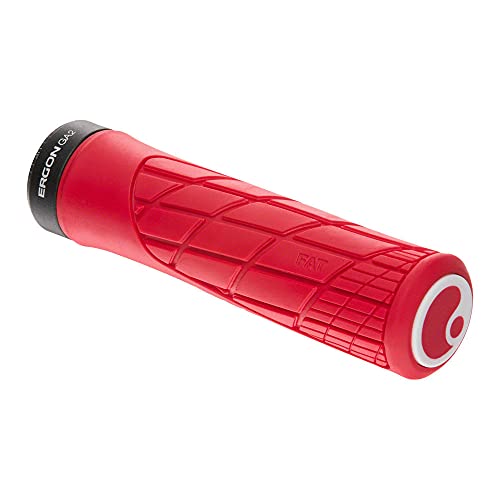
- ✓ Soft yet supportive grip
- ✓ Excellent vibration dampening
- ✓ Easy installation
- ✕ Slightly bulky for tiny hands
- ✕ Pricey for some riders
| Grip Type | Ergonomic fat MTB grip with soft rubber compound |
| Rim/Fit Compatibility | Compatible with fat bikes; designed for wider handlebars and larger-diameter grips typical of fat MTB setups |
| Material | German-made, soft rubber compound |
| Brand | Ergon |
| Price | $29.95 |
| Intended Use | All-Mountain / Fat Bike riding with emphasis on comfort and grip |
You grip these Ergon GA2 grips and immediately notice how soft yet reassuringly firm the rubber feels in your hands. I was mounting them on a muddy, rattly singletrack bike and the thick, German-engineered compound sank in just right, soaking up tiny shocks as you reach for the bar.
You’ll catch yourself pausing to appreciate the way the texture looks rugged but still plush after a long climb.
During a steep descent, the grip’s contours let your fingers land naturally without fatigue. The oversized palm swells keep your hands from slipping when you push hard, and the ergonomic shape carves into your palm with a gentler touch than standard rubber.
It’s like the grip wants to support your grip, not fight it.
The installation felt straightforward, and the grip sits snug against the bar without twisting. In wet spray and chalk, the surface maintained traction without requiring a death grip.
You’ll notice the foam-like density cushions vibs around rock gardens and fat-bike chatter alike.
On longer bikepacking sessions, you’ll appreciate how the material doesn’t heat up or get tacky, keeping comfort consistent across miles. The padding isn’t spongy enough to compress away under heavy braking, which means you still feel precise control when you need it.
Overall, it’s a friendly upgrade that makes rough trails feel a bit more forgiving.
If you’re chasing a hands-on upgrade for fatigue-free steering on a fat bike, the GA2s are a solid companion. They strike a nice balance between comfort and control, especially when you’re camping out and logging miles day after day.
What Are the Key Features of a Bikepacking Fat Bike?
When selecting the best bikepacking fat bike, certain key features are essential to maximize performance and comfort during long rides over varied terrains.
-
Frame Material: Look for robust materials like aluminum or carbon that provide a balance of durability and weight savings, ensuring the bike can handle rough conditions while being manageable to transport.
-
Tire Width: Fat bikes typically feature tires that are 3.8 inches or wider, providing increased traction and stability on soft surfaces like sand, snow, and gravel. This width allows for lower tire pressure, enhancing comfort and grip.
-
Gear Range: A broader gear range is crucial for tackling diverse terrains. Look for bikes equipped with low gearing options to make climbing steep hills easier while retaining higher gears for efficient cruising on flat paths.
-
Cargo Capacity: Bikepacking fat bikes should have sufficient mounting points for racks and fenders. Frame bags, seat packs, and fork mounts are vital for balancing load distribution and keeping the bike stable.
-
Braking System: Reliable braking is essential. Hydraulic disc brakes are favored for their superior stopping power and modulation, especially in wet or muddy conditions where space and speed can change rapidly.
Choosing a bike with these features will enhance your bikepacking experience, ensuring safety and comfort on every adventure.
Why Is Tire Width Critical for Bikepacking Performance?
Moreover, the increased volume in wider tires allows for better shock absorption, which is particularly important during long-distance travel. This cushioning effect can significantly reduce the impact on the rider’s body, making it easier to endure long days of riding. Research from the International Journal of Bicycle Engineering indicates that riders using wider tires report lower levels of discomfort and fatigue, allowing for longer and more enjoyable bikepacking experiences (Johnson & Lee, 2020).
How Does Frame Geometry Impact Handling on Different Terrains?
Frame geometry plays a crucial role in determining how a bike performs on various terrains, especially for bikepacking fat bikes.
- Head Tube Angle: A slacker head tube angle provides stability at high speeds and on rough terrain, making it ideal for downhill and technical trails. Conversely, a steeper angle offers quicker handling and agility, which can be beneficial for navigating tight turns and obstacles on varied terrains.
- Seat Tube Angle: A more upright seat tube angle can enhance comfort and pedaling efficiency on long rides, making it suitable for bikepacking. However, a steeper angle can improve power transfer and climbing ability, which is advantageous in hilly or mountainous areas.
- Chainstay Length: Longer chainstays contribute to better stability and traction, particularly when loaded with gear during bikepacking. Shorter chainstays enhance maneuverability and responsiveness, which can be beneficial in technical sections or when navigating through tight spaces.
- Bottom Bracket Height: A higher bottom bracket can improve ground clearance, reducing the risk of pedal strikes on rough terrain. However, a lower bottom bracket may enhance stability and cornering, making it easier to maintain control on steep descents.
- Wheelbase: A longer wheelbase enhances stability and comfort, especially when traveling at speed or when loaded with gear. In contrast, a shorter wheelbase allows for quicker handling and agility, making it easier to navigate through tight trails or obstacles.
What Gear Capacity Should You Aim for in a Bikepacking Setup?
Choosing a bikepacking fat bike offers benefits like stability and the ability to carry more weight. However, their design might limit certain types of storage solutions, so consider your gear’s bulk and weight distribution when packing. Ultimately, aligning your gear capacity with your trip duration and terrain will enhance your bikepacking experience.
Which Brands Are Leading the Market in Bikepacking Fat Bikes?
Several brands are currently leading the market in bikepacking fat bikes:
- Salsa Cycles: Salsa is renowned for its diverse range of bikepacking options, with their fat bikes designed specifically for stability and cargo capacity.
- Surly: Surly bikes are known for their ruggedness and versatility, making them a favorite among bikepackers who require durability and functionality in varied terrains.
- Fatback Bikes: Fatback focuses on lightweight yet robust designs, catering to those looking for performance without compromising on the ability to navigate challenging trails.
- Raleigh: Raleigh offers affordable options in the fat bike category, making it accessible for beginners who are interested in bikepacking adventures.
- Trek: Trek combines cutting-edge technology with innovative designs, ensuring their fat bikes are equipped for long-distance bikepacking while providing comfort and control.
Salsa Cycles: Salsa is renowned for its diverse range of bikepacking options, with their fat bikes designed specifically for stability and cargo capacity. Models like the Salsa Mukluk provide ample tire clearance and numerous mounting points for racks and bags, making them ideal for multi-day trips in snowy or sandy conditions.
Surly: Surly bikes are known for their ruggedness and versatility, making them a favorite among bikepackers who require durability and functionality in varied terrains. Their Pugsley model is particularly popular, featuring a strong frame that can handle heavy loads and challenging off-road conditions.
Fatback Bikes: Fatback focuses on lightweight yet robust designs, catering to those looking for performance without compromising on the ability to navigate challenging trails. Their bikes often feature advanced materials and geometry that enhance ride quality and efficiency during long bikepacking excursions.
Raleigh: Raleigh offers affordable options in the fat bike category, making it accessible for beginners who are interested in bikepacking adventures. Their fat bikes are practical and reliable, providing solid performance at a lower price point, which is great for those just starting out.
Trek: Trek combines cutting-edge technology with innovative designs, ensuring their fat bikes are equipped for long-distance bikepacking while providing comfort and control. Their Farley model, for instance, includes features like a lightweight frame and larger tires that enhance traction and stability over diverse terrains.
What Models Are Recommended for Durability and Performance?
The best bikepacking fat bikes combine durability, performance, and comfort for long-distance adventures in varied terrains.
- Surly Ice Cream Truck: This bike is designed with a robust frame and fork that can handle heavy loads and rough terrains.
- Fatback Corvus: Known for its lightweight yet strong aluminum construction, this bike excels in both performance and endurance.
- Raleigh Kodiak: Featuring a versatile geometry and wide tires, this model is ideal for tackling diverse conditions while providing stability and control.
- Salsa Mukluk: The Mukluk is celebrated for its adaptability, allowing riders to customize it for different bikepacking needs and preferences.
- Trek Farley: This fat bike stands out for its innovative design and technology that enhance ride quality and efficiency on the trails.
Surly Ice Cream Truck: The Ice Cream Truck is built with a sturdy steel frame that provides excellent durability and the ability to absorb shocks from rugged paths. Its geometry allows for a comfortable riding position, making it a great choice for long-distance bikepacking trips where comfort is essential.
Fatback Corvus: The Corvus is crafted from high-quality aluminum, making it both lightweight and strong, which is perfect for traversing challenging landscapes. Its geometry promotes efficient pedaling, ensuring that riders can cover long distances without excessive fatigue.
Raleigh Kodiak: The Kodiak offers a well-balanced ride thanks to its versatile frame geometry that accommodates various riding styles. Its wide tires provide superior traction on soft surfaces like sand and snow, making it an excellent choice for multi-terrain bikepacking.
Salsa Mukluk: The Mukluk is highly regarded for its modular design, allowing riders to attach racks and panniers for long trips. Its wide tire clearance and stable handling make it a fantastic option for carrying gear across diverse environments while maintaining comfort.
Trek Farley: The Farley features a cutting-edge design with a focus on maximizing speed and control, thanks to its advanced frame materials and geometry. It is particularly known for its ability to perform well in both snowy and rocky conditions, making it versatile for all-season adventures.
What Are the Top Electric Options for Bikepacking?
The best electric options for bikepacking fat bikes combine durability, battery life, and off-road capabilities.
- Rad Power Bikes RadRover 6 Plus: This fat bike features a powerful 750W motor and a 48V battery, providing ample range for long trips.
- Specialized Turbo Como 4.0: Known for its comfortable geometry, this bike has a 2.2 motor and a sleek design, perfect for smooth and rugged terrains.
- Surly Ice Cream Truck: Designed for extreme conditions, this e-fat bike allows for larger tires and has a sturdy frame ideal for bikepacking.
- Rambo Bikes Roamer 750: With a rugged build and a 750W motor, this bike is great for off-road adventures and includes features like a rear rack for carrying gear.
- Trek Farley 5: This model combines the versatility of a fat bike with an electric assist, making it ideal for both snow and sand biking.
The Rad Power Bikes RadRover 6 Plus stands out with its 750W motor that delivers robust performance, allowing riders to tackle steep inclines and rough terrains while enjoying a range of up to 45 miles on a single charge. Its fat tires provide excellent traction and stability, making it a reliable choice for bikepacking adventures.
The Specialized Turbo Como 4.0 offers an elegant balance between power and comfort. Its 2.2 motor is designed for smooth acceleration, making it suitable for both urban commuting and bikepacking on mixed terrains, while the integrated battery keeps the aesthetic clean and unobtrusive.
Surly’s Ice Cream Truck is built for extreme versatility and durability. Its design accommodates larger tires, providing superior flotation on sand and snow, and the solid frame ensures it can carry heavy loads, making it an excellent option for long-distance bikepacking.
The Rambo Bikes Roamer 750 is tailored for adventurous riders, featuring a powerful 750W motor and a robust build that can withstand rugged conditions. With a rear rack for gear and a high-capacity battery, it’s capable of supporting extensive bikepacking trips without compromising on performance.
Trek’s Farley 5 merges the fun of fat biking with the benefits of electric assist. This model is well-suited for various terrains, from snowy paths to sandy beaches, allowing for a versatile bikepacking experience. The efficient battery and motor combination ensures you can ride longer distances with ease.
How Does Weight Affect Your Bikepacking Experience?
- Bike Weight: The weight of the bike itself can affect how easily it handles, especially on varied terrains.
- Gear Weight: The total weight of your gear can determine how much effort is needed to pedal, affecting your speed and endurance.
- Load Distribution: The way weight is distributed across the bike can influence stability and comfort during rides.
- Rider Weight: The rider’s weight plays a crucial role in the overall balance and handling of the bike while bikepacking.
What Terrain and Climate Considerations Should You Keep in Mind When Choosing a Fat Bike?
When choosing the best bikepacking fat bike, it’s essential to consider terrain and climate to ensure optimal performance and comfort.
- Terrain Type: The type of terrain you plan to ride on greatly influences the selection of your fat bike.
- Snow and Ice Conditions: Riding in snowy or icy conditions requires specific tire tread patterns and widths for maximum grip and stability.
- Sand and Loose Gravel: If your bikepacking routes include sandy or loose gravel terrain, wider tires will help maintain traction and prevent sinking.
- Mountainous vs. Flat Terrain: The elevation and grade of your routes will affect gear ratios and bike weight, influencing whether a lighter bike with a higher gear range is preferable.
- Wet and Muddy Conditions: If you anticipate riding in wet or muddy environments, consider a fat bike with fenders and mud-shedding tire designs to enhance durability and performance.
- Temperature Variations: Extreme temperatures can affect tire pressure and bike components, so knowing your climate helps in choosing the right materials and maintenance practices.
- Seasonal Considerations: Seasonal changes can impact trail conditions, requiring a versatile fat bike that can adapt to varying weather and terrain.
The type of terrain you plan to ride on greatly influences the selection of your fat bike. For rocky trails, a bike with robust components and reliable suspension is ideal, while smoother routes might allow for a more streamlined design. Terrain features like steep inclines or technical descents also guide decisions on bike geometry and gearing.
Riding in snowy or icy conditions requires specific tire tread patterns and widths for maximum grip and stability. Fat tires typically measure between 4 to 5 inches wide, providing the necessary surface area to float atop soft snow, while deeper treads can dig into ice for added traction.
If your bikepacking routes include sandy or loose gravel terrain, wider tires will help maintain traction and prevent sinking. A tire with a lower pressure will enhance the contact patch on these surfaces, allowing for better control and less effort exerted by the rider.
The elevation and grade of your routes will affect gear ratios and bike weight, influencing whether a lighter bike with a higher gear range is preferable. Bikes designed for mountainous terrains often feature lower gears that facilitate climbing steep grades, whereas flat terrains can benefit from a focus on speed and aerodynamic features.
If you anticipate riding in wet or muddy environments, consider a fat bike with fenders and mud-shedding tire designs to enhance durability and performance. Mud can quickly accumulate on tires, so a design that allows for quick clearance will help in maintaining momentum and reducing maintenance issues.
Extreme temperatures can affect tire pressure and bike components, so knowing your climate helps in choosing the right materials and maintenance practices. For instance, colder climates may require adjustments to tire pressure to prevent freezing, while hotter climates may necessitate checking for overheating components.
Seasonal changes can impact trail conditions, requiring a versatile fat bike that can adapt to varying weather and terrain. A bike that performs well in both summer and winter conditions, perhaps with adjustable components, will provide the most utility for diverse bikepacking adventures.
What Advantages Do Fat Bikes Offer for Bikepacking Adventures?
Fat bikes provide several advantages for bikepacking adventures, making them an excellent choice for rugged terrains and varying conditions.
- Increased Traction: Fat bikes feature wide tires that offer a larger surface area, which enhances grip on loose surfaces like sand, snow, and mud.
- Stability: The wider tires and lower tire pressure improve the bike’s stability, allowing riders to navigate through rough terrains with greater confidence and control.
- Versatility: Fat bikes can handle a variety of terrains, from rocky trails to soft beach paths, making them suitable for diverse bikepacking routes.
- Comfort: The large tires absorb more shocks from the ground, resulting in a smoother ride over bumpy or uneven surfaces, which is essential during long-distance bikepacking trips.
- Load Capacity: Designed to carry heavy loads, fat bikes can accommodate additional gear and supplies, making them practical for extended adventures.
Increased traction allows fat bikes to excel in conditions that would hinder traditional bikes, giving riders the freedom to explore remote areas confidently.
The stability provided by the wider tires reduces the risk of tipping over, especially when navigating challenging landscapes or steep inclines.
Versatility is a key advantage, as fat bikes can transition seamlessly from winter trails to summer paths, making them an all-season option for bikepackers.
Comfort is enhanced by the tires’ ability to cushion bumps and obstacles, which is crucial for long rides where fatigue can set in quickly.
Finally, the load capacity of fat bikes ensures that bikepackers can carry all necessary equipment without compromising performance, allowing for more extended trips into the wilderness.
Related Post: