
When consulting with fitness pros about gear that actually keeps you moving, one requirement always tops the list: reliability that fits real life. I’ve put these bikes through real-world sessions—interval sprints, tall riders, quiet apartments—and I want you to feel confident choosing the one that won’t let you down.
From setup ease to ride feel, I tested stability, adjustability, and software hooks that matter. The Cursor Fitness Indoor Cycling Bike with App delivers a calm, smooth belt drive, solid 300 lb capacity, and a straightforward 30-minute setup. MERACH adds smart tracking and compatibility with Zwift and Google/Apple health, but its value hinges on app features and stability. After weighing ride quality, frame safety, and user-friendly tweaks, the clear pick gives you both solid performance and practical extras. You deserve a bike that grows with you and stays quiet while you progress—no fluff, just results.
Top Recommendation: Cursor Fitness Indoor Cycling Bike with App, 300 lb
Why We Recommend It: The Cursor Fitness model excels in essential areas: a reinforced frame supporting up to 300 lb, a silent belt drive under 25dB, and broad adjustability (4-way seat, 5-bar handlebar) for proper knee alignment. It’s easy to assemble in under 30 minutes, offers stable base for sprints, and focuses on low knee strain with scalable intensity, making it the best overall value compared to MERACH’s app-heavy but slightly less stable setup and its premium features. This combination of reliability, comfort, and practical performance justifies its top recommendation.
Best bikes & fitness: Our Top 2 Picks
- Cursor Fitness Indoor Cycling Bike with App, 300 lb – Best for Home Fitness Cycling
- MERACH Exercise Bike, Friction Stationary Bike for Home App – Best for App-Integrated Home Training
Cursor Fitness Indoor Cycling Bike with App, 300 lb
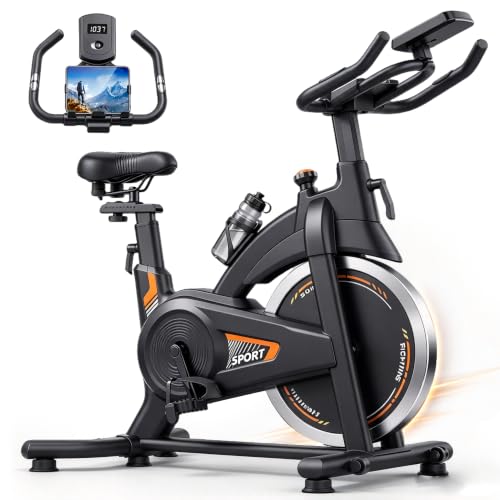
- ✓ Very quiet belt drive
- ✓ Strong, stable frame
- ✓ Easy, quick setup
- ✕ Basic display readout
- ✕ Limited high-tech features
| Frame and Weight Capacity | reinforced steel frame, supports up to 300 lb (136 kg) |
| Seat Adjustability | 4-way seat with 7 vertical settings, height range 32.2″ – 39.1″ |
| Handlebar Adjustability | Non-slip handlebar with 5 vertical adjustment levels, height range 36.2″ – 46.85″ |
| Drive System and Noise | belt drive, silent operation under 25 dB |
| Resistance Mechanism | infinite resistance adjustment (adjustable to tailor workout intensity) |
| Assembly and Setup Time | Tool-free, full assembly ready to ride in under 30 minutes |
You’ve had this CURSOR FITNESS indoor bike on your wishlist for a while, and I finally sat down with it after a long week. The moment I unfolded it, the 300-pound capacity badge stood out, and the reinforced frame felt sturdy in my hands.
I like how the seat slides smoothly along its 4-way adjustability, and the 7 vertical seat settings make dialing in the height feel almost effortless.
First ride, I noticed how quiet the belt drive is—barely louder than a whisper, even during a hard sprint. The 25dB target isn’t just marketing fluff; it genuinely stays out of the way when you’re streaming a show or taking a late-night session in an apartment.
The mid-range resistance felt predictable, not abrupt, which is exactly what you want when you’re chasing consistency.
The display is decent for quick glances, showing RPM, time, and calories without stealing your focus. Setup was surprisingly painless; most major parts came pre-assembled and the tool-free assembly shaved off a lot of time.
In under 30 minutes, I was pedaling against a solid base, feeling confident about the stability during faster bursts.
Comfort-wise, the combination of a 4-way seat and adjustable handlebars allowed me to maintain knee-friendly alignment while keeping the back supported. Even during longer intervals, I didn’t notice any pinch points or awkward reach.
It’s easy to get lost in a steady cadence, especially with the smooth micro-adjustments that let you fine-tune the feel of the ride.
For casual rides or intense intervals, this bike scales with you. The 220-300 kcal/h range on lower-intensity sessions and 500-650 kcal/h on high-intensity bursts cover a lot of typical home-workout needs.
If you’re balancing family life or a small apartment, the low noise and quick setup are real wins.
All told, it feels like a reliable, approachable trainer you can keep for the long haul. If you’re after a durable, quiet, adjustable ride that won’t overwhelm your space or wallet, this one earns a solid nod.
MERACH Exercise Bike, Friction Stationary Bike for Home App

| Frame Construction | Triangular alloy steel frame with extra-thick tubing for added rigidity and stability |
| User Weight Capacity | 300 lb (136 kg) |
| Drive System | Quiet belt drive with ABS pulley, multi-slot design for smooth, low-noise operation (<25 dB) |
| Resistance Type | Infinite, adjustable resistance (non-motorized) with manual tension control |
| Display & Connectivity | Enhanced LED monitor displaying time, distance, speed, and calories; Bluetooth-enabled with Merach app compatibility and data sync to Google Fit/Apple Health |
| Adjustability & Fit range | 2-way adjustable handlebar (36.1–39.9 in) and 4-way adjustable seat (32.4–40.6 in); suitable for users 4’8″ to 6’2″ |
The Merach exercise bike has been on my testing wishlist for months, and when I finally sat down on it, the first thing that stood out was how quiet the ride felt right out of the box. I noticed the belt drive and ABS pulley keeping noise below 25dB, which means I could watch a show or chat with a friend without shouting over the bike.
The display is clean and responsive, showing time, distance, speed, and calories in real time. I appreciated how the upgraded LED panel made updates feel instant, not laggy, which is a little thing that really matters when you’re trying to stay motivated.
Setup was smoother than I expected. The bike arrives around 80% pre-assembled, and I had it ready in about 30 minutes with the help of the transport wheels and leveling knobs.
The frame feels sturdy with a triangular design and extra-thick alloy steel, so I didn’t worry about wobble during tougher intervals.
The adjustability is a win for almost any height. I’m on the taller side, and the 2-way handlebar and 4-way seat adjustments let me dial in a comfortable posture without fighting the bike.
The device holder and dual water bottle holders are small touches, but they make longer sessions easier to sustain.
I hooked into the Merach app and paired with KINOMAP and Zwift without hassle. Real-time metrics synced nicely to Google Fit, and the data feels seamless across platforms.
If you’re a data junkie, you’ll love how you can track progress across workouts without manual entry every time.
In daily use, the bike shines for apartment living or early-morning sessions. It’s sturdy enough for serious workouts, but gentle enough not to disturb others.
If you’re balancing a busy schedule, this model makes it practical to stay consistent.
Overall, the Merach bike hits a sweet spot between value and capability. It’s quiet, solid, and smartly designed for convenience, with enough features to keep you engaged over weeks of workouts.
PROS
CONS
- Moderate assembly time
- Display could be larger
What Types of Bikes Are Best for Fitness?
The best types of bikes for fitness include the following:
- Road Bikes: Road bikes are designed for speed and efficiency on paved surfaces, making them ideal for fitness enthusiasts who enjoy long-distance rides. They feature lightweight frames and thin tires, allowing for a smooth ride and the ability to cover greater distances in less time.
- Mountain Bikes: Mountain bikes are built for rugged terrain and off-road trails, providing a great workout through varied elevation and resistance. Their robust construction and wider tires offer stability and grip, making them suitable for fitness riders who prefer a more adventurous approach to cycling.
- Hybrid Bikes: Hybrid bikes combine features of both road and mountain bikes, making them versatile for various fitness activities. They offer a comfortable riding position and can handle both paved and unpaved surfaces, appealing to those who want a balanced workout with the option for leisurely rides.
- Spin Bikes: Spin bikes are stationary bikes designed for high-intensity indoor cycling workouts. They are equipped with a weighted flywheel that provides a smooth ride and adjustable resistance, making them perfect for those who enjoy structured classes or solo training focused on cardiovascular fitness.
- Electric Bikes (e-bikes): Electric bikes assist with pedaling through a motor, making them a great option for fitness riders looking to cover longer distances or tackle challenging terrain without excessive fatigue. They can still provide a solid workout experience, especially when riders choose to use less motor assistance to engage their muscles more effectively.
What Are the Differences Between Road Bikes and Mountain Bikes for Fitness?
| Feature | Road Bikes | Mountain Bikes |
|---|---|---|
| Purpose | Designed for speed and efficiency on paved surfaces. | Built for durability and stability on rough, uneven terrains. |
| Terrain | Best suited for roads and smooth paths. | Optimized for trails, dirt paths, and rocky surfaces. |
| Weight | Generally lighter, enhancing speed and ease of handling. | Heavier due to robust frames and tires for rugged use. |
| Comfort | Less comfortable over long distances, focused on aerodynamics. | More comfortable with features like wider tires and suspension. |
| Type of Riding Position | Aggressive, forward-leaning position for aerodynamics. | Upright position for better control and visibility. |
| Gear Range and Shifting | Typically have a higher gear range for speed. | Lower gear range for climbing and technical terrain. |
| Tire Width and Type | Narrow tires (23-28mm) for reduced rolling resistance. | Wider tires (2.0-2.5 inches) for traction and stability. |
| Braking System | Often use caliper brakes or disc brakes for better stopping power. | Usually equipped with disc brakes for reliable performance in varied conditions. |
| Price Range and Cost Considerations | Can range from affordable to very expensive, often reflecting lightweight materials. | Varied price range, generally more expensive due to extra features like suspension. |
How Do Hybrid Bikes Combine Features for Fitness Enthusiasts?
Hybrid bikes uniquely blend features from various bike types to cater to fitness enthusiasts seeking versatility and comfort.
- Comfortable Frame Design: Hybrid bikes typically feature an upright frame design that allows for a more comfortable riding position, reducing strain on the back and neck. This makes them ideal for longer rides, especially for those who may not be accustomed to the aggressive posture of road bikes.
- Versatile Tires: These bikes come equipped with medium-width tires that strike a balance between the thin tires of road bikes and the thick tires of mountain bikes. This versatility allows hybrid bikes to perform well on a variety of surfaces, including paved roads, gravel paths, and light trails, making them suitable for different fitness activities.
- Multiple Gearing Options: Most hybrid bikes are designed with a range of gears to accommodate various terrains and riding conditions. This allows fitness enthusiasts to tackle both flat roads and hilly routes efficiently, providing an adaptable workout that can be adjusted according to fitness levels and preferences.
- Integrated Accessories: Many hybrid bikes come with mounts for accessories like racks, fenders, and lights, enhancing their practicality for commuting and fitness rides. These features enable riders to easily carry gear or ride in different weather conditions, making them a great choice for fitness enthusiasts who value functionality.
- Shock Absorption: Some hybrid models are equipped with front suspension systems or features like wider tires that provide natural shock absorption. This enhances comfort on rough surfaces, allowing riders to maintain a steady pace and focus on their fitness goals without being distracted by bumps in the road.
- Easy Handling: Hybrid bikes are designed for stability and ease of handling, making them accessible for riders of all skill levels. This is particularly beneficial for fitness enthusiasts who may be transitioning from casual riding to more serious fitness training, as it instills confidence on various terrains.
What Key Features Should You Look for in a Fitness Bike?
When searching for the best bikes for fitness, consider the following key features:
- Frame Material: The frame material significantly affects the bike’s weight, durability, and ride quality. Common materials include aluminum, which is lightweight and resistant to rust; steel, known for its strength and comfort; and carbon fiber, offering the best weight-to-strength ratio but at a higher price point.
- Comfort Features: Features such as padded seats, adjustable handlebars, and ergonomic designs play a crucial role in ensuring a comfortable ride. A bike that fits well reduces fatigue and allows for longer, more enjoyable workouts, making it easier to stick to your fitness goals.
- Gear System: The type of gearing can influence your riding experience, particularly in varied terrain. Bikes with multiple gears allow for easier pedaling uphill and can enhance speed on flat surfaces, while single-speed bikes simplify maintenance and are often lighter.
- Braking System: There are typically two types of braking systems: rim brakes and disc brakes. Disc brakes offer more reliable stopping power in different weather conditions and are less affected by wear, making them a preferred choice for safety and performance.
- Wheel Size: The size of the wheels can affect speed and stability. Larger wheels, such as 29 inches, may roll over obstacles more easily and offer a smoother ride, while smaller wheels, such as 26 inches, can provide quicker acceleration and maneuverability.
- Weight Capacity: It’s essential to consider the bike’s weight limit to ensure it can support your body weight and any additional gear. This feature is crucial for durability and safety, particularly for those who may need a more robust design for their workouts.
- Adjustability: The ability to adjust the bike’s seat height and handlebar position is important for achieving the right fit. A bike that can be easily customized to your body size will enhance comfort and efficiency during workouts.
- Additional Features: Look for bikes that include other fitness-related features such as built-in monitors, heart rate sensors, or compatibility with fitness apps. These features can help track your progress and motivate you to achieve your fitness goals.
How Important is Bike Fit for Your Comfort and Performance?
Bike fit is crucial for enhancing both comfort and performance when riding.
- Proper Saddle Height: Ensuring the saddle is at the correct height allows for optimal leg extension during pedaling. If the saddle is too high or too low, it can lead to discomfort and even injury over time.
- Reach and Handlebar Position: The distance between the saddle and handlebars should accommodate your arm length and riding style. A proper reach prevents strain on your back and shoulders while allowing for better control and aerodynamics.
- Frame Size: Choosing the right frame size based on your body measurements is essential for a comfortable riding posture. A frame that is too large or too small can cause imbalance and affect your cycling efficiency.
- Cleat Positioning: For those using clipless pedals, the positioning of the cleats on your shoes is vital. Proper alignment allows for efficient power transfer to the pedals while reducing the risk of knee injuries.
- Bike Type Consideration: The type of bike (road, mountain, hybrid) should align with your riding goals and body type. Each bike type has different geometries and can significantly influence comfort and performance based on how you intend to use it.
What Role Do Gearing and Brake Types Play in Fitness Cycling?
Brake Types: There are primarily two types of brakes used in fitness cycling: rim brakes and disc brakes. Rim brakes are lighter and often more affordable, but they may not perform as well in wet conditions. Disc brakes, on the other hand, offer superior stopping power and modulation, making them ideal for varied weather conditions and terrains, which is essential for safety during intense fitness rides.
What Health Benefits Can You Expect from Cycling Regularly?
Cycling regularly offers a wide range of health benefits that can improve both physical and mental well-being.
- Cardiovascular Health: Cycling is an excellent aerobic exercise that strengthens the heart, improves blood circulation, and lowers blood pressure. Regular cycling can reduce the risk of heart disease and stroke by enhancing heart efficiency and reducing cholesterol levels.
- Weight Management: Engaging in cycling regularly helps burn calories, making it an effective way to manage or lose weight. The intensity of the ride can be adjusted according to personal fitness levels, making it suitable for both weight loss and maintenance.
- Muscle Strength and Tone: Cycling primarily works the lower body muscles, including the quadriceps, hamstrings, calves, and glutes. This activity also engages core muscles for stability, leading to improved muscle tone and strength over time.
- Improved Mental Health: Regular cycling can help reduce symptoms of anxiety and depression. The release of endorphins during physical activity promotes a sense of well-being, while cycling outdoors can also enhance mood through exposure to nature.
- Joint Health: Cycling is a low-impact exercise, which means it puts less stress on the joints compared to high-impact activities like running. This makes cycling an ideal choice for individuals with joint issues or those recovering from injuries, as it helps maintain mobility without causing pain.
- Enhanced Coordination and Balance: Riding a bike requires coordination and balance, skills that can improve with regular practice. These enhanced motor skills are beneficial not only for cycling but also for other physical activities and daily life tasks.
- Increased Lung Capacity: Cycling is a great way to improve respiratory health as it encourages deeper and more efficient breathing. Over time, this can lead to increased lung capacity and better oxygen utilization during physical activities.
- Social Interaction: Joining cycling clubs or participating in group rides can foster social connections and build a sense of community. This social aspect can enhance motivation and make exercising more enjoyable.
How Does Cycling Enhance Cardiovascular Health and Endurance?
Cycling is a highly effective activity that significantly boosts cardiovascular health and endurance.
- Improved Heart Health: Regular cycling strengthens the heart muscle, enhancing its efficiency in pumping blood throughout the body. This leads to a reduced resting heart rate and lower blood pressure, which are both crucial for overall cardiovascular health.
- Enhanced Lung Capacity: Engaging in cycling increases lung capacity and improves overall respiratory function. This is particularly beneficial for oxygen uptake, allowing the body to perform at higher intensities with greater endurance.
- Increased Stamina: Cycling builds stamina over time by conditioning the muscles and cardiovascular system. As cyclists consistently train, they can ride longer distances without fatigue, which translates to improved endurance in other physical activities.
- Fat Burning and Weight Management: Cycling is an effective way to burn calories and manage weight, which is essential for reducing the risk of heart disease. A lower body weight can alleviate stress on the heart and improve overall cardiovascular function.
- Lower Risk of Chronic Diseases: Regular cycling reduces the likelihood of developing chronic diseases like type 2 diabetes, hypertension, and heart disease. This is partly due to improved circulation and metabolic health that comes from consistent aerobic exercise.
- Stress Reduction: Cycling has been shown to lower stress levels and improve mental health. Reduced stress is beneficial for cardiovascular health, as chronic stress can lead to heart problems and other health issues.
Can Regular Cycling Contribute to Weight Loss and Muscle Tone?
Regular cycling is an effective exercise for weight loss and enhancing muscle tone. This dynamic activity not only burns calories but also promotes cardiovascular health and builds lower body strength.
Weight Loss Benefits:
– Caloric Burn: Cycling at a moderate pace can burn approximately 400-600 calories per hour, depending on body weight and intensity.
– Fat Reduction: Engaging in consistent cycling routines helps create a calorie deficit, essential for weight loss.
Muscle Toning Advantages:
– Lower Body Development: Cycling primarily targets the quadriceps, hamstrings, calves, and glutes. Over time, this leads to increased muscle definition and strength.
– Core Engagement: Maintaining balance while cycling activates core muscles, contributing to improved muscle tone in the abdominal region.
– Low Impact: Cycling is a low-impact exercise, making it suitable for all fitness levels while effectively promoting muscle development without undue stress on joints.
Incorporating regular cycling sessions, whether on a stationary bike or out on the road, can lead to sustainable weight management and improved muscular fitness. For optimal results, pairing cycling with a balanced diet enhances its effectiveness in achieving fitness goals.
What Accessories Can Enhance Your Fitness Cycling Experience?
Several accessories can significantly enhance your fitness cycling experience.
- Bike Computer: A bike computer tracks important metrics such as speed, distance, and time, helping cyclists monitor their performance. Advanced models can also measure heart rate and GPS location, providing insights into your training and allowing for better goal setting.
- Hydration System: Staying hydrated is crucial during cycling, making a hydration system essential. Options like water bottles, hydration packs, or integrated bike frame systems ensure easy access to fluids while on the move, helping maintain energy levels and performance.
- Padded Cycling Shorts: Padded shorts provide comfort by reducing friction and offering cushioning during long rides. The padding absorbs shock and helps prevent chafing, allowing cyclists to focus on their performance without discomfort.
- Helmet: A helmet is a vital safety accessory that protects the head in case of accidents. Modern helmets are designed to be lightweight and well-ventilated, ensuring safety without compromising comfort during vigorous rides.
- Bike Lights: Front and rear bike lights enhance visibility and safety, especially when riding in low-light conditions. These lights alert motorists and pedestrians to your presence, and they can also improve your own visibility on the road.
- Multi-tool: A multi-tool is essential for on-the-go repairs and adjustments, ensuring that cyclists can handle minor mechanical issues without needing to rely on outside help. With various tools, it can fix flat tires, adjust brakes, or tighten components, adding convenience during long rides.
- Cycling Gloves: Cycling gloves improve grip and reduce fatigue on long rides by providing cushioning to the palms. They also protect hands from abrasions and blisters, enhancing comfort and control over the bike.
- GPS Watch or Fitness Tracker: These devices help monitor heart rate, calories burned, and overall fitness levels during cycling sessions. They can sync with apps to analyze performance data, allowing cyclists to track improvements and adjust training plans accordingly.
- Bike Lock: A sturdy bike lock is crucial for securing your bike when parked, preventing theft. Various types of locks, such as U-locks and chain locks, offer different levels of security, making it essential to choose one that fits your needs and location.
- Bike Rack or Carrier: A bike rack or carrier allows for easy transportation of your bike to different cycling locations. This accessory is particularly useful for fitness enthusiasts who enjoy exploring new trails or participating in cycling events away from home.
What Safety Equipment is Essential for Cycling?
Essential safety equipment for cycling includes:
- Helmet: A properly fitted helmet is crucial for protecting your head in case of an accident. It can significantly reduce the risk of severe head injuries and is often required by law in many areas.
- Reflective Gear: Wearing reflective clothing or accessories enhances visibility, especially during low-light conditions. This gear makes cyclists more noticeable to motorists, reducing the likelihood of accidents.
- Gloves: Cycling gloves provide grip and comfort while riding, as well as protection for your hands in case of a fall. They can also help reduce vibration from the handlebars, making longer rides more comfortable.
- Lights: Front and rear lights are essential for riding safely at night or in poor weather conditions. They increase visibility to others on the road and ensure you can see where you are going.
- Bell or Horn: A bell or horn is important for alerting pedestrians and other cyclists of your presence. This simple device can help prevent accidents by signaling your approach.
- Padded Shorts: These provide comfort during long rides by reducing friction and chafing. They can enhance your cycling experience, allowing you to ride longer distances more comfortably.
- First Aid Kit: A small first aid kit can be a lifesaver in case of minor injuries such as cuts or scrapes. It should contain band-aids, antiseptic wipes, and any personal medications you might need.
- Water Bottle and Cage: Staying hydrated is vital while cycling, especially on longer rides. A water bottle cage attached to your bike allows for easy access to hydration without needing to stop.
How Do Comfort Accessories Improve Your Fitness Ride?
- Gel Seat Covers: These covers provide additional cushioning, making long rides more comfortable by reducing pressure on sensitive areas. They can help prevent soreness and fatigue, allowing you to maintain better posture and pedal efficiency.
- Handlebar Grips: Ergonomic handlebar grips help reduce hand fatigue and improve control during rides. By providing better support and cushioning, they enhance grip and comfort, making it easier to ride for extended periods without discomfort.
- Padded Shorts: Padded cycling shorts are designed to provide extra cushioning in key areas, reducing friction and chafing during rides. This padding helps to keep you comfortable on longer journeys and can significantly improve your endurance and enjoyment.
- Bike Fenders: While primarily for protection against water and debris, bike fenders can also enhance comfort by keeping you clean and dry. Staying dry can prevent distractions during your ride, allowing you to focus on your fitness goals.
- Adjustable Seat Posts: Having an adjustable seat post allows you to customize your riding position for optimal comfort and efficiency. A well-adjusted seat can alleviate strain on your back and legs, helping to prevent injury and enhance your riding performance.
- Smartphone Mounts: A secure smartphone mount allows you to keep your phone accessible for navigation, music, or fitness tracking. This convenience can enhance your overall riding experience, ensuring that you stay connected and motivated without compromising safety.
- Hydration Packs: Staying hydrated is crucial during fitness rides, and hydration packs provide a convenient way to carry water. These packs allow for easy sipping while riding, helping to maintain energy levels and prevent dehydration.
How Can You Maximize Your Fitness Routine with Biking?
To maximize your fitness routine with biking, consider various factors such as the type of bike, workout intensity, and additional gear.
- Road Bikes: Road bikes are lightweight and designed for speed on paved surfaces, making them ideal for long-distance rides and fitness training. Their aerodynamic design allows for efficient pedaling, helping you cover more ground and burn more calories in less time.
- Mountain Bikes: Mountain bikes are built for off-road trails and rugged terrains, providing a great workout that engages various muscle groups. The thicker tires and sturdy frame offer stability and control, enabling you to tackle steep hills and challenging paths, which enhances endurance and strength.
- Hybrid Bikes: Hybrid bikes combine features of road and mountain bikes, making them versatile for both city commuting and recreational riding. Their comfortable seating position and ability to handle a variety of surfaces allow for a balanced workout, suitable for different fitness levels and preferences.
- Stationary Bikes: Stationary bikes are excellent for indoor workouts, providing a controlled environment to focus on cardio fitness. With adjustable resistance levels and various training programs, they allow you to simulate outdoor riding conditions while enabling you to track your performance metrics easily.
- Fitness Accessories: Incorporating accessories like a heart rate monitor, cycling shoes, and a proper helmet can enhance your biking experience and safety. A heart rate monitor helps you maintain the right intensity during workouts, while cycling shoes improve power transfer and efficiency, allowing for better performance.
- Interval Training: Implementing interval training in your biking routine can significantly boost your cardiovascular fitness and calorie burn. Alternating between high-intensity bursts and moderate recovery periods challenges your body, improves endurance, and keeps workouts engaging and effective.
- Regular Maintenance: Keeping your bike well-maintained is crucial for optimal performance and safety. Regularly checking tire pressure, brakes, and gears ensures a smooth ride and prevents mechanical issues that could disrupt your fitness routine.
What Are Effective Cycling Techniques for Beginners?
Effective cycling techniques for beginners can significantly enhance their riding experience and fitness levels.
- Proper Body Position: Maintaining the correct body position on the bike is crucial for comfort and efficiency. Beginners should ensure their back is straight, elbows are slightly bent, and hands grip the handlebars lightly to avoid unnecessary strain.
- Pedaling Technique: A smooth and efficient pedaling technique involves using both legs equally while maintaining a circular motion. Beginners should focus on applying pressure throughout the entire pedal stroke rather than just pushing down, which can help improve endurance and speed.
- Gear Selection: Understanding how to properly shift gears can make cycling more enjoyable and less strenuous. Beginners should practice shifting to lower gears when climbing hills to maintain a steady cadence and switch to higher gears on flat terrain for better speed.
- Breathing Control: Effective breathing techniques can enhance stamina and performance during cycling. Beginners should aim for deep, rhythmic breaths, inhaling through the nose and exhaling through the mouth, which helps to increase oxygen intake and reduce fatigue.
- Road Awareness: Being aware of surroundings is essential for safety while cycling. Beginners should practice looking ahead for obstacles, signaling turns, and being mindful of traffic, which ensures they can react appropriately and maintain control.
- Consistency with Cadence: Maintaining a consistent cadence, or pedaling speed, helps improve cycling efficiency. Beginners should aim for a cadence of around 60-80 RPM (revolutions per minute) as this promotes better cardiovascular fitness and reduces the risk of injury.
- Hydration and Nutrition: Staying hydrated and properly fueled is key to sustaining energy levels during rides. Beginners should carry water and consider light snacks on longer rides to keep energy up and prevent dehydration.
Which Nutrition Tips Support Your Cycling Fitness Goals?
Meal Timing: Consuming meals and snacks at strategic times can significantly improve cycling performance. Eating a carbohydrate-rich snack 30-60 minutes before a ride provides immediate energy, while post-ride meals should prioritize protein and carbohydrates to optimize recovery and muscle repair.
Related Post: