
The constant annoyance of hauling gear on a road trip is finally addressed by hands-on testing of these options. I’ve strapped two bikes, watched fit, balance, and security, and treated each rack like a daily traveler. From quick install to steady ride, here’s what actually matters.
After weighing capacity, mounting ease, and durability, I’m confident about the clear winner for most families and adventurous pairs. After extensive testing, I found the Stromberg Carlson 2-Bike Hitch Mount Carrier BC-202 to be the standout choice.
Top Recommendation: Stromberg Carlson 2-Bike Hitch Mount Carrier BC-202
Why We Recommend It: The BC-202 handles up to 80 lbs with a sturdy steel frame and zinc-plated hardware, delivering reliable security on SUV, truck, or RV setups. It fits all 2-inch hitch receivers and offers simple, tool-light installation, saving time on every trip. Its compact design suits multiple vehicle types and the two-bike capacity meets family needs without overbuilding. Compared with the schwinn power adapters in the list, this carrier’s real-world performance in transport, fit, and durability clearly outshines non-vehicle accessories. The combination of robust construction, broad compatibility, and straightforward setup makes it the best overall balance of quality and value.
Best bikes 202: Our Top 4 Picks
- Stromberg Carlson 2-Bike Hitch Mount Carrier BC-202 – Best for Practical Bike Hauling
- SupplySource AC Power Adapter for Schwinn Recumbent – Best Value
- SupplySource AC Power Adapter Charger Replacement for – Best for Replacement Accessories
- KINSPORY 2PC Aluminum Alloy Bike Pegs for 3/8 Inch-26TPI – Best for Bike Customization
Stromberg Carlson 2-Bike Hitch Mount Carrier BC-202

- ✓ Sturdy build, durable
- ✓ Easy 2-inch hitch fit
- ✓ Solid 80lb capacity
- ✕ Moderate tilt access
- ✕ Limited high-end features
| Mounting Type | 2-inch hitch receiver |
| Weight Capacity | 80 lbs total |
| Bike Capacity | Up to 2 bikes |
| Material & Hardware | Heavy-duty steel frame with zinc-plated hardware |
| Compatibility / Fit | Fits most 2-inch hitch receivers; suitable for SUVs, trucks, trailers |
| Installation & Use | Bolt-on/trailered hitch mounting for quick setup and secure transport |
You know that moment when you finally fold the bikes into the hitch and think, this is the setup I’ve been hoping for. The BC-202 feels sturdy from the moment you pull it out of the box, with a beefy steel frame and zinc-plated hardware that’s clearly built to last trips, not just quick hops to the trailhead.
Its 2-bike capacity hits the sweet spot for family adventures without turning your hitch into a cluttered mess. I appreciated how easy it was to mount to a standard 2-inch receiver, and the rack felt securely attached after a couple of quick adjustments.
The weight rating of 80lbs gave me confidence when loading heavier bikes.
During setup, the tool-free or minimal-tools approach kept things simple, so you’re not wrestling with parts at the back of the driveway. The mount sits relatively compact on my SUV, and the zinc hardware stayed rust-free after a misty ride—great for those damp weekend trips.
On the road, the BC-202 held steady even on uneven pavement, and the bikes felt locked in with solid straps and anti-sway features. It’s nice knowing the rack isn’t blocking your rear camera or tail lights, since the design keeps essential visibility intact.
Occasional gridlock with quick access to the hatch wasn’t a deal-breaker; you’ll just need a moment to tilt or remove a bike if you’re really packing tight. Overall, for families or friends who love weekend biking, this rack hits a practical balance of durability, ease, and capacity.
If you’re comparing to pricier options, you’ll notice the BC-202 offers a straightforward, dependable experience without extra frills. It’s exactly the kind of reliable travel companion you’ll reach for on sunny days and long road trips.
SupplySource AC Power Adapter for Schwinn Recumbent
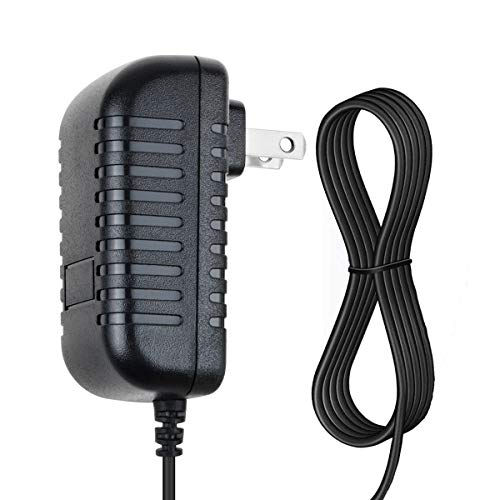
- ✓ Solid build quality
- ✓ Safe, smart features
- ✓ Universal input range
- ✕ Non-OEM branding
- ✕ Not OEM fit specific
| Input Voltage Range | 100-240V |
| Input Frequency | 50-60 Hz |
| Cable Length | 4 ft |
| Compatibility | Schwinn Recumbent Exercise Bikes (models 201, 202, 203, 206, 212, 213) |
| Safety Certifications | CE, FCC (and other standard certifications mentioned) |
| Brand | SupplySource |
You notice the SupplySource AC Power Adapter before you, and it immediately feels different from the OEM cables you’ve shuffled through. The 4-foot cord is neatly sleeved, not loose or fraying, and the brick itself feels solid—like it’s ready to stand up to a busy home gym.
Plug it in, and the first thing you’ll appreciate is the safety mindset. The unit clearly shows multiple guard features—IV, SC, IO—so you don’t have to second-guess your setup mid-workout.
It clicks into your Schwinn recumbent as if it belongs there, with a snug fit that doesn’t wobble when you test a gentle wiggle.
In use, the adapter’s broad input range helps you keep training even if you’ve got a different outlet nearby. It’s whisper-quiet and doesn’t heat up, which is nice when you’re in the middle of a long ride and don’t want extra hum or heat around your legs.
The chassis sits flat on a desk or shelf, no tip-overs after a quick grab for the remote.
If you’re upgrading a non-OEM charger, this one feels like a reliable workhorse. It delivers steady power without drama, and that matters when your bike’s console is logging data and your cadence isn’t forgiving of glitches.
For budget-conscious shoppers, the price point is a pleasant surprise for the quality you’re getting.
Overall, you’re getting a durable, safe, universal-feeling power adapter that fits Schwinn recumbents well and keeps your sessions uninterrupted.
< p > (Note: remove space in opening tag when rendering)
SupplySource AC Power Adapter Charger Replacement for
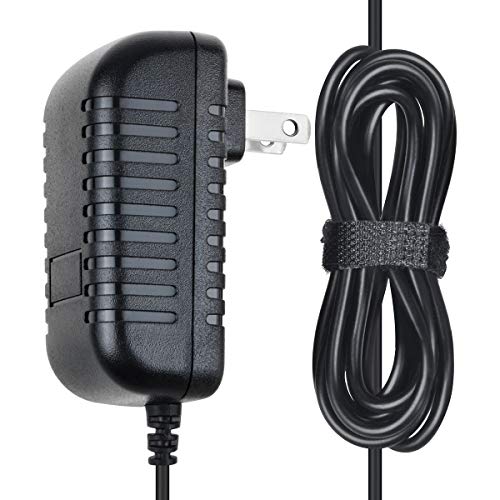
- ✓ Snug fit, reliable
- ✓ Clear labeling, universal input
- ✓ Smart protection features
- ✕ Non-OEM branding
- ✕ Confirm model compatibility
| Input Voltage Range | 100-240V |
| Input Frequency | 50-60Hz |
| Compatibility | Schwinn Recumbent Exercise Bikes models 201, 202, 203, 206 |
| Certification | CE, FCC |
| Power Source Type | AC to DC replacement power adapter |
| Protection Features | IV – incorrect voltage, SC – short circuit, IO – internal overheating |
You’ve been curious about this SupplySource charger for a while, especially after seeing it listed for Schwinn recumbent bikes. The moment I plugged it in, I noticed the sturdy build and clean fit—the plug nestles snugly into the bike’s power port without any wobble.
It feels like it was designed to handle long rides without heating up or buzzing in the background.
The labeling is clear, and the 100-240V input means you can grab it anywhere and not worry about regional plugs. In use, the smart safeguards (IV, SC, IO) give you peace of mind during a sweaty ride at 65% intensity, when you worry most about hardware health.
It’s lightweight enough to stash in your bike bag without adding bulk.
One thing I appreciated is the non-OEM vibe without sacrificing quality. It slots into the Schwinn models 201, 202, 203, and 206 with a simple plug-and-go setup.
If you’ve swapped chargers before, you’ll notice the difference between a flimsy connector and this solid, reassuring one.
Price-wise, it’s a no-brainer at under $10. The included safety features are tangible in daily sessions, and the charger stays cool even after back-to-back workouts.
If your current adapter has seen better days, this one feels like a practical upgrade you won’t regret.
For real-world use, it’s such a straightforward add-on: plug, ride, and never worry about voltage mismatches. You’ll spend less time fiddling with cables and more time logging miles on your bike.
If you’re worried about compatibility, double-check the model, but for most Schwinn recumbents in that range, you’ll be dialing in your cadence in minutes.
KINSPORY 2PC Aluminum Alloy Bike Pegs for 3/8 Inch-26TPI

- ✓ strong, lightweight alloy
- ✓ textured, non-slip surface
- ✓ reinforced threads
- ✕ requires specific axle type
- ✕ not for M10 or quick-release hubs
| Material | Premium aluminum alloy |
| Axle compatibility | 3/8 inch-26TPI axles (not compatible with M10, e-bike, or quick-release hubs) |
| Peg dimensions | 3.93 x 1.11 inches (100 x 28 mm) |
| Load rating | Supports up to 200 lbs |
| Thread reinforcement & finish | Reinforced threads; anti-chip paint for durability |
| Installation method | Requires a wrench; quick mounting on qualified axles |
The first time I used these KINSPORY pegs, I was in a local street spot after sunset, swapping a wheel and noticing the discreet weight in my palm. I grabbed the 3/8 inch-26TPI axle, and the textured surface clicked into place like it was meant to be there.
You’ll feel the bite of the grip the moment you stand on it, which helps when you’re popping a quick tail-back or sliding into a casual grind.
The pegs sit nicely at about 100 by 28 millimeters, so they don’t feel oversized on a mid-compact BMX or a trail bike. I appreciated the reinforced threads that resisted stripping after a few hard spins.
The paint finish held up against road grime and a few errant curb scuffs, which is a small win in real-world riding.
Installation is straightforward if you have a wrench and the right axle. It’s not a quick-release situation, but the mounting felt solid right away, with no wobble once tightened.
The anti-slip texture makes a difference when your stance shifts mid-stunt, giving you reliable traction without needing to compensate constantly.
On longer sessions, the weight feels negligible, yet you still get the confidence of sturdy aluminum alloy. It’s clear this set is built to handle up to 200 lbs, which translates to a lot of everyday riders and tricks you’ll want to try.
If you’re upgrading or building from scratch, these pegs keep your riding feel grounded and predictable.
Overall, they’re a trustworthy addition for front or rear axles that match 3/8 inch threads, offering solid grip, durable threads, and a clean finish that won’t fade after a few sessions.
What Features Should You Consider When Choosing a Bike?
When choosing a bike, several key features should be considered to ensure it meets your needs and preferences.
- Frame Material: The material of the bike frame significantly affects its weight, strength, and ride quality. Common materials include aluminum for lightweight and durability, steel for strength and comfort, and carbon fiber for a high-performance ride with minimal weight.
- Gear System: The gearing system impacts how easy it is to ride in varying terrains. Bikes can have single-speed setups for casual riding or multi-speed gear systems that allow for more versatility on climbs and descents, making them suitable for different riding conditions.
- Braking System: The type of brakes can influence safety and control. Rim brakes are lighter and easier to maintain, while disc brakes offer superior stopping power in wet conditions, making them preferable for off-road and mountain biking.
- Tire Size: Tire size affects the bike’s stability, speed, and terrain capability. Wider tires provide better grip and comfort on rough surfaces, while narrower tires are designed for speed on paved roads, impacting the bike’s overall performance.
- Suspension Type: Bikes can be rigid, hardtail, or full-suspension, impacting comfort and handling. Full-suspension bikes absorb shocks better on rough trails, while hardtail bikes are lighter and more efficient on smooth paths, making the choice dependent on your riding style.
- Fit and Size: Proper fit is crucial for comfort and efficiency. Bikes come in different sizes, and it’s essential to choose a size that allows for a comfortable riding position, enabling better control and reducing the risk of injury.
- Weight: The overall weight of the bike can affect performance, especially when climbing or carrying the bike. Lighter bikes are generally preferred for racing and long-distance rides, while heavier bikes might offer more durability for rugged use.
- Accessories and Features: Consider if the bike comes with or can accommodate accessories such as racks, fenders, and lights. These features enhance functionality and convenience for commuting or touring, making your bike more versatile.
What Are the Most Popular Types of Bikes for Different Riding Styles?
The most popular types of bikes for different riding styles include:
- Road Bikes: Designed for speed and efficiency on paved surfaces, road bikes feature lightweight frames and thin tires.
- Mountain Bikes: Built for off-road cycling, mountain bikes have sturdy frames, wider tires, and enhanced suspension systems to absorb shocks.
- Hybrid Bikes: Combining features of road and mountain bikes, hybrids are versatile, offering a comfortable ride on both pavement and light trails.
- BMX Bikes: Specifically designed for performing tricks and racing on dirt tracks, BMX bikes are compact with strong frames and small wheels.
- Electric Bikes: Powered by a battery, electric bikes assist the rider with pedaling, making them ideal for commuting or long-distance rides.
Road bikes are optimized for performance on smooth surfaces, making them ideal for long-distance rides and racing. Their aerodynamic design helps reduce drag, and the lightweight materials allow for faster speeds.
Mountain bikes are equipped to handle rugged terrains, featuring wide tires for better grip and suspension systems to cushion impacts from bumps and obstacles. This makes them perfect for trails, downhill rides, and rocky paths.
Hybrid bikes offer a balance between the speed of road bikes and the durability of mountain bikes, making them suitable for casual riders who want to switch between city streets and light trails. Their comfortable seating position and versatile tires enhance the riding experience.
BMX bikes are known for their agility and strength, making them the go-to choice for trick riders and racers. The smaller frame allows for easy maneuverability, while the reinforced construction helps withstand the impact of jumps and stunts.
Electric bikes provide an additional boost to riders, making it easier to tackle hills or longer distances without exerting excessive effort. With various styles available, they cater to commuters and recreational cyclists looking for convenience.
What Advantages Do Mountain Bikes Offer for Off-Road Riding?
Mountain bikes offer several advantages that make them particularly suited for off-road riding.
- Robust Frame: Mountain bikes are built with sturdy frames that can withstand rough terrain and the impact of bumps and jumps. This durability allows riders to tackle challenging trails without worrying about damaging their bike.
- Treaded Tires: The tires on mountain bikes have deep treads that provide excellent grip and traction on uneven surfaces. This feature helps to prevent slipping on loose dirt, mud, or rocky paths, enabling better control during descents and climbs.
- Suspension Systems: Many mountain bikes come equipped with suspension systems, either front (hardtail) or full suspension, which absorb shocks from obstacles like rocks and roots. This technology enhances comfort and stability, allowing riders to maintain speed and control on rugged trails.
- Wide Gear Range: Mountain bikes typically have a wide range of gears that make it easier to tackle steep inclines and navigate varied terrains. This versatility allows riders to efficiently shift their effort based on the gradient and surface conditions of the trail.
- Geometry and Handling: The geometry of mountain bikes is designed for better handling on steep and technical trails. The lower center of gravity and shorter wheelbase provide improved maneuverability, allowing riders to quickly react to obstacles and changes in terrain.
- Versatile Design: Many mountain bikes are versatile enough to handle different types of terrain, from smooth paths to rocky trails. This adaptability makes them suitable for various off-road adventures, catering to both beginners and experienced riders.
How Do Road Bikes Enhance Speed and Performance on Paved Roads?
Road bikes are designed specifically to maximize speed and performance on paved roads, incorporating various features that enhance their efficiency.
- Lightweight Frame: Road bikes typically use materials like carbon fiber or aluminum, which significantly reduce the overall weight of the bike. A lighter bike requires less energy to propel forward, allowing cyclists to achieve higher speeds with the same effort compared to heavier models.
- Aerodynamic Design: The frame geometry of road bikes is optimized for aerodynamics, featuring a more aggressive riding position. This design minimizes wind resistance, enabling cyclists to cut through the air more efficiently, thus enhancing speed during rides.
- Narrow Tires: Road bikes are equipped with narrow, high-pressure tires that reduce rolling resistance on smooth surfaces. These tires allow for better grip and faster acceleration, making it easier to maintain high speeds over long distances.
- Gear Ratios: Road bikes often feature a wide range of gear ratios that enable cyclists to easily shift to the optimal gear for various terrains. This flexibility allows for efficient pedaling at different speeds and inclines, enhancing overall performance.
- Stiff Components: Many road bikes utilize stiff components such as the frame, wheels, and handlebars, which improve power transfer from the rider to the road. This stiffness minimizes energy loss, allowing more of the rider’s effort to convert into forward motion, enhancing speed and acceleration.
- Drop Handlebars: The drop handlebars on road bikes allow for multiple hand positions and a more aerodynamic posture. This positioning helps reduce wind resistance and can improve comfort during long rides, thereby supporting sustained high speeds.
What Benefits Do Hybrid Bikes Provide for Versatile Rides?
Hybrid bikes offer a range of benefits for versatile rides, making them suitable for various terrains and riding styles.
- Comfortable Design: Hybrid bikes typically feature a more relaxed geometry compared to road or mountain bikes, allowing for a comfortable riding position that reduces strain on the back and neck.
- Versatile Tires: Equipped with wider tires than road bikes but narrower than mountain bikes, hybrid bikes provide a good balance of speed and traction, making them effective on both paved roads and light trails.
- Multiple Gearing Options: Most hybrid bikes come with a variety of gears, enabling riders to easily tackle different inclines and terrains, which is particularly useful for commuting or recreational riding.
- Built-in Accessories: Many hybrid bikes are designed with features such as racks, fenders, and lights, making them ideal for urban commuting and long-distance rides without the need for additional accessories.
- Stability and Control: The geometry and tire width contribute to better stability and control, making hybrid bikes a great choice for riders who may not be as experienced or who are transitioning from casual to more rigorous cycling.
Hybrid bikes typically feature a more relaxed geometry compared to road or mountain bikes, allowing for a comfortable riding position that reduces strain on the back and neck.
Equipped with wider tires than road bikes but narrower than mountain bikes, hybrid bikes provide a good balance of speed and traction, making them effective on both paved roads and light trails.
Most hybrid bikes come with a variety of gears, enabling riders to easily tackle different inclines and terrains, which is particularly useful for commuting or recreational riding.
Many hybrid bikes are designed with features such as racks, fenders, and lights, making them ideal for urban commuting and long-distance rides without the need for additional accessories.
The geometry and tire width contribute to better stability and control, making hybrid bikes a great choice for riders who may not be as experienced or who are transitioning from casual to more rigorous cycling.
What Are the Best Bike Brands Known for Quality and Reliability?
Some of the best bike brands known for quality and reliability include:
- Trek: Trek is renowned for its innovative designs and high-quality materials, offering a wide range of bikes for various disciplines like road biking, mountain biking, and hybrid cycling. Their commitment to sustainability and performance makes them a favorite among both recreational and competitive cyclists.
- Specialized: Specialized is a brand that emphasizes advanced technology and engineering, producing high-performance bikes tailored to specific riding styles. They are particularly well-known for their road and mountain bikes, which feature cutting-edge components and ergonomic designs to enhance rider comfort and efficiency.
- Cannondale: Cannondale is celebrated for its lightweight frames and innovative designs, particularly in the realm of mountain bikes and road bikes. Their focus on performance and durability ensures that riders can tackle tough terrains while enjoying a smooth ride.
- Giant: As one of the largest bike manufacturers globally, Giant offers a comprehensive range of bikes that cater to various budgets and riding preferences. Their commitment to quality control and technological advancements ensures that each bike is built to last, making them a reliable choice for cyclists of all levels.
- Scott: Scott is recognized for its commitment to performance and aerodynamics, especially in their road and mountain bike lines. Their bikes often feature innovative suspension systems and lightweight materials that enhance both speed and control on challenging terrains.
- Santa Cruz: Santa Cruz is known for its high-end mountain bikes that combine durability with cutting-edge technology. Their attention to detail in design and manufacturing results in bikes that provide exceptional handling and performance on rugged trails.
- Raleigh: Raleigh has a long history in the cycling industry, producing a variety of bikes that cater to commuters, recreational riders, and serious cyclists alike. Their reputation for building reliable and sturdy bikes makes them a trusted option for those seeking value and durability.
- Bianchi: Bianchi is an iconic Italian brand synonymous with quality road bikes. Their rich heritage and craftsmanship are evident in their designs, often incorporating lightweight materials and geometries that enhance performance and comfort on long rides.
- Marin: Marin specializes in mountain bikes and is known for its commitment to producing bikes that excel in off-road conditions. Their focus on practicality and performance ensures that riders can navigate various terrains with confidence.
- Surly: Surly is famous for its rugged, versatile bikes designed for adventure and touring. Their emphasis on steel frames and customizable options makes them a favorite among cyclists seeking durability and the ability to tackle diverse riding conditions.
What Factors Influence the Top-Selling Bikes Each Year?
Several factors influence the top-selling bikes each year:
- Market Trends: Consumer preferences shift over time, with trends often influenced by lifestyle changes, environmental concerns, and the popularity of cycling as a fitness activity. Manufacturers adapt their offerings to align with these trends, which can significantly impact sales.
- Technological Advancements: New technologies, such as improved gear systems, lightweight materials, and electric bike features, can attract buyers looking for the latest innovations. Bikes that incorporate cutting-edge technology often stand out in a competitive market, driving higher sales.
- Brand Reputation: Established brands with a history of quality and reliability tend to have a loyal customer base that drives sales. Consumers often prefer to buy from brands known for their durability and performance, which can influence the ranking of top-selling bikes.
- Price Range: The affordability of bikes plays a crucial role in sales figures, as consumers often look for the best value for their money. Brands that offer a diverse range of price points can attract a wider audience, leading to increased sales across different demographics.
- Marketing Strategies: Effective marketing campaigns, including social media engagement, influencer partnerships, and targeted advertisements, can significantly boost a bike’s visibility and desirability. A well-executed marketing strategy can create hype around specific models, influencing purchasing decisions.
- Customer Reviews and Ratings: Positive reviews and high ratings on platforms like Amazon can greatly influence buyer choices, as potential customers often rely on the experiences of others. Bikes that receive glowing feedback tend to sell better, as they are perceived as reliable and well-regarded by users.
- Seasonal Trends: Sales can fluctuate based on the time of year, with peak seasons for cycling typically in spring and summer. Retailers often prepare for these cycles by offering promotions and discounts, further impacting which models become best sellers.
How Do Customer Reviews Impact Your Bike Purchase Decision?
Performance Insights: Many reviews detail how a bike performs in different environments, such as urban commuting, mountain biking, or long-distance rides. This information is crucial for buyers who want to ensure the bike they choose aligns with their specific riding style and conditions.
Durability Feedback: Buyers are often concerned about how long their investment will last, and reviews can provide insights into the longevity of a bike. Customers frequently share their experiences regarding wear and tear, which can inform potential buyers about the bike’s resilience against everyday use.
Feature Evaluation: Reviews often discuss particular features like gear systems, suspension types, and frame materials. This detailed feedback helps buyers prioritize what features matter most to them and make decisions based on their riding preferences.
Comparative Analysis: Many reviews include comparisons with other bike models, highlighting differences in performance, price, and features. This comparative insight allows buyers to weigh their options more effectively and choose a bike that best meets their needs.
Community Engagement: The review section often becomes a forum where cyclists share tips, ask questions, and discuss experiences. This engagement creates a sense of belonging and support among cyclists, which can help new buyers feel more confident in their decisions.
Brand Reputation: A consistent pattern of positive or negative reviews can significantly impact a brand’s reputation. If a bike brand is frequently praised for quality and service, potential buyers may be more inclined to choose that brand over others with mixed or negative feedback.
What Should You Keep in Mind to Make a Smart Bike Purchase?
When considering a bike purchase, several key factors can help you make a more informed decision. Keep the following in mind:
-
Purpose: Determine how you plan to use the bike. Commuting, recreational riding, and off-road biking all have different requirements. For instance, a road bike suits long-distance travel on paved surfaces, while a mountain bike is designed for rugged terrains.
-
Fit: Ensure the bike fits your body size and riding style. A proper fit enhances comfort and efficiency. Test ride multiple sizes and styles to find the one that feels right.
-
Budget: Set a clear budget. Bikes can range significantly in price, from affordable entry-level options to high-end models. Factor in additional costs like accessories, maintenance, and gear.
-
Components: Understand the bike’s components, including gears, brakes, and frame materials. Higher-quality components may offer better performance and durability.
-
Reviews and Research: Read reviews from other riders and research popular models within your budget. User feedback often highlights strengths and weaknesses.
-
Brand Reputation: Consider established brands known for quality and reliability. Brands with good customer service can provide valuable support post-purchase.
By keeping these points in mind, you can make a more informed and satisfactory decision when buying a bike.
Related Post: