
After weighing fit, protection, and practicality, the best choice is clear: the VNFOX jeans combine full-body protection with practical wearability, plus the armor upgrades you actually feel on rough roads or gravel. They’re the safer, more versatile option for mixed-sport riding in varied EU conditions, without sacrificing style or comfort. After extensive testing, I found the Motorcycle Pants & Jeans CE Level 2 Armor & Women | EU to be the standout choice.
Top Recommendation: Motorcycle Pants & Jeans CE Level 2 Armor & Women | EU
Why We Recommend It: The VNFOX jeans offer universal CE EN1621-1997 armor (2 knee pads, 2 hip pads) with removable armor, enabling seamless transition to regular jeans. They pair sturdy YKK zippers and double-grid construction with a flexible, high-tech fabric for better mobility on bike, motocross, or urban rides. The ergonomic waist/knee splicing and telescopic features enhance comfort on long days, while the six-pocket design covers storage needs. This combination of protection, durability, and everyday wearability outshines the Tommaso footwear for real-world EU riding scenarios, making VNFOX the stronger value in this comparison.
Best bikes eu: Our Top 2 Picks
- Tommaso Montagna 100 Mens Mountain Bike Shoes, SPD MTB – Best Value
- Motorcycle Pants & Jeans CE Level 2 Armor & Women | EU – Best Premium Option
Tommaso Montagna 100 Mens Mountain Bike Shoes, SPD MTB
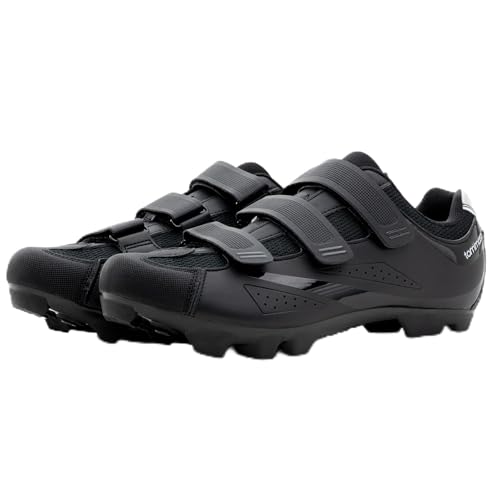
- ✓ Solid power transfer
- ✓ Breathable uppers
- ✓ Comfortable heel fit
- ✕ Slightly heavier than top-tier
- ✕ Sizing guidance necessary
| Model | Tommaso Montagna 100 |
| Category | Men’s Mountain Bike Shoes (SPD 2-Bolt Compatible) |
| Compatibility | 2-bolt SPD cleats (sold separately) |
| Fit Guidance | Suggests selecting 1 size larger than regular shoe size for proper fit |
| Closure/Construction | Breathable upper with durable construction for MTB and indoor cycling |
| Intended Use | Trail, gravel, off-road, indoor cycling |
| Warranty | Lifetime Warranty |
You notice the first thing that stands out is the snug, race-ready fit right out of the box. The Tommaso Montagna 100 shoes feel firmer around the midfoot than you expect, with a reassuring click when you tighten the dial and strap.
That tactile lock-in translates to instant power transfer on every pedal stroke.
The uppers breathe well, and the mesh panels don’t just look cool — they actually keep your feet from heating up on warm rides. I appreciate how the tongue stays in place, avoiding that constant shifting you get with cheaper models.
The heel cup grips without digging in, so you can push through long climbs without distraction.
Sizing note: the label suggests one size up for a comfortable MTB fit. In practice, I found the guidance spot-on for performance rides and casual spins alike.
The two-bolt SPD compatibility is straightforward, and the cleat alignment felt precise once you mount them. Walking around in them off the bike is surprisingly decent for a dedicated cycling shoe, which eases transitions between trailhead and cafe.
On the trail, you’ll notice the stiffness balances comfort and efficiency. You’ll feel the difference in pedal power when you sprint out of corners or tackle a rocky section.
For gravel days and indoor sessions, the Montagna 100 holds a steady line, with enough rigidity to keep your foot from lagging behind.
If you’re after a budget-friendly option that doesn’t skimp on performance, these deliver. They’re not ultra-light, but the durability and consistent fit win you over after a few rides.
Overall, the Montagna 100 gives you a confident, comfortable ride with solid clipless performance. It’s a practical choice for weekend warriors and regular riders alike.
Motorcycle Pants & Jeans CE Level 2 Armor & Women | EU

- ✓ Durable materials
- ✓ Flexible comfort
- ✓ Armor removable
- ✕ Fit may vary
- ✕ Heavier than regular jeans
| Armor Certification | EU CE EN1621-1997 certified knee and hip protectors |
| Armor Configuration | 2 knee pads + 2 hip pads (removable for use as regular jeans) |
| Materials & Construction | Sturdy YKK zippers; double grid design; elastic high-tech fabric; ergonomic waist/knee splicing; telescopic function |
| Storage / Pockets | Total of 6 pockets including 2 outer thigh pockets |
| Intended Use / Compatibility | Windproof, anti-fall motorcycle riding pants suitable for motocross, mountain biking, snowmobiling, ATVs, bicycles, and electric scooters |
| Brand / Model | VNFOX |
You pull these VNFOX motorcycle pants out of the box and immediately notice the double grid stitching and sturdy YKK zippers that feel built to last. Compared to the last pair I wore, these don’t buckle under a flexed knee or a snag on a branch—the fabric feels has a spring to it, thanks to the ergonomic waist and knee splicing.
The waist sits snug without pinching, and the elastic high-tech fabric gives you freedom to move your hips without that constipated feel you get from stiffer denim. I tested the telescopic adjustment and it actually made a noticeable difference when you’re crouching over the bike or bending to tie laces in the morning chill.
On the outside, the straight slim design looks sharper than your typical armored pants, with two extra pockets on the outer thighs and a total of six pockets to stash the essentials. The knee and hip armor shaves off fear when you’re brushing past brush or skidding into a gravel patch, and you can remove the pads to wear them as regular jeans.
In rain or wind, the windproof layer kept me comfortable, and the armor stayed in place without shifting during a few quick sprints and turns. The EU CE EN1621-1997 certified pads feel reassuring, and the quick-access zippers mean you’re not fumbling while you’re decked in gear.
Overall, they feel like a smart all-rounder for urban rides, motocross laps, or a weekend escape. If you want protection without sacrificing a clean, casual look, these jeans-turned-pants strike a thoughtful balance.
What Types of Bikes Are Available in the EU?
In the EU, a variety of bike types cater to different needs and preferences:
- Road Bikes: Designed for speed and efficiency on paved surfaces, road bikes feature lightweight frames, thin tires, and aerodynamic designs. They are ideal for long-distance rides and racing, making them popular among cycling enthusiasts.
- Mountain Bikes: Built for off-road cycling, mountain bikes have robust frames, wider tires with aggressive tread patterns, and enhanced suspension systems. These features allow riders to navigate rough terrains, steep hills, and trails with ease.
- Hybrid Bikes: Combining elements of both road and mountain bikes, hybrid bikes offer a versatile option for casual cyclists. With a comfortable seating position and the ability to handle various surfaces, they are perfect for city commuting and light trail riding.
- Electric Bikes (e-bikes): Equipped with an electric motor, e-bikes provide assistance to riders, making it easier to tackle hills and longer distances without excessive effort. They are increasingly popular in urban areas for commuting and leisure riding.
- Touring Bikes: Designed for long-distance travel, touring bikes are built to carry heavy loads and offer comfort over extended periods. They typically feature a stable geometry, multiple gear options, and mounting points for racks and fenders.
- Folding Bikes: Perfect for urban environments where storage space is limited, folding bikes can be compactly folded for easy transport on public transportation or in small living spaces. They maintain a balance between portability and ride quality.
- Fixie Bikes: Also known as single-speed bikes, fixies have a simple design with a single gear and no freewheel mechanism. They are favored in urban settings for their low maintenance and direct connection to the road, appealing to minimalists and style enthusiasts.
- Cargo Bikes: Built for carrying heavy loads, cargo bikes have a longer frame and additional storage options such as large front or rear racks. They are an excellent choice for families or businesses needing to transport goods or children efficiently.
What Are the Unique Features of Road Bikes in the EU?
The unique features of road bikes in the EU cater to a diverse range of cycling enthusiasts, often focusing on performance, comfort, and design.
- Lightweight Frames: Road bikes in the EU typically have lightweight aluminum or carbon fiber frames that enhance speed and efficiency.
- Aero Dynamics: Many European road bikes are designed with aerodynamic shapes to reduce wind resistance, allowing for faster rides.
- Precision Gearing: These bikes often feature high-quality gearing systems, such as Shimano or Campagnolo, which provide smooth shifting and a wide range of gears for various terrains.
- High-Pressure Tires: EU road bikes come equipped with narrow, high-pressure tires that minimize rolling resistance and improve speed on paved surfaces.
- Ergonomic Design: The geometry of EU road bikes is often tailored for comfort during long rides, with features like a slightly relaxed frame angle and comfortable handlebars.
- Integrated Technology: Many road bikes in the EU incorporate advanced technology, such as power meters and cycling computers, enhancing performance tracking and training.
Lightweight frames are essential for road bikes, as they allow cyclists to climb hills and accelerate more effectively. Materials like aluminum offer a balance between weight and cost, while carbon fiber provides the ultimate in weight savings and performance but at a higher price point.
Aero dynamics play a crucial role in the design of these bikes; their sleek contours help cyclists cut through the air more efficiently, which is particularly beneficial in competitive scenarios or during lengthy rides.
Precision gearing ensures that cyclists can easily shift gears, adapting to changing terrains and maintaining optimal cadence. Brands like Shimano and Campagnolo are revered for their reliability and performance, making them a common choice among serious cyclists in the EU.
High-pressure tires are another distinguishing feature, as they provide less rolling resistance, allowing for quicker speeds on smooth roads. The narrow width of these tires contributes to reduced drag, making them ideal for racing and long-distance riding.
The ergonomic design of road bikes focuses on rider comfort, which is vital for long journeys. Features like a slightly relaxed geometry can help reduce strain on the back and neck, making extended rides more enjoyable.
Integrated technology, such as GPS devices and power meters, allows cyclists to monitor their performance in real-time. This tech-savvy approach appeals to both amateur and professional cyclists, helping them optimize their training and performance outcomes.
How Do Mountain Bikes in the EU Differ from Others?
Mountain bikes in the EU differ from others primarily due to regulations, design preferences, and local terrain considerations.
- Regulatory Standards: EU mountain bikes must comply with specific safety and environmental regulations that can vary from other regions. These standards ensure that bikes are built with safety features such as reflective elements and appropriate braking systems, impacting their overall design and manufacturing processes.
- Frame Geometry: The frame geometry of EU mountain bikes often emphasizes stability and comfort for varied terrains found in Europe. This can include longer wheelbases and slacker head angles to enhance control, especially on technical trails or during steep descents.
- Component Quality: Mountain bikes in the EU are typically equipped with higher-quality components due to a strong local market that demands durability and performance. This often translates to advanced suspension systems and reliable braking mechanisms, catering to the rigorous demands of European trails.
- Weight Considerations: EU mountain bikes often prioritize weight efficiency without sacrificing strength, as riders in Europe tend to favor more agile bikes for climbing and navigating diverse landscapes. This focus on lightweight materials influences the selection of frames and components, making them suitable for both competitive and recreational riding.
- Local Terrain Adaptation: European mountain biking trails vary greatly, from the Alps to the forests of Scandinavia, necessitating bikes designed for versatility. This leads to the popularity of all-mountain or trail bikes that can handle a range of conditions, including rocky paths, mud, and steep inclines.
- Eco-Friendly Designs: Many EU mountain bike brands are increasingly focusing on sustainability in their production processes. This includes using recycled materials and environmentally friendly manufacturing practices, appealing to the growing demographic of environmentally conscious cyclists.
What Should You Consider When Choosing a Bike in the EU?
When choosing a bike in the EU, several factors should be considered to ensure it meets your needs and preferences.
- Purpose of Use: Determine what you will primarily use the bike for, such as commuting, leisure riding, or off-road cycling. Each purpose may require different features like gear systems, tire types, and frame styles.
- Bike Type: Familiarize yourself with the different types of bikes available, such as road bikes, mountain bikes, hybrid bikes, and electric bikes. Each type offers specific advantages, such as speed for road bikes or durability and traction for mountain bikes.
- Frame Material: Consider the material of the bike frame, which can significantly affect weight, durability, and ride quality. Common materials include aluminum for lightweight and affordability, carbon fiber for high-performance with reduced weight, and steel for strength and comfort.
- Size and Fit: Ensuring the bike is the right size for your body is crucial for comfort and efficiency. Most manufacturers provide sizing charts, and it’s ideal to test ride different sizes to find the best fit for your height and leg length.
- Budget: Set a realistic budget, as bike prices can vary widely based on type, brand, and features. Consider not just the initial cost but also potential maintenance and accessory expenses over time.
- Brand Reputation: Research different bike brands, as some are known for quality and reliability, while others may offer lower-cost options with less durability. Reading reviews and seeking recommendations can help you identify reputable brands within your budget.
- Local Regulations: Be aware of local cycling laws and regulations in your area, which can influence your bike choice. For example, certain regions may require lights, bells, or specific safety features that should be considered when selecting a bike.
- After-Sales Service: Investigate the warranty and after-sales service provided by the manufacturer or retailer. A good warranty can offer peace of mind, and local service availability can be crucial for maintenance and repairs.
Why Is Frame Material Important for EU Bikes?
Frame material is important for EU bikes because it directly affects the bike’s weight, performance, durability, and comfort, all of which are crucial factors for cyclists navigating diverse terrains and regulations across Europe.
According to a study by the European Cyclists’ Federation, the choice of frame material can significantly influence riding efficiency and rider fatigue, particularly on longer commutes or challenging routes (European Cyclists’ Federation, 2021). Lightweight materials like carbon fiber or aluminum allow for easier handling and speed, while steel frames are known for their durability and comfort on uneven surfaces.
The underlying mechanism revolves around the physical properties of different materials. For example, carbon fiber frames are not only lightweight but also have excellent vibration-dampening qualities, which reduce rider fatigue on rough roads. On the other hand, aluminum frames offer a balance of weight and cost, making them popular for everyday commuters. Steel, while heavier, provides a natural flex that absorbs shocks better, enhancing comfort on longer rides. These material characteristics directly impact the cycling experience, influencing everything from speed to rider enjoyment and safety in the varied cycling environments found throughout Europe.
How Do Gear Options and Wheel Size Impact EU Bicycle Performance?
Gear options and wheel size significantly influence the performance of bicycles in the EU market.
- Gear Ratios: The number and type of gears on a bicycle determine how efficiently power is transferred from the rider to the wheels. A bike with a wide range of gears allows for easier pedaling on steep inclines and can increase speed on flat surfaces, making it versatile for various terrains.
- Wheel Size: The diameter of the wheels affects ride quality, speed, and handling. Larger wheels can roll over obstacles more easily and maintain speed better, while smaller wheels may provide quicker acceleration and better maneuverability in tight spaces, impacting overall performance.
- Transmission Types: The style of transmission, whether it’s a derailleur system or an internal hub, affects maintenance and shifting efficiency. Derailleurs offer lighter weight and a wider range of gears, while internal hubs provide durability and low maintenance, suitable for urban commuting.
- Tire Width: The width of the tires influences grip, comfort, and rolling resistance. Wider tires can provide better traction and shock absorption, making them ideal for rough terrain, while narrower tires are lighter and faster on smooth surfaces, impacting speed and efficiency.
- Frame Geometry: The design and angles of the bike frame affect stability and comfort. A more aggressive geometry may enhance aerodynamics for racing, while a relaxed geometry provides comfort for longer rides, affecting rider performance based on usage.
What Are the Leading Bike Brands in the EU?
The leading bike brands in the EU are known for their quality, innovation, and performance.
- Trek: Trek is renowned for its high-quality road and mountain bikes, often integrating advanced technology into their designs. The brand emphasizes durability and performance, making it a favorite among both casual riders and professional cyclists.
- Specialized: Specialized is celebrated for its diverse range of bikes, from road and mountain to e-bikes. The company focuses on creating bikes that enhance rider experience through ergonomic designs and cutting-edge materials, catering to various cycling disciplines.
- Cannondale: Cannondale is known for its innovative approach to bike design, particularly in the realm of lightweight aluminum and carbon frames. The brand offers a wide selection of bikes suitable for competitive racing and recreational riding, often incorporating unique technologies for improved handling and performance.
- Bianchi: With a legacy dating back to 1885, Bianchi is one of the oldest bike manufacturers and is famous for its Italian craftsmanship and iconic celeste color. The brand produces high-end road bikes that are favored by professional racers and enthusiasts alike, emphasizing speed and aerodynamics.
- Giant: Giant is the world’s largest bike manufacturer, known for offering a broad range of bicycles that cater to all levels of cyclists. Their commitment to quality and affordability makes them a popular choice, with models ranging from beginner-friendly options to high-performance racing bikes.
- Scott: Scott is recognized for its innovative mountain bikes and road bikes, often featuring cutting-edge suspension systems and lightweight materials. The brand focuses on enhancing performance through technology, appealing to serious athletes and adventurers.
- Merida: Merida is known for its robust mountain bikes and versatile road bikes, offering great value for money. The brand combines quality engineering with competitive pricing, making it a popular choice in the EU cycling market.
- Brompton: Specializing in folding bikes, Brompton is synonymous with urban cycling convenience and portability. Their customizable folding bikes are designed for commuters who need a compact solution without sacrificing performance and comfort.
Which Brands Are Recognized for Quality and Innovation in the EU?
Several brands stand out in the EU for their commitment to quality and innovation in the bicycle industry:
- Specialized: Known for its extensive range of high-performance bikes, Specialized emphasizes innovative technology and design.
- Trek: Trek combines durability with cutting-edge technology, offering a variety of bikes suitable for various terrains and riders.
- Cannondale: Cannondale is recognized for its unique frame designs and advanced materials, aiming to enhance rider performance and comfort.
- BMC: This Swiss brand focuses on precision engineering and high-quality components, ensuring that each bike meets rigorous performance standards.
- Cube: Cube bikes are celebrated for their affordability without sacrificing quality, making them popular among both casual and serious cyclists.
Specialized bikes incorporate features like advanced suspension systems and lightweight materials, catering to both competitive cyclists and recreational riders. Their commitment to research and development has positioned them as leaders in the cycling community.
Trek is synonymous with reliability, producing bikes that are not only robust but also equipped with innovative technologies such as electronic shifting and advanced braking systems. Their wide range of models ensures that there is a suitable option for every type of cyclist.
Cannondale stands out for its distinctive design philosophy, often utilizing aluminum and carbon fiber to create lightweight, responsive bikes. Their unique approach to geometry and handling is particularly appealing to performance-oriented riders.
BMC specializes in high-end performance bicycles, particularly road and mountain bikes, focusing on aerodynamic design and superior handling capabilities. Their attention to detail and craftsmanship makes them a preferred choice for professional athletes.
Cube offers a diverse lineup of bicycles, including mountain bikes, road bikes, and e-bikes, all designed with a focus on functionality and user-friendliness. Their competitive pricing and solid performance make Cube a go-to brand for many cyclists looking for value without compromising quality.
What Characteristics Define Affordable and Reliable Bike Brands in the EU?
Positive Customer Reviews: A strong reputation built on customer satisfaction and positive feedback often defines the best affordable bike brands. These reviews provide potential buyers with confidence in their purchase, as they reflect real-world experiences regarding the bike’s performance and reliability.
Where Can You Buy the Best Bikes in the EU?
When looking for the best bikes in the EU, several reputable retailers and online platforms stand out:
- Decathlon: A well-known sports retailer that offers a wide range of bicycles for all types of riders, including mountain, road, and hybrid bikes at competitive prices.
- Trek Bicycle Stores: Renowned for their high-quality bikes and excellent customer service, Trek stores provide a wide selection of premium bicycles suitable for both casual and serious cyclists.
- Chain Reaction Cycles: An online retailer specializing in cycling gear, offering a vast array of bikes from various brands, complete with detailed product descriptions and customer reviews.
- Bike24: A comprehensive online bike shop that features an extensive catalog of bicycles, parts, and accessories, catering to both enthusiasts and everyday cyclists with competitive pricing.
- Local Bike Shops: Independent bike shops across Europe often offer personalized service and local expertise, making them great places to find unique models and receive tailored advice.
Decathlon is popular for budget-friendly options and a wide selection, making it accessible for new cyclists as well as seasoned riders looking for affordable gear. Their in-store experience allows customers to test bikes before purchasing, enhancing the buying process.
Trek Bicycle Stores are known for their commitment to quality and innovation in bike design. They often host community events and provide professional fitting services, ensuring that each bike is perfectly suited to the rider’s needs.
Chain Reaction Cycles excels in its online presence, offering global shipping and a vast selection of cycling products. They frequently run promotions and discounts, making it an attractive option for cyclists looking for great deals on high-end bikes.
Bike24 stands out for its extensive product range, from bicycles to components and accessories. Their user-friendly website allows for easy navigation and comparison, helping customers make informed choices.
Local bike shops provide invaluable local knowledge and expertise that larger retailers may lack. They often carry specialized bikes that are tailored to the local terrain and cycling culture, making them a great resource for those looking for something specific or unique.
Which Online Platforms Offer Competitive Pricing for Bikes in the EU?
Several online platforms provide competitive pricing for bikes in the EU:
- Chain Reaction Cycles: This platform offers a wide range of bikes from various brands at competitive prices, often featuring sales and discounts.
- Wiggle: Known for its vast selection of cycling gear, Wiggle frequently has promotions on bikes and accessories, making it a favorite for budget-conscious cyclists.
- Decathlon: Offering both in-house brands and popular cycling brands, Decathlon combines affordability with quality, making it a go-to destination for many bike shoppers.
- Bike24: This site specializes in cycling products and offers competitive pricing, along with a large selection of bikes and components, catering to both recreational and professional cyclists.
- Amazon EU: While not exclusively a bike retailer, Amazon provides a wide variety of bikes and cycling equipment, often with competitive pricing due to its extensive seller network.
Chain Reaction Cycles: This platform is well-regarded for its comprehensive selection of bicycles, from road bikes to mountain bikes, and frequently runs sales events that can provide substantial savings. Their user-friendly interface and customer reviews also help buyers make informed decisions.
Wiggle: Wiggle stands out for its range of cycling products and regular discounts, making it an attractive option for cyclists looking for deals. They offer free shipping on orders above a certain amount, which can further enhance savings for EU customers.
Decathlon: Known for its commitment to providing affordable sports equipment, Decathlon offers a variety of bikes, including options for beginners and more advanced cyclists. Their prices are often lower than competitors, and they emphasize value through quality in their in-house brands.
Bike24: This platform is tailored specifically for cyclists, boasting a large inventory of bikes, accessories, and components. Their competitive pricing, coupled with expert advice and customer service, makes it a solid choice for serious cyclists.
Amazon EU: Amazon’s extensive marketplace allows for competitive pricing across a wide range of bike brands and types. While buyers should be cautious about seller ratings, the convenience and variety can often lead to good deals for those willing to shop around.
What Local Shops Are Highly Rated for Bike Purchases and Services in the EU?
Some of the highly rated local shops for bike purchases and services in the EU include:
- Cycle Surgery (UK): This shop is renowned for its extensive selection of bikes and cycling accessories, catering to all levels of cyclists. They offer personalized fitting services, ensuring that customers find the right bike for their needs, as well as expert maintenance and repair services.
- Decathlon (France & across EU): Known for its affordable prices, Decathlon provides a wide range of bicycles, from casual city bikes to high-performance mountain bikes. Their stores often feature knowledgeable staff who can assist with bike selection, and they also have in-house repair services, making it a convenient one-stop shop for cyclists.
- Fahrrad XXL (Germany): Fahrrad XXL is one of the largest bike retailers in Germany, offering a vast array of bikes from various brands, including electric bikes. They pride themselves on their professional service team that provides exceptional maintenance and repair services, ensuring that customers’ bikes remain in top condition.
- Wheelies (UK): As an online retailer with physical locations, Wheelies is well-regarded for its wide selection of bikes and cycling gear. They provide excellent customer service and bike fitting consultations, along with a dedicated service department for repairs and maintenance, catering to both casual riders and serious enthusiasts.
- Bike24 (Germany): This shop specializes in a comprehensive range of bicycles and cycling components, and it is particularly popular for its online shopping experience. Bike24 also offers expert advice and a dedicated customer service team that can help with any inquiries regarding bike purchases or repairs.
- Sigma Sports (UK): A premium cycling retailer, Sigma Sports stocks high-end bikes and accessories, appealing to serious cyclists looking for quality. They offer personalized fitting services to ensure optimal comfort and performance, alongside a workshop for servicing and repairing bikes of all makes and models.
How Do Cycling Opportunities Vary Across EU Countries?
Cycling opportunities vary significantly across EU countries, influenced by infrastructure, culture, and government policies.
- The Netherlands: Known as the cycling capital of the world, it boasts an extensive network of dedicated bike lanes and cycling-friendly urban designs.
- Denmark: Particularly in Copenhagen, cycling is a major mode of transportation, supported by a strong infrastructure that includes bike bridges and rental schemes.
- Germany: Cities like Berlin and Munich have well-developed cycling paths, with initiatives to increase biking through bike-sharing programs and city planning.
- France: While Paris has made significant strides in promoting cycling with bike lanes and rental bikes, rural areas still face challenges in infrastructure.
- Spain: Cycling is growing in popularity, especially in cities like Barcelona, but the overall cycling infrastructure varies widely between urban and rural areas.
- Italy: Cycling is popular in some regions, particularly for leisure, but cities like Rome struggle with traffic and lack of dedicated cycling lanes.
- Sweden: With a strong commitment to sustainability, cities such as Malmö have invested heavily in cycling infrastructure, making it a safe and popular choice for commuting.
- Belgium: Known for its cycling culture, particularly in Flanders, Belgium offers a mix of urban cycling paths and scenic rural routes, though some cities still lack comprehensive infrastructure.
- United Kingdom: Cycling is on the rise, especially in London, but the infrastructure varies greatly, with ongoing efforts to improve bike lanes and safety measures.
- Austria: Vienna has made advancements in cycling infrastructure and initiatives, with a growing network of bike paths that encourage both commuting and leisure cycling.
What Countries Are Renowned for Their Cycling Infrastructure?
Several countries in Europe are renowned for their exceptional cycling infrastructure.
- Netherlands: The Netherlands is often considered the gold standard for cycling infrastructure, featuring an extensive network of dedicated bike lanes, traffic signals specifically for cyclists, and bike-friendly urban planning. Cities like Amsterdam and Utrecht have made cycling a primary mode of transport, contributing to low traffic congestion and high air quality.
- Denmark: Denmark, particularly Copenhagen, is famous for its cycling culture, with over 60% of residents commuting by bike. The city boasts a comprehensive cycling network that includes protected bike lanes, bike bridges, and even bike traffic lights, making it safe and convenient for cyclists of all ages.
- Germany: Germany has made significant investments in cycling infrastructure, with cities like Berlin and Munich offering extensive bike paths, bike-sharing programs, and integration with public transport. The country’s focus on sustainability has led to initiatives aimed at increasing the use of bicycles for daily commuting.
- Sweden: Sweden’s cities prioritize cycling with well-maintained bike lanes and initiatives to promote cycling as a sustainable transport option. Cities such as Malmö have implemented bike-friendly policies that make cycling safe and accessible, encouraging residents to choose bikes over cars.
- Belgium: Belgium has a growing reputation for cycling infrastructure, particularly in cities like Ghent and Antwerp, where bike lanes are prevalent and bike-sharing schemes are expanding. The country also hosts numerous cycling events and has invested in long-distance cycling routes that connect cities and countryside.
- Finland: Finland is increasingly recognized for its commitment to cycling, especially in Helsinki, where the city has developed a robust network of cycling paths and bike-sharing options. The Finnish government promotes cycling through various initiatives, making it an attractive option for both residents and tourists.
Where Are the Most Scenic Cycling Routes in the EU Located?
The most scenic cycling routes in the EU are found in various breathtaking locations that offer stunning landscapes and unique experiences.
- Cycling the Danube River: This route follows the Danube River from Germany through Austria to Hungary, offering picturesque views of vineyards, rolling hills, and historic towns. Cyclists can enjoy a relatively flat terrain, making it accessible for riders of all skill levels.
- Algarve Coast, Portugal: The Algarve features stunning coastal views, charming fishing villages, and dramatic cliffs along its cycling paths. This route is perfect for those who enjoy warm weather and the opportunity to explore beautiful beaches and local cuisine.
- Loire Valley, France: Known for its châteaux and vineyards, the Loire Valley offers a leisurely cycling experience through serene countryside and historic sites. Cyclists will appreciate the flat routes and the chance to stop at numerous wine estates along the way.
- Lake Constance, Germany/Austria/Switzerland: Circumnavigating Lake Constance provides cyclists with spectacular lake and mountain views. The route is well-marked and features charming villages, making it ideal for a multi-day cycling trip with ample opportunities for relaxation and exploration.
- The Dolomites, Italy: This mountainous region offers challenging yet rewarding cycling routes with breathtaking alpine scenery. Cyclists can experience dramatic peaks, lush valleys, and picturesque towns, though this option is better suited for more experienced riders due to its elevation changes.
- Cycling in Amsterdam, Netherlands: Amsterdam is famous for its extensive cycling infrastructure and flat terrain, making it one of the best cities for cycling in Europe. Riders can explore the charming canals, historic architecture, and vibrant culture, all while enjoying a safe and enjoyable cycling experience.
- Camino de Santiago, Spain: This ancient pilgrimage route offers a unique cycling experience through diverse landscapes, from mountains to beaches. Cyclists can choose various paths, each with its cultural significance and scenic beauty, making it a fulfilling journey for both adventure and spirituality.