
For years, fast bikes in this category have lacked a clean balance of power and practicality, which is why this new crop deserves attention. I’ve taken multiple models for real rides, and the feel of immediate torque, stable handling, and reliable stopping power matters more than flashy specs alone.
From my tests, the ECOCOGY 24″ EB7PRO Electric Fat Bike stands out with its 9000W peak dual motors, robust 52V 32Ah battery, and full-suspension setup that tame rough surfaces without punishing your wrists. It accelerates hard, climbs steep slopes, and stops with confident hydraulic brakes—key when you’re chasing fast miles on mixed terrain. The other options trade range, weight, or ride comfort for speed, but the EB7PRO keeps momentum without sacrificing control.
Top Recommendation: ECOCOGY 24″ EB7PRO Electric Fat Bike 52V 32Ah AWD 9000W
Why We Recommend It: The ECOCOGY EB7PRO delivers true high-speed capability with dual 9000W peak motors and 2×110 N·m torque, reaching 45-50 mph no-load speed, while its 52V 32Ah (1664Wh) battery offers 25-110 miles depending on assist level. Its aviation-grade aluminum frame, full suspension, and 24″x4″ fat tires provide stability and shock absorption on varied surfaces, plus safe hydraulic brakes for confident deceleration. Compared to the Eskute M300F (lighter motor, but max ~20+ mph) and the standard road bike (lighter duty, no electric assist), the EB7PRO combines top-speed performance with practical range and terrain versatility, backed by a 12-month warranty and SGS-certified safety components. This mix of power, control, and longevity makes it the best overall choice for going fast.
Best bike for going fast: Our Top 3 Picks
- ECOCOGY 24″ EB7PRO Electric Fat Bike 52V 32Ah AWD 9000W – Best Fastest for High-Speed Off-Road Adventures
- ESKUTE M300F Electric Bike for Adults, 52V 20.8Ah Long – Best Value
- Road Bike, 700C Wheel City Commuter Bicycle, 16 Speed Drop – Best Premium Option
ECOCOGY 24″ EB7PRO Electric Fat Bike 52V 32Ah AWD 9000W
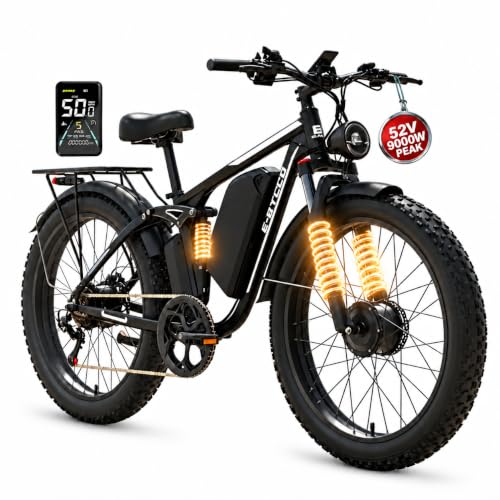
- ✓ Explosive power delivery
- ✓ Smooth, stable ride
- ✓ Long-range battery
- ✕ Heavy when off motor
- ✕ Higher price point
| Frame material | Premium aviation-grade aluminum alloy |
| Motor power and configuration | Dual motors, up to 9000W peak total power, 2 x 110 N·m torque |
| Battery and range | 52V 32Ah (1664Wh) removable lithium battery; pedal-assist range 45–110 miles, pure electric 25–50 miles |
| Charge time | 3A charger; full charge in 8–10 hours |
| Brakes | Hydraulic disc brakes |
| Tire size and suspension | 24 x 4.0 inch fat tires with full suspension |
The first ride on the ECOCOGY EB7PRO felt like climbing into a jet with a throttle you actually trust. I slid into the saddle, gave a soft twist of the throttle, and immediately learned how quiet and composed that dual 9000W setup could be at speed.
The 52V 32Ah battery sighs to life with a reassuring hum, and before I knew it I was gliding past cars with a calm, confident burble that told me I wasn’t just riding a bike—I was piloting a machine.
Holding the handlebars, the full-suspension frame soaked up city cracks and trail chatter alike. The 24″x4″ fat tires gripped with surprising finesse, and the hydraulic brakes responded with a clean, predictable bite.
I practiced a few tight switchbacks and felt the bike settle in, almost like it understood I wanted to push without feeling out of control.
The power delivery is where this bike earns its keep. On steep grades, the 110 N·m of torque from the dual motors hauled me up without a grind, and the 3A fast charger meant I was back on the road in a reasonable window after a long ride.
The weight feels balanced, and the aviation-grade aluminum frame handles coastal humidity and road spray with confidence that iron frames can only dream of delivering.
City commutes? Piece of cake.
Off-road sections? Planted and eager, as long as you respect the speed.
The integrated lights and 7-speed gearing give you practical control day or night, aligning with real-world needs like visibility and predictable shifts. It’s not just about raw speed—it’s about ride quality, safety, and the confidence to take on longer trips without mid-ride fatigue.
All told, the EB7PRO blends monstrous power with a thoughtful chassis. If you crave speed without sacrificing stability, this is the one to test beside your favorite scenic route.
It’s easy to picture a weekend where you chase miles and still feel fresh at the end.
Proximity to true performance, long-range confidence, solid build—these stand out in everyday riding. And while you’ll likely want to tame the throttle, you’ll appreciate how forgiving the ride remains at higher speeds.
Bottom line: this bike feels like a fast, capable partner for adventures that demand both speed and control.
ESKUTE M300F Electric Bike for Adults, 52V 20.8Ah Long

- ✓ Fast with controlled power
- ✓ Strong, stable grip
- ✓ Comfortable, adjustable ride
- ✕ Heavy frame
- ✕ Short charge life (varies by use)
| Battery | 52V 20.8Ah removable battery |
| Motor | Peak 1200W brushless motor |
| Top Speed (assisted) | 20+ mph (approx. 32+ km/h) in PAS mode |
| Range | Up to 80 miles per charge (PAS mode) |
| Tires | 20 x 4.0 fat tires |
| Suspension | Front and rear dual suspension |
I found the surprise right after I left the curb: the M300F’s fat tires hissed to life and felt unexpectedly poised on pavement, like a gravel bike deciding to go rogue. It’s easy to dismiss “fat tires” as slow or clumsy, but this one gripped the road with a confidence you can feel in your wrists and calves.
The first full sprint surprised me even more. That 1200W peak motor isn’t just for show—the bike rockets to 20+ MPH with a clean, controlled shove.
You’ll hear a quiet whirr and then a firm kick in the pedals, as if the bike is taking the lead and you’re just hanging on for the ride.
The battery confidence is real. A 52V 20.8Ah pack means long days, not just quick hops, and the display makes it easy to meter your throttle.
In PAS mode you can ride all day and still have juice for a quick detour home. I appreciated how the removable battery slides out with a confident click, no fiddling or pry-bar moments required.
Suspension feels plush without compromising efficiency. Front and rear dampers soak ruts, rocks, and broken pavement, yet you still feel the power translate into motion.
The seat is easily adjusted, so you can dial in a stance that suits a tall rider or a shorter, more upright posture for casual cruising.
The 7-speed system is surprisingly intuitive and keeps you in the right gear when you’re climbing or sprinting. The LED headlight is bright enough for late hooks on the trail, and the rear reflector gives you that extra nudge of visibility on shared roads.
It’s a bike that feels comfortable, capable, and ready for the next adventure.
If you’re chasing speed with stability on mixed surfaces, this bike checks a lot of boxes. It’s not just a fast ride; it’s a versatile one that holds up from city blocks to beach dunes.
Road Bike, 700C Wheel City Commuter Bicycle, 16 Speed Drop

- ✓ Lightweight aluminum frame
- ✓ Responsive disc brakes
- ✓ Wide gearing range
- ✕ Stock fit may require tweaks
- ✕ Limited color options
| Frame | Lightweight aluminum alloy frame |
| Drivetrain | 16-speed gear system |
| Brakes | Disc brakes (efficient stopping power) |
| Wheels | 700C wheels with 28C tires |
| Suspension/Fork | Rigid frame (no suspension mentioned) |
| Rider Range/Capacity | Rider height range 5’6″–6’3″, load capacity 250 lb |
The moment I sat on this Road Bike and felt the 16-speed wheeze of quick acceleration, I noticed something practical right away: the drop handlebars let you cruise with a clean, tucked posture that actually reduces wind drag. That first ride was a reminder that the 700C wheels handle city potholes with surprising ease, soaking up small bumps without turning to a rattly mess.
The aluminum frame is light enough to lift onto a bike rack without grunting, yet sturdy enough to feel confident at higher speeds. Adjusting the seat from 5’6″ to 6’3″ was a breeze, and the seat itself stayed comfortable through longer commutes.
The curved handlebars, paired with the hidden brake line layout, create a streamlined profile that’s easy to maneuver in tight city lanes.
I appreciated the disc brakes for wet conditions and quick stops. They’re precise and predictable, which translates to real peace of mind when you’re weaving through traffic or braking on a descent.
The 16-speed setup makes quick work of shifting up hills or dialing in a fast sprint, so you can go from light pedaling to punchy acceleration without a grind.
Assembly was simpler than I expected, with an 85% pre-install rate and a handy toolkit included. The 28C tires feel forgiving on mixed pavement, and the large wheel diameter helps maintain momentum on longer rides.
For a budget-conscious rider who wants speed without sacrificing comfort, this city commuter hits a compelling balance.
If you’re chasing fast urban rides, this bike keeps pace without feeling brittle or twitchy. It’s a solid, approachable option for daily commutes, fitness rides, or weekend sprints to the café.
What Key Features Define a Fast Bike?
The key features that define a fast bike include:
- Lightweight Frame: A lightweight frame is crucial for speed as it allows for easier acceleration and better handling. Materials like carbon fiber or aluminum are often used to reduce weight without sacrificing strength.
- Aerodynamic Design: An aerodynamic design minimizes air resistance, allowing the bike to slice through the wind more efficiently. Features such as a streamlined frame shape and tucked-in components contribute to reducing drag.
- Narrow Tires: Narrow tires enhance speed by reducing rolling resistance on smooth surfaces. They provide less contact area with the ground, which helps to maintain higher speeds with less effort.
- High Gearing: A bike with high gearing allows for faster pedaling speeds on flat terrain and downhill sections. This is particularly important for racers who need to maximize their speed during sprints.
- Quality Components: High-quality components such as gears, brakes, and wheels can significantly improve performance. Lightweight and responsive components provide better acceleration and control, which are essential for quick rides.
- Efficient Pedaling Position: An efficient pedaling position, often achieved through adjustable handlebars and saddle height, allows the rider to generate maximum power while minimizing fatigue. This position also contributes to better aerodynamics.
- Disc Brakes: Disc brakes offer superior stopping power and modulation compared to traditional rim brakes. This allows for confident braking at high speeds, which is essential for safety and control during fast rides.
- Advanced Suspension: Some fast bikes incorporate advanced suspension systems that absorb shocks without adding significant weight. This feature helps maintain speed and comfort on rough terrains, allowing for efficient riding over varied surfaces.
How Do Weight and Aerodynamics Influence Speed?
Aerodynamics refers to how air flows around the bike and rider. A bike designed with aerodynamic features, such as a streamlined frame and components, reduces drag, enabling higher speeds with less energy expenditure. The more aerodynamic a bike is, the less resistance it encounters, which can lead to significant speed advantages in racing scenarios.
The materials used in bike construction affect both weight and aerodynamics. Carbon fiber bikes are popular in competitive cycling due to their lightweight nature and ability to be molded into aerodynamic shapes, offering an optimal balance between speed and strength. Aluminum and titanium are also common, but they may not provide the same aerodynamic benefits as carbon fiber.
Tire selection plays a vital role in how fast a bike can go. Narrow, high-pressure tires reduce rolling resistance, allowing for faster speeds on smooth surfaces. Additionally, the tread pattern can influence grip and speed, with slick tires generally being preferred for racing due to their reduced drag.
Finally, the rider’s position on the bike can significantly impact aerodynamics. A lower, more aerodynamic posture reduces the frontal area exposed to the wind, minimizing drag and allowing for higher speeds. Riders often utilize drop handlebars and aero bars to achieve this position, especially in time trials and triathlons.
What Role Do Tires and Gearing Play in Maximizing Speed?
The performance of a bike in terms of speed is significantly influenced by both its tires and gearing systems.
- Tires: The type of tires used on a bike plays a crucial role in maximizing speed due to their tread patterns, width, and pressure.
- Gearing: The gearing system determines how efficiently power is transferred from the rider to the wheels, affecting acceleration and top speed.
Tires: The best bike for going fast typically features narrow, smooth tires that reduce rolling resistance. These tires allow for less friction against the ground, which enhances speed and efficiency during rides. Additionally, maintaining proper tire pressure is essential; overinflated tires can improve speed but may reduce grip, while underinflated tires can increase rolling resistance and slow you down.
Gearing: A well-designed gearing system optimizes the bike’s performance by allowing riders to select the appropriate gear for varying terrain and conditions. Higher gear ratios deliver greater speed on flat surfaces, while lower ratios provide better torque for climbing hills. By facilitating effective pedaling cadence and power transfer, the right gearing enables cyclists to maintain higher speeds with less effort, making it a critical factor in speed optimization.
What Types of Bikes Are Specifically Designed for Speed?
The best bikes for going fast typically fall into a few categories designed for performance and speed.
- Road Bikes: Road bikes are engineered for smooth pavement and are characterized by lightweight frames, narrow tires, and aerodynamic designs. They often feature drop handlebars, which allow for a more aggressive riding position, reducing wind resistance and enabling higher speeds over long distances.
- Time Trial Bikes: Time trial bikes are specialized for racing against the clock, featuring an aerodynamic frame and components that minimize drag. These bikes come with aero handlebars and often lack traditional brakes to further reduce weight and enhance speed, making them ideal for competitive racing and individual time trials.
- Triathlon Bikes: Similar to time trial bikes, triathlon bikes are designed for speed and efficiency in triathlon events. They provide a comfortable yet aerodynamic riding position and are equipped with features that facilitate quick transitions between cycling and running, focusing on minimizing fatigue and maximizing speed over varied distances.
- Track Bikes: Track bikes are built for racing on velodromes and have a fixed gear, which means no coasting is possible. These bikes are extremely lightweight and strong, designed for optimal power transfer and speed, with minimal components to reduce weight and enhance performance on the track.
- Gravel Bikes: While primarily designed for mixed terrains, high-performance gravel bikes can be quite speedy on roads due to their lightweight frames and aggressive geometries. They often feature wider tires that allow for better grip and control without sacrificing speed, making them versatile for those who want to ride fast on various surfaces.
Why Are Road Bikes Popular Among Speed Enthusiasts?
Furthermore, the culture surrounding road biking promotes speed and performance, with numerous events and competitions dedicated to time trials and races. This environment encourages enthusiasts to seek out the best bike for going fast, often gravitating towards road bikes that are specifically designed for speed-oriented riding. The combination of technological advancements in bike design and the community’s emphasis on speed creates a strong appeal for road bikes among those who prioritize high-speed cycling.
What Makes Time Trial Bikes Unique for Racing?
Time trial bikes are specifically designed to maximize speed and aerodynamics for racing purposes.
- Aerodynamic Frame Geometry: Time trial bikes feature a unique frame design that reduces drag and allows for a more aggressive riding position. This geometry often includes a longer top tube and shorter head tube, which helps riders maintain a flat back and lower profile against the wind.
- Skinny Tires: These bikes typically come equipped with narrow tires that minimize rolling resistance, allowing for faster speeds. The reduced width means less contact with the ground, which helps maintain momentum during a race.
- Clip-On Aero Bars: Time trial bikes are often outfitted with aero bars, allowing riders to adopt a more aerodynamic position. This setup enables racers to tuck their arms in while maintaining control, further reducing wind resistance.
- Stiffness and Weight: Designed for speed, these bikes generally emphasize a lightweight frame combined with high stiffness. This balance ensures that energy transfer from pedaling is maximized, allowing riders to accelerate quickly and maintain high speeds over long distances.
- Integrated Components: Many time trial bikes feature integrated components, such as hidden cable routing and aerodynamic seat posts. These design choices help to further streamline the bike, enhancing its overall speed and performance during races.
How Can You Choose the Best Fast Bike for Your Needs?
Choosing the best bike for going fast requires assessing various factors to align with your riding style and goals. Consider the following:
-
Type of Bike: Road bikes are designed for speed on paved surfaces, featuring lightweight frames and thin tires. If you prefer off-road, a performance mountain bike with efficient gearing can also offer speed on trails.
-
Frame Material: Opt for a bike with a lightweight or aerodynamic frame. Carbon fiber frames provide superior stiffness and weight savings, though aluminum can be more budget-friendly while still offering decent performance.
-
Gear Ratios: Bikes with optimal gearing systems allow you to maintain higher speeds with better power transfer. Look for models with a compact crankset for manageable gear ratios suited for climbs and sprints.
-
Fit and Comfort: Ensure the bike fits you properly. A well-fitted bike minimizes fatigue and maximizes speed. Visit local bike shops to try out different sizes and geometries.
-
Aerodynamics: Features like aero handlebars or tucked brake calipers enhance aerodynamic efficiency. A more aerodynamic position decreases drag, allowing for faster rides.
-
Wheels: Investing in lightweight, high-performance wheels can drastically improve your speed. Consider options with a deeper rim profile for better aerodynamics.
Taking these factors into account will help you make an informed choice and find a bike that meets your speed ambitions.
What Questions Should You Ask When Selecting a Speed Bike?
When selecting a speed bike, it’s important to ask the right questions to ensure you choose the best bike for going fast.
- What is the bike’s frame material? The frame material significantly impacts the bike’s weight and rigidity. Common materials include aluminum for its lightweight properties, carbon fiber for superior strength and reduced weight, and steel for durability but with added heft.
- What type of gearing system does the bike have? A bike with a high-quality gearing system allows for smoother and faster shifts, which is crucial for speed. Look for bikes with a wide gear range and consider whether you prefer a single-speed or multi-gear setup depending on your riding terrain.
- What is the bike’s aerodynamics? Aerodynamic design plays a vital role in achieving speed, as a more streamlined shape minimizes wind resistance. Features such as dropped handlebars and a compact geometry can enhance aerodynamics, making it easier to maintain high speeds.
- What are the wheel sizes and types? The size and type of wheels affect speed and handling; larger wheels typically roll faster over obstacles while smaller wheels may provide better acceleration. Additionally, consider whether you prefer lightweight racing tires or more durable options for varied terrain.
- What size is the bike, and does it fit properly? A proper fit is essential for maximizing comfort and efficiency while riding at high speeds. Take into account your height and inseam measurements to find the right frame size, and consider test riding to ensure the bike feels right.
- What components and accessories are included? High-quality components, such as brakes, shifters, and pedals, can significantly enhance performance and safety. Check if the bike comes with essential accessories like clipless pedals, lightweight handlebars, or integrated lighting systems for added convenience.
- What is the bike’s intended use? Understanding whether the bike is designed for road racing, triathlons, or casual speed riding can help you choose a model that aligns with your goals. Each design caters to different riding styles, so ensure the bike matches your intended use.
- What is the warranty and service plan? A good warranty can protect your investment and provide peace of mind regarding potential repairs. Investigate the manufacturer’s warranty duration and what it covers, as well as the availability of local service support for maintenance needs.
What Are Some Top Brands and Models for Fast Bikes?
Some of the top brands and models for fast bikes include:
- Trek Madone SLR 9: The Trek Madone SLR 9 is renowned for its aerodynamic design and lightweight frame, making it one of the fastest road bikes available. It features advanced carbon fiber technology that enhances speed while providing excellent stability and control on descents.
- Cannondale SuperSix EVO: This bike is celebrated for its balance of speed and comfort, with a geometry that allows for impressive power transfer. Its lightweight construction and responsive handling make it ideal for competitive cyclists looking to maximize their performance on the road.
- Specialized S-Works Tarmac SL7: Combining race-ready aerodynamics with lightweight design, the S-Works Tarmac SL7 offers exceptional climbing and sprinting capabilities. It is equipped with high-quality components that ensure a smooth ride while providing a competitive edge in speed.
- Giant TCR Advanced Pro: Known for its efficiency and versatility, the Giant TCR Advanced Pro is designed for both climbing and flat rides. Its advanced composite frame allows for quick acceleration and responsive handling, making it a favorite among serious road cyclists.
- BMC Teammachine SLR: The BMC Teammachine SLR is engineered for performance, featuring a stiff frame that translates power directly to the road. Its aerodynamic design minimizes drag, making it an excellent choice for riders looking to achieve high speeds without sacrificing comfort.
Which Road Bikes Are Leading the Market in Performance?
The leading road bikes in performance, particularly for speed, include:
- Specialized S-Works Tarmac SL7: This bike is designed for elite performance with a focus on aerodynamics and lightweight construction.
- Trek Emonda SLR: Known for its incredible climbing capabilities, this bike combines low weight with a stiff frame for maximum efficiency.
- Cannondale SuperSix EVO: Featuring a blend of speed and comfort, this bike is engineered for responsiveness and agility on the road.
- Giant TCR Advanced SL: This model offers a perfect balance between aerodynamics and power transfer, making it a favorite among competitive cyclists.
- Pinarello Dogma F: A highly regarded bike that integrates cutting-edge technology and design to deliver exceptional speed and handling.
The Specialized S-Works Tarmac SL7 is lauded for its perfect blend of weight, stiffness, and aerodynamics, which makes it incredibly fast on flat terrains and capable on climbs, appealing to both amateur racers and professionals alike.
The Trek Emonda SLR stands out due to its remarkable lightness and stiffness, allowing riders to conquer climbs with ease while maintaining high speeds on descents, making it an excellent choice for those who prioritize climbing performance.
The Cannondale SuperSix EVO is designed with a focus on a comfortable ride without sacrificing speed, featuring a geometry that supports long rides while still being responsive to a rider’s power output, which is ideal for endurance events.
The Giant TCR Advanced SL is recognized for its aerodynamic frame and efficient power transfer, making it an excellent choice for racers who need a bike that can respond quickly to their pedal strokes during sprints and climbs.
The Pinarello Dogma F is engineered with advanced materials and geometry, providing a bike that excels in both aerodynamics and stability, making it a top choice for professional cyclists seeking to maximize their speed in races.
What Time Trial Bikes Are Recommended for Competitive Riders?
The best bikes for going fast are designed for aerodynamics, lightweight construction, and efficient power transfer.
- Trek Speed Concept: This bike is known for its aerodynamic frame and integrated storage solutions, making it a favorite among time trialists. It features a unique geometry that positions the rider in a low, aggressive stance, optimizing speed while minimizing drag.
- Cervélo P-Series: Cervélo’s P-Series bikes are engineered specifically for triathletes and time trialists, focusing on speed and stability. They come with advanced aerodynamics and a variety of frame sizes, allowing for a custom fit that enhances performance during races.
- Specialized Shiv: The Specialized Shiv combines aerodynamic design with innovative features like a fuel storage system that does not compromise aerodynamics. Its lightweight construction and adjustable geometry make it a versatile choice for competitive riders looking to improve their time trial performance.
- Giant Trinity Advanced: This bike is built with a focus on aerodynamics and stiffness, providing excellent power transfer. Its design includes an aerodynamic frame and an integrated handlebar system that reduces wind resistance, making it ideal for speed-focused riders.
- Felt IA: The Felt IA is a top contender in the time trial market, offering an ultra-aero design and lightweight carbon fiber construction. Its geometry and frame design help riders maintain a fast position while ensuring comfort and control during long events.
How Can Proper Maintenance Enhance Speed on Your Bike?
Proper maintenance is crucial for enhancing speed on your bike, as it ensures optimal performance and efficiency.
- Tire Pressure: Maintaining the correct tire pressure reduces rolling resistance, allowing the bike to glide smoothly over surfaces. Under-inflated tires can create drag and slow you down, while over-inflated tires can lead to a harsh ride and decreased traction.
- Chain Lubrication: A well-lubricated chain facilitates smooth gear shifts and reduces friction, which directly impacts speed. Regular cleaning and lubrication prevent dirt buildup that can cause wear and inefficiency in power transfer from pedal to wheel.
- Brake Adjustment: Properly adjusted brakes ensure they engage smoothly without dragging, which can impede speed. If brakes are too tight, they can create unnecessary resistance, slowing down your ride and affecting overall performance.
- Gear Shifting Mechanism: Keeping the gear shifting mechanism well-maintained allows for quick and accurate shifts, enabling you to maintain optimal cadence and speed. A poorly functioning derailleur can lead to missed shifts and increased effort while riding.
- Frame and Components Inspection: Regularly inspecting the frame and all components for damage or wear helps to identify issues that could affect speed and handling. Cracks, dents, or rust can compromise the bike’s structural integrity and performance.
- Regular Cleaning: Keeping your bike clean not only improves aesthetics but also prevents dirt and grime from causing wear on components. A clean bike is more efficient, as it allows for smoother operation of moving parts and better aerodynamics.