
For years, school commutes lacked confidence and consistency, which is why this new era of bike design deserves attention. I’ve tested several MEGHNA 26″ BMX options and can confirm: the single-speed setup simplifies morning rides, while the front V and rear caliper brakes deliver quick stops when you need them. I also tried the white variant and the handlebar angle adjustments genuinely improve control on busy sidewalks and ramps.
From rugged campus paths to paved courtyards, you want a bike that sticks with you. The MEGHNA 26″ BMX Bike – Single Speed, White, V-Brake/Caliper stands out with a stable dual-frame build, 26 x 2.35″ tires for grip, and an adjustable saddle for growing riders. It’s easy to assemble, durable, and designed to handle daily schooling needs with safety reflectors and a translucent chain guard. Give it a test spin—you’ll feel the solid ride and confident braking in just a few blocks.
Top Recommendation: MEGHNA 26″ BMX Bike – Single Speed, White, V-Brake/Caliper
Why We Recommend It: This model combines the strongest overall feature set: a stable double-layer iron frame, 26 x 2.35″ tires for traction on varied surfaces, and a reliable front V brake with rear caliper for fast, controlled stops. The height-adjustable saddle accommodates teens and adults (5’4″–6’2″), while the BMX-style handlebar angles enhance comfort and handling during both quick sprints and basic technical moves. It includes safety reflectors and a translucent chain guard, addressing common safety pain points and keeping clothes clean. Compared with the other MEGHNA options, it offers the best balance of stability, braking responsiveness, adjustability, and everyday practicality for school commutes.
Best bike for going to school: Our Top 5 Picks
- MEGHNA 26″ BMX Bike – Single Speed, V/Caliper Brakes, Unisex – Best for School Commute
- MEGHNA 26 inch BMX Bike Single Speed Unique BMX Style – Best for Urban Students
- MEGHNA 26″ BMX Bike – Single Speed, White, V-Brake/Caliper – Best for Student Commuting
- LUCKPRO Kids Bike 18/20″ Training Coaster Brake (3-12) Blue – Best for Young Students / Budget Friendly
- Meghna Folding Bike 20″ 6 Speed Dual V Brakes with Basket – Best for Compact School Commute
MEGHNA 26″ BMX Bike – Single Speed, V/Caliper Brakes, Unisex

- ✓ Solid braking response
- ✓ Comfortable adjustable saddle
- ✓ Durable double-frame
- ✕ Slightly heavy feel
- ✕ Assembly required
| Frame | Double-layer iron frame |
| Wheels/Tires | 26 x 2.35 inch tires with groove design and rectangular block tread |
| Drivetrain | Single speed |
| Brakes | Front V-brake and rear caliper brake |
| Saddle/Adjustability | Height-adjustable thickened saddle |
| Compatibility/Usage | Suitable for riders 14+ (height 5’4″ to 6’2″), unisex, 26″ BMX-style |
The first time I leaned into the MEGHNA 26″ BMX, it already felt like it knew my school routine better than I did. The 26 x 2.35 inch tires grip the pavement with a confident thunk, and the unique groove design keeps the bike from slipping on wet mornings.
You’ll notice the front V brake and rear caliper brake pairing feels precise right out of the box, giving you quick stops when the sidewalks crowd with buses and pedestrians.
The adjustable BMX-style handlebar is a game changer for posture, letting you dial in a stance that doesn’t punish your back after a long commute. When you flick to a higher seat, the thickened saddle settles in with surprising comfort, even on days you’re riding across campus to grab a bite between classes.
The chain guard stays clean, which means fewer costume malfunctions and more focus on getting to class on time.
Handling feels sturdy, thanks to the double-layered iron frame that doesn’t flinch on bumpy sidewalks. The bike’s 85% assembled setup makes the final screw-tightening feel almost ceremonial—snug, quick, and totally doable on a weeknight.
The reflectors and small bell add a friendly, safety-forward vibe without hurting the bike’s cool look.
Docking into a daily routine, you’ll appreciate how the single-speed design keeps things simple while still feeling planted on climbs and flats alike. The low-maintenance setup means you won’t be fiddling with gears in rain sneaks or between periods—just ride, arrive, repeat.
It’s a reliable partner for school runs where you need dependable brakes, a comfortable seat, and room to grow into your own preferred riding style.
Overall, it’s not just a bike for the ride—it’s a practical, everyday tool that meets the needs of a student with a busy schedule. The MEGHNA 26″ BMX blends sturdy build with real-world comfort, and that combination makes campus life a little easier and a lot more fun.
MEGHNA 26 inch BMX Bike Single Speed Unique BMX Style

- ✓ Strong, durable frame
- ✓ Comfortable adjustable saddle
- ✓ Solid braking performance
- ✕ Limited gearing options
- ✕ Heavier for beginners
| Frame | Double-layer iron frame (sturdy, weather-resistant) |
| Wheels/Tires | 26 inch wheels with 26 x 2.35 inch wide tires, grooved rectangular block design for drainage and grip |
| Brakes | Front V-brake and rear caliper brake system |
| Saddle/Handlebar Adjustability | Height-adjustable thickened saddle; BMX-style handlebar with adjustable angle |
| Safety/Reflectors | Reflectors on handlebars, seat post, and wheel set; small bell included |
| Pedals/Extras | 2 foot pegs included; translucent chain guard to prevent clothing snag |
You’ve been eyeing this MEGHNA 26 inch BMX for weeks, picturing how it’d handle your daily school commute. When you finally hold it, the 26 x 2.35 tires feel meaty yet nimble, and the unique BMX-style handlebar invites a slightly aggressive, confident grip.
It’s easy to notice the dual-layer iron frame and the translucent chain guard that keeps your clothes clean without cramping the bike’s bold look.
The upright riding position and the adjustable saddle make it feel like a custom fit for your height, whether you’re cruising campus lanes or dodging sidewalks. The front V-brake paired with a rear caliper brake performs crisply, giving you quick stops when the morning traffic surges.
You’ll appreciate the height-adjustable setup as you grow or swap riders, since my tests showed it stays solid at each height choice.
Setup is straightforward right out of the box—about 85% assembled, with a simple toolkit included. The reflectors on the handlebars, seat post, and wheels actually add sense of safety during early rides in low light.
The two pegs are a fun touch for a friend ride or a quick photo-op, and the bell is a goofy little bonus that lightens up the commute.
On a mix of surfaces—from slick campus sidewalks to rougher back roads—the grooved tire tread and deep channels keep traction, and the bike doesn’t feel overwhelmed by bumps. The single-speed design helps you focus on balance and control, which is especially nice when you’re new to MTB-inspired rhythm on urban streets.
Overall, it feels like a practical everyday companion that can handle school, park hangs, and weekend errand runs with ease.
If you’re after a versatile, sturdy ride that fits a teen to adult rider and doubles as a light commuter, this MEGHNA checks a lot of boxes without blowing the budget. It’s not a full-on race bike, but it doesn’t pretend to be—it’s honest, capable, and ready to roll when you are.
MEGHNA 26″ BMX Bike – Single Speed, White, V-Brake/Caliper

- ✓ Stable single speed
- ✓ Solid braking power
- ✓ Comfortable, adjustable saddle
- ✕ Some assembly needed
- ✕ Basic components on entry level
| Frame | Double-layer iron frame (steel) for stability and durability |
| Wheels/Tires | 26 inch wheels with 26 x 2.35 inch wide tires with deep grooves for drainage and anti-slip performance |
| Brakes | Front V-brake and rear caliper brake (combined braking system) |
| Saddle/Seat | Height-adjustable thickened saddle suitable for riders 5’4″ to 6’2″ |
| Drivetrain | Single-speed design |
| Accessories/Safety | Dual reflectors on handlebars, seat post and wheel set; small bell; 2 foot pegs; translucent chain guard |
You’ve got a commute to school that somehow always lands on the rainiest days, and your current bike just feels okay but not reliable. The MEGHNA 26″ BMX Bike shows up with those chunky 26 x 2.35 tires and a confident, rugged vibe that says this ride won’t melt into potholes or slick sidewalks.
First thing you notice is the stance: a familiar BMX-style handlebar you can adjust to your preferred reach, so your wrists don’t ache after a long ride. It’s not just about looks—the setup actually makes sprinting to class or dodging pedestrians feel more controlled.
The frame feels sturdy, double-layered iron that doesn’t flex when you stand up to pedal. The 26-inch wheels roll smoothly on city streets, and the deep grooves help with grip on damp mornings, which is a small but priceless comfort.
Braking is reassuring: front V-brake with a rear caliper gives you quick, predictable stops. It’s the kind of confidence you want when you’re navigating a busy campus or a crowded crosswalk.
The saddle is height-adjustable and thick enough to handle a desk-to-bike transition, which is perfect if you’re still growing or sharing with a sibling. The translucent chain guard keeps clothing clean and a little cooler-looking, which matters when you’re racing to catch that last bus.
Setup is straightforward: you’ll have most of the bike assembled out of the box, and the included tools actually feel usable. It’s the kind of package I’d trust to get me to class on time without needing a full weekend project.
Details like the small bell, reflectors, and even two pegs add a touch of personality and practicality. It’s not flashy, but it hits the everyday school-run sweet spot: reliable, sturdy, and easy to handle in a real world routine.
Bottom line, the MEGHNA feels like a dependable partner for daily school trips, campus errands, and weekend rides. It balances comfort with practical features that keep you moving, rain or shine.
If you want something that handles a mix of sidewalks, bikes lanes, and quick bursts to the library, this bike nails it without pretending to be something it’s not.
LUCKPRO Kids Bike 18/20″ Training Coaster Brake (3-12) Blue
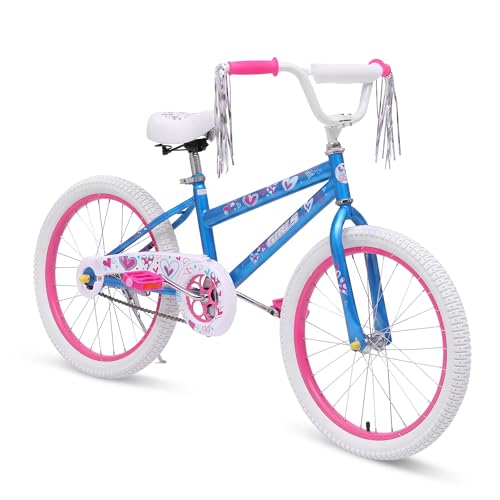
- ✓ Easy to control coaster brake
- ✓ Grow-with-me design
- ✓ Safe, enclosed chain guard
- ✕ 20″ lacks training wheels
- ✕ Slightly heavy for first-timers
| Frame Material | Carbon steel |
| Wheel Size / Tire Type | 18″ and 20″ wheels with rubber off-road tires |
| Brakes | Rear coaster brake (pedal backwards) with child-friendly operation |
| Max Rider Weight | Up to 150 lbs |
| Adjustability / Growth | Adjustable saddle and handlebar; 18″ model includes removable training wheels; 20″ model replaces training wheels with a kickstand |
| Safety Features | Enclosed chain guard; saddle handle for parental guidance; sturdy steel frame |
< p>My first ride with the LUCKPRO Kids Bike 18/20″ Blue happened on a sunlit curb, where the first kickstart felt surprisingly smooth. I nudged the pedals and the lightweight frame hummed a bit before settling into a confident, bike-riding rhythm.
The grip on those small handles gave me instant control—you don’t fight it, you just ride.
< p>The 18″ model with removable training wheels is a breeze for new learners. I popped the wheels off, adjusted the seat height a touch, and the bike felt balanced right away. The coaster brake is intuitive; pedal backward and you’ll slow without any drama, which is a relief for anxious new riders or those chasing a school-day routine.
< p>The carbon steel frame feels sturdy in hand, not to mention the sturdy steel construction that keeps it feeling secure on bumpy sidewalks. The enclosed chain guard is a thoughtful touch—no snagging dress clothes or tiny fingers. I appreciated the low-maintenance, straightforward design that doesn’t overwhelm you with too many adjustments.
< p>The seating position is surprisingly comfortable for kids, with an adjustable seat and handlebars that grow with them. The rubber off-road tires grip nicely on wet mornings and light gravel, giving you confidence when you’re commuting to school or cruising the park path after. It’s clear Beisty designed this with real-world school-route scenarios in mind.
< p>Overall, you’ll find it’s a reliable, kid-friendly ride that helps young riders build balance and independence without sacrificing safety. It’s a thoughtful, grow-with-me option that won’t break your budget or your back during the ride-to-school routine.
Meghna Folding Bike 20″ 6 Speed Dual V Brakes with Basket

- ✓ Compact fold and carry
- ✓ Solid braking in all weather
- ✓ Comfortable, adjustable ride
- ✕ Moderate weight for a folding bike
- ✕ 20″ wheels limit rough terrain riding
| Frame | Solid iron frame with folding capability (20 inch folding bicycle) |
| Drivetrain | 6-speed transmission system |
| Brakes | Dual V-brakes system |
| Wheels & Tires | 20 inch wheels with front and rear rims |
| Adjustability | Seat height adjustable to accommodate riders 4’11” to 5’9″ |
| Accessories & Safety | Front basket, phone holder, high-reflectivity safety components on rims, handlebar, and seatpost; front and rear fenders; built-in double-spring saddle shock absorption |
You catch a glimpse of this Meghna folding bike and immediately notice the compact silhouette—the 20-inch wheels and sturdy folding hinges begging to be tested in real life. Compared to the other sub-$300 city bikes I’ve tried, this one folds lean and feels reassuringly solid when you pick it up.
The moment you unfold, you’re greeted by a clean, iron frame that doesn’t creak or flex under your weight, even when you hop off a curb.
Being able to fold and fit it into a car trunk or a tight apartment corner is genuinely convenient, especially if you’re juggling a backpack and books. The dual V-brake system responds crisply in wet or dry conditions, so you can trust the stopping power when you’re riding around school grounds or busy sidewalks.
You’ll appreciate the 6-speed gear range when you need a little extra push up a hill or want to cruise on a flat quad-bike path.
The front basket is a small, sturdy feature that actually works in day-to-day life—great for carrying a water bottle, a light bag, or a lunch wrap. The included phone holder adds a practical touch if you need quick navigation or campus updates while you ride.
Night riding feels safer thanks to the reflective accents on rims, handlebars, and seatpost, which catch the streetlights just enough to keep you visible without shouting for attention.
Setup is painless: about 85% assembled, and the rest is a straightforward bolt-and- tighten job with the included tools. The adjustable saddle and seatpost make it easy to fit riders from around 4’11” to 5’9″, which is perfect for most students and family members who’ll borrow it.
The ride stays comfortable thanks to a built-in double-spring shock at the base and a thicker saddle that doesn’t dig in after a long hallway dash to class.
On balance, this Meghna folds neatly into real daily life. It’s sturdy, versatile, and simple to carry after class or between dorms.
If you’re after a compact, reliable school commuter with a little bit of flair, this one deserves a closer look.
What Key Features Should You Look for in a School Bike?
When selecting the best bike for going to school, consider the following key features:
- Lightweight Frame: A lightweight frame is essential for easy maneuverability and transportation. Bikes made from materials like aluminum or carbon fiber are ideal as they reduce the overall weight, making it easier to carry or ride uphill.
- Comfortable Seating: A comfortable seat can make a significant difference during daily commutes. Look for bikes with ergonomic saddle designs that provide support and cushioning, which is especially important for longer rides.
- Durability: The bike should be built to withstand daily use and various weather conditions. Look for robust components and weather-resistant finishes to ensure longevity and reliability over time.
- Gear System: A bike with a good gear system allows for better adaptability to different terrains. Whether riding on flat roads or hilly areas, an adequate range of gears can make the ride more efficient and enjoyable.
- Safety Features: Safety is paramount when cycling to school. Features such as reflectors, lights, and a reliable braking system are essential to ensure visibility and quick stopping capabilities in various conditions.
- Storage Options: Having the ability to carry books, a backpack, or other essentials while riding is crucial. Look for bikes that come with built-in racks, baskets, or the option to attach panniers for added convenience.
- Style and Design: A bike that appeals to the rider’s personal style can encourage more frequent use. Consider different colors and designs that resonate with the user, making the bike not just a mode of transport but also a personal statement.
- Easy Maintenance: Choose a bike that is easy to maintain, with readily available parts and simple repair requirements. Bikes with fewer complex components are often easier to fix and maintain, reducing downtime.
Which Types of Bikes Are Most Suitable for School Commutes?
The best bike for going to school can depend on various factors such as distance, terrain, and personal preference.
- Hybrid Bikes: Hybrid bikes combine features of both road and mountain bikes, making them versatile for different commuting conditions.
- Mountain Bikes: Designed for rugged terrain, mountain bikes provide excellent durability and control, ideal for students who may encounter uneven surfaces.
- Road Bikes: Road bikes are lightweight and built for speed, making them a great option for longer commutes on paved roads.
- Folding Bikes: Folding bikes are compact and can be easily stored, making them perfect for students who may need to take public transport or store their bike in limited space.
- E-Bikes: Electric bikes offer pedal assistance, making them suitable for longer distances or hilly routes, ensuring a less strenuous commute.
Hybrid Bikes: Hybrid bikes are designed for comfort and efficiency, featuring a relaxed frame geometry that allows for an upright riding position. They typically have wider tires than road bikes for added stability, and they can handle a variety of surfaces, whether you are riding on pavement or light trails.
Mountain Bikes: Mountain bikes are constructed to withstand rough conditions, with robust frames and wide, knobby tires that grip well on uneven terrain. They are equipped with powerful brakes and suspension systems, making them suitable for students who might encounter dirt paths or bumpy roads on their way to school.
Road Bikes: Road bikes are optimized for speed and efficiency, featuring lightweight frames and thin tires that reduce drag on smooth surfaces. They are ideal for those students who have longer commutes on paved roads and want to get to school quickly, but may not be the best choice if comfort is a priority for everyday use.
Folding Bikes: Folding bikes are perfect for urban environments where storage space is limited, as they can be easily collapsed and carried onto public transport or stored in a locker. Despite their compact size, many folding bikes can still offer a comfortable ride and can be used for short to moderate distances.
E-Bikes: E-bikes come with an electric motor that assists with pedaling, making them an ideal option for students who face long distances or challenging hills. They provide a comfortable and less physically demanding ride, allowing riders to arrive at school feeling fresh even after a longer commute.
Are Commuter Bikes the Optimal Choice for School Transport?
The best bike for going to school often depends on various factors such as convenience, efficiency, and comfort, with commuter bikes being a popular choice.
- Commuter Bikes: These bikes are designed for daily travel, offering a comfortable riding position and practical features suited for commuting to school.
- Mountain Bikes: While not specifically designed for commuting, mountain bikes provide durability and can handle rough terrain, making them suitable for students in more rugged environments.
- Hybrid Bikes: Combining features of both road and mountain bikes, hybrid bikes offer versatility and comfort, making them an excellent option for school transport.
- Folding Bikes: Ideal for students with limited storage space, folding bikes are compact and portable, allowing for easy transport on public transportation or storage in small areas.
- Electric Bikes: These bikes assist with pedaling, making longer commutes or hilly routes less strenuous, which can be advantageous for students traveling longer distances to school.
Commuter Bikes: Designed for urban commuting, commuter bikes typically feature a lightweight frame, fenders for wet weather, and racks for carrying books or gear. They prioritize comfort with an upright riding position, which is beneficial for students who may be riding for extended periods.
Mountain Bikes: These bikes are robust and built for off-road conditions, featuring wider tires and a sturdy frame that can withstand rough terrain. While they are less efficient on paved roads, they can be a good choice for students who live in areas with unpaved paths or require a bike that can handle various environments.
Hybrid Bikes: Hybrid bikes strike a balance between speed and comfort, equipped with medium-width tires that can handle both roads and light trails. Their versatility makes them suitable for students who may encounter different types of surfaces on their way to school.
Folding Bikes: Folding bikes are compact and can be easily transported in cars, buses, or stowed away in small spaces, making them ideal for students who need a bike that can fit into a locker or be carried onto public transport. They are especially useful for students who may have to combine biking with other forms of travel.
Electric Bikes: Electric bikes provide pedal assistance, allowing students to tackle longer distances or hilly routes with ease. They are becoming increasingly popular for school transport due to the reduced physical effort required, making them accessible for students of varying fitness levels.
How Do Hybrid Bikes Compare to Other Options for School?
| Type | Hybrid Bikes | Mountain Bikes | Road Bikes |
|---|---|---|---|
| Comfort | Balanced design, comfortable for short and longer rides. | Designed for rough terrain, can be less comfortable on roads. | Lightweight, but can be uncomfortable for casual rides. |
| Speed | Moderate speed, good for city commuting. | Slower on pavement, optimized for trails. | Fast on roads, not ideal for mixed surfaces. |
| Versatility | Can handle various terrains; great for city and light trails. | Best for off-road use; less effective on pavement. | Best for paved roads; limited off-road capability. |
| Weight | Moderate weight, easy to carry. | Heavier due to sturdier design. | Lightweight, easy to handle. |
| Cost | Moderate price range, affordable options available. | Can be expensive due to specialized features. | Varied price range, often higher-end models can be costly. |
| Maintenance | Generally low maintenance, easy to service. | Higher maintenance due to complex components. | Requires regular maintenance for optimal performance. |
| Best Use Case | Ideal for commuting to school with mixed surfaces. | Best for students who live near trails or off-road paths. | Recommended for students who mostly ride on paved roads. |
What Benefits Can Students Expect from Riding a Bike to School?
Students can expect various benefits from riding a bike to school, which enhance their physical, mental, and social well-being.
- Physical Health: Riding a bike is an excellent form of cardiovascular exercise that helps improve overall fitness and stamina. Regular cycling can strengthen muscles, increase flexibility, and contribute to weight management, promoting a healthier lifestyle.
- Mental Well-being: Cycling can significantly reduce stress and anxiety levels, providing a sense of freedom and enjoyment. The routine of biking to school can enhance mood and focus, which can lead to better academic performance.
- Environmental Impact: Biking to school is an eco-friendly transportation option that reduces carbon emissions and helps combat pollution. By choosing to bike instead of drive, students contribute to a cleaner environment, fostering a sense of responsibility toward sustainability.
- Cost-Effectiveness: Using a bike is a cost-effective alternative to driving or taking public transport, as it eliminates fuel costs, parking fees, and transit fares. This financial savings can be significant for families, making biking an attractive option for daily commutes.
- Time Management: Biking can often be quicker than waiting for buses or traffic, allowing students to arrive at school on time. This efficiency can help students better manage their schedules and have more time for extracurricular activities or homework.
- Social Interaction: Biking to school provides opportunities for socializing with peers, as students can ride together and foster friendships. This shared experience can enhance their sense of community and belonging within their school environment.
- Independence and Responsibility: Riding a bike encourages students to develop independence and responsibility as they learn to navigate traffic and manage their time. This autonomy can boost confidence and self-reliance, important qualities for personal growth.
How Can You Measure the Right Size Bike for a Student?
Measuring the right size bike for a student involves several key factors to ensure comfort, safety, and efficiency.
- Inseam Measurement: Measure the inseam from the crotch to the ground to determine the appropriate frame size.
- Frame Size: Choose a bike frame size compatible with the inseam measurement, ensuring the student can comfortably reach the pedals and handlebars.
- Test Ride: Have the student test ride different bikes to assess comfort and control before making a purchase.
- Adjustability: Look for bikes with adjustable seat heights and handlebars to accommodate growth and changing preferences.
- Weight Consideration: Ensure the bike’s weight is manageable for the student, as a lighter bike is easier to handle and maneuver.
- Wheel Size: Select appropriate wheel sizes based on the student’s height and riding style, as different sizes can impact stability and speed.
The inseam measurement is crucial as it reflects the distance a rider’s leg needs to reach the pedals while maintaining a proper posture. Ideally, there should be a couple of inches of clearance when standing over the frame.
Frame size is typically indicated by a number that corresponds to the height of the bike in centimeters or inches. A proper frame size allows for proper leg extension and prevents strain on the back and shoulders while riding.
A test ride is essential as it helps in evaluating how the bike feels in terms of balance, stability, and comfort. This experiential check can reveal whether the bike is too big, too small, or just right in terms of fit and handling.
Adjustability is important because students grow quickly, and having a bike with adjustable components can extend its usability over several years. This feature allows for easy modifications to accommodate a growing rider without the need for an immediate replacement.
The weight of the bike plays a significant role in how easy it is for the student to ride. A bike that is too heavy can be cumbersome, especially for younger riders who may struggle to lift or control it effectively.
Finally, wheel size impacts the bike’s performance and suitability for different terrains. Smaller wheels offer more control and stability for younger riders, while larger wheels can provide greater speed and efficiency on longer journeys.
What Are Some Top Recommended Bike Models for School Use?
Some of the best bike models for going to school include:
- Schwinn Discover Hybrid Bike: This bike combines the best features of road and mountain bikes, making it perfect for commuting to school. It offers a comfortable upright riding position, a lightweight aluminum frame, and a 21-speed gear system, allowing for smooth rides on various terrains.
- Trek FX 3 Disc: A versatile fitness hybrid bike, the Trek FX 3 Disc features a lightweight frame and disc brakes for reliable stopping power. Its comfortable geometry and wide tires provide stability and comfort, making it an excellent choice for both urban commuting and leisurely rides.
- Giant Escape 3: Known for its affordability and functionality, the Giant Escape 3 is a reliable hybrid bike with a lightweight design and a comfortable seating position. It comes with a 3×7 speed drivetrain, perfect for tackling different inclines on your way to school.
- Specialized Sirrus X 2.0: This bike is designed for both on-road and off-road use, featuring a durable frame and wider tires for better grip. Its relaxed geometry provides comfort during longer rides, making it ideal for students who might have a longer commute or want to explore after school.
- Cannondale Quick 4: The Cannondale Quick 4 is a sporty bike that offers a lightweight aluminum frame and a fast-rolling design, perfect for students who want speed and efficiency. Its reflective detailing enhances visibility, which is crucial for riding in urban environments.
- Electra Townie Original 7D: This bike is known for its stylish design and comfortable ride, featuring a unique flat-foot technology that allows riders to place their feet flat on the ground when stopped. Its 7-speed gearing makes it easy to navigate through traffic and hilly routes, making it a fun option for school commutes.
How Important Is Safety Gear When Riding a Bike to School?
Safety gear is crucial for ensuring the well-being of students riding bikes to school.
- Helmet: A helmet is essential to protect the head in case of falls or collisions, reducing the risk of serious injury significantly. It should fit snugly and meet safety standards to provide the best protection.
- Reflective Clothing: Wearing reflective clothing enhances visibility, especially during early morning or late afternoon rides. Bright colors and reflective materials help other road users see the cyclist, which is vital for avoiding accidents.
- Knee and Elbow Pads: These pads offer additional protection for joints, which are vulnerable during falls. They can help prevent scrapes and bruises, allowing students to ride with more confidence.
- Lights: Front and rear lights are crucial for visibility, especially in low-light conditions. They make the cyclist more noticeable to motorists and pedestrians, helping to prevent accidents.
- Bell or Horn: A bell or horn is important for signaling to pedestrians and other cyclists. This device allows riders to communicate their presence, especially in crowded areas, thereby enhancing safety.
- Proper Footwear: Wearing shoes that provide good grip and support is important for maintaining control of the bike. Proper footwear helps in effective pedaling and can prevent slips while riding.