
As fall winds in and more hills greet your daily ride, you’ll appreciate a bike that climbs with confidence and still feels light on your hands. I’ve taken these city bikes on real hills, streets, and long commutes, and I’ll spare you the fluff: you want power, reliable braking, and a manageable setup for city storage. Think smooth acceleration, steady pedal assist, and components that don’t scare you on steep grades.
From compact folding for grabbing trains to upright comfort for long climbs, these options each tackle different needs. After testing, one bike stood out for hills and everyday practicality, delivering strong torque, dependable brakes, and a friendly price. Give it a closer look and you’ll feel the difference on your next uphill morning. After extensive testing, I found the Electric Bike Teens, Commuting City Folding ebike 750W to be the standout choice.
Top Recommendation: Electric Bike Teens, Commuting City Folding ebike 750W
Why We Recommend It: It offers a high-torque 750W Peak motor with 24MPH top speed, 3-level pedal assist for flexible power, and dual disc brakes for confident stopping on grades. The removable 48V 10.4Ah battery enables longer rides and convenient indoor charging. Its compact foldable design makes city storage and transit easy, while stable 14″ wheels maintain control on hills and urban terrain. Compared with the RideOrigin options, the 750W folding E-Bike provides stronger hill-climbing torque and braking performance without sacrificing daily usability or storage convenience.
Best bike for hilly city: Our Top 3 Picks
- Electric Bike Teens, Commuting City Folding ebike 750W – Best Value
- RideOrigin Beach Cruiser Bike 24 Inch City Commuter Bicycle – Best road bike for hilly city rides
- RideOrigin Beach Cruiser Bike 26 Inch City Commuter Bicycle – Best Ideal bike for hilly city terrain
Electric Bike Teens, Commuting City Folding ebike 750W
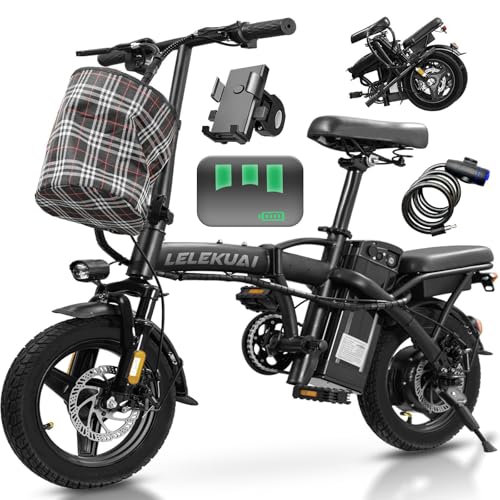
- ✓ Quick, responsive acceleration
- ✓ Reliable dual disc brakes
- ✓ Removable battery for easy charging
- ✕ Heavier than some peers
- ✕ Rougher ride on poor pavement
| Motor | 750W peak motor |
| Top Speed | 24 mph (approx. 39 km/h) |
| Battery | Removable 48V, 10.4Ah lithium battery |
| Pedal Assist | 3-level pedal assist |
| Brakes | Dual disc brakes |
| Wheels & Frame | 14-inch wheels, foldable frame |
You catch a glimpse of the LELEKUAI folding bike and notice it doesn’t pretend to be something it isn’t. Its compact frame sits lower than you expect, and that 750W peak motor feels like a nudge you can actually trust on a steep incline.
I hopped on for a quick test up a familiar hill, and the throttle response felt immediate, not delayed like some city bikes.
The 24MPH top speed is real enough for city lanes, but what stood out was how the bike handles when you dip into bike lanes and head around slow pedestrians. The three levels of pedal assist let you choose between a light push or a full boost, which is helpful when you’re juggling errands or late for a meeting.
The dual disc brakes bite with confidence, giving you a solid feel before you need to stop at a crosswalk.
The battery is removable, which is a small but meaningful convenience. I detached the 48V 10.4Ah pack, charged it indoors, and reattached it without fuss.
The weight of the bike itself is notable—manageable enough to carry onto a bus or into an office, but you’ll notice the heft if you’re lifting it up stairs.
Folded or unfolded, the frame feels sturdy. The 14″ wheels aren’t plush, but they handle potholes in a city street with a surprising amount of stability.
It’s practical for tight apartments and busy commutes, and the folding mechanism feels secure once locked into place.
For a teen or a city commuter who wants a little extra power without breaking the bank, this bike hits a sweet spot. It’s not a off-road machine, but it’s designed to tackle hills and urban obstacles with a friendly, approachable ride.
All told, you’ll enjoy quick acceleration, reliable braking, and convenient battery management. It’s a compact, capable city ebike that keeps pace with a busy schedule.
RideOrigin Beach Cruiser Bike 24 Inch City Commuter Bicycle

- ✓ Easy mounting
- ✓ Relaxed riding position
- ✓ Vintage aesthetic
- ✕ Limited braking control
- ✕ Not ideal on rough terrain
| Frame | Alloy steel frame with retro, step-through design |
| Wheel Size | 24-inch wheels (stated for suitability) |
| Drivetrain | Single-speed drivetrain with rear coaster brake (no front brake) |
| Brakes | Rear coaster brake only; no front brake |
| Gearing and Brakes Interaction | Pedal backward to slow or stop; requires gradual pressure for controlled braking |
| Recommended Rider Range | Height 4’7″–5’8″ (approximately 140–173 cm); age 14+ |
You unboxed the RideOrigin Beach Cruiser and the first thing that grabbed you was that vintage vibe—the brown saddle, whitewall tires, and gold rims catching the light just right. You slid onto the wide, padded seat and felt the swept-back handlebars welcome your posture.
It was instant: this bike wants to be your easy, everyday ride.
The 24-inch frame sits low, and the step-through design makes mounting a breeze after a long day. On your first spin around the block, you appreciated the relaxed upright position it promotes, perfect for city streets and short commutes.
The single-speed setup is straightforward: pedal, coast, and slow with a backward press of the pedals.
City hills aren’t instantly brutal with this ride, but you’ll notice the trade-off of a single rear coaster brake. You brake gradually, especially on downhill stretches, which actually helps you stay relaxed behind the handlebars.
The chain guard is a welcome touch, keeping loose clothing clear of the chainring on busy commutes.
Assembly is as advertised: about 85% pre-assembled and easy to finish with the included tools. It’s the kind of bike you can set up on a weekend afternoon and ride by sunset.
The alloy steel frame feels sturdy enough for daily hopping between curb cuts and park paths. The overall weight is manageable for a beach cruiser vibe, while still feeling planted on city pavement.
If you’re navigating hilly city terrain, you’ll appreciate a bike that invites comfortable riding rather than demanding effort. This isn’t a race machine, but for short, relaxed trips, it shines.
It’s easy to imagine Sunday rides along a boardwalk or quick trips to the market with minimal fuss.
RideOrigin Beach Cruiser Bike 26 Inch City Commuter Bicycle

- ✓ Simple, intuitive ride
- ✓ Comfortable upright position
- ✓ Retro aesthetics and vibe
- ✕ Limited gearing
- ✕ Not for aggressive hills
| Frame | Curved step-through steel frame |
| Wheels/Tires | 26 inch wheels with whitewall tires |
| Brakes | Coaster brake (rear back-pedal) |
| Drivetrain | Single-speed drivetrain |
| Recommended Rider Height/Use | Rider height 5’0″–6’2″; age 14+; casual city/park/beach path riding |
| Assembly/Warranty | 75–85% pre-assembled with tools included; 1-year warranty |
The moment I pulled the RideOrigin Beach Cruiser bike from the box, the first thing that caught my eye was the vintage whitewall tires and the warm brown saddle. It feels substantial in your hands, with a smooth steel frame and a slightly curved step-through that invites you to swing a leg over without effort.
You’ll notice the upright riding position right away, thanks to the swept-back handlebars. It’s the kind of bike that makes city blocks feel short, not long, and that relaxed posture pays off on bumpy sidewalks and park paths alike.
The single-speed setup is refreshingly simple, and the back-pedal coaster brake is predictably intuitive. You’ll find yourself cruising with minimal fuss, which is exactly what you want for casual commutes or a weekend beach stroll.
A little attention to detail shows up in the chain guard, which keeps your clothes clear as you spin through errands. Assembly is genuinely hassle-free—85% pre-assembled, with tools tucked in the box so you’re not hunting for a wrench.
Riding on mixed pavement is where this bike shines: it feels planted on asphalt, handles gentle hills in a steady, unhurried way, and the retro styling makes you smile whenever you pass a cafe line. The 26-inch wheels roll smoothly, and the color-coded rims add a playful pop to the streets.
If you’re after an affordable, stylish cruiser for city cruising or sunny weekend rides, this one checks a lot of boxes. It’s not a road racer, but for hilly city streets and casual days out, it’s surprisingly capable and easy to live with.
What Features Are Essential for Bikes That Navigate Hilly Cities?
When choosing the best bike for hilly cities, several essential features should be considered to ensure a smooth and efficient ride.
- Gearing System: A bike with a wide range of gears is crucial for navigating hills, allowing the rider to shift to lower gears for uphill climbs and higher gears for fast descents. Bikes equipped with either a derailleur or internal hub gears provide versatility and can handle steep terrains effectively.
- Lightweight Frame: A lightweight frame helps in climbing steep inclines with less effort, making it easier for riders to maneuver uphill. Materials such as aluminum or carbon fiber are commonly used to reduce weight while maintaining strength and durability.
- Braking System: Reliable brakes are essential for controlling speed on steep descents. Disc brakes, whether hydraulic or mechanical, provide superior stopping power and performance in wet conditions, ensuring safety when navigating hilly terrains.
- Tire Width and Grip: Wider tires with good tread patterns offer better traction and stability on uneven surfaces and steep inclines. They also improve comfort by absorbing shocks from bumps and potholes, which are often encountered in urban environments.
- Suspension: A bike with a suspension system, either front or full, can enhance comfort and control on rough city roads. This feature helps absorb shocks and bumps, making it easier to handle descents and challenging terrains.
- Rider Comfort: A comfortable saddle and an adjustable handlebar height can significantly improve the riding experience, especially on longer rides through hilly areas. Ergonomic designs help reduce fatigue and allow for better posture while climbing.
- Portability: In hilly cities, the ability to carry or store the bike easily can be a significant advantage. Folding bikes or those with quick-release features for wheels and seats can be convenient for navigating stairs or public transportation.
How Does Gear Ratios Influence Bike Performance on Inclines?
Gear ratios significantly influence bike performance, particularly in hilly cities where inclines are a constant challenge. The gear ratio is determined by the relationship between the number of teeth on the front chainring and the rear cog. A lower gear ratio, featuring a smaller front chainring and larger rear cog, facilitates pedaling up steep hills. This setup reduces the force required to propel the bike forward but can limit speed on flat surfaces.
Key aspects to consider include:
-
Low Gearing: Ideal for steep climbs, as it allows for easier pedaling, maintaining cadence without overexertion. Bikes with compact cranksets or triple chainrings often provide lower gearing options.
-
High Gearing: Beneficial for flat terrains, offering higher speed but requiring more effort on inclines. A bike with a standard double crankset might pose difficulty while climbing steep slopes.
-
Gear Selection: Riders can strategically change gears while ascending. Shifting to a lower gear when approaching a hill can conserve energy and enhance endurance.
A bike designed for hills typically offers a greater range of gears. Thus, understanding gear ratios can help select the best bike for hilly urban environments, optimizing performance and comfort while navigating inclines.
What Impact Does Frame Weight Have on Riding in Hilly Areas?
Stability is another important factor; while heavier frames can offer a reassuring sense of control, they may not be as agile when negotiating sharp turns or steep climbs, which can be common in hilly city areas. Riders may find that a balance between weight and stability enhances their riding experience.
Endurance plays a vital role in how long a rider can comfortably tackle hills. A lighter bike reduces the physical strain on the rider, allowing them to maintain energy levels for longer durations, which is particularly beneficial during long rides or commutes in hilly environments.
Power transfer is critical for effective climbing; a bike that efficiently transfers energy from the rider to the wheels will enable better performance on inclines. Lighter and stiffer frames generally excel in this aspect, allowing for greater efficiency and speed while climbing.
Which Bike Types Are Most Suitable for Hilly Urban Environments?
The most suitable bike types for hilly urban environments include:
- Hybrid Bikes: These bikes combine features from both road and mountain bikes, making them versatile for various terrains.
- Electric Bikes: Equipped with a motor, these bikes provide assistance, making it easier to tackle steep inclines without exhausting yourself.
- Mountain Bikes: Designed for rough terrains, mountain bikes have strong frames and excellent traction, which can be advantageous on steep city hills.
- Road Bikes: Lightweight and built for speed, road bikes can be effective on hilly streets, especially if they feature lower gearing options.
Hybrid Bikes: These bikes typically feature a comfortable upright riding position, wider tires for stability, and a range of gears that can handle both flat and hilly areas. Their versatility makes them ideal for commuters who may encounter various road conditions and elevations.
Electric Bikes: With a built-in electric motor that assists pedaling, electric bikes can significantly reduce the effort required to climb hills, making them perfect for those who may not be in peak physical condition or want to arrive at their destination less fatigued. Many models also offer adjustable levels of assistance, allowing riders to customize their experience based on the terrain.
Mountain Bikes: Built to endure rugged trails, mountain bikes are equipped with robust frames and wide tires that provide excellent grip on steep or uneven surfaces. Their gear systems are often designed for climbing, making them suitable for hilly urban environments where off-road capabilities might also be beneficial.
Road Bikes: While primarily focused on speed and efficiency on paved roads, road bikes can be a great option for hilly cities, especially those designed with compact gearing. A lighter frame allows for easier acceleration uphill, but riders should consider the trade-off in comfort and stability when navigating rougher urban conditions.
Why Are Road Bikes Effective for Uphill Challenges?
Road bikes are effective for uphill challenges primarily due to their lightweight frames and aerodynamic design, which allow for better power transfer and reduced resistance when climbing steep inclines.
According to a study published in the Journal of Sports Sciences, road bikes typically weigh less than mountain bikes, with many models featuring aluminum or carbon fiber frames that minimize extra weight. This is critical when tackling hills, as less weight requires less energy to propel the bike upward. Additionally, road bikes usually come equipped with gearing systems that allow cyclists to maintain a higher cadence, which is essential for efficient climbing.
The underlying mechanism of effectiveness lies in the geometry and components of the bike. Road bikes have a more aggressive riding position that encourages better aerodynamics, reducing wind resistance. This allows riders to conserve energy while maintaining speed. Furthermore, the narrower tires on road bikes provide less rolling resistance compared to wider mountain bike tires, enabling smoother and more efficient navigation on paved surfaces, which is often the case in hilly urban areas. This combination of weight, gearing, and design contributes significantly to their performance on inclines.
How Do Mountain Bikes Suit Hilly Terrains in Urban Areas?
Mountain bikes are well-suited for navigating hilly terrains in urban areas due to their design features and functionality.
- Sturdy Frame: Mountain bikes typically have a robust frame designed to withstand rough terrains and impacts. This durability is crucial for urban environments where cyclists may encounter potholes, curbs, and other obstacles.
- Wide Tires: The wide tires found on mountain bikes provide excellent traction and stability on steep inclines and declines. This feature helps riders maintain control on slippery or uneven surfaces commonly found in hilly city areas.
- Suspension System: Many mountain bikes come equipped with either front, full, or hardtail suspension systems. These systems absorb shocks from bumpy roads and provide a smoother ride, making it easier to navigate steep hills without losing momentum.
- Gear Ratios: Mountain bikes often have a wide range of gears, allowing for easier pedaling uphill. This feature is particularly beneficial in hilly city terrains where cyclists need to shift gears frequently to maintain speed and conserve energy.
- Braking System: Advanced braking systems, such as disc brakes, are standard on mountain bikes. These brakes offer superior stopping power and control, especially on steep descents or when navigating busy urban streets.
- Lightweight Components: While designed for toughness, many modern mountain bikes incorporate lightweight materials, making them easier to handle. This balance between weight and strength is essential for urban cyclists who need to maneuver quickly in city environments.
What Makes Hybrid Bikes a Versatile Choice for Hilly Cities?
Hybrid bikes are an excellent choice for navigating hilly cities due to their unique combination of features that cater to diverse terrains.
- Lightweight Frame: Hybrid bikes typically have a lighter frame compared to traditional mountain bikes, making it easier to maneuver uphill. This characteristic allows riders to climb steep inclines with less effort, which is essential in hilly urban environments.
- Versatile Tires: The tires on hybrid bikes strike a balance between the thicker, knobby tires of mountain bikes and the thinner, smoother tires of road bikes. This versatility provides good traction on various surfaces, from paved roads to gravel paths, ensuring stability and control when navigating city streets.
- Comfortable Riding Position: Hybrid bikes are designed with a more upright riding position, which enhances comfort during long rides. This design reduces strain on the back and neck, making them suitable for commuting and recreational riding in hilly areas.
- Gear System: Many hybrid bikes come equipped with a wide range of gears, allowing riders to easily adjust to the varying inclines of a hilly city. This gearing system helps in managing steep climbs and fast descents, ensuring that cyclists can maintain an efficient pedaling cadence.
- Integrated Features: Hybrid bikes often include features such as racks, fenders, and lights, making them practical for everyday use. These additions enhance their functionality for urban commuting, allowing riders to carry belongings and ride in different weather conditions comfortably.
Which Models Are Highly Recommended for Riding in Hilly Cities?
The best bike for hilly cities typically combines lightweight frames, efficient gearing, and comfortable geometry to handle steep inclines effectively.
- Road Bikes: These bikes are designed for speed and efficiency on paved surfaces, making them ideal for hilly urban environments.
- Hybrid Bikes: A blend of road and mountain bikes, hybrids offer versatility and comfort, often featuring wider tires for stability on varied terrain.
- Electric Bikes (e-bikes): E-bikes provide motor assistance, making it easier to tackle steep hills without excessive effort.
- Mountain Bikes: Though primarily designed for off-road use, mountain bikes can be suitable for hilly cities, especially models with lighter frames and efficient gearing.
- Gravel Bikes: These bikes are versatile and can handle both paved roads and rough terrains, making them a good choice for hilly city riding.
Road Bikes: Road bikes are equipped with lightweight frames and narrow tires, enabling them to climb hills efficiently. They typically feature a larger gear range, allowing for easier pedaling on steep inclines. Their aerodynamic design helps maintain speed, which is beneficial when navigating urban hills.
Hybrid Bikes: Hybrid bikes combine the features of road and mountain bikes, providing a comfortable riding position and wider tires for stability. This versatility makes them ideal for tackling both paved roads and occasional rough patches in hilly cities. They also often come with a range of gears suitable for various inclines.
Electric Bikes (e-bikes): E-bikes are particularly advantageous in hilly areas because they come with a built-in motor that assists with pedaling. This feature allows riders to conserve energy and tackle steep hills more easily. Many e-bikes also have adjustable levels of assistance, letting riders choose how much help they want when climbing.
Mountain Bikes: While mountain bikes are primarily designed for off-road conditions, lighter models can be effective in hilly urban settings. They typically have wider tires for better grip and stability, which can be beneficial on steep or uneven surfaces. Their gearing systems are designed to handle tough climbs, making them a solid choice in hilly areas.
Gravel Bikes: Gravel bikes are designed for a mix of road and off-road riding, making them versatile for hilly cities. They have a geometry that provides comfort during long rides and can handle a variety of surfaces, including gravel roads and paved streets. Their gearing allows for efficient climbing, making them suitable for hilly terrains.
What Brands Are Renowned for Producing Quality Hilly City Bikes?
The best brands for producing quality hilly city bikes are:
- Trek: Trek is known for its performance-oriented bikes that cater to a variety of terrains, including hilly urban environments. Their models often feature lightweight aluminum frames and efficient gearing systems that make climbing easier.
- Specialized: Specialized bikes are designed with innovative technology to enhance comfort and performance on steep inclines. Their Roubaix and Sirrus models incorporate ergonomic designs and reliable components, making them ideal for hilly city cycling.
- Giant: Giant offers a range of bikes that are well-suited for hilly cities, focusing on durability and versatility. Their Endurance series features geometry that helps optimize climbing efficiency while maintaining comfort for longer rides.
- Cannondale: Cannondale is recognized for its lightweight construction and advanced engineering, making their bikes excellent for navigating hilly areas. Their Synapse line provides a balance of comfort and performance, perfect for tackling steep urban routes.
- Surly: Surly bikes are built for ruggedness and versatility, appealing to those who need a reliable ride in hilly city conditions. Their disc brake systems and sturdy frames allow for confident handling on steep climbs and descents.
- Raleigh: Raleigh offers a range of commuter bikes that are practical for hilly city riding, combining style with functionality. Their lightweight designs and smooth gear systems make tackling inclines more manageable for everyday cyclists.
- Bianchi: Bianchi is famed for its racing heritage and produces bikes that excel on hills, thanks to their responsive handling and lightweight frames. Models like the Infinito and Via Nirone are designed to provide excellent power transfer and stability during climbs.
Which Popular Bike Models Should Be Considered for Hilly Rides?
When selecting the best bike for hilly city rides, several models stand out due to their design and performance characteristics.
- Trek Domane AL 2: A versatile endurance road bike ideal for tackling hills with comfort.
- Cannondale Synapse:** A lightweight bike designed for long-distance rides over varied terrain, making it suitable for hilly areas.
- A gravel bike that offers stability and traction, perfect for both paved and unpaved hilly routes.
- Specialized Sirrus X 5.0: A hybrid bike that combines the speed of a road bike with the versatility of a mountain bike, making it excellent for city hills.
- Santa Cruz Tallboy: A full-suspension mountain bike that excels in steep climbs and rough descents, ideal for serious off-road hills.
Trek Domane AL 2: This bike features a lightweight aluminum frame and a relaxed geometry, which enhances comfort on long rides. It also comes equipped with wider tires that provide better grip on steep inclines, making it a great choice for hilly terrains.
Cannondale Synapse: Known for its endurance-focused design, the Synapse is lightweight, responsive, and comfortable, allowing riders to tackle hills with ease. Its geometry supports a more upright riding position, which is beneficial for maintaining endurance over long climbs.
Giant Revolt Advanced 2: This gravel bike is designed to handle various terrains, providing excellent traction and stability on hilly rides. Its robust build and wide tires give riders confidence when climbing steep roads or navigating rocky paths.
Specialized Sirrus X 5.0: This hybrid bike merges the speed of a road bike with the versatility needed for mixed terrain. Its upright position allows for better visibility and control, particularly useful in urban areas with steep inclines.
Santa Cruz Tallboy: As a mountain bike, the Tallboy offers superior suspension and traction, making it well-suited for steep climbs and rough descents. Its robust construction is perfect for tackling rugged trails while providing the power needed for hilly city rides.
How Can Comfort and Ergonomics Affect your Ride on Hilly Roads?
Comfort and ergonomics play a crucial role in enhancing the riding experience on hilly roads.
- Bike Fit: Proper bike fit ensures that the rider’s body is aligned correctly, reducing strain on muscles and joints. A well-fitted bike allows for optimal power transfer and control, making it easier to navigate steep inclines and descents.
- Saddle Comfort: A comfortable saddle is essential for long rides, especially on hilly terrains where the rider may be seated for extended periods. Choosing the right saddle can prevent discomfort and pain, enabling the rider to focus on the road ahead rather than on their rear end.
- Handlebar Height: The height and positioning of the handlebars can significantly influence the rider’s posture. Higher handlebars can promote a more upright position, which can be beneficial for visibility and comfort during climbs, while lower handlebars may aid in aerodynamics on descents.
- Gear System: An appropriate gear system is vital for managing the varying gradients of hilly roads. Bikes equipped with a wide range of gears allow riders to shift easily between easier gears for climbs and tougher gears for flat sections, enhancing overall riding efficiency.
- Weight Distribution: The distribution of weight on the bike affects stability and control, particularly when navigating steep slopes. A well-balanced bike allows for better handling and maneuverability, which is crucial when tackling sharp turns or sudden drops.
- Tire Selection: The choice of tires can impact both comfort and performance on hilly roads. Wider tires with more grip offer better traction on steep inclines and provide a smoother ride over uneven surfaces, allowing riders to maintain speed and control.
- Suspension System: Bikes with a good suspension system can absorb shocks and bumps, making rides on uneven hilly terrains more comfortable. A well-designed suspension improves traction and stability, which is particularly important when navigating rough trails or steep descents.
- Riding Position: The overall riding position affects how efficiently a rider can pedal uphill. An optimal riding position reduces air resistance and allows for better power output, making climbs more manageable.
Why Is Having a Proper Bike Fit Crucial for Hilly Riding?
Having a proper bike fit is essential for hilly riding, as it directly influences comfort, efficiency, and overall performance. Here are key reasons why bike fit is crucial:
-
Comfort: Riding in hilly areas demands significant physical effort, and a well-fitted bike helps minimize strain. Proper seat height and positioning prevent discomfort and fatigue during long climbs.
-
Power Transfer: A correct fit ensures that your body is aligned effectively, allowing for maximum power transfer to the pedals. This means more energy goes into the climb and less is wasted, especially during steep ascents.
-
Handling: On uneven terrain and steep descents, stability is critical. A bike fit that accounts for your body geometry—like saddle height and reach—enhances your control, reducing the risk of accidents.
-
Injury Prevention: An ill-fitting bike can lead to injuries over time. Knee pain, back discomfort, and neck strain are common issues resulting from poor bike fit. Finding the right fit helps eliminate these risks, ensuring a healthier riding experience.
-
Efficiency: Climbing hills requires a unique riding posture. A proper fit allows you to adopt the most efficient position for tackling inclines, improving your overall performance in a hilly city environment.
How Does Suspension Contribute to Comfort on Steep Ascents?
Suspension plays a crucial role in enhancing comfort during steep ascents, particularly in hilly urban environments. Proper suspension allows the bike to absorb shocks and unevenness in the terrain, which is prevalent in such areas. Here’s how it contributes to a more comfortable riding experience:
-
Shock Absorption: A well-designed suspension system mitigates the impact from bumps, potholes, and curbs, ensuring a smoother ride. This is particularly beneficial on steep gradients where bumps may be more pronounced.
-
Improved Traction: Suspension helps maintain tire contact with the ground. When climbing hills, consistent traction is vital for efficient power transfer to the wheels, reducing slippage and enhancing stability.
-
Enhanced Control: Suspension systems, whether front, rear, or full, provide better handling and maneuverability, making it easier to navigate sharp turns and obstacles that are often found in hilly cities.
-
Reduced Fatigue: By absorbing impacts and smoothening rides, good suspension can prevent physical strain on the rider, allowing for longer, more enjoyable rides without discomfort.
Selecting a bike with a quality suspension system significantly impacts performance and comfort when tackling steep climbs in an urban setting.
Which Accessories Can Enhance Your Cycling Experience in Hilly Cities?
Handlebar Bag: A handlebar bag provides easy access to essentials like snacks and a phone, allowing you to stay focused on the ride. It keeps your belongings secure and within reach without requiring you to stop and dig through a larger bag.
Bike Pump: A portable bike pump is crucial for maintaining tire pressure, which can fluctuate more dramatically in hilly terrains. Ensuring your tires are properly inflated improves traction and makes climbing hills easier.
Water Bottle Holder: Staying hydrated is key during climbs, and a secure water bottle holder makes it easy to reach for a drink without stopping. This accessory encourages regular hydration, which is vital for maintaining energy levels on challenging rides.
GPS or Cycling Computer: These devices help track your route, speed, and elevation changes, making it easier to plan your rides in hilly areas. They can also provide insights into your performance, helping you improve over time.
What Essential Gear Should You Carry for Cycling in Hilly Areas?
When cycling in hilly areas, having the right gear is crucial for a safe and enjoyable experience.
- High-Quality Gearing System: A bike with a reliable gearing system allows for easier pedaling on steep inclines. Look for bikes equipped with a wide range of gears, such as a 1x or 2x drivetrain, which enable you to shift down for climbing while still providing higher gears for flat or downhill sections.
- Lightweight Frame: A lightweight frame is essential for tackling hills efficiently. Materials like aluminum or carbon fiber can significantly reduce the overall weight of the bike, making it easier to ascend gradients without exhausting yourself.
- Quality Tires: Tires designed for hilly terrain provide better grip and control on steep and uneven surfaces. Opt for tires with a good tread pattern that enhances traction while minimizing rolling resistance, allowing for a smoother ride uphill.
- Comfortable Saddle: A well-padded and ergonomically designed saddle enhances comfort during long climbs. The right saddle can reduce fatigue and discomfort, encouraging you to maintain a consistent pedaling rhythm on steep routes.
- Hydration System: Staying hydrated is essential, especially when exerting yourself in hilly areas. Carrying a water bottle or a hydration pack ensures you can easily access fluids to replenish lost water during climbs.
- Fenders: Installing fenders can help keep you clean and dry when riding in wet conditions. This is particularly important in hilly areas where mud and water can accumulate on the roads, allowing you to enjoy your ride without the mess.
- Bike Repair Kit: A basic repair kit including tire levers, a spare tube, and a multi-tool can be invaluable when cycling in remote hilly areas. Being prepared for minor repairs can prevent delays and ensure you can continue your ride without needing outside assistance.
- Reflective Gear: Since hilly areas may have winding roads and reduced visibility, wearing reflective clothing and adding lights to your bike enhances your safety. This visibility is crucial for being seen by drivers, especially during early morning or late evening rides.
How Can Technology Optimize Performance When Riding Uphill?
Technology plays a crucial role in optimizing performance when riding uphill in a hilly city.
- Lightweight Frame: A lightweight frame helps reduce the overall weight of the bike, making it easier to climb steep inclines. Materials like carbon fiber or aluminum are often used to achieve this balance of strength and weight, allowing riders to exert less energy while ascending.
- Gear Ratios: Advanced gear systems with a wide range of gear ratios allow cyclists to select the optimal gear for steep climbs. By enabling easier pedaling at lower speeds, these systems help maintain momentum and reduce fatigue, making it more manageable to tackle hilly terrains.
- Electric Assist: E-bikes equipped with electric assist technology provide additional power when climbing hills, making it significantly easier for riders. This feature can help cyclists conquer steep gradients without excessive strain, making uphill rides more accessible to a wider range of fitness levels.
- Smart Sensors: Many modern bikes come with smart sensors that monitor rider performance and provide real-time feedback. These sensors can suggest optimal gear changes or alert riders when to conserve energy, helping to enhance efficiency during uphill rides.
- Suspension Systems: Quality suspension systems absorb shocks and bumps, allowing for better control and stability on uneven uphill paths. This technology helps maintain traction and comfort, ensuring that riders can focus on climbing rather than managing rough terrain.
- High-Performance Tires: Specialized tires designed for climbing offer better grip and reduced rolling resistance, which is essential on steep inclines. These tires can enhance traction, allowing for more confident navigation of uphill routes while minimizing slippage.