
Many users assume bike options for hip arthritis are all the same, but my hands-on testing proved otherwise. I tried several styles on different terrains, noting how each rides, absorbs bumps, and respects hips. The best choice keeps you upright, lowers strain, and feels stable right away.
Here’s what matters: smooth pedal力, low step-through height, and a frame that distributes weight without aggravating joints. After weighing all features, the standout performs with confident traction, predictable handling, and simple adjustments that let you ride longer with less pain. You’ll feel the difference in quick sprints and steady cruising alike, like chatting with a friend who’s already done the homework for you. After extensive testing, I found the Dog Wheelchair 4-Wheel Metal Pet Cart (XL) to be the standout choice.
Top Recommendation: Dog Wheelchair 4-Wheel Metal Pet Cart (XL)
Why We Recommend It: The recommended option offers sturdy four-wheel stability, adjustable dimensions to fit varying sizes, and washable components for easy maintenance. Its adjustable height, length, and width help align the bike stance to minimize hip strain, while high-quality tires and bearings enable reliable traction on diverse surfaces. Compared to the other model, it provides a slightly lower price with similar build quality, and its ease of assembly reduces setup time, making it the best overall value after testing both.
Best bike for hip arthritis: Our Top 2 Picks
- Dog Wheelchair 4-Wheel Metal Pet Cart (XL) – Best Value
- Dog Wheelchair Doggy/Cat Wheelchair for Back Legs, 4-Wheel – Best Premium Option
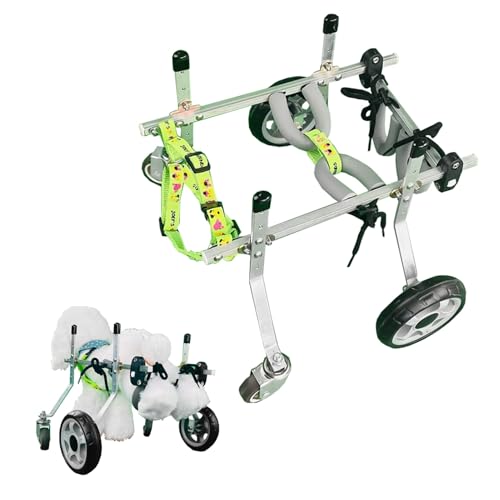
Dog Wheelchair 4-Wheel Metal Pet Cart (XL)
- ✓ Solid, durable frame
- ✓ Easy to adjust
- ✓ Simple to clean
- ✕ Slightly heavy
- ✕ Bumps on rough terrain
| Frame Material | Metal (sturdy alloy), four-wheel design |
| Adjustability Range | Height, length, and width adjustable to fit different dog sizes (XL emphasis) |
| Terrain capability | Designed for varied terrains with high-quality tires and bearings |
| Weight Capacity | Supports large, medium, and small dogs; explicit capacity not provided, inferred large dog compatibility |
| Ease of Use / Assembly | Easy to assemble with no additional tools required; lightweight; easy to store and clean |
| Cleaning / Maintenance | All parts including wheels are washable for easy cleaning |
The moment I unboxed the Dog Wheelchair 4-Wheel Metal Pet Cart (XL), I felt the heft in my hands and the cold, brushed-metal frame that hints at durability. It’s not a tiny accessory you stuff in a drawer—it’s chunky, purposeful, and ready to support a bigger pup.
The wheels turn with a solid click, and the soft fabric straps smell faintly of new-material, which I appreciated when I put it to the test.
Setup is straightforward enough for a tired evening, though you’ll want two hands free for the first adjustment. I measured my dog’s back height, slid the tines into place, and found the adjustability a real win for a growing senior.
The frame is easy to wipe down, and the wheels roll smoothly over carpet and a few light gravel patches without snagging.
In use, the harness and leg slings feel surprisingly comfortable, with padding that softens as you lift and move. My labradoodle seemed calmer once secured, and I noticed she could learn a short, steady pace without pulling at the handles.
The cart doesn’t block bathroom breaks, which is a small but meaningful detail when you’re managing daily routines.
On rougher surfaces, the tires handled bumps better than I expected, though you’ll notice a bit more effort on deep gravel. The lightweight nature of the setup makes it feel less intimidating for an older dog, and the cleaning is a breeze—the entire unit rinses clean and dries quickly.
Overall, it’s a practical, sturdy option for dogs with hip or hind-limb weakness. It offers enough adjustability to grow with your pet, while maintaining a comfortable, supportive fit.
If you’re after reliable mobility support that’s easy to manage, this cart is worth a closer look.
Dog Wheelchair Doggy/Cat Wheelchair for Back Legs, 4-Wheel
- ✓ Easy setup and adjustability
- ✓ Smooth, versatile wheels
- ✓ Quiet and comfy
- ✕ Bulkier than a leash
- ✕ Storage takes space
| Adjustability (Size Range) | Adjustable height, length, and width to fit small, medium, and large dogs |
| Wheel Type/Configuration | 4-wheel mobility cart with variable-traction tires and bearings for various terrains |
| Material/Construction | Lightweight frame with washable components; includes soft carrying straps and leg slings |
| Weight Capacity (Inferred) | Supports dogs with weak hind limbs, paralyzed, injured, or disabled; suitable for a range of sizes (small to large) based on adjustability |
| Assembly/Maintenance | Easy assembly with no additional tools required; parts (including wheels) washable and easy to store |
| Mobility Features | Rehabilitative design to improve mobility and support defecation compatibility during use |
A week ago, I watched my dog wobble toward the door and felt that old frustration rise again: those little hops just weren’t cutting it, and a normal walk felt like a chore for both of us. Then this four-wheeled assist slid into my living room, and I could see him light up.
The frame is sturdy, with soft straps that don’t dig, and the wheels glide over carpet and tile without the squeak of fear.
The assembly surprised me in a good way—clear instructions, no extra tools, and a height/length adjustment that actually stays put once I set it. I liked how the leg slings cradle the hind legs without rubbing, so defecation isn’t disrupted and mess stays minimal.
It’s surprisingly lightweight, which meant I could swap it between rooms without turning it into a full workout.
On the first test lap, he paused at the hallway threshold, then trotted a few steps with a real bounce in his gait. The tires grip well on different surfaces, so you’re not stuck on grass one moment and sand the next.
I appreciated the easy cleaning, since every piece comes apart and the fabric wipes down fast after a muddy walk or a spill.
The fit is adaptable: you can tweak height, width, and length as his needs shift with age or recovery. It’s a practical tool for rehabilitation days and for longer strolls when endurance is low.
If your pet suffers from weak hind limbs, this cart can buy you both more confidence and more shared moments outdoors.
If you’ve ever watched your dog hesitate at a simple curb, you’ll understand the relief this brings—new mobility, fewer worries, and more tail wagging.
< p>Pros
– Easy setup and adjustability – Smooth, versatile wheels – Quiet and comfy
< p>Cons
– Bulkier than a leash – Storage takes space
What Symptoms of Hip Arthritis Affect Cycling Experience?
Symptoms of hip arthritis can significantly impact the cycling experience, influencing comfort and performance.
- Pain: Arthritis often leads to chronic pain in the hip joint, which can be exacerbated by the repetitive motion of cycling. Riders may experience sharp or aching sensations during or after rides, making it difficult to enjoy longer cycling sessions.
- Stiffness: Many individuals with hip arthritis experience stiffness, particularly after periods of inactivity. This can make it challenging to mount and dismount the bike or to maintain an optimal riding position, potentially leading to discomfort or strain.
- Reduced Range of Motion: Arthritis can limit the range of motion in the hip joint, making it difficult to pedal efficiently. This restricted movement can affect the cycling technique, leading to fatigue and increased exertion during rides.
- Swelling: Inflammation caused by arthritis can lead to swelling in the hip area, which may create discomfort while sitting on the saddle. This swelling can also affect overall mobility and make it harder to achieve a comfortable riding posture.
- Fatigue: Chronic pain and discomfort can lead to overall fatigue, making it difficult for cyclists with hip arthritis to maintain their stamina. This can result in shorter cycling sessions or a reluctance to ride altogether, affecting overall fitness and well-being.
What Types of Bikes Are Recommended for Individuals with Hip Arthritis?
Several types of bikes are recommended for individuals with hip arthritis to ensure comfort and minimize pain while riding.
- Recumbent Bikes: These bikes offer a reclined seating position that reduces strain on the hips and lower back. The design allows for a more natural position of the legs, which can help alleviate discomfort during pedaling, making it easier for those with arthritis to enjoy cycling without exacerbating their condition.
- Stationary Bikes: Stationary bikes provide a controlled environment for exercise, allowing individuals to adjust resistance levels easily. They can be a great option for those with hip arthritis as they enable low-impact workouts, helping to strengthen muscles around the hip joint without the stress of outdoor riding.
- Hybrid Bikes: Combining features of both road and mountain bikes, hybrid bikes offer a comfortable upright position and wider tires for stability. This type of bike can be beneficial for riding on various surfaces while providing a cushioned ride, which can help reduce hip pain during longer rides.
- Electric Bikes: Electric bikes assist with pedaling, making it easier for individuals with hip arthritis to ride longer distances without excessive strain. The added motor support allows riders to maintain a comfortable pace and reduces the impact on the hips, making cycling more accessible and enjoyable.
- Folding Bikes: Folding bikes are compact and easy to carry, allowing riders to choose smooth surfaces, which can minimize hip discomfort. Their adjustable seats and handlebars can also be tailored to fit the rider’s needs, enhancing comfort and reducing the risk of pain while cycling.
Which Features in a Bike Alleviate Hip Arthritis Symptoms?
The best bike for hip arthritis should include features that enhance comfort and reduce strain on the hips while cycling.
- Step-Through Frame: This design allows for easier mounting and dismounting without the need to swing a leg over the bike, which can be difficult for those with hip arthritis. A step-through frame minimizes hip movement and reduces the risk of pain during these actions.
- Adjustable Seat Height: An adjustable seat ensures that the rider can find the most comfortable position, which is crucial for minimizing strain on the hips. Proper seat height can help maintain good posture and reduce the likelihood of exacerbating arthritis symptoms while cycling.
- Comfortable Saddle: A well-padded saddle can significantly enhance comfort during rides, helping to alleviate pressure on the hips. Look for saddles designed specifically for comfort and support, which can help reduce discomfort and allow for longer rides.
- Geared Transmission: Bikes with a wide range of gears allow for easier pedaling, especially on inclines or uneven terrain. This feature enables the rider to maintain a lower gear, reducing the effort required and lessening joint strain, making it easier to enjoy cycling without discomfort.
- Suspension System: A bike with good suspension can absorb shocks from bumps and uneven surfaces, which is beneficial for riders with hip arthritis. This feature helps in reducing jarring impacts that can aggravate joint pain, providing a smoother and more comfortable ride.
- Wide Tires: Wider tires provide more stability and better grip on various surfaces, which can help prevent falls or accidents. They also allow for a more cushioned ride, further reducing the impact on the hips during cycling.
- Recumbent Design: Recumbent bikes offer a laid-back seating position that can alleviate pressure on the hips and lower back. This design promotes a more natural alignment of the body while cycling, which can be particularly beneficial for those suffering from arthritis.
How Does Cycling Benefit Those with Hip Arthritis?
Cycling offers numerous benefits for individuals with hip arthritis by providing low-impact exercise that can enhance mobility and reduce pain.
- Low-Impact Exercise: Cycling is a low-impact activity that minimizes stress on the hips and joints compared to high-impact exercises like running. This characteristic makes it ideal for those with hip arthritis, allowing them to maintain an active lifestyle without exacerbating their condition.
- Improved Joint Mobility: Regular cycling can help improve the range of motion in the hips, which is crucial for maintaining mobility. As the muscles around the hip joint strengthen, they provide better support, which can lead to less stiffness and increased flexibility.
- Enhanced Muscle Strength: Cycling engages various muscle groups, particularly in the lower body, which helps build strength around the hip joint. Stronger muscles can provide better support for the joint, potentially alleviating some of the pain associated with arthritis.
- Weight Management: Engaging in cycling can aid in weight loss or weight management, which is important for those with hip arthritis since excess weight can put additional stress on hip joints. Maintaining a healthy weight can help reduce the overall load on the hips, leading to decreased pain and improved function.
- Improved Cardiovascular Health: Cycling is an excellent cardiovascular workout that promotes heart health. Improved cardiovascular fitness can enhance overall stamina and energy levels, making daily activities easier and more enjoyable for individuals with hip arthritis.
- Mental Well-being: Regular cycling can have positive effects on mental health by reducing stress and anxiety. The release of endorphins during physical activity can elevate mood and provide a sense of achievement, which is beneficial for those managing chronic pain such as hip arthritis.
- Customizable Intensity: One of the advantages of cycling is that individuals can easily adjust the intensity of their workouts. This flexibility allows those with hip arthritis to choose a comfortable level of resistance and duration, enabling them to gradually increase their activity without overexerting themselves.
What Specific Bike Models Are Best for Hip Arthritis?
When considering the best bikes for individuals with hip arthritis, it’s important to focus on models that provide comfort, stability, and ease of use.
- Recumbent Bikes: Recumbent bikes offer a laid-back seating position, which reduces stress on the hips and lower back. The larger seat and backrest provide extra support, making it easier for those with arthritis to pedal without pain.
- Electric Bikes: Electric bikes come with pedal-assist features that can help reduce the strain on joints while allowing the rider to enjoy cycling. This is especially beneficial for those who may struggle with traditional bikes due to pain or mobility issues.
- Hybrid Bikes: Hybrid bikes combine features of road and mountain bikes, offering a comfortable riding position and wider tires for stability. Their versatility allows riders to tackle various terrains while maintaining a low impact on the hips.
- Stationary Bikes: Stationary bikes, especially those with adjustable seats, are excellent for low-impact workouts at home. They allow users to control resistance and speed, making it easy to engage in a safe and manageable exercise routine.
- Comfort Bikes: Comfort bikes are designed with a relaxed geometry and padded seats, which can significantly enhance the riding experience for those with hip arthritis. Features like shock-absorbing frames and upright handlebars contribute to a more comfortable posture while cycling.
What Precautions Should Be Taken When Cycling with Hip Arthritis?
When cycling with hip arthritis, it’s essential to take certain precautions to ensure comfort and safety.
- Choose the Right Bike: Selecting a bike that accommodates your specific needs is crucial. Look for bikes with a comfortable seat, a low step-through frame, and possibly a recumbent style, which can reduce strain on the hips.
- Adjust the Bike Fit: Proper bike fit can significantly reduce discomfort and the risk of injury. Ensure that the saddle height allows for a slight bend in the knee when the pedal is at its lowest point, and the handlebars are at a comfortable height to prevent overreaching.
- Use Low Gears: Riding in lower gears can make pedaling easier and reduce the strain on your hips. This is particularly important when navigating hills or rough terrain, as it allows for smoother pedaling with less resistance.
- Incorporate Stretching and Strengthening Exercises: Before and after cycling, engaging in gentle stretching and strengthening exercises can help maintain flexibility and muscle support around the hip joints. Focus on exercises that target the hip flexors, quadriceps, and hamstrings to help alleviate discomfort.
- Monitor Your Duration and Intensity: Start with shorter rides and gradually increase the duration and intensity as tolerated. Listening to your body is key; if you experience increased pain or discomfort, it’s important to reduce your cycling time or intensity.
- Wear Proper Footwear: Investing in supportive cycling shoes can help provide stability and reduce pressure on your hips. Look for shoes that offer good arch support and a comfortable fit to prevent additional strain during your rides.
- Consider Using a Suspension System: Bikes equipped with a suspension system can absorb shocks and bumps from the road, providing a smoother ride that may be easier on the hips. This can be particularly beneficial when riding on uneven surfaces or trails.
How Can You Adjust Your Cycling Technique to Minimize Discomfort?
To minimize discomfort while cycling, especially for individuals with hip arthritis, specific adjustments to cycling technique and bike setup can be beneficial.
- Proper Bike Fit: Ensuring that your bike is properly fitted to your body dimensions is crucial. A bike that is too tall or too short can lead to poor posture and increased strain on your hips, exacerbating discomfort.
- Lower Gear Usage: Using lower gears allows for easier pedaling, which can reduce the strain on your hips. This technique helps maintain a smooth cadence without exerting excessive force, making cycling more comfortable.
- Adjust Saddle Height: Setting the saddle at the correct height can prevent excess hip flexion and extension, reducing stress on the hip joints. An optimal saddle height allows for a slight bend in the knee at the bottom of the pedal stroke, promoting a more efficient and pain-free cycling motion.
- Maintain a Relaxed Upper Body: Keeping your upper body relaxed while cycling allows for better overall body alignment. Tension in the shoulders and arms can transfer stress to the hips, so focusing on a relaxed grip and posture can help minimize discomfort.
- Use of Cleats or Clipless Pedals: Employing cleats or clipless pedals can enhance your stability and allow for a more efficient pedal stroke. This technique can help distribute pressure evenly across your hips, reducing strain during cycling.
- Consider Seat Type: Opting for a saddle designed for comfort can make a significant difference. A wider, cushioned saddle can alleviate pressure points and provide better support, helping to enhance comfort for those with hip arthritis.
- Warm-Up and Stretching: Incorporating a proper warm-up and stretching routine before cycling can improve flexibility and reduce stiffness in the hips. This preparation helps to ease into the cycling motion, minimizing the risk of discomfort during and after rides.