
Many users assume you need a light, simple ride to pace your runs, but my hands-on tests proved otherwise. I pushed each bike on muddy trails, city sprints, and long steady rides, noting how fast you can shift, brake, and roll comfortably. The Throne Goon Runner 10-Speed Alloy BMX Bike handles gear changes smoothly, and its hydraulic brakes respond confidently in wet or dry conditions, which keeps you in control when you’re fatigued after a run.
Compared to the XTERRA Folding Exercise Bike, the Throne provides real-world road feel, better ride stability with a sturdy aluminum frame, and true outdoor versatility. The XTERRA excels in space saving and seated workouts, but it lacks the on-road performance and gearing you want for mixed terrain training. If you’re after a bike that complements running with real pacing and momentum, this is the one I’d pick.
Top Recommendation: Throne Goon Runner 10-Speed Alloy BMX Bike, Hydraulic Disc
Why We Recommend It: Offers a 10-speed Shimano Deore drivetrain for precise climbs and flats, plus powerful hydraulic disc brakes for immediate stopping precision in variable conditions. The TIG-welded 6061-T6 aluminum frame provides strength and tire clearance, and the 27.5″ or 29″ wheel options let you tailor ride feel to height and stride. These features combine durability, responsive braking, and smooth gear transitions—clear advantages over the XTERRA folding model, which emphasizes space saving but lacks outdoor gearing and braking prowess.
Best bike for runners: Our Top 2 Picks
- Throne Goon Runner 10-Speed Alloy BMX Bike, Hydraulic Disc – Best Value
- XTERRA Fitness Folding Exercise Bike, 225 LB Weight – Best exercise bike for runners
Throne Goon Runner 10-Speed Alloy BMX Bike, Hydraulic Disc

- ✓ Strong alloy frame
- ✓ Immediate hydraulic braking
- ✓ Smooth 10-speed shifts
- ✕ Heavier than some rivals
- ✕ Higher price point
| Frame | 6061-T6 aluminum TIG-welded frame with 5-inch yoke |
| Drivetrain | Shimano Deore 10-speed derailleur |
| Brakes | hydraulic disc brakes |
| Wheels | 27.5-inch or 29-inch wheels (wheel size selectable) |
| Handlebar | 810mm-wide alloy BMX handlebar |
| Crankset | Three-piece alloy 33T crankset |
The first time I lifted the Throne Goon Runner, the 6061-T6 aluminum felt beefier than I expected for a bike marketed toward runners. The spray of matte black with subtle Throne branding catches the light, and the 5-inch yoke over the rear triangle hints at real tire clearance.
It’s not featherweight, but the heft tells you it’s built to last, not just look fast.
Rolling it out, the 810mm wide alloy BMX handlebar sits in a comfortable, aggressive stance. The 1 1/8-inch chromoly fork absorbs imperfect pavement without nagging chatter.
You’ll notice the hydraulic discs respond instantly, even on slightly damp mornings, giving you a sense of control you don’t always get on 10-speed setups.
Shifting is smooth from the Deore derailleur, with crisp upshifts that feel confident as you climb or sprint. The cockpit feels integrated, and the three-piece 33T crankset sends power efficiently with each pedal stroke.
The tires—sized for 27.5 or 29 inches—feel planted, and the wheel options let you dial in balance to your height and riding style.
The ride is balanced between BMX-inspired stiffness and street-riding comfort. The chrome-pedaled pedals grip well, and the sealed headset keeps things quiet and precise over longer sessions.
If you’re chasing weekend workouts or a daily run-bike hybrid, you’ll appreciate the predictable handling and stopping power.
Overall, the Goon Runner blends strength, precise braking, and versatile wheel options into a package that feels ready for real-world runs and urban drills. It’s straightforward to live with, and that makes it stand out at this price point.
XTERRA Fitness Folding Exercise Bike, 225 LB Weight
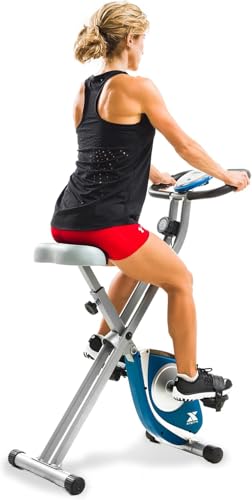
- ✓ Compact folding design
- ✓ Comfortable seating
- ✓ Quiet, smooth resistance
- ✕ Limited weight capacity
- ✕ Basic console features
| Frame / Folding Mechanism | Solid X-frame foldable design; folds to 18.1″ x 18.1″ footprint |
| User Weight Capacity | 250 lb (225 lb specified in product; inferred amply supports typical folding bike riders; confirm spec if exact is required) |
| Seat Design / Comfort | Large anatomically designed seat with multi-position padded handlebars |
| Display / Metrics | 2″ x 1″ LCD displaying speed, distance, time, calories, and pulse |
| Resistance System | 8 levels of resistance controlled by a large manual dial beneath the console |
| Intended Use / Category | Residential folding exercise bike suitable for runners seeking space-saving cardio |
The XTERRA Folding Exercise Bike catches my eye the moment you haul it out of the box and notice how compact the folded footprint is. It feels like a tiny piece of gym glory that actually fits under a bed or behind a door.
You’ll be impressed by the solid X-frame that doesn’t wobble, even when you hammer out a sprint interval.
Setting it up is breezy, thanks to clear labeling and a straightforward fold mechanism. I appreciate how the seat is anatomically shaped, and the multi-position padded handlebars let you dial in a stance that mirrors a road-bike feel.
The console is simple to read, with a 2″ by 1″ LCD window that shows speed, distance, time, calories, and pulse at a glance.
The 8 resistance levels respond smoothly to the turn of the large dial just below the console. It’s quiet enough not to bother a roommate during a late-night ride, yet solid enough to feel like you’re really engaging your legs.
The pedals grip well, and the overall ride feels stable, which is a blessing when you’re trying to push through a longer session.
If you’re a runner trying to cross-train, this bike shines in a few ways. It doesn’t demand a big footprint, but it still offers a satisfying aerobic push.
It’s easy to stow, quick to bring out, and the seat-and-handlebar combo keeps you in a comfortable, natural position.
Overall, you get a budget-friendly cardio bolt that respects space without skimping on comfort. It’s a practical, reliable little workout partner for chilly days or recovery weeks.
What Key Features Should a Bike Have for Runners?
The best bike for runners should include features that enhance comfort, stability, and efficiency while accommodating their unique needs.
- Lightweight Frame: A lightweight frame is crucial for easy maneuverability and transport. It allows runners to handle the bike with less effort and can be beneficial during transitions, such as moving from running to cycling.
- Comfortable Saddle: A comfortable saddle is essential for long rides, as it helps prevent discomfort and chafing. Runners often spend significant time on their bikes, so a well-padded seat tailored for endurance is vital for a pleasant riding experience.
- Adjustable Handlebars: Adjustable handlebars enable riders to customize their riding position for optimal comfort and control. This feature helps runners maintain a natural posture, reducing strain on the back and shoulders during longer rides.
- Wide Tires: Wide tires provide better stability and traction, which is particularly helpful on various terrains. Runners who cycle may encounter different surfaces, and wider tires can help absorb shocks and maintain balance on uneven ground.
- Multiple Gears: A bike with multiple gears allows riders to adjust their pedaling effort according to varying terrain and inclines. Runners transitioning to cycling will appreciate the ability to switch gears for easier climbs or faster descents, enhancing their overall cycling experience.
- Disc Brakes: Disc brakes offer superior stopping power compared to traditional rim brakes, especially in wet conditions. For runners, having reliable brakes is critical for safety, enabling quick stops and precise control when navigating through busy areas.
- Bike Rack or Attachment Points: A bike rack or attachment points allow runners to easily carry their running gear, such as hydration packs or extra clothing. This feature adds convenience, making it easier to transition between running and biking without needing extra equipment.
- Fenders: Fenders help keep mud and water off the rider, which is particularly useful for runners who may encounter wet conditions. These can help maintain comfort and cleanliness during rides, allowing for a more enjoyable cycling experience.
How Does the Weight of a Bike Affect Comfort for Runners?
The weight of a bike can significantly influence the comfort and performance of runners who cycle as part of their training regimen.
- Lightweight Bikes: Lightweight bikes, typically made from materials like carbon fiber or aluminum, are easier to maneuver and accelerate. Runners often benefit from these bikes as they can reduce fatigue and allow for longer rides without excessive strain on the body.
- Heavier Bikes: Heavier bikes, often made from steel or with additional features, may provide more stability, especially on rough terrains. However, they can also lead to increased effort during climbs and longer distances, which may detract from the comfort level for runners who are not accustomed to carrying extra weight.
- Weight Distribution: The way weight is distributed on a bike can affect handling and comfort. A bike that balances weight well will feel more stable and comfortable, allowing runners to focus on their training rather than managing an awkward ride.
- Suspension Systems: Bikes with effective suspension systems can mitigate the discomfort associated with heavier frames. This feature can make rides smoother and more enjoyable for runners, enabling them to transition between running and cycling seamlessly.
- Frame Geometry: The design and geometry of the bike frame can also influence comfort levels. Bikes designed with an upright position can help runners maintain better posture and reduce strain on their back and shoulders during long rides.
Why Is Saddle Comfort Important for Runners on Bikes?
The underlying mechanism involves the interaction between body weight distribution and saddle design. A poorly designed saddle can create pressure points that lead to numbness, chafing, or pain, which can distract from the activity and lead to decreased motivation (W. C. et al., 2019). Furthermore, the biomechanics of cycling require a stable and comfortable seating position to maximize power transfer and minimize energy loss, highlighting the importance of a well-fitted saddle for runners adapting to cycling.
What Gear Options Enhance the Cycling Experience for Runners?
The best bike options for runners enhance their cycling experience by providing comfort, efficiency, and versatility.
- Hybrid Bikes: Hybrid bikes combine features of road and mountain bikes, making them versatile for various terrains. They are generally lightweight and offer a comfortable riding position, which is beneficial for runners who may not be accustomed to long hours on a bike.
- Road Bikes: Road bikes are designed for speed and efficiency on paved surfaces. They typically have a lightweight frame and thin tires, allowing for faster rides, which can be appealing for runners looking to improve their cardiovascular fitness while cycling.
- Mountain Bikes: Mountain bikes are ideal for runners who enjoy off-road adventures. They feature sturdy frames and wider tires with enhanced grip, enabling riders to tackle rugged trails and uneven surfaces, which can complement trail running experiences.
- Cyclocross Bikes: Cyclocross bikes are versatile like hybrid bikes but are built for mixed terrain, including both pavement and dirt. They offer a more aggressive riding position and are designed to handle obstacles, making them suitable for runners who embrace a more challenging cycling experience.
- Electric Bikes: Electric bikes (e-bikes) provide an added boost with battery assistance, making it easier for runners to cover longer distances or tackle hilly terrain without excessive strain. This can be particularly beneficial for recovery rides or for those who want to maintain a higher level of activity without overexertion.
- Folding Bikes: Folding bikes are compact and portable, making them a great option for runners who travel or have limited storage space. They can easily be transported on public transport or stored in small living spaces, allowing runners to seamlessly integrate cycling into their routine.
What Types of Bikes Are Best Suited for Runners?
- Hybrid Bikes: Hybrid bikes are designed to offer a comfortable ride on both paved and unpaved surfaces, making them ideal for runners who want versatility. They typically feature a more relaxed geometry and wider tires, which provide stability and comfort during longer rides, allowing runners to cross-train effectively.
- Road Bikes: Road bikes are lightweight and built for speed, making them suitable for runners looking to improve their cardiovascular endurance. With their aerodynamic design and thin tires, they enable quick acceleration and efficient pedaling, which can help runners develop leg strength and stamina.
- Mountain Bikes: Mountain bikes are excellent for runners who enjoy off-road trails and rugged terrain. They come equipped with thicker tires and durable frames that can handle bumps and obstacles, providing a different kind of workout that emphasizes strength and balance while still being low-impact on the joints.
- Fitness Bikes: Fitness bikes combine elements of road and hybrid bikes, offering a lightweight frame with a more upright riding position. They are perfect for runners who want a bike that allows for a fast-paced workout while remaining comfortable, making them a great option for cross-training and longer rides.
- Cruiser Bikes: Cruiser bikes prioritize comfort and ease of use, making them suitable for casual rides rather than intense training. While they may not provide the same fitness benefits as other types, they can still serve as a relaxing option for runners looking to enjoy leisurely rides on flat terrain.
Are Road Bikes More Beneficial for Runners Compared to Other Types?
| Type of Bike | Benefits for Runners | Price Range | Weight | Recommended Brands | Typical Uses |
|---|---|---|---|---|---|
| Road Bike | Lightweight and efficient, great for speed and endurance training. | $800 – $5000 – Varies based on brand and components. | Typically 18-25 lbs | Specialized, Trek, Cannondale | Speed training, long-distance rides |
| Hybrid Bike | Versatile and comfortable; good for varied terrain and casual rides. | $300 – $1500 – Generally more affordable with decent features. | Typically 25-30 lbs | Giant, Schwinn, Raleigh | Casual rides, commuting |
| Mountain Bike | Sturdy and good for rough terrains, less efficient on roads. | $500 – $3000 – Prices vary with durability and technology. | Typically 25-35 lbs | Trek, Specialized, Cannondale | Trail riding, off-road adventures |
| Cruiser Bike | Comfortable for leisure riding but not suited for performance. | $250 – $1000 – Budget-friendly, designed for casual use. | Typically 30-35 lbs | Electra, Schwinn, Firmstrong | Leisure rides, beach cruising |
What Advantages Do Hybrid Bikes Provide for Runners?
Lastly, many hybrid bikes come with convenient storage options, such as racks for carrying supplies or gear. This practicality allows runners to incorporate longer rides into their training routines without worrying about carrying everything in a backpack.
Can Mountain Bikes Be a Good Choice for Runners?
Mountain bikes can indeed be a suitable choice for runners looking to incorporate cycling into their training routine. Here are some key reasons why:
-
Stability and Control: Mountain bikes are designed for rugged terrain, offering better stability and control on uneven surfaces. This can help runners transition more comfortably from running to biking, especially on trails or hilly courses.
-
Comfort: With wider tires and a more forgiving suspension system, mountain bikes provide a comfortable ride. This helps reduce impact on the joints, a crucial factor for runners seeking to lessen the strain on their knees and hips.
-
Versatility: A mountain bike can handle various types of terrain, making it suitable for outdoor adventures. Runners who enjoy exploring trails can benefit from this versatility, combining biking with their usual running routes.
-
Full-Body Workout: Cycling engages various muscle groups and offers a different cardiovascular workout. It enhances endurance while giving runners a break from the repetitive motion of running.
In summary, mountain bikes present numerous benefits for runners, making them a solid option for cross-training and maintaining fitness levels.
What Recommendations Do Experts Have for Runners Transitioning to Cycling?
Experts recommend several considerations for runners transitioning to cycling to ensure a smooth and effective switch.
- Choose a Comfortable Bike: Selecting the right type of bike is crucial for comfort and performance. Runners should look for a bike that offers a good fit and allows for an upright riding position, which can help prevent strain on the back and neck.
- Consider Road vs. Mountain Bikes: The choice between a road bike and a mountain bike depends on where the rider intends to cycle. Road bikes are lightweight and designed for speed on paved surfaces, while mountain bikes offer durability and stability for off-road conditions, making them suitable for varied terrains.
- Invest in Quality Cycling Gear: Proper cycling gear, including padded shorts and cycling shoes, can enhance the riding experience. Padded shorts provide comfort for longer rides, while cycling shoes improve power transfer from the legs to the pedals, making each stroke more efficient.
- Start with Flat Terrain: To ease into cycling, runners should begin on flat, smooth surfaces. This approach helps build confidence and allows the body to adjust to the new movement patterns without the added challenge of hills or uneven terrain.
- Gradually Increase Intensity: Just as runners build their mileage over time, cyclists should gradually increase their distance and intensity. This progression helps prevent injury and allows the body to adapt to the new demands of cycling.
- Incorporate Cross-Training: Combining cycling with running can enhance overall fitness and reduce the risk of overuse injuries. Cross-training helps maintain cardiovascular endurance while providing a low-impact alternative to running, allowing the body to recover and strengthen.
- Pay Attention to Bike Fit: Proper bike fit is essential for comfort and efficiency. Runners should consider getting a professional bike fitting to ensure the saddle height, handlebar position, and frame size are suited to their body, which can significantly impact performance and reduce discomfort.
- Learn Basic Bike Maintenance: Understanding basic bike maintenance, such as how to fix a flat tire or adjust brakes, is beneficial for any cyclist. This knowledge can enhance confidence on the road and ensure that riders are prepared for unexpected situations.
How Can Runners Incorporate Biking into Their Fitness Regimen?
Runners can enhance their fitness regimen by incorporating biking, which provides a low-impact workout that complements running.
- Road Bikes: These bikes are designed for speed and efficiency on paved surfaces, making them ideal for runners looking to build endurance and improve cardiovascular fitness. Their lightweight frames and narrow tires allow for quick acceleration and long-distance rides.
- Hybrid Bikes: Combining features of both road and mountain bikes, hybrids offer versatility on various terrains, making them suitable for runners who want to mix up their training environment. With a more comfortable seating position and wider tires, they provide a stable ride while still being efficient on flat roads.
- Mountain Bikes: For runners who enjoy off-road trails and rugged terrain, mountain bikes are a great option. They are equipped with sturdy frames, wider tires, and suspension systems that absorb shocks, allowing for a more adventurous biking experience that can also improve leg strength.
- Stationary Bikes: Ideal for indoor training, stationary bikes allow runners to get a cardiovascular workout without the impact associated with outdoor running. They are perfect for cross-training on days when weather conditions are unfavorable or when recovering from injuries.
- Cyclocross Bikes: These bikes are versatile and designed for a combination of road and off-road cycling, making them a perfect fit for runners who want to challenge their riding skills and endurance. They have wider tires for stability and can handle various surfaces, allowing for a dynamic workout.
What Recovery Benefits Can Runners Gain from Cycling?
- Low-Impact Exercise: Cycling is a low-impact activity that reduces the strain on joints compared to running. This allows runners to maintain cardiovascular fitness and muscle conditioning while minimizing the risk of injuries related to high-impact exercises.
- Improved Cardiovascular Endurance: Engaging in cycling can help runners enhance their aerobic capacity and endurance. The continuous pedaling motion strengthens the heart and lungs, which is beneficial for long-distance running and overall stamina.
- Muscle Recovery and Strengthening: Cycling engages different muscle groups, particularly the quadriceps, hamstrings, and calves, which may not be as heavily utilized during running. This cross-training helps in developing muscle balance and strength, aiding recovery from the repetitive strain of running.
- Active Recovery: Incorporating cycling into a training regimen provides an excellent way to facilitate active recovery after intense running workouts. This promotes blood flow to the muscles, helping to reduce soreness and stiffness while still allowing for a workout.
- Flexibility and Range of Motion: The cycling motion can enhance flexibility in the hips and legs. Increased range of motion contributes to better running form and can help prevent injuries related to tight muscles.
- Variety in Training: Cycling as an alternative workout can break the monotony of a running routine. This variety helps to maintain motivation, allows for mental recovery, and can lead to improved performance due to a refreshed mindset.